
The EMP Threat Is Real: Why Prepared Families Are Safer Families

If there’s one thing I’ve learned after helping over 9,000 people get prepared, it’s this: you will never regret being ready, but you will always regret being caught off guard. And when it comes to the threat of electromagnetic pulse (EMP) weapons, that saying has never been more true.

I’m a happy prepper—not because I’m excited about disasters (far from it), but because I’ve seen firsthand how empowered and joyful a family becomes once they take control of their safety. Preparedness isn’t fear. Preparedness is FREEDOM. And today, I want to talk about a topic that many folks still believe lives only in sci-fi movies… but in reality, it’s as current as the phone in your pocket.

EMP weapons are no longer something governments merely research. They’re no longer hypothetical “maybe one day” scenarios. EMPs—whether naturally occurring from solar flares or man-made through specialized devices—are very real, very present, and very capable of turning modern society upside down in seconds.

But here’s the good news (and I always bring good news): with preparation, your family can weather an EMP event with confidence, comfort, and capability. Let’s break it all down so you walk away empowered—not overwhelmed.


What Exactly Is an EMP? (And Why It Matters)
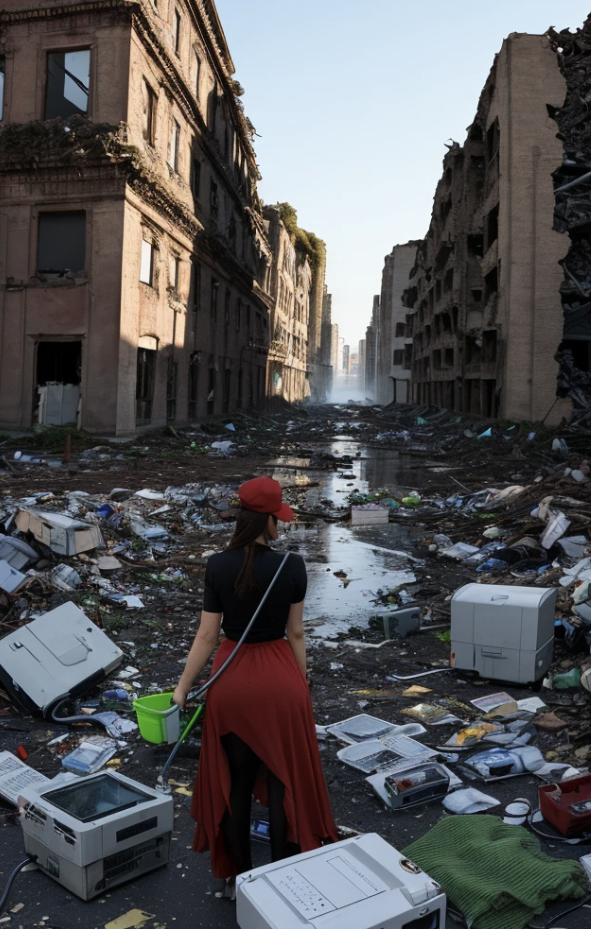
An electromagnetic pulse (EMP) is a sudden burst of electromagnetic energy that can disrupt or disable electronics and electrical systems. You don’t need to understand the physics behind it to grasp the critical point: an EMP can knock out the power grid and anything dependent on it.

That means:

  • No lights
  • No refrigeration
  • No cell phones or computers
  • No ATMs
  • No functioning gas pumps
  • No running water in many areas
  • No modern vehicles that rely heavily on electronics

In other words, an EMP could set us back technologically by decades—overnight.

There are two major sources to be aware of:

1. Natural EMPs

These stem from massive solar storms or coronal mass ejections (CMEs). These have happened many times in Earth’s history, including the famous Carrington Event of 1859. Back then, telegraph systems caught fire—imagine that level of energy hitting our digital society today.

2. Man-Made EMPs

These include specialized devices designed to generate powerful electromagnetic bursts. You don’t need details about how they’re made or deployed (and I won’t provide any), but it’s enough to know: the technology exists, is well-understood, and multiple nations acknowledge its development.

EMP weapons have moved from the “maybe someday” category into the “they exist today” category.

And that’s why YOU are smart for wanting to prepare your family.


Why You Need to Prepare Your Family NOW

EMP preparedness isn’t about panic. It’s about practicality. It’s about loving your family enough to put a plan in place while life is calm and peaceful—so that if chaos ever arrives, you’re ready to rise above it.

Here are five reasons preparation is essential:

1. The Grid Is Vulnerable

Our electrical grid is a patchwork of aging components. Engineers, government reports, and infrastructure experts regularly point out its vulnerabilities. Even without malicious threats, it’s fragile enough that storms knock out power for thousands each year.

Add in an EMP? The impact could be nationwide.

2. Society Relies Almost Entirely on Electronics

Think of how much everyday life depends on digital systems. Banking, communication, transportation, heating, water purification—all electrical, automated, and interconnected.

EMP preparedness is really just basic societal failure preparedness.

3. Emergency Services Will Be Overwhelmed

When 9,000 people look to me for help, I can handle that. When 90 million people look to emergency responders? Impossible. If you’re not prepared, you’re in a race with millions of others who suddenly need the same resources.

4. Prepared Families Thrive While Others Panic

I’ve seen this over and over: families that have even a modest preparedness plan experience calm, confidence, and capability during crisis. Instead of scrambling, they adapt. Instead of fear, they move with purpose.

5. It Doesn’t Take Much to Be Far Ahead

The beauty of EMP preparation is that small actions create big advantages. You don’t need a bunker, a thousand acres, or a doomsday fortress. You simply need a plan and a few smart tools.


How to Prepare Your Family for an EMP (Without Stressing Out)

Let’s get to the fun part. Yes—FUN. Because prepping isn’t doom and gloom. It’s a lifestyle of empowerment. It’s about building a cushion of safety and independence.

Here are the foundational steps I’ve taught for years, the same steps that have helped thousands of families get ready without overwhelm.


1. Build a Reliable Food & Water Plan

In a grid-down scenario, food supply chains and water systems can fail quickly.

Water:
Store at least one gallon per person per day for two weeks. Add filtration and purification tools, because stored water eventually runs out.

Food:
Build a pantry of shelf-stable foods you already love. Canned meats, beans, rice, oats, pasta, freeze-dried meals—simple, comforting items your family already eats.

A prepared pantry means peace of mind.


2. Protect Critical Electronics in a Simple Faraday Container

You don’t need anything fancy. Metal containers with tight-fitting lids, specialized EMP bags, or a galvanized steel trash can with rubber insulation can all act as Faraday cages.

Items worth protecting include:

  • Small radios
  • Flashlights
  • Rechargeable batteries
  • Portable solar chargers
  • Medical devices that can be stored safely
  • Hard-drive backups of important family documents

Remember: you’re not protecting luxury—you’re protecting capability.


3. Get Comfortable Going Off-Grid

You don’t have to live off-grid—you just have to be capable of doing so temporarily.

Skills to practice include:

  • Cooking without electricity
  • Heating safely without the grid
  • Using alternative lighting
  • Managing sanitation

Make these practice days fun. Turn them into family adventures. I promise—kids love “grid-free nights.”


4. Strengthen Family Communication & Plans

In an EMP event, communication networks may fail. Your family needs a simple plan:

  • Where to meet
  • Who checks on whom
  • What to do if separated
  • What gear each person is responsible for

Prepared families don’t panic—they execute.


5. Build a “Grid-Down” Emergency Kit

A basic kit includes:

  • First-aid supplies
  • Flashlights
  • Batteries
  • Portable solar chargers
  • A crank radio
  • Water filters
  • Emergency blankets
  • Extra medications

This isn’t about fear—it’s about being comfortable when others aren’t.


Preparedness Is Love in Action

I’ve helped thousands of people build resilient, capable families. Every time I meet a newly prepared household, their eyes light up with confidence.

You’re not preparing because disaster is inevitable. You’re preparing because your family is worth protecting.

EMP threats aren’t futuristic—they’re part of our modern reality. But with the right mindset, the right tools, and the right plan, you can transform that reality into peace of mind.

And I’ll tell you this from experience:
Prepared families are happier families.

So take the next step. Build your plan. Protect your loved ones. And join the growing community of joyful preppers who face any challenge with a smile and a full toolkit.

You’ve got this—and I’ve got your back.

The Critical Role of Survival Food in Keeping Your Family Safe and Healthy

When disaster strikes, one of the first things that becomes critically important is food. Without food, your body won’t have the fuel it needs to survive. But when it comes to survival, it’s not just about having any food—it’s about having the right kind of food. That’s where survival food comes in.

Survival food isn’t just a convenience item. It’s an essential component of your long-term survival plan. Whether you’re preparing for a natural disaster, a societal collapse, or any other crisis that disrupts the normal supply of food, having a stockpile of nutritious and long-lasting survival food can make the difference between life and death for you and your family. Let’s break down why survival food is so crucial and how it fits into your preparedness strategy.


1. Disasters Disrupt Food Supply Chains

Prepper Tip #1: Stock up on non-perishable survival foods such as freeze-dried meals, canned goods, and vacuum-sealed items. Aim for a minimum of a three-month supply for your family.

In the event of a disaster, whether it’s a natural one like a hurricane or a man-made one like an economic collapse, the food supply chain can quickly break down. Grocery stores might run out of stock within hours, and transportation systems may be disrupted, leaving you with nothing but empty shelves. During these times, having a supply of survival food allows you to feed your family without relying on the failing supply chains.

Survival food is designed for long-term storage and can withstand extreme conditions. Items like freeze-dried meals, dehydrated vegetables, and vacuum-sealed protein provide you with a reliable source of nutrients when fresh food is no longer available.


2. Nutritional Needs During Crisis Situations

Prepper Tip #2: Ensure your survival food supply includes a balanced mix of protein, carbohydrates, fats, and micronutrients. Focus on foods that are high in calories to sustain energy levels.

When a crisis hits, the last thing you want is to survive on food that’s nutrient-poor. You need food that not only fills your stomach but provides the calories and nutrients needed to keep your body functioning at its best. When you’re under stress, possibly in harsh weather or physically demanding situations, your body needs fuel to stay sharp.

Survival food is formulated with this in mind. The best survival food options include high-calorie meals that provide protein, fats, and carbohydrates—all essential for maintaining your energy levels. For example, freeze-dried meat, nut butters, instant rice, and energy bars are all great options for providing long-lasting energy and keeping your immune system strong.


3. Shelf Life of Survival Food

Prepper Tip #3: Store survival food in cool, dry places to maximize shelf life. Rotate older supplies regularly to ensure they remain fresh and usable.

One of the biggest advantages of survival food is its long shelf life. Depending on the type, survival food can last anywhere from 5 to 25 years, making it ideal for long-term storage. Canned goods, freeze-dried meals, and vacuum-sealed options can last far longer than fresh food. If stored correctly, they provide you with a security blanket in uncertain times.

However, the key to making sure your survival food lasts is to store it properly. Keep it in a cool, dry area, away from sunlight and humidity. Proper rotation is also important. Use the first-in, first-out (FIFO) method to make sure you’re always consuming the oldest stock first, ensuring your survival food stays fresh.


4. Survival Food Saves Time and Energy

Prepper Tip #4: Choose easy-to-prepare survival food like MREs (Meals Ready to Eat) or freeze-dried meals. These meals don’t require cooking and can be eaten straight out of the bag or after just adding water.

When the grid goes down, cooking becomes a challenge. The last thing you want to worry about is preparing a meal from scratch when you’re trying to keep your family safe, secure, and healthy. Survival food is designed for ease and convenience. Meals like MREs, freeze-dried soup, and instant oatmeal require minimal effort to prepare—sometimes just adding water and waiting a few minutes.

This ease of preparation allows you to focus on other critical survival tasks like securing shelter, gathering water, or defending your home, instead of worrying about how to cook a full meal from raw ingredients.


5. Peace of Mind in Uncertain Times

Prepper Tip #5: Make a family plan and discuss how you will distribute survival food during a crisis. Having a plan in place reduces stress and increases your efficiency during emergencies.

One of the most overlooked aspects of survival preparedness is the peace of mind that comes with knowing you’re ready. When you have a solid stockpile of survival food, you don’t need to panic when the lights go out or the grocery stores close. You’re prepared, and that sense of readiness can reduce anxiety and help you think clearly when everything else seems chaotic.

By having a well-stocked survival food supply, you know that if the worst happens, you’ll be able to provide for your family. This peace of mind is critical for making rational decisions during emergencies.


6. Flexibility in Meal Planning

Prepper Tip #6: Keep varied survival food options so that meals don’t become monotonous. A mix of freeze-dried meals, canned goods, and snacks can help maintain morale.

While having enough food is crucial, the variety of food you have also plays a role in survival. During long-term emergencies, eating the same thing day after day can lead to “survival fatigue,” which can impact your morale and mental health. Survival food provides the ability to mix and match meals, preventing the monotony that can come from eating nothing but canned beans or rice.

In addition to the basics, consider adding treats like jerky, dried fruit, and trail mix to your survival food stash. These foods are not only delicious, but they help lift spirits during challenging times.


7. The Role of Survival Food in Bug-Out Bags

Prepper Tip #7: Always include high-calorie survival food in your bug-out bag. Compact, calorie-dense foods like granola bars or energy gels will keep you energized while on the move.

During an emergency, you may need to bug out—that is, evacuate your home and seek refuge elsewhere. Having survival food in your bug-out bag is essential. You won’t have the luxury of preparing a meal or hunting for food while you’re on the go. Carry foods that are calorie-dense, lightweight, and easy to consume.

Energy bars, nut butter packets, and high-calorie trail mix are great options that will keep you going without weighing you down.


8. Enhancing Your Survival Skills with Food

Prepper Tip #8: Learn how to forage for food and hunt in your area, but supplement these skills with stored survival food to ensure you don’t run out.

While survival food is essential, it should never be your only food source. In addition to your stockpile, learning how to forage, hunt, and fish will increase your self-reliance. Supplementing survival food with wild edibles or small game can help diversify your diet and reduce the need to dip into your emergency stockpile too quickly.


9. Keeping the Family Healthy During Crisis

Prepper Tip #9: Include vitamins and minerals in your survival food plan to keep everyone’s immune system strong, especially when fresh produce is unavailable.

During a crisis, it’s easy to forget about nutrition, especially if you’re relying on a steady diet of canned foods or dried meals. However, maintaining a healthy immune system is more important than ever when disease or injury can be much harder to treat.

Ensure your survival food supply includes multi-vitamin supplements and vitamin-rich foods to support long-term health.


10. Long-Term Sustainability of Survival Food

Prepper Tip #10: Incorporate food-growing plans into your overall prepper strategy. Consider starting a garden with non-perishable seeds for vegetables, herbs, and fruits.

In addition to stocked survival food, you should be planning for long-term sustainability. Consider integrating food-growing strategies into your survival plan. Growing your own food can help replenish your stockpiles, providing you with a renewable food source during extended crises.


Conclusion

Survival food is an essential part of any prepper’s plan, and understanding its critical role in keeping your family safe and healthy is key to successful preparedness. From providing energy and nutrients to ensuring that you can endure a long-term crisis, survival food is your lifeline during emergencies. Whether you’re facing a short-term power outage or a long-term societal collapse, a well-stocked supply of survival food will ensure that you and your loved ones are taken care of, no matter what comes your way.

By following these survival tips and maintaining a healthy stockpile, you’ll be ready to face any disaster and keep your family safe, healthy, and prepared.