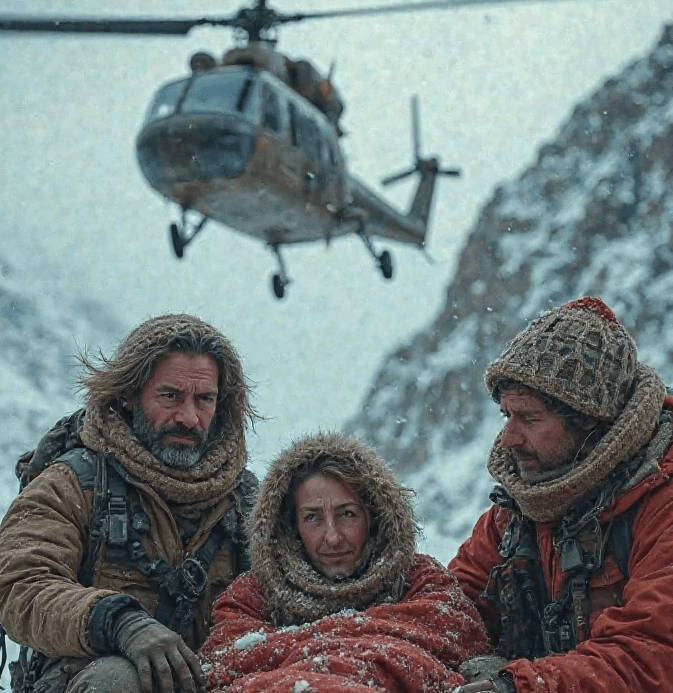
Listen up. If you think survival is some cozy little hobby, like gardening or birdwatching, you’re dead wrong. Out here in the real world, the second things go south, your safety is your responsibility — no one else’s. And if you don’t defend your ground, you might as well pack it in and become someone else’s snack. The world’s a ruthless place, and if you’re not prepared to defend what’s yours with every ounce of grit and grit alone, you’ll lose it all.
I’m sick of the wannabe “survivalists” who think stockpiling a few canned goods and a flashlight makes them ready. Bullshit. You want to survive? You need skills — real, practical, fight-or-flight skills that will keep you alive when every second counts and the stakes are your life.
Here’s the cold, hard truth: Defending your ground means being proactive, ruthless, and ready to act before things get ugly. The moment you hesitate is the moment you lose. So, strap in. I’m going to lay out ten survival skills you need burned into your brain, plus three DIY survival hacks you can build with your own two hands right now.
1. Situational Awareness: Your Sixth Sense
If you don’t see danger coming, you’re already dead. Period. Situational awareness isn’t just “looking around.” It’s knowing your environment like the back of your hand — every nook, every shadow, every possible threat vector. Train your eyes and ears to catch the smallest anomaly. Hear that twig snap? That’s not a squirrel; it could be someone stalking your perimeter.
2. Firearms Mastery
If you don’t have a working knowledge of firearms and practice regularly, you’re a liability — not an asset. Learn your weapon inside and out. Clean it, maintain it, shoot it until your hands bleed. In a crisis, hesitation or fumbling is a death sentence. Know how to handle firearms safely, but never underestimate their power to defend your ground.
3. Improvised Weapon Crafting
Sometimes you won’t have a gun handy. Fine. You better know how to turn anything into a weapon. A sturdy stick becomes a spear with a sharpened rock. Nails hammered into a plank make a nasty club. Learn how to craft improvised weapons fast — speed and creativity save lives.
4. Fortifying Your Perimeter
Walls and fences aren’t enough. You have to harden your base with layered defenses — think tripwires, camouflaged pits, and noise traps. If an intruder sets foot on your property, they shouldn’t just know you’re there — they should be afraid, confused, and disoriented. Make your defenses a maze of hazards.
5. Close-Quarter Combat
When an assailant breaks through your defenses, it’s going to come down to close-quarter combat. Learn how to fight dirty — elbows, knees, chokeholds, and strikes to vulnerable areas. Hand-to-hand combat isn’t Hollywood fancy; it’s brutal, fast, and messy. Get in, incapacitate your attacker, and get out.
6. Stealth Movement
Sometimes the best defense is not being detected at all. Move silently, blend with your environment, and avoid confrontation when you can. Stealth isn’t just for ninjas; it’s a survival skill. Learn to move like a shadow and never give away your position.
7. Escape and Evasion
No matter how strong your defenses, sometimes you have to bug out — fast. Know multiple escape routes and practice evasion tactics. Use terrain to your advantage, cover your tracks, and never go in a straight line. Staying mobile and unpredictable is key.
8. First Aid Under Fire
If you’re wounded defending your ground, a tourniquet and pressure bandage can be the difference between life and death. Learn trauma first aid like your life depends on it — because it does. Stop bleeding, manage shock, and keep moving.
9. Communication Without Tech
When the grid goes down, forget your phone. Know hand signals, mirror flashes, or whistle codes to communicate silently with your team. Noise can attract unwanted attention. Communication is survival, so master low-tech methods that work when everything else fails.
10. Mental Fortitude
The battlefield isn’t just physical — it’s mental. Fear will try to freeze you. Panic will cloud your judgment. You have to train your mind to push through exhaustion, pain, and fear. Mental toughness is what separates the survivors from the corpses. Build your resilience every damn day.
Three DIY Survival Hacks to Secure Your Ground
Alright, theory is fine, but you need actionable hacks you can set up today with stuff you already have lying around. Here are three DIY survival hacks to boost your security without breaking the bank:
Hack #1: Nailboard Tripwire Alarm
All you need is some scrap wood, old nails, and string or wire. Hammer nails into a wooden plank, sticking out a bit like spikes. String a thin wire or string across your perimeter, attaching it so that when triggered, it pulls on the nails, producing a loud rattling noise that will alert you instantly if someone crosses the boundary. Cheap, simple, and it can buy you precious seconds to get to your weapon.
Hack #2: DIY Sandbag Barricade
Sandbags are the backbone of any defensive perimeter. Don’t wait for a natural disaster supply run to find them. Use old pillowcases or sacks, fill them with dirt, sand, or even gravel, and stack them around doors and windows. They absorb shock, provide cover, and slow down any forced entry. Reinforce weak points on your property fast with this makeshift barricade.
Hack #3: PVC Pipe Spiked Fence
Cut sections of thick PVC pipe lengthwise, sharpen the edges with a file or grinder until they’re razor-sharp. Insert these into the tops of your fences or around your property’s vulnerable points. It’s not just ugly — it’s painful and will discourage any foolhardy intruder. Sharp PVC spikes cost pennies and can be mounted almost anywhere for a quick security upgrade.
Final Warning
I don’t care if you think your neighborhood is safe or your government has your back — when the grid collapses, all bets are off. The law won’t be there. Police? Military? Gone or overwhelmed. Your survival depends on your ability to defend your ground with everything you’ve got.
If you think security means locking your doors and hoping for the best, wake up. It’s a full-time job, a mindset, and a commitment. You will sweat, bleed, and maybe even lose some friends. But if you don’t prepare now, you’ll lose your life later.
Survival isn’t pretty. It’s raw, ugly, and relentless. But it’s the only truth out here. So get angry. Get prepared. Defend your ground — because no one else will.
Living in Louisiana, you get used to the idea that disaster can strike at any time. Whether it’s hurricanes, flooding, tornadoes, or even wildfires, the state is a prime target for a variety of natural catastrophes. As a prepper, I’ve learned to keep my family safe by planning, preparing, and thinking ahead—because when disaster strikes in the Bayou State, you don’t have time to figure it out.
Let’s talk about the big ones first—hurricanes. Hurricane season here runs from June to November, and while we may not get hit every year, the threat is always looming. I’ve seen what these storms can do to entire neighborhoods. In 2005, Hurricane Katrina devastated New Orleans and much of the Gulf Coast. The flooding, destruction, and loss of life were a wake-up call for many of us. Since then, I’ve focused on preparedness like never before.
But hurricanes aren’t the only worry. Louisiana is also prone to flooding, especially along the Mississippi River and in the low-lying bayous. Tornadoes, though less frequent, can still tear through communities, and let’s not forget the occasional wildfires in the dry season. With all of these potential threats, the key to surviving is a solid game plan. Here’s how I prepare for the worst.
1. Hurricane Preparedness
The first rule of prepping in Louisiana is always to have your hurricane kit ready. The goal is to stay safe during the storm, but also to make sure you’re set for the aftermath when power can be out for days or weeks. I keep my emergency supplies stocked year-round:
Water: I store at least one gallon per person per day for a minimum of three days. More is better.
Non-perishable food: Canned goods, freeze-dried meals, and high-energy snacks are crucial.
Battery-powered radios: In case the power goes out, a weather radio will help you stay up to date on storm developments.
Flashlights and extra batteries: These are essential for navigating through a darkened home or neighborhood.
First aid kit: You’ll need it for minor injuries or emergencies when medical help may be delayed.
Power banks: Keeping devices charged is a must, especially for communication and updates.
2. Evacuation Plan
Evacuation routes are critical. I’ve mapped out several routes to different safe areas in case the primary routes get blocked. We all know that traffic jams can become a nightmare when everyone is evacuating at once, so having a few options in mind is a lifesaver.
Also, having a bug-out bag for every member of the family—especially the kids—gives me peace of mind. I make sure the bags are packed with essential clothing, hygiene products, medicine, and important documents (ID, insurance papers, etc.).
3. Flooding and Water Safety
Living in Louisiana means we’re surrounded by water—rivers, lakes, and swamps. Flash floods are a common problem, and with climate change, they’re becoming more frequent. If you live in a flood zone, it’s important to elevate your home, if possible. I’ve raised mine a few feet above the base flood elevation, which is required for some properties, but it can make a huge difference when water levels rise unexpectedly.
When a flood is imminent, I make sure to move all valuable electronics and important documents upstairs to higher ground. Sandbags are useful, but if the water is rising quickly, nothing beats having a safe place to move to.
4. Tornadoes
Though Louisiana isn’t as tornado-prone as places like Oklahoma or Texas, we still get our fair share of twisters. Tornadoes can appear suddenly, often with little warning. I’ve learned that the best place to ride out a tornado is in a basement or interior room without windows. A storm shelter or a reinforced room is a lifesaver.
I also have an emergency kit specifically for tornadoes, with a focus on protection from flying debris—sturdy shoes, blankets, and helmets in case you need to hunker down fast.
5. Wildfires and Dry Conditions
While it may seem strange, wildfires can be a real threat in Louisiana during the dry season. These fires can spread quickly, especially in the rural areas, and high winds can make them even more dangerous. Keeping a defensible space around your home is essential if you live near wooded areas. I trim back brush and trees regularly, and I have a water source nearby in case we need to create a fire break.
6. Maintaining Communication
The one thing that I never take for granted is communication. When the grid goes down, it’s easy to feel isolated. Having a satellite phone or a CB radio can help keep you connected when cell service isn’t available. I also rely on family and community groups for information and support. A local network is vital in an emergency.
7. Self-Sufficiency
In Louisiana, relying on the grid isn’t always the best option. If a storm knocks out power, it might take days or weeks to restore it. That’s why I invested in a backup generator for my home. Solar panels are a great addition as well, and they help keep things running when the power is out.
Growing my own food and learning skills like fishing, hunting, and basic carpentry has helped me become more self-reliant, which is critical during long-term disruptions.
10 Survival Prepper Tips for Louisiana’s Natural Disasters
Create a Bug-Out Bag: Always have a go-bag ready with essentials like food, water, medications, and important documents.
Know Your Flood Zones: Understand if you live in a flood-prone area and take action to raise your home if possible.
Keep Extra Gasoline: After a hurricane, gas stations can run out of fuel. Keep at least a couple of cans of gasoline on hand for your vehicle or generator.
Invest in a Solar-Powered Generator: This will keep your essentials running without the need for gas or electricity from the grid.
Learn to Fish and Hunt: Louisiana has some of the best fishing and hunting spots in the country—skills like these can be lifesavers in times of scarcity.
Stock Up on Supplies: Make sure you have a month’s worth of supplies, including food, water, and medicine, in case you need to hunker down for an extended period.
Backup Power for Communication: Keep solar chargers or extra batteries to power your communication devices.
Be Ready for Evacuation: Know multiple routes out of your area in case one gets blocked.
Protect Your Home’s Exterior: Install storm shutters, elevate your home, and clear your yard of debris that could become dangerous projectiles.
Stay Informed: Tune in to weather stations, have a weather app, and always keep an eye on the forecast, especially during hurricane season.
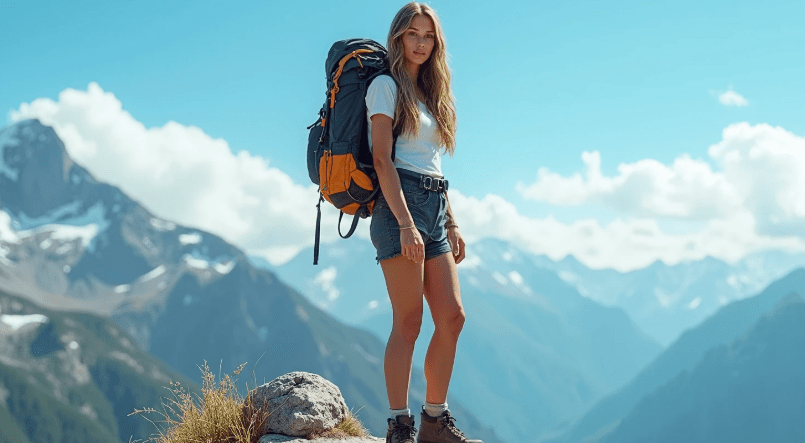
As a survival prepper living in the rugged, often harsh environment of Minnesota, it’s crucial to have a plan in place for not just surviving but thriving when the unexpected happens. Whether you’re preparing for a long-term emergency, practicing off-grid living, or just getting away from it all, camping in the wilds of Minnesota provides the perfect opportunity to hone your skills and connect with nature.
Minnesota, with its dense forests, vast lakes, and diverse ecosystems, offers some of the best camping spots for preppers. Whether you’re looking for a remote location for self-sufficiency training or a more accessible site for family outings, the state is full of options that cater to a variety of needs.
Below is a list of 23 top camping sites that will provide a perfect base to practice your prepper skills, from fire-making and shelter building to water purification and foraging. Let’s dive into the best Minnesota campsites for survival preppers!
This 1.1 million-acre expanse of pristine wilderness is one of the best places in the state to practice survival skills. The BWCAW is known for its remote nature, only accessible by canoe or foot, making it an ideal location for preppers seeking a real wilderness experience. The variety of lakes, rivers, and forests provides endless opportunities to practice everything from fishing and foraging to navigating and shelter building.
2. Voyageurs National Park
Located in the northern part of the state, Voyageurs offers miles of waterways and backcountry camping opportunities. With its remote islands and forests, this park is a prime location for testing your wilderness skills in a more rugged environment. Boat access ensures that you can travel deeper into the park for solitude, or, for a challenge, kayak or canoe to reach more isolated spots.
3. Tettegouche State Park
Tettegouche is perfect for preppers who enjoy a mix of lakeside camping and forested trails. With over 9,000 acres of land, this park offers rugged terrain, waterfalls, and wilderness camping areas that are ideal for practicing survival tactics in a controlled environment.
4. Apostle Islands National Lakeshore
While technically in Wisconsin, the Apostle Islands are a short hop from Minnesota’s border. These 21 islands are accessible by boat or kayak, and they’re perfect for preppers seeking isolation. You can camp on some of the islands and practice self-sufficiency while exploring unique coastal terrain.
5. Cascade River State Park
Known for its dramatic waterfalls and deep ravines, Cascade River State Park offers preppers a secluded area to test their survival skills. The park’s challenging terrain is perfect for those who want to practice creating shelter or navigating difficult landscapes.
6. Split Rock Lighthouse State Park
Split Rock is a scenic and relatively accessible spot for preppers who want to get away without venturing too far into the wilderness. The park has a historic lighthouse, and with miles of hiking trails and cliffs overlooking Lake Superior, it’s a great spot to practice survival skills.
7. Sibley State Park
Sibley is known for its diversity of terrain, from lakes to woods, and its proximity to the Chippewa National Forest. It offers a range of opportunities for learning and practicing wilderness survival tactics like tracking, fire-building, and wilderness first aid.
8. Itasca State Park
This is the birthplace of the Mississippi River, and it’s a fantastic place for preppers to practice wilderness living. Itasca State Park offers dense forests and numerous trails that will help you hone your navigation skills and perfect your understanding of local flora and fauna.
9. Jay Cooke State Park
This park is ideal for those who want to hone their skills in a rugged environment. With its river gorges, dense forests, and terrain that’s both challenging and beautiful, Jay Cooke offers a mix of survival training opportunities and scenic beauty.
10. St. Croix State Park
Located in the eastern part of the state, St. Croix is Minnesota’s largest state park and offers great opportunities for preppers. With a mix of forests, lakes, and trails, this park is perfect for those looking to practice navigation, building shelters, and foraging for food.
11. Upper Sioux Agency State Park
This park provides a secluded and quiet atmosphere, perfect for a prepper who wants to go off-grid for a while. The park features native prairie, woodlands, and the Yellow Medicine River, ideal for practicing survival skills like trapping, fishing, and fire-starting.
12. Fools Creek Campground
Located in the Chippewa National Forest, Fools Creek is an excellent location for preppers who want to be surrounded by forest while learning about shelter building and navigation. The forest is dense, and there are plenty of opportunities to practice skills related to foraging and survival.
13. Gooseberry Falls State Park
The dramatic waterfalls here aren’t just for sightseeing—they provide an excellent backdrop for practicing your prepper skills. Whether you’re building a shelter or fishing, this park offers a natural environment to test your survival strategies.
14. Pipestone National Monument
While known for its cultural significance, Pipestone also offers rugged terrain for practicing survival skills. The trails lead through prairie and wetlands, giving you a chance to work on your navigation and foraging skills while learning about the history of the land.
15. Whitewater State Park
With its rolling hills and river valleys, Whitewater offers beautiful scenery and diverse wildlife. It’s an excellent spot for preppers to practice survival skills like fishing, hunting, and cooking with limited resources.
16. Crow Wing State Park
This state park is perfect for preppers who want to spend some time on water, as it’s located at the confluence of the Crow Wing and Mississippi Rivers. This is a great location to practice paddling, fishing, and bushcraft skills, all while exploring one of Minnesota’s most beautiful regions.
17. Minneopa State Park
If you’re looking to practice your prepping skills with a little more accessibility, Minneopa offers a combination of woods and prairie that’s ideal for beginner preppers. It also has some great trails for hiking and testing your ability to navigate in a mixed environment.
18. Camden State Park
This park, located along the Redwood River, offers a mix of hardwood forest, prairies, and hiking trails. It’s an excellent location to practice fishing, trapping, and living off the land.
19. Blue Mounds State Park
If you’re looking for a more rugged, mountainous terrain, Blue Mounds is the place for you. The park offers opportunities for rock climbing, hiking, and learning to live in a more challenging environment.
20. Lake Bemidji State Park
Located near the city of Bemidji, this park offers a variety of outdoor opportunities, including hiking, canoeing, and wildlife watching. It’s an excellent spot for practicing survival techniques while enjoying the beauty of northern Minnesota.
21. Tamarac National Wildlife Refuge
For preppers interested in honing their survival skills around a wetland environment, Tamarac offers a unique opportunity. Its diverse ecosystems are perfect for learning about wildlife tracking and foraging in a more aquatic environment.
22. Cannon Falls Regional Park
For preppers who want a more urban environment but still need to practice basic survival skills, this regional park is a good option. It’s less remote but offers plenty of opportunities to practice essential skills like first aid and basic bushcraft.
23. Lake of the Woods
Located in the far north of the state, this remote lake offers unparalleled isolation and is perfect for preppers who want to get away from it all. The surrounding woods and waters provide the perfect backdrop for practicing your fishing, shelter-building, and wilderness survival skills.
The Importance of Survival Prepping: A Critical Conclusion
Survival prepping is no longer just a hobby or niche interest; it has become a vital aspect of modern life, especially for those living in areas like Minnesota, where the environment can change abruptly and harshly. While the idea of prepping might seem extreme to some, in reality, it’s a practical and proactive approach to securing your safety and well-being during times of crisis. Whether it’s natural disasters, economic collapse, or civil unrest, being prepared can make the difference between survival and hardship. Let’s dive deeper into why survival prepping is not just important, but crucial for everyone—especially in a state like Minnesota, where the elements and unexpected events can truly test your resilience.
1. Unpredictable Natural Disasters
Minnesota, known for its harsh winters, tornadoes, and severe weather conditions, presents a variety of challenges that can strike unexpectedly. Extreme cold, blizzards, ice storms, and flooding can isolate communities and disrupt essential services like electricity, water, and transportation. When these events occur, they often happen without much warning, leaving little time to react. By being prepared, you can ensure you have the necessary supplies, skills, and mental readiness to handle such crises effectively.
2. Self-Sufficiency in a Crisis
One of the key principles of survival prepping is self-sufficiency. When disaster strikes, whether it’s a natural disaster or a societal collapse, relying on others for help can often lead to disappointment or delay. The ability to be self-reliant—having the tools, knowledge, and skills to survive on your own—gives you an enormous advantage. From growing your own food and purifying water to knowing how to build shelter and start a fire, self-sufficiency ensures that you can withstand even the toughest conditions without needing to rely on outside resources. In Minnesota, with its vast wilderness and unpredictable weather, knowing how to be independent and self-sustaining could save your life.
3. A Layer of Security in an Uncertain World
The world is increasingly uncertain, with political tensions, economic instability, and global challenges that can disrupt our normal way of life. Disasters—whether large-scale catastrophes or smaller, more localized crises—can happen at any time, leaving individuals unprepared for the realities of living without the comforts of modern life. Survival prepping helps provide a layer of security during these times of uncertainty. By preparing now, you’re ensuring that you and your loved ones have a plan and the necessary supplies to face these challenges head-on. This peace of mind allows you to focus on finding solutions, rather than panicking when the time comes.
4. Mental and Emotional Preparedness
Survival prepping isn’t just about physical preparation; it’s also about developing a resilient mindset. When disaster strikes, fear, anxiety, and confusion are natural reactions. However, those who have prepared are often mentally more resilient, able to stay calm and think clearly under pressure. By training in survival techniques, practicing scenarios, and learning problem-solving skills, preppers develop a mindset that’s focused on solutions rather than problems. This mental and emotional preparedness is just as critical as having physical supplies.
5. Community and Family Protection
Survival prepping extends beyond the individual. It’s about ensuring that your family, friends, and community are equally prepared to face crises. When disaster strikes, those who have been trained and equipped to handle difficult situations can provide invaluable support to those around them. A well-prepared family can navigate a crisis together, relying on each other’s strengths, skills, and resources. Moreover, when everyone in a community shares basic survival knowledge and supplies, it increases the overall chance of survival for the group.
6. Sustainability and Long-Term Preparedness
Another reason survival prepping is crucial is its long-term focus. It’s not just about getting through the immediate aftermath of a crisis; it’s about building resilience for the future. Growing your own food, learning sustainable farming techniques, using renewable energy sources, and creating a robust emergency plan can help ensure that your survival is not a short-term fix, but a sustainable way of life. Prepping for long-term survival allows you to thrive in the face of adversity, reducing your dependence on systems that may fail during a crisis.
7. Becoming Better Stewards of the Land
As a prepper, there’s also a strong emphasis on understanding and respecting nature. Survival prepping often goes hand-in-hand with outdoor skills like foraging, fishing, and hunting. By learning to live in harmony with the environment, preppers build a deep connection to the land and an appreciation for sustainable practices. Minnesota’s diverse ecosystems, from forests to lakes, provide endless opportunities to learn and apply these skills. This approach doesn’t just ensure your survival—it also teaches you how to protect the land for future generations.
8. Empowerment Through Preparation
Finally, survival prepping is about empowerment. In an unpredictable world, knowing that you have the skills, knowledge, and resources to overcome challenges can give you a sense of confidence and control. When you prepare for the worst, you’re not just bracing for disaster—you’re actively taking steps to ensure your success in the face of adversity. This proactive approach gives you the mental and emotional strength to handle any situation, from natural disasters to social unrest.
Lastly: Why Survival Prepping Is Critical
Survival prepping is not about living in fear; it’s about living with foresight and resilience. In a state like Minnesota, where weather can be unforgiving and the world can change in the blink of an eye, it’s essential to be prepared. Prepping allows you to be proactive, self-sufficient, and mentally strong in the face of adversity. Whether you’re surviving a harsh winter, an economic collapse, or a natural disaster, the skills and resources you build today could mean the difference between life and death tomorrow.
As a prepper, you’re not just preparing for the worst; you’re ensuring that, come what may, you and your loved ones will thrive no matter what challenges arise.








 TheDailyChristian