Don’t Lie to Yourself — Your Pathetic Bug Out Bag Won’t Save You

Let’s cut the sugarcoating.
If your bug out bag is underbuilt, understocked, or underthought, you will die.
Not metaphorically… not “you’ll be uncomfortable”… not “things will get tough.”
No. You will actually die.

Exposure kills.
Dehydration kills.
Infection kills.
Stupidity kills fastest of all.

And the world is unraveling faster than you think. While most people post memes, binge shows, and pretend everything is fine, you’re one disaster away from finding out your gear is either your salvation or your coffin.

A bug out bag isn’t a hobby.
It’s not a Pinterest project.
It’s not a casual “just in case” backpack.

It is the difference between crawling into survival… or collapsing into the dirt face-first while the world burns around you.

This checklist is designed for one thing: keeping you alive when society stops pretending it’s functional.


WHY YOUR CURRENT BUG OUT BAG IS A JOKE — AND HOW IT WILL KILL YOU
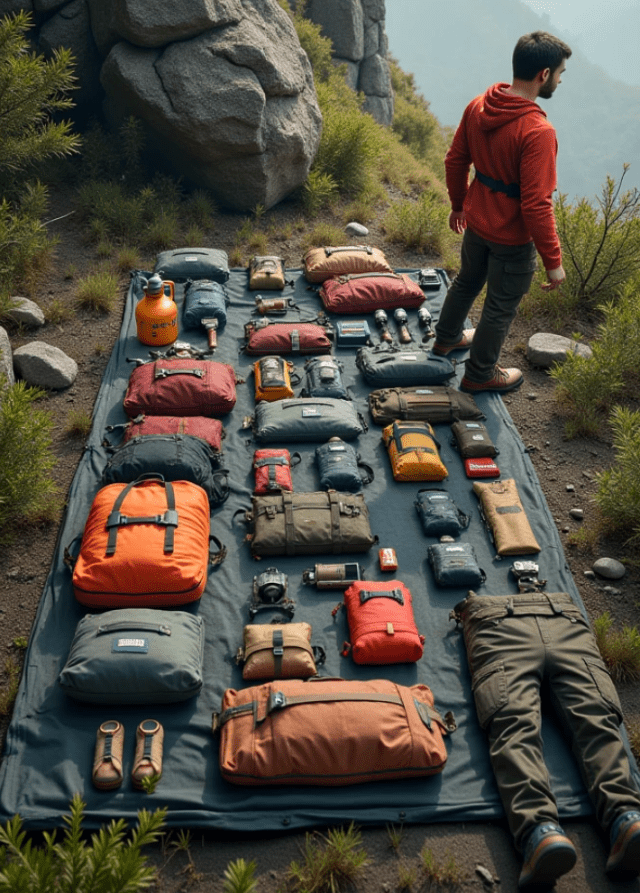
Most people’s bags are overloaded with junk or missing lifesaving basics.
They pack:

  • gadgets they don’t know how to use
  • food that spoils in 24 hours
  • knives made for cartoons
  • useless “tactical” garbage they bought because it looked cool

Meanwhile, the truly essential survival gear sits forgotten on some Amazon wishlist.

Those mistakes will kill them within 72 hours of a real collapse.

If your bag fails in heat, cold, darkness, or panic…
If your water plan is wishful thinking…
If your shelter plan is “I’ll figure it out”…

You’re not a survivor. You’re a casualty waiting for its moment.

This checklist fixes that.


THE BRUTALLY HONEST BUG OUT BAG CHECKLIST (THE SURVIVOR’S VERSION)

Prepare for bluntness. Anything less is deadly.


1. WATER & PURIFICATION (FAIL THIS AND YOU DIE FIRST)

Dehydration doesn’t care about your attitude. It doesn’t wait for you to “get more prepared later.” It drops you on the ground, weak, confused, and dying in as little as three days.

You NEED:

  • Stainless steel water bottle (boil in it or don’t bother)
  • Lightweight filter (Sawyer Mini or better)
  • Purification tabs
  • Collapsible bladder
  • Metal cup

If your water system can’t handle mud, runoff, or contaminated puddles, you’ll be dead faster than you think.


2. FOOD THAT ACTUALLY KEEPS YOU ALIVE (NOT “SNACKS”)

Most people pack “food” that produces one outcome: metabolic collapse.

Your food must be:

  • lightweight
  • calorie-dense
  • idiot-proof

This means:

  • Survival bars
  • Freeze-dried meals
  • Jerky
  • Oatmeal packs
  • Electrolyte powder

Not chips.
Not granola.
Not candy.

If your food burns more calories to digest than it gives, you’re killing yourself slowly.


3. SHELTER & CLOTHING: THIS IS WHERE MOST PEOPLE DIE

Exposure kills faster than hunger and almost as fast as dehydration.
Hypothermia doesn’t care about your optimism.
Rain doesn’t care about your ego.

Pack:

  • Emergency bivy
  • 550 cord
  • Tarp
  • Mylar blankets
  • Wool or synthetic clothing
  • Spare socks
  • Weatherproof jacket

If your bug out strategy involves cotton, congratulations—you’ve built a shroud, not a survival system.


4. FIRE: WITHOUT IT YOU FREEZE, SICKEN, OR STARVE
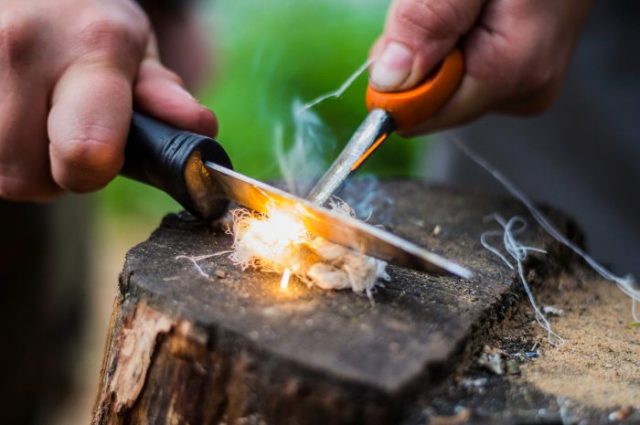
Fire is life. Period.

You need:

  • Ferro rod
  • Stormproof matches
  • At least two Bic lighters
  • Tinder kit

If you fail to make fire in the rain, in the cold, or when your hands shake with fear… you will die shivering in a wet pile of regret.


5. TOOLS: IF THEY BREAK, SO DO YOU

Gear failure equals survival failure.

Don’t pack toys. Pack tools:

  • Full-tang fixed-blade knife
  • Multi-tool
  • Folding saw or hatchet
  • Heavy-duty duct tape
  • Headlamp + spare batteries
  • Work gloves

If your knife bends, snaps, or dulls instantly, enjoy slowly discovering how helpless a grown adult can become without tools.


6. TRAUMA-READY FIRST AID (THE “BAND-AID KIT” WILL SET YOU UP TO DIE)

Here’s a reality check:
In a disaster, there is no ambulance.
No ER.
No 911.
Just you and your gear.

You need:

  • Tourniquet
  • Israeli bandage
  • QuikClot or gauze
  • Alcohol wipes
  • Antibiotic ointment
  • Pain meds
  • Medical tape

A twisted ankle, a deep cut, an infection—these things become lethal fast if you don’t have the gear to handle them.


7. NAVIGATION: IF YOU CAN’T FIND YOUR WAY OUT, YOU’LL ROT WHERE YOU STAND

GPS dies with the grid.
Cell service collapses under panic.
Your phone becomes a sleek, useless brick.

You need:

  • Compass
  • Local maps
  • Pencil or grease marker

If you can’t navigate without electronics, the wilderness—or the city—will swallow you whole.


8. SIGNALING & COMMUNICATION: SILENCE IN A DISASTER MEANS DEATH

Ignoring this category is how people vanish.

Pack:

  • Whistle
  • Signal mirror
  • Hand-crank radio

If you can’t receive information, you’re blind.
If you can’t signal, you’re silent.
If you’re blind and silent, you’re dead.


9. SECURITY: IGNORING THIS WILL END YOU

I won’t list weapons. Laws differ. People differ. Situations differ.

But minimally:

  • Pepper spray
  • High-lumen flashlight
  • Knife (already listed)

If your bag doesn’t allow you to deter threats, protect yourself, or escape danger, you’re gambling with your life.


10. DOCUMENTS & MISC: YOU’LL BE SHOCKED HOW IMPORTANT THIS BECOMES

Include:

  • ID copies
  • Cash
  • Emergency contacts
  • Notepad
  • Sharpie
  • Bandanas
  • Zip ties
  • Trash bags

These tiny items solve massive problems.


THE COLD, UGLY, UNDENIABLE TRUTH

If your bug out bag is trash, your survival odds drop to zero.

The world is not stable.
Systems break.
People panic.
Authorities get overwhelmed.
Help never arrives.

So your choice is simple:

Build a real bug out bag now… or die wishing you had one.

There is no middle ground.
No “I’ll get to it.”
No “Maybe later.”

Later is when people die.
Later is when the unprepared panic.
Later is when the weak beg for help they’ll never receive.

Now is your only chance.

10 Critical Items Every Southern California Prepper Should Stock

Ready for the End: 10 Critical Items Every Southern California Prepper Should Stock

Hey there, SoCal! Whether you’re a seasoned prepper or just starting to think about disaster readiness, it’s essential to be prepared for the unexpected. From wildfires and earthquakes to power outages and civil unrest, having the right gear can make all the difference. Let’s dive into the top 10 survival tools every Southern Californian should have on hand.


1. Water Filtration System

In a region prone to droughts and wildfires, access to clean water can become scarce. A portable water filter, like the Sawyer Mini, allows you to purify water from lakes, streams, or even puddles, ensuring you stay hydrated when municipal systems fail. Survival Magazine


2. Multi-Tool or Survival Knife

A high-quality multi-tool or fixed-blade knife is indispensable. Brands like Gerber and Leatherman offer models equipped with pliers, screwdrivers, and blades, making them versatile for various survival tasks, from building shelter to preparing food.


3. Portable Power Station

Power outages can last for days, especially after a wildfire or earthquake. A portable power station, such as the Goal Zero Yeti, can charge your devices, run small appliances, and keep essential equipment operational during extended blackouts.


4. First Aid Kit

Accidents happen, and having a well-stocked first aid kit is crucial. Ensure it includes bandages, antiseptics, tweezers, pain relievers, and any personal medications. Regularly check and update your kit to keep it ready for use.


5. Emergency Shelter

In the event of evacuation or if your home becomes uninhabitable, having an emergency shelter is vital. Compact tents, tarps, or emergency bivvies can provide protection from the elements and a place to rest.


6. Fire Extinguisher

With the threat of wildfires in Southern California, having a fire extinguisher on hand is essential. Ensure it’s rated for all types of fires (Class A, B, and C) and that all family members know how to use it.


7. Flashlight and Headlamp

Power outages can occur without warning. A reliable flashlight and headlamp ensure you can navigate safely in the dark. Opt for LED models with long battery life and consider solar-powered options to reduce reliance on disposable batteries.


8. Emergency Radio

Staying informed is crucial during a disaster. An emergency radio, preferably hand-crank or solar-powered, can provide updates on weather conditions, evacuation orders, and emergency broadcasts when other communication channels are down.PlanetWare


9. Duct Tape and Paracord

These versatile items can be used for a multitude of purposes, from repairing gear to building shelter. Duct tape is excellent for quick fixes, while paracord can serve as rope for various tasks.


10. Emergency Food Supply

Having a stash of non-perishable food ensures you have sustenance during emergencies. Opt for freeze-dried meals, protein bars, and canned goods that are easy to prepare and have long shelf lives.


10 Survival Prepper Tips for Southern Californians

  1. Create a Family Emergency Plan: Establish meeting points and communication methods in case of separation.
  2. Maintain a 72-Hour Emergency Kit: Ensure each family member has a kit with essentials like water, food, and first aid supplies.
  3. Secure Your Home: Install fire-resistant materials and clear vegetation to create defensible space.
  4. Stay Informed: Sign up for local alert systems and monitor NOAA Weather Radio for updates.
  5. Practice Evacuation Drills: Regularly rehearse evacuation routes and procedures with all family members.
  6. Know Multiple Routes: Familiarize yourself with alternative evacuation routes to avoid traffic congestion.
  7. Maintain Your Vehicle: Keep your car fueled and stocked with emergency supplies, including a spare tire and jumper cables.
  8. Secure Important Documents: Store copies of important documents in a waterproof and fireproof container.
  9. Learn Basic First Aid: Take a first aid and CPR course to be prepared for medical emergencies.
  10. Stay Calm and Follow Official Instructions: During a disaster, remain calm and follow the guidance of local authorities.

Best Camping Sites in Southern California

For preppers, camping isn’t just about recreation—it’s about training and testing gear. Here are some top spots to consider:

  • Jumbo Rocks Campground, Joshua Tree National Park: Offers surreal desert landscapes and clear night skies, ideal for stargazing and testing gear. PlanetWare
  • San Onofre Bluffs Campground: Located near San Clemente, this site provides ocean views and access to surf breaks, perfect for coastal survival training. wildoutdoorsy.com
  • Green Valley Campground, Cuyamaca Rancho State Park: Situated near Julian, this campground offers cooler temperatures and lush forests, providing a different environment for survival practice. PlanetWare
  • El Capitan State Beach Campground: Located near Santa Barbara, this site offers beachfront camping with opportunities for fishing and marine survival skills.
  • Idyllwild Campground, Mount San Jacinto State Park: Nestled in the San Bernardino National Forest, this campground offers cooler temperatures and access to hiking trails, ideal for wilderness survival training.

5 Crucial Items Everyone Forgets To Include In Their Bug-Out Bags

If you are ever forced to evacuate your house and bug out with your family, what you take with you is very important.

Most people pack the essentials. A first aid kit, food, water, and perhaps a sturdy tactical knife.

But there are some items you don’t usually realize you need until you actually need them.

I will share them with you in this newsletter, to make sure you are not missing anything.

Duct Tape

This might seem like an odd choice, but the versatility of duct tape in a survival situation is unmatched.

Whether it’s for makeshift repairs, sealing a shelter, or even first aid uses like securing bandages, a roll of duct tape can be a real lifesaver.

Sewing Kit

While most people don’t consider a sewing kit as a priority, in a prolonged survival situation, it can be invaluable.

The ability to mend clothing, backpacks, or even stitch up a deep cut can make a world of difference.

Physical Currency

Remember, in a grid-down situation, electronic payment methods might be unavailable.

It’s wise to have a stash of physical currency, including a good amount of smaller bills and coins, for times when digital means of payment aren’t an option.

Hard Copies of Important Documents

When we think of survival, paperwork usually isn’t the first thing that comes to mind.

But consider this, if your house becomes inaccessible, would you have copies of crucial documents like your birth certificate, passport, or essential policy plans?

Also, consider including a written list of important contact numbers in case your cellphone becomes inoperable.

Hygiene Items

In the rush of packing survival gear, personal hygiene items can often be overlooked.

However, maintaining cleanliness can help prevent infections and diseases.

Pack travel-sized items like toothpaste, soap, hand sanitizer, and wet wipes. Ladies, don’t forget about your specific needs too.

These items might seem trivial when things are good, but in the middle of a crisis, they could be the difference between struggle and survival.

So, take a moment to review your bug-out bag and see if you can make room for these underrated yet vital survival tools.

Your Bug-Out Location Checklist

If you’ve been keeping up with current events lately, you probably feel as uneasy as I do.

The world around us is becoming more unpredictable and uncertain.

And we may find ourselves in the unfortunate situation of bugging out in the near future.

You may already have a bug-out location in mind.

Or you may be looking for one.

Either way, I’ve gathered the most important factors to consider when deciding on where you will take your family to in case your house is unsafe.

Proximity

When choosing a bug-out location, it’s essential to consider its proximity to your current place. 

Ideally, it should be far enough away to be safe from any potential threats but close enough to reach quickly in an emergency.

Accessibility

Your bug-out location should be easily accessible by car, foot, or other means of transportation. 

Look for a place you can reach with your car or one that can be reached by foot, bike, or horseback.

Keep in mind that you may need to travel with a lot of gear, so make sure the route is safe and easy to navigate.

Water

Water is essential for survival. 

Look for a location near a clean, reliable source of water such as a river, lake, or well. 

Consider the quality of the water and how easily it can be purified if necessary.

Security

Some places naturally provide more security than others.

Look for a place that is concealed with natural barriers such as mountains or forests. 

It should also be well away from major roads or other potential targets for looters or attackers.

Resources

The essential items you have with you might run out.

Try to find an area with ample hunting or fishing possibilities and a good supply of firewood for heating and cooking.

Finding the right bug-out location is a critical part of survival preparation. 

It requires careful consideration of many factors, each one more critical than the other.

Gather ample info beforehand and try to find more than one viable location.