This Is How Colorado Residents Prepare for the State’s Worst Natural Disasters

How Colorado Residents Prepare for the State’s Worst Natural Disasters

Living in Colorado can feel like a blessing, especially with the picturesque mountains, expansive forests, and rich wildlife. But, as anyone who’s been here for any length of time knows, it’s not all about snow-capped peaks and stunning vistas. Colorado is also home to some of the most intense and unpredictable natural disasters in the United States. As a survival prepper in Colorado, you’ve got to be ready for everything—from wildfires to blizzards and everything in between.

1. Wildfires: A Growing Threat
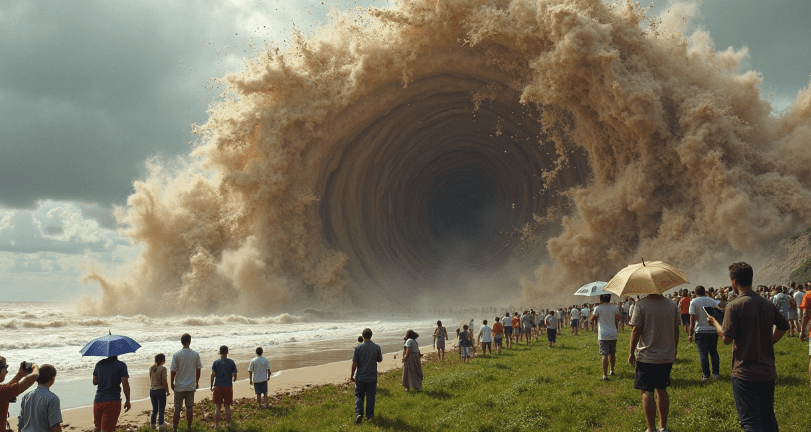
Colorado has been on the frontlines of some of the most devastating wildfires in history. The state’s dry climate, combined with seasonal winds, makes it ripe for catastrophic wildfires that can spread with terrifying speed. As a prepper, it’s essential to be ready for this possibility year-round. The fires don’t just happen in the summer, either. Wildfires can flare up any time there’s dry vegetation and the right conditions, and they can spread rapidly, threatening not just homes but entire communities.

Survival Tip #1: Always have an evacuation plan. Know multiple routes out of your neighborhood or town and make sure your vehicle is stocked with essentials, including a first-aid kit, extra water, and your emergency bug-out bag.

2. Snowstorms and Blizzards: The Danger of the Winter Months

If you live in Colorado, you’ve likely experienced the frustration of being snowed in. The state’s high elevation and unpredictable weather patterns make it susceptible to heavy snowstorms and blizzards, particularly in the mountains. These can make roads impassable, isolate communities, and cause power outages for days, or even weeks.

In Colorado’s mountainous areas, snowstorms can hit at any time, but they’re most common from October through April. If you’re up in the higher elevations, you need to be especially mindful of blizzards, which can drop several feet of snow and drastically reduce visibility in mere minutes.

Survival Tip #2: Keep a well-stocked emergency supply kit in your home, including extra blankets, warm clothing, flashlights, batteries, non-perishable food, and a portable generator.

Survival Tip #3: When traveling during the winter, always have a shovel, ice scraper, and extra supplies like blankets, a firestarter, and a portable stove to cook food if you get stuck.

3. Flooding: Flash Floods and Overflowing Rivers

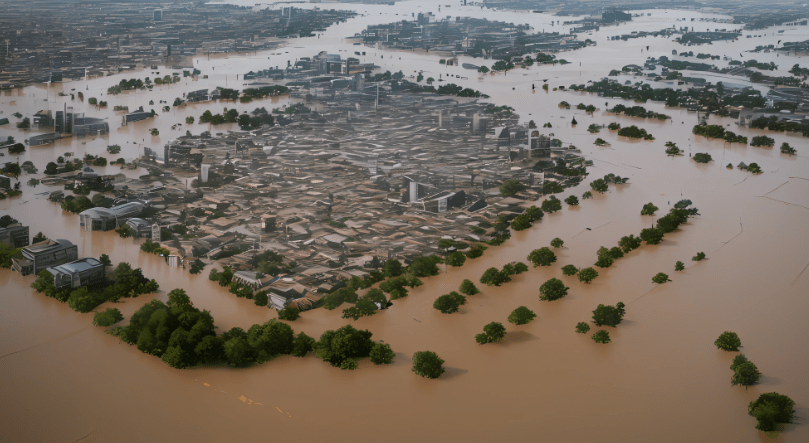
In the spring and early summer, Colorado can experience sudden and intense rainfall that causes flash floods. These floods can happen quickly, especially in the foothills and along the many rivers that snake through the state. Flash floods can inundate entire neighborhoods in a matter of minutes, washing away vehicles, homes, and even entire stretches of roads.

As a prepper, you should always know whether you live in a flood-prone area. Areas near rivers, streams, or urban drainage systems are especially susceptible. But remember, flash floods aren’t always predictable, and they can strike anywhere, including in regions that typically experience drier weather.

Survival Tip #4: Know your flood zone. If you live in a flood-prone area, keep important documents in a waterproof container and be ready to evacuate at a moment’s notice.

Survival Tip #5: If flash flooding is possible, move to higher ground immediately. Don’t wait for an evacuation order, as roads can become impassable very quickly.

4. Tornadoes: A Silent Threat in Eastern Colorado

Tornadoes are most commonly associated with the Midwest, but Colorado is no stranger to these powerful, destructive storms. Tornadoes are more common in the eastern plains of Colorado, where conditions are ideal for these storms to form. In fact, Colorado sees an average of 50 tornadoes a year, making it one of the top 10 states for tornado activity.

The storms usually develop during the late spring and summer, often in the late afternoon or early evening. Tornadoes in Colorado tend to be smaller and shorter-lived than those in places like Kansas, but they can still cause significant damage and pose a serious risk to life and property.

Survival Tip #6: Keep an emergency weather radio on hand so you can receive timely tornado warnings. Have a designated safe space in your home, such as a basement or interior room, where you can seek shelter if a tornado warning is issued.

5. Earthquakes: Not as Common, But Possible

While not as frequent as wildfires or blizzards, earthquakes can and do happen in Colorado. The state has seen several notable earthquakes over the years, and they’re most common along the state’s western edge near the Colorado Plateau. Though Colorado’s earthquakes are typically small, they can still cause significant damage, especially to older buildings and infrastructure.

Though the risk of a major earthquake is lower compared to places like California, it’s always a good idea to be prepared for the unexpected.

Survival Tip #7: If you’re in a building when an earthquake strikes, drop to the ground, take cover under something sturdy, and hold on until the shaking stops. Always keep a set of sturdy shoes and a flashlight near your bed in case of a quake at night.

6. Droughts: Managing Water in Arid Conditions

CLICK HERE TO LEARN HOW TO SURVIVE A FAMINE

Colorado’s semi-arid climate means that droughts are a regular occurrence. These dry spells can last for months or even years, and they can have devastating effects on the state’s agriculture, water supply, and wildfires. As a prepper, it’s important to conserve water and be mindful of how long your water supplies might last during times of drought.

Survival Tip #8: Stockpile water—at least one gallon per person per day for a week—and learn how to filter and purify water from local sources if necessary.

Survival Tip #9: Grow a drought-resistant garden with native plants, and use water-efficient techniques like drip irrigation to make the most of your water supply.

7. Preparing for the Unexpected

While wildfires, snowstorms, floods, and tornadoes are the most well-known threats, Colorado can throw a variety of other natural disasters at you, including hailstorms, landslides, and even extreme heat waves. The best way to prepare for the unpredictable is to think ahead and prepare for every possibility.

Survival Tip #10: Always have a bug-out bag ready with essentials like food, water, a first-aid kit, and tools. Make sure you have a plan for communicating with loved ones during a disaster, and have a list of emergency contacts.

Conclusion: Stay Ready, Stay Safe

Living in Colorado means embracing the beauty of the landscape—and understanding that with that beauty comes a variety of risks. Whether it’s the raging wildfires, the heavy snowstorms, or the flash floods, being a survival prepper here requires vigilance, foresight, and a commitment to always being ready for what’s next.

By taking the time to prepare and learn how to react in any given situation, you can ensure the safety and security of yourself and your family, no matter what natural disaster comes your way.



Survival Strategies for Massachusetts: Preparing for the Worst Natural Disasters

The Ultimate Prepper’s Guide to Massachusetts: Staying Ready for Any Natural Disaster

Living in Massachusetts, we all know that the weather can turn on a dime. Whether it’s snowstorms, hurricanes, or floods, we face a variety of natural disasters that demand preparedness. For a survival prepper like myself, the key to getting through any disaster is being ready, no matter what mother nature throws our way. In this post, I’ll walk you through how Massachusetts residents prepare for the worst natural disasters the state is prone to and provide survival prepper tips tailored to the unique challenges of living here.

The New England Winter: Preparing for Snowstorms and Blizzards

When it comes to natural disasters in Massachusetts, the winter months pose one of the greatest risks. Nor’easters—those fierce winter storms that dump heavy snow and bring powerful winds—are something we prep for every year. These storms can knock out power lines, cause road blockages, and leave entire neighborhoods in a state of emergency for days.

Survival Prepper Tip 1: Stock Up on Non-Perishable Foods and Water
You don’t want to be caught without food or water when the power goes out during a blizzard. Canned goods, dry foods like rice and beans, and a good supply of bottled water are essential. Make sure to have at least three days’ worth of supplies for each member of your family.

Survival Prepper Tip 2: Have a Reliable Heating Source
Massachusetts is known for frigid temperatures during winter, so you’ll want a backup heating source in case the power goes out. Propane heaters, wood stoves, or kerosene heaters can keep your home warm when the grid goes down. Make sure your chimney is cleaned regularly if you’re using a wood stove or fireplace.

Hurricane Season: Dealing with Coastal Storms

Though Massachusetts isn’t as frequently hit by hurricanes as some Southern states, we’ve still seen our fair share of damage from these powerful storms. Coastal areas are especially vulnerable to storm surges, high winds, and flooding. As a prepper, I always keep a watchful eye on hurricane season, which runs from June to November.

Survival Prepper Tip 3: Create an Evacuation Plan
If you live near the coast, evacuation is sometimes the best option during a hurricane. Know your evacuation routes and make sure your family is familiar with them. If you’re in a flood-prone area, consider having a “go bag” packed with essentials like clothing, medication, and important documents so you can leave quickly if needed.

Survival Prepper Tip 4: Reinforce Your Home
For those living near the coast, it’s important to fortify your home against strong winds and storm surges. Invest in storm shutters, and reinforce your roof, windows, and doors. Consider sandbagging around your home’s perimeter to protect against flooding.

Flooding: An Increasing Threat in Massachusetts

CLICK HERE TO LEARN HOW TO SURVIVE A FAMINE

Flooding is one of the biggest concerns for Massachusetts residents, especially as the climate changes and rainfall patterns become more unpredictable. While we don’t see the catastrophic flooding of places like New Orleans, our state is still vulnerable to flash floods and coastal flooding. Areas near rivers, the Cape Cod region, and Boston are particularly at risk.

Survival Prepper Tip 5: Elevate Important Items
In case of a flood, it’s crucial to protect your valuable items. Store important documents in waterproof containers and elevate electronics, furniture, and anything that could get ruined. If you live in a flood-prone area, consider installing sump pumps to prevent basement flooding.

Survival Prepper Tip 6: Create a Flood-Proof Emergency Kit
Flooding can leave you stranded in your home or in a temporary shelter for an extended period. Make sure your emergency kit includes a flashlight, batteries, a first-aid kit, and extra medication. Include items like waterproof matches, water purification tablets, and extra clothing.

Tornadoes: Rare, But Dangerous

Though Massachusetts isn’t known for frequent tornado activity, the state is not immune. Tornadoes can spring up unexpectedly, especially during severe thunderstorms in late spring and summer. While the risk of a direct hit is low, it’s always a good idea to be prepared for the possibility.

Survival Prepper Tip 7: Know Your Shelter Locations
If a tornado is heading your way, you need to seek shelter immediately. A basement or storm cellar is your safest bet. If you don’t have access to a basement, go to the interior part of your house on the lowest floor, away from windows. Keep a small “tornado kit” with essentials like blankets, water, and non-perishable snacks in your shelter area.

Earthquakes: Not a Major Threat, But Still Possible

Though Massachusetts is not on a fault line like California, the state can experience small to moderate earthquakes. The last significant earthquake to hit Massachusetts was in 1755, but smaller tremors are not unheard of. While a major earthquake is unlikely, it’s still worth knowing how to prepare.

Survival Prepper Tip 8: Secure Heavy Items
In the event of an earthquake, unsecured heavy furniture and appliances can fall and cause injury. Use brackets, anchors, or straps to secure shelves, TVs, and large appliances to the wall. Keep a first-aid kit on hand in case of injury.

Extreme Heat and Drought: A Growing Concern

As global temperatures rise, Massachusetts is experiencing hotter summers and occasional drought conditions. Prolonged heatwaves can put a strain on the power grid and increase the risk of wildfires. While we don’t see as many wildfires as the West, they can still occur, especially during dry conditions.

Survival Prepper Tip 9: Stay Hydrated and Plan for Power Outages
In extreme heat, staying hydrated is crucial. Always have plenty of water on hand, and consider purchasing a portable fan or solar-powered cooling system if you live without air conditioning. If your area is prone to power outages during storms or extreme heat, invest in a backup generator.

Winter Storms and Emergency Power

Massachusetts winters can throw everything at you, from snowstorms to ice storms, so it’s essential to be prepared for these cold and potentially power-sapping conditions. Ice storms can knock out power for days, making it imperative to have backup energy sources and supplies.

Survival Prepper Tip 10: Invest in a Generator and Backup Power
Power outages during winter storms can leave you without heat or refrigeration for extended periods. A reliable backup generator is one of the best investments a prepper can make. Make sure you have enough fuel stored to last for several days, and consider a propane or solar generator for a long-term solution.

Conclusion

Living in Massachusetts means preparing for the unexpected, and the state’s natural disasters require us to be proactive in our readiness. From winter storms to hurricanes and floods, knowing how to react and have the right gear ready is essential for survival. If you take the time now to prepare your home and family, you’ll be more than ready to face whatever comes your way. Stay safe, stay prepared, and remember that a good prepper is always ready for the worst—no matter the disaster.

Weathering the Worst: How to Prep for Tennessee’s Top Natural Disasters

Living in Tennessee, we’re no strangers to the unpredictable nature of weather and natural disasters. Our beautiful state, nestled between the Appalachian Mountains and the Mississippi River, boasts lush landscapes and diverse ecosystems, but it’s also prone to a variety of extreme weather conditions. As a survival prepper in Tennessee, I know firsthand that it’s not just the beauty of the state that makes it special, but the need to be prepared for any disaster that could come our way. Whether it’s tornadoes, floods, winter storms, or even the occasional earthquake, preparation is key to ensuring the safety of you and your family.

Tornadoes: A Tennessee Staple

Tennessee lies in “Tornado Alley,” where tornadoes can strike with little warning, especially during the spring and fall. We’ve all seen the devastation they cause, tearing through entire communities in a matter of minutes. As someone who’s lived through several tornadoes, I can tell you that preparation is essential. You can’t always predict when or where a tornado will strike, but you can certainly increase your chances of surviving one by knowing what to do.

Survival Tip #1: Always have a tornado shelter or a basement to retreat to. If you don’t have a basement, consider investing in a reinforced storm shelter. Make sure it’s stocked with food, water, flashlights, and a first-aid kit. Don’t forget a battery-powered weather radio to keep up with alerts.

Flooding: Rising Waters in Tennessee

Flooding is another common natural disaster that Tennesseans face, particularly in the spring when heavy rains cause rivers and creeks to overflow. Parts of Tennessee, especially the lower-lying areas, are especially susceptible to flooding. The memories of the 2010 Nashville flood are still fresh in our minds, as the rising water destroyed homes and took lives. This is a reminder that even if you live in an area that doesn’t typically flood, it’s vital to be prepared.

Survival Tip #2: Keep your home’s foundation and exterior properly sealed to prevent water from seeping inside. You should also have sandbags on hand and a pump to remove water if needed. Elevate important belongings, and make sure to know the flood zones in your area so you can evacuate quickly if necessary.

Winter Storms: Ice and Snow in the Volunteer State

While winter storms might not be as frequent in Tennessee as they are in other parts of the country, they still pack a punch when they do occur. Ice storms, in particular, are common, and these storms can cause widespread power outages, hazardous road conditions, and even damage to trees and power lines. Winter preparedness is critical because even though Tennessee winters aren’t as harsh as those up north, they can still cause chaos.

Survival Tip #3: Stock up on firewood, propane, or alternative heating sources for when the power goes out. Keep blankets, warm clothing, and sleeping bags in your emergency kit, and don’t forget extra batteries for flashlights. Prepare your vehicle by ensuring it’s winter-ready with antifreeze, chains, and a full tank of gas.

Earthquakes: The New Threat to Tennessee

CLICK HERE TO LEARN HOW TO SURVIVE A FAMINE

While Tennessee isn’t traditionally known for its earthquakes, we’re not immune to seismic activity. The New Madrid Seismic Zone, just north of the state, has the potential to cause massive earthquakes that could be felt across much of the state. The last significant earthquake in this region was over 200 years ago, but it’s crucial to remember that an earthquake could strike at any time, with little to no warning.

Survival Tip #4: Strengthen your home’s structure by retrofitting it for earthquake preparedness. Secure heavy furniture and objects to walls, and have an emergency kit ready to go with food, water, and other essentials.

Severe Heat: A Growing Concern

Tennessee summers can be brutal. The combination of heat and humidity often pushes the temperatures well above 90°F, and we also face the risk of heat-related illnesses, especially for the elderly and vulnerable. As climate change continues to affect weather patterns, heat waves could become more frequent and intense.

Survival Tip #5: Have a cooling strategy in place. Keep a good stockpile of water, portable fans, and a backup generator to keep air conditioning running during power outages. Stay aware of the heat index, and be ready to take action if conditions become dangerous.

Survival Prepper Tips for Natural Disasters in Tennessee

Being a prepper in Tennessee means knowing what types of disasters are most likely and being ready to face them. Here are 10 more survival prepper tips that will help you stay safe and self-sufficient:

Survival Tip #6: Always have a comprehensive first-aid kit that includes items like bandages, antiseptic, prescription medications, and any other specialized items you might need.

Survival Tip #7: Develop a family emergency plan and practice it regularly. Know the safest routes for evacuation, meeting points in case of separation, and how to stay in communication when cell service is down.

Survival Tip #8: Learn how to purify water from natural sources such as streams or rainwater. Keeping a reliable filtration system in your emergency kit is key.

Survival Tip #9: Have a bug-out bag for each family member with clothing, food, and water for at least 72 hours. This bag should be easy to grab and go if you need to evacuate quickly.

Survival Tip #10: Stay informed by subscribing to local weather alerts and installing weather apps on your phone. Knowledge is power, and knowing what’s coming can give you the upper hand in any disaster situation.

Survival Tip #11: Stock up on non-perishable foods that are high in nutrition, such as canned goods, rice, pasta, and freeze-dried meals. These foods will help sustain you during long-term emergencies.

Survival Tip #12: Consider investing in solar-powered chargers and alternative power sources for your home. Solar panels, generators, and battery backups can be lifesavers during power outages.

Survival Tip #13: Create a home defense plan to protect your property from looters in the event of a widespread disaster. This could involve reinforcing doors and windows or having tools for self-defense.

Survival Tip #14: Build a network with other preppers in your area. During a disaster, having a community to rely on can make all the difference in terms of resources and safety.

Survival Tip #15: Don’t forget about pets. Make sure to have food, water, and medicine stocked up for your animals. They depend on you to keep them safe during a disaster.

Staying Safe in Tennessee: The Prepper’s Mindset

Being a prepper in Tennessee means always being ready for what Mother Nature can throw at us. From tornadoes and floods to winter storms and earthquakes, Tennessee offers its own unique set of challenges. But with the right mindset, tools, and preparation, you can ensure that you and your loved ones are well-equipped to handle whatever comes your way. Whether you’re dealing with a flash flood or an ice storm, the key to survival is always staying calm, informed, and prepared.

As a prepper, it’s not just about having the gear—it’s about being mentally and emotionally prepared to handle disaster when it strikes. Tennessee residents who take the time to prepare today will be able to weather the storms of tomorrow. So, gather your supplies, plan your escape routes, and stay vigilant. Because in Tennessee, the next disaster could be just around the corner.

The Stockpiler’s Survival Guide

In 2002, a man named Jack Whittaker from West Virginia hit the Powerball jackpot. It was the biggest prize of its time—hundreds of millions. Most folks would think he hit the ultimate jackpot. But if you dig deeper, you’ll find a cautionary tale that every prepper should take to heart.

Jack’s windfall didn’t bring joy. It brought chaos, greed, tragedy, and death. The moment people found out he was rich, they came out of the woodwork—begging, scheming, and circling like vultures. His house turned into a battleground of handouts and deception. He faced constant legal troubles, and worse, he lost both his daughter and granddaughter under tragic circumstances that many say were linked—directly or not—to the poison of sudden wealth.

Eventually, Jack said publicly that he wished he had torn up that lottery ticket.

CLICK HERE TO LEARN HOW TO NEVER STARVE WHEN DOOMSDAY HITS!

And that got me thinking.

As preppers, we’re not chasing lottery wins. But if you’re stockpiling wisely—if you’ve been planning for what others refuse to see coming—then in the eyes of the unprepared, you’re rich. Maybe not with cash, but with things that matter when the system collapses: food, water, fuel, skills, and know-how.

And just like Jack, if the wrong people find out, you become a target.

When SHTF, desperation turns good people bad. Neighbors turn into looters. Friends can become beggars. And strangers—well, don’t even count on mercy from them. It won’t matter if it’s your kid’s formula, your last bag of rice, or the meds you set aside for your spouse. If someone knows you have it, they will do anything to get it.

Lesson One: Conceal What You Have.

You don’t need to parade your supplies on social media. You don’t need to show off your stash in YouTube videos or brag about your “bug-out” plans at work. Loose lips sink ships. In a true crisis, every can of beans becomes gold. Every gallon of water becomes leverage.

Think about this: If every grocery store and supermarket shut down tonight, and folks knew you were stocked, your house might not survive the week. And that’s not paranoia—it’s math. Hungry people act fast. Starving people act violently.

Take a lesson from Jack Whittaker: if you have value—whether it’s dollars, gear, or provisions—keep it quiet. Because the more they know, the more they’ll take. And they won’t ask nicely.

Now, let’s talk about how to keep your prepping smart, quiet, and effective. Here are ten essential prepper tips every stockpiler should follow if they want to survive and stay off the radar.


10 Survival Prepper Tips for Smart Stockpiling and Stealth Survival

1. Don’t Tell, Don’t Show

It’s tempting to share your plans with friends or neighbors, especially if you’re proud of your setup. But limit your disclosures. Tell only those you trust with your life—and even then, keep details vague.

2. Diversify Your Stash

Don’t keep all your supplies in one place. Spread your stockpile across your home, vehicle, shed, and even hidden caches if possible. That way, if one area gets compromised, you’re not left high and dry.

3. Practice OPSEC

Operational Security (OPSEC) is a mindset. Don’t throw out packaging from large food purchases. Avoid bulk deliveries when neighbors are watching. Blend in. Be the “average Joe” who shops like everyone else.

4. Train, Don’t Just Store

All the gear in the world is worthless if you don’t know how to use it. Practice purifying water, making fire without matches, cooking off-grid, and self-defense. Build muscle memory.

5. Develop Community—but Quietly

Survival is easier in a group, but choose your circle carefully. Build quiet alliances with like-minded individuals. Barter, trade, and train together—but keep things low-key and never disclose your full inventory.

6. Gray Man Strategy

Look harmless, unprepared, and average. In public, don’t dress like you’re headed into the wild. When disaster strikes, don’t be the guy with the latest tactical gear walking down the street. Blend in to avoid attention.

7. Rotate and Maintain Supplies

Your food, fuel, and meds have expiration dates. Rotate stock, label everything, and use a spreadsheet if needed. The worst time to realize your food is spoiled is when your life depends on it.

8. Harden Your Home

Your house is your first line of defense. Reinforce doors, add security film to windows, set up motion lights, and consider solar cameras. You’re not being paranoid—you’re being ready.

9. Prepare for Power Loss

Most people think about food and water but forget energy. Stock up on batteries, solar chargers, hand-crank radios, and backup heating options. When the grid fails, you need to adapt quickly.

10. Have an Exit Plan

Sometimes you can’t shelter in place. Know where you’ll go, how you’ll get there, and what you’ll bring. Keep bug-out bags ready and have alternate routes. Never assume your first plan will work.


Survival Isn’t Just About Stuff—It’s About Mindset

Jack Whittaker’s story is more than a tragedy—it’s a mirror. When society collapses, the rules change. The rich won’t be the ones with stock portfolios—they’ll be the ones with clean water, warm meals, and working flashlights.

And just like Jack learned, if people know you’ve got something they don’t, they’ll come for it.

So stay sharp. Stay quiet. Stockpile smart. And remember: stealth is strength.

We prep not to boast, but to survive. And the best preppers don’t just prepare for disasters—they prepare to stay invisible when the world starts watching.

The Ultimate Survivalist In-Car Checklist: 7 Items You Need

Disaster doesn’t announce itself.

It strikes when you’re least ready—when your guard is down, and your mind is elsewhere. You might be thinking about dinner plans, your kids’ soccer game, or just getting home to a warm bed. But emergencies don’t care about your schedule.

CLICK HERE TO LEARN HOW TO NEVER STARVE WHEN DOOMSDAY HITS!

Picture this: It’s Friday evening. You’re finally off work. You’re cruising down a quiet stretch of road, miles away from the nearest gas station, thinking about how you’ll spend the weekend with your family. And then—BAM. A loud thud. Your car jerks violently. You lose control for a split second before steering to the shoulder. You get out, and there it is… a flat tire.

And just your luck—it’s raining sideways. Not a streetlamp in sight.

CLICK HERE TO LEARN HOW TO NEVER STARVE WHEN DOOMSDAY HITS!

Now let me ask you: Are you ready?

Because if you’re not, that flat tire could turn into a full-blown survival scenario. As any seasoned prepper will tell you, your vehicle isn’t just a means of transportation. It’s a mobile command center. It’s your lifeline when SHTF. Whether you’re evacuating due to wildfires, stranded in a snowstorm, or simply stuck with a mechanical failure, your car must be prepped for anything.

Here are the 7 essential items every survival-minded individual needs in their vehicle—and 10 additional prepper tips to keep you one step ahead when the unexpected hits.


1. Spare Tire, Jack, and Lug Wrench

Let’s start with the basics. A flat tire is more than just an inconvenience—it can leave you stranded for hours, or worse, overnight in the middle of nowhere. You need a fully inflated spare tire, a sturdy jack, and a reliable lug wrench.

Prepper Tip #1: Rotate and inspect your spare every three months. A flat spare is as useless as no spare at all.

Prepper Tip #2: Consider adding a tire plug kit and portable air compressor. Sometimes a quick patch and refill is all you need to get moving again.


2. Jumper Cables (or Jump Starter)

A dead battery is another common issue, especially in extreme temperatures. Having a solid pair of jumper cables can save you hours of waiting for help—or worse, being stuck in hostile conditions.

Prepper Tip #3: Upgrade to a lithium-ion jump starter. These compact power packs can jump your car without needing another vehicle. Plus, they usually have USB ports to charge your phone.


3. First-Aid Kit

This is non-negotiable. From minor cuts and scrapes to more serious injuries, a well-stocked first-aid kit can save lives.

Prepper Tip #4: Customize your kit. Add painkillers, antiseptics, trauma supplies (like a tourniquet), and allergy meds. Don’t forget a laminated card with CPR instructions and your personal medical info.


4. Flashlight and Extra Batteries

When darkness falls, you’ll need a dependable flashlight. Whether you’re checking under the hood, flagging down help, or navigating on foot, a solid light source is crucial.

Prepper Tip #5: Invest in a high-lumen LED flashlight with a strobe or SOS function. Keep extra batteries in a waterproof container, or go with a solar/crank-powered model for infinite power.


5. Emergency Blankets and Warm Clothing

Hypothermia can set in faster than you’d think, especially if your car won’t start and you’re trapped in cold weather. Emergency mylar blankets are compact, lightweight, and designed to reflect 90% of body heat.

Prepper Tip #6: Include a wool hat, gloves, socks, and a waterproof poncho. Hypothermia often starts with extremities, and you’ll be thankful for that added layer.


6. Non-Perishable Food and Water

If you’re stuck for hours—or days—you’ll need calories and hydration. Keep a stash of non-perishable, high-energy food and bottled water in your vehicle.

Prepper Tip #7: Use vacuum-sealed ration bars and emergency water pouches with a 5-year shelf life. They’re space-efficient and built for survival.

Prepper Tip #8: Toss in a LifeStraw or water purification tablets. If you run out of bottled water, these could keep you alive in a longer crisis.


7. Portable Charger or Power Bank

Your phone is your most powerful tool in a crisis—but only if it’s charged. A high-capacity portable power bank ensures you stay connected when your car battery isn’t an option.

Prepper Tip #9: Look for solar-powered models. Even if the grid’s down, you’ll still be able to charge your devices.


10 Bonus Survival Prepper Tips for Your Car

Now that you’ve got the 7 essentials, take it a step further. Hardcore preppers know that redundancy and versatility are key.

1. Multi-tool or Survival Knife

From cutting seatbelts to making repairs or defending yourself, a quality multi-tool is invaluable.

2. Duct Tape

Fix a hose, seal a window, secure gear, or even splint an injury. The uses are endless.

3. Maps and Compass

Don’t rely on GPS. If the grid’s down or you’re in a dead zone, paper maps and a compass will keep you on track.

4. Fire Starter Kit

Waterproof matches, ferro rods, or lighters—fire can provide warmth, boil water, signal for help, or keep predators away.

5. Reflective Triangle or Road Flares

Increase your visibility to other drivers, especially during night or low-visibility conditions.

6. Cash in Small Bills

ATMs might be down or inaccessible. Keep a stash of $1s, $5s, and $10s hidden in your car.

7. Toilet Paper and Hygiene Kit

Sanitation can be crucial. A small hygiene kit with TP, wipes, and hand sanitizer is easy to store and highly valuable.

8. Gloves and Safety Glasses

Whether fixing a tire or clearing debris, protect your hands and eyes.

9. Tow Strap

Help others—or get helped—without relying on a tow truck.

10. Notebook and Pencil

Record important details, leave a note if you have to leave your vehicle, or track resources. It’s old-school, but it works.


Final Word

Emergencies aren’t a matter of if, they’re a matter of when. Your vehicle is your mobile bug-out location—treat it like one. A well-stocked car can mean the difference between inconvenience and catastrophe.

So prep it now. Load it with gear. Check your supplies. Refresh items regularly.

Because when the moment comes—and it will—you won’t rise to the occasion.

You’ll fall back on your preparation.

And that, my fellow survivalist, is how you thrive when the rest of the world panics.

How Your Children Can Protect Themselves From Stalkers

The world can be a dangerous place folks.

I was just watching a video on the television the other day that showed a grown man following a little girl.

Who knows what his motives where

But thankfully, the little girl managed to escape him.

My blood boiled as I watched that video.

What if my kids were in that place?

Would they also be able to escape that creep?

CLICK HERE TO LEARN HOW TO NEVER STARVE WHEN DOOMSDAY HITS!

I started thinking about what our children should do if they ever feel they are being followed.

I know. It’s a chilling thought. But let’s dive into this together.

First, it’s important we educate our children about this possibility.

We don’t want to scare them. We want to empower them. Equip them with the knowledge they need to stay safe.

Teach your kids that their intuition is one of the greatest tools they possess.

If something or someone is making them feel uneasy, there’s likely a good reason why.

Trusting this gut feeling can be a lifesaver.

Once they’ve identified this feeling, they should respond to it.

How?

Well, there are four simple steps they can follow.

  1. Confirm

If they feel someone is following them, tell them to cross the street or shift directions.

If the person does the same, it’s a clear signal that something might be amiss.

  1. Be Visible

Teach them to stay in well-lit, populated areas.

Encourage them to steer away from alleyways, wooded areas, or secluded streets.

There is safety in numbers.

  1. Reach Out

Have them memorize your cellphone number and the numbers of a few trusted adults.

If they feel unsafe, they should reach out to someone quickly.

In addition, teach them to make a noticeable commotion or yell if necessary. Drawing attention to the situation can often deter potential threats.

  1. Report

Once they’re safe, they should report the incident to you or a trusted adult, who can then inform the authorities.

I understand that this topic might feel a bit heavy. The last thing we want to do is instill fear into our children.

However, by empowering them with this knowledge, we give them the tools they need to navigate the world more safely.

My hope is that they will not have to use this knowledge.

But if the time comes, they’ll be ready.

Our job is to equip them for the world out there, and I can’t think of a more important task.

So let’s empower our young ones and make them more resilient.

Vermont’s Best Campsites for Off-Grid Survival Training

The Best Campsites for Vermont Survival Preppers: Top 30 Hidden Gems to Know

As a Vermont survival prepper, it’s essential to have a keen eye for locations that not only provide peace and solitude but also offer a wealth of resources for self-sufficiency. Whether you’re planning for an extended off-grid stay or just want to get away from it all, Vermont has some of the best campsites that offer everything from dense forests and flowing rivers to mountains that promise strategic vantage points. These sites are perfect for preppers who want to practice essential skills like fire starting, water purification, trapping, and navigation, all while keeping an eye on their preparedness plans.

Vermont is a state that’s ripe for prepping, with its rugged terrain and abundance of natural resources. The state offers an ideal blend of beautiful landscapes, safety, and isolation. If you’re ready to tap into Vermont’s survival potential, here are 30 of the best campsites for preppers, along with some key tips on why these sites should be your go-to for both training and relaxation.

1. Green Mountain National Forest

Let’s start with the crown jewel of Vermont’s outdoor experience. Green Mountain National Forest stretches across a vast area, filled with dense woods, hidden trails, and pristine lakes. Perfect for bugging out, it’s one of the best locations to practice wilderness survival skills. The area has countless campsites, ranging from established to primitive sites, where you can practice everything from bushcraft to long-term camping strategies.

CLICK HERE TO LEARN HOW TO SURVIVE A FAMINE

2. Smuggler’s Notch State Park

This one is perfect for learning about terrain navigation and survival in mountainous regions. Smuggler’s Notch is known for its steep cliffs and dense forest, making it a challenge for anyone who wants to test their skills in tough conditions. The park has a number of campgrounds that cater to preppers looking to escape and practice their off-grid living techniques.

3. Mount Mansfield State Forest

For those wanting a higher elevation experience, Mount Mansfield offers breathtaking views and tough terrain. It’s Vermont’s highest peak, so it’s a prime spot for honing navigation and shelter-building skills while you take in the incredible vistas.

4. Lake Willoughby

This hidden gem in the Northeast Kingdom provides some of the clearest water in the state, making it perfect for fishing, water purification training, and even just enjoying some fresh water in the wild. The surrounding forests and hiking trails offer ample opportunities to learn primitive skills, and the area is isolated enough for a peaceful retreat.

5. Silver Lake State Park

Silver Lake offers opportunities for water-based survival skills. From fishing and boating to learning how to purify water, you’ll find plenty of natural resources here. Plus, the surrounding woods are home to an array of edible plants and wildlife to practice foraging.

6. Camel’s Hump State Park

A prime spot for a rugged, survivalist experience, Camel’s Hump State Park offers rugged, rocky terrain and thick woods. You can practice tracking, shelter-building, and identifying edible plants and animals. It’s also great for honing your ability to move stealthily through the wilderness.

7. Lake Champlain Islands

Situated along Vermont’s border with New York, the Lake Champlain Islands offer access to both water and land resources. Perfect for preppers who want to practice fishing, trapping, and wilderness navigation, this area is an ideal spot for a long-term survival test.

8. Elmore State Park

A peaceful and quiet location, Elmore State Park offers an opportunity for preppers to practice stealth camping. The wooded areas and lake offer various ways to learn about living off the land, and its isolation ensures a less crowded environment for prepper-style camping.

9. Underhill State Park

Underhill is one of the more rugged parks in Vermont. This park is perfect for climbing, survival skills training, and tactical movements. Its mountainous terrain and dense forest make it an excellent location to practice bushcraft and self-sufficiency.

10. The Long Trail

Stretching from Massachusetts to Canada, the Long Trail is a famed hiking route, but it also offers plenty of remote areas to practice wilderness survival. With primitive campsites scattered along the way, it’s ideal for those looking to hone their skills in a more isolated environment.

11. Moscow Woods

Moscow Woods offers a more isolated experience for those wanting to learn skills like hunting, foraging, and building shelters. The dense forest provides cover, and its proximity to the Lamoille River means water access is easily within reach.

12. Gifford Woods State Park

Gifford Woods is a great place for preppers to get back to basics. The park is dense with trees and wildlife, offering plenty of foraging and hunting opportunities. It’s also a great spot for practicing shelter-building and learning how to make use of the natural resources around you.

13. State Forests Near Brandon

Brandon’s state forests are rich in flora and fauna, making it an ideal environment for preppers who want to practice gathering wild food. It also has streams and ponds that offer water purification opportunities.

14. Niquette Bay State Park

This park offers easy access to Lake Champlain and is perfect for preppers who want to practice water-based survival tactics. It also offers plenty of land resources, such as berries and game, and is close to Burlington for any supplies you may need.

15. Big Basin Campground

Located in the heart of Vermont, Big Basin Campground offers a secluded environment perfect for learning all the aspects of wilderness living, from fire-starting techniques to food preservation. It’s ideal for those wishing to train with minimal distractions.

16. Quechee State Park

Situated along the Ottauquechee River, Quechee offers a more tranquil camping experience. It’s a fantastic place for practicing navigation and finding shelter in a mixed forest and riverine landscape. The proximity to water makes it an ideal location for testing your water purification and fishing skills.

17. Brighton State Park

Brighton’s remote location in the Northeast Kingdom provides ample space for camping and practicing wilderness survival. It’s an excellent spot for fishing, wildlife tracking, and learning how to forage for wild food in Vermont’s northern woods.

18. Woodford State Park

Located near the Green Mountains, this park offers opportunities for both water and woodland survival techniques. Its remote location makes it great for secluded training, and it’s known for its wildlife, including deer and wild turkey.

19. Lye Brook Falls Wilderness Area

For the more advanced prepper, Lye Brook Falls offers challenging terrain, waterfalls, and a variety of wildlife. It’s perfect for survivalists looking for tough conditions to train in and develop a variety of outdoor skills.

20. North Beach Campground

Located near Burlington, North Beach offers a unique blend of lakefront camping and wooded areas. This is a great place for water survivalists looking to practice kayaking or canoeing in Vermont’s waterways.

21. Kettle Pond State Park

This park offers a mix of woodland and water-based survival opportunities, including fishing, water purification, and boat-building. It’s a peaceful and secluded place to practice these skills without interference.

22. Harriman Reservoir

Harriman Reservoir offers a fantastic location for preppers who want to combine survival skills with water-based activities. It’s remote enough to provide the necessary privacy for long-term camping and practicing your wilderness survival skills.

23. Woods Hill State Forest

For those looking for complete isolation, Woods Hill State Forest offers a rare opportunity to practice being completely off-grid. The forest is dense with vegetation, and its steep terrain offers unique challenges for preppers to overcome.

24. Moose Bog

Moose Bog offers a unique combination of marshland and forest, providing a variety of skills for the survivalist to learn, from navigating wetlands to building natural shelters. It’s also a good spot for tracking and observing wildlife.

25. New Discovery State Park

Known for its pristine forests and proximity to nearby mountain ranges, New Discovery offers many opportunities for backwoods survival training. The park’s isolation makes it an ideal spot for preppers to test their skills in true wilderness conditions.

26. Pine Hill Park

This park is located near Middlebury and offers both wooded areas and access to the Otter Creek, a great resource for preppers to practice water purification and fishing techniques.

27. Mount Philo State Park

With its panoramic views and wooded terrain, Mount Philo offers an ideal spot for learning shelter-building, fire-making, and map reading. It’s a perfect training ground for beginners and experienced preppers alike.

28. Warren Falls

Known for its scenic beauty, Warren Falls is a great place to practice water-based survival skills. The falls are surrounded by dense woods, providing an opportunity for stealthy camping and survival skill practice.

29. Bolton Valley Resort

For the more adventurous prepper, Bolton Valley Resort provides a great mixture of alpine terrain and deep woods, perfect for building winter survival skills. It’s a great place to practice shelter-building in harsh conditions.

30. Stowe Mountain Resort

Not only is it a popular tourist destination, but Stowe offers incredible opportunities for those looking to practice winter survival techniques. Its mountainous environment is ideal for testing cold-weather gear and practicing emergency winter survival tactics.


Conclusion:

Vermont is home to countless beautiful and remote campsites that cater to preppers looking to practice their survival skills. Whether you’re focused on water purification, shelter building, hunting, or foraging, these locations offer unparalleled opportunities for both beginners and seasoned survivalists alike.

By choosing the right spot, you can sharpen your skills, learn new techniques, and immerse yourself in the wild. Remember, always prioritize safety, carry the right equipment, and respect the environment while you prepare for the challenges ahead.

Survivalist’s Guide: Top 25 Kentucky Campgrounds for Preppers

Survivalist’s Guide: Top 30 Prepper-Friendly Campsites in Kentucky

As a prepper in Kentucky, finding campsites that offer more than just a place to pitch a tent is crucial. You need locations that provide seclusion, access to water sources, diverse terrain for training, and proximity to natural resources. Kentucky, with its rolling hills, dense forests, and numerous waterways, offers a plethora of such sites. Here’s a curated list of 25 campsites across the state that cater to survivalists and outdoor enthusiasts alike.

1. Cumberland Falls State Resort Park (Corbin)
Known as the “Niagara of the South,” this park offers rugged terrain, the Cumberland River, and a chance to witness the rare moonbow. The Dyrt+3The Dyrt+3Survival Life+3

2. Red River Gorge (Slade)
A haven for rock climbers and hikers, this area provides natural shelters and abundant resources.

3. Daniel Boone National Forest
With over 700 miles of trails, this forest offers diverse ecosystems and numerous water sources. Toxigon

4. Land Between the Lakes (Golden Pond)
Spanning 170,000 acres, this area offers dense forests and multiple campgrounds suitable for preppers.

5. Cumberland Gap National Historical Park
Provides access to the Appalachian backcountry with over 85 miles of trails. Step Outside

6. Zilpo Campground (Salt Lick)
Located on Cave Run Lake, this site offers water access and scenic views. Kentucky Tourism+1The Dyrt+1

7. Natural Bridge State Resort Park (Slade)
Features sandstone arches and a 60-acre lake, ideal for water-based survival training. Beyond The Tent+1Southern Living+1

8. Lake Cumberland State Resort Park (Jamestown)
Offers extensive water access and a marina for boating practice. Toxigon

9. Dale Hollow State Park (Burkesville)
Provides equestrian camping and access to hiking trails. Beyond The Tent+1Wilderness Camp Life+1

10. Nolin Lake State Park (Bee Spring)
Features primitive sites and proximity to Mammoth Cave for spelunking activities. Kentucky Tourism

11. Taylorsville Lake State Park (Taylorsville)
Offers multi-use trails and water access for various survival training exercises.

12. Fort Boonesborough State Park (Richmond)
A historical site with reconstructed fort and access to the Kentucky River. Beyond The Tent

13. Levi Jackson Wilderness Road State Park (London)
Features 8.5 miles of hiking trails and a community pool for relaxation. Wikipedia+1Wilderness Camp Life+1

14. Holly Bay Campground (Laurel River Lake)
Located in Daniel Boone National Forest, offering water access and scenic views. Kentucky Tourism

15. Big Bone Lick State Park (Union)
Known for its prehistoric history and bison herd, providing unique training opportunities. The Dyrt

16. Grayson Lake State Park (Olive Hill)
Features a 1512-acre reservoir and hiking trails for diverse training scenarios. Beyond The Tent

17. John James Audubon State Park (Henderson)
Offers a museum and wetlands boardwalk, ideal for stealth and observation training. Southern Living

18. Waitsboro Recreation Area (Somerset)
Located on Lake Cumberland, providing fishing and boating opportunities. Survival Life

19. Walnut Creek Marina (Scottsville)
Offers jet ski rentals and boat ramp on Barren River Lake for water-based survival skills. Survival Life+1Beyond The Tent+1

20. Koomer Ridge Campground (Pine Ridge)
Situated in the Red River Gorge, offering access to hiking trails and natural shelters. EcoFlow US Blog

21. Mammoth Cave Campground (Mammoth Cave National Park)
Provides access to the world’s longest cave system for spelunking activities.

22. Lake Malone State Park (Dunnville)
Features a 778-acre lake and hiking trails for diverse training scenarios.

23. Taylorsville Lake State Park (Taylorsville)
Offers multi-use trails and water access for various survival training exercises.

24. Columbus-Belmont State Park (Columbus)
A historical site with Civil War earthworks and access to the Mississippi River. Beyond The Tent

25. Carter Caves State Resort Park (Olive Hill)
Features cave tours and hiking trails for diverse training scenarios.

Conclusion: Prepare, Practice, Survive — Kentucky Style

Living off the land, training for the unknown, and being ready for anything is more than a mindset — it’s a way of life for us Kentucky preppers. Whether you’re practicing your bug-out plan, testing your shelter-building skills, purifying river water, or simply reconnecting with the land, the Bluegrass State offers you some of the best survival playgrounds in the country. These 30 camping spots aren’t just for weekend warriors — they’re practical, rugged, and perfectly suited for both training and long-term contingency planning.

So pack your gear, load your truck, and make sure your compass is true — because out here in Kentucky, we don’t just camp… we prepare. And when the grid goes dark, you’ll already know the land, the trails, and the wild that could one day keep you alive. From the hollers of Appalachia to the flatlands near the Mississippi, there’s a place out here for every kind of prepper.

CLICK HERE TO LEARN HOW TO SURVIVE A FAMINE

Be smart. Be ready. And never forget — it’s not paranoia if it keeps you alive.

Why The Local Authorities Will Not Always Be Your Ally When SHTF

I see a lot of people who don’t even bother staying in touch with the latest events.

Because as they say “the authorities will let them know if anything major happens.”

But they have it backward, folks.

In an emergency, authorities may not be as transparent as we’d like them to be.

Their priority is to prevent confusion from spreading through the masses.

Panicking often causes more immediate disarray than the emergency itself.

And they know this.

CLICK HERE TO LEARN HOW TO NEVER STARVE WHEN DOOMSDAY HITS!

To them, emergency situations are about the statistics.

What they care about the most is saving face to the public.

And everyday folks who just want to protect themselves and their families may be left in the dark when SHTF

Until it’s too late to do anything about it.

But our families are not just a percentage on the screen.

It is our duty to protect them.

That’s why it’s absolutely essential that we take the reins on how we obtain and process knowledge.

Let’s not rely solely on the local authorities or mainstream media.

There are numerous alternatives that allow us to stay informed and be ready for anything.

Radio, for instance, has long been a reliable source of info during emergencies.

A battery-operated or hand-cranked radio can keep you connected to the outside world, even when the power grid fails.

There are numerous channels and frequencies dedicated to emergency broadcasts, and they can be an invaluable resource when emergencies strike.

And don’t forget about the web.

Sure, you can’t rely on it in the worst-case scenario, but it’s a treasure trove of information as long as it’s available.

Follow trusted alternative info websites, independent journalists, and forums dedicated to emergency preparedness and survival.

Lastly, don’t forget the importance of local community networks.

Your neighbors, your friends, or any acquaintance you have can provide important insights and updates during emergencies.

Building these relationships can pay us back a thousandfold in bad situations.

Our world is unpredictable and often unfair. We can’t always rely on being spoon-fed knowledge in emergencies.

However, by staying proactive and equipping ourselves with the right tools, we can stay ready to move when we have to.

Top 30 Oklahoma Campsites Every Prepper Must Visit

The Best Campsites for Oklahoma Survival Preppers

As survival preppers in Oklahoma, we know that being prepared for anything is the key to survival. Whether it’s the unpredictable weather, the occasional tornado, or just wanting to disconnect from modern society and hone our self-reliance skills, finding the right camping spots is essential. This state, with its vast wilderness, hidden lakes, dense forests, and rugged terrain, offers plenty of opportunities to practice bushcraft, test your gear, or just get away from it all. Here’s a breakdown of the 30 best campsites in Oklahoma that every survivalist should check out, along with some tips on how they can be used for prepper training.

1. Beavers Bend State Park

CLICK HERE TO LEARN HOW TO SURVIVE A FAMINE

Located in southeastern Oklahoma, Beavers Bend is an ideal spot for survivalists who are interested in honing their skills around water. The park has two pristine lakes and the Mountain Fork River, giving preppers the opportunity to practice fishing, water filtration, and building shelters near water sources. Its dense woods also provide great opportunities to learn how to forage and create hidden campsites.

2. Robbers Cave State Park

Robbers Cave is famous for its rugged terrain and historical significance. The park, located in the Ouachita Mountains, is perfect for anyone who wants to practice navigation in difficult terrain. There are plenty of caves, rocky outcrops, and thick woods to explore. This is a great place to practice creating stealthy hideouts, learning to blend in with the environment, and improving overall bushcraft skills.

3. Oxley Nature Center

For those who prefer a more minimalist approach to survival prep, Oxley Nature Center in Tulsa’s Oxley Nature Preserve is a good spot. It has a great mix of woodland, prairie, and wetland environments. The park is perfect for learning how to purify water, find edible plants, and build shelter in diverse ecosystems.

4. Lake Murray State Park

This massive park located in southern Oklahoma offers access to camping sites near both forest and water. It’s a great place to practice long-term survival skills, such as food storage, campfire maintenance, and wilderness navigation. With over 12,500 acres to explore, you’ll have the space to test different survival strategies.

5. Wichita Mountains Wildlife Refuge

The Wichita Mountains are some of the most challenging and rewarding terrains in Oklahoma. This area offers plenty of diverse ecosystems, from grasslands to dense forests and rocky hills. A true test for any prepper, it provides everything you need to practice water collection, building shelters in harsh conditions, and survival in a mountainous environment. It’s ideal for longer trips as you can practice long-term preparedness.

6. Quartz Mountain Nature Park

Quartz Mountain, located in southwestern Oklahoma, is a beautiful spot for practicing bushcraft in rocky, mountainous terrain. The area is known for its sharp cliffs, caves, and abundant wildlife. Perfect for learning rock climbing, creating improvised shelters from natural materials, and simulating scenarios where you might need to survive in the wilderness for extended periods.

7. Red Rock Canyon State Park

Just north of Oklahoma’s border with Texas, this park has dramatic red rock formations, rugged terrain, and plenty of opportunities to practice desert survival skills. It’s a great spot for testing your ability to find and purify water, build fires in windblown areas, and create sun shelters. You’ll also have the chance to experiment with a variety of food procurement methods, from fishing to trapping.

8. Roman Nose State Park

Roman Nose, located in the northwest part of the state, is a great place to practice water survival. The park features a deep canyon with a freshwater lake, making it an ideal location to practice water purification techniques, setting up primitive shelters, and learning how to use the terrain to your advantage. With its diverse terrain, Roman Nose is a fantastic place to put your skills to the test.

9. Beavers Bend Wilderness Area

Separate from the state park itself, the Beavers Bend Wilderness Area is a remote location within the Ouachita Mountains. This area is far from any major highways and is perfect for those looking to disappear off the grid for a while. Its isolation makes it an excellent spot for learning survival in solitude, honing fire-starting techniques, and practicing stealthy movement in thick forests.

10. Great Salt Plains State Park

Located in northwestern Oklahoma, the Great Salt Plains is a truly unique environment. It’s perfect for learning how to survive in a desert-like landscape, with little shade, limited fresh water, and harsh conditions. Preppers can practice saltwater filtration, trapping, and testing their resilience in extreme weather conditions.


30 More Oklahoma Camping Sites for Survival Preppers

  1. Little Sahara State Park
  2. Talimena State Park
  3. Lake Thunderbird State Park
  4. Sequoyah State Park
  5. Hefner Lake Park
  6. Tenkiller State Park
  7. Spavinaw Hills State Park
  8. Broken Bow Lake
  9. Grand Lake State Park
  10. Copan Point
  11. Murray Hills Trail
  12. Turner Falls Park
  13. Pinnacle Hills Campground
  14. Chickasaw National Recreation Area
  15. Boiling Springs State Park
  16. Cedar Lake Campground
  17. Greenleaf State Park
  18. Chickasha Lake Park
  19. Sulphur Creek Campground
  20. Kerr Lake
  21. Lake Eufaula State Park
  22. Wister State Park
  23. Beaver’s Bend Wilderness
  24. Cherokee Landing State Park
  25. Wichita Mountains
  26. Red Slough Wildlife Management Area
  27. Oklahoma City Lake Overholser
  28. Lake Hudson
  29. The Three Rivers Area
  30. Rock Creek Campground

How Preppers Can Utilize These Campsites for Training

Each of these campsites offers unique survival training opportunities. Here’s how preppers can use them to build their skills:

  • Water Procurement & Filtration: Many parks, like Beavers Bend and Wichita Mountains, feature natural water sources where preppers can practice collecting and purifying water using different methods. Knowing how to filter and store clean water is one of the most important survival skills.
  • Shelter Building: Robbers Cave and Lake Murray offer dense woods that make for great areas to build shelters using natural materials. Knowing how to construct a shelter that can protect you from the elements, especially in harsh weather, is critical for long-term survival.
  • Firecraft: Practicing fire-starting in areas with harsh winds and damp conditions, like Roman Nose or the Wichita Mountains, will ensure you know how to start a fire under less-than-ideal circumstances. Firecraft is an essential skill for warmth, cooking, and signaling for help.
  • Foraging & Hunting: Oklahoma’s parks are teeming with edible plants, fruits, and wild animals. Whether you’re foraging for mushrooms in the forests of Robbers Cave or hunting small game at Tenkiller State Park, these sites provide real-world opportunities to hone your foraging and hunting skills.
  • Navigation & Mapping: Remote locations like the Beavers Bend Wilderness Area or the Great Salt Plains State Park are excellent for practicing navigation using a map and compass. Knowing how to navigate in the wilderness is critical in case you ever get lost.

Conclusion

For survival preppers living in Oklahoma, the state offers a wide range of natural environments to practice essential survival skills. Whether you’re an experienced prepper or just getting started, Oklahoma’s diverse terrains—from rugged mountains to dense forests to open plains—provide the perfect training ground for all your survival needs. Plan your next camping trip wisely, and remember that each of these campsites offers something unique that can be utilized in your survival training.