South Dakota’s Ultimate Campsite Guide for Preppers

Survivalist’s Guide to South Dakota’s Best Campsites

As a survival prepper in South Dakota, finding the right camping sites is crucial for honing skills, testing gear, and ensuring you’re prepared for any emergency. The Mount Rushmore State offers a diverse range of terrains, from dense forests to expansive prairies, making it an ideal location for survival training. Below are 30 of the best campsites in South Dakota that cater to preppers seeking solitude, natural resources, and a true wilderness experience.

CLICK HERE TO LEARN HOW TO SURVIVE A FAMINE

1. Roy Lake State Park

Located in Marshall County, Roy Lake State Park is a haven for those looking to practice water-based survival skills. With 100 campsites and access to fishing and boating, it’s perfect for testing water purification methods and fishing techniques.

2. Hartford Beach State Park

Situated on Big Stone Lake, this park offers 87 campsites with electric hookups. The area is ideal for practicing fishing and water purification, with the added benefit of a boat ramp for easy access.

3. Lake Vermillion Recreation Area

In McCook County, Lake Vermillion Recreation Area provides 267 acres of wilderness. It’s a prime spot for practicing navigation and shelter building, with ample opportunities for hiking and fishing.

4. Oakwood Lakes State Park

Located in Brookings County, this park features 136 campsites and two lakes. It’s excellent for practicing fishing, canoeing, and water purification techniques.

5. Newton Hills State Park

With 1,063 acres of forested terrain, Newton Hills State Park is perfect for practicing shelter building and fire-starting skills. The park also offers hiking trails and cross-country skiing in winter.

6. Fisher Grove State Park

This park offers 22 campsites and access to the James River, making it ideal for practicing canoeing and water purification. The surrounding area provides ample opportunities for foraging and wildlife observation.

7. Custer State Park

Known for its bison herds, Custer State Park offers over 70,000 acres of wilderness. It’s a prime location for practicing navigation, wildlife tracking, and survival skills in a variety of terrains.

8. Badlands National Park

With its unique geological formations, the Badlands provide a challenging environment for survival training. The park offers limited camping options, making it ideal for those seeking solitude and a test of their skills.

9. Black Hills National Forest

Spanning over 1.2 million acres, the Black Hills offer diverse ecosystems and terrains. It’s perfect for extended survival trips, with opportunities for hiking, fishing, and wildlife observation.

10. Buffalo Gap National Grassland
This expansive grassland offers wide-open spaces, making it ideal for practicing navigation and shelter building in a prairie environment.

11. Sica Hollow State Park

Known for its dense forests and steep ravines, Sica Hollow offers a challenging environment for survival training. The park provides opportunities for hiking and wildlife observation.

12. Pine Ridge Ranger District

Located in the Nebraska National Forest, this area offers diverse terrains, including forests and grasslands. It’s ideal for practicing navigation and shelter building skills.

13. Spring Creek Recreation Area

Situated in the Black Hills, this area offers opportunities for fishing and hiking. It’s a great spot for practicing water purification and shelter building techniques.

14. Lewis and Clark Recreation Area

Located near Yankton, this area offers access to the Missouri River, making it ideal for practicing water-based survival skills and fishing techniques.

15. Lake Andes National Wildlife Refuge

This refuge offers opportunities for wildlife observation and fishing. It’s a great spot for practicing navigation and foraging skills.

16. Red Canyon Visitor Center

Located in the Black Hills, this area offers hiking trails and opportunities for wildlife observation. It’s ideal for practicing navigation and shelter building.

17. Angostura Recreation Area

Situated near Hot Springs, this area offers access to Angostura Reservoir, making it ideal for practicing water purification and fishing techniques.

18. Bitter Lake National Wildlife Refuge

Located near Waubay, this refuge offers opportunities for wildlife observation and fishing. It’s a great spot for practicing navigation and foraging skills.

19. Lake Thompson Recreation Area

Situated near De Smet, this area offers access to Lake Thompson, making it ideal for practicing water-based survival skills and fishing techniques.

20. Swan Lake State Park

Located near Viborg, this park offers opportunities for fishing and hiking. It’s a great spot for practicing water purification and shelter building techniques.

21. Big Sioux Recreation Area

Situated near Brandon, this area offers access to the Big Sioux River, making it ideal for practicing water-based survival skills and fishing techniques.

22. Oakwood Lakes State Park

Located near Brookings, this park offers opportunities for fishing and hiking. It’s a great spot for practicing water purification and shelter building techniques.

23. Lake Poinsett Recreation Area

Tucked away in Hamlin County, Lake Poinsett is one of the largest lakes in eastern South Dakota. With over 100 campsites and year-round access, it’s excellent for cold-weather survival drills, fishing, and testing winter gear. The variety of game and nearby forested areas make it a strong candidate for extended primitive stays.

24. Shadehill Recreation Area

Located in Perkins County in the northwestern part of the state, this area is remote, open, and rugged — ideal for long-range bug-out practice. The Shadehill Reservoir provides a reliable water source, and the sparse human presence makes it a prime location for stealth camping or off-grid living experiments.

25. Snake Creek Recreation Area

On the banks of Lake Francis Case, this area gives you the opportunity to hone your fishing and boating survival tactics. With both primitive and modern campsites, it’s a good transitional training ground for going from comfort to bare-bones wilderness.

26. Llewellyn Johns Recreation Area

A lesser-known site near the North Dakota border, this quiet escape offers wide-open terrain with minimal foot traffic. It’s ideal for testing long-term shelter setups, solar gear, and food growing experiments in a prairie climate.

27. Beaver Creek Nature Area

Located near Sioux Falls but hidden enough to give you a decent taste of the wild, Beaver Creek is good for quick weekend bug-out drills. The creek is a great natural resource for learning advanced filtration and fire-starting techniques in wetter conditions.

28. Sheps Canyon Recreation Area

Nestled near Angostura Reservoir in the southern Black Hills, Sheps Canyon is a solid training ground for rocky terrain survival, water access issues, and dealing with varied wildlife. It’s remote, yet rich in resources — ideal for testing concealment shelters.

29. Union Grove State Park

Down in Union County, this peaceful spot offers dense forest cover and a quiet creek. It’s excellent for isolation training, practicing stealth movements, and working on nighttime navigation under tree canopy.

30. Brush Lake State Recreation Area

A real gem for preppers who like to stay off the radar, Brush Lake in Edmunds County is small, remote, and lightly trafficked. It’s ideal for primitive camping with minimal gear, foraging exercises, and small-game trapping tests. If you’re looking for a site that forces you to rely on instinct, this one delivers.


Final Thoughts from a South Dakota Survivalist
Out here in the Dakotas, nature doesn’t hand you anything — you earn it. Whether you’re getting ready for hard times, brushing up on self-reliance skills, or teaching the next generation how to live off the land, these 30 spots are tried and true. They’ve helped me test solar kits in windstorms, start fires in freezing rain, catch food when the fish ain’t biting, and sleep soundly under the open stars with just a tarp and a knife.

Use these places wisely. Don’t just car camp — simulate a real grid-down scenario. Leave the generator at home, cook over open flame, and carry water like it’s gold. Pack light, plan smart, and remember: it’s not about comfort. It’s about capability.

Stay sharp, stay silent, stay prepared.
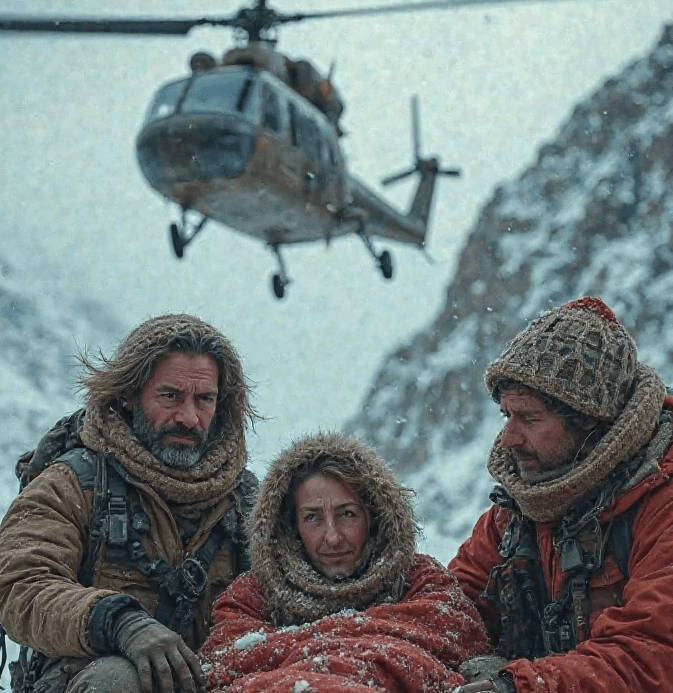
Top 23 Campsites in Minnesota Every Prepper Needs to Know

As a survival prepper living in the rugged, often harsh environment of Minnesota, it’s crucial to have a plan in place for not just surviving but thriving when the unexpected happens. Whether you’re preparing for a long-term emergency, practicing off-grid living, or just getting away from it all, camping in the wilds of Minnesota provides the perfect opportunity to hone your skills and connect with nature.

Minnesota, with its dense forests, vast lakes, and diverse ecosystems, offers some of the best camping spots for preppers. Whether you’re looking for a remote location for self-sufficiency training or a more accessible site for family outings, the state is full of options that cater to a variety of needs.

Below is a list of 23 top camping sites that will provide a perfect base to practice your prepper skills, from fire-making and shelter building to water purification and foraging. Let’s dive into the best Minnesota campsites for survival preppers!

CLICK HERE TO LEARN HOW TO SURVIVE A FAMINE

1. Boundary Waters Canoe Area Wilderness (BWCAW)

This 1.1 million-acre expanse of pristine wilderness is one of the best places in the state to practice survival skills. The BWCAW is known for its remote nature, only accessible by canoe or foot, making it an ideal location for preppers seeking a real wilderness experience. The variety of lakes, rivers, and forests provides endless opportunities to practice everything from fishing and foraging to navigating and shelter building.

2. Voyageurs National Park

Located in the northern part of the state, Voyageurs offers miles of waterways and backcountry camping opportunities. With its remote islands and forests, this park is a prime location for testing your wilderness skills in a more rugged environment. Boat access ensures that you can travel deeper into the park for solitude, or, for a challenge, kayak or canoe to reach more isolated spots.

3. Tettegouche State Park

Tettegouche is perfect for preppers who enjoy a mix of lakeside camping and forested trails. With over 9,000 acres of land, this park offers rugged terrain, waterfalls, and wilderness camping areas that are ideal for practicing survival tactics in a controlled environment.

4. Apostle Islands National Lakeshore

While technically in Wisconsin, the Apostle Islands are a short hop from Minnesota’s border. These 21 islands are accessible by boat or kayak, and they’re perfect for preppers seeking isolation. You can camp on some of the islands and practice self-sufficiency while exploring unique coastal terrain.

5. Cascade River State Park

Known for its dramatic waterfalls and deep ravines, Cascade River State Park offers preppers a secluded area to test their survival skills. The park’s challenging terrain is perfect for those who want to practice creating shelter or navigating difficult landscapes.

6. Split Rock Lighthouse State Park

Split Rock is a scenic and relatively accessible spot for preppers who want to get away without venturing too far into the wilderness. The park has a historic lighthouse, and with miles of hiking trails and cliffs overlooking Lake Superior, it’s a great spot to practice survival skills.

7. Sibley State Park

Sibley is known for its diversity of terrain, from lakes to woods, and its proximity to the Chippewa National Forest. It offers a range of opportunities for learning and practicing wilderness survival tactics like tracking, fire-building, and wilderness first aid.

8. Itasca State Park

This is the birthplace of the Mississippi River, and it’s a fantastic place for preppers to practice wilderness living. Itasca State Park offers dense forests and numerous trails that will help you hone your navigation skills and perfect your understanding of local flora and fauna.

9. Jay Cooke State Park

This park is ideal for those who want to hone their skills in a rugged environment. With its river gorges, dense forests, and terrain that’s both challenging and beautiful, Jay Cooke offers a mix of survival training opportunities and scenic beauty.

10. St. Croix State Park

Located in the eastern part of the state, St. Croix is Minnesota’s largest state park and offers great opportunities for preppers. With a mix of forests, lakes, and trails, this park is perfect for those looking to practice navigation, building shelters, and foraging for food.

11. Upper Sioux Agency State Park

This park provides a secluded and quiet atmosphere, perfect for a prepper who wants to go off-grid for a while. The park features native prairie, woodlands, and the Yellow Medicine River, ideal for practicing survival skills like trapping, fishing, and fire-starting.

12. Fools Creek Campground

Located in the Chippewa National Forest, Fools Creek is an excellent location for preppers who want to be surrounded by forest while learning about shelter building and navigation. The forest is dense, and there are plenty of opportunities to practice skills related to foraging and survival.

13. Gooseberry Falls State Park

The dramatic waterfalls here aren’t just for sightseeing—they provide an excellent backdrop for practicing your prepper skills. Whether you’re building a shelter or fishing, this park offers a natural environment to test your survival strategies.

14. Pipestone National Monument

While known for its cultural significance, Pipestone also offers rugged terrain for practicing survival skills. The trails lead through prairie and wetlands, giving you a chance to work on your navigation and foraging skills while learning about the history of the land.

15. Whitewater State Park

With its rolling hills and river valleys, Whitewater offers beautiful scenery and diverse wildlife. It’s an excellent spot for preppers to practice survival skills like fishing, hunting, and cooking with limited resources.

16. Crow Wing State Park

This state park is perfect for preppers who want to spend some time on water, as it’s located at the confluence of the Crow Wing and Mississippi Rivers. This is a great location to practice paddling, fishing, and bushcraft skills, all while exploring one of Minnesota’s most beautiful regions.

17. Minneopa State Park

If you’re looking to practice your prepping skills with a little more accessibility, Minneopa offers a combination of woods and prairie that’s ideal for beginner preppers. It also has some great trails for hiking and testing your ability to navigate in a mixed environment.

18. Camden State Park

This park, located along the Redwood River, offers a mix of hardwood forest, prairies, and hiking trails. It’s an excellent location to practice fishing, trapping, and living off the land.

19. Blue Mounds State Park

If you’re looking for a more rugged, mountainous terrain, Blue Mounds is the place for you. The park offers opportunities for rock climbing, hiking, and learning to live in a more challenging environment.

20. Lake Bemidji State Park

Located near the city of Bemidji, this park offers a variety of outdoor opportunities, including hiking, canoeing, and wildlife watching. It’s an excellent spot for practicing survival techniques while enjoying the beauty of northern Minnesota.

21. Tamarac National Wildlife Refuge

For preppers interested in honing their survival skills around a wetland environment, Tamarac offers a unique opportunity. Its diverse ecosystems are perfect for learning about wildlife tracking and foraging in a more aquatic environment.

22. Cannon Falls Regional Park

For preppers who want a more urban environment but still need to practice basic survival skills, this regional park is a good option. It’s less remote but offers plenty of opportunities to practice essential skills like first aid and basic bushcraft.

23. Lake of the Woods

Located in the far north of the state, this remote lake offers unparalleled isolation and is perfect for preppers who want to get away from it all. The surrounding woods and waters provide the perfect backdrop for practicing your fishing, shelter-building, and wilderness survival skills.

The Importance of Survival Prepping: A Critical Conclusion

Survival prepping is no longer just a hobby or niche interest; it has become a vital aspect of modern life, especially for those living in areas like Minnesota, where the environment can change abruptly and harshly. While the idea of prepping might seem extreme to some, in reality, it’s a practical and proactive approach to securing your safety and well-being during times of crisis. Whether it’s natural disasters, economic collapse, or civil unrest, being prepared can make the difference between survival and hardship. Let’s dive deeper into why survival prepping is not just important, but crucial for everyone—especially in a state like Minnesota, where the elements and unexpected events can truly test your resilience.

1. Unpredictable Natural Disasters

Minnesota, known for its harsh winters, tornadoes, and severe weather conditions, presents a variety of challenges that can strike unexpectedly. Extreme cold, blizzards, ice storms, and flooding can isolate communities and disrupt essential services like electricity, water, and transportation. When these events occur, they often happen without much warning, leaving little time to react. By being prepared, you can ensure you have the necessary supplies, skills, and mental readiness to handle such crises effectively.

2. Self-Sufficiency in a Crisis

One of the key principles of survival prepping is self-sufficiency. When disaster strikes, whether it’s a natural disaster or a societal collapse, relying on others for help can often lead to disappointment or delay. The ability to be self-reliant—having the tools, knowledge, and skills to survive on your own—gives you an enormous advantage. From growing your own food and purifying water to knowing how to build shelter and start a fire, self-sufficiency ensures that you can withstand even the toughest conditions without needing to rely on outside resources. In Minnesota, with its vast wilderness and unpredictable weather, knowing how to be independent and self-sustaining could save your life.

3. A Layer of Security in an Uncertain World

The world is increasingly uncertain, with political tensions, economic instability, and global challenges that can disrupt our normal way of life. Disasters—whether large-scale catastrophes or smaller, more localized crises—can happen at any time, leaving individuals unprepared for the realities of living without the comforts of modern life. Survival prepping helps provide a layer of security during these times of uncertainty. By preparing now, you’re ensuring that you and your loved ones have a plan and the necessary supplies to face these challenges head-on. This peace of mind allows you to focus on finding solutions, rather than panicking when the time comes.

4. Mental and Emotional Preparedness

Survival prepping isn’t just about physical preparation; it’s also about developing a resilient mindset. When disaster strikes, fear, anxiety, and confusion are natural reactions. However, those who have prepared are often mentally more resilient, able to stay calm and think clearly under pressure. By training in survival techniques, practicing scenarios, and learning problem-solving skills, preppers develop a mindset that’s focused on solutions rather than problems. This mental and emotional preparedness is just as critical as having physical supplies.

5. Community and Family Protection

Survival prepping extends beyond the individual. It’s about ensuring that your family, friends, and community are equally prepared to face crises. When disaster strikes, those who have been trained and equipped to handle difficult situations can provide invaluable support to those around them. A well-prepared family can navigate a crisis together, relying on each other’s strengths, skills, and resources. Moreover, when everyone in a community shares basic survival knowledge and supplies, it increases the overall chance of survival for the group.

6. Sustainability and Long-Term Preparedness

Another reason survival prepping is crucial is its long-term focus. It’s not just about getting through the immediate aftermath of a crisis; it’s about building resilience for the future. Growing your own food, learning sustainable farming techniques, using renewable energy sources, and creating a robust emergency plan can help ensure that your survival is not a short-term fix, but a sustainable way of life. Prepping for long-term survival allows you to thrive in the face of adversity, reducing your dependence on systems that may fail during a crisis.

7. Becoming Better Stewards of the Land

As a prepper, there’s also a strong emphasis on understanding and respecting nature. Survival prepping often goes hand-in-hand with outdoor skills like foraging, fishing, and hunting. By learning to live in harmony with the environment, preppers build a deep connection to the land and an appreciation for sustainable practices. Minnesota’s diverse ecosystems, from forests to lakes, provide endless opportunities to learn and apply these skills. This approach doesn’t just ensure your survival—it also teaches you how to protect the land for future generations.

8. Empowerment Through Preparation

Finally, survival prepping is about empowerment. In an unpredictable world, knowing that you have the skills, knowledge, and resources to overcome challenges can give you a sense of confidence and control. When you prepare for the worst, you’re not just bracing for disaster—you’re actively taking steps to ensure your success in the face of adversity. This proactive approach gives you the mental and emotional strength to handle any situation, from natural disasters to social unrest.

Lastly: Why Survival Prepping Is Critical

Survival prepping is not about living in fear; it’s about living with foresight and resilience. In a state like Minnesota, where weather can be unforgiving and the world can change in the blink of an eye, it’s essential to be prepared. Prepping allows you to be proactive, self-sufficient, and mentally strong in the face of adversity. Whether you’re surviving a harsh winter, an economic collapse, or a natural disaster, the skills and resources you build today could mean the difference between life and death tomorrow.

As a prepper, you’re not just preparing for the worst; you’re ensuring that, come what may, you and your loved ones will thrive no matter what challenges arise.