
Let’s just say what everyone else is too scared to admit: the world is getting weaker, softer, and less capable every day. People can’t cook without an app, can’t fix anything without a YouTube tutorial, and can’t survive a power outage without crying on social media. The dependency is pathetic. Society has convinced millions that convenience is the same thing as stability—yet all it takes is one major event to rip that illusion to pieces.
If you’re preparing for off-grid living, you already understand something that the rest of the world refuses to face: no one is coming to save you. Not the government. Not your neighbors. Not emergency services. When the grid goes down or the system collapses, you either know how to keep yourself alive… or you don’t. And if you don’t, you’re done.
That’s why self-sufficiency and homesteading skills aren’t hobbies—they’re lifelines. They’re the difference between survival and helplessness. And right now, while the world still pretends everything is fine, is exactly when you should be learning them.
In this article, we’re going to walk through the survival and homesteading skills that actually matter—the ones that make you independent, resilient, and ready for the day when the world finally stops pretending it’s stable. These aren’t cute backyard “homestead crafts.” These are the skills that keep you alive when society collapses under its own incompetence.
WHY SELF-SUFFICIENCY ISN’T OPTIONAL ANYMORE
Every decade, things get worse.
Weaker infrastructure.
More fragile supply chains.
People who can’t survive one week without supermarkets.
Governments that trip over themselves at the first hint of crisis.
And yet people still act shocked when disasters leave them stranded. They act like it’s a cosmic injustice that no one came to spoon-feed them after the storm.
You and I know better:
If you can’t sustain yourself, you’re a liability.
Self-sufficiency skills put control back in your hands. They give you the power to:
- Grow your own food
- Produce your own heat
- Repair your own tools
- Purify your own water
- Defend your own home
- Maintain your own health
That’s survival—real survival—not the sanitized fantasy people like to imagine.
Now let’s get into the skills that actually matter.
1. FOOD PRODUCTION & PRESERVATION (THE CORE OF SELF-SUFFICIENCY)
If you can’t feed yourself, you won’t last long. And no—your “emergency stash” from the back of the pantry doesn’t count.
You need real, repeatable, sustainable food production.
Essential Skills:
- Growing staple crops: potatoes, beans, corn, squash
- Gardening with poor soil and unpredictable weather
- Composting and soil regeneration
- Seed saving (no seed, no future crops)
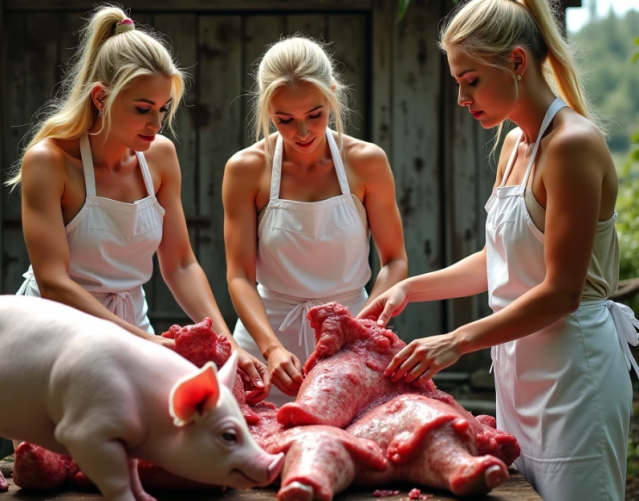
- Raising chickens, rabbits, or goats for protein
- Pressure canning
- Dehydrating
- Fermentation
- Root cellar storage
The modern world has no idea how to produce food without a grocery cart. When shelves go empty, they panic. When your shelves go empty, you simply walk out to the garden or the coop.
That’s the difference between dependency and survival.
2. WATER COLLECTION, FILTRATION & PURIFICATION
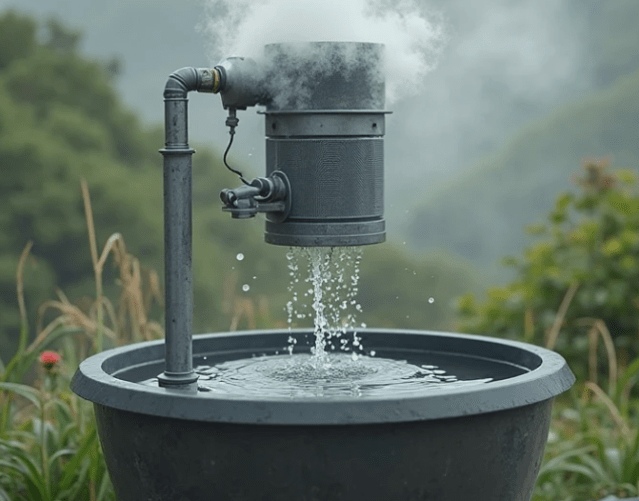
People think water comes from taps—as if plumbing is some eternal force of nature.
No water = no life.
And municipal water systems are one power outage away from shutting down.
Skills you must have:
- Rainwater harvesting
- Gravity-fed filtration
- Boiling
- Solar distillation
- Well maintenance
- Water storage and rotation
- Identifying natural water sources
If you don’t have multiple ways to source and clean water, you’re gambling with your life.
3. ENERGY & HEAT PRODUCTION
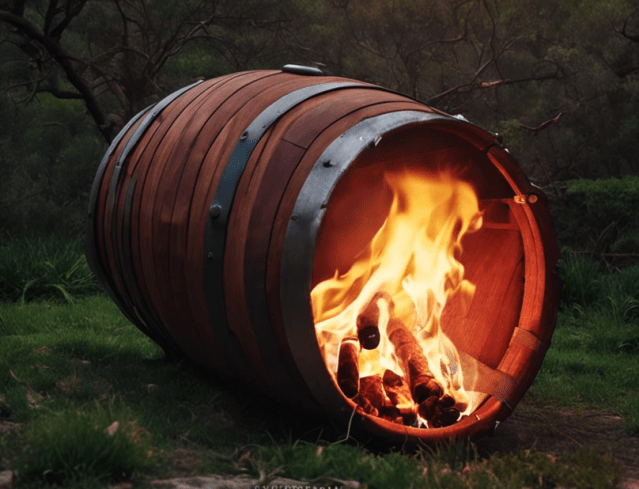
You will freeze without heat. You will break down without energy.
The grid is a luxury. Off-grid is reality.
Critical skills:
- Wood splitting
- Proper fire-building
- Safe indoor heating
- Generator maintenance
- Solar power setup
- Battery management
- Candle and oil lamp use
- Fuel storage
Most people can’t start a fire without lighter fluid and a prayer. Off-gridders don’t have that luxury.
4. HANDYMAN & REPAIR SKILLS (THE ART OF KEEPING THINGS ALIVE)
When you’re off grid, things break—and no one is coming to fix them.
You must become your own:
- Carpenter
- Plumber
- Electrician (within safety limits)
- Mechanic
- Roofer
- General problem-solver
We’re talking about real-world skills:
- Fixing water leaks
- Restoring broken tools
- Sharpening blades
- Basic electrical troubleshooting
- Maintaining ATVs and small engines
- Repairing fences, shelters, and structures
The modern world throws things away. The off-grid world repairs, reuses, and rebuilds.
5. DEFENSE & SECURITY SKILLS

When things fall apart, the desperate become dangerous. And they always show up looking for someone else’s supplies.
You must be able to:
- Secure your property
- Create defensive perimeters
- Use alarms and early-warning systems
- Handle dogs as deterrents
- Use non-lethal defensive tools
- Maintain situational awareness
- Harden doors, windows, and entry points
If you can’t defend what you’ve built, you don’t get to keep it.
6. FIRST AID, MEDICAL & HEALTH SKILLS

Hospitals collapse fast in disasters.
Pharmacies empty out in hours.
Emergency services stop responding.
This means you must know how to:
- Treat wounds
- Stop bleeding
- Clean infections
- Suture (if trained)
- Care for burns
- Manage fevers
- Set sprains
- Maintain hygiene
Medical self-reliance is not optional. It’s survival.
7. FOOD FORAGING & WILDCRAFTING
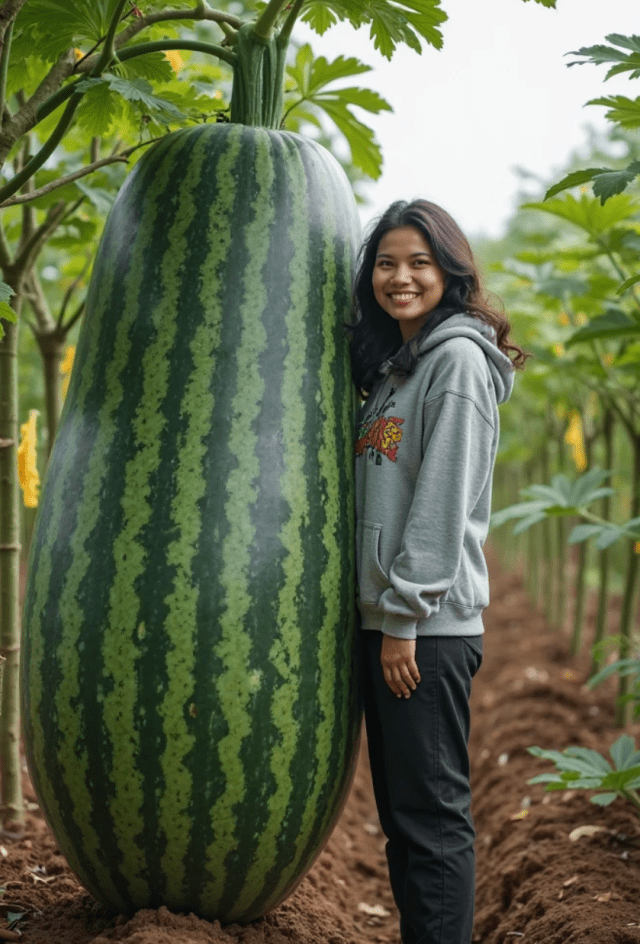
Nature is generous—if you know what you’re looking at. If you don’t, nature becomes a minefield.
Skills include:
- Identifying edible plants
- Recognizing poisonous look-alikes
- Harvesting wild herbs
- Field dressing small game
- Tracking and trapping basics
When gardens fail or seasons change, foraging fills the gaps.
8. MENTAL RESILIENCE & REALISTIC EXPECTATIONS

Most people crumble the moment life gets uncomfortable. They’ve been conditioned to depend on convenience. That’s why so many fail at off-grid living—it’s not the work, it’s the mental weakness.
Real off-grid living requires:
- Patience
- Discipline
- Adaptability
- Realistic expectations
- Toughness
- A willingness to learn constantly
If you can’t manage your emotions, you can’t manage a homestead.
SELF-SUFFICIENCY ISN’T A BUZZWORD—IT’S A WARNING

The world is spiraling.
People are lost.
Systems are fragile.
Comfort is an illusion.
Self-sufficiency isn’t a lifestyle trend—it’s an alarm bell. Every year, more people wake up and realize they need to reclaim the skills their grandparents had because the system they trusted is failing them.
The question is whether you’ll be ready before the collapse hits your door.
You’re learning the skills.
You’re building the systems.
You’re preparing for the reality others deny.
That’s what separates you from the rest:
You’re not afraid to face the truth.

 TheDailyChristian