

When it comes to survival preparedness, understanding the threats in your environment is the first step toward staying safe. In Delaware, a small but ecologically diverse state, the real danger isn’t from wild animals—most of the time, it’s from insects. From venomous stings to disease-carrying bites, these tiny predators can incapacitate, infect, or, in rare cases, kill. This article breaks down the most dangerous insects in Delaware, what to wear to prevent bites, and the essential medical tools and strategies you need if an encounter turns harmful.
The Most Dangerous Insects in Delaware
1. Ticks
Ticks are tiny arachnids that can carry some of the most serious diseases in the U.S., including Lyme disease, anaplasmosis, and babesiosis. Delaware, with its mix of wooded areas, suburban backyards, and grassy fields, provides the perfect environment for ticks to thrive.
Ticks are not aggressive predators—they wait in tall grass or on shrubs and latch onto humans or pets when they brush past. Once attached, they can remain on the body for days, quietly feeding and potentially transmitting bacteria.
Key Danger: Lyme disease is the most common tick-borne illness in Delaware. If untreated, it can cause severe joint pain, neurological symptoms, and long-term health complications.
2. Mosquitoes
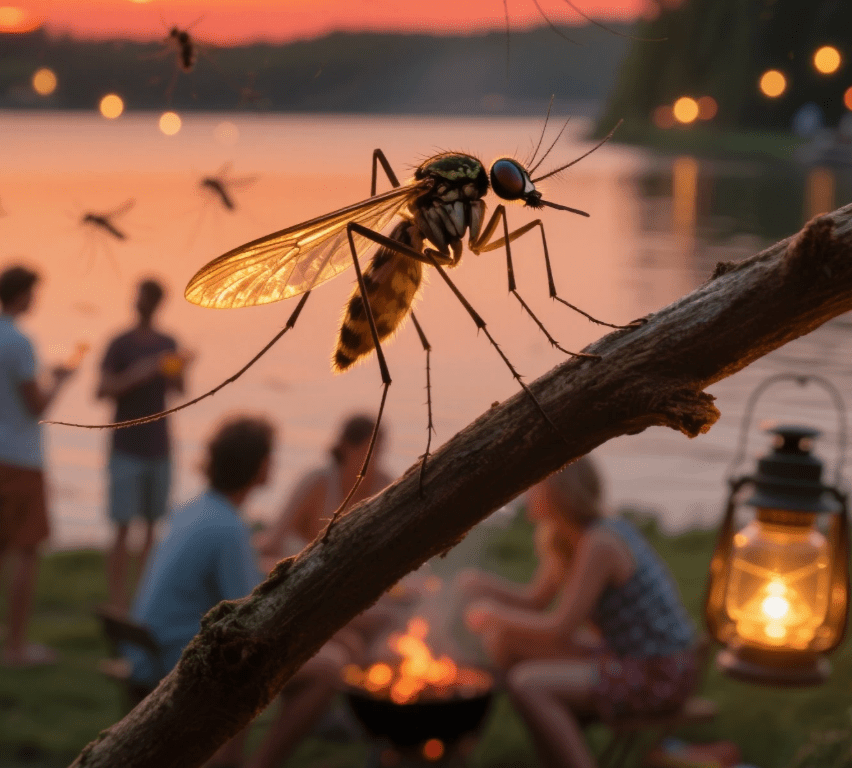
Mosquitoes are not just irritating—they are potential carriers of serious viruses. Delaware’s hot, humid summers create ideal breeding grounds for these insects. While mosquito-borne diseases in the region are less common than in southern states, West Nile Virus and Eastern Equine Encephalitis have been reported.
Key Danger: Besides disease transmission, mosquitoes can trigger severe allergic reactions in sensitive individuals. Large swarms can also be a serious nuisance and lower the quality of life in outdoor environments.
3. Wasps, Hornets, and Yellowjackets
These stinging insects are aggressive defenders of their nests and can attack in swarms if provoked. Delaware hosts multiple species, including the bald-faced hornet, paper wasps, and yellowjackets.
Key Danger: A single sting is painful, but multiple stings or stings to an allergic individual can cause anaphylaxis—a potentially life-threatening reaction.
4. Spiders
While most spiders in Delaware are harmless, a few, such as the black widow, possess venom potent enough to cause severe pain and medical complications. Bites are rare and usually occur when spiders are accidentally provoked in garages, sheds, or woodpiles.
Key Danger: Black widow venom affects the nervous system, causing muscle cramps, nausea, and severe pain. Immediate medical attention is required.
5. Fire Ants
Although more common in southern states, isolated fire ant populations have been reported in Delaware. Their bites are painful, and like wasps, their venom can cause severe allergic reactions. Fire ants attack in groups, so even a single nest can pose serious risk.
Key Danger: Multiple bites can lead to serious infections or systemic allergic reactions.
Protective Clothing: How to Stay Safe
A prepper knows that prevention is far better than reaction. When venturing outdoors in Delaware, adopting insect-proof clothing is essential.
- Long Sleeves and Pants
Lightweight, long-sleeved shirts and long pants reduce the amount of exposed skin. Tuck pants into socks and sleeves into gloves if you’re walking through tall grass or wooded areas. - Permethrin-Treated Gear
Clothing treated with permethrin provides long-lasting protection against ticks, mosquitoes, and biting flies. It’s safe for humans but toxic to insects. - High Boots or Closed-Toe Shoes
Ticks crawl low to the ground, so wearing boots or sturdy shoes helps prevent them from reaching the skin. - Hats and Head Nets
Mosquitoes and some flies target the head and neck. Wide-brimmed hats or head nets are highly effective when moving through heavily infested areas. - Light-Colored Clothing
Insects like ticks and mosquitoes are easier to spot on light-colored clothing, making early detection and removal possible before bites occur.
Essential Medical Supplies for Bug Bites and Stings
Even with precautions, bites and stings can happen. A prepper’s medical kit should include both immediate treatment tools and long-term medications.
1. Tick Removal Tools
Ticks must be removed carefully to avoid leaving the head embedded in the skin, which can cause infection. Include fine-tipped tweezers and tick removal cards in your kit.
Tip: Remove ticks by grasping as close to the skin as possible and pulling straight out without twisting.
2. Antihistamines
For allergic reactions to stings or bites, oral antihistamines like diphenhydramine (Benadryl) can reduce itching, swelling, and hives.
3. Epinephrine Auto-Injector
Individuals with known severe allergies to insect stings should always carry an epinephrine auto-injector (EpiPen). Immediate administration can be life-saving.
4. Topical Treatments
Calamine lotion or hydrocortisone cream can soothe itching and inflammation. Aloe vera gel is also effective for mild burns or sting irritation.
5. First Aid for Severe Bites
- Black widow or other venomous spider bites: Keep the patient calm and immobilize the affected area. Seek medical help immediately.
- Multiple stings from wasps, hornets, or fire ants: Monitor for signs of anaphylaxis (difficulty breathing, swelling, dizziness) and administer epinephrine if needed.
6. Insect Bite and Sting Prevention Spray
Repellents containing DEET, picaridin, or oil of lemon eucalyptus are effective against mosquitoes and ticks. Apply to exposed skin and reapply according to the manufacturer’s instructions.
Survival Strategies for High-Risk Areas
A prepper doesn’t just rely on clothing and first aid; they anticipate risk and plan their movement accordingly.
- Avoid tall grass and dense underbrush: Ticks are most common in shaded, moist areas. Stick to clear paths when hiking.
- Check your body and pets: Inspect your skin and pets after returning from outdoor activities. Prompt removal of ticks can prevent disease transmission.
- Seal your campsite: Mosquitoes breed in standing water. Empty containers and use mosquito netting around sleeping areas.
- Educate yourself: Know which insects are active during which seasons. For example, mosquito populations peak in mid-summer, while ticks are most active in spring and early summer.
The Bottom Line
Delaware may not have the notoriety of southern states for dangerous wildlife, but its insects can still pose serious health threats. A survival-minded approach combines knowledge, proper protective gear, and a well-stocked medical kit. Preventive measures—like permethrin-treated clothing, insect repellents, and high boots—reduce your exposure risk significantly.
Meanwhile, preparedness for worst-case scenarios—such as severe allergic reactions or venomous bites—requires immediate access to first aid tools, antihistamines, and emergency medical services. A prepper understands that every encounter with a dangerous insect is an opportunity to reinforce habits that prioritize safety, vigilance, and quick response.
By understanding Delaware’s most dangerous insects, dressing appropriately, and maintaining a ready medical kit, you transform a potentially life-threatening situation into a manageable one. Survival isn’t about fear—it’s about preparation, awareness, and respect for the environment we share with these tiny but formidable predators.


 TheDailyChristian