

Ohio Tiny Homes: Best Cities for Affordable Small Living

Ohio Tiny Homes: Best Cities for Affordable Small Living

by Brooke Homestead — 2025 Female Survival Prepper of the Year

Ohio is a state of friendly communities, affordable land, and diverse landscapes — from Lake Erie shores to rolling hills and quiet suburbs. For tiny home enthusiasts, it’s a place where downsizing can be practical, economical, and rewarding. I’m Brooke Homestead, and after years of building tiny homes, thriving off-grid, and living simply, I can guide you through Ohio’s best cities for tiny homes, zoning realities, land costs, and climate considerations.


Best Cities for Tiny Homes in Ohio: Athens and Dayton
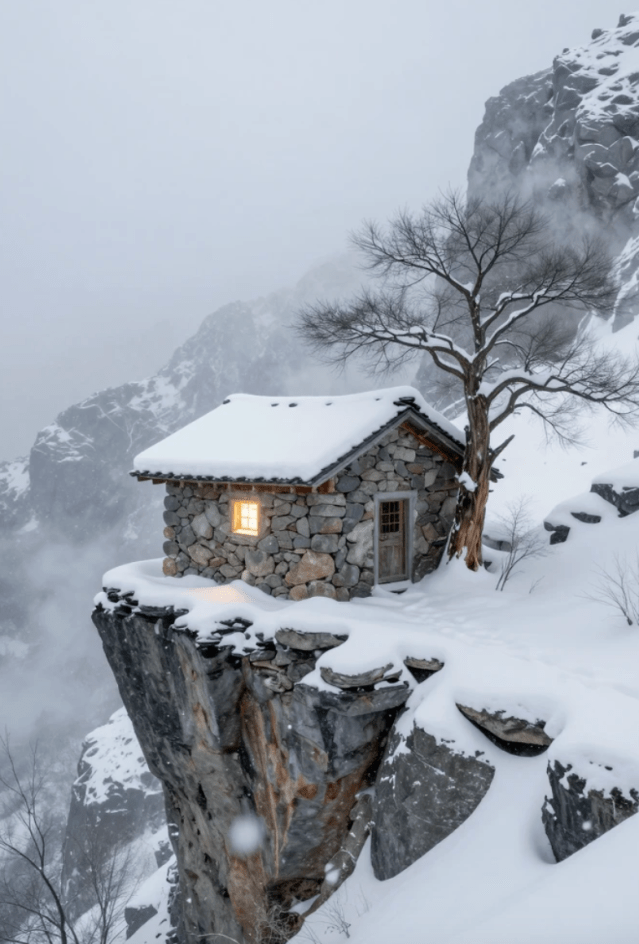
Athens — College Town with Rural Access

Athens is ideal for tiny home living because it combines progressive culture, community acceptance, and access to the countryside:

  • Zoning flexibility in rural outskirts: Many parcels allow tiny homes as primary residences or accessory dwellings.
  • Affordable land: Lots outside the city typically range from $15,000–$35,000 per acre.
  • Community mindset: Sustainability, minimalism, and small-space living are socially embraced by residents.

💡 Brooke Tip: Focus on parcels just outside Athens city limits for larger lots and more freedom to incorporate off-grid systems like solar panels, rainwater collection, and gardens.


Dayton — Affordable and Practical Tiny Living

Dayton offers an ideal mix of urban amenities, affordable land, and practical zoning for small homes:

  • Rural-friendly zoning: Many parcels in the outskirts allow tiny homes on wheels (THOWs) or foundation-based tiny homes.
  • Land affordability: Parcels range from $10,000–$30,000 per acre — excellent for off-grid or semi-rural tiny homes.
  • Community support: Residents value practicality, self-sufficiency, and simplicity.

Brooke Survival Insight: Ohio winters can be snowy and cold, while summers are humid. Proper insulation, ventilation, and weatherproofing are essential for comfort year-round.


Challenging Areas for Tiny Homes in Ohio: Cleveland & Columbus
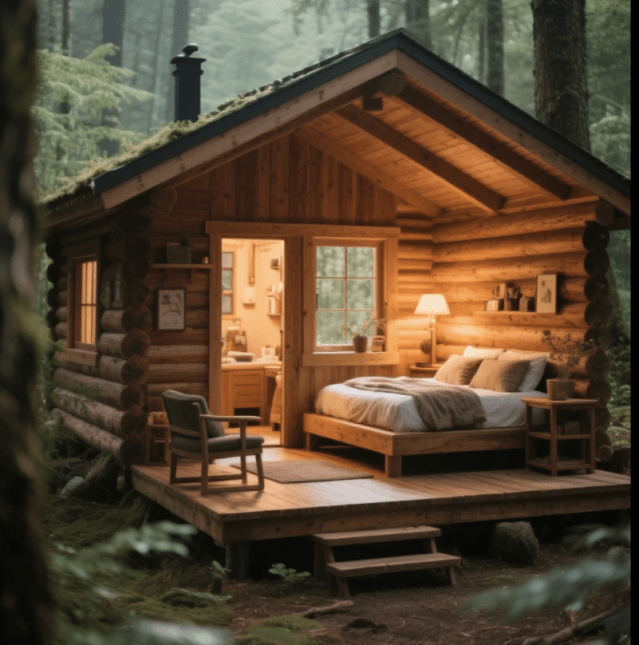
Urban centers come with restrictions:

  • Zoning restrictions: Minimum lot sizes, urban planning codes, and historic district rules limit tiny home placement.
  • High land costs: Urban parcels often exceed $50,000–$150,000 per lot.
  • Limited off-grid options: Dense development reduces flexibility for solar, septic, and water systems.

💡 Brooke Tip: Tiny homes in Cleveland or Columbus are mostly feasible as ADUs behind existing homes or in planned small-home communities.


Zoning Laws in Ohio — Tiny Home Considerations

Ohio does not have a statewide tiny home law; local regulations vary by city and county:

  • Accessory Dwelling Units (ADUs): Allowed in some progressive towns, usually 200–500 sq. ft.
  • Tiny Homes on Wheels (THOWs): Treated as RVs; generally allowed on rural private land or in permitted RV parks.
  • Foundation-based Tiny Homes: Must meet state and local building codes, including structural, electrical, plumbing, and insulation standards.

Brooke Advice: Always check with local planning offices before buying land — rules can vary significantly even between neighboring parcels.


Cost of Land in Ohio — Budgeting for Tiny Homes

Land in Ohio is generally affordable, especially outside major metro areas:

  • Athens outskirts: $15,000–$35,000 per acre — ideal for off-grid tiny homes with gardens and solar.
  • Dayton rural lots: $10,000–$30,000 per acre — great for THOWs or foundation-based homes.
  • Cleveland & Columbus metro: $50,000+ per lot — tiny homes mostly feasible as ADUs.
  • Southern Ohio small towns: $5,000–$25,000 per acre — excellent for off-grid, minimalist living.

Other costs include wells, septic systems, solar panels, driveways, and snow preparedness.


Climate Considerations — Ohio Weather for Tiny Homes

Ohio has a humid continental climate, which affects tiny home planning:

  • Winter: Cold with snow — proper insulation and heating are essential.
  • Summer: Hot and humid — ventilation, shade, and cooling systems are important.
  • Storms: Severe thunderstorms and occasional tornadoes require reinforced construction and anchoring.
  • Rain & Flooding: Proper drainage and elevated foundations prevent water damage.

Brooke Survival Insight: Tiny homes are compact — poor insulation, ventilation, or storm prep can quickly make life uncomfortable or unsafe.


Final Homestead Thoughts

Ohio is a state where tiny home living can thrive, particularly in small cities and suburban-rural outskirts:

  • Best Cities: Athens for progressive culture and rural access; Dayton for affordability and practical zoning.
  • Challenging Areas: Cleveland and Columbus metro due to zoning, density, and higher land costs.
  • Planning Essentials: Verify zoning, plan for snow, storms, and humidity, and consider off-grid systems for water and energy.

Tiny home living in Ohio is about resilience, minimalism, and enjoying space while staying close to nature and community. With careful planning and the right city, you can thrive in a small, sustainable home surrounded by rolling hills, rivers, and friendly neighborhoods.

Brooke Homestead

Virginia Tiny Homes: Cities That Welcome Small Living (UPDATED)

From the rolling Blue Ridge Mountains to the Chesapeake Bay shore, Virginia is a state full of history, natural beauty, and — if you know where to look — opportunities for living small in a big world. I’m Brooke Homestead. I’ve lived off the grid, weathered storms with nothing but grit and a good rain tarp, and trusted myself on where tiny homes truly fit into a community. Today I’m going to walk you through the best — and the trickiest — places to plant your tiny home in Virginia. 🌿🏡


Best City for Tiny Homes in Virginia: Staunton 🌟

Let’s jump right in.

If I had to pick one city in Virginia that really gets it on tiny living, I’d point you toward Staunton — a welcoming blend of small‑town charm and practical tiny home acceptance.
This city has actually written itself into the tiny home conversation by allowing tiny over‑land sizes down to about 200 square feet as part of its building code — and without the endless bureaucracy you’ll find elsewhere.

Why Staunton Works Well

Tiny homes get real respect here — Staunton’s planning unit recognizes tiny homes (including accessory dwellings) without forcing you into complicated approvals.

Historic but progressive — There’s a genuine vibe of preservation and innovation. While Staunton loves its older architecture and cobblestone history, there’s room in the mix for smart, small, sustainable living. That’s a cultural win you can’t ignore.

Keswick and surrounding acreage — Just outside Staunton proper, you’ll find rolling fields and forests that make off‑grid systems like rainwater capture, solar arrays, and composting toilets feel not just doable — but welcomed with open arms.

💡 Brooke’s Homestead Tip: If you’re thinking buy land and build your tiny home from the ground up, Staunton’s proximity to rural Augusta County gives you the latitude to work with county planners — not against them — especially if you make a good plan and talk to them early.


Worst City for Tiny Homes in Virginia: Arlington ⚠️

Now this may surprise some folks — especially those who love urban culture — but when it comes to tiny homes, Arlington can be a big challenge.

Arlington has been aggressively reforming its zoning — and it is expanding housing types — but primarily toward more compact multi‑unit structures like duplexes, triplexes, and townhomes, not tiny homes on their own lots.

Why Arlington Isn’t Ideal for Tiny Living

Zoning complexity: The city eliminated single‑family zoning in many areas, but that doesn’t automatically mean a tiny home on wheels or even a small standalone dwelling is permitted. Most new rules focus on missing middle housing — not individual tiny units.

Sky‑high land values: With land prices that make most mortgages blush (and Zillow listings cry), you’ll have a real battle just finding a legal parcel affordable enough for a tiny home. (Urban land in Northern Virginia is expensive — even for small builds.)

Urban infrastructure focus: Arlington planners are understandably prioritizing transit‑oriented development, structured neighborhoods, and multi‑unit housing stock — but tiny homes often fall outside those design visions.

💡 Brooke’s Survival Insight: If your heart is set on the DC metro area, consider ADUs attached to existing properties — that’s the smoother path for tiny living here. But don’t expect free‑standing tiny homes on private lots without major hoops.


Zoning Laws in Virginia — What Tiny Homesteaders Actually Face

Alright — let’s dig into the nuts and bolts (literally) of zoning in Virginia, because this is where many well‑intentioned dreamers hit their first patch of briars.

No One‑Size‑Fits‑All Rule

Virginia doesn’t have a statewide provision that automatically lets you stick a tiny home anywhere. Instead, your outcome depends deeply on county and city zoning ordinances — and those differ brusquely from place to place.

Building Code Standard

At the state level, tiny homes can comply with the Virginia Uniform Statewide Building Code (which is based on the International Residential Code). This means any home you want to legally house people in — tiny included — needs:

  • proper foundation,
  • structural integrity,
  • plumbing, electrical, etc.

The code even includes Appendix Q, which specifically outlines minimum requirements for tiny homes.

But here’s the twist: local zoning might still want a minimum square footage buried deep in the ordinances, even if the building code allows smaller. This disconnect is where a planner can make or break your dream.

Common Local Variations

Here’s a snapshot of what you’ll encounter in different parts of the state (based on recent local zoning summaries):

  • Fauquier County: Accepts tiny homes as primary residences or ADUs — but no tiny homes on wheels.
  • Buckingham County: Allows tiny homes on wheels on private land — with sewer connection mandates.
  • Albemarle County: Tiny homes permitted as ADUs with special use permits.
  • Virginia Beach: Treats tiny homes like any other residential structure — they must meet hurricane and flood safety codes.
  • Norfolk: Tiny dwellings often part of affordable housing programs, with utility connections required.

Pro Tip from Brooke: Call the local zoning office before you sign on land. I can’t tell you how many folks buy property, only to discover their vision doesn’t match the county’s definition of a “dwelling.” Asking ahead saves heartbreak and hard‑earned dollars.


Cost of Land in Virginia — Budget Reality

Let’s talk dollars — because any survivalist worth her salt plans with a spreadsheet and coffee. ☕📊

Virginia’s land prices vary tremendously depending on where you’re looking:

🪵 Rural Counties: Starting as low as a few thousand dollars per acre in parts of Southern and Central Virginia. But keep in mind, remote land often lacks water, power, or septic access — so you’ll need to budget for those.

🏡 Suburban Areas: Places like near Richmond, Norfolk, or Charlottesville can run $50,000–$250,000+ per acre — pricey for tiny home plots.

🌆 High‑Demand Urban Zones: Northern Virginia land — especially closer to Washington DC — can blow up to $1 million+ per acre, making standalone tiny home builds hard to justify without subdividing or using ADUs.

Other Land‑Related Costs

Every bit of infrastructure you add adds to your price:

  • Utilities: Running power, water, sewage can range from $5,000–$20,000 depending on distance.
  • Septic System: If county water isn’t available, plan $3,000–$10,000+ for a private system.
  • Solar & Off‑Grid Gear: If you’re truly homesteading off the grid, solar panels and battery banks are often the best insurance policy — expect $5,000–$20,000+ in upfront cost.

💡 Brooke’s Money Tip: Buying land with existing road access, water access, or nearby utility hookups saves you thousands long before you shovel dirt for your foundation.


Climate Considerations — Virginia Weather and Your Tiny Home

Virginia’s climate can feel like an old friend — warm, welcoming — until she throws thunderstorms and winter chill at you. Here’s what you need to keep in mind:

🌤️ Coastal Eastern Virginia (Virginia Beach, Norfolk):
High humidity, hurricane potential, and flood risk mean your tiny home’s foundation and elevation plan must take storm surge into account. Hurricane‑proofing matters here.

🍁 Central / Piedmont (Staunton, Charlottesville, Lynchburg):
Warm summers, cool winters, and a beautiful four‑season rhythm. Rainwater management, solid insulation, and good roofing are real priorities.

❄️ Western Highlands (near Appalachian Trail):
Winters get cold and snow isn’t unknown. You’ll want floors that are insulated from ground chill and a heating plan that doesn’t cost you an arm and a leg.

💡 Practical Survival Wisdom: Regardless of where you build, always account for water diversion and foundation drainage — tiny homes dislike sitting in moisture more than a novice dislikes a rattlesnake on the trail.


Brooke Homestead’s Words

Virginia isn’t just a place — it’s a patchwork of communities, each with its own interpretation of how homes — tiny or mighty — belong in the landscape.

Places like Staunton are paving the way for tiny living with thoughtful zoning and a spirit of community. On the flip side, urban zones like Arlington make the process possible but more complex than it should be for independent tiny homes.

Whatever patch you choose, here’s my best advice:

🌱 Know the laws before you buy
📐 Plan for utilities early
💪 Prepare for weather challenges
📞 Talk to planners, not just realtors

Tiny living is about freedom — but freedom with preparation is where true peace of mind grows.

Stay curious, stay kind, and build something that lasts.
Brooke Homestead.