Surviving Kentucky: A Prepper’s Guide to Natural Disaster Readiness
Living in Kentucky means embracing the land’s beauty and unpredictability. As a prepper in the Bluegrass State, I’ve learned that readiness isn’t just a choice—it’s a necessity. From the rolling hills to the winding rivers, Kentucky offers both serenity and peril. Understanding the natural disasters that frequent our state and preparing accordingly can make the difference between life and death.
Kentucky’s diverse geography subjects it to various natural disasters:
Tornadoes: The state ranks among the top in the nation for tornado occurrences. The western region, including areas like Mayfield, has been particularly hard-hit. AP News
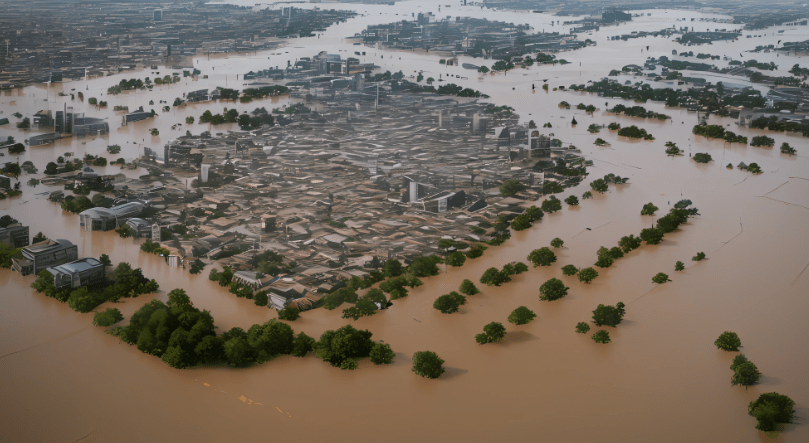
Flooding: Heavy rains can lead to flash floods, especially in eastern Kentucky’s mountainous terrain.
Winter Storms: The state’s unpredictable winters bring ice storms and heavy snowfalls, disrupting power and transportation.
Earthquakes: The New Madrid Fault Line runs through western Kentucky, posing a significant seismic risk. Kentucky and Beyond
Severe Thunderstorms: These can spawn tornadoes, hail, and damaging winds, affecting the entire state.
10 Survival Prepper Tips for Kentucky Residents
Build a Comprehensive Emergency Kit: Include at least a three-day supply of water (one gallon per person per day), non-perishable food, a manual can opener, flashlights, batteries, a first aid kit, and necessary medications. SELF+3GQ+3Kenton Hardin Health Department+3
Create a Family Emergency Plan: Establish meeting points, communication methods, and evacuation routes. Practice this plan regularly with all family members.
Stay Informed with NOAA Weather Radio: A battery-powered or hand-crank NOAA Weather Radio can provide real-time alerts for severe weather events. Kenton Hardin Health Department+1GQ+1
Secure Your Home Against Tornadoes: Identify a safe room or basement. If in a mobile home, evacuate immediately during a tornado warning. kyem.ky.gov+1Western Kentucky University+1
Prepare for Flooding: Keep important documents in waterproof containers. Elevate electrical appliances above potential flood levels.
Winterize Your Home: Insulate pipes, stock up on salt for de-icing, and have extra blankets and warm clothing on hand during winter months.
Maintain a Go-Bag: Pack essentials like water, food, clothing, and important documents in a bag that can be grabbed quickly in case of evacuation.
Develop a Pet Emergency Plan: Ensure pets have identification, a supply of food and water, and a plan for shelter during disasters. Kenton Hardin Health Department
Engage with Local Emergency Services: Join programs like Community Emergency Response Teams (CERT) to stay informed and assist during emergencies. LINK nky
Conclusion
Being a prepper in Kentucky isn’t about fear—it’s about empowerment. By understanding the risks and taking proactive steps, we can safeguard ourselves, our families, and our communities. Remember, preparedness isn’t just a one-time task; it’s an ongoing commitment to resilience.
Living in Tennessee, we’re no strangers to the unpredictable nature of weather and natural disasters. Our beautiful state, nestled between the Appalachian Mountains and the Mississippi River, boasts lush landscapes and diverse ecosystems, but it’s also prone to a variety of extreme weather conditions. As a survival prepper in Tennessee, I know firsthand that it’s not just the beauty of the state that makes it special, but the need to be prepared for any disaster that could come our way. Whether it’s tornadoes, floods, winter storms, or even the occasional earthquake, preparation is key to ensuring the safety of you and your family.
Tornadoes: A Tennessee Staple
Tennessee lies in “Tornado Alley,” where tornadoes can strike with little warning, especially during the spring and fall. We’ve all seen the devastation they cause, tearing through entire communities in a matter of minutes. As someone who’s lived through several tornadoes, I can tell you that preparation is essential. You can’t always predict when or where a tornado will strike, but you can certainly increase your chances of surviving one by knowing what to do.
Survival Tip #1: Always have a tornado shelter or a basement to retreat to. If you don’t have a basement, consider investing in a reinforced storm shelter. Make sure it’s stocked with food, water, flashlights, and a first-aid kit. Don’t forget a battery-powered weather radio to keep up with alerts.
Flooding: Rising Waters in Tennessee
Flooding is another common natural disaster that Tennesseans face, particularly in the spring when heavy rains cause rivers and creeks to overflow. Parts of Tennessee, especially the lower-lying areas, are especially susceptible to flooding. The memories of the 2010 Nashville flood are still fresh in our minds, as the rising water destroyed homes and took lives. This is a reminder that even if you live in an area that doesn’t typically flood, it’s vital to be prepared.
Survival Tip #2: Keep your home’s foundation and exterior properly sealed to prevent water from seeping inside. You should also have sandbags on hand and a pump to remove water if needed. Elevate important belongings, and make sure to know the flood zones in your area so you can evacuate quickly if necessary.
Winter Storms: Ice and Snow in the Volunteer State
While winter storms might not be as frequent in Tennessee as they are in other parts of the country, they still pack a punch when they do occur. Ice storms, in particular, are common, and these storms can cause widespread power outages, hazardous road conditions, and even damage to trees and power lines. Winter preparedness is critical because even though Tennessee winters aren’t as harsh as those up north, they can still cause chaos.
Survival Tip #3: Stock up on firewood, propane, or alternative heating sources for when the power goes out. Keep blankets, warm clothing, and sleeping bags in your emergency kit, and don’t forget extra batteries for flashlights. Prepare your vehicle by ensuring it’s winter-ready with antifreeze, chains, and a full tank of gas.
While Tennessee isn’t traditionally known for its earthquakes, we’re not immune to seismic activity. The New Madrid Seismic Zone, just north of the state, has the potential to cause massive earthquakes that could be felt across much of the state. The last significant earthquake in this region was over 200 years ago, but it’s crucial to remember that an earthquake could strike at any time, with little to no warning.
Survival Tip #4: Strengthen your home’s structure by retrofitting it for earthquake preparedness. Secure heavy furniture and objects to walls, and have an emergency kit ready to go with food, water, and other essentials.
Severe Heat: A Growing Concern
Tennessee summers can be brutal. The combination of heat and humidity often pushes the temperatures well above 90°F, and we also face the risk of heat-related illnesses, especially for the elderly and vulnerable. As climate change continues to affect weather patterns, heat waves could become more frequent and intense.
Survival Tip #5: Have a cooling strategy in place. Keep a good stockpile of water, portable fans, and a backup generator to keep air conditioning running during power outages. Stay aware of the heat index, and be ready to take action if conditions become dangerous.
Survival Prepper Tips for Natural Disasters in Tennessee
Being a prepper in Tennessee means knowing what types of disasters are most likely and being ready to face them. Here are 10 more survival prepper tips that will help you stay safe and self-sufficient:
Survival Tip #6: Always have a comprehensive first-aid kit that includes items like bandages, antiseptic, prescription medications, and any other specialized items you might need.
Survival Tip #7: Develop a family emergency plan and practice it regularly. Know the safest routes for evacuation, meeting points in case of separation, and how to stay in communication when cell service is down.
Survival Tip #8: Learn how to purify water from natural sources such as streams or rainwater. Keeping a reliable filtration system in your emergency kit is key.
Survival Tip #9: Have a bug-out bag for each family member with clothing, food, and water for at least 72 hours. This bag should be easy to grab and go if you need to evacuate quickly.
Survival Tip #10: Stay informed by subscribing to local weather alerts and installing weather apps on your phone. Knowledge is power, and knowing what’s coming can give you the upper hand in any disaster situation.
Survival Tip #11: Stock up on non-perishable foods that are high in nutrition, such as canned goods, rice, pasta, and freeze-dried meals. These foods will help sustain you during long-term emergencies.
Survival Tip #12: Consider investing in solar-powered chargers and alternative power sources for your home. Solar panels, generators, and battery backups can be lifesavers during power outages.
Survival Tip #13: Create a home defense plan to protect your property from looters in the event of a widespread disaster. This could involve reinforcing doors and windows or having tools for self-defense.
Survival Tip #14: Build a network with other preppers in your area. During a disaster, having a community to rely on can make all the difference in terms of resources and safety.
Survival Tip #15: Don’t forget about pets. Make sure to have food, water, and medicine stocked up for your animals. They depend on you to keep them safe during a disaster.
Staying Safe in Tennessee: The Prepper’s Mindset
Being a prepper in Tennessee means always being ready for what Mother Nature can throw at us. From tornadoes and floods to winter storms and earthquakes, Tennessee offers its own unique set of challenges. But with the right mindset, tools, and preparation, you can ensure that you and your loved ones are well-equipped to handle whatever comes your way. Whether you’re dealing with a flash flood or an ice storm, the key to survival is always staying calm, informed, and prepared.
As a prepper, it’s not just about having the gear—it’s about being mentally and emotionally prepared to handle disaster when it strikes. Tennessee residents who take the time to prepare today will be able to weather the storms of tomorrow. So, gather your supplies, plan your escape routes, and stay vigilant. Because in Tennessee, the next disaster could be just around the corner.
How Texans Prepare for the State’s Worst Natural Disasters
Living in Texas, you’re no stranger to the force of nature. From blistering heatwaves to unpredictable storms, the Lone Star State has seen it all. While we love our BBQs, rodeos, and wide-open spaces, we also know that when disaster strikes, it’s not a time to panic – it’s a time to act.
In Texas, survival is a way of life. Whether you’re out in the flat plains of West Texas, nestled in the Hill Country, or living closer to the Gulf Coast, you know that natural disasters aren’t just a possibility – they’re a fact of life. Tornadoes, hurricanes, wildfires, floods, and extreme heatwaves are all common threats in the state, and preparedness is key to surviving any of them.
If you want to be ready when the storm hits, you’ve got to think ahead and build a solid survival plan. But don’t worry – we’re all in this together, and there’s no need to face disaster unprepared. Here are some ways Texas residents like me prepare for the worst and keep our families safe.
1. Tornadoes: Don’t Wait for the Warning
Tornadoes are one of the most terrifying natural disasters to hit Texas. The state is part of “Tornado Alley,” meaning we are especially prone to these powerful, destructive storms. To prepare for a tornado, the first step is knowing when one might be coming. That means investing in a reliable weather radio that broadcasts emergency alerts 24/7.
Beyond the radio, every Texan should have a designated storm shelter. It doesn’t need to be fancy – even a small, windowless interior room like a bathroom or closet can provide shelter. Keep your storm kit stocked with essentials like a flashlight, batteries, a first-aid kit, and a few days’ worth of non-perishable food and water.
2. Hurricanes: Don’t Underestimate the Gulf Coast
For those of us living along the Gulf Coast, hurricanes are a serious concern. Whether you’re in Houston or Galveston, hurricanes bring strong winds, heavy rain, and the threat of flooding. The key to surviving a hurricane is early preparation and constant vigilance. Make sure you have an evacuation plan that includes a designated safe location – preferably in an area not prone to flooding.
Stock up on emergency supplies, including bottled water, canned goods, medication, and other essentials. If you live near the coast, invest in hurricane shutters or plywood to protect your windows, and make sure your roof is secure. Once a storm is headed your way, stay updated on the latest forecasts and be ready to leave if necessary.
3. Wildfires: Be Ready for the Texas Heat
While wildfires are a year-round threat, they are especially dangerous in the hotter months of summer and early fall. As Texans, we’re used to the dry spells and the scorching heat, but when combined with strong winds, they can ignite massive wildfires. If you’re in rural areas, keep defensible space around your home by clearing dead vegetation, branches, and other flammable materials. This will help protect your property from spreading flames.
A well-stocked bug-out bag is a must, and it should contain a good-quality N95 mask to protect against smoke inhalation. Keep your gutters clear, and be sure to have fire extinguishers accessible, especially in areas prone to wildfires.
4. Floods: Know Where the Water Will Go
Flooding is another significant risk, especially for those living along Texas rivers or in low-lying areas. The unpredictable rains that often come with hurricanes or spring storms can overwhelm flood control systems and cause massive damage. One of the first steps is to know if you live in a flood zone, and if you do, consider purchasing flood insurance. It’s worth the investment.
In preparation, elevate your electrical appliances and other valuables above potential flood levels. If a flood watch is issued, make sure your emergency supplies are packed and ready to go. Flashlights, extra batteries, and sturdy shoes for wading through water are essential. If the water is rising, know your evacuation routes and keep your car’s gas tank full, just in case.
5. Extreme Heat: Don’t Let the Texas Sun Get the Best of You
Texas heat can be brutal, especially in cities like Dallas, Austin, and San Antonio during the summer months. Temperatures can easily exceed 100°F, and when the humidity is high, it can be even worse. To avoid heat exhaustion or heat stroke, always have a supply of water on hand, and wear light, breathable clothing.
If you don’t have air conditioning, make sure you have fans or a way to cool your home down. Keep your body cool by using wet towels or ice packs on your pulse points, and don’t forget to check on elderly neighbors or others who may be more vulnerable to heat stress.
10 Survival Prepper Tips for Texans Facing Natural Disasters:
Know Your Risk: Understand what natural disasters are most likely to affect your region, whether it’s a flood, tornado, wildfire, or hurricane.
Create a Family Emergency Plan: Sit down with your family and make sure everyone knows their roles in an emergency, including evacuation routes and communication plans.
Emergency Kit: Always have a stocked emergency kit with the basics: water, non-perishable food, flashlight, batteries, medications, and first-aid supplies.
Backup Power: Invest in a generator or a backup power system to keep essential devices running during power outages.
Water Storage: In Texas, water is a critical resource during both floods and droughts. Always store extra water to get you through an emergency.
Stay Informed: Sign up for emergency alerts from local authorities and always monitor the weather.
Get an Emergency Car Kit: Make sure your car is stocked with essentials such as extra water, blankets, non-perishable food, and a first-aid kit.
Defend Against Wildfires: Maintain a defensible space around your property by keeping grass short, clearing debris, and trimming trees.
Plan for Pets: Don’t forget your furry friends! Keep a pet emergency kit with food, water, medications, and any necessary paperwork.
Insurance is Key: Ensure your home and vehicle insurance cover damage from common disasters in your area, such as floods, fires, or wind damage.
Conclusion: Preparedness is Key in Texas
The weather in Texas is unpredictable, and natural disasters can strike without warning. But with proper planning and preparation, you can face anything that comes your way. By following these tips, Texans can not only survive but thrive in the face of nature’s challenges. After all, we’re a tough breed, and we know how to handle what the wild Texas weather throws at us.
How Illinois Residents Prepare for the State’s Worst Natural Disasters: A Prepper’s Guide
Living in Illinois can be tough when it comes to preparing for natural disasters. Whether it’s the potential for severe thunderstorms, flooding, or the dreaded tornado, being prepared is the key to survival. As a prepper living in the Prairie State, I know the importance of being ready for anything that Mother Nature can throw our way. In this article, we’ll dive into how Illinois residents, particularly survival preppers, prepare for the worst and what you can do to increase your chances of survival during these disasters.
Understanding the Threats
Illinois is no stranger to severe weather. From the sweltering summer heat to the biting cold of winter, it’s not just the weather we need to prepare for. The state is also prone to severe thunderstorms, tornadoes, and flooding, all of which can wreak havoc on your home and your life. Tornadoes are a particular threat, with the state being located in what is often called “Tornado Alley.” While Illinois is not the most tornado-prone state, the frequency of these violent storms still makes it critical for everyone to be prepared.
Flooding is another major concern, especially for residents living near rivers, streams, and low-lying areas. Floods can happen suddenly, and they can be catastrophic, particularly when the state experiences periods of heavy rainfall or snowmelt. Additionally, Illinois is prone to the occasional earthquake, especially in the southern part of the state, near the New Madrid Seismic Zone.
Survival Prepper Tips for Illinois Natural Disasters
As a prepper, you need to be ready for anything that comes your way. Let’s break down some essential survival prepper tips specific to Illinois’ most common natural disasters.
Know Your Risk Zones Illinois is a large state, and different areas are more prone to specific disasters. If you’re living in a floodplain or close to the Mississippi or Illinois rivers, you need to be aware of flooding risks. If you’re in central or northern Illinois, tornadoes and severe storms should be a bigger concern. Understand the hazards specific to your region and prepare accordingly.
Create an Emergency Kit Having an emergency kit is a must for any prepper. Your kit should include non-perishable food, water, a flashlight, extra batteries, a first-aid kit, a fire-starting kit, a multi-tool, and essential documents in a waterproof container. Don’t forget a radio that can operate without power—preferably one that picks up NOAA weather alerts.
Emergency Plan for Tornadoes Tornadoes are one of Illinois’ most feared natural disasters. You need to have a clear emergency plan in place. Designate a tornado-safe room in your home, preferably in a basement or an interior room with no windows. In a tornado warning, every second counts, so practice regular drills with your family and ensure everyone knows where to go.
Flood Preparation: Know Your Elevation Many parts of Illinois, especially along rivers, are at risk of flooding. Know the elevation of your home and the flood zone in your area. If you’re in a flood-prone area, make sure you have sandbags on hand, elevate electrical appliances, and store valuables in high, waterproof containers.
Prepare for Power Outages Severe storms and floods can knock out power for days or even weeks. Having a backup generator is a prepper’s lifeline. If you can’t afford a full generator, make sure you have plenty of battery-powered lights, solar chargers, and enough food and water to last until the power is restored.
Stockpile Winter Supplies Winters in Illinois can be brutal. Make sure you have enough firewood, blankets, and winter gear for everyone in your household. A wood-burning stove or propane heater can be a lifesaver during power outages caused by snowstorms or ice. Always keep an extra supply of warm clothes and insulated boots on hand.
Stay Weather-Aware Always stay updated on weather patterns. Illinois is no stranger to severe weather events, and tornadoes can develop rapidly. Make sure you have multiple ways of receiving alerts—whether it’s through a weather app, NOAA radio, or local news stations. Make it a habit to check the weather forecast regularly during storm season.
Secure Your Property Whether it’s reinforcing windows, clearing gutters to prevent flooding, or trimming trees that could become dangerous in high winds, maintaining your property is vital. The more you can fortify your home against the elements, the better your chances of minimizing damage when a disaster strikes.
Be Prepared for the Long Haul After a disaster, recovery can take time. Make sure you have enough food, water, and supplies to last at least 72 hours, but ideally, 2 weeks. The state may be hit by widespread power outages, flooding, or other conditions that could disrupt transportation and access to supplies for an extended period.
Create a Community Network One of the most important prepper tips is to build a community of like-minded individuals. When disaster strikes, neighbors can be a huge help. Whether it’s pooling resources, checking on the elderly, or sharing important information, a strong community network can increase the chances of everyone surviving and recovering.
Prepping for Earthquakes in Illinois
While earthquakes aren’t as common in Illinois as in other parts of the U.S., they can still happen, especially in the southern part of the state. If you live near the New Madrid Seismic Zone, you should take steps to earthquake-proof your home. Secure heavy furniture, reinforce walls, and have an earthquake emergency plan in place.
Mental and Physical Preparation
Survival isn’t just about having the right gear—it’s about being mentally and physically prepared. Practice staying calm under pressure, and teach your family how to remain level-headed during a disaster. Fitness is also important. Having the stamina to walk long distances, carry supplies, or help others can make a huge difference in survival situations.
As a resident of Pennsylvania, we all know the risks that come with living in this beautiful but often unpredictable state. From the rugged mountains to the fertile valleys, Pennsylvania is a land of contrasts. But with those natural blessings come real threats — severe weather, floods, snowstorms, and even the occasional earthquake. For those of us who believe in preparedness, ensuring that we’re ready for whatever nature throws our way is not just a lifestyle, but a necessity.
In Pennsylvania, we face several types of natural disasters. While some might think of snowstorms first, we also have tornadoes, flooding, severe thunderstorms, and the risk of wildfires, particularly in the dry summer months. This is why it’s important for each of us to take a proactive approach to survival. If you want to ensure that your family is safe when disaster strikes, it’s vital to know how to prepare for the worst.
1. Snowstorms and Winter Weather Preparedness
Let’s face it — Pennsylvania winters can be brutal. From the frigid cold to the heavy snow and ice, winter storms are a major concern. Every prepper in this state knows that the first step in surviving a snowstorm is making sure you have enough food and water stored up. You don’t want to be caught off guard when the snow piles up and roads become impassable.
During the winter months, power outages are common, and the cold temperatures can make staying warm a real challenge. Make sure your home is winterized with insulation, and keep blankets, sleeping bags, and extra clothing on hand. A backup power supply, like a generator or extra fuel, can be a lifesaver when the electricity goes out. If you have a wood stove or fireplace, keep a stockpile of firewood, as this can keep you warm if the power goes out for an extended period.
2. Flooding and Heavy Rain Preparedness
Due to the state’s many rivers, creeks, and valleys, flooding is another major risk. Heavy rains, especially during spring and fall, can quickly lead to flooding, especially in low-lying areas. It’s essential to be aware of your flood zone and take necessary steps to protect your home. In flood-prone areas, elevate critical utilities, such as your furnace or electrical panel, above the potential flood line.
A good flood prepper tip is to keep sandbags or other barriers on hand to protect entryways and other vulnerable areas. If you live near a stream or river, monitor rainfall forecasts, and be prepared to evacuate if conditions worsen. An emergency bug-out bag with clothes, food, and necessary medications should always be within easy reach.
3. Tornadoes and Severe Thunderstorms Preparedness
While tornadoes aren’t as common in Pennsylvania as they are in the Midwest, they still happen — usually as part of severe thunderstorms. Tornadoes can cause significant damage and put lives at risk in a matter of minutes. The key to surviving a tornado in Pennsylvania is having a designated safe room. This could be a basement, storm cellar, or even an interior room on the lowest level of your home without windows. It’s also wise to have a weather radio or an app that provides real-time alerts for severe weather conditions.
In addition to preparing a safe space, ensure that your home is structurally sound. Reinforce the roof, walls, and windows to prevent damage. Keep emergency supplies, such as flashlights, batteries, and a first-aid kit, readily available in your safe space.
4. Wildfires Preparedness
Though not as frequent as in western states, wildfires are becoming a growing concern in Pennsylvania. During dry spells in late summer and fall, conditions can become ripe for fires, especially in wooded areas. If you live near forests or in more rural areas, it’s essential to create defensible space around your property. This means clearing dead leaves, brush, and other flammable materials that could fuel a fire.
Keep a fire extinguisher in your home and know the quickest routes to evacuate if necessary. Stock up on N95 masks to protect your lungs from smoke inhalation, and have plenty of bottled water on hand for hydration in case local water supplies become contaminated.
5. Earthquakes in Pennsylvania
Believe it or not, Pennsylvania is not immune to earthquakes. While the state doesn’t experience the large, devastating quakes that are common in places like California, small tremors can still occur, especially in the western part of the state. It’s important to secure heavy furniture and appliances to walls, particularly in bedrooms and living areas. This can help prevent injuries in the event of a sudden tremor.
You should also have an emergency kit with water, food, and a flashlight in case you’re trapped inside your home after an earthquake. Practice “Drop, Cover, and Hold On” drills with your family to make sure everyone knows how to react if an earthquake strikes.
10 Survival Prepper Tips for Natural Disasters in Pennsylvania
Keep a Well-Stocked Emergency Kit: Include at least a three-day supply of water, non-perishable food, first-aid supplies, blankets, and essential medications. Don’t forget batteries, a flashlight, and a weather radio.
Monitor Local Weather Reports: Stay informed about approaching storms, snow, or any potential flooding. Knowing what’s coming gives you the edge in preparing before disaster strikes.
Store Extra Firewood: During the winter, keep enough wood to last you for weeks in case of a power outage. A wood stove or fireplace can keep you warm when the grid goes down.
Maintain a Backup Power Source: A portable generator can keep essential appliances running during power outages, but remember to follow safety guidelines to avoid carbon monoxide poisoning.
Flood-Proof Your Property: If you live in a flood zone, elevate appliances, use flood barriers, and clear gutters regularly to prevent water buildup.
Have a Family Emergency Plan: Know how to contact loved ones and where to meet if you’re separated during a disaster. Practice your plan regularly so everyone knows what to do.
Secure Your Home’s Exterior: During storm season, ensure that windows and doors are secure. Consider adding storm shutters or reinforced glass to withstand strong winds.
Prepare for Evacuation: Have a go-bag packed with essential documents, a change of clothes, and money, and plan multiple routes to evacuate if needed.
Invest in a Water Filtration System: Clean water may become scarce during and after a disaster. A portable filtration system or water purification tablets can be lifesavers.
Stay Calm and Organized: In any disaster situation, staying calm is key to effective decision-making. Make sure everyone in your household knows their role and responsibilities.
Surviving the Big Sky: A Prepper’s Guide to Montana’s Natural Disasters
Living in Montana means embracing the rugged beauty of the Big Sky State. But with that beauty comes the reality of natural disasters that can strike without warning. From wildfires to blizzards, understanding how to prepare is crucial for survival.
Improve drainage: Ensure gutters and downspouts are clear and direct water away from your foundation.
Purchase flood insurance: Standard homeowners insurance may not cover flood damage.
4. Tornadoes and Severe Storms
Montana is part of “Tornado Alley,” making it susceptible to tornadoes and severe storms. Stay safe by:
Identifying safe rooms: Choose a basement or interior room on the lowest floor without windows.
Monitoring weather alerts: Use a NOAA weather radio and smartphone apps for real-time updates.
Having an emergency kit: Include essentials like flashlights, batteries, and first aid supplies.
5. Earthquakes
While less frequent, earthquakes can occur in Montana. Prepare by:
Securing heavy furniture: Anchor bookshelves and cabinets to walls.
Creating a family emergency plan: Establish meeting points and communication methods.
Storing emergency supplies: Keep a kit with water, food, and first aid items.
10 Survival Prepper Tips for Montana’s Natural Disasters
Stay Informed: Regularly check local weather forecasts and sign up for emergency alerts.
Emergency Contacts: Maintain a list of emergency contacts, including out-of-state relatives.
First Aid Training: Take a certified first aid and CPR course to handle medical emergencies.
Fire Safety: Keep fire extinguishers accessible and know how to use them.
Backup Power: Invest in a generator to keep essential appliances running during power outages.
Evacuation Routes: Familiarize yourself with multiple evacuation routes from your home.
Pet Preparedness: Have a plan for your pets, including carriers and food supplies.
Community Involvement: Join local emergency response teams or neighborhood watch programs.
Document Storage: Keep important documents in a waterproof and fireproof safe.
Regular Drills: Conduct regular emergency drills with your family to ensure readiness.
Conclusion
Being prepared for Montana’s natural disasters requires foresight, planning, and action. By understanding the risks and implementing these survival tips, you can ensure the safety and well-being of yourself and your loved ones in the face of adversity.





















 TheDailyChristian