

Iowa, a state known for its vast plains, fertile farmland, and picturesque small towns, isn’t just a haven for cornfields and rolling hills. It’s also a place where the harsh realities of natural disasters strike with alarming regularity. As a prepper living here, I’ve learned to expect the unexpected. Whether it’s a tornado ripping through the heart of a town, flash floods inundating rural roads, or a blizzard trapping families in their homes, being prepared isn’t just a choice – it’s a necessity.
Iowa faces a variety of severe weather conditions. Tornadoes are infamous, with the state regularly ranked among the highest for tornado activity in the U.S. Flooding is another serious risk, especially after heavy rains or during the spring thaw. Winter storms can lock down roads and bring power outages for days. While these are all frightening threats, the good news is that with proper preparation, you can survive anything Mother Nature throws at you.
CLICK HERE TO LEARN HOW TO SURVIVE A FAMINE
Tornadoes: The Iowa Nightmare
Tornadoes are one of Iowa’s most destructive natural disasters, and they strike when you least expect them. The state is located in what is known as “Tornado Alley,” so the risk is ever-present, especially from April through June. I’ve seen firsthand the terrifying power of a tornado, and nothing can truly prepare you for the sound of a funnel cloud approaching. But over the years, I’ve gathered a set of essential strategies to survive a tornado.
Flooding: Iowa’s Silent Killer
Iowa isn’t just susceptible to flooding because of heavy rainfall but also due to the state’s extensive river systems, such as the Des Moines and Mississippi Rivers. Flash floods can occur quickly, and in recent years, we’ve seen rising water levels displace communities. Iowa’s geography often makes floodwaters difficult to predict, so I always make sure to keep an emergency evacuation plan in place if the waters start to rise.
Blizzards and Winter Storms
As a prepper, I’ve come to understand the bone-chilling dangers of Iowa’s winters. Blizzard-like conditions can occur at any moment, and when that happens, roads can be impassable, and power outages are common. Preparing for these long, brutal winters is something I take seriously. Winter storms can last for days, so knowing how to keep warm, safe, and well-fed during a prolonged snowstorm is crucial.
Severe Thunderstorms and Hail
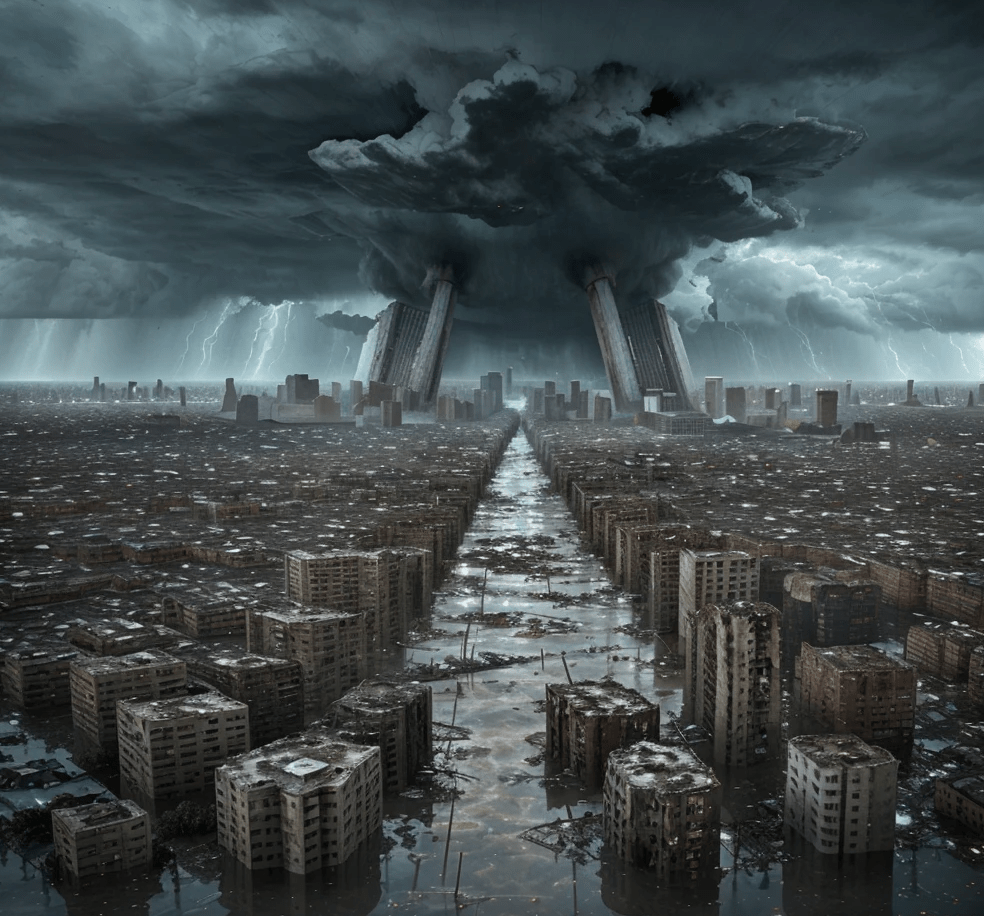
During the summer, Iowa is plagued with severe thunderstorms. While not as dramatic as tornadoes, these storms can still pack a punch with high winds, heavy rains, and large hailstones. Protecting your property and preparing your home to withstand these storms should be a priority for any Iowa prepper.
Severe Heat and Drought
Another lesser-discussed disaster risk in Iowa is extreme heat. As the climate continues to change, the likelihood of heat waves and droughts is increasing. These conditions put stress on water supplies, crops, and livestock. For preppers like myself, this means ensuring that water storage and emergency rations are always available.
Top 10 Survival Prepper Tips for Iowa’s Natural Disasters
- Know the Tornado Sirens
In Iowa, tornado sirens are crucial warning systems, but they’re not always reliable, especially if you’re miles away from the nearest siren. Always have a battery-powered NOAA weather radio on hand and know where the nearest safe room or basement is in your home. It’s best to have a dedicated storm shelter if possible. - Flood-Proof Your Home
If you live near a river or in a floodplain, raising your home’s foundation is one way to protect against rising waters. However, not everyone has that luxury. If you’re concerned about flooding, make sure you have sandbags or other materials available to block floodwaters from entering your home. Keep important documents in waterproof containers. - Stockpile Emergency Supplies
In Iowa, power outages are common after severe storms or during blizzards. Stockpile essentials such as bottled water, non-perishable foods, medical supplies, and extra clothing. You’ll also want to have a backup generator if you can afford one to keep critical appliances like your refrigerator and heat running. - Keep a Vehicle Emergency Kit
During winter storms or floods, roads can quickly become impassable. Keep a vehicle emergency kit that includes blankets, extra food, water, a flashlight, a first aid kit, and a tow rope. Always make sure your car is filled with gas, especially in the winter. - Create a Family Emergency Plan
Every prepper in Iowa knows the importance of having a plan. Make sure everyone in your family knows the location of safe zones, the procedures for evacuations, and how to communicate if phone lines go down. A printed plan is essential – don’t rely solely on your smartphone in a disaster. - Reinforce Your Home Against High Winds
When you live in a tornado-prone state like Iowa, reinforcing your home’s structure is a must. Install storm windows, reinforce your roof, and ensure your doors and windows are properly sealed. You can also install tornado straps to anchor your roof to the foundation, which can help minimize damage in a storm. - Winterize Your Home
For those brutal Iowa winters, make sure your home is ready for blizzards. Insulate pipes to prevent them from freezing, and seal any drafts in windows and doors. Keep extra firewood on hand if you use a wood stove and maintain a good stock of propane or kerosene for heaters. - Flood Insurance and Emergency Fund
Even though flood insurance isn’t always required, it’s a good investment if you live in a flood-prone area. Additionally, ensure you have an emergency fund to cover immediate expenses if you need to evacuate or rebuild. This can be the difference between life and death when a disaster hits. - Grow Your Own Food
Being a prepper in Iowa means understanding the risks of crop failures due to extreme weather. Consider starting a garden or raising chickens for eggs to ensure you have a self-sustaining food source. Stockpile seeds for easy-to-grow crops that can be planted quickly if you need to. - Join Local Prepper Networks
Building a community of like-minded individuals is critical in preparing for disasters. Joining local prepper groups can give you valuable knowledge, resources, and support when a disaster strikes. From organizing group evacuations to sharing tips on surviving the winter, a prepper network can be an essential asset.

Conclusion
Living in Iowa as a prepper requires constant vigilance, a readiness to adapt to changing weather patterns, and the foresight to prepare for any disaster. Whether it’s a tornado roaring through the plains, a flood swallowing your town, or a winter storm locking you inside, knowing how to respond and having the right tools at your disposal can make all the difference between life and death. With the right preparation, you can face Iowa’s toughest natural disasters head-on and emerge stronger than ever.Attach
 TheDailyChristian