

Maine has a dangerous reputation problem. People here are proud of handling cold, snow, and ice—and that pride gets them killed. Winter storms in Maine don’t need record-breaking blizzards to be deadly. They kill through cold, isolation, power outages, and slow rescue times.
I’ve watched the same mistakes happen year after year—from coastal towns to inland forests to remote northern communities. Winter storms in Maine don’t announce themselves with drama. They just grind people down until something goes wrong.
This article breaks down:
- The top ways people die during winter storms in Maine
- Why grocery stores empty fast, especially in rural areas
- Why survival food, backup power, and planning are critical here
- What supplies actually keep you alive
- How to survive when the grid fails and help is delayed

If you live in Maine and think “we’re used to this,” keep reading. That mindset is exactly why people die.
Why Winter Storms in Maine Are Especially Dangerous
Maine isn’t just cold—it’s remote, forested, and spread out.
Here’s what makes Maine winter storms uniquely deadly:
- Long-lasting cold snaps
- Heavy, wet snow that brings down power lines
- Ice storms that shut down roads
- Remote communities with slow emergency response
- Coastal storms that combine snow, wind, and flooding
- Aging infrastructure and power grids
- Short daylight hours that limit recovery and visibility
When things go wrong in Maine, they stay wrong longer.
The Top Ways People Die in Winter Storms in Maine
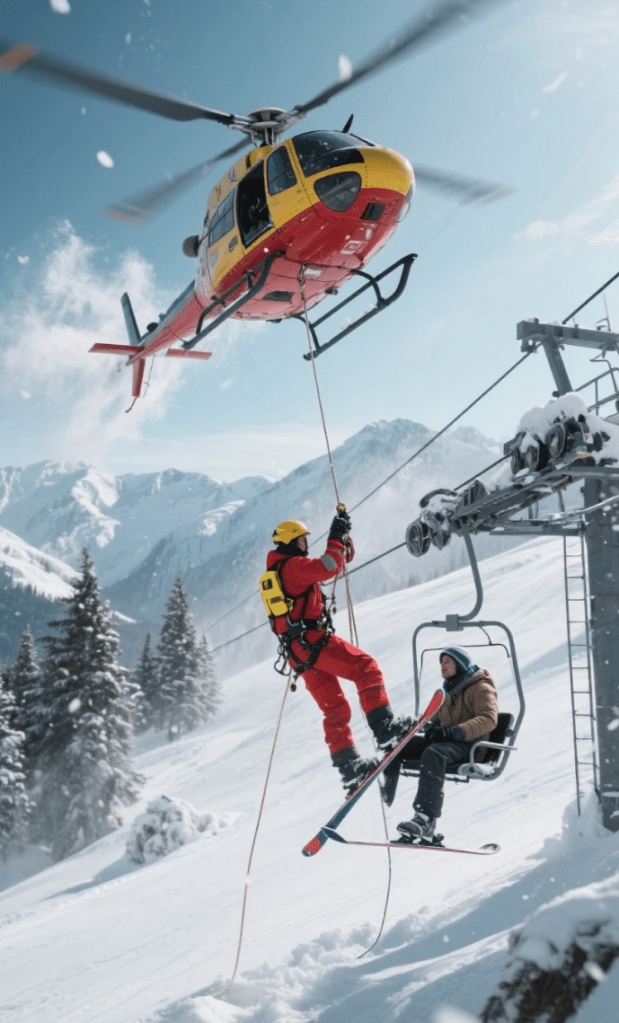
Let’s talk reality—not folklore.
1. Vehicle Accidents and Stranding
This is the number one cause of winter storm deaths in Maine.
- Snow-covered back roads
- Icy highways like I-95 and Route 1
- Whiteouts in rural areas
- Drivers overestimating snow tires and experience
Getting stranded in Maine isn’t just inconvenient—it’s dangerous. Temperatures drop fast, cell service is unreliable, and help can be far away.
If you don’t carry winter survival gear in your vehicle, you’re one breakdown away from a life-threatening situation.
2. Hypothermia and Cold Exposure
Maine cold is relentless.
People die from hypothermia:
- Inside homes without power
- While clearing snow
- While working outdoors too long
- After getting wet and underestimating the danger
Hypothermia doesn’t feel dramatic. It feels manageable—until it suddenly isn’t.
Elderly residents are especially vulnerable, but cold doesn’t care how tough you think you are.
3. Carbon Monoxide Poisoning
Every winter in Maine, people die this way—and it’s always preventable.
- Generators run inside homes or garages
- Propane heaters misused
- Wood stoves improperly vented
- Gas stoves used for heat
Carbon monoxide is invisible and odorless. By the time you feel something is wrong, it’s usually too late.
If you live in Maine and don’t have carbon monoxide detectors, you are playing Russian roulette with your family.
4. Medical Emergencies With Delayed Help
Winter storms isolate Maine communities quickly.
During storms:
- Ambulances are delayed
- Roads are impassable
- Clinics close
- Pharmacies shut down
People die from:
- Heart attacks while shoveling heavy snow
- Missed medications
- Respiratory complications
- Diabetic emergencies
The storm doesn’t cause the condition—it removes access to help.
5. Structural Failures and Falling Trees
Maine’s heavy snow and ice load causes:
- Roof collapses
- Falling trees
- Downed power lines
- Barn and shed failures
People get crushed, electrocuted, or trapped. In rural areas, rescue may take hours—or longer.
Assuming “it’s held before” is how people end up buried or injured.
Will Grocery Stores Go Empty in Maine?
Yes—and faster than people expect.
Maine relies heavily on:
- Trucked-in food
- Long supply chains
- Limited local inventory
Once storms hit:
- Delivery trucks stop
- Shelves empty
- Stores close early or entirely
What disappears first:
- Bread
- Milk
- Eggs
- Meat
- Bottled water
- Baby supplies
In rural and northern Maine, stores can stay empty for days or even weeks.
If your plan is “we’ll just go to the store,” you don’t understand how fragile the system is.
Why Survival Food Prepping Is Essential in Maine
Maine storms isolate people. That’s not an opinion—it’s geography.
Survival food buys you time, and time keeps you alive.
Every household in Maine should have:
- 10–14 days of food per person
- No refrigeration required
- Minimal cooking needs
Best Survival Food Options
- Freeze-dried meals
- Canned soups and meats
- Rice, beans, and pasta
- Protein bars
- Peanut butter
- Instant oatmeal
If your food plan relies on power or daily grocery access, it will fail.
Solar Generators: A Lifeline During Maine Power Outages
Maine loses power during winter storms more than most states.
Gas generators fail people because:
- Fuel runs out
- Engines struggle in extreme cold
- Carbon monoxide risk
- Noise attracts attention
Solar generators work well in Maine when paired with batteries:
- Cold temperatures improve battery efficiency
- Quiet and safe for indoor use
- No fuel dependency
- Works during extended outages
Solar generators can power:
- Lights
- Phones and radios
- Medical devices
- Refrigerators
- Internet equipment
If you live in Maine without backup power, you’re relying on luck—and luck runs out.
Essential Winter Survival Supplies for Maine
Here’s the non-negotiable list for Maine winters:
Power & Heat
- Solar generator with battery storage
- Power banks
- Indoor-safe heater
- Cold-rated sleeping bags and blankets
Clothing & Warmth
- Thermal base layers
- Wool socks
- Insulated gloves and hats
- Emergency bivy blankets
Food & Water
- 1 gallon of water per person per day
- Non-perishable food
- Manual can opener
Safety & Medical
- First aid kit
- Prescription medication backups
- Carbon monoxide detectors
- Fire extinguisher
Communication
- NOAA weather radio
- LED flashlights
- Headlamps
- Extra batteries
If you don’t have these, you’re not prepared—you’re exposed.
Why Survival Prepping Matters So Much in Maine

Maine has:
- Long winters
- Sparse population
- Slow response times
- Aging infrastructure
Prepping isn’t fear—it’s common sense in a hard environment.
You prepare so:
- You don’t drive in dangerous conditions
- You don’t freeze during outages
- You don’t become a burden on first responders
- You don’t become another winter fatality
One Last Word From a Maine Survival Prepper
Every winter death in Maine has the same root cause:
Someone assumed experience was enough.
Winter doesn’t care how long your family’s lived here.
It doesn’t care how many storms you’ve survived.
And it doesn’t care how tough you think you are.
Prepare early. Prepare seriously.
Because Maine winter doesn’t forgive mistakes.





 TheDailyChristian