Off-the-Grid Camping in Pennsylvania: The Best Sites for Preppers

When it comes to prepping, the right location can make all the difference. In Pennsylvania, nature offers a multitude of opportunities for survivalists to practice their skills, refine their strategies, and enjoy the rugged beauty of the outdoors. Whether you’re looking to build shelter, practice foraging, or just enjoy some peace and solitude while honing your survival instincts, Pennsylvania’s wilderness provides an excellent environment for all preppers. The following list of the 30 best camping sites in Pennsylvania will help you prepare, practice, and thrive.

CLICK HERE TO LEARN HOW TO SURVIVE A FAMINE

1. Ricketts Glen State Park

Ricketts Glen, with its dense forests and more than 13,000 acres of land, is one of the best spots for survivalists looking to practice wilderness skills. The park offers numerous trails, ranging from easy to difficult, and its many streams, waterfalls, and remote camping areas make it perfect for honing your skills in water procurement, shelter building, and navigation.

2. Allegheny National Forest

If you’re looking for an expansive wilderness to truly test your prepping skills, the Allegheny National Forest provides it. With over half a million acres of rugged terrain, this national forest allows preppers to practice long-term survival tactics like trapping, fishing, and identifying edible plants.

3. Pine Creek Gorge (The Grand Canyon of Pennsylvania)

The Pine Creek Gorge is a majestic and remote location that provides an incredible setting for learning and practicing wilderness survival skills. The deep ravines and sheer cliffs offer natural shelter-building opportunities, and its streams and dense woods are ideal for hunting and fishing practices.

4. Promised Land State Park

Located in the Pocono Mountains, Promised Land is a peaceful, secluded park with dense woodlands and serene lakes. Survivalists can take advantage of the park’s remote location for off-grid practice, including shelter building and fire-starting. The surrounding forest offers ample foraging opportunities, making this spot ideal for an extended stay.

5. Cherry Springs State Park

Known for its exceptional stargazing, Cherry Springs is also a fantastic place for preppers. With miles of woods, this park offers excellent opportunities to practice fire-building, navigation, and even camouflage techniques. The park’s remote location allows for a truly off-the-grid experience.

6. Trough Creek State Park
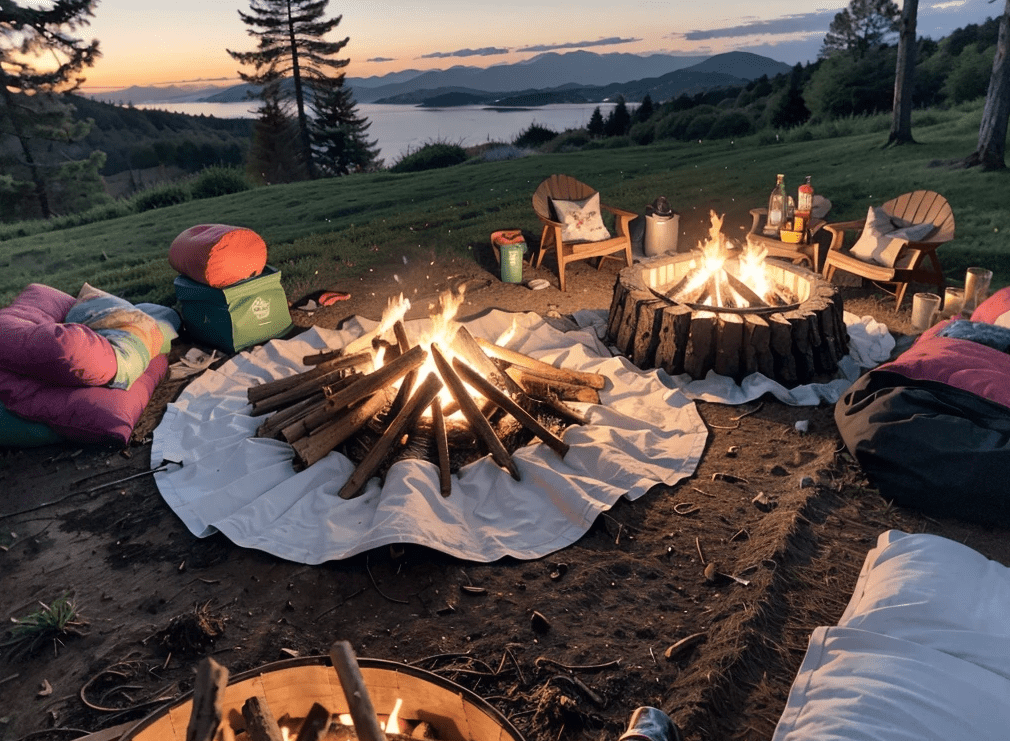
For preppers looking to explore rugged terrain, Trough Creek provides a challenging environment. The park features deep gorges and steep ravines, perfect for testing your navigation skills and understanding of topography. It also provides secluded camping areas that will allow you to practice your shelter-building techniques.

7. Michaux State Forest

Michaux State Forest is another excellent option for survival preppers who are looking to practice bushcraft skills. The forest’s expansive trail network offers an opportunity to work on navigation and orienteering, while its varied ecosystems are perfect for testing your skills in wild edibles and trapping.

8. Lackawanna State Park

For those in northeastern Pennsylvania, Lackawanna State Park offers an ideal spot to practice survival tactics. The park features a mix of forests and meadows, allowing you to practice fire-starting and shelter-building techniques. It’s a good location for learning to navigate in mixed environments, with several trails and ample wildlife.

9. Bald Eagle State Park

Located in central Pennsylvania, Bald Eagle State Park offers a combination of flat land and steep hills, which make it perfect for various survival scenarios. The park has numerous secluded spots for camping, allowing you to practice skills like fishing, trapping, and using natural resources to your advantage.

10. French Creek State Park

French Creek offers a unique wilderness environment for preppers. Its diverse ecosystem, with wetlands, woodlands, and streams, provides plenty of opportunities for practicing various survival skills. The park is also less crowded, so you can spend extended periods there without distractions.

11. Cook Forest State Park

Cook Forest is known for its towering trees and pristine environment, which make it a great location for anyone wanting to test their wilderness survival skills. The park’s dense forests allow you to practice stealth and camouflage techniques, while its remote campsites offer perfect isolation for long-term prepper activities.

12. Sproul State Forest

Sproul State Forest is a prime location for survivalists who enjoy deep, isolated wilderness. The park features vast woodlands, remote lakes, and several camping areas that are perfect for practicing long-term off-grid living, including foraging, hunting, and making shelters.

13. Tuscarora State Forest

Tuscarora is known for its peaceful environment and vast hiking trails, making it ideal for those looking to practice navigation and wilderness survival. Its remote setting makes it a perfect location for extended stays, offering plenty of opportunities to sharpen your skills in fire-making, shelter-building, and food procurement.

14. Weiser State Forest

For survival preppers who prefer a dense, unbroken forest, Weiser State Forest is one of the best locations in Pennsylvania. The forest provides a variety of habitats, including mountainous areas, wetlands, and old-growth woodlands, which offer a great space for practicing survival skills in diverse environments.

15. Snyder-Middleswarth Natural Area

For those who are looking for true isolation, the Snyder-Middleswarth Natural Area offers an excellent environment for prepper training. This 7,000-acre area is home to some of the most untouched and wild landscapes in Pennsylvania, making it perfect for practicing deep wilderness survival skills.

More of Pennsylvania’s Best Camping Sites for Survival Preppers
  1. Shickshinny Trails
  2. Tionesta Scenic Area
  3. Ohiopyle State Park
  4. Mountaintop Campground
  5. Sullivan County Campground
  6. Little Pine State Park
  7. Clear Creek State Park
  8. Gifford Pinchot State Park
  9. Nockamixon State Park
  10. Delaware Canal State Park
  11. Ravensburg State Park
  12. Benezette Elk Country Visitors Center
  13. Laurel Ridge State Park
  14. Shawnee State Park
  15. Cooksburg Campground

Survival Prepping in Pennsylvania’s Wilderness

Pennsylvania’s vast wilderness areas provide ideal settings for preppers to hone their survival skills. From building shelters in the deep woods to fishing in remote lakes, these camping sites provide a variety of landscapes that simulate real-world survival scenarios. The state’s diverse environment allows for testing various survival tactics in different ecosystems, including woodlands, wetlands, and mountainous areas. As a prepper, this means you’ll get the opportunity to practice building fires, identifying edible plants, hunting, fishing, and more.

Many of these parks and forests are remote and less frequented, which allows for a greater sense of isolation—a key component of survival prep. The isolation also provides an excellent chance to practice off-the-grid living, away from modern distractions. Additionally, many of these sites feature rugged, untamed landscapes that can challenge even the most experienced preppers.

Before heading out, remember to properly prepare: pack essential gear, plan for the weather conditions, and always have a reliable map and compass. You never know when you might need to use your skills to make it out of a tricky situation!


30 Best Montana Campsites for Wilderness Survival Enthusiasts

Living off the grid in Montana, whether you’re an experienced prepper or just getting started, means you need to understand the land, the weather, and the best places to camp to hone your survival skills. The state’s rugged wilderness, vast forests, and serene lakes make it an ideal location to practice essential survival techniques—whether it’s for a weekend trip or in preparation for a long-term bug-out scenario.

CLICK HERE TO LEARN HOW TO SURVIVE A FAMINE

Montana is known for its unpredictable weather and its wide variety of terrain, from the alpine regions of the Rocky Mountains to the vast plains and rolling hills of the state. Preppers need to stay on top of their game, practicing survival techniques like fire-making, water purification, shelter building, and navigation. The state offers some of the best campsites to make that happen. Here are 30 of the best camping spots for those of us who want to sharpen our survival skills while experiencing the best that Montana has to offer.

1. Glacier National Park

Glacier National Park is an iconic wilderness area in Montana, with over a million acres of pristine landscapes, towering peaks, and clear alpine lakes. It’s an ideal spot for prepper-minded individuals who want to practice wilderness survival in some of the most extreme conditions. The diverse terrain here will challenge your navigation, shelter-building, and fire-starting skills. This is a remote location, so it’s perfect for prepping for a more isolated bug-out scenario.

2. Yellowstone National Park

While Yellowstone may be known for its geysers and wildlife, it’s also a prepper’s dream for practicing survival skills. The park offers a range of terrains to explore, from dense forests to open plains. The isolation you can find here is second to none. It’s also home to the famous “backcountry camping” options, where you can truly get away from the crowds and test your wilderness survival skills.

3. Flathead National Forest

This 2.4 million-acre forest, located near the Flathead Lake region, offers endless opportunities for primitive camping and survival prep. Its thick forests, rugged mountains, and clear rivers make it a great place to practice shelter building, foraging, and fire-starting under difficult conditions. There’s also a chance to test your tracking and hunting skills with the abundance of wildlife.

WATCH THIS MIND NUMBING SURVIVAL PREPPER DOCUMENTARY

4. Beartooth Mountains

Situated along the border of Montana and Wyoming, the Beartooth Mountains are rugged and wild—perfect for those serious about survival prepping. These peaks offer high elevation, cold weather, and challenging terrain. The region’s remote nature ensures you’re far from civilization, giving you the chance to truly practice survival techniques. Whether you’re camping near a mountain stream or on one of the many rocky ridges, you’ll be able to refine your skills.

5. Lolo National Forest

Spanning over 2 million acres, Lolo National Forest is located in western Montana and is known for its rugged wilderness, deep canyons, and fast-running rivers. It’s one of the most remote and under-explored places in the state, providing ample opportunity for backcountry camping and honing survival techniques. The diversity of wildlife and plant life in the area makes it a great spot for learning how to forage for food and water.

6. Bob Marshall Wilderness Complex

The Bob Marshall Wilderness is one of the largest wilderness areas in the U.S. With over 1.5 million acres of undeveloped land, it offers a challenging environment for those looking to prepare for survival situations. Known for its jagged mountains, steep cliffs, and dense forests, this is a place where you can disconnect entirely from civilization and test your preparedness skills under extreme conditions.

7. Big Sky Country

True to its name, Big Sky Country offers expansive views and a variety of terrains for all types of outdoor activities. There are several designated camping areas near the Gallatin National Forest and the surrounding mountain ranges, all offering ample opportunities for testing your wilderness survival skills. The wide-open plains give you a great place to practice navigation using landmarks, and the varying elevations offer diverse challenges.

8. Pictograph Cave State Park

For a unique experience that mixes history with survival prep, Pictograph Cave State Park near Billings is a must-see. The site offers access to ancient caves and rock art while also providing excellent camping opportunities. The park’s terrain features rocky outcrops, dry grasslands, and deep canyons. This is the perfect spot to practice survival skills like rock shelter building, fire-making, and finding water in semi-arid conditions.

9. Kootenai National Forest

Located in the northwest corner of the state, the Kootenai National Forest is home to vast stretches of wilderness, including rugged mountains, dense forests, and clear rivers. It’s a prime location for both beginner and advanced preppers looking to practice self-sufficiency. You can practice navigation with the dense tree cover, test your ability to start a fire with wet wood, and try to hunt or trap for food.

10. Lake Koocanusa

Situated along the border with Canada, Lake Koocanusa is one of the most remote and picturesque spots in Montana. The area offers several campgrounds, but it also has plenty of backcountry sites that make for excellent survival prep. Whether you’re practicing your skills near the water’s edge or hiking up to higher ground, you’ll have the opportunity to refine your ability to adapt to changing conditions.

11. Smith River State Park

If you’re looking for a remote camping experience along a river, Smith River State Park is one of the best options in Montana. The river is known for its crystal-clear waters and stunning beauty. It’s an excellent place to practice fishing and water purification, and the nearby wilderness is perfect for honing your skills in shelter building and navigating through wild terrain.

12. Madison River

The Madison River region is another amazing spot for preppers in Montana. The area is known for its pristine waters, abundant wildlife, and rugged wilderness. It’s the perfect location to practice wilderness navigation, as the terrain changes frequently, from dense forest to alpine meadows. It also offers excellent opportunities for fishing, trapping, and foraging.

13. Helena National Forest

Located near the state capital, Helena National Forest is one of Montana’s most accessible yet rugged wilderness areas. With over 980,000 acres of wilderness, it provides a great setting for preparing for a long-term bug-out scenario. The forest’s mixed terrain includes mountain ranges, valleys, and forests, making it ideal for a variety of survival scenarios.

14. The Absaroka-Beartooth Wilderness

If you want to go deep into the wilderness, the Absaroka-Beartooth Wilderness is where you should head. This remote area offers some of the most pristine wilderness in Montana and is perfect for preppers who want to experience what it’s like to truly disconnect from the world. The vast area covers more than 900,000 acres, with rugged peaks, lakes, and meadows, all of which can test your survival skills to the max.

15. Custer Gallatin National Forest

Spanning multiple mountain ranges, this national forest offers some of the best camping opportunities in the state. From forests to grasslands and everything in between, you’ll find everything you need to practice various survival techniques. This is an area that’s perfect for testing your ability to adapt to rapidly changing conditions.


Other Notable Camping Sites for Preppers in Montana:

  1. Sun River Canyon
  2. Hell Creek State Park
  3. Rock Creek
  4. Bozeman Trail
  5. Fort Peck Reservoir
  6. Upper Missouri Breaks National Monument
  7. Red Rock Lakes National Wildlife Refuge
  8. Bear Paw Battlefield State Park
  9. Spokane Creek
  10. Greenough Lake

Top Tips for Survival Preppers in Montana:

  • Prepare for all seasons: Montana can experience extreme weather, from frigid winters to scorching summer heat. Always be prepared with the right gear and clothing.
  • Be self-sufficient: Practice using only the resources around you. Bring minimal gear and learn how to source food and water from the environment.
  • Know the terrain: Whether you’re in the mountains, the plains, or near a river, it’s essential to understand the topography to navigate safely and efficiently.
  • Test your skills: Camping in Montana is an opportunity to test your abilities under real-world conditions, from shelter building to fire-starting in wet conditions.

Montana Homesteading: The Prepper’s Wild West Comeback

Is Homesteading Popular in Montana? Here’s What You Need to Know

If you’ve ever looked out over the vast wilderness of Montana and thought, “I could live off the land here,” you’re not alone. Homesteading is not just alive in Montana—it’s thriving. For survival preppers, freedom-seekers, and off-grid dreamers, Montana checks a whole lot of boxes. In fact, if you’re serious about long-term self-reliance, you’d be hard-pressed to find a better place to stake your claim.

Let’s break down why homesteading is so popular under the Big Sky.

1. Wide Open Land—And Plenty of It
Montana’s got room to breathe. We’re talking real acreage, not postage-stamp backyards. There are still places here where you can buy dozens or even hundreds of acres for a reasonable price—especially if you’re willing to go rural. That kind of space is ideal for building your own systems: solar panels, well water, root cellars, livestock pens, greenhouses—the whole prepper toolkit.

2. Laws That Favor the Independent
Montana respects individual rights, and that includes the right to live how you want. Want to build a cabin off-grid? Do it. Want to raise goats and harvest your own rainwater? No one’s stopping you. Zoning laws are minimal in many rural counties, and the state has a strong gun culture and pro-liberty ethos that appeals to survival-minded folks.

3. Rugged Terrain for Real Resilience
Montana doesn’t pamper you, and that’s a good thing. Harsh winters, unpredictable weather, and wild predators force you to prepare—and stay prepared. If you can thrive here, you can thrive anywhere. That rugged resilience is exactly what preppers aim to build. It’s not about ease—it’s about strength.

4. A Growing Community of Like-Minded People
Montana has seen a rise in homesteaders, off-gridders, and self-sufficiency enthusiasts over the last decade. You’ll find everything from seasoned ranchers to young families escaping the urban rat race. Farmers’ markets, barter fairs, and permaculture groups are cropping up in towns across the state, making it easier to connect and trade knowledge (and goods).

5. The Strategic Advantage
Montana’s low population density and vast, forested wilderness provide a natural buffer if things go sideways. Whether it’s economic collapse, cyberattacks, or civil unrest, being far from the chaos gives you time—and space—to respond. When the cities go dark, Montana might be one of the last strongholds of order and self-reliance.

Final Thoughts
So, is homesteading popular in Montana? Without a doubt. And not just because of the lifestyle—it’s the mindset. In Montana, being prepared isn’t considered paranoid—it’s just smart. If you’re thinking about starting a homestead or relocating your bug-out plan, Montana should be at the top of your list.

Get off-grid, get armed, and get ready. Under the Big Sky, freedom still lives—and homesteading is how we keep it alive.

Conclusion:

Montana’s diverse landscapes and wild terrains offer the perfect setting for survival preppers to practice and perfect their skills. Whether you’re refining your bushcraft skills, learning how to live off the land, or preparing for an emergency, these 30 campsites provide some of the best and most challenging environments to test your survival knowledge. So pack your gear, check your map, and head out into the wilderness for a true prepper’s experience.

The Ultimate List of Alaska’s Survivalist Camping Spots

The Best Campsites for Alaska Survival Preppers

Living off the land in Alaska is a dream for many survival preppers. With its vast wilderness, rugged terrain, and unpredictable weather, it’s both a paradise and a battleground for anyone serious about self-sufficiency. As a prepper, the key is knowing where to camp, how to survive, and what to expect when the world’s most remote state becomes your home base for survival.

CLICK HERE TO LEARN HOW TO SURVIVE A FAMINE

Alaska is a place where people go to test their limits. The wild here is not for the faint-hearted. If you want to thrive in Alaska’s wilderness, you need to be prepared for anything—harsh weather, grizzly bears, freezing temperatures, and treacherous terrain. Whether you’re looking for a weekend getaway or a long-term bug-out location, choosing the right campsite is crucial to your survival. These 30 campsites represent the best places for preppers, offering a combination of accessibility, ruggedness, and isolation. You’ll need your skills, gear, and, most importantly, your knowledge to make it out safely.


1. Denali National Park and Preserve

Located at the heart of Alaska, Denali National Park is the ultimate survival prepper’s challenge. It’s home to Mount Denali, the tallest peak in North America, and stretches over six million acres of wilderness. Denali offers isolation and a chance to test your survival skills in one of the most extreme environments on earth. With its backcountry campsites, you can hone your navigation and wilderness skills while keeping an eye out for moose, caribou, and bears. It’s a great spot to practice everything from building shelters to starting fires in high winds.

2. Wrangell-St. Elias National Park

With over 13 million acres of wilderness, Wrangell-St. Elias is the largest national park in the United States. If you want to disappear into the wild and truly live off the land, this is your place. The park is home to glaciers, rugged mountains, and wild rivers. It offers remote camping opportunities, and if you’re lucky, you might even come across the historic sites of early explorers. Be prepared for extreme weather and an absence of modern amenities.

3. Kenai Peninsula

Located just south of Anchorage, the Kenai Peninsula is a popular area for prepping, with both coastal and mountainous regions. You can fish in the many rivers, hunt game, and camp in areas where wildlife like black bears, wolves, and moose roam freely. There are remote camping areas that require hiking and navigating through the wilderness, and the backdrop of glacial rivers and towering mountains adds a sense of beauty to the isolation.

4. Chugach State Park

With over 495,000 acres of wilderness, Chugach State Park is ideal for a prepper looking for accessible campsites near Anchorage. The park offers a variety of terrain from rugged mountains to coastal areas, which makes it great for survival training. Whether you’re looking to practice shelter building near a river or learn how to fish for your meals, Chugach provides a diverse environment to put your skills to the test.

5. Glen Alps

Glen Alps is part of the Chugach Mountains, with trails leading to backcountry campsites that are perfect for preppers seeking solitude and rugged terrain. You’ll encounter alpine tundra, meadows, and a variety of wildlife. Although this spot is relatively close to Anchorage, it offers a sense of remoteness and is a great place to practice wilderness survival skills while maintaining access to the city’s resources.

6. Lake Clark National Park

One of Alaska’s most remote parks, Lake Clark offers wild landscapes and the opportunity for an authentic Alaskan wilderness experience. Situated on the west side of the state, it’s one of the top places to fish, hunt, and hike. The park is home to both the iconic Alaskan brown bear and smaller creatures like beavers, which can be good for learning how to trap and hunt. Camp in complete solitude and truly experience what it means to survive in Alaska.

7. Katmai National Park

Known for the famous Brooks Falls, where brown bears fish for salmon, Katmai National Park is one of Alaska’s most pristine wilderness areas. The remote location makes it ideal for preppers looking to test their survival instincts far from civilization. You’ll need a bush plane to get there, but once you do, you’ll find yourself surrounded by wild landscapes perfect for hunting, fishing, and foraging.

8. Alaska Range

The Alaska Range offers some of the most challenging and remote camping opportunities in the state. Known for its mountain peaks and glaciers, this area is perfect for those looking to test their survival skills in extreme conditions. The weather can change rapidly, so understanding how to deal with heavy snowstorms, freezing temperatures, and high winds is essential.

9. Spenard Builders Supply (SBS) Trails

For preppers who need to quickly access supplies and prefer a trail system that offers easy access to Anchorage, Spenard Builders Supply (SBS) Trails is a good option. While not as rugged as other areas on the list, it still offers solitude, local wildlife, and access to a wealth of resources like water and firewood.

10. Talkeetna Mountains

For those looking for a more extended experience in the wild, the Talkeetna Mountains are perfect. It offers opportunities for survivalists to build shelters and test their skills in a wide range of Alaskan terrain. The Talkeetna area is known for its remote campsites and difficult-to-navigate trails. It’s a place where you’ll need to be self-sufficient, with minimal access to other people and resources.

11. Matanuska Glacier

A must-visit for any prepper looking to hone their ice survival skills, Matanuska Glacier offers a stunning environment where you can learn how to navigate and survive in icy terrain. The campsites near the glacier are remote and peaceful, surrounded by towering cliffs and glaciers, providing an excellent opportunity for long-term prepping.

12. Yukon Charley Rivers National Preserve

This remote wilderness area offers a true Alaskan experience. It’s home to numerous rivers, forests, and wildlife. Fishing for trout, navigating the wild rivers, and building shelters in the wilderness make this a great place for preppers. Expect to encounter wildlife, unpredictable weather, and difficult navigation challenges, but also a sense of satisfaction from true isolation.

Click here to learn how to survive a nationwide blackout


30 Best Camping Sites for Alaska Preppers

  1. Denali National Park
  2. Wrangell-St. Elias National Park
  3. Kenai Peninsula
  4. Chugach State Park
  5. Glen Alps
  6. Lake Clark National Park
  7. Katmai National Park
  8. Alaska Range
  9. SBS Trails
  10. Talkeetna Mountains
  11. Matanuska Glacier
  12. Yukon Charley Rivers National Preserve
  13. Kachemak Bay State Park
  14. Hatcher Pass
  15. Knik River
  16. Prince William Sound
  17. Tongass National Forest
  18. Sitka
  19. Arctic National Wildlife Refuge
  20. Redoubt Volcano
  21. Devil’s Pass
  22. Wrangell Mountains
  23. Fortymile River
  24. Kenai Fjords National Park
  25. Lake Louise State Recreation Area
  26. Big Delta State Historical Park
  27. Eureka Lodge
  28. Mount Foraker
  29. Lost Wilderness Area
  30. Alaska Maritime National Wildlife Refuge

Conclusion

Alaska is a land of beauty and danger. The best survival prepper campsites are those that are remote, challenging, and offer everything needed to test your survival skills. Whether it’s fishing, hunting, building shelters, or simply learning to navigate through treacherous terrain, these 30 campsites will push your limits and provide you with invaluable survival experience. If you’re truly serious about living off the land, these places will give you the tools to survive—and thrive—in the wild. Just remember to be prepared, stay safe, and keep your wits about you. This is a place where survival isn’t just a goal; it’s a way of life.

Hidden Michigan Camping Gems for Survivalists and Preppers

As a survival prepper living in Michigan, you know that preparedness is key. Whether you’re preparing for a long-term emergency, testing your gear, or just embracing the wilderness, knowing where to find the best campsites is crucial. Michigan offers a wide range of outdoor environments, from dense forests and towering pines to expansive lakeshores and rugged landscapes. If you’re planning to escape the grid or simply perfect your prepping skills, the right campsite can make all the difference.

CLICK HERE TO LEARN HOW TO SURVIVE A FAMINE

I’ve personally spent countless nights camping across the state, and I can tell you that Michigan is a hidden gem for survivalists. With a little planning and the right mindset, these campgrounds offer excellent opportunities for honing your survival skills while enjoying the state’s natural beauty. Whether you’re a seasoned prepper or just starting out, these sites are perfect for testing your gear, learning new skills, or practicing emergency preparedness. Let’s dive into the top camping spots for survival preppers across Michigan.

1. Huron-Manistee National Forests

Located in central Michigan, Huron-Manistee National Forests offer more than 900,000 acres of diverse terrain, including dense forests, open meadows, and several lakes. With over 300 miles of hiking trails, the forest is perfect for survivalists who want to practice wilderness navigation, bushcraft, and shelter building.

The forest has plenty of campsites that are remote enough for preppers to practice real-world survival skills, but still accessible if you need to bail out quickly. There’s ample game for hunting, freshwater sources for filtering, and thick foliage for setting up camouflaged shelters. This is one of the best spots to prep for a bug-out scenario.

Why Preppers Love It: Remote and diverse, perfect for extended survival training, and great fishing opportunities.

2. Porcupine Mountains Wilderness State Park

The Porcupine Mountains, often referred to as “The Porkies,” is one of Michigan’s most rugged wilderness areas, located in the Upper Peninsula. It’s a popular destination for hikers and survivalists looking to test their wilderness skills. The park features over 60,000 acres of dense forests, steep hills, and pristine lakes, offering survivalists the chance to practice navigating through challenging terrain.

With remote campsites and few modern amenities, this park is perfect for those who want to experience true wilderness living. You can practice building shelters, finding wild edibles, and setting up long-term camps in a natural environment that will make you feel isolated and self-reliant.

Why Preppers Love It: Ideal for long-term survival practice, remote campsites, and abundant natural resources.

3. Sleeping Bear Dunes National Lakeshore

Sleeping Bear Dunes is famous for its towering dunes, breathtaking views, and proximity to Lake Michigan. But beyond its beauty, it’s also a perfect location for preppers looking to test their skills. The park features a mix of dunes, forests, and lakeshores, with plenty of terrain to practice building shelters and navigating diverse landscapes.

For survival preppers, the real gem is the remote, backcountry campsites, which allow for quiet, uninterrupted training. The park also offers opportunities for fishing, hiking, and observing wildlife—all important for learning self-sufficiency in the wild.

Why Preppers Love It: A variety of landscapes to practice different skills, remote campsites, and proximity to water.

4. Manistee National Forest

Another large national forest in Michigan, Manistee offers over 500,000 acres of forested land, making it ideal for preppers looking for solitude and the chance to practice survival skills. You’ll find miles of hiking trails, secluded campsites, and the Big Manistee River for fishing or water purification practice.

The terrain varies from flat lands to hilly areas, giving preppers a chance to work on different survival techniques. It’s also a great location for long-term camping and off-grid living, especially if you’re looking for a place to bug out in an emergency scenario.

Why Preppers Love It: A vast, diverse landscape for practicing all kinds of survival skills.

5. Isle Royale National Park

Isle Royale, located in the northwest part of Lake Superior, is a unique and remote national park that offers unparalleled opportunities for preppers. Accessible only by boat or seaplane, this island is a true escape from civilization. Its remote location means that preppers can practice self-sufficiency without any nearby distractions or modern amenities.

The park is home to dense forests, rugged shorelines, and plenty of wildlife, including moose and wolves. It’s perfect for preppers looking to truly disconnect and live off the land for an extended period. With over 165 miles of hiking trails, the island offers a variety of terrains and challenges.

Why Preppers Love It: Truly isolated and remote, great for extended survival training, and abundant wildlife.

6. Cheboygan State Park

Located in the northern Lower Peninsula, Cheboygan State Park offers a great mix of forests, wetlands, and shoreline along Lake Huron. The park has several secluded campsites that offer privacy and a perfect spot for practicing wilderness survival techniques. It’s not as remote as some of the other locations on this list, but its diverse ecosystems provide a variety of opportunities for survival training.

Why Preppers Love It: Secluded campsites, good fishing, and an opportunity to practice wilderness navigation along lakes and forests.

7. North Manitou Island

Part of the Sleeping Bear Dunes National Lakeshore, North Manitou Island is one of Michigan’s most isolated camping areas. It’s only accessible by boat, making it a prime location for survival preppers. With dense forests, lakes, and minimal human presence, the island provides the perfect environment to test your survival gear and skills.

Wildlife on the island includes deer, foxes, and various bird species, which provides great opportunities for hunting and foraging. This is ideal for those looking for a truly off-grid, isolated experience.

Why Preppers Love It: Isolation, minimal human activity, and natural resources make it perfect for survival scenarios.

8. Kalkaska County State Forest

For preppers seeking a more accessible camping site, Kalkaska County State Forest offers excellent opportunities to practice bushcraft and wilderness survival. This forest is located near Traverse City and features a mix of wooded areas, wetlands, and rivers. It’s a great spot for practicing water purification, fire starting, and shelter building.

Why Preppers Love It: Remote, yet easily accessible; varied terrain with lakes and rivers for fishing and water gathering.

9. Big Bear Lake State Forest Campground

Big Bear Lake offers a quieter, more secluded experience for preppers who want to escape the crowds. Situated in the northern Lower Peninsula, it provides peaceful surroundings and a variety of terrain for practicing wilderness skills. The lake is perfect for practicing water filtration and fishing, while the surrounding woods offer ample shelter-building material and space for long-term camping.

Why Preppers Love It: Peaceful, secluded, and plenty of natural resources for testing survival techniques.

10. Lake Michigan Campground at Ludington State Park

Ludington State Park is known for its beauty, but it’s also a great spot for preppers who want to practice coastal survival skills. The park features diverse landscapes, including dense forests, dunes, and lakeshores. The Lake Michigan Campground offers a more rustic experience with opportunities for fishing, water purification, and shelter building.

Why Preppers Love It: Varied terrain with the added challenge of lakeside survival, making it perfect for testing water filtration and fishing techniques.

11. Wells State Park

Located on the shores of Lake Michigan, Wells State Park offers a mix of forests, dunes, and wetlands. It’s an excellent place to practice wilderness navigation and build your survival skills. The park has fewer crowds than some of Michigan’s more famous parks, giving preppers the privacy needed for effective training.

Why Preppers Love It: Diverse terrain, remote campsites, and excellent opportunities for water purification and fishing.


30 Michigan Camping Sites Every Survival Prepper Should Know

  1. Huron-Manistee National Forests
  2. Porcupine Mountains Wilderness State Park
  3. Sleeping Bear Dunes National Lakeshore
  4. Manistee National Forest
  5. Isle Royale National Park
  6. Cheboygan State Park
  7. North Manitou Island
  8. Kalkaska County State Forest
  9. Big Bear Lake State Forest Campground
  10. Lake Michigan Campground at Ludington State Park
  11. Wells State Park
  12. Muskegon State Park
  13. Holland State Park
  14. Pictured Rocks National Lakeshore
  15. Tahquamenon Falls State Park
  16. Straits State Park
  17. Tippy Dam Recreation Area
  18. Wilderness State Park
  19. Fife Lake State Forest Campground
  20. Bay City State Park
  21. Aloha State Park
  22. Yankee Springs Recreation Area
  23. Ludington State Park
  24. Ann Arbor Campground
  25. Hartwick Pines State Park
  26. Port Crescent State Park
  27. Grand Traverse County Campground
  28. Interlochen State Park
  29. Woodland Park Campground
  30. Traverse City State Park

In Conclusion

Whether you’re prepping for a long-term bug-out scenario or just want to hone your survival skills, Michigan offers a variety of camping spots that will test and improve your abilities. From the dense forests of the Upper Peninsula to the rugged lakeshores of the Lower Peninsula, these 30 campsites provide the perfect environment for honing your survival techniques.

Each location offers unique challenges, from building shelters in dense woodlands to fishing in pristine lakes and learning how to navigate remote areas. As survival preppers, it’s important to always be prepared, and what better way to practice than in Michigan’s diverse, beautiful wilderness?

Surviving Tornadoes, Blizzards, and Floods in Nebraska: What You Need to Know

Living in Nebraska isn’t just about enjoying the vast plains and rich agricultural landscape; it’s also about being prepared for the unique natural disasters that can strike the state. Tornadoes, blizzards, flooding, and extreme heat are all common occurrences, and each one can be devastating if you’re not ready. As a survival prepper in the Cornhusker State, it’s crucial to be proactive and prepared. With the right mindset and tools, you can face any disaster head-on, ensuring your safety and the well-being of your loved ones.

Nebraska’s weather is unpredictable, and it doesn’t take much for things to go from calm to catastrophic. The Great Plains region, where Nebraska sits, is known for its volatile weather patterns. From severe thunderstorms and tornadoes to deep winter snowstorms, it’s important to know what you’re up against. As a prepper, you need to be able to handle a range of natural disasters that could occur at any moment.

CLICK HERE TO LEARN HOW TO SURVIVE A FAMINE

1. Tornadoes: The Silent Killers

Tornadoes are probably the most well-known disaster in Nebraska, and for good reason. Tornado season in the state typically begins in April and peaks in May and June, but these deadly storms can strike at any time during the spring and early summer months. On average, Nebraska sees about 50 tornadoes a year, making it one of the most tornado-prone states in the country.

Prepper Tip:

  • Get a Weather Radio: Make sure you have a reliable weather radio that broadcasts severe weather alerts. When tornado warnings go out, every second counts. You need to know when it’s time to seek shelter.
  • Create a Shelter Plan: In case of a tornado, you should have a designated safe area in your home—preferably a basement or an interior room without windows.

2. Blizzards: The Deadly Cold

Winter storms in Nebraska are no joke. The state is prone to heavy snow, icy conditions, and blizzards. These storms can trap you at home for days, and if you’re not ready, they can be life-threatening. In addition to snow accumulation, wind chill temperatures can plummet to dangerous levels.

Prepper Tip:

  • Stock Up on Warm Clothing and Gear: You should have winter coats, blankets, gloves, and boots that are suitable for sub-zero temperatures. Insulated sleeping bags are also essential in case you lose heat during a winter storm.
  • Backup Heat Source: In case your power goes out, a backup heating source, like a propane heater or wood stove, is crucial for survival.

3. Flooding: The Rising Waters

Flooding is a significant threat in Nebraska, especially in areas near rivers and streams. Melting snow in the spring or sudden heavy rains can cause rivers to overflow, leading to widespread damage. Nebraska’s flat terrain doesn’t help either, as it allows water to pool in low-lying areas, making flooding even more dangerous.

Prepper Tip:

  • Elevate Important Items: Store important documents, electronics, and valuables above the flood level. Keeping a bag of emergency essentials ready to go can be a lifesaver in a flood situation.
  • Flood Insurance: If you live in a flood zone, consider getting flood insurance to protect your property from potential damage.

4. Extreme Heat: The Scorching Drought

Nebraska is no stranger to intense heatwaves, especially in late summer. High temperatures can easily soar into the 90s and even reach over 100°F, causing dehydration and heatstroke. These hot spells can be particularly dangerous if you lose access to water or cooling systems.

Prepper Tip:

  • Water, Water, Water: Stockpile water for drinking, cleaning, and cooling. A good rule of thumb is at least one gallon per person per day for at least three days.
  • Solar-Powered Cooling: Invest in solar-powered fans or air-conditioning units that can operate even if the power goes out.

5. Drought: The Silent Crisis

While not as immediately threatening as other disasters, droughts are an ongoing problem in Nebraska. These dry spells can severely impact water resources, crops, and livestock, which could lead to food shortages and economic hardship for the state’s agriculture-heavy economy.

Prepper Tip:

  • Rainwater Harvesting System: Install a rainwater harvesting system to collect and store water for your homestead. This can be a valuable resource during extended dry spells.

6. Severe Thunderstorms: The Storms That Never End

Nebraska regularly experiences severe thunderstorms, often packing heavy rains, hail, and lightning. These storms can cause flash flooding, power outages, and property damage. Lightning strikes, in particular, can ignite fires, especially during dry summer months.

Prepper Tip:

  • Surge Protectors: Protect your electronics and appliances with surge protectors to prevent damage from power surges caused by lightning strikes.
  • Emergency Lighting: Have flashlights, lanterns, and extra batteries ready for when the power goes out. A battery-powered light source can be crucial during a storm-induced blackout.

7. Wildfires: The Blaze That Spreads Quickly

While not as common as other disasters, wildfires are a growing concern in Nebraska, especially during the hotter months. The dry conditions during the summer and fall can make the state prone to grassfires and wildfires, especially in rural areas.

Prepper Tip:

  • Fire-Resistant Building Materials: If you live in an area prone to wildfires, consider using fire-resistant materials for your home’s exterior to reduce the risk of ignition.
  • Create Defensible Space: Clear brush and dry vegetation around your home to create a defensible space that can help prevent wildfires from spreading to your property.

8. Earthquakes: A Rare but Real Threat

Though Nebraska doesn’t sit on a major fault line, minor earthquakes do occur in the state from time to time. While they are usually low in magnitude, it’s still essential to be prepared for the possibility of shaking ground.

Prepper Tip:

  • Secure Heavy Items: Anchor heavy furniture and appliances to the wall to prevent them from tipping over during an earthquake.

9. Tornado Preparation: A Must-Have Checklist

When it comes to tornadoes, preparation can save lives. Having an emergency kit and a plan is critical, especially in Nebraska, where tornadoes can strike unexpectedly.

Prepper Tip:

  • Emergency Kit: Your kit should include non-perishable food, water, first-aid supplies, flashlights, extra batteries, a multi-tool, and a battery-powered weather radio.

10. Mental Preparedness: Stay Calm Under Pressure

Surviving a disaster isn’t just about having the right gear; it’s about staying calm and knowing what to do when things go south. Mental preparation is just as important as physical preparedness.

Prepper Tip:

  • Practice Drills: Regularly practice your emergency plan with your family to ensure everyone knows their role. The more you practice, the better prepared you’ll be when disaster strikes.

11. Community Preparedness: Teamwork Matters

Survival isn’t just about individual readiness; it’s about being a part of a community that can support one another during times of crisis. In rural Nebraska, neighbors help neighbors, and that’s a crucial part of surviving natural disasters.

Prepper Tip:

  • Form a Local Prepper Group: Building a community of like-minded individuals can be a valuable asset during a disaster. Share resources, information, and strategies to strengthen your collective resilience.

Why Nebraska Is Extremely Dangerous for Prepping: An In-Depth Conclusion

At first glance, Nebraska might not strike outsiders as a high-risk zone. With its expansive prairies, friendly small towns, and an economy rooted in agriculture, it looks like the picture of Midwestern peace. But for those of us who live here—and especially for those of us who prep—Nebraska is one of the most challenging environments to prepare for. The danger doesn’t come from just one source; it’s the unpredictable and often overlapping natural disasters that make this state uniquely hazardous and demanding for preppers.

The first major threat is Nebraska’s position in Tornado Alley. With dozens of tornadoes every year and a climate that encourages sudden, violent supercells, the state is a hotbed for twisters that can level homes in seconds. Tornadoes are fast, unpredictable, and unforgiving. And even with early warning systems, their destructive power makes sheltering and recovery extremely difficult. Unlike hurricanes or wildfires, tornadoes offer almost no time to evacuate.

Then there’s the brutal winter weather. Nebraska gets hit hard by blizzards, ice storms, and polar vortex events. Roads shut down, power lines snap, and rural areas can be cut off for days or even weeks. Survival isn’t about convenience—it’s about staying alive in subzero temperatures, without power or access to supplies. Unlike more temperate states, Nebraska’s winters can kill.

Flooding adds another layer of complexity. With so much of the land flat and many communities built along rivers and streams, Nebraska can go from bone-dry to underwater in hours. The 2019 floods were historic and catastrophic, washing out entire towns, damaging major infrastructure, and isolating thousands. For preppers, this means bug-out locations, stored supplies, and even livestock can be compromised in a single event.

Let’s not forget the scorching summer heat and prolonged droughts that cripple water resources and food production. These events don’t always make headlines like tornadoes or blizzards, but they are slow-burning disasters that threaten long-term sustainability. A prepper without water or a plan for agricultural self-reliance in Nebraska’s dry months is in serious trouble.

In many states, preppers can focus on one or two major disaster types. In Nebraska, you need to be prepared for everything—often all at once. You need to build tornado-proof shelters, winterize your property, plan for drought and heat, and still worry about flash floods and wildfires. The sheer variety of threats requires an advanced level of readiness and constant adaptation.

Moreover, the rural nature of much of Nebraska can be both a blessing and a curse. On one hand, distance from urban centers can mean safety from civil unrest. On the other hand, isolation during a disaster can mean delayed emergency response, limited medical care, and difficulty accessing supplies. If you’re not fully self-reliant out here, you’re vulnerable.

In short, Nebraska doesn’t give you a break. It’s one of the few places in the country where you have to be prepared for every season, every threat, every possibility. It’s a land of extremes, and those extremes can compound to create the perfect storm. That’s what makes Nebraska so dangerous for preppers. It’s not the possibility of disaster—it’s the certainty of multiple disasters, often back to back.

This isn’t a place for casual prepping. Nebraska demands total readiness, adaptability, and constant vigilance. But for those of us who live here and are willing to put in the work, there’s a certain pride in knowing we’re ready for anything. Because in Nebraska, you have to be.

When Society Collapses, These Are the Only 30 Places in Nevada You’ll Want to Be

If you’re a survival prepper in Nevada, you’re already aware that the Silver State offers some of the most diverse and rugged terrains in the country. Whether you’re preparing for a grid-down scenario or simply want to be ready for whatever comes next, knowing where to camp in Nevada is essential. With its wide range of environments—from deserts to mountains, forests to lakes—Nevada offers the perfect backdrop for honing your survival skills, stocking up on supplies, or just escaping into nature. In this guide, I’ll walk you through some of the best campsites in Nevada for preppers, where you can test your abilities, stock your gear, and practice your outdoor skills in some of the most unforgiving terrain in America.

CLICK HERE TO LEARN HOW TO SURVIVE A FAMINE

1. Great Basin National Park

Nestled along the Nevada-Utah border, Great Basin National Park is a prepper’s paradise. With its towering peaks, remote valleys, and diverse ecosystems, this park offers a rugged experience for anyone looking to put their survival skills to the test. There are ample campgrounds and backcountry areas to practice stealth camping, fire-starting, and water purification. Make sure to bring plenty of layers, as temperatures can swing drastically.

2. Red Rock Canyon National Conservation Area

Just outside of Las Vegas, Red Rock Canyon is a popular spot for preppers looking for desert terrain that’s not too far from civilization. While it’s close to the hustle and bustle of the city, Red Rock Canyon’s vast network of trails and campsites can give you a sense of isolation, making it ideal for practicing your outdoor skills in a relatively safe environment.

3. Lake Tahoe

Lake Tahoe is a prime location for preppers looking to practice survival tactics by water. Surrounded by forests and mountain ranges, the area has various campgrounds where you can practice fishing, water purification, and wilderness navigation. It’s the perfect spot to perfect your skills in a picturesque setting, with plenty of opportunities to build shelters and fire-starting stations near the water.

4. Toiyabe National Forest

With over 6 million acres of land, Toiyabe National Forest offers an incredible diversity of landscapes and ecosystems for preppers to explore. From high-desert areas to mountainous regions, the forest is a top choice for those looking to practice survival skills in various environments. The campsite options here are plentiful, so you’ll never run out of opportunities to test your skills.

5. Pyramid Lake

Pyramid Lake is a unique and remote location for those looking to practice survival techniques while enjoying the natural beauty of Nevada. Situated in the northern part of the state, Pyramid Lake offers solitude and an environment perfect for survival training. The terrain varies from marshes to rocky outcrops, making it an excellent location for testing your wilderness navigation skills.

6. Humboldt-Toiyabe National Forest

The largest national forest in Nevada, Humboldt-Toiyabe offers a mix of high-desert and alpine landscapes. Whether you’re camping in the rugged mountains or the arid desert, this forest provides an excellent opportunity for preppers to learn and practice skills such as trapping, shelter-building, and wildlife identification.

7. Valley of Fire State Park

If you’re looking for a campsite that allows you to practice your desert survival skills, Valley of Fire State Park is where you need to go. Located just an hour north of Las Vegas, this state park has some of the most striking desert landscapes in Nevada. With its large red sandstone formations, the area is perfect for honing your desert navigation skills and practicing skills like fire-making and water conservation.

8. Lamoille Canyon

For those who prefer mountain terrain, Lamoille Canyon in the Ruby Mountains is an excellent choice. The area offers stunning views, alpine lakes, and rugged peaks perfect for practicing shelter-building, water filtration, and creating emergency fire stations. Lamoille Canyon is also remote, making it a great place for more isolated survival training.

9. Bonneville Salt Flats

While known for its historical significance and salt flats, this area offers a surreal, otherworldly experience. The Bonneville Salt Flats is one of the most barren and unforgiving environments in Nevada, making it the ideal place to practice survival tactics in extreme conditions. Use it to test your ability to navigate using basic survival tools like a compass or map.

10. Eldorado Canyon

If you’re looking for an adventurous, yet accessible location, Eldorado Canyon is a great option. It’s a popular spot for rock climbers, but survivalists can also benefit from the area’s varied terrain, which includes caves, crevices, and water sources that allow you to test your skill set in a variety of ways.

11. Cold Creek Campground

Located near the Nevada Test Site, Cold Creek Campground is known for its remote desert environment and relative isolation. It’s a perfect place for preppers to practice extended survival tactics and prepare for isolation scenarios. Use the location for testing gear, making shelter, and honing your skills in tough conditions.

12. Mount Charleston

If you prefer cooler climates, Mount Charleston is an ideal option. Located just outside of Las Vegas, this high-altitude area offers a mix of desert and forest terrains, making it perfect for a variety of survival training. Whether you’re practicing snow shelters or desert survival techniques, Mount Charleston has everything you need to up your prepper game.

13. Walker Lake

Walker Lake offers an excellent opportunity to hone your skills around water sources. The area is remote, which allows you to practice everything from fishing and water filtration to navigation and shelter-building. As it’s an off-the-beaten-path destination, it’s perfect for those looking to immerse themselves in nature and refine their prepper skills.

14. Ruby Mountains Wilderness

The Ruby Mountains provide a classic mountain terrain with high-altitude lakes, rugged cliffs, and forested areas. It’s a prime location for practicing high-elevation survival skills, such as building shelters in snow or relying on your gear to make it through colder temperatures.

15. Bristlecone Pine Forest

For those who enjoy higher elevations and the beauty of ancient trees, the Bristlecone Pine Forest in the White Mountains offers an ideal spot. This area is known for the world’s oldest trees, and the serene environment offers plenty of opportunities for stealth camping, trail navigation, and wilderness survival training.

16. Ash Meadows National Wildlife Refuge

This hidden gem in southern Nevada is perfect for preppers interested in a unique desert ecosystem. Ash Meadows is home to rare wildlife and a variety of different terrain types, including springs, salt flats, and wetlands. The area’s isolation and unique conditions provide an excellent setting for wilderness survival.

17. Spring Mountains National Recreation Area

This is an excellent place to practice high-desert survival skills. With plenty of campsites and hiking trails, Spring Mountains is a place where preppers can test their endurance, build shelters, and master basic survival techniques like fire-building and navigation.

18. Cave Lake State Park

For those seeking a more tranquil environment, Cave Lake State Park offers a mix of mountainous terrain and lakeside camping. It’s a great place to practice your wilderness navigation skills while fishing, boating, and exploring caves. The park is also remote enough to allow for extended survival trips.

19. Shoshone Mountains

The Shoshone Mountains are a rugged and often overlooked part of Nevada, offering a chance to explore the remote high-desert and mountain terrain. It’s an excellent place for more advanced preppers to practice tactics such as hunting, foraging, and navigating extreme conditions.

20. Tonopah

Tonopah is a great location for a prepper looking to experience remote desert living. The town itself is small, but it provides quick access to nearby wilderness areas where you can practice your survival skills. It’s an ideal spot for long-term camping and testing your gear in extreme conditions.

21. Kingston Canyon

Kingston Canyon is a great option for anyone looking to enjoy some solitude while practicing survival skills. The area features stunning mountain views, and the proximity to water sources makes it ideal for testing skills like water purification and fishing.

22. Crescent Valley

Crescent Valley is located in central Nevada and provides a great place for long-term camping. The area offers a unique combination of desert and forest environments, perfect for honing various prepper skills.

30 Best Campsites in Nevada for Survival Preppers

  1. Great Basin National Park
  2. Red Rock Canyon
  3. Lake Tahoe
  4. Toiyabe National Forest
  5. Pyramid Lake
  6. Humboldt-Toiyabe National Forest
  7. Valley of Fire State Park
  8. Lamoille Canyon
  9. Bonneville Salt Flats
  10. Eldorado Canyon
  11. Cold Creek Campground
  12. Mount Charleston
  13. Walker Lake
  14. Ruby Mountains Wilderness
  15. Bristlecone Pine Forest
  16. Ash Meadows National Wildlife Refuge
  17. Spring Mountains National Recreation Area
  18. Cave Lake State Park
  19. Shoshone Mountains
  20. Tonopah
  21. Kingston Canyon
  22. Crescent Valley
  23. Ruby Lake National Wildlife Refuge
  24. Jarbidge Wilderness
  25. Alamo
  26. Desert National Wildlife Refuge
  27. Las Vegas Wash
  28. Virgin River Gorge
  29. Stokes Castle
  30. Desert Springs Campground

Top 7 Must-Have Foods for Your Emergency Stockpile

Top 7 Must-Have Foods for Your Emergency Stockpile

When disaster strikes, whether it’s a natural catastrophe, an economic collapse, or a supply chain breakdown, the ability to survive independently becomes crucial. One of the most critical aspects of prepping is building an emergency stockpile of food that can sustain you and your loved ones for an extended period. This isn’t just about stocking up on canned goods and bottled water; it’s about making smart, strategic decisions based on shelf life, nutritional value, and ease of preparation.

In this post, we’ll cover the top 7 must-have foods for your emergency stockpile. These are the foods that will not only keep you alive in a worst-case scenario but also ensure that you stay nourished and healthy. Remember, an emergency stockpile is more than just a backup—it’s a lifeline. Here’s what you need to focus on.


1. Rice (White and Brown)

Rice is a staple for any emergency food stockpile. It’s incredibly versatile, nutritious, and shelf-stable. White rice, in particular, has an almost indefinite shelf life if stored properly, while brown rice, though it has a shorter shelf life due to its higher oil content, is a more nutrient-dense option. Rice is rich in carbohydrates, providing you with essential energy to get through tough times, and can be paired with a wide range of proteins, vegetables, or sauces to make a variety of meals.

Prepper Tip #1: Always store rice in airtight containers, such as Mylar bags with oxygen absorbers or sealed food-grade buckets, to prevent moisture and pests from damaging your stock.

Prepper Tip #2: Buy in bulk when possible. Not only will you save money, but you’ll have enough to last you through a crisis.


2. Canned Meat and Fish

Canned meat and fish, like tuna, chicken, salmon, and sardines, are absolute must-haves for your emergency food storage. These foods offer an excellent source of protein, which is critical for maintaining strength, especially if you’re engaging in physical tasks like building shelters or gathering firewood. Canned meats and fish are also shelf-stable for years, making them an ideal option when you can’t rely on refrigeration.

Prepper Tip #3: Diversify your canned protein sources—canned beef, ham, and even canned bacon should be part of your stockpile. This will help you avoid menu fatigue and ensure a variety of meals.

Prepper Tip #4: Rotate your stock regularly. Use older cans first to ensure nothing goes to waste or expires before it’s used.


3. Dried Beans and Legumes

Dried beans and legumes are a top choice for any survivalist’s food stockpile. Beans are full of protein and fiber, making them an excellent nutritional choice that can help sustain you for long periods. Whether you’re storing black beans, kidney beans, lentils, or chickpeas, these foods have a long shelf life and can be used in countless dishes, from soups and stews to salads and chili.

Prepper Tip #5: If you have space, consider buying in bulk and storing your beans in Mylar bags or food-grade buckets. You’ll get more for your money and ensure your beans stay fresh.

Prepper Tip #6: Pre-soak beans before cooking to reduce their cook time and make them easier to digest.


4. Powdered Milk

If you’re used to having dairy in your diet, powdered milk is an excellent option for your stockpile. Powdered milk can be used for drinking, cooking, and baking. It’s a great source of calcium, vitamin D, and protein. Additionally, it has a much longer shelf life than fresh milk, and it doesn’t require refrigeration. You can store powdered milk for years without worrying about spoilage, making it perfect for long-term food storage.

Prepper Tip #7: Store powdered milk in airtight containers to avoid moisture, which can cause it to spoil. Vacuum-sealed bags work best for maximizing shelf life.

Prepper Tip #8: You can also use powdered milk to make cheese, yogurt, or other dairy products, which increases its versatility in your stockpile.


5. Canned Vegetables and Fruits

Canned vegetables and fruits are an essential part of your emergency stockpile. They’re a great way to ensure you’re getting the nutrients you need, especially if fresh produce is unavailable due to transportation disruptions or seasonal factors. From canned tomatoes and green beans to peaches and pineapples, these foods provide both vitamins and comfort in your meals.

Prepper Tip #9: Look for low-sodium canned vegetables to avoid excessive salt intake, which can be detrimental if you’re confined to a small food supply for extended periods.

Prepper Tip #10: When you store canned goods, try to keep a variety on hand. For example, stock up on a mix of fruits, vegetables, and beans to ensure you have a balanced diet.


6. Pasta and Noodles

Pasta and noodles are excellent options for your emergency stockpile. They’re lightweight, easy to store, and have a long shelf life. Whether you prefer spaghetti, macaroni, or rice noodles, pasta can serve as a base for countless meals. Combine it with canned meats, vegetables, and sauces, and you’ll have a satisfying meal that’s easy to prepare.

Prepper Tip #11: Store your pasta in airtight containers to keep out moisture and pests. Consider using clear plastic bins to keep everything organized.

Prepper Tip #12: Invest in a variety of pasta types, including whole grain or gluten-free options if needed, to provide diversity in your meals.


7. Freeze-Dried Meals

When you’re living off your emergency stockpile, convenience becomes key. Freeze-dried meals are compact, lightweight, and extremely easy to prepare—simply add water and you’re good to go. They have an impressively long shelf life (up to 25 years) and are often designed for extreme conditions, such as hiking or camping, so they’re perfect for disaster preparedness.

Prepper Tip #13: Keep a selection of freeze-dried meals, such as freeze-dried soups, stews, and even entire dinner kits. They’re a great way to provide balanced meals with minimal effort.

Prepper Tip #14: Don’t forget to also stock freeze-dried fruits and vegetables to supplement your meals with essential vitamins and minerals.


15 Essential Survival Prepper Tips

  1. Prioritize Nutrient-Dense Foods: When selecting food for your emergency stockpile, focus on foods that offer the highest nutritional value for the least amount of space. Beans, rice, canned meats, and freeze-dried foods are all excellent choices.
  2. Plan for a Balanced Diet: Ensure your stockpile includes a mix of carbohydrates, proteins, fats, and essential vitamins to maintain energy and overall health.
  3. Invest in Water Filtration: Water is just as important as food in a survival scenario. Have a reliable water filtration system on hand, such as a LifeStraw or a Berkey water filter, to ensure access to clean drinking water.
  4. Rotate Your Stockpile Regularly: Check expiration dates regularly and rotate your stockpile so that nothing goes bad before it’s used.
  5. Buy in Bulk: Whenever possible, buy long-lasting foods in bulk. Not only will this save you money, but it will also help you accumulate enough food to weather any disaster.
  6. Use a Food Storage Calendar: Keep a food storage calendar to track when items were added and their expiration dates. This helps you stay organized and keep your stockpile fresh.
  7. Focus on Shelf-Stable Foods: Opt for foods with long shelf lives, such as canned goods, freeze-dried meals, and dried grains. These foods can last for months or even years without refrigeration.
  8. Store Extra Cooking Supplies: Don’t forget to stock up on essential cooking supplies like oil, sugar, spices, and fuel for your stove.
  9. Consider Special Dietary Needs: If anyone in your household has dietary restrictions, make sure to include foods that cater to those needs (e.g., gluten-free, dairy-free, vegetarian).
  10. Practice Cooking with Limited Ingredients: Get used to cooking with minimal ingredients to simulate what you might be able to prepare in an emergency.
  11. Store Foods You Actually Eat: Don’t stockpile foods just because they last a long time. Make sure you and your family like and regularly consume the foods you’re storing.
  12. Use Mylar Bags and Oxygen Absorbers: For long-term storage, use Mylar bags with oxygen absorbers to prevent spoilage and extend the shelf life of your food.
  13. Stock Up on Emergency Snacks: Have emergency snack options on hand, such as granola bars, jerky, or trail mix, to keep energy levels up during stressful times.
  14. Know How to Cook Over Fire: Learn to cook on a campfire or wood stove, as you may lose access to electricity during an emergency.
  15. Monitor for Pest Control: Always keep your storage area clean and pest-free. Pests can ruin your food stockpile, so it’s important to have proper sealing containers and maintain a clean environment.

Prepping on Autopilot: Unlocking the Power of Muscle Memory

Prepping on Autopilot: Unlocking the Power of Muscle Memory

As survivalists, we understand that in a crisis, hesitation can be fatal. The difference between life and death often comes down to how quickly and effectively we can respond to threats. This is where muscle memory becomes invaluable. By training our bodies to react instinctively, we can perform critical tasks without conscious thought, allowing us to focus on strategy and adaptation.


What Is Muscle Memory?

Muscle memory refers to the ability to perform movements without conscious thought, developed through repetition and practice. It’s a form of procedural memory, where the brain stores motor tasks, enabling quick and efficient execution under pressure. In survival situations, this means being able to handle weapons, navigate terrain, or administer first aid without having to deliberate on each action.


10 Survival Prepper Tips to Build and Utilize Muscle Memory

  1. Start Slow and Deliberate Begin with slow, controlled movements to ensure proper technique. Rushing through exercises can reinforce bad habits. For instance, when practicing firearm handling, focus on smooth draws and accurate aiming before increasing speed.
  2. Consistent Practice Regular repetition is key to developing muscle memory. Set aside time each day to practice essential skills, such as shelter building or fire starting, to reinforce these actions until they become second nature.
  3. Mental Rehearsal Visualization can enhance muscle memory. Mentally rehearse tasks like navigating a map or performing CPR. This mental practice activates the same neural pathways as physical practice, strengthening your ability to perform under stress.
  4. Vary Your Training Conditions Practice skills in different environments and scenarios. This variability prevents your body from becoming too accustomed to a single routine, ensuring adaptability in real-world situations.
  5. Focus on Quality, Not Quantity It’s more effective to practice a skill correctly a few times than to perform it incorrectly numerous times. Pay attention to detail and form to build accurate muscle memory.
  6. Use Dry Runs Perform tasks without equipment to simulate real conditions. For example, practice setting up a tent without using the actual tent to familiarize yourself with the process and identify potential issues.
  7. Teach Others Teaching a skill reinforces your own understanding and proficiency. Share your knowledge with fellow preppers to solidify your muscle memory and build a stronger community.
  8. Incorporate Stress Drills Simulate stressful conditions to train your body to perform under pressure. This could include timed tasks or scenarios with distractions, helping you maintain focus during emergencies.
  9. Track Your Progress Keep a log of your training sessions, noting improvements and areas needing attention. Regularly reviewing your progress can highlight patterns and guide your practice sessions.
  10. Rest and Recovery Adequate rest is essential for muscle recovery and memory consolidation. Ensure you’re getting enough sleep and taking breaks between intense training sessions to allow your body to heal and retain information.

The Importance of Muscle Memory in Survival Situations

In survival scenarios, time is often limited, and decisions must be made swiftly. Muscle memory allows you to perform necessary tasks efficiently, without the need for conscious thought. Whether it’s defending your home, navigating through the wilderness, or providing first aid, having these skills ingrained can be the difference between survival and failure.


Training Tips for Specific Survival Skills

  • Firearm Handling: Practice drawing and aiming your weapon in various positions and scenarios to ensure quick and accurate responses.
  • First Aid: Regularly perform CPR and other first aid procedures on mannequins or dummies to build confidence and proficiency.
  • Navigation: Use a map and compass to navigate different terrains, simulating real-world conditions to enhance your orientation skills.
  • Shelter Building: Practice constructing shelters using natural materials to become proficient in creating safe havens in the wild.
  • Water Procurement: Learn and practice methods of collecting and purifying water from various sources to ensure access to clean drinking water.

Conclusion

Building muscle memory is an investment in your survival. By training your body to perform essential tasks automatically, you free up mental resources to focus on strategy and adaptation. Remember, in a crisis, your body will do what you’ve trained it to do. Make sure that training prepares you for success.

Stay vigilant, stay prepared, and let muscle memory be your ally in the face of adversity.

Top Survival Foods You Can Grab from Any Grocery Store

As a survival prepper, you understand that the key to enduring any crisis lies in preparation. The grocery store isn’t just a place for weekly shopping—it’s a treasure trove of essential supplies that can sustain you through emergencies. Whether it’s a natural disaster, economic collapse, or societal unrest, having a well-stocked pantry is your first line of defense. Here’s a comprehensive guide to the top survival foods you can find at any grocery store, ensuring you’re ready for whatever comes your way.


1. Canned Meats: Protein Powerhouses

Canned meats are indispensable in any survival stockpile. They offer a long shelf life, are easy to store, and provide essential protein. Options like canned tuna, chicken, salmon, and even Spam can be rotated into your meals or eaten directly from the can. These meats are particularly valuable when refrigeration isn’t available.

Storage Tip: Store canned meats in a cool, dry place. Rotate your stock regularly to ensure freshness.


2. Dried and Canned Beans: Nutrient-Rich Staples

Beans are a prepper’s best friend. They’re rich in protein, fiber, and essential nutrients. Both dried and canned beans have their place in your pantry. Dried beans, when stored properly, can last up to 25 years, while canned beans offer convenience and a shelf life of 4-5 years.

Varieties to Consider:

  • Pinto Beans
  • Black Beans
  • Kidney Beans
  • Garbanzo Beans (Chickpeas)
  • Split Peas

Storage Tip: Keep dried beans in airtight containers to protect them from moisture and pests.


3. Rice and Pasta: Caloric Staples

Carbohydrates are crucial for energy, and rice and pasta are excellent sources. White rice has a longer shelf life compared to brown rice, lasting up to 10 years when stored correctly. Pasta is versatile, easy to cook, and pairs well with various sauces and canned meats.

Storage Tip: Store rice and pasta in airtight containers to prevent insect infestations.


4. Oats: Versatile and Nutritious

Oats are not only for breakfast. They’re a versatile ingredient that can be used in baking, as a thickener for soups, or even to make granola. Oats have a long shelf life and are a good source of fiber and nutrients.

Storage Tip: Keep oats in a cool, dry place to maintain their freshness.


5. Peanut Butter and Nut Butters: High-Energy Foods

Peanut butter is a calorie-dense food that provides healthy fats and protein. It’s perfect for quick meals or snacks. If you have nut allergies, consider alternatives like almond or cashew butter.

Storage Tip: Store nut butters in a cool, dry place. Natural varieties may require stirring due to oil separation.


6. Canned Vegetables and Fruits: Essential Nutrients

While fresh produce is ideal, canned vegetables and fruits are a practical alternative during emergencies. They retain most of their nutrients and have a long shelf life. Opt for low-sodium canned vegetables and fruits packed in water or their own juice.

Storage Tip: Check cans for dents or bulges before purchasing, as these can indicate spoilage.


7. Spices and Seasonings: Enhancing Flavor

In a survival situation, morale is just as important as nutrition. Spices and seasonings can make even the most basic meals more palatable. Essential spices to stockpile include salt, pepper, garlic powder, and chili powder.

Storage Tip: Store spices in airtight containers away from light and heat to preserve their potency.


8. Cooking Oils and Fats: Necessary for Meal Preparation

Cooking oils and fats are essential for preparing meals and adding flavor. Options like olive oil, coconut oil, and lard have long shelf lives and can be used in various cooking methods.

Storage Tip: Keep oils in a cool, dark place to prevent them from becoming rancid.


9. Shelf-Stable Dairy Products: Nutritional Supplements

While fresh dairy requires refrigeration, shelf-stable alternatives like powdered milk, evaporated milk, and shelf-stable UHT milk can be valuable additions to your pantry. They provide essential calcium and can be used in cooking or as beverages.

Storage Tip: Store in a cool, dry place and check expiration dates regularly.


10. Emergency Food Kits: Ready-to-Eat Meals

While not a grocery store staple, many preppers supplement their pantry with emergency food kits. These kits offer ready-to-eat meals with long shelf lives, ideal for situations where cooking isn’t feasible.

Storage Tip: Store in a cool, dry place and rotate stock as per the manufacturer’s recommendations.


10 Survival Prepper Tips for Grocery Store Shopping

  1. Prioritize Nutrient-Dense Foods: Focus on foods that provide the most nutrition per calorie, such as beans, rice, and canned meats.
  2. Buy in Bulk: Purchasing in bulk can save money and ensure you have enough supplies for extended periods.
  3. Rotate Your Stock: Use the FIFO (First In, First Out) method to ensure older items are used first, keeping your stock fresh.
  4. Diversify Your Pantry: Include a variety of foods to prevent diet fatigue and ensure balanced nutrition.
  5. Consider Special Dietary Needs: If you have allergies or dietary restrictions, plan accordingly and stockpile suitable alternatives.
  6. Invest in Water Storage: Water is essential for survival. Store at least one gallon per person per day for a minimum of two weeks.
  7. Learn Basic Cooking Skills: Knowing how to prepare meals from basic ingredients can be invaluable during emergencies.
  8. Stay Informed: Keep abreast of potential threats and adjust your stockpile as necessary.
  9. Maintain a Survival Kit: In addition to food, ensure you have other essentials like first aid supplies, tools, and communication devices.
  10. Practice Self-Reliance: Cultivate skills like gardening, food preservation, and basic repairs to reduce dependence on external resources.

In conclusion, the grocery store is a goldmine for survival preppers. By strategically selecting and storing these top survival foods, you can ensure that you’re prepared for any crisis. Remember, preparation is the key to survival. Stay vigilant, stay prepared, and stay safe.

The Critical Role of Survival Food in Keeping Your Family Safe and Healthy

When disaster strikes, one of the first things that becomes critically important is food. Without food, your body won’t have the fuel it needs to survive. But when it comes to survival, it’s not just about having any food—it’s about having the right kind of food. That’s where survival food comes in.

Survival food isn’t just a convenience item. It’s an essential component of your long-term survival plan. Whether you’re preparing for a natural disaster, a societal collapse, or any other crisis that disrupts the normal supply of food, having a stockpile of nutritious and long-lasting survival food can make the difference between life and death for you and your family. Let’s break down why survival food is so crucial and how it fits into your preparedness strategy.


1. Disasters Disrupt Food Supply Chains

Prepper Tip #1: Stock up on non-perishable survival foods such as freeze-dried meals, canned goods, and vacuum-sealed items. Aim for a minimum of a three-month supply for your family.

In the event of a disaster, whether it’s a natural one like a hurricane or a man-made one like an economic collapse, the food supply chain can quickly break down. Grocery stores might run out of stock within hours, and transportation systems may be disrupted, leaving you with nothing but empty shelves. During these times, having a supply of survival food allows you to feed your family without relying on the failing supply chains.

Survival food is designed for long-term storage and can withstand extreme conditions. Items like freeze-dried meals, dehydrated vegetables, and vacuum-sealed protein provide you with a reliable source of nutrients when fresh food is no longer available.


2. Nutritional Needs During Crisis Situations

Prepper Tip #2: Ensure your survival food supply includes a balanced mix of protein, carbohydrates, fats, and micronutrients. Focus on foods that are high in calories to sustain energy levels.

When a crisis hits, the last thing you want is to survive on food that’s nutrient-poor. You need food that not only fills your stomach but provides the calories and nutrients needed to keep your body functioning at its best. When you’re under stress, possibly in harsh weather or physically demanding situations, your body needs fuel to stay sharp.

Survival food is formulated with this in mind. The best survival food options include high-calorie meals that provide protein, fats, and carbohydrates—all essential for maintaining your energy levels. For example, freeze-dried meat, nut butters, instant rice, and energy bars are all great options for providing long-lasting energy and keeping your immune system strong.


3. Shelf Life of Survival Food

Prepper Tip #3: Store survival food in cool, dry places to maximize shelf life. Rotate older supplies regularly to ensure they remain fresh and usable.

One of the biggest advantages of survival food is its long shelf life. Depending on the type, survival food can last anywhere from 5 to 25 years, making it ideal for long-term storage. Canned goods, freeze-dried meals, and vacuum-sealed options can last far longer than fresh food. If stored correctly, they provide you with a security blanket in uncertain times.

However, the key to making sure your survival food lasts is to store it properly. Keep it in a cool, dry area, away from sunlight and humidity. Proper rotation is also important. Use the first-in, first-out (FIFO) method to make sure you’re always consuming the oldest stock first, ensuring your survival food stays fresh.


4. Survival Food Saves Time and Energy

Prepper Tip #4: Choose easy-to-prepare survival food like MREs (Meals Ready to Eat) or freeze-dried meals. These meals don’t require cooking and can be eaten straight out of the bag or after just adding water.

When the grid goes down, cooking becomes a challenge. The last thing you want to worry about is preparing a meal from scratch when you’re trying to keep your family safe, secure, and healthy. Survival food is designed for ease and convenience. Meals like MREs, freeze-dried soup, and instant oatmeal require minimal effort to prepare—sometimes just adding water and waiting a few minutes.

This ease of preparation allows you to focus on other critical survival tasks like securing shelter, gathering water, or defending your home, instead of worrying about how to cook a full meal from raw ingredients.


5. Peace of Mind in Uncertain Times

Prepper Tip #5: Make a family plan and discuss how you will distribute survival food during a crisis. Having a plan in place reduces stress and increases your efficiency during emergencies.

One of the most overlooked aspects of survival preparedness is the peace of mind that comes with knowing you’re ready. When you have a solid stockpile of survival food, you don’t need to panic when the lights go out or the grocery stores close. You’re prepared, and that sense of readiness can reduce anxiety and help you think clearly when everything else seems chaotic.

By having a well-stocked survival food supply, you know that if the worst happens, you’ll be able to provide for your family. This peace of mind is critical for making rational decisions during emergencies.


6. Flexibility in Meal Planning

Prepper Tip #6: Keep varied survival food options so that meals don’t become monotonous. A mix of freeze-dried meals, canned goods, and snacks can help maintain morale.

While having enough food is crucial, the variety of food you have also plays a role in survival. During long-term emergencies, eating the same thing day after day can lead to “survival fatigue,” which can impact your morale and mental health. Survival food provides the ability to mix and match meals, preventing the monotony that can come from eating nothing but canned beans or rice.

In addition to the basics, consider adding treats like jerky, dried fruit, and trail mix to your survival food stash. These foods are not only delicious, but they help lift spirits during challenging times.


7. The Role of Survival Food in Bug-Out Bags

Prepper Tip #7: Always include high-calorie survival food in your bug-out bag. Compact, calorie-dense foods like granola bars or energy gels will keep you energized while on the move.

During an emergency, you may need to bug out—that is, evacuate your home and seek refuge elsewhere. Having survival food in your bug-out bag is essential. You won’t have the luxury of preparing a meal or hunting for food while you’re on the go. Carry foods that are calorie-dense, lightweight, and easy to consume.

Energy bars, nut butter packets, and high-calorie trail mix are great options that will keep you going without weighing you down.


8. Enhancing Your Survival Skills with Food

Prepper Tip #8: Learn how to forage for food and hunt in your area, but supplement these skills with stored survival food to ensure you don’t run out.

While survival food is essential, it should never be your only food source. In addition to your stockpile, learning how to forage, hunt, and fish will increase your self-reliance. Supplementing survival food with wild edibles or small game can help diversify your diet and reduce the need to dip into your emergency stockpile too quickly.


9. Keeping the Family Healthy During Crisis

Prepper Tip #9: Include vitamins and minerals in your survival food plan to keep everyone’s immune system strong, especially when fresh produce is unavailable.

During a crisis, it’s easy to forget about nutrition, especially if you’re relying on a steady diet of canned foods or dried meals. However, maintaining a healthy immune system is more important than ever when disease or injury can be much harder to treat.

Ensure your survival food supply includes multi-vitamin supplements and vitamin-rich foods to support long-term health.


10. Long-Term Sustainability of Survival Food

Prepper Tip #10: Incorporate food-growing plans into your overall prepper strategy. Consider starting a garden with non-perishable seeds for vegetables, herbs, and fruits.

In addition to stocked survival food, you should be planning for long-term sustainability. Consider integrating food-growing strategies into your survival plan. Growing your own food can help replenish your stockpiles, providing you with a renewable food source during extended crises.


Conclusion

Survival food is an essential part of any prepper’s plan, and understanding its critical role in keeping your family safe and healthy is key to successful preparedness. From providing energy and nutrients to ensuring that you can endure a long-term crisis, survival food is your lifeline during emergencies. Whether you’re facing a short-term power outage or a long-term societal collapse, a well-stocked supply of survival food will ensure that you and your loved ones are taken care of, no matter what comes your way.

By following these survival tips and maintaining a healthy stockpile, you’ll be ready to face any disaster and keep your family safe, healthy, and prepared.