

Let’s get one thing straight: America’s obsession with “adventure” has turned into a parade of poorly prepared thrill-seekers marching straight into danger. Every summer, millions of people flock to the most popular bike trails in the United States, convinced that a little cardio and a fancy helmet will somehow protect them from everything nature—and their own stupidity—throws at them.
But as any realistic survival-minded person knows, the great outdoors is not your friend. It’s not a playground. It’s a gauntlet of cliffs, weather extremes, unpredictable terrain, wildlife, and human error. Yet people keep treating these dangerous trails like they’re amusement park rides with guaranteed safety bars.
And I’m here to tell you: if you underestimate these trails, they’ll chew you up and spit out what’s left.
These are the most popular—and most dangerous—bike trails in the United States. And if you insist on riding them, you’d better prepare like the world is out to get you… because it is.
1. The Whole Enchilada – Moab, Utah
Everyone loves to brag about conquering The Whole Enchilada, but most riders can barely digest the appetizer. This 30+ mile trail drops from alpine forest to red-rock desert, and every section is packed with hazards.
Riders underestimate the altitude, the temperature swings, the jagged ledges, and the sheer brutality of Moab’s terrain. The trail’s popularity has skyrocketed, which means more crowds, more accidents, and more people who think posting a GoPro video counts as survival training.
If you don’t know how to handle rock shelves, brutal downhill segments, and unpredictable weather, The Whole Enchilada will serve you a full course of misery—no refunds.
2. Slickrock Bike Trail – Moab, Utah (Again)

Yes, Moab shows up twice—because it’s a magnet for “outdoor warriors” who overestimate themselves. Slickrock looks smooth and harmless in photos, but anyone who has tried pedaling up those sandstone slopes knows they’re basically riding on a tilted cheese grater.
The summer heat cooks unprepared riders. The trail drains water faster than a desert sinkhole. And worse, tourists arrive with rental bikes, no conditioning, and the false belief that “slickrock” means “easy.”
That’s how people get stranded, dehydrated, injured, or rescued—if they’re lucky.
3. Downieville Downhill – Downieville, California
This famous downhill trail is a fan favorite for riders hungry for adrenaline, but it’s also one of the most dangerous. A 15-mile descent doesn’t mean a gentle coast; it means long, technical stretches that don’t forgive mistakes.
Loose rock, blind corners, narrow cliffside lines—pick your poison. The remoteness doesn’t help either. If you crash here, you’d better hope your group can drag you back, because help isn’t appearing out of thin air.
But sure, keep telling yourself that your weekend gym routine prepared you for it.
4. McKenzie River Trail – Oregon

Beautiful? Yes. Popular? Absolutely. Safe? Not even close.
This trail lures riders with its waterfalls, emerald pools, and lush forest—only to betray them with slippery lava rock, sudden drops, and narrow, technical sections.
Mother Nature doesn’t care how many Instagram followers you have. If you lose focus for a split second, that picturesque landscape becomes your personal obstacle course of broken bones.
5. Porcupine Rim Trail – Utah
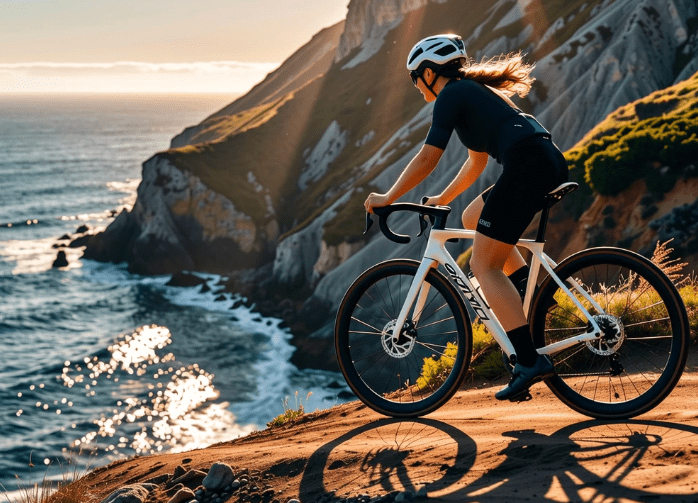
Yet another Utah trail—because apparently the region exists to punish overconfident cyclists. Porcupine Rim is legendary for its views and notorious for its lethal fall potential. The exposure along the rim is no joke, and the descending rock slabs require more skill than most riders actually have.
One wrong move and the trail will remind you that gravity always wins. Newsflash: your expensive bike won’t save you from a 50-foot fall.
6. The Colorado Trail (Segments 1–28)

This massive trail system draws in countless riders who think they’re ready for the Rockies. The truth? They’re usually not.
Extreme elevation changes, violent weather shifts, lightning risk, wildlife, and long stretches without help make this trail as dangerous as it is breathtaking. But people still take it on with one bottle of water and a “let’s wing it” attitude.
Congrats—you’re winging your way straight into hypothermia or heatstroke.
7. The Captain Ahab Trail – Moab, Utah (Of Course)

If Moab had a motto, it would be: “Come for the scenery, stay because you broke your leg.”
Captain Ahab is technical, fast, and full of features that intimidate anyone who isn’t in peak riding shape. The drop-offs don’t care about your ego. The switchbacks don’t care about your fancy suspension system. And the rocks certainly don’t care about your skill level.
This trail is the perfect storm of popularity and danger—a disaster recipe for the unprepared.
8. Kingdom Trails – East Burke, Vermont

Unlike the rocky deserts out west, Vermont’s challenges come in the form of slick roots, mud, dense forests, and surprise obstacles. Riders flock here believing it’s “East Coast easy.” Spoiler: it’s not.
Fatigue hits quickly, visibility dips, and tight tree gaps send over-confident riders straight into bark at high speed. The terrain seems soft until you hit it face-first.
9. Bentonville Trails – Arkansas

Bentonville markets itself as the “Mountain Biking Capital of the World.” And yes, these trails are wildly popular. But with popularity comes injuries—lots of them.
The jump lines, wooden features, and fast-flow sections turn the overconfident into statistics. Riders ignore signage, push limits they’re not ready for, and treat technical lines like roller coasters. Gravity disagrees.
10. Angel Fire Bike Park – New Mexico

Downhill parks are a different beast entirely. Angel Fire is fast, steep, and designed for riders who know what they’re doing. Unfortunately, not everyone who visits fits that description.
Lift-access riding encourages overestimating your abilities. Riders go faster, push harder, and forget that speed amplifies every mistake. Add in unpredictable weather and rocky terrain, and you’ve got a recipe for disaster.
Why These Trails Are So Dangerous (And Why People Ignore the Warnings)

People get hurt on these trails for the same reasons they fail in any survival scenario:
1. Overconfidence
Everyone thinks they’re an expert until they’re bleeding.
2. Lack of preparation
People bring tiny water bottles as if they’re going on a casual walk.
3. Weather ignorance
Mountains and deserts don’t care about your forecast app.
4. Equipment failure
Cheap bikes—and poorly maintained ones—fail where it matters most.
5. Crowds
More people equals more chaos. And chaos equals danger.
Off-road trails reward experience, humility, and preparation. But today’s riders want thrill without skill, adventure without awareness, and danger without consequences. Bad combination.
A Prepper’s Final Warning

Biking can be exhilarating. It can also be fatal. These trails aren’t inherently evil—they’re just brutally honest. They expose every weakness, every unprepared rider, every lapse in judgment.
So if you insist on tackling these “bucket list” trails, do it like a survivalist, not a tourist:
- Carry proper gear
- Bring real water, not a sip
- Know first aid
- Ride in teams
- Respect terrain
- Respect weather
- And above all, respect your limits
Because nature doesn’t care how popular the trail is.
It cares how prepared you are.
And most people? They’re not prepared at all.
 TheDailyChristian