
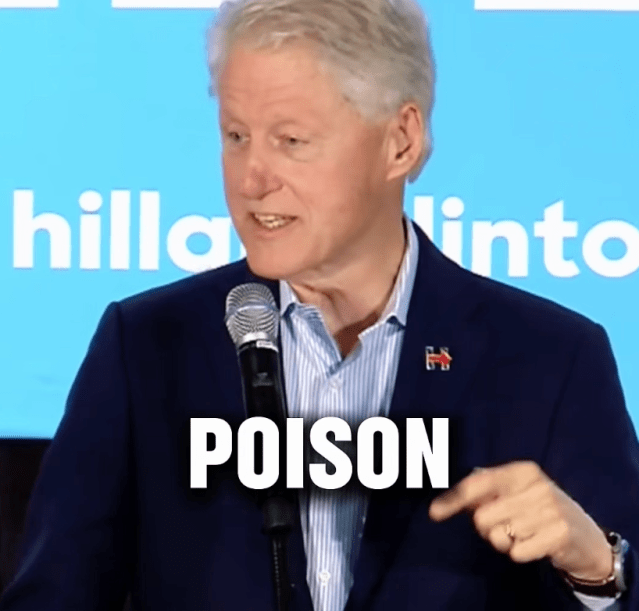
The clip opens with the kind of polished confidence that defined much of Bill Clinton’s public life, but the mood shifts almost instantly when a heckler shouts a pointed question about his past friendship with “Jeffrey.”
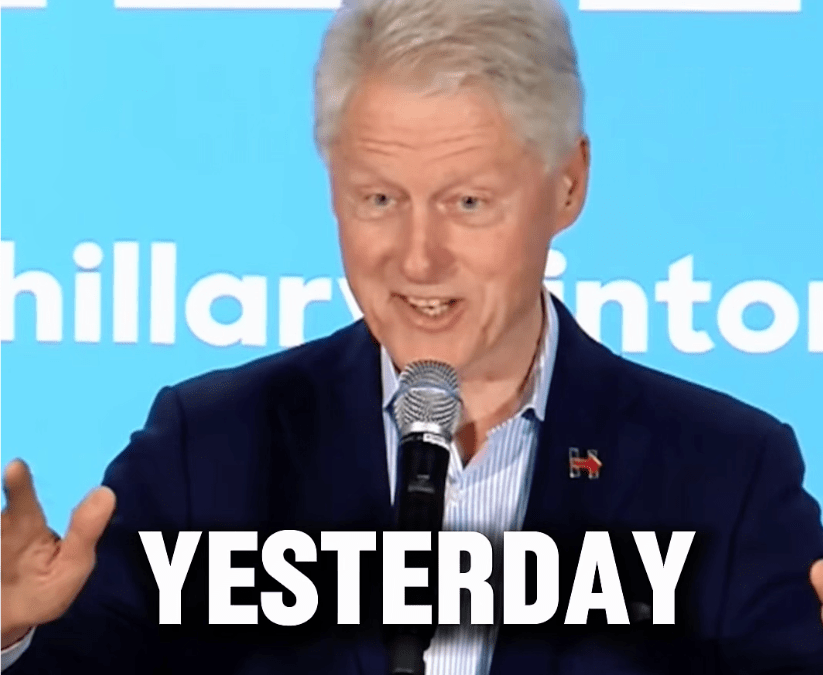
The room tightens. Clinton pauses, clearly caught off guard, and what follows is an awkward stretch of half-responses, crowd murmurs, and visible discomfort.

Supporters and critics alike seem unsure how to react, and that uncertainty is what makes the moment so striking. In an era where public trust in institutions is already fragile, the interruption underscores how unresolved questions—regardless of party—have a way of resurfacing at the most inconvenient times.
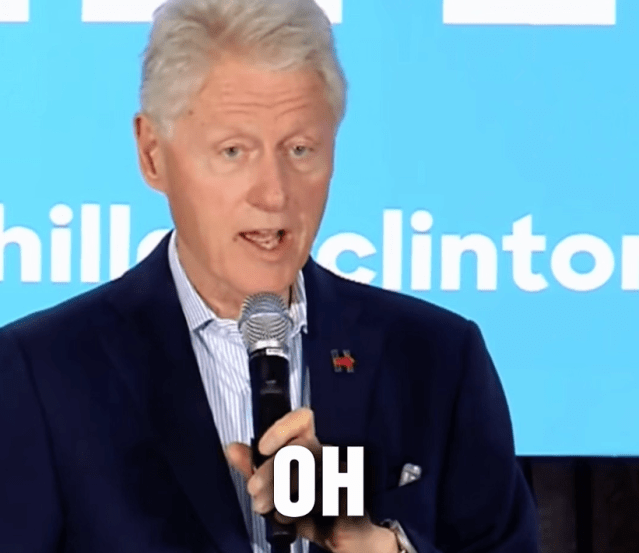
The clip doesn’t deliver answers or accusations; instead, it captures the collision between a carefully managed public appearance and a raw, unscripted challenge. For some viewers, it’s a reminder that political figures remain accountable long after leaving office. For others, it highlights the difficulty of addressing emotionally charged topics in a live setting without derailing the event entirely. What’s undeniable is how quickly the atmosphere changes, turning a routine appearance into a tense, uncomfortable moment that reflects broader frustrations shared across the political spectrum.
 TheDailyChristian