California is Killing You: The Top 10 Non-Health Hazards You’re Ignoring

Wake up, California. You might think your biggest threats are the latest flu strain or a heart attack, but that’s only half the story. The truth is far grimmer. Life in the Golden State isn’t just expensive; it’s a constant hazard zone. If you’re walking around thinking the state’s only threat is invisible bacteria or the occasional bad fast food, think again. This article isn’t here to sugarcoat reality—this is your wake-up call.

I’ve lived through enough disasters, near-misses, and face-to-face encounters with the chaos of California life to know one thing: your survival isn’t guaranteed. The state is a beautiful trap filled with lethal risks, many of which have nothing to do with health. Here are the top 10 non-health-related reasons why people in California die, and why ignoring them is basically a death sentence.


1. Car Accidents – The Rolling Killers
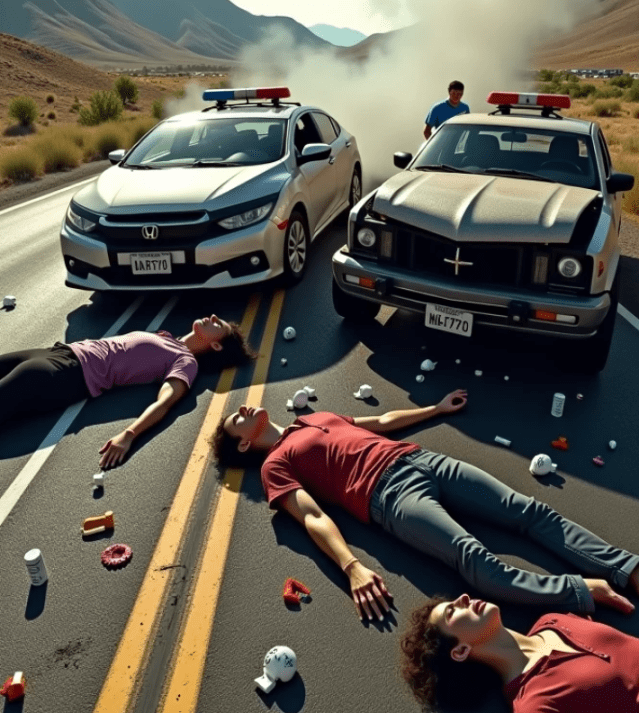
You don’t need a virus to die in California; you need only step into your car—or the car of someone else. With congested highways, aggressive drivers, and one-too-many distracted texters behind the wheel, car accidents are rampant. Los Angeles, San Francisco, and even smaller towns see thousands of fatal crashes every year. High-speed collisions, drunk drivers, and motorcycles weaving through traffic are just waiting for you to make one wrong move. And let’s be honest: traffic laws exist more as suggestions than as enforceable rules.

If you think you can “just be careful,” think again. The odds are not in your favor. California drivers are famously impatient, and the infrastructure is stressed to the max. One moment you’re minding your own business, the next—boom.


2. Wildfires – Nature’s Inferno

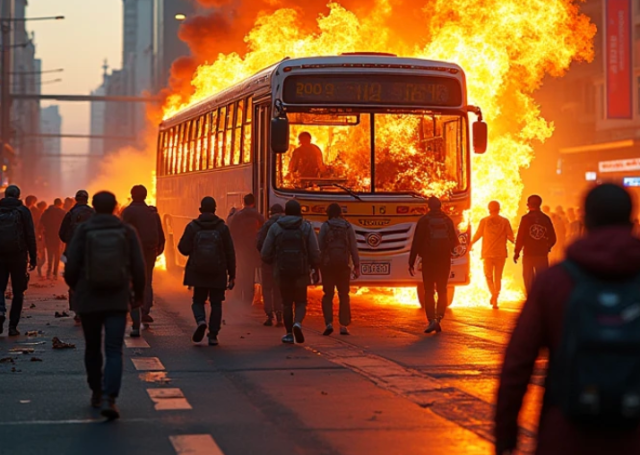
California’s wildfires are legendary, but most people still underestimate them. These aren’t small backyard blazes—they’re monstrous infernos that can consume entire neighborhoods in hours. Houses, cars, pets, and yes, people, vanish in the flames.

Evacuation is chaotic, emergency services are stretched thin, and wind patterns can change in an instant. You could literally be trapped in your own home as fire storms sweep down hillsides. If you think your insurance or city alerts will save you, you’re already thinking like a sheep waiting for slaughter.


3. Earthquakes – The Ground Betrays You

California sits on a network of faults that are just waiting for the next big quake. And let me tell you, “big” isn’t an exaggeration. Buildings crumble, roads crack open, and bridges collapse without warning. Earthquakes don’t discriminate—wealthy neighborhoods and sleepy towns alike can be reduced to rubble in seconds.

Don’t fool yourself into thinking your modern apartment is safe. Structural engineering only delays death; it doesn’t prevent it when the earth decides it’s time.


4. Extreme Heat & Environmental Exposure

You might scoff at the idea that weather can kill you in a state known for its beaches and sunshine, but California’s heat waves are no joke. Temperatures can soar past 110°F in the Central Valley and inland deserts. Heatstroke, dehydration, and exposure kill people every year—often those foolish enough to think they can beat the sun by ignoring it.

And let’s not forget that climate change is making these extremes more frequent and intense. This isn’t just discomfort; it’s deadly.


5. Crime – Humans as Predators

People often overlook the fact that humans are often the deadliest threat. California has areas plagued by violent crime, from urban centers to seemingly quiet suburbs. Shootings, muggings, and home invasions are a daily hazard for the unprepared.

Gang violence isn’t confined to the movies—it’s a very real danger in some neighborhoods. And even if you live somewhere “safe,” opportunistic crimes happen everywhere. Trust no one too easily.


6. Traffic & Pedestrian Accidents

It’s not just car-on-car collisions. Pedestrians, cyclists, and scooters face a deadly gauntlet. Drivers are distracted, reckless, or downright hostile. Every crosswalk could be your last if you don’t maintain a paranoid level of vigilance.

Sidewalks and bike lanes aren’t sanctuaries—they’re just another layer of danger in a state obsessed with speed and convenience over safety.


7. Industrial & Workplace Hazards

From oil refineries in Southern California to tech warehouses in the Bay Area, workplace accidents kill hundreds every year. Machinery malfunctions, chemical exposures, and human error combine to create a daily lottery where survival is not guaranteed.

And don’t expect a lawsuit to save you. By the time lawyers get involved, it’s too late. The system is slow, inefficient, and indifferent to human life.


8. Homelessness and Exposure to Violence

California has a massive homeless population, many of whom live in conditions that guarantee premature death. Violence, exposure, and malnutrition aren’t just statistics—they are daily realities for thousands.

Even for those not homeless, the ripple effects can touch you. Encampments and urban decay lead to crime spikes and unsafe public spaces, turning what should be routine errands into potential hazards.


9. Fires (Other than Wildfires) – Urban Arson & Accidents
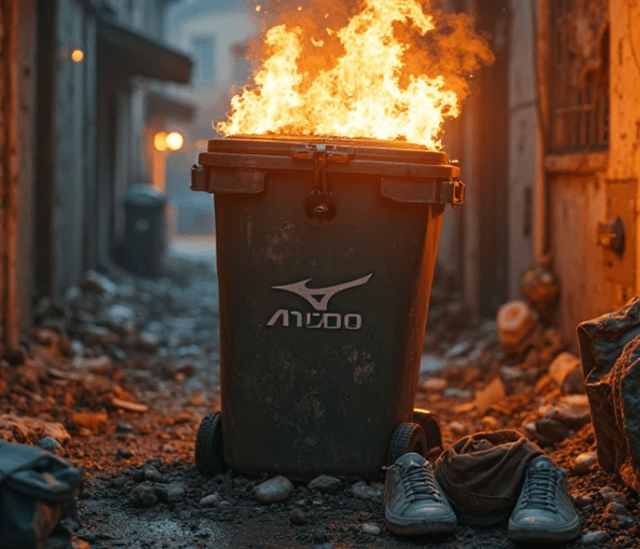
People think of fire as only a forest problem, but urban fires are just as deadly. Faulty wiring, careless smoking, and arson claim lives every year. In densely populated areas, a small spark can become a deadly inferno before firefighters even arrive.

And don’t fool yourself into thinking “it won’t happen to me.” Disasters rarely pick their victims—they just find someone vulnerable.


10. Infrastructure Failures – When the State Betrays You

Bridges collapse, levees break, and dams fail. California has a long list of infrastructure weak points. Aging structures, deferred maintenance, and overpopulation create the perfect storm for unexpected death.

A simple drive across a structurally compromised bridge, or living downstream from a poorly maintained dam, could be enough to kill you. And the government’s safety nets? Half the time they’re just bureaucratic mirages.


Final Thoughts – Wake Up Before It’s Too Late

If you’re still reading this, hopefully you’re feeling the chill of reality. California isn’t just a sunny paradise; it’s a deadly game of survival. And while health risks get headlines, these ten non-health hazards are just as lethal—often more so because people refuse to prepare for them.

Survival in California demands awareness, preparation, and a ruthless understanding of your environment. Traffic, fires, earthquakes, crime, heat—these aren’t abstract possibilities. They’re imminent threats that could strike today, tomorrow, or next week.

If you want to stay alive, stop pretending the world is safe. Stock supplies, learn situational awareness, and never underestimate the lethal combination of human error and environmental chaos. Your survival isn’t guaranteed—but with preparation, it’s possible.

Ignore this warning, and California will show you the meaning of the phrase “golden state” in the harshest way possible.

The 100 Most Dangerous Cities in America: A Survivalist’s Worst Nightmare (UPDATED 2025)

Listen up, because the world isn’t getting safer—it’s getting meaner, uglier, and downright hostile. Every day, Americans convince themselves that their suburban bubbles are immune to the chaos brewing in the streets. Newsflash: it isn’t. Crime isn’t just some statistic—they’re symptoms of a society teetering on the edge of collapse, and if you think “it won’t happen to me,” you’re already behind. If survival matters to you, knowing which cities are ticking time bombs is non-negotiable.

We’ve compiled a no-nonsense guide to the 100 most dangerous cities in the United States, based on crime rates, violent incidents, and the kind of chaos that makes survivalists like me grit our teeth. Don’t sugarcoat it: this list isn’t about tourism, it’s about survival.


Why America’s Cities Are Becoming Warzones

Let me be blunt: America’s urban centers are a reflection of a society unraveling at the seams. Poverty, drugs, gang wars, economic despair—they’re all part of a toxic cocktail turning once-thriving cities into modern-day warzones. And while politicians and “experts” talk about reform and community programs, the reality is stark: you either adapt or you die.

Violent crime is the ultimate measure of a city’s danger, and make no mistake, it isn’t evenly distributed. There are areas where walking after dark is asking for trouble, neighborhoods where sirens are the lullabies, and intersections where the only thing certain is that something, somewhere, will go horribly wrong.


Top 10 Most Dangerous Cities to Avoid at All Costs

Before we get into the full 100, let’s talk about the absolute worst of the worst—the urban nightmares that make a prepper’s hair stand on end:

  1. St. Louis, Missouri – A city drowning in violent crime. From robberies to shootings, St. Louis has earned its reputation as the murder capital of America.
  2. Detroit, Michigan – Ghostly streets, rampant gang activity, and a police force stretched beyond reason. Survival here requires constant vigilance.
  3. Baltimore, Maryland – A city where corners are claimed by gangs, drugs dominate, and hope is in short supply.
  4. Memphis, Tennessee – Murders, assaults, and robberies; Memphis is a survivalist’s cautionary tale.
  5. Kansas City, Missouri – Drug wars, gang violence, and unpredictable shootings make this city a minefield.
  6. Birmingham, Alabama – Crime has exploded here, leaving residents locked in a daily struggle to stay alive.
  7. Cleveland, Ohio – Violent assaults and property crime plague the city, creating a pervasive sense of insecurity.
  8. Little Rock, Arkansas – Murders and robberies are more than statistics—they’re the daily reality for citizens.
  9. Oakland, California – Despite gentrification attempts, violent crime remains a relentless force here.
  10. Stockton, California – Gang activity and violent crime have created an environment that feels post-apocalyptic.

If you think these are exaggerations, check the FBI’s Uniform Crime Reporting statistics. But statistics are cold comfort when you’re standing on a street corner wondering if your next step might be your last.


Patterns and Common Traits Among Dangerous Cities

Here’s what survivalists like me have learned from years of observing urban decay: these cities share traits that scream trouble:

  • High Poverty Levels: Economic despair creates desperation, and desperation fuels crime.
  • Gang Dominance: Neighborhoods where gangs call the shots are neighborhoods where survival instincts must be at their sharpest.
  • Police Understaffing: Less law enforcement presence equals more lawlessness.
  • Drug Epidemics: Heroin, fentanyl, meth—cities battling drug crises are cities where violence explodes daily.
  • Deteriorating Infrastructure: Dark streets, abandoned buildings, and poor lighting make perfect hunting grounds for criminals.

The Middle Tier: Cities You Should Only Enter With Extreme Caution

From the 11th to the 50th most dangerous city, the danger doesn’t vanish—it just becomes slightly less overt. Cities like Milwaukee, Wisconsin; New Orleans, Louisiana; and St. Petersburg, Florida have neighborhoods that will chew you up if you’re not careful. The pattern is consistent: violent crime in concentrated pockets. Know the blocks to avoid, and don’t trust anyone you don’t know.

Remember, being a survivalist isn’t about paranoia; it’s about preparation. Understanding where danger thrives is step one. Step two is having the tools, knowledge, and mindset to navigate it.


Low-Tier But Still Dangerous Cities (51–100)

Even the “safer” dangerous cities are far from friendly. Cities like Tulsa, Oklahoma; Indianapolis, Indiana; and Baton Rouge, Louisiana may not lead national murder statistics, but property crimes, assaults, and sporadic violent incidents make them hazardous.

The reality is grim: no American city is immune. If you live in an urban area, the threat isn’t theoretical—it’s a daily, grinding truth.


How to Survive in America’s Most Dangerous Cities

Now, if you’re foolish enough to live or work in these hellholes, here’s some advice:

  1. Situational Awareness is Everything: Every street corner, alleyway, and darkened doorway should be assessed like a potential threat.
  2. Travel Smart: Avoid walking alone at night, especially in known high-crime neighborhoods. Car travel is safer but not foolproof.
  3. Learn Basic Self-Defense: Guns, knives, pepper spray—whatever aligns with your skills, learn to use it effectively.
  4. Know Your Exits: Buildings, streets, and neighborhoods all have exit points—plan your escape routes.
  5. Trust Sparingly: Friends, neighbors, coworkers—don’t assume loyalty; assume potential betrayal.
  6. Stay Informed: Crime patterns shift; news reports, local alerts, and survivalist networks can give you a heads-up.

A survivalist mindset isn’t about fear—it’s about brutal realism. Denial is the quickest route to disaster.


Why This Matters for the Average American

The average citizen may think, “This doesn’t apply to me; I don’t live in Detroit or St. Louis.” Guess again. Cities influence everything around them: crime spreads into suburbs, drugs and gangs infiltrate small towns, and economic collapse in one area can ripple nationwide. Being aware of the worst zones keeps you alert, cautious, and alive.

America is becoming a minefield, and these 100 cities are just the tip of the iceberg. Every statistic represents a real person, a real tragedy, and a system failing spectacularly. Ignoring the warning signs is a recipe for catastrophe.


Conclusion

So here it is, unvarnished and raw: America is not safe, and many of its cities are downright deadly. Survival isn’t about hope—it’s about preparation, awareness, and grim acceptance of reality. If you live in or near any of these 100 cities, consider this a survival manual disguised as an article. Study it, internalize it, and don’t kid yourself about safety.

The world is a cruel, indifferent place, and the cities on this list are its most visible proof. Don’t wait for someone else to save you—prepare yourself. Arm your mind, arm your body, and never forget that in these urban jungles, vigilance is the only currency that guarantees life.