How to Keep Your Teeth Healthy While Surviving Off the Grid with No Dentist for 3,000 Miles

When you’re living off the grid, society has already failed you. The power grid is unreliable, the medical system is bloated and useless, and dentists—those cheerful merchants of pain and debt—are nowhere to be found. Maybe you chose this life. Maybe you were pushed into it by economic collapse, climate chaos, or governments that couldn’t organize a bake sale without ruining lives. Either way, you’re on your own now.

And here’s the part nobody likes to talk about: your teeth.

You can survive a lot without modern conveniences, but once a tooth goes bad, it can cripple you. Infection doesn’t care how self-reliant you think you are. Pain doesn’t negotiate. And when the nearest dentist is 3,000 miles away—or buried under rubble—you’d better know how to keep your teeth intact using nothing but discipline, paranoia, and a deep distrust of everything labeled “convenient.”

This isn’t about pretty smiles. This is about survival.


Why Dental Health Matters More Than You Think
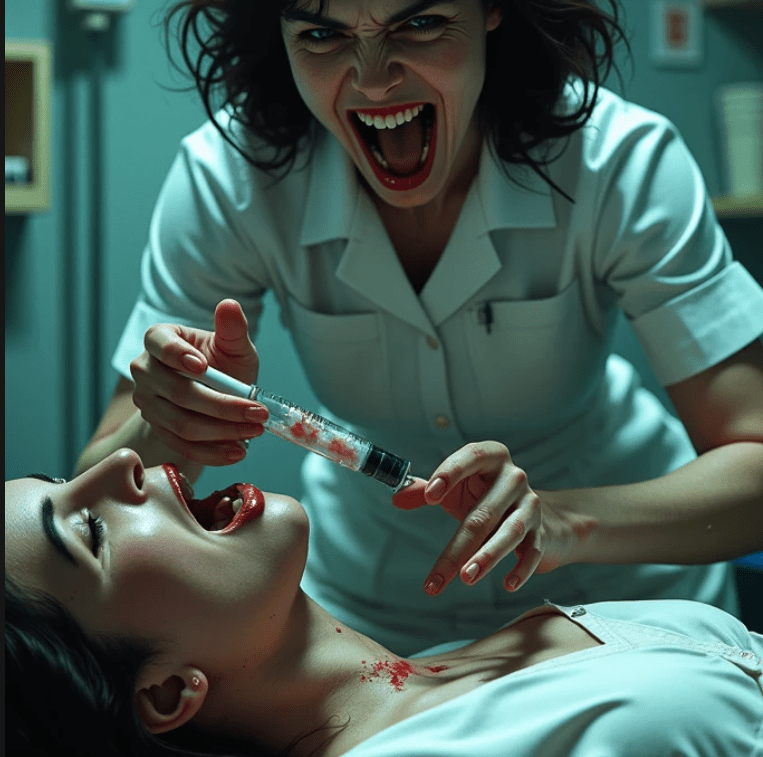
People love to romanticize off-grid living. They talk about freedom, simplicity, and “getting back to nature.” What they don’t mention is how fast a minor dental issue can spiral into a life-threatening infection when antibiotics are scarce and professional care doesn’t exist.

A cracked tooth can become an abscess. An abscess can become sepsis. And sepsis will kill you quietly while the world keeps burning.

Your teeth are bones sticking out of your skull, exposed to bacteria every time you eat. Ignore them, and they will betray you. This is not optional maintenance. This is frontline survival work.


Brushing Without a Bathroom Sink Fantasy

Forget electric toothbrushes. Forget minty gels shipped from factories that no longer exist. You need a manual toothbrush—several of them—and you need to guard them like ammunition.

If toothpaste runs out, you adapt. Baking soda works. Wood ash (from clean, untreated hardwood) can work in small amounts. Crushed eggshell powder provides mild abrasion and calcium. None of this is pleasant. None of it tastes good. That’s the point. Survival isn’t supposed to feel like a spa day.

Brush at least once a day. Ideally twice. Use boiled or filtered water. Spit away from your living area because bacteria doesn’t deserve hospitality.

And no, skipping brushing because you’re “too tired” isn’t an excuse. Pain later will be worse.


Flossing: The Most Ignored Lifesaver

People hate flossing because it’s inconvenient. That’s ironic, because inconvenience is your entire lifestyle now.

Food trapped between teeth leads to decay. Decay leads to infection. Floss prevents that. Stockpile floss while you still can. If you can’t, improvise—thin fishing line (cleaned thoroughly), plant fibers, or even fine thread in a pinch.

Is it comfortable? No. Is it effective? Yes.

If you think flossing is optional, you’re gambling with pain that will make you regret every lazy choice you ever made.


Diet: Sugar Is the Enemy You Invited In

Modern diets rot teeth because they’re built on sugar, starch, and processed garbage. Off the grid, you have an advantage—if you’re not stupid enough to recreate the same mistakes.

Avoid constant snacking. Your mouth needs time to rebalance. Eat real food: meat, fibrous plants, nuts, and whatever you can grow or hunt. Fermented foods help. Refined sugars destroy.

If you’re storing honey, dried fruit, or grains, understand this: they are luxuries with consequences. Rinse your mouth with water after eating them. Chew fibrous plants to stimulate saliva. Saliva is your first defense when toothpaste runs out and nobody’s coming to help.


Herbal Allies (Because Pharmacies Are a Memory)

Nature isn’t kind, but it does provide tools if you bother to learn them.

Clove is a powerful natural analgesic and antiseptic. Clove oil can numb pain temporarily. Peppermint has mild antibacterial properties. Sage and thyme can be used in mouth rinses. Chewing on certain bitter roots can help clean teeth mechanically.

These are not miracles. They are stopgaps. But in a world where antibiotics are finite and dentists are myths, stopgaps matter.

Learn your local plants before you need them. Ignorance is expensive out here.


Preventing Damage Is Easier Than Fixing It

Cracked teeth happen when people use their mouths like tools. Stop doing that. Don’t bite metal. Don’t crack nuts with your teeth. Don’t chew rocks because you’re bored.

Wear a mouth guard if you grind your teeth at night. Stress causes grinding, and off-grid life is nothing but stress wrapped in isolation. A cracked molar in the wilderness is a slow-motion disaster.

Protect your teeth like the irreplaceable assets they are—because they are.


Emergency Dental Reality (The Part Nobody Likes)

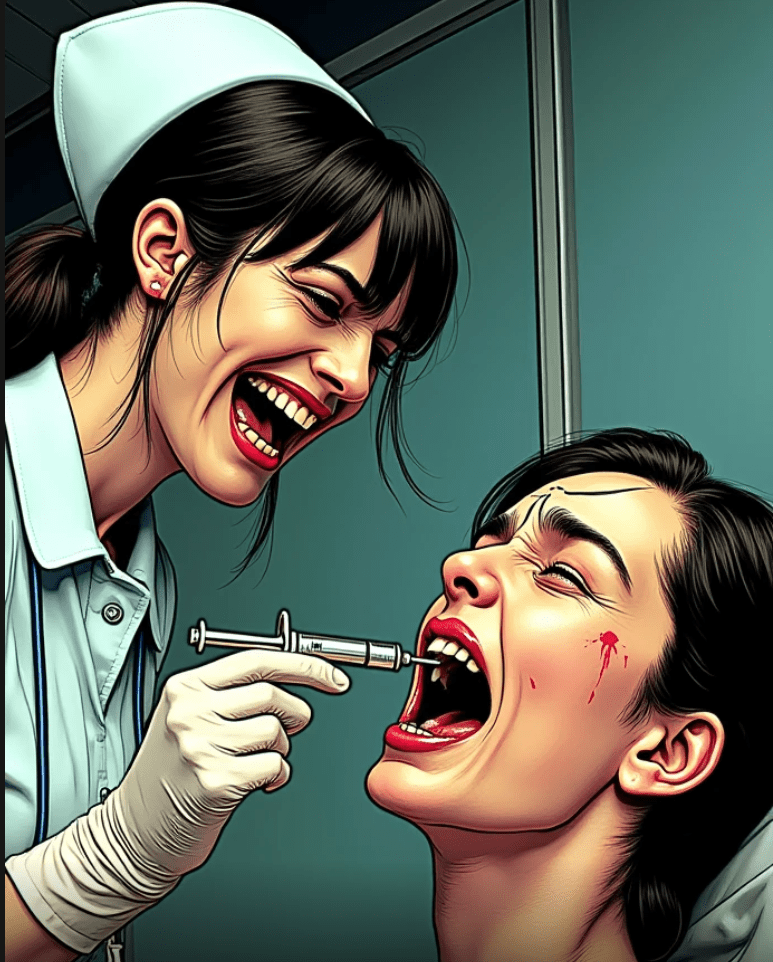
Let’s be honest: if a tooth becomes severely infected and you have no antibiotics, no tools, and no training, your options are grim. People have pulled their own teeth throughout history. Many died from it.

This article is not telling you how to perform medieval dentistry. It’s telling you how to avoid ever needing to.

The best dental survival plan is relentless prevention. Everything else is damage control and prayers.


The Bitter Truth
The world doesn’t care if you’re in pain. Systems collapse. Professionals vanish. And suddenly, the smallest problems become existential threats.

Keeping your teeth healthy off the grid isn’t about vanity or comfort. It’s about refusing to let something stupid take you out after you’ve already survived everything else.

Brush. Floss. Eat like an adult. Learn your herbs. Protect what you can’t replace.

Because when civilization is gone, your teeth don’t get a second chance—and neither do you.

Surviving the Inferno: Life After a Super Volcano

Let me be clear: if you’re waiting on FEMA, the government, or your local grocery store to save you when a super volcano blows, you’re already dead. You’ll be one of the clueless masses choking on ash, begging for canned beans, and wondering why Wi-Fi isn’t working. This isn’t a Hollywood movie. This is the real damn deal. A super volcano, like the one ticking under Yellowstone, won’t just mess up your weekend. It’ll wipe out global agriculture, blackout the sky, crash economies, and toss billions into survival mode—most of whom don’t have a single clue how to stay alive.

If you want to survive, listen up. Here’s the brutal truth and the survival skills you’ll need when the Inferno hits.


🔥 What Happens When a Super Volcano Erupts?

You think lava is the biggest threat? Think again. The real killers are ashfall, starvation, poisoned water, and the bitter, freezing cold that comes when sunlight can’t pierce the ash cloud for months—or even years.

Ash will collapse roofs. Kill engines. Clog your lungs. Every major crop will fail. Transportation will shut down. Grid goes down. Welcome to the new Dark Ages. Hope you enjoyed your last frappuccino.

Now let’s talk about how you stay alive.


🔪 15 Survival Skills You Better Know

1. Fire Starting – In Any Damn Condition

You need fire. For warmth. For cooking. For boiling water. If you can’t start a fire in wind, rain, or snow, enjoy hypothermia.

2. Water Purification

Ash and debris will pollute every water source. Learn how to boil, filter, and treat water with bleach or purification tablets. Or die of dysentery like it’s 1849.

3. Food Preservation

Know how to can, dehydrate, ferment, and smoke meat. If you don’t have a year’s worth of preserved food, you’ll be raiding dumpsters in three weeks.

4. Hunting & Trapping

Cows won’t fall from the sky. Learn how to hunt, clean, and cook wild game. Snares, traps, and bows aren’t hobbies—they’re lifelines.

5. Foraging

Can you tell the difference between wild carrots and poison hemlock? No? Then you better learn fast. Edible plants are out there—so are deadly ones.

6. Self-Defense

People will kill for food. Period. If you can’t protect yourself, your family, and your supplies, you’re just a walking loot box.

7. Basic First Aid

Hospitals will be overwhelmed or gone. You need to treat burns, infections, wounds, and broken bones with what you’ve got. Pain doesn’t care if you’re squeamish.

8. Navigation Without GPS

You’ll need to move without Google Maps. Learn how to use a compass, read a map, and follow natural signs. Satellites don’t care if you’re lost.

9. Ash Filtration & Air Safety

Ash will suffocate you. You need respirators, makeshift filters, and sealed spaces. Learn how to rig a clean-air zone in your home.

10. Building Temporary Shelter

If your roof collapses or you’re on the move, you better know how to construct a shelter out of anything—tarps, trees, even junk.

11. Cooking Without Power

Grid’s gone. No microwave. No gas. Learn how to cook over a fire, with solar ovens, or improvised stoves made from metal cans.

12. Bartering & Trade

Money will be toilet paper. Learn how to trade goods, skills, and information. Ammunition, antibiotics, clean water—that’s your new currency.

13. Situational Awareness

Don’t walk into danger with your head in the ash. Stay alert, watch others, and listen for threats. Sheep get eaten. Wolves survive.

14. Waste Disposal

Disease will spread fast if you don’t manage human waste and trash. Build latrines. Dig trenches. Sanitation isn’t optional—it’s survival.

15. Mental Fortitude

If you can’t keep your head straight, you won’t last a week. Panic gets you killed. Weakness gets you robbed. Harden up or shut up.


🛠️ 3 DIY Survival Hacks You Won’t Learn From TikTok

⚙️ 1. DIY Ash Respirator

Ash in your lungs = death. Take a bandana or cloth, soak it lightly with water or a baking soda solution, and strap it over your nose and mouth. It won’t stop microscopic particles, but it’ll give you a fighting chance when commercial masks are gone.

⚙️ 2. Rocket Stove from Tin Cans

When the gas is out and wood is scarce, make a rocket stove from two tin cans. It focuses the flame, uses minimal fuel, and gets hot fast. Look it up. Practice now. Don’t wing it during a blizzard.

⚙️ 3. Trash Bag Shelter

Black contractor bags aren’t just for garbage—they’re body heat lifesavers. Cut one open for a tarp. Stuff it with leaves for insulation. Wear one as an emergency poncho. Light, cheap, and lifesaving.


🧊 Cold Is Coming – And It Won’t Stop

After the eruption, the global temperature drops. Crops fail. Frostbite becomes common. If you don’t have layers, wool, mylar blankets, and a way to heat your shelter, you’re done. Stockpile fuel—wood, propane, alcohol stoves, anything. Learn how to insulate your home with blankets, bubble wrap, and even dirt. Cold doesn’t care if you’re tired.


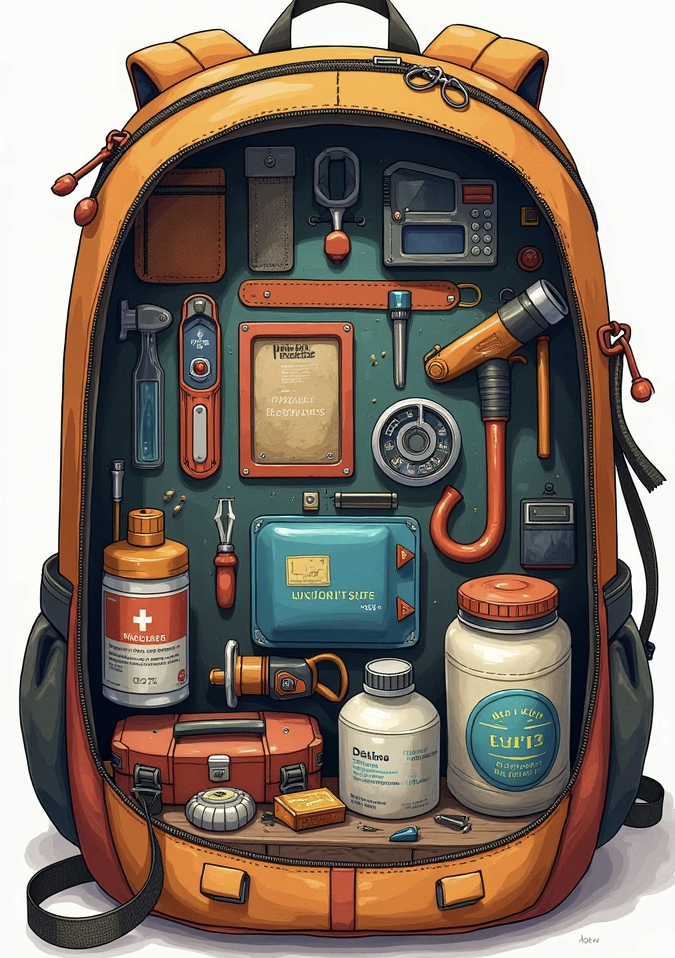
📦 What Should You Have Stocked Yesterday?

Let me make this easy. Here’s what your dumbass should already have:

  • At least six months of food. A year is better.
  • Water filters, purification tabs, bleach.
  • Medical supplies: trauma kits, antibiotics, antiseptics.
  • Respirators or masks, plus duct tape and plastic sheeting.
  • Fuel and fire sources: lighters, flint, alcohol, propane.
  • Defense tools: firearms, blades, training.
  • Seeds for long-term sustainability.
  • Manuals and books—don’t rely on dead electronics.

🧠 Final Word: This Isn’t a Drill

I’m not here to comfort you. I’m not here to lie. I’m here to tell you that when the Inferno comes, you’re either prepared, or you’re a corpse waiting for the ash to bury you.

Don’t waste time arguing with people who think the government has a plan. Don’t wait until the supermarket shelves are empty. Train. Stock. Build. Harden.

You want to live?

Then act like it.


Bleed, Breathe, Survive: A Prepper’s Guide to Emergency Care

Bleed, Breathe, Survive: A Prepper’s Guide to Emergency Care

Listen up. When the world goes sideways — whether it’s a natural disaster, a collapse, or some unholy mix of both — the one thing that’ll separate you from the rotting herd is how fast and sharp you act when it comes to emergency care. I’m talking real, raw, in-your-face survival knowledge, not some PC classroom fluff. You’re bleeding out, choking on dust, or gasping for air — you don’t have time for pansy medical training or waiting for an ambulance that ain’t coming. You fix it. You keep yourself or your people alive. Period.

If you don’t get this, you’re dead meat. So pay attention, because I’m about to drop some serious survival wisdom. Here’s your no-bullshit, angry survivalist guide to handling emergency care when it counts the most.


Survival Skill #1: Stop the Bleed – FAST and HARD

Bleeding out is the number one killer in any emergency scenario. If you don’t stop the blood, your body goes into shock and you’re toast. I’m not just talking about a small scrape; I mean a serious artery gushing blood like a busted fire hydrant.

Skill: Master the tourniquet and pressure bandage like your life depends on it — because it does.

  • Tourniquet — This ain’t just a fancy word. A tourniquet is a lifesaver when a limb is bleeding uncontrollably. Wrap it above the wound tight enough to stop the flow of blood, but not so tight you tear skin or nerves. Get a proper commercial one, but if you don’t have it, make one out of a sturdy belt or cloth and twist it with a stick or pen to tighten.
  • Pressure bandage — If the wound’s on your torso or can’t be tourniquetted, apply direct pressure with clean cloth or gauze. Don’t let up for a minute. If you don’t have gauze, use a T-shirt, towel, or anything clean-ish.

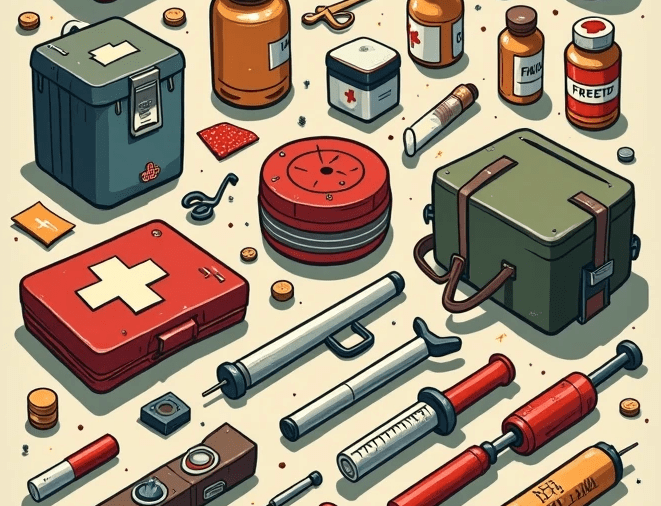
Pro Tip: Always carry a compact trauma kit with a tourniquet, pressure bandages, and hemostatic agents. Hemostatic agents are powders or dressings that make blood clot faster. If you don’t have those, improvise but prioritize stopping the bleeding first.


Survival Skill #2: Control Your Airway – Clear It, Keep It Open

What good is stopping the bleeding if you can’t breathe? When disaster strikes, choking on blood, vomit, or debris is a very real threat. If you don’t keep that airway open, you’re dead before you even get a chance to bleed out.

Skill: Learn to do the Head-Tilt Chin-Lift maneuver and the Heimlich maneuver.

  • Head-Tilt Chin-Lift — If someone’s unconscious or semi-conscious, tilt their head back and lift the chin to open the airway. Clear any visible obstruction with your fingers or a tool.
  • Heimlich Maneuver — If someone’s choking on food or debris, hit that abdomen hard just above the belly button until the obstruction pops out.

Pro Tip: Don’t wait to be a medic to learn CPR. That’s your bread and butter when someone stops breathing or their heart stops. Get certified or at least watch good tutorials and practice.


Survival Skill #3: Build and Use a Splint

Broken bones are no joke in the wild or disaster zones. Without proper immobilization, you risk further injury, bleeding, or infection. You can’t call an ambulance — you are the ambulance.

Skill: Use what you have — sticks, branches, metal, or anything rigid — to immobilize broken or sprained limbs.

  • Find two strong sticks or any sturdy straight object.
  • Pad them with cloth to prevent cutting into the skin.
  • Secure them tightly with rope, tape, strips of cloth, or even shoelaces.
  • Make sure the splint immobilizes the joints above and below the injury.

Pro Tip: Practice making a splint now, so when you need it, you don’t fumble like a scared city slicker.


Survival Skill #4: Improvise a Breathing Filter or Mask

Smoke, chemical fumes, dust, and toxic air can kill you just as fast as a bullet. If you don’t have a gas mask or proper respirator, don’t sit there choking. Use your brain and improvise.

Skill: Make a basic filter using materials around you.

  • Take a clean cloth or bandana and wet it.
  • Layer it with activated charcoal (if you have it) or charcoal from a campfire crushed finely.
  • Fold it to cover nose and mouth tightly.
  • Breathe through it — it won’t be perfect, but it’ll filter out much of the dust and chemicals.

Pro Tip: Store activated charcoal tablets or powder in your survival kit. If you can’t get charcoal, use multiple layers of damp fabric as a minimum barrier.


Survival Skill #5: Keep Calm and Prioritize Care

You can’t do anything if you lose your head. Panic is the biggest killer after injury or trauma. Your body’s adrenaline will spike, but your brain needs to stay cold and tactical.

Skill: Train yourself mentally to triage and act swiftly.

  • Assess the situation quickly: who needs the most urgent care?
  • Stop the bleeding first.
  • Keep the airway clear second.
  • Immobilize injuries third.
  • Prevent shock by keeping the patient warm and calm.

Pro Tip: Practice these steps under pressure with your group or family. If you freeze up in a real disaster, your survival odds drop drastically.


DIY Survival Hack #1: Make a Field Dressing from Household Items

You don’t need fancy medical gear to make a functional dressing.

  • Take clean cotton T-shirts, towels, or even sanitary napkins (they’re sterile and absorbent).
  • Fold them thickly.
  • Use duct tape or strips of cloth to secure them over wounds.
  • If you have honey, rub a thin layer on the wound before dressing. Honey is a natural antibacterial agent and helps prevent infection.

This field dressing will buy you time to get serious care or stabilize someone long enough for evacuation.


DIY Survival Hack #2: Create a DIY Splint from Magazine Pages and Tape

No sticks handy? No problem.

  • Fold several pages of a magazine tightly into a thick, rigid strip.
  • Use duct tape or cloth to secure it firmly around the injured limb.
  • This crude splint isn’t perfect but will stabilize a sprain or minor fracture enough to prevent further damage.

Practice this now so you can whip one out in a pinch.


DIY Survival Hack #3: Homemade Mouth-to-Mouth Shield

If someone’s unconscious and not breathing, you’ll need to perform rescue breaths safely.

  • Cut a small piece of plastic from a sandwich bag or cling wrap.
  • Poke a small hole in the middle (about the size of a dime).
  • Use this as a barrier between your mouth and theirs to reduce infection risk while doing mouth-to-mouth.

This simple device is cheap, easy, and could save a life without risking your own health.


Bottom Line: Bleed, Breathe, Survive

If you think emergency care is something only doctors or medics should worry about, you’re already dead. This survival game is brutal, and you will get hurt — maybe badly. The difference between life and death is having the skills, guts, and knowledge to act immediately and decisively.

You stop the bleeding, clear the airway, immobilize injuries, protect yourself from toxic air, and keep a cool head under pressure. Every second wasted is a second closer to the grave. Get the right gear, practice these skills, and learn these hacks now. Because when SHTF, the world won’t be handing out Band-Aids and breathing masks. You’ll have to be your own damn EMT.

Remember: Bleed, Breathe, Survive. It’s that simple. Or not at all.