
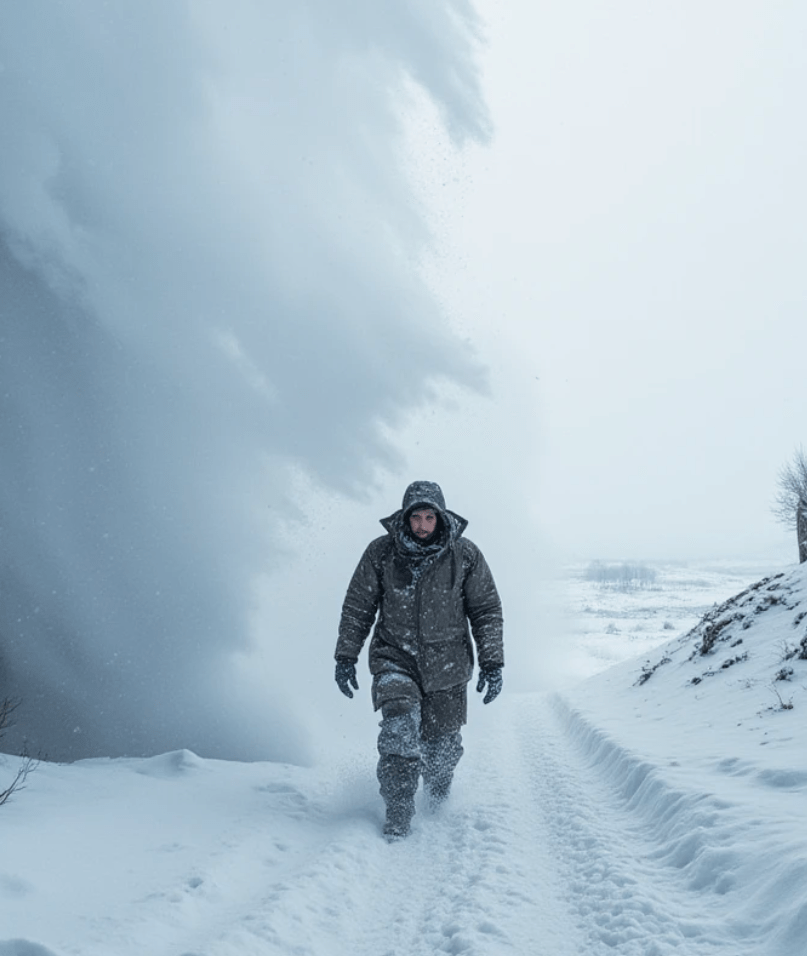
How Do Most People Die in a Winter Storm in the State of West Virginia — And How to Survive One
If you live in West Virginia and think winter storms are “nothing compared to up north,” you are making the exact mistake that gets people killed here every single year.
I’ve watched it happen over and over. People underestimate elevation, winding mountain roads, aging infrastructure, and how fast isolation sets in. They assume help will arrive quickly. It won’t.
West Virginia winter storms don’t kill with spectacle. They kill with ice, darkness, power outages, blocked roads, and distance. When storms hit here, you’re not just cold — you’re cut off.
And if you didn’t prepare ahead of time, winter makes that painfully clear.
How Winter Storms Actually Kill People in West Virginia
Deaths during winter storms in West Virginia are not random. They follow predictable patterns — the same ones, every winter.
1. Hypothermia — Inside Rural Homes and Mobile Homes
Hypothermia is the leading cause of winter storm deaths in West Virginia.
And no, it doesn’t require record-breaking cold.
It happens when:
- Ice storms knock out power
- Heat pumps fail
- Older homes lose heat quickly
- People don’t have backup heat sources
Mobile homes, older houses, and poorly insulated cabins lose heat fast. Once indoor temperatures drop, hypothermia begins quietly.
People assume they can “bundle up and wait it out.” They underestimate how fast cold drains energy and judgment.
Cold kills patiently.
2. Carbon Monoxide Poisoning (A Deadly and Repeating Mistake)
Every major winter storm in West Virginia brings carbon monoxide poisonings.
People run:
- Generators in garages or near homes
- Propane heaters indoors
- Camp stoves and grills inside
- Fireplaces improperly
Carbon monoxide is invisible and odorless. You won’t feel pain. You’ll feel sleepy — and then you won’t wake up.
If you live in West Virginia without battery-powered carbon monoxide detectors, you are gambling with your life unnecessarily.
3. Getting Stranded on Mountain Roads
This one kills people every winter.
West Virginia storms shut down:
- Mountain passes
- Switchback roads
- Secondary highways
- Gravel and dirt roads
People die because they:
- Drive during ice storms
- Slide off mountain roads
- Run out of fuel
- Lose cell service
- Don’t carry winter survival gear
In West Virginia, getting stranded doesn’t mean waiting an hour. It can mean waiting overnight or longer — in the cold.
Your vehicle becomes your shelter whether you planned for it or not.
4. Ice Falls, Roof Collapses, and Chainsaw Accidents
Ice storms are especially deadly here.
Deaths occur from:
- Slipping on untreated ice
- Falling while clearing roofs
- Roof collapses under ice load
- Chainsaw accidents during cleanup
People rush to “fix things” instead of slowing down. Cold, ice, and fatigue make mistakes fatal.
Survival requires patience — not urgency.
5. Power Outages and Medical Dependency Failures
West Virginia’s infrastructure is vulnerable during winter storms.
People relying on:
- Oxygen concentrators
- CPAP machines
- Refrigerated medications
- Electric mobility devices
…are at serious risk when outages last days.
Mountain terrain delays crews. Ice blocks access roads. Emergency response slows dramatically.
If you don’t have backup power, you’re exposed.
Will Grocery Stores Go Empty During a West Virginia Winter Storm?
Yes — and often faster than people expect.
West Virginia relies heavily on:
- Mountain trucking routes
- Limited delivery schedules
- Smaller local stores
When storms hit:
- Trucks can’t get through
- Shelves empty quickly
- Rural areas wait days for restocks
What disappears first:
- Bread
- Milk
- Eggs
- Bottled water
- Canned food
- Batteries
- Firewood
If your plan is “I’ll grab supplies when it starts snowing,” you’re already too late.
Why Survival Prepping Matters in West Virginia
Prepping is critical here because:
- Terrain slows emergency response
- Ice storms cripple power lines
- Rural communities are isolated
- Weather changes rapidly with elevation
Prepping isn’t fear — it’s responsibility.
Prepared people stay warm, fed, and safe. Unprepared people wait in the dark and hope.
Hope is not a survival strategy.
Survival Food Prepping for West Virginia Winter Storms
Food keeps your body warm and functional.
Best Survival Foods to Store
Choose foods that:
- Don’t require refrigeration
- Can be eaten cold
- Are calorie-dense
Top choices:
- Canned meats (chicken, tuna, beef)
- Beans and lentils
- Rice and pasta
- Oatmeal
- Peanut butter
- Protein bars
- Shelf-stable soups
- Freeze-dried meals
In West Virginia, store at least 7–14 days of food per person, more if you’re rural or mountainous.
Cold burns calories faster than people realize.
Water: A Hidden Risk in Winter
Frozen pipes are common during West Virginia storms.
Minimum storage:
- 1 gallon per person per day
- Store at least 7–10 days
If water systems fail, boiling requires fuel or power — neither guaranteed during outages.
Store water ahead of time.
Solar Generators: A Smart Backup Power Option
Gas generators are common in West Virginia — but fuel access can be limited during storms.
Solar generators offer:
- Indoor-safe power
- Quiet operation
- No fuel dependency
- Reliable backup energy
They can power:
- Medical devices
- Lights
- Phones
- Radios
- Electric blankets
- Refrigerators intermittently
Look for:
- 1,000–2,000Wh capacity
- Expandable solar panels
- Multiple output ports
Power keeps you alive when roads are impassable.
Essential Winter Storm Survival Supplies for West Virginia
Home Survival Essentials
- Thermal blankets
- Cold-rated sleeping bags
- Flashlights and headlamps
- Battery-powered radio
- Extra batteries
- Layered winter clothing
- Hats, gloves, wool socks
Safety Gear
- Fire extinguisher
- First aid kit
- Carbon monoxide detectors
- Safe space heaters
- Fire-safe candles
Vehicle Survival Kit (Non-Negotiable)
- Heavy blankets
- Water
- High-calorie food
- Shovel
- Jumper cables
- Ice scraper
- Flares or reflectors
How to Actually Survive a West Virginia Winter Storm
Survival is about discipline.
You survive by:
- Staying home
- Conserving heat
- Eating enough calories
- Using backup power carefully
- Avoiding unnecessary travel
You die by:
- Driving icy mountain roads
- Using unsafe heating methods
- Waiting until the last minute
- Assuming help is close
West Virginia winter punishes assumptions.
West Virginia winter storms don’t care how tough you think you are. They don’t care that you’ve lived here your whole life. They don’t care about optimism.
 TheDailyChristian