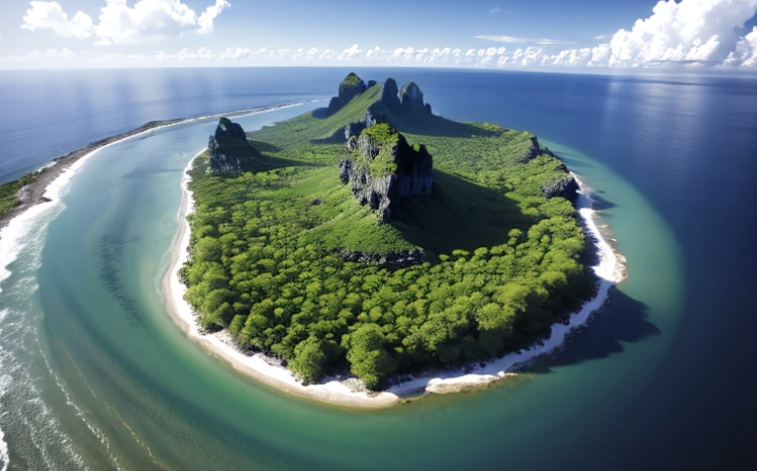
Stranded on a Deserted Island With Two Broken Legs and No One Around to Help? Here’s How You Stay Alive
Let’s get one thing straight: survival is not about strength, speed, or heroics. It’s about decision-making under pressure. If you are stranded on a deserted island with two broken legs, mobility is gone, rescue is uncertain, and pain is constant. Panic will kill you faster than dehydration if you let it. The good news? Humans have survived worse with less — but only when they follow priorities, not emotions.
This scenario strips survival down to its rawest form. No hiking for help. No building elaborate shelters. No chasing food. Everything you do must be deliberate, efficient, and brutally realistic.
Here’s how you stay alive.
Step One: Accept the Situation and Control Shock
The moment you realize both legs are broken, survival becomes mental before it becomes physical.
Broken bones introduce three immediate threats:
Shock
Infection
Dehydration
Do not move unless absolutely necessary. Uncontrolled movement increases internal bleeding and worsens fractures. Slow your breathing. Elevate your legs slightly if possible and stabilize them using anything available — driftwood, broken branches, belts, clothing, or vines. Immobilization isn’t about comfort; it’s about preventing further damage.
Pain will cloud judgment. You must consciously slow your thoughts. Survival isn’t urgent motion — it’s calm management.
Step Two: Secure Water Before Anything Else
You can survive weeks without food. You may not survive three days without water — especially in heat.
Since you cannot walk, water must come to you or be collected within crawling distance.
Water options to prioritize:
Rainwater (highest priority)
Coconut water (if available)
Solar stills
Morning dew collection
If you’re near the shoreline, do not drink seawater. That mistake ends survival fast.
Use clothing, leaves, shells, or hollowed coconuts to collect rainwater. If rain isn’t immediate, create a basic solar still using plastic debris, vegetation, and a container. Even minimal daily water intake dramatically improves survival odds.
Dehydration kills quietly. Solve water first, or nothing else matters.
Step Three: Prevent Infection Like Your Life Depends on It (Because It Does)
Broken legs in a tropical or coastal environment invite infection — which can kill even if rescue eventually comes.
If bones are exposed, do not attempt to reset them unless trained. Focus on cleaning wounds using the cleanest water available. Saltwater can be used cautiously to flush debris if nothing else exists, but freshwater is better.
Cover wounds with clean fabric, leaves with antimicrobial properties (if known), or improvised bandages. Change coverings daily if possible.
Flies, sand, and moisture are your enemy. Infection will drain your strength and clarity long before hunger does.
Step Four: Create Shade and Shelter Without Standing
Exposure is the silent killer most people underestimate.
Direct sun, wind, or rain will sap your energy and worsen injuries. Your shelter does not need to be impressive — it needs to:
Keep you shaded
Keep you dry
Reduce wind exposure
Use driftwood, fallen palm fronds, leaves, or wreckage to create a low-profile lean-to within arm’s reach. Crawl only if necessary. Every movement costs calories and pain.
If nights are cold, insulate the ground beneath you with leaves, seaweed (dried), or debris. The ground will drain body heat faster than air.
Step Five: Food Is Secondary — But Still Important
With broken legs, hunting and foraging are limited. This is where patience and realism keep you alive.
Low-effort food sources:
Coconuts
Shellfish trapped by tides
Crabs caught using bait and simple traps
Seaweed (certain edible varieties)
Avoid anything you cannot confidently identify as edible. Poisoning yourself ends the story quickly.
Your goal is maintenance, not strength. Small, reliable calories beat risky foraging every time.
Step Six: Manage Energy Like a Finite Currency
Every action has a cost. With injuries, that cost multiplies.
Rules to live by:
Do not move unless the reward outweighs the risk
Rest whenever possible
Perform tasks during cooler hours
Avoid unnecessary exposure to sun
Pain management matters. Slow breathing, controlled movement, and minimizing stress reduce shock and energy drain.
Survival favors those who last, not those who rush.
Step Seven: Signaling for Rescue Is a Daily Job
You are not escaping the island on broken legs. Rescue must come to you.
Make yourself visible.
Effective signaling methods:
Signal fires (three is the universal distress signal)
Reflective surfaces (metal, mirrors, glass)
Ground symbols visible from the air
Smoke during daylight
Build signals early, then maintain them. Do not wait until you “feel better.” Rescue windows are unpredictable, and missed opportunities are fatal.
Step Eight: Protect Your Mind — Isolation Is a Threat
Mental collapse ends survival even when the body could endure longer.
You must maintain structure:
Keep a daily routine
Track time by sun and tide
Set small achievable goals
Talk out loud if necessary
Hope is not wishful thinking — it’s discipline. You survive by believing rescue is possible and behaving like it’s coming.
People don’t die because they’re alone. They die because they stop trying to stay alive.
Step Nine: Prepare for Long-Term Survival, Not Comfort
If days pass without rescue, your focus shifts from emergency to endurance.
Improve your shelter incrementally. Improve water collection. Improve signaling. Do not gamble on dramatic solutions.
Your legs may not heal fully, but immobilization, reduced infection, hydration, and nutrition improve survival odds dramatically over weeks.
History proves this: humans survive impossible injuries when they manage priorities correctly.
Final Thoughts: Survival Is a Skill, Not a Miracle
Being stranded on a deserted island with two broken legs is not a movie scene — it’s a brutal math problem. Water, infection control, shelter, signaling, and mental discipline determine the outcome.
This is why survival prepping matters. Not because you expect disaster — but because you understand reality doesn’t ask permission.
You don’t survive by being fearless. You survive by being prepared, patient, and relentless.
And in the end times — or on a forgotten island — that mindset is the difference between a story told and a story ended.
As survival preppers in Oklahoma, we know that being prepared for anything is the key to survival. Whether it’s the unpredictable weather, the occasional tornado, or just wanting to disconnect from modern society and hone our self-reliance skills, finding the right camping spots is essential. This state, with its vast wilderness, hidden lakes, dense forests, and rugged terrain, offers plenty of opportunities to practice bushcraft, test your gear, or just get away from it all. Here’s a breakdown of the 30 best campsites in Oklahoma that every survivalist should check out, along with some tips on how they can be used for prepper training.
Located in southeastern Oklahoma, Beavers Bend is an ideal spot for survivalists who are interested in honing their skills around water. The park has two pristine lakes and the Mountain Fork River, giving preppers the opportunity to practice fishing, water filtration, and building shelters near water sources. Its dense woods also provide great opportunities to learn how to forage and create hidden campsites.
2. Robbers Cave State Park
Robbers Cave is famous for its rugged terrain and historical significance. The park, located in the Ouachita Mountains, is perfect for anyone who wants to practice navigation in difficult terrain. There are plenty of caves, rocky outcrops, and thick woods to explore. This is a great place to practice creating stealthy hideouts, learning to blend in with the environment, and improving overall bushcraft skills.
3. Oxley Nature Center
For those who prefer a more minimalist approach to survival prep, Oxley Nature Center in Tulsa’s Oxley Nature Preserve is a good spot. It has a great mix of woodland, prairie, and wetland environments. The park is perfect for learning how to purify water, find edible plants, and build shelter in diverse ecosystems.
4. Lake Murray State Park
This massive park located in southern Oklahoma offers access to camping sites near both forest and water. It’s a great place to practice long-term survival skills, such as food storage, campfire maintenance, and wilderness navigation. With over 12,500 acres to explore, you’ll have the space to test different survival strategies.
5. Wichita Mountains Wildlife Refuge
The Wichita Mountains are some of the most challenging and rewarding terrains in Oklahoma. This area offers plenty of diverse ecosystems, from grasslands to dense forests and rocky hills. A true test for any prepper, it provides everything you need to practice water collection, building shelters in harsh conditions, and survival in a mountainous environment. It’s ideal for longer trips as you can practice long-term preparedness.
6. Quartz Mountain Nature Park
Quartz Mountain, located in southwestern Oklahoma, is a beautiful spot for practicing bushcraft in rocky, mountainous terrain. The area is known for its sharp cliffs, caves, and abundant wildlife. Perfect for learning rock climbing, creating improvised shelters from natural materials, and simulating scenarios where you might need to survive in the wilderness for extended periods.
7. Red Rock Canyon State Park
Just north of Oklahoma’s border with Texas, this park has dramatic red rock formations, rugged terrain, and plenty of opportunities to practice desert survival skills. It’s a great spot for testing your ability to find and purify water, build fires in windblown areas, and create sun shelters. You’ll also have the chance to experiment with a variety of food procurement methods, from fishing to trapping.
8. Roman Nose State Park
Roman Nose, located in the northwest part of the state, is a great place to practice water survival. The park features a deep canyon with a freshwater lake, making it an ideal location to practice water purification techniques, setting up primitive shelters, and learning how to use the terrain to your advantage. With its diverse terrain, Roman Nose is a fantastic place to put your skills to the test.
9. Beavers Bend Wilderness Area
Separate from the state park itself, the Beavers Bend Wilderness Area is a remote location within the Ouachita Mountains. This area is far from any major highways and is perfect for those looking to disappear off the grid for a while. Its isolation makes it an excellent spot for learning survival in solitude, honing fire-starting techniques, and practicing stealthy movement in thick forests.
10. Great Salt Plains State Park
Located in northwestern Oklahoma, the Great Salt Plains is a truly unique environment. It’s perfect for learning how to survive in a desert-like landscape, with little shade, limited fresh water, and harsh conditions. Preppers can practice saltwater filtration, trapping, and testing their resilience in extreme weather conditions.
30 More Oklahoma Camping Sites for Survival Preppers
Little Sahara State Park
Talimena State Park
Lake Thunderbird State Park
Sequoyah State Park
Hefner Lake Park
Tenkiller State Park
Spavinaw Hills State Park
Broken Bow Lake
Grand Lake State Park
Copan Point
Murray Hills Trail
Turner Falls Park
Pinnacle Hills Campground
Chickasaw National Recreation Area
Boiling Springs State Park
Cedar Lake Campground
Greenleaf State Park
Chickasha Lake Park
Sulphur Creek Campground
Kerr Lake
Lake Eufaula State Park
Wister State Park
Beaver’s Bend Wilderness
Cherokee Landing State Park
Wichita Mountains
Red Slough Wildlife Management Area
Oklahoma City Lake Overholser
Lake Hudson
The Three Rivers Area
Rock Creek Campground
How Preppers Can Utilize These Campsites for Training
Each of these campsites offers unique survival training opportunities. Here’s how preppers can use them to build their skills:
Water Procurement & Filtration: Many parks, like Beavers Bend and Wichita Mountains, feature natural water sources where preppers can practice collecting and purifying water using different methods. Knowing how to filter and store clean water is one of the most important survival skills.
Shelter Building: Robbers Cave and Lake Murray offer dense woods that make for great areas to build shelters using natural materials. Knowing how to construct a shelter that can protect you from the elements, especially in harsh weather, is critical for long-term survival.
Firecraft: Practicing fire-starting in areas with harsh winds and damp conditions, like Roman Nose or the Wichita Mountains, will ensure you know how to start a fire under less-than-ideal circumstances. Firecraft is an essential skill for warmth, cooking, and signaling for help.
Foraging & Hunting: Oklahoma’s parks are teeming with edible plants, fruits, and wild animals. Whether you’re foraging for mushrooms in the forests of Robbers Cave or hunting small game at Tenkiller State Park, these sites provide real-world opportunities to hone your foraging and hunting skills.
Navigation & Mapping: Remote locations like the Beavers Bend Wilderness Area or the Great Salt Plains State Park are excellent for practicing navigation using a map and compass. Knowing how to navigate in the wilderness is critical in case you ever get lost.
Conclusion
For survival preppers living in Oklahoma, the state offers a wide range of natural environments to practice essential survival skills. Whether you’re an experienced prepper or just getting started, Oklahoma’s diverse terrains—from rugged mountains to dense forests to open plains—provide the perfect training ground for all your survival needs. Plan your next camping trip wisely, and remember that each of these campsites offers something unique that can be utilized in your survival training.
As a survival prepper living in the great state of Kansas, you know the importance of preparation. From tornadoes to unpredictable weather shifts, Kansas can test the mettle of even the most seasoned survivalists. That’s why it’s crucial to know where to camp, train, and test your skills in the wilderness. Whether you’re preparing for the worst or just getting out into nature to hone your survival skills, Kansas offers some of the best and most accessible campsites for preppers.
Here’s a guide to 20 of the best camping sites in Kansas that will get you prepared for anything, all while offering a great chance to experience the heart of the Midwest in its most raw and natural form.
1. Tuttle Creek State Park
Tuttle Creek State Park, located near Manhattan, offers 1,200 acres of pristine camping grounds. If you’re looking to practice water purification techniques or just enjoy the outdoors, Tuttle Creek’s proximity to the Kansas River makes it an ideal location. The park is large enough to escape the crowds, but not so remote that you’ll find yourself totally off the grid. Whether you’re testing your shelter-building skills or practicing fire-starting, Tuttle Creek provides everything a prepper needs in a campsite.
2. Wilson State Park
For those who want a rugged, isolated environment for survival training, Wilson State Park is an excellent choice. The park’s secluded campgrounds by the scenic Wilson Lake are ideal for honing your navigation and wilderness survival skills. If you’re concerned about potential threats or simply want to simulate real-world survival conditions, this site offers all the elements you need, including nearby dense woods and open plains.
3. Perry State Park
Perry State Park is a must-visit for Kansas preppers who enjoy a combination of water and land survival. This park, located near the Perry Reservoir, offers abundant opportunities for water-based survival training, such as water filtration, fishing, and kayaking. The thick forests surrounding the park provide plenty of cover for practicing stealth and tactical movements.
4. Lake Scott State Park
If you’re preparing for survival in a semi-arid environment, Lake Scott State Park, located in western Kansas, is a prime destination. Known for its dry, rugged landscape and rocky terrain, this park simulates the challenges that can arise in extreme conditions. From shelter-building techniques to the need for water conservation, Lake Scott provides the perfect environment for learning how to thrive in tough, desert-like conditions.
5. Elk City State Park
This is one of the best spots in Kansas for preppers who are looking to build a solid foundation in wilderness survival. Elk City State Park is located in the southeastern part of the state and offers a great mix of forest and lake environments. It’s perfect for practicing shelter-building, gathering resources, and water collection. The thick woods offer great cover for stealth movements and tactical exercises.
6. Big Hill Lake
Nestled in the southeast corner of Kansas, Big Hill Lake is a hidden gem for preppers looking to escape into nature and practice survival techniques. Whether you’re perfecting your fire-starting skills or experimenting with hunting and fishing, Big Hill Lake provides a diverse landscape to work with. The wooded areas surrounding the lake offer great opportunities for practicing stealth, navigation, and resource management.
7. Kansan State Park
Kansan State Park is known for its rugged terrain and seclusion, making it a prime spot for preppers looking to train in wilderness survival. With plenty of hiking trails and an abundance of wildlife, this park offers a mix of environments that will keep you on your toes. Its isolation also offers the chance to simulate real-world survival conditions with minimal human interference.
8. Cedar Bluff State Park
Cedar Bluff State Park is one of Kansas’ hidden treasures, located in the western part of the state. The park is home to a series of bluffs, canyons, and creeks that make it a perfect place for testing your survival knowledge. It’s a great spot for practicing water filtration, purifying food, and testing various wilderness techniques. Its remote location provides the solitude you need to hone your skills and perfect your self-reliance.
9. Flint Hills National Wildlife Refuge
For preppers looking for a truly wild experience, the Flint Hills National Wildlife Refuge offers expansive prairie lands and is home to a wide variety of wildlife. The vast, open spaces are perfect for practicing long-range navigation, identifying natural resources, and testing your skills in camouflage and survival tactics. The absence of many man-made structures in the area also gives you a genuine “off-the-grid” experience.
10. Rock Creek Station State Park
Rock Creek Station State Park, located in the heart of the state, offers a variety of terrain perfect for prepping. It’s great for survivalists who want to practice camping in diverse conditions, from forests to grasslands. The park also has historical significance, making it an excellent choice for preppers interested in learning about early American survival tactics while testing modern skills.
11. Kanopolis State Park
Kanopolis State Park is known for its picturesque scenery and diverse wildlife. It offers rugged, hilly terrain that will challenge even the most experienced preppers. Whether you’re working on land navigation, wilderness shelter building, or honing your fishing skills, Kanopolis State Park provides the space and variety to test a variety of techniques.
12. Cheyenne Bottoms Wildlife Area
Cheyenne Bottoms is a natural wetland area in central Kansas, making it a prime spot for learning and practicing water-based survival skills. It’s perfect for testing your knowledge of survival tactics that require access to water, including fishing, water purification, and navigation. This area is great for preppers who are focused on developing their knowledge of aquatic survival.
13. Wilson Lake Shoreline
If you’re looking for a secluded place to practice everything from shelter building to water purification, the Wilson Lake Shoreline is one of the best options in Kansas. This area is perfect for preppers who want to stay close to water while honing their outdoor survival skills. With miles of shoreline and plenty of natural cover, this spot offers a perfect balance of challenge and accessibility.
14. Sand Hills State Park
Located in central Kansas, Sand Hills State Park offers a unique opportunity to practice survival techniques in an arid, desert-like environment. The park’s sandy terrain, dry brush, and scarce water make it an excellent place for testing your skills in managing resources and adapting to tough conditions. Whether you’re practicing basic survival skills or working on long-term sustainability, this park is a challenging environment that will put your preparation to the test.
15. Smoky Hill River State Park
Situated in central Kansas, Smoky Hill River State Park is an ideal location for preppers who want to test their wilderness survival skills in a rugged, rocky environment. The terrain varies from wide open grasslands to tree-filled areas along the river, offering opportunities to work on shelter-building, water purification, and general survival tactics.
16. Troy City Park
If you’re looking for a smaller, more intimate setting to practice survival, Troy City Park offers a peaceful, less crowded environment for honing your skills. Located in the northeast part of the state, this park offers hiking trails, wildlife, and water features that make it ideal for preppers to practice essential survival techniques like navigation, water collection, and fishing.
17. Hillsdale Lake
Hillsdale Lake is another great spot for survival preppers in Kansas, especially if you want to practice water-based survival skills. The lake offers plenty of opportunities for fishing, water filtration, and other aquatic survival techniques. The surrounding area is wooded, making it an excellent place for setting up camp and practicing your wilderness skills.
18. Lake Melvern
Melvern Lake, located in eastern Kansas, offers a peaceful setting for preppers looking to practice everything from fishing and water purification to shelter building and navigation. The wooded areas surrounding the lake provide plenty of natural cover, while the lake itself offers ample opportunities for testing water survival techniques.
19. Meade State Park
Meade State Park is perfect for preppers who want to get away from it all and practice essential survival techniques. Located in the southwestern part of the state, this park features rugged, isolated terrain that provides the ideal setting for building shelters, gathering resources, and learning survival skills without distractions.
20. Lakeside Hills
Lakeside Hills is a quiet, secluded campground in the northeastern part of the state, offering wooded terrain and ample opportunities for preppers to practice basic wilderness survival skills. It’s a great spot for those looking to set up camp in a remote setting and simulate survival conditions in a low-stress environment.
Conclusion: Mastering Survival in Kansas’ Best Campsites
As a survival prepper in Kansas, you understand the critical need to stay prepared for a wide range of scenarios, from severe weather events like tornadoes to grid failures or even a longer-term survival situation. The state of Kansas, with its unique mix of prairies, forests, lakes, and rugged terrain, offers a perfect training ground for honing survival skills that could make all the difference when disaster strikes. Whether you’re practicing fire-starting techniques, perfecting your shelter-building abilities, or learning how to purify water from nearby lakes and rivers, Kansas’ diverse campsites provide the ideal environment to push your survival abilities to their limits.
Each of the campsites featured in this guide represents an opportunity to immerse yourself in nature and practice life-saving skills that are essential for every prepper. From the dense forests of Perry State Park to the arid, rugged beauty of Lake Scott State Park, these sites allow you to test your resourcefulness, adaptability, and ability to thrive in a variety of environments. Whether you’re looking for seclusion, water-based survival training, or a combination of both, Kansas offers diverse landscapes to meet every prepper’s needs.
Moreover, many of these parks and campsites are situated in remote or semi-remote areas, which gives you the opportunity to simulate real-world survival conditions where communication and outside help may not be readily available. Practicing in these isolated locations will help you refine critical skills like navigation, food procurement, water sourcing, and creating effective shelter — all fundamental aspects of survival that can be relied upon in an emergency.
While these campsites are perfect for honing your individual survival skills, they also offer valuable opportunities to train with family or fellow preppers. The knowledge and skills you gain in these natural environments can also be shared with others, helping you build a community of like-minded individuals who are just as focused on self-sufficiency and preparedness.
Kansas’ camping destinations also offer an added benefit that’s often overlooked in survival preparation: they allow for rest and mental clarity. A survival situation isn’t just about physical endurance — it’s about mental strength and the ability to make clear decisions under pressure. By taking the time to camp in these beautiful yet challenging locations, you can improve your focus, adaptability, and ability to stay calm in high-pressure situations. This mental toughness will be invaluable when faced with unexpected crises.
Ultimately, the key to survival lies in the ability to adapt and respond to the unexpected. As a prepper in Kansas, these campsites are your testing ground. They allow you to simulate various disaster scenarios, practice emergency protocols, and prepare yourself for whatever comes your way. From long-term camping to quick weekend getaways, these campsites provide the perfect backdrop to keep sharpening your skills, testing new gear, and continuously improving your preparedness plan.
Whether you’re just starting your prepper journey or are an experienced survivalist looking for new training grounds, Kansas offers some of the best and most versatile campsites for your needs. So grab your gear, prepare for the unexpected, and head out to one of these top campsites to start building the skills that will ensure you’re ready for whatever the future holds. Remember, survival isn’t just about having the right tools — it’s about the knowledge, skills, and experience you acquire along the way. Make the most of these Kansas camping sites, and you’ll be better prepared for anything the world may throw at you.
Master Survival Techniques at These 30 Maryland Campsites
Living in Maryland, a state rich in diverse landscapes, from the Allegheny Mountains to the Chesapeake Bay, presents a unique opportunity for survival preppers to practice their skills in real-world conditions. Whether you’re looking for a place to test your wilderness survival abilities or just want to disconnect and enjoy nature, Maryland offers some of the best camping sites to explore. These sites provide everything from remote, rugged terrain to well-maintained campgrounds with facilities, allowing you to sharpen your skills in various environments. As survival preppers, we know that being prepared in the wilderness is more than just setting up a tent; it’s about understanding your surroundings, honing your self-reliance, and learning how to thrive in the wild.
Here are 30 of the best campsites across Maryland that offer the perfect setting for survival prepper training.
1. Catoctin Mountain Park
Located in the northern part of the state, this area offers challenging terrain and isolation. Ideal for testing your navigation and shelter-building skills, Catoctin Mountain Park provides an authentic wilderness experience.
2. Patapsco Valley State Park
With its dense woods and rugged terrain, Patapsco is perfect for long hikes, shelter building, and foraging practice. It also offers excellent river access for water purification and fishing.
3. Green Ridge State Forest
Green Ridge is a secluded and vast forest, ideal for a full survival test. The area is known for its remote campsites, diverse wildlife, and trails that are perfect for wilderness navigation.
4. Seneca Creek State Park
This park has a variety of landscapes, from woodlands to wetlands, providing a great opportunity to practice your water purification techniques and wildlife tracking.
5. Piney Run Park
A hidden gem located in Carroll County, this park is perfect for fishing, survival hunting practice, and learning how to navigate through dense woods.
6. Assateague State Park
Famous for its wild horses, Assateague offers unique beach survival scenarios. Learn how to gather food from the sea, purify saltwater, and set up camp in coastal conditions.
7. Gathland State Park
Located in the Appalachian Mountains, Gathland offers scenic views and challenging terrain, making it a perfect location for advanced survivalists to practice their skills in elevation and weather awareness.
8. New Germany State Park
In the Alleghenies, New Germany is a great location for those wanting to practice cold-weather survival. It offers trails, a lake for water purification practice, and dense woods for shelter-building.
9. Rocky Gap State Park
This park provides the perfect combination of hiking, fishing, and survival training in the mountainous terrain of western Maryland. You’ll find plenty of areas for shelter practice and an abundance of wildlife to study.
10. Cascade Falls
Cascade Falls in the Patapsco Valley is a more secluded area, offering great opportunities for stealth camping and honing your skills in creating fire in wet conditions.
11. Savage River State Forest
This vast forest offers secluded areas for you to practice advanced survival techniques like trapping, foraging, and building a fire in harsh conditions.
12. Herrington Manor State Park
In the western part of the state, Herrington Manor offers colder, rugged terrain perfect for winter survival. The area’s remote environment allows for practice in true isolation.
13. Calvert Cliffs State Park
For those who want to learn about coastal survival, Calvert Cliffs offers access to cliffs and beaches, providing the perfect location for shell fishing, saltwater purification, and practicing watercraft navigation.
14. Tuckahoe State Park
Located on the Eastern Shore, Tuckahoe provides a rich opportunity to practice freshwater survival and fishing skills, alongside deep woodlands to practice navigation.
15. Elk Neck State Park
With stunning views of the Chesapeake Bay and plenty of terrain to explore, this park allows for both coastal and woodland survival training, making it a great spot for practicing shelter construction and navigation.
16. Youghiogheny River Lake
This remote area, perfect for water survival skills, is situated in western Maryland. Here, you’ll find an abundance of water bodies, providing both fishing and freshwater purification opportunities.
17. Big Run State Park
Known for its dense forests and peaceful surroundings, Big Run is perfect for solitude and honing your survival techniques, especially in dense, hard-to-navigate environments.
18. Fort Frederick State Park
A historical park with a rich history, it also offers extensive areas of wilderness for survival training. This is a perfect place for practicing long-term survival skills.
19. Sandy Point State Park
Located on the shores of the Chesapeake Bay, this park offers both wooded areas and beaches. It’s ideal for survivalists looking to train in diverse environments.
20. Western Maryland Rail Trail
For preppers wanting to mix hiking with survival training, the Western Maryland Rail Trail provides miles of natural landscape perfect for navigation practice.
21. Cunningham Falls State Park
Known for its waterfall and steep terrain, Cunningham Falls provides a challenge for hikers and survivalists who need to practice advanced survival skills such as wilderness first aid and building makeshift shelters.
22. Deep Creek Lake State Park
The largest freshwater lake in Maryland, Deep Creek offers ample space for fishing, canoeing, and water survival training. The surrounding woods provide plenty of areas for shelter-building practice.
23. Rock Creek Park
Located near Washington, D.C., Rock Creek Park offers a more urban option for those looking to practice survival skills without venturing far from the city. Great for stealth camping and creating a bug-out location.
24. Blackwater National Wildlife Refuge
This sprawling wetland area is perfect for waterfowl hunting practice, tracking wildlife, and learning how to handle swampy, lowland areas that could serve as potential survival zones in an emergency.
25. Bristow Park
Bristow offers dense woodlands and secluded trails that are perfect for learning navigation, shelter building, and wildlife tracking.
26. Manassas National Battlefield Park
For preppers interested in practicing their skills in a historical setting, this park offers both a tactical environment for movement and shelters in a wooded area for solitude.
27. Sideling Hill
Located in the Appalachian Mountains, this area offers rugged terrain with limited accessibility. It’s great for testing your ability to survive in tough conditions, especially high altitudes.
28. Pocomoke River State Park
A swampy, lowland area perfect for testing water purification and fishing skills. Pocomoke is great for preppers looking to practice survival in wet conditions.
29. Point Lookout State Park
This park offers a mix of coastal and forested areas, ideal for waterborne survival, beach camping, and practicing shelter building with limited resources.
30. Charles County Regional Park
A little-known park in southern Maryland, it offers diverse terrain, wooded areas, and open fields that are perfect for survival training.
Conclusion: The Perfect Survival Prepper Locations
Maryland offers a diverse range of landscapes for survival preppers to hone their skills. Whether you’re practicing water purification along the Chesapeake Bay, building shelters in dense forests, or hiking through the mountains, these 30 campsites provide everything a prepper needs to build self-reliance and thrive in the wilderness. Each location offers unique challenges, and the variety of terrains ensures that you’ll be able to practice all aspects of survival, from hunting and fishing to shelter building and navigation.
These camping sites aren’t just great places to visit—they’re the perfect testing grounds for anyone serious about being prepared for anything that comes their way.








 TheDailyChristian