Survival Prepper’s Ultimate Guide to the Best Camping Sites in Utah
As a survivalist, being prepared is a lifestyle, and one of the most important elements of survival prep is knowing where to go when the world as we know it might shift into chaos. For us preppers living in the great state of Utah, we have the advantage of an expansive wilderness that stretches from rugged deserts to high mountain ranges. Whether you’re preparing for the worst or you’re just looking for a weekend getaway to practice your survival skills, Utah offers some of the best camping spots to test your mettle.
1. Utah’s Natural Fortress: The Best Campsites for Preppers
Utah is home to a diverse range of camping sites that cater to survivalists looking to hone their skills in a variety of environments. From the dense, evergreen forests in the north to the desolate and isolated deserts in the south, Utah’s topography presents the ultimate challenge for any prepper looking to practice self-sufficiency, bushcraft, and survival techniques. Here are 30 of the best spots for camping, where you can perfect your skills and prepare for anything life throws your way.
2. Top 30 Camping Sites for Survival Preppers in Utah
Zion National Park – This iconic park offers a mix of canyons, plateaus, and mountains. It’s perfect for learning desert survival skills while surrounded by rugged landscapes.
Arches National Park – Known for its incredible red rock formations, this park also offers excellent areas for backcountry camping.
Canyonlands National Park – This massive park is perfect for long-term survival training with isolated, rugged terrain.
Capitol Reef National Park – A hidden gem, Capitol Reef offers solitude, extensive trails, and areas where you can practice wilderness survival away from the crowds.
Great Salt Lake – The salt flats and desert surrounding the Great Salt Lake provide an opportunity to test your skills in harsh, barren conditions.
Fishlake National Forest – Known for its lush forests, this area is ideal for learning the art of foraging and living off the land.
Antelope Island State Park – Perfect for dry conditions and desert survival, this park offers a mix of wildlife and isolation.
Tushar Mountains – Located in central Utah, these mountains offer high-altitude challenges that prepare you for cold-weather survival.
Wasatch Mountains – Close to Salt Lake City, the Wasatch offers easy access to both alpine and wilderness environments.
Mirror Lake Scenic Byway – A beautiful and peaceful place to practice long-range camping with stunning views of alpine lakes and mountains.
Bear Lake State Park – Surrounded by forests and hills, Bear Lake is a good option for prepping in a mix of aquatic and wooded environments.
Desolation Wilderness – Offering steep terrain and tricky navigation, this spot challenges even the most seasoned survivalists.
Red Cliffs Desert Reserve – Near St. George, this area gives you the chance to practice desert navigation, shelter building, and fire-starting techniques.
Willard Bay State Park – This bay area can help you practice water survival tactics and fishing.
Fremont Indian State Park – Explore desert terrain and learn to survive in extreme conditions while experiencing ancient cultural sites.
Pine Valley Mountains – This high-elevation mountain range provides remote locations ideal for survivalists seeking solitude and fresh water sources.
Goblin Valley State Park – Known for its unique rock formations, this park offers great opportunities to practice stealth camping and shelter building.
Boulder Mountain – This remote mountain area is perfect for those who want a combination of rugged terrain, seclusion, and testing your survival instincts.
Dead Horse Point State Park – Famous for its striking desert landscape, this spot challenges campers to master desert survival and navigation techniques.
Fishlake Basin – Known for its rugged terrain and high-altitude lakes, Fishlake Basin allows you to test both mountain and water survival skills.
Mill Creek Canyon – With dense forest and easy access, Mill Creek Canyon is an excellent site for learning shelter building and foraging in a forest environment.
The Henry Mountains – For those wanting to test their ability to survive in the wildest, most remote regions of Utah, the Henry Mountains offer a true survivalist’s challenge.
Lake Powell – While Lake Powell’s famous for its water activities, it’s also a prime location for survivalists looking to practice primitive skills.
Kolob Canyons – A remote part of Zion, Kolob Canyons is less visited, allowing you to practice long-term survival in solitude.
Willard Peak – Ideal for mountaineering preppers, this mountain offers incredible views, challenging terrain, and isolation.
Fishlake National Forest – This vast forest offers a mix of terrain, including alpine lakes, meadows, and rugged hills perfect for preppers.
La Sal Mountains – Known for their rugged beauty, the La Sals offer a chance to practice survival in high-altitude, wooded environments.
The Maze – This remote area of Canyonlands National Park is an excellent location for true wilderness survival with little to no human contact.
East Canyon State Park – A great choice for prepping in a more temperate zone, East Canyon offers forested areas, hiking trails, and water for testing survival tactics.
Huntington Canyon – With its thick forests and access to streams, this is a great place to practice foraging, fishing, and other vital survival skills.
3. Why These Campsites Are Perfect for Survival Preppers
Each of these 30 campsites has been carefully selected because they offer unique survival challenges and opportunities. Whether you’re interested in mastering fire-starting techniques, honing your shelter-building skills, or learning to navigate harsh desert environments, these spots provide the perfect backdrop for training and practicing the essential skills you’ll need in a survival situation. These locations also give preppers a chance to test their resourcefulness, whether by fishing, foraging, or building sustainable shelters with the natural materials available in each area.
Utah’s topography allows for every type of survival training imaginable. From mountain environments where you can hone your winter survival tactics, to desert landscapes that will help you learn the art of water conservation and finding food in arid conditions, the state offers a variety of challenges.
4. Prepping for the Worst
While the camping sites mentioned are great for a weekend getaway or a training camp with your fellow preppers, they also provide real-world testing grounds for more serious prepping. From wilderness survival to long-term off-grid living, these sites will prepare you for a variety of emergencies. They allow you to test gear, practice primitive techniques, and sharpen your skills, all while being in environments that will push your limits.
Some of these locations also provide the added benefit of being remote enough to help you practice isolation tactics. They allow you to test your ability to stay self-sufficient for extended periods of time, with minimal interaction with the outside world.
5. Making the Most of Your Survival Training
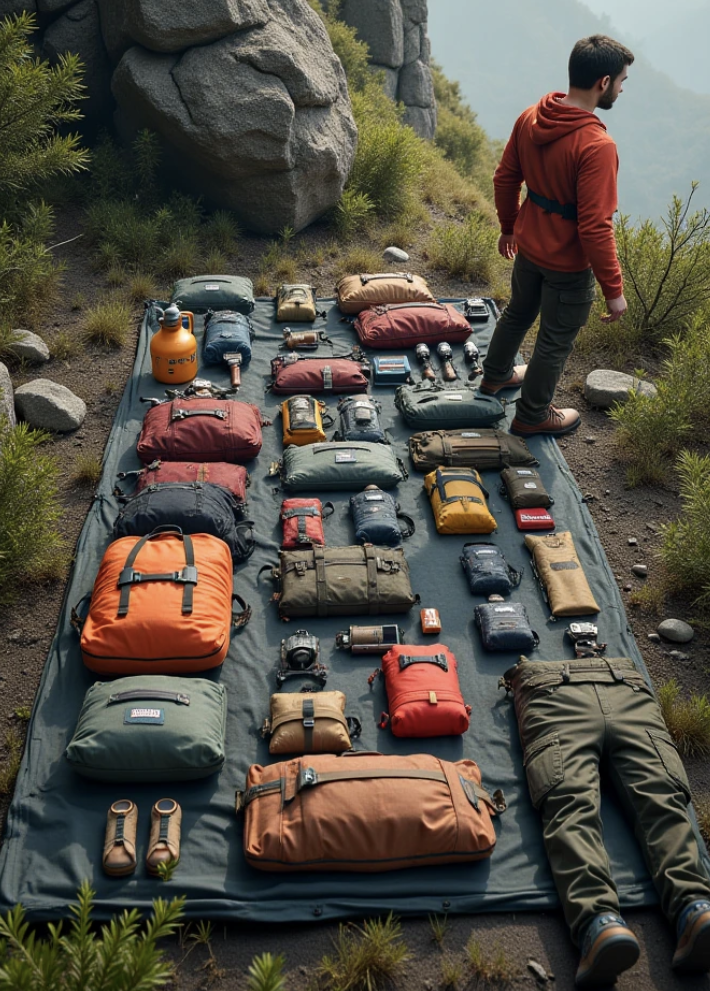
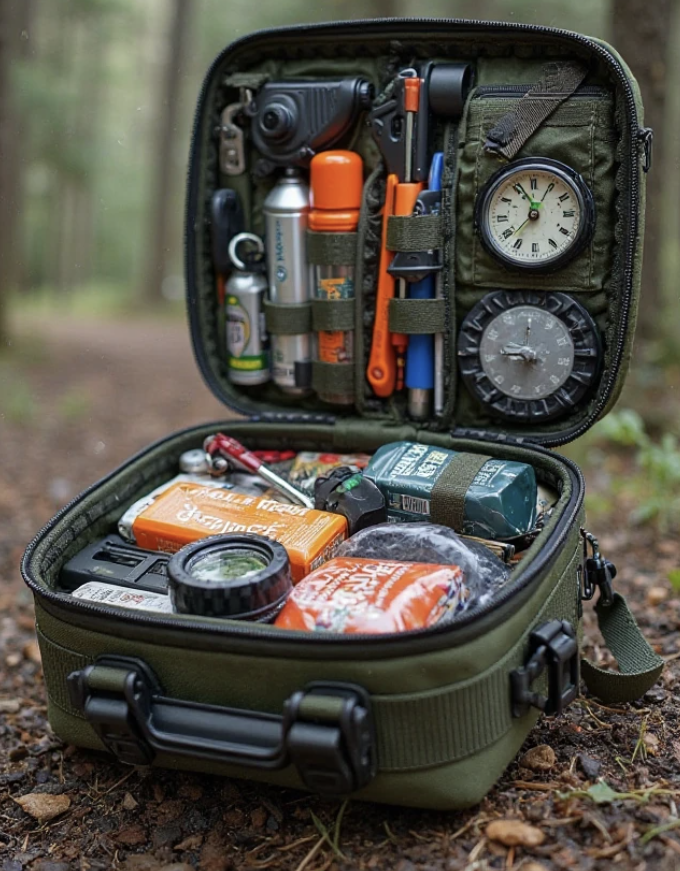
Before you head out to any of these campsites, be sure to pack the essentials: a good survival knife, fire-starting materials, a map and compass, water filtration equipment, and a reliable first aid kit. These campsites will test your resourcefulness and ability to adapt, so make sure you’re prepared for the worst-case scenario. After all, the goal is not just to survive, but to thrive when you face adversity in the wilderness.
In conclusion, Utah is an incredible state for preppers, offering diverse landscapes that will challenge your skills and prepare you for any situation. Whether you’re practicing in the backcountry or surviving in the desert, these campsites provide the perfect environment to push your survival abilities to the limit.
As preppers, we plan for the worst-case scenario. We stockpile supplies, create bug-out bags, and rehearse evacuation plans. But in the heat of the moment, with panic and adrenaline running high, things can go terribly wrong. And if you’re not careful, even the best-prepared bug-out plan can quickly turn into a nightmare.
The truth is, there are hidden hazards when bugging out—dangers that many people overlook when creating their survival strategies. These aren’t just the obvious risks like bad weather, wild animals, or hostile individuals. The real threats are often things we don’t expect, the hazards that are easy to dismiss, but which can be just as deadly in a collapse situation.
The Hidden Hazards When Bugging Out
When the time comes to bug out, you need to be prepared for more than just getting from point A to point B. The hazards of the journey and survival in the wild can be numerous, and even the smallest oversight can lead to disaster. Let’s break down some of the often-forgotten risks that can make bugging out much more dangerous than you anticipate.
1. Overpacking Your Bug-Out Bag
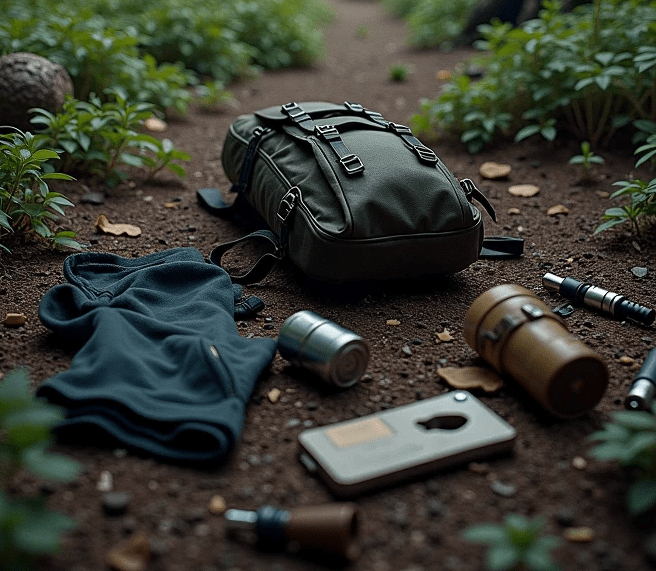
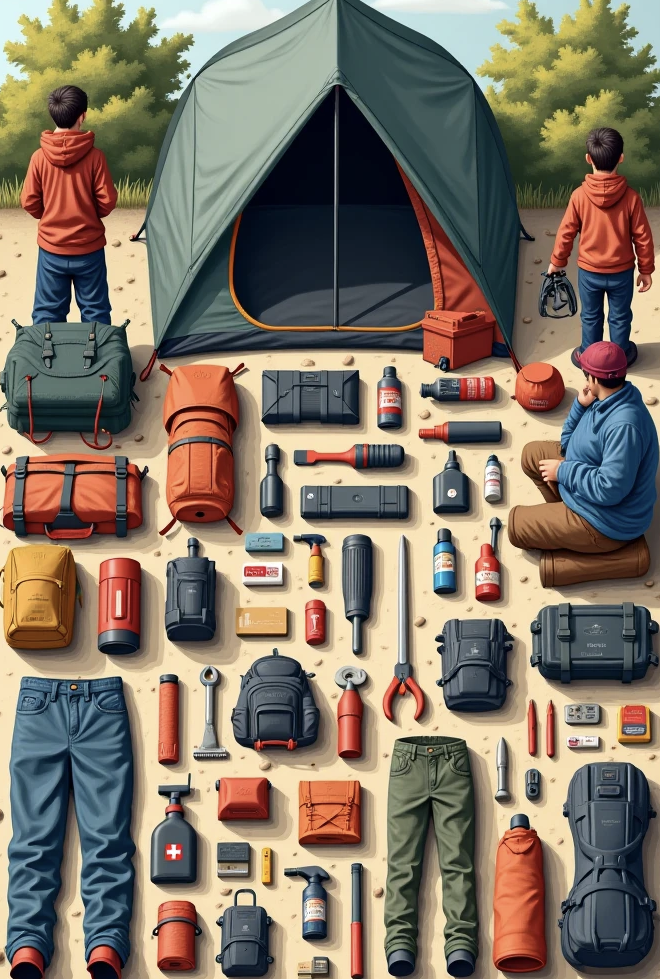
Prepper Tip #1: Don’t overpack your bug-out bag. Focus on lightweight, high-utility items. Prioritize quality over quantity.
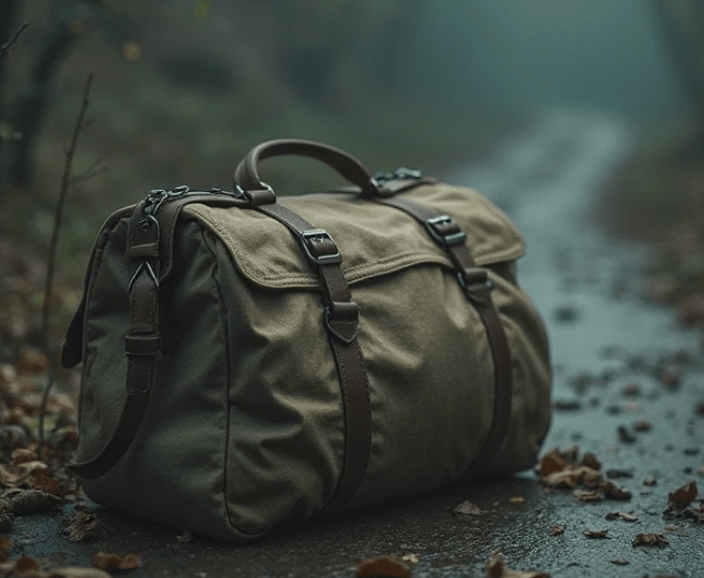
It’s easy to get excited and pack everything you think you’ll need, but this is one of the most common mistakes preppers make. A heavy, overstuffed bug-out bag can slow you down and wear you out faster than you think. You might be carrying extra weight that you don’t need, making it harder to move efficiently or even causing physical injury if you’re not used to carrying heavy loads over long distances.
When bugging out, your goal should be mobility and endurance. Focus on essential survival gear that serves multiple purposes. Choose lightweight, compact tools and space-efficient items that you can rely on. If your bag is too heavy, you’re less likely to reach your destination—and you’ll waste valuable energy and time.
2. Failing to Consider Terrain and Route
Prepper Tip #2:Scout multiple routes and plan for terrain challenges. Always have a secondary escape route.
When you’re bugging out, the route you take is just as important as the gear you carry. Terrain can be one of the most dangerous hidden hazards when you’re trying to escape from danger. You might think you know the land around you, but terrain can change drastically depending on weather, local geography, or even human interference.
Hiking through dense forests, crossing rivers, or scaling steep hills can take more time and energy than you anticipate. These challenges can not only delay your travel, but they can also exhaust you or lead to injury.
Tip: Plan your routes carefully. Avoid areas with difficult terrain, and always have a secondary route in case you run into unforeseen obstacles. When scouting, look for natural barriers like mountains or swamps that could either help you or hinder your progress, and always account for the distance and time it will take to travel through each area.
3. Not Taking into Account Wildlife Risks
Prepper Tip #3:Learn to identify dangerous wildlife and practice defensive tactics. Know which animals to avoid and how to deal with them.
Wildlife can be both a source of food and a deadly threat during a bug-out. In a survival situation, animals like deer, wild boar, and rabbits may seem like an easy food source, but you need to understand the dangers that come with interacting with wildlife. Dangerous animals—like bears, mountain lions, and wolves—can be an immediate threat if you’re not prepared to defend yourself.
Additionally, animals may carry diseases like rabies, ticks that spread Lyme disease, or parasites that can seriously affect your health. When bugging out, always be cautious of the wildlife in your surroundings. Keep a safe distance, avoid provoking animals, and know the proper defensive measures for any encounters.
4. Underestimating the Importance of Water Sources
Prepper Tip #4: Always carry a water filtration system and know how to purify natural water sources.
You can survive for weeks without food, but only a few days without water. That’s why ensuring you have access to clean, safe drinking water is one of the most critical components of a successful bug-out plan. Many preppers make the mistake of underestimating the importance of water sources and assume they’ll be able to find it when they need it.
While it’s true that there are plenty of natural water sources—rivers, streams, lakes, and springs—many of these are contaminated with bacteria, parasites, or harmful chemicals. Even if the water looks clean, it may still be unsafe to drink. Without proper filtration, you risk drinking contaminated water, which could lead to severe illness or even death.
Always carry a high-quality water filtration system in your bug-out bag, such as a LifeStraw or a portable water filter, and know how to purify water using boiling or chemical treatments if necessary.
5. Not Accounting for Food and Caloric Needs
Prepper Tip #5: Have high-calorie, lightweight food in your bug-out bag and know how to forage or hunt for more.
Food is another hidden hazard in the bug-out equation. While you may have a bug-out bag full of supplies, your food may not last as long as you think. Rationing becomes critical when you’re on the move for extended periods of time. And relying solely on packed food without considering the possibility of foraging or hunting can limit your options.
By the time you run out of food, you may find yourself stuck in an area with few edible plants or animals. Carry a variety of high-calorie, lightweight food items like energy bars, dried fruits, and trail mix. And make sure you have fishing gear or small game hunting tools like snares or traps to supplement your food supply.
6. Ignoring Medical Risks and First Aid
Prepper Tip #6: Always carry a comprehensive first aid kit and know basic wilderness medicine to treat injuries and illness on the spot.
In the wilderness, injuries or illnesses can escalate quickly. Without proper medical care, even a small cut or scrape can turn into a serious infection. Bugging out without a first aid kit is a critical mistake that could cost you your survival.
A well-stocked first aid kit is an essential part of your bug-out gear. Make sure it includes antibiotics, bandages, splints, painkillers, burn creams, and antiseptic wipes. Learn basic first aid skills like wound care, splinting fractures, and performing CPR.
7. Not Having a Good Shelter Plan
Prepper Tip #7: Pack portable shelter such as a tarp, emergency bivy sack, or tent to ensure a safe place to sleep each night.
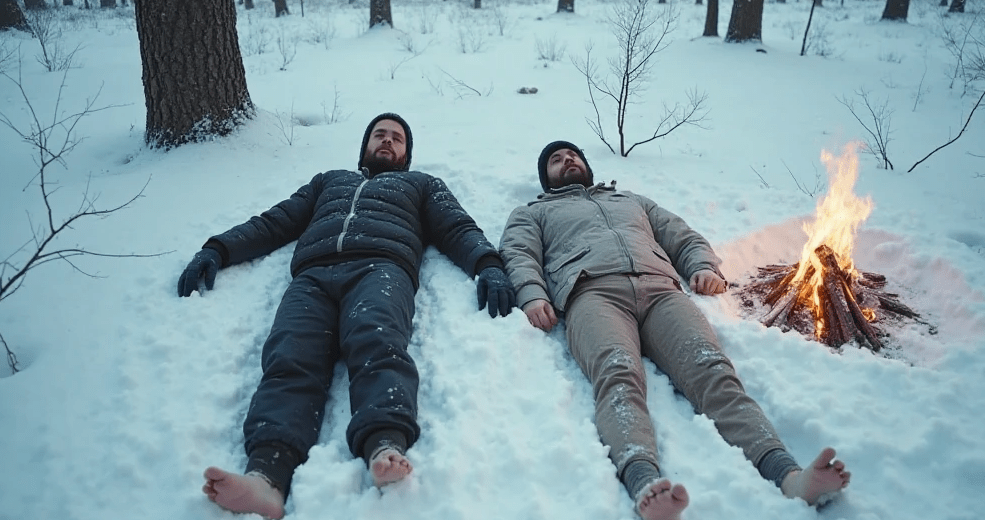
When bugging out, you may not be able to find shelter right away. Building a fire and finding a place to sleep in the wild requires careful planning. If you don’t have a pre-made shelter, such as a tent or tarp, you may find yourself exposed to the elements, which can lead to hypothermia, dehydration, and exhaustion.
Plan ahead for shelter construction, and always have a weather-resistant shelter option that will keep you protected from the elements, particularly in colder climates.
8. Underestimating the Psychological Impact
Prepper Tip #8: Mentally prepare for the psychological stress of bugging out and have a plan to stay calm under pressure.
Bugging out isn’t just physically demanding—it’s mentally exhausting. The emotional toll of leaving your home, traveling through unfamiliar territory, and dealing with constant danger can be overwhelming. Fear, panic, and anxiety can cloud your judgment, leading to rash decisions or mistakes that could cost you dearly.
Prepare your mind as much as you prepare your body. Practice mindfulness, stress management techniques, and focus on staying calm in emergency situations. Keep a positive attitude and have a clear mental strategy for handling challenges along the way.
9. Misjudging the Threat of Hostile Individuals
Prepper Tip #9: Be aware of your surroundings and always be ready for potential conflict with other survivors.
In a post-collapse scenario, other people might pose a bigger threat than wildlife. Roving bands of hostile individuals, other desperate preppers, or even those who are simply unprepared could target you for your resources. These threats can escalate quickly if you’re caught off guard.
Be mindful of your surroundings, traveling in groups if possible, and keep defensive weapons at the ready. Always be prepared to handle a confrontation—either through negotiation or force if necessary.
10. Failure to Stay Low-Key and Stealthy
Prepper Tip #10:Move quietly and avoid drawing attention to your location. Stealth is your best defense against both nature and hostile individuals.
One of the best ways to avoid drawing attention to yourself is by moving quietly and subtly. Making noise or being too flashy with your gear can alert others to your presence, making you a target. Blend in with nature and stay as discreet as possible.
Conclusion
When bugging out, the hazards are everywhere. The obvious risks like wild animals or dangerous terrain are easy to spot, but it’s the hidden dangers that can be your undoing. From underestimating the psychological toll to failing to account for wildlife or terrain risks, you must consider every aspect of your survival strategy. By preparing for the unexpected, you can increase your chances of making it to safety and surviving long enough to rebuild.
Bugging out is a risky endeavor, but with careful planning and vigilance, you can minimize the threats and maximize your chances of success.
The Best Campsites for Ohio Survival Preppers: Nature, Resources, and Strategic Retreats
When you’re living in Ohio and preparing for any number of potential disasters, you need to make sure you’re ready. Having the right camping spots in your back pocket is vital—these locations are not just great for a weekend getaway but are crucial to your preparedness strategy. Whether it’s because of a natural disaster, civil unrest, or an economic collapse, knowing where to go and what to bring is half the battle.
But let’s be real: camping in Ohio isn’t just about pitching a tent in the woods. As a prepper, you’re looking for more. You need access to freshwater, shelter from the elements, strategic positioning in case of an emergency, and an understanding of the local wildlife and plants. Fortunately, Ohio has plenty of off-the-grid campgrounds and outdoor retreats that can help you hone your survival skills while also giving you peace of mind. Below, I’m going to share 30 of the best campsites across Ohio that will not only allow you to connect with nature but also give you the opportunity to practice critical survival skills in a relatively safe and controlled environment.
So grab your bug-out bag, check your gear, and let’s dive into these Ohio survival prepper-approved camping locations.
Wayne National Forest, covering over 240,000 acres, is a survival prepper’s dream. This expansive forest offers rugged terrain, ample water sources, and plenty of natural resources to forage. The diverse landscapes—from dense woods to open grasslands—make it the perfect place to test your skills. With campsites like Lake Vesuvius and Clear Creek Campground, Wayne National Forest has plenty of options for those looking to get deep into Ohio’s wilderness.
Survival Prepper Bonus: The forest is home to several unique species of wildlife, including deer, wild turkey, and black bears, making it a prime location to practice hunting and tracking.
2. Hocking Hills State Park – Southeastern Ohio
Hocking Hills is probably one of the most popular camping areas in Ohio, and for good reason. With its dramatic cliffs, cascading waterfalls, and rich ecosystems, this park is not only beautiful but also strategic. The Old Man’s Cave area offers excellent shelter in the form of rock shelters and caves that can be utilized in an emergency scenario.
Survival Prepper Bonus: Learn how to utilize rock formations for protection against the elements and practice water purification techniques using the local streams.
3. Cuyahoga Valley National Park – Northeastern Ohio
Just outside Cleveland, this 32,000-acre national park offers everything from dense forests to open fields, making it a great prepper location. Brandywine Falls and the Towpath Trail provide water access and good paths for tracking. The park’s diverse habitats give you the chance to practice different survival skills in varied terrain.
Survival Prepper Bonus: Practice building shelters near water sources and take note of edible plants like wild mushrooms and berries.
4. Salt Fork State Park – Eastern Ohio
Salt Fork State Park is Ohio’s largest state park, with over 17,000 acres of wilderness. It has plenty of campsites spread throughout, allowing you to pick a more remote location if you’re trying to truly get away from civilization. The Salt Fork Lake can be used for water filtration experiments or fishing, and the woods provide plenty of resources for shelter and fire-building.
Survival Prepper Bonus: Plenty of game animals roam these forests, so it’s an ideal place for practicing hunting, trapping, and tracking.
5. Tar Hollow State Park – Southeastern Ohio
This park is a hidden gem for prepper types looking for a quiet, less-traveled location to hone their skills. With over 5,000 acres of forest, it’s a great place to learn how to live off the land in Ohio. The terrain is rugged and challenging, which is perfect for survival training.
Survival Prepper Bonus: If you can handle the rugged conditions here, you’ll be able to survive anywhere. It’s also a great place for practicing water purification and shelter-building techniques.
6. Mohican State Park – Central Ohio
Known for its dense forest and wild beauty, Mohican State Park is another excellent location for prepping. The Clear Fork Gorge provides a natural barrier to entry, and there’s no shortage of resources. Whether you’re hunting, fishing, or practicing foraging, you’ll find plenty to keep you busy.
Survival Prepper Bonus: The Mohican River can be used to practice fishing and water purification, and the area is rich in medicinal plants.
7. John Bryan State Park – Southwestern Ohio
Nestled along the Little Miami River, John Bryan State Park offers a mix of wooded areas and rolling hills. It’s a fantastic location for hiking, water access, and testing your ability to navigate Ohio’s river systems. This park is perfect for learning to build temporary shelters, especially near riverbanks.
Survival Prepper Bonus: Excellent for practicing watercraft navigation (kayaking or canoeing), fishing, and shelter-building.
8. Lake Erie Islands – Northern Ohio
The islands in Lake Erie, such as Kelleys Island, South Bass Island, and Put-in-Bay, offer a unique challenge for prepper-minded campers. With access to the lake for freshwater and fishing, combined with an abundance of plant life, you can practice survival skills while being a bit more isolated.
Survival Prepper Bonus: Islands provide an added level of natural protection. Learn to live off fish and foraged items, and practice navigation using the lake.
9. Scioto Trail State Park – Southern Ohio
Known for its rugged hills and beautiful vistas, Scioto Trail is perfect for those who want to practice long-term survival techniques. Its extensive trail systems allow you to traverse different terrains, including deep woods and wide meadows. You’ll also find some primitive campsites for a more secluded experience.
Survival Prepper Bonus: Ideal for testing your ability to stay off the grid for long periods, with plenty of wildlife for hunting and trapping practice.
10. Blue Rock State Park – Southeastern Ohio
This park offers some of Ohio’s most remote and wild areas. With dense forests, river access, and plenty of off-trail options, it’s a great place to practice map reading, tracking, and other essential prepper skills. It’s also a great location for fishing and primitive camping.
Survival Prepper Bonus: Blue Rock Lake offers an opportunity for water purification practice and fishing, while the surrounding forest is full of edible plants.
11. Punderson State Park – Northeastern Ohio
Located near Cleveland, Punderson State Park offers a combination of forest, meadow, and lake environments. It’s a great spot for honing your fishing and shelter-building skills. Punderson Lake can be used for water collection and purification experiments.
Survival Prepper Bonus: Try setting up your camp near the lake and practicing your skills with a nearby water source.
12. Giant Eagle Trail and the Appalachian Backcountry
Ohio’s portion of the Appalachian Trail offers prime opportunities for survivalists looking for a longer, more challenging environment. The Giant Eagle Trail section winds through hilly, wooded terrain, making it a solid location to practice route planning and resource gathering.
Survival Prepper Bonus: This is a great spot to practice long-distance navigation and pack-bearing, simulating a real bug-out scenario.
13. Nelson-Kennedy Ledges State Park – Northeast Ohio
This park is known for its unique rock formations and ravines, making it ideal for natural shelter-building and learning the ways of the land. The trails are not overcrowded, so you’ll have a chance to practice your survival techniques with minimal interruptions.
Survival Prepper Bonus: Excellent for creating improvised shelters and using natural materials to make tools.
A government-owned experimental forest, Vinton Furnace offers a unique mix of rugged terrain and learning opportunities. It’s a prime location to practice off-the-grid living, as the forest is managed for research purposes, so it provides pristine and diverse ecosystems to explore.
Survival Prepper Bonus: This forest is an excellent place to practice mapping and off-trail navigation, as well as foraging and fishing.
15. Kelleys Island State Park – Northern Ohio
As part of the Lake Erie Islands, Kelleys Island offers a secluded environment ideal for prepping. Access to water, fishing opportunities, and natural shelter-building materials make it a perfect place to practice your bug-out survival skills.
Survival Prepper Bonus: Islands can be harder to reach in emergencies, making them perfect practice grounds for isolating yourself while managing limited resources.
16. Cedar Falls – Hocking Hills
An iconic site in the Hocking Hills area, Cedar Falls is perfect for survival preppers who want to practice living off the land with limited supplies. The location is a natural gathering point, with lots of resources for hunting and shelter-building.
Survival Prepper Bonus: Cedar Falls offers both fresh water and dense woods, making it perfect for a long.
17. Old Man’s Cave Campground – Hocking Hills
An ideal spot for those seeking both natural beauty and tactical advantages. The area provides large rock shelters that can be utilized in emergencies, and the surrounding forest is rich with wildlife and foraging opportunities.
Survival Prepper Bonus: Perfect for practicing natural shelter construction and water filtration from nearby streams.
18. Hueston Woods State Park – Southwestern Ohio
This park offers a mix of forest and lake environments, making it perfect for practicing various survival skills. The Acton Lake provides opportunities for water-based techniques, including purification and fishing.
Survival Prepper Bonus: Utilize the surrounding wilderness for small game hunting, fishing, and shelter-building practices.
19. Lake Hope State Park – Southeastern Ohio
Lake Hope State Park offers seclusion and a variety of landscapes to explore. From dense forests to marshland, it’s a perfect spot for honing survival strategies like navigation, water purification, and shelter-building.
Survival Prepper Bonus: The park’s varied terrain and access to fresh water make it perfect for an extended survival trip.
20. The Burr Oak State Park – Southeastern Ohio
The natural beauty and isolation of Burr Oak make it a great location for practicing off-grid living and long-term survival. This park provides plenty of wooded areas and is a great spot for both primitive camping and survival training.
Survival Prepper Bonus: Excellent for testing your foraging and water collection skills.
21. Wolf Creek Campground – Southeastern Ohio
Known for its dense forests and the nearby Wolf Creek, this campground is ideal for preppers looking to practice resource management and water purification.
Survival Prepper Bonus: Practice filtering water from Wolf Creek and constructing natural shelters using local materials.
22. Pine Lake Campground – Northeastern Ohio
A peaceful setting for preppers who want a more serene environment while practicing their skills. Located near Pine Lake, this campground offers plenty of opportunities to forage, fish, and practice fire-starting techniques.
Survival Prepper Bonus: Excellent for building a wilderness camp and learning to live off the land.
23. The Best Campsites for Ohio Survival Preppers
With over 30 amazing survival camping spots, Ohio offers everything from dense forests to secluded islands. Each of these locations provides opportunities to hone your survival skills, ranging from hunting and foraging to fire-building and shelter construction. Remember, the best way to prepare for any crisis is by getting out there and practicing—these sites will help you master your skills, and maybe even discover some new techniques along the way.
24. The Ultimate Prepper’s Guide to Ohio Camping
As preppers, we’re not just looking for the perfect camping trip; we’re searching for locations that will help us refine essential survival skills in real-world environments. Whether it’s the ability to forage for wild edibles, find clean water, or build a shelter that can withstand Ohio’s weather conditions, the camping sites in this list are perfect training grounds for survival. Ohio offers the variety of landscapes needed to mimic nearly every survival situation you may encounter, whether it’s a rural disaster, a bug-out scenario, or a simple test of your skills.
25. Wildlife and Flora: A Prepper’s Advantage
Ohio’s diverse ecosystems provide an incredible advantage for preppers. Beyond just providing a peaceful escape, these natural environments can be rich with resources that can make or break your survival plans. From edible mushrooms to wild berries, from the abundance of deer to the common presence of wild turkey, these ecosystems are an excellent way to practice your hunting, trapping, and foraging skills.
Understanding what’s edible and what’s not can be the difference between survival and failure. These campsites—whether in dense forests like Wayne National Forest or alongside lakes like Lake Erie Islands—offer the perfect training grounds to learn about local flora and fauna.
Survival Prepper Bonus: Knowing the wild edibles and medicinal plants of Ohio will increase your chances of surviving when traditional food sources are unavailable. Take time to familiarize yourself with local plant life, and you’ll add a valuable skill to your survival repertoire.
26. Water Resources in Ohio: A Survivalist’s Key to Success
Water is one of the most critical aspects of survival, and Ohio’s plentiful lakes, rivers, and streams make it a prime location for testing your water purification techniques. Whether you’re using a portable water filter, boiling water over an open flame, or experimenting with DIY methods, these Ohio camping locations give you real-world practice in accessing and purifying water.
Some of the top camping sites for water access include Cuyahoga Valley National Park, where you can practice filtering water from the Cuyahoga River, and Salt Fork State Park, where Salt Fork Lake offers abundant opportunities to test your water purification skills.
Survival Prepper Bonus: Practice filtering water from both clear and murky sources. Some areas may offer highly contaminated water, perfect for testing your advanced purification methods.
27. Shelter Building in Ohio’s Weather Conditions
Surviving the elements is a major concern for any prepper, and Ohio’s ever-changing weather—from freezing winters to hot and humid summers—gives you the perfect environment to hone your shelter-building skills. Understanding how to create shelters that will keep you warm in the winter and cool in the summer is vital for your survival training.
Sites like Hocking Hills and Wayne National Forest are known for their rock formations and natural shelters, such as caves and overhangs, which you can utilize for practice. Also, consider using Mohican State Park‘s deep woods to experiment with creating shelters out of locally available materials.
Survival Prepper Bonus: Try building multiple types of shelters—whether it’s a tarp shelter, a debris hut, or a lean-to—before the weather forces you to use them for real.
28. Advanced Fire Starting Techniques: Testing Your Skills
Building a fire is one of the most fundamental skills a prepper can have, and Ohio’s wilderness provides plenty of opportunities to practice this skill. Whether you’re using traditional matches or testing primitive methods such as friction fire or flint and steel, Ohio’s campsites give you access to a variety of fire-starting materials.
Tar Hollow State Park, with its dry underbrush and fallen trees, is an excellent location to test your fire-starting skills. You’ll also find dry, dead wood in places like Blue Rock State Park and Punderson State Park, which can be perfect for creating fires in even the harshest of conditions.
Survival Prepper Bonus: Practice using fire-starting methods in all weather conditions—rain, wind, and snow. Ohio’s weather will push you to improve your techniques to ensure your fire stays lit in any circumstance.
29. Ohio: A Preppers’ Paradise for Long-Term Bug-Out Scenarios
In the event of a long-term disaster scenario, it’s not just about having a quick place to run to—it’s about having a spot where you can survive for an extended period. Ohio’s vast wilderness areas offer numerous opportunities for just that. Salt Fork State Park, with its expansive size and secluded campsites, is an excellent location for long-term survival.
Wayne National Forest and Scioto Trail State Park also offer vast remote areas where you can practice skills like setting up a permanent camp, hunting, and living off the land for a prolonged period.
Survival Prepper Bonus: Test your ability to live off the land for a week or more, practicing everything from water purification to hunting, fishing, and shelter construction.
30. Bug-Out Bags: Essential Gear for Ohio Campers
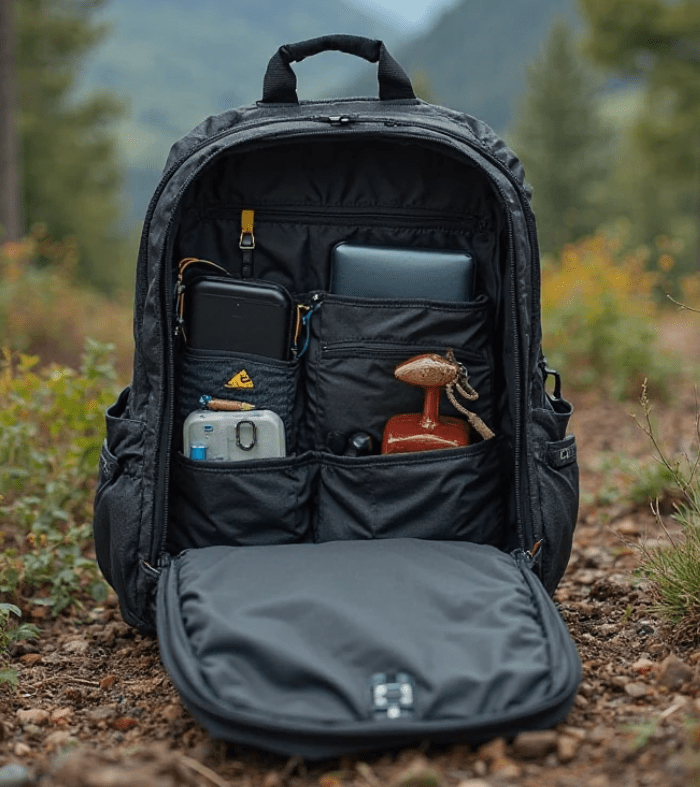
No prepper is ever fully prepared without a well-stocked bug-out bag, and these Ohio campgrounds provide the perfect places to test out your gear. From Wayne National Forest to Hocking Hills, you’ll need a solid bug-out bag that includes everything from fire-starting tools to first-aid supplies.
When you camp in Ohio’s wild areas, it’s essential to understand which gear is most effective. If you’re hiking through rugged areas like Mohican State Park or Cedar Falls, you’ll want lightweight but durable gear. Alternatively, when camping near water sources like Lake Erie Islands, consider waterproof gear and fishing supplies.
Survival Prepper Bonus: Take your bug-out bag to the next level by testing new gear, evaluating its weight, and learning which tools and supplies are most useful in a true survival situation.
Conclusion: Ohio as a Survival Preppers’ Playground
Ohio isn’t just home to cornfields and small-town charm—it’s a survivalist’s paradise that provides varied terrains, abundant natural resources, and the opportunity to practice every essential survival skill imaginable. Whether you’re trying to master shelter-building, water purification, fire-starting, or hunting, the state’s diverse parks, forests, and lakes give you the opportunity to get real-world practice.
From remote, off-the-grid locations like Blue Rock State Park to more accessible, yet still strategic, sites like Hocking Hills State Park, Ohio offers endless opportunities to refine your skills and build confidence in your ability to survive in any situation. As preppers, the more you practice these techniques in real-world settings, the more prepared you will be for anything that comes your way. And let’s face it—Ohio’s natural beauty doesn’t hurt either.
The ultimate goal is to never be caught unprepared. So, pack your gear, gather your supplies, and hit the trails at these top 30 camping sites. After all, you can never know enough about your surroundings, and the best time to practice is now—before you need to rely on your skills in a true survival scenario.












 TheDailyChristian