From the Hollers to the Backwoods: Kentucky’s Most Lethal Insects and How to Survive Them

Kentucky doesn’t have jungles or deserts, but don’t let that fool you. Our state is home to several insects that can seriously injure or kill you under the right conditions. Whether it’s venom, allergic reactions, or disease transmission, these insects deserve your respect. Survival isn’t about fear—it’s about knowledge and preparation.

Below are the most dangerous insects in Kentucky and what you need to do to survive an encounter with each one.


1. Mosquitoes: Kentucky’s Silent Killers

If I had to name the most dangerous insect in Kentucky, it wouldn’t be exotic or rare. It would be the mosquito.

Mosquitoes in Kentucky can transmit West Nile virus, Eastern Equine Encephalitis (EEE), and other serious illnesses. Most folks swat them away without thinking, but these diseases can lead to brain inflammation, long-term neurological damage, or death—especially in children and older adults.

Why They’re Dangerous

  • Carry life-threatening viruses
  • Bite unnoticed, often multiple times
  • Thrive near standing water common in Kentucky

Survival Tips

  • Eliminate standing water around your home (gutters, buckets, livestock troughs)
  • Use EPA-approved insect repellents with DEET or picaridin
  • Wear long sleeves and pants at dusk and dawn
  • Install window screens and repair holes immediately

As a prepper, I treat mosquito control as a medical preparedness issue, not a comfort issue.


2. Ticks: Small, Patient, and Deadly
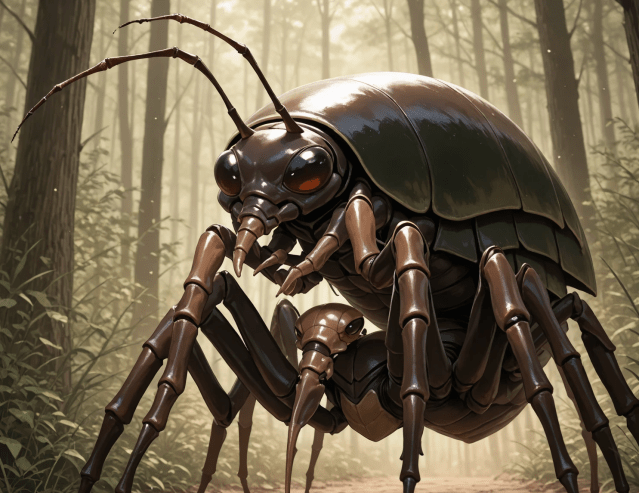
Ticks may not look like much, but in Kentucky they are a serious threat. Lone Star ticks, American dog ticks, and blacklegged ticks are all present here, and they can transmit Rocky Mountain spotted fever, ehrlichiosis, and Lyme disease.

Left untreated, some tick-borne illnesses can cause organ failure or death.

Why They’re Dangerous

  • Carry bacteria that attack the nervous system
  • Can stay attached for days
  • Often go unnoticed until symptoms appear

Survival Tips

  • Perform full body tick checks after time outdoors
  • Shower within two hours of coming inside
  • Treat clothing with permethrin
  • Remove ticks properly using fine-tipped tweezers

In Kentucky, tick checks are as routine as checking the weather.


3. Brown Recluse Spider: The One Every Kentuckian Fears

The brown recluse spider is real, it’s native to Kentucky, and yes—it can absolutely ruin your life.

While bites are rare, when they do occur, the venom can cause tissue necrosis, leading to open wounds, infections, and in extreme cases, systemic illness or death.

Why They’re Dangerous

  • Venom destroys skin and tissue
  • Bites often occur indoors
  • Symptoms may worsen days after the bite

Survival Tips

  • Shake out shoes, clothing, and bedding
  • Reduce clutter in basements and storage areas
  • Seal cracks and entry points in your home
  • Seek medical care immediately if bitten

I don’t panic about brown recluses—but I respect them enough to stay alert.


4. Black Widow Spider: Venom That Attacks Your Nervous System

Black widows also call Kentucky home. Their venom affects the nervous system and can cause intense pain, muscle cramps, and difficulty breathing.

While deaths are rare, they can be fatal for children, the elderly, or anyone with underlying health conditions.

Why They’re Dangerous

  • Neurotoxic venom
  • Pain can escalate quickly
  • Bites often happen in garages or woodpiles

Survival Tips

  • Wear gloves when handling firewood
  • Keep storage areas clean and well-lit
  • Seek medical attention for severe symptoms

Pain doesn’t kill people—delayed treatment does.


5. Wasps, Hornets, and Yellow Jackets: Death by Allergy

Stings from wasps, hornets, and yellow jackets are common in Kentucky, especially in late summer. For most folks, it’s just painful. For others, it’s deadly.

Anaphylaxis can occur within minutes and can shut down breathing completely.

Why They’re Dangerous

  • Highly aggressive when nests are disturbed
  • Multiple stings increase venom load
  • Allergic reactions can be fatal

Survival Tips

  • Identify and avoid nest areas
  • Wear light-colored clothing outdoors
  • Carry an EpiPen if you have known allergies
  • Seek emergency care immediately for swelling or breathing issues

Preparedness means knowing your own medical vulnerabilities.


6. Fire Ants: A Growing Threat in Kentucky

Fire ants are slowly spreading north, and parts of Kentucky are starting to see them. Multiple stings can cause severe allergic reactions and secondary infections.

Why They’re Dangerous

  • Swarm attacks
  • Painful venomous stings
  • Risk of infection from scratching

Survival Tips

  • Watch where you step in fields and yards
  • Treat mounds immediately
  • Wash sting areas and avoid scratching

Fire ants aren’t common everywhere yet—but they’re coming.


7. Kissing Bugs: Rare but Worth Knowing About

Kissing bugs are uncommon in Kentucky, but sightings do occur. They can transmit Chagas disease, which can cause heart failure years after infection.

Why They’re Dangerous

  • Transmit parasites through feces
  • Bite while you’re asleep
  • Long-term health consequences

Survival Tips

  • Seal gaps around doors and windows
  • Keep pets indoors at night
  • Use bed nets if camping or sleeping outdoors

Rare threats still matter in long-term survival planning.


Final Thoughts from a Kentucky Prepper

Living in Kentucky means living close to nature. That’s a blessing—but it comes with responsibility. Insects don’t care how tough you are, how rural you live, or how long your family’s been on the land. They operate on instinct, and they do it well.

Survival isn’t about paranoia. It’s about awareness, prevention, and quick action. Learn the threats. Prep your home. Teach your family. And treat even the smallest creature with respect—because in Kentucky, it doesn’t take much to turn a normal day into a fight for your life.


Deadly Bugs of Big Sky Country: Montana’s Most Dangerous Insects and How to Survive Them

If you live in Montana long enough, you learn one simple truth: nature here doesn’t need to chase you to kill you. Between the weather, the terrain, and the wildlife, Big Sky Country rewards those who prepare and punishes those who assume they’re untouchable.

Most folks worry about bears and wolves. That’s fair. But as a professional Montana survival prepper who’s spent decades hunting, hiking, trapping, and teaching emergency readiness across this state, I can tell you something that surprises people:

The smallest threats are often the most dangerous.

Insects don’t roar. They don’t give warnings. They don’t respect experience. And under the wrong conditions, a bite or sting from the wrong bug can absolutely end your life—especially if you’re unprepared, alone, allergic, or hours from medical help.

Let’s talk about the insects in Montana that matter most, why they’re dangerous, and exactly what you can do to survive an encounter.


1. Ticks: Montana’s Quietest Killers

Ticks are, without question, the most dangerous insects in Montana—not because of pain, but because of disease.

Why They’re Deadly

Montana is home to several tick species, including:

  • Rocky Mountain wood tick
  • American dog tick
  • Blacklegged tick (deer tick)

These ticks can transmit:

  • Rocky Mountain Spotted Fever
  • Tularemia
  • Lyme disease
  • Colorado tick fever

Left untreated, some of these illnesses can cause organ failure, neurological damage, or death.

Survival Prepper Advice

  • Wear light-colored clothing so ticks are easier to spot.
  • Treat boots and pants with permethrin.
  • Do full-body tick checks every evening—no exceptions.
  • Remove ticks immediately using fine-tipped tweezers.
  • If symptoms appear (fever, rash, joint pain), seek medical care immediately.

Ticks don’t rush. They wait. And that’s what makes them dangerous.


2. Black Widow Spiders: Small Bite, Big Consequences

Yes, black widows live in Montana. I’ve found them in woodpiles, sheds, barns, and old equipment more times than I can count.

Why They’re Dangerous

Black widow venom attacks the nervous system. While fatalities are rare, severe reactions can be life-threatening, especially for:

  • Children
  • Elderly individuals
  • People with heart conditions

Symptoms include muscle spasms, chest pain, nausea, and difficulty breathing.

Survival Prepper Advice

  • Always wear gloves when moving wood or debris.
  • Shake out boots and clothing stored in garages or sheds.
  • Seek medical help immediately after a confirmed bite.
  • Do not attempt home remedies beyond basic first aid.

In Montana, we respect spiders—but we don’t ignore them.


3. Wasps, Hornets, and Yellow Jackets: Aggression with Wings

If you’ve ever stumbled onto a yellow jacket nest while hiking or working land, you already know how fast things can go sideways.

Why They Can Kill

For most people, stings hurt. For others, one sting can trigger anaphylaxis, a rapid allergic reaction that can shut down breathing and cause death within minutes.

Multiple stings can also be fatal, even without allergies.

Survival Prepper Advice

  • Never swat—move calmly and leave the area.
  • Learn to identify ground nests.
  • Carry an EpiPen if you have known allergies.
  • Ice, antihistamines, and medical care should follow any severe reaction.

Insect aggression plus Montana isolation is a dangerous combination.


4. Mosquitoes: Disease on a Whine

Montana mosquitoes aren’t just annoying—they’re capable of spreading serious illnesses.

Why They Matter

Mosquitoes in Montana can transmit:

  • West Nile Virus
  • Western equine encephalitis

While rare, severe cases can result in brain inflammation, long-term neurological damage, or death.

Survival Prepper Advice

  • Use insect repellent with DEET or picaridin.
  • Eliminate standing water near your home.
  • Wear long sleeves at dusk and dawn.
  • Install proper screens in cabins and homes.

Never underestimate an insect that shows up by the thousands.


5. Biting Flies: Blood Loss and Infection Risks

Horse flies and deer flies are aggressive biters found throughout Montana’s wetlands and ranch country.

Why They’re Dangerous

Their bites:

  • Tear skin instead of puncturing it
  • Can cause excessive bleeding
  • Increase risk of infection

In survival situations, untreated infections are a major killer.

Survival Prepper Advice

  • Cover exposed skin when working outdoors.
  • Clean bites immediately.
  • Monitor for signs of infection.
  • Carry antiseptic in your field kit.

In the wild, infection kills more people than trauma.


6. Fire Ants (Rare but Spreading)

While not widespread yet, fire ants are slowly expanding northward, and Montana isn’t immune.

Why They’re Dangerous

  • Multiple stings
  • Risk of allergic reactions
  • Secondary infections from scratching

Survival Prepper Advice

  • Learn to identify mounds.
  • Avoid barefoot exposure outdoors.
  • Treat stings promptly and monitor reactions.

Preparedness means staying ahead of trends—not reacting too late.


Final Survival Lessons from a Montana Prepper

Here’s the truth most people don’t like hearing:

You don’t need to be weak, reckless, or stupid to die from an insect.
You just need to be unprepared.

In Montana, survival comes down to:

  • Awareness
  • Prevention
  • Rapid response

Respect the land. Respect the risks. And prepare like help may not come quickly—because out here, it often doesn’t.

If you do that, you won’t just survive Montana’s most dangerous insects.

You’ll thrive in Big Sky Country.

The Hidden Dangers of Hunting: 4 Deadly Scenarios Every Prepper Should Know

As a prepper, every trip into the wild is a calculated risk. We’ve all seen the romanticized images of rugged individuals hunting game for survival, but the reality is far more complicated than simply stalking and shooting an animal. Hunting for food is not just about your aim or the size of the game you take down—it’s about the risks that come with sourcing your food in uncertain, potentially dangerous environments.

I learned this the hard way during a hunting trip a few years ago, one I had gone into expecting a peaceful few days of solitude. I was in my element, tracking through the dense woods, preparing for the hunt. As dawn broke and the sun crept over the horizon, I spotted a decent-sized deer grazing in a clearing. But something wasn’t right. The deer wasn’t moving normally—it was disoriented, stumbling around in a way that didn’t fit with its usual grace.

At first, I thought maybe it was just an injury, but as I looked closer, something clicked. I realized that this animal wasn’t just sick—it was dangerous to even consider hunting it.

Why? Because when it comes to hunting for food in an uncertain environment, not every animal is safe to eat. Animals, much like the environment, are susceptible to contamination, disease, and environmental pollutants that make them dangerous, even deadly, to consume. This was a stark reminder that in survival situations, we must think beyond simply capturing game. We must understand the environment, the risks, and the potential dangers hidden in the wildlife itself.

Let’s break down the four key situations when hunting becomes a deadly gamble and why preppers need to be prepared to walk away from certain scenarios.


1. Hunting Near Post-Industrial Areas

Prepper Tip #1: Stay away from abandoned factories and industrial zones. These areas are hotspots for environmental contamination, and hunting near them can lead you to dangerous, contaminated game.

Industrial waste is a real threat. Old factories, chemical plants, and abandoned warehouses may be sitting on years of pollution. Toxic waste and hazardous chemicals can seep into the surrounding soil, water, and vegetation, eventually poisoning the animals that live there.

In a post-collapse scenario, the risk of industrial contamination becomes even more dangerous. If you’re hunting near an industrial zone, there’s a very real chance the local wildlife has been exposed to toxins like heavy metals, petrochemicals, or other hazardous substances that are lethal or cause long-term health problems. Eating contaminated meat can lead to poisoning or even death.

Animals that ingest contaminated food or water may show signs of sickness, like lethargy or erratic behavior, making them easy to spot as unsafe to hunt. Keep a wide berth from these areas and avoid the temptation to harvest animals in regions where contamination might be a risk.


2. Hunting After a Nuclear Event

Prepper Tip #2: In the aftermath of a nuclear disaster, don’t risk eating animals that might have been exposed to radiation. Radiation can linger in the environment, contaminating animals and plants for months or even years.

If a nuclear event occurs, it changes everything—especially when it comes to hunting for food. Animals are highly susceptible to radiation exposure, especially after a nuclear disaster. A nuclear explosion releases dangerous radiation into the atmosphere, which can settle in the environment, contaminating water sources, soil, and vegetation.

Deer, rabbits, and other wildlife that live in these areas can absorb radiation directly into their bodies. The meat of these animals could be radioactive and pose severe health risks, including cancer, radiation sickness, or death.

In a post-collapse world, radiation contamination will be a reality in certain areas. If you’re hunting in an area near where a nuclear disaster occurred, it’s safer to assume that the animals you find in that region are contaminated. Don’t take the risk—hunting in areas that have been affected by nuclear events is a life-threatening decision.


3. Hunting During or After Wildfires

Prepper Tip #3: Wildfires release heavy metals and dangerous toxins. Stay clear of hunting areas that have been burned recently, as animals might have ingested harmful contaminants.

Wildfires aren’t just destructive—they release a wide range of toxins into the air. The smoke, ash, and burnt materials carry heavy metals, chemicals, and carcinogenic compounds that settle on plants and animals in the affected areas.

Wildlife exposed to these contaminants can carry harmful substances in their bodies. Animals that consume contaminated plants or water may suffer from organ damage or weakened immune systems. Their meat can be toxic to humans, especially if it’s been exposed to heavy metals like arsenic or lead, which are common in burned environments.

The risks are clear—if you’re hunting in or near areas recently ravaged by wildfires, do not consume the game. There’s a chance that these animals have absorbed toxic chemicals into their flesh, and eating them could lead to serious health problems. Always assess the environment before deciding to hunt in these areas.


4. Hunting During Disease Outbreaks

Prepper Tip #4: Look for signs of disease in animals, like abnormal behavior or physical symptoms such as drooling, trembling, or lack of coordination. Don’t risk eating game that’s showing symptoms of illness.

Diseases like Chronic Wasting Disease (CWD) in deer, Rabies, or Avian Influenza in birds can turn an otherwise healthy animal into a dangerous and unsafe source of food.

CWD is particularly concerning for hunters—this prion disease affects deer, elk, and moose, and causes them to exhibit strange behavior, such as stumbling, drooling, and lack of coordination. The infected animals can carry the disease in their body for months, making the meat unsafe to eat.

Signs to look for: If you’re out hunting and see a deer or any other animal exhibiting abnormal behavior—do not attempt to hunt it. It’s likely infected, and the disease can be transmitted to humans or other animals. Always err on the side of caution and avoid harvesting any game that is showing symptoms of illness.


5. General Survival Tips for Preppers:

  • Tip #5: Always carry a field guide to identify diseases and signs of contamination in wildlife.
  • Tip #6: Carry water purification tablets and know how to filter water if you’re hunting near questionable water sources.
  • Tip #7: Invest in a reliable geiger counter to test for radiation if you’re near suspected contaminated zones.
  • Tip #8: Keep a basic first aid kit that includes anti-toxins and antibiotics to treat potential exposure to contaminated meat.
  • Tip #9: Trust your instincts. If something seems wrong with the game, walk away.
  • Tip #10: Diversify your food sources. Don’t rely solely on hunting—always have backup food like stored grains, seeds, and preserved meat.

Conclusion: When SHTF, Know the Risks

Hunting for food in a survival situation is about much more than simply getting a kill. It’s about understanding the risks of contamination, disease, and environmental hazards. The wilderness isn’t a place where you can afford to ignore the signs of danger.

Stay informed, stay alert, and always know when to walk away from a potentially risky situation. By doing so, you’ll not only protect yourself from foodborne illness or worse—but you’ll ensure that your survival strategy is built on a foundation of smart, well-informed decisions.

The stakes are high. Make every hunt count—but don’t let it be your last.

4 Times That Hunting For Food Can Be Deadly

I was reminiscing about a hunting trip I took a few years back.

It was supposed to be a quiet couple of days, just me and nature. But, as fate would have it, it wasn’t quite that simple.

As the dawn broke, I spotted a fine-looking deer.

However, I noticed something odd about its movements.

The deer seemed disoriented, stumbling, and acting unnaturally. It struck me then that this was not a safe animal to hunt.

See, it wasn’t about the deer itself, but with what might be lurking inside it.

This deer could have been exposed to harmful contaminants that can make the meat unsafe to consume.

Think about it like this.

When SHTF, the air we breathe, the water we drink, and the food we eat can become contaminated.

And the same applies to the wildlife around us.

Certain times and places make it risky to hunt due to the likelihood of contamination.

These are the 4 most common scenarios when you should steer clear of hunting

Post-Industrial Areas

Industrial waste can seep into the environment and contaminate local wildlife.

Don’t hunt near abandoned factories or industrial zones where the local animals might have been exposed to harmful pollutants.

Post-Nuclear Events

If there’s been a nuclear event in your area, radiation can contaminate animals for a significant time. The risk isn’t worth the potential food source.

During and After Wildfires

Wildfires can release heavy metals and toxins from burnt materials into the atmosphere. Animals exposed to these contaminants can become unsafe to eat.

Disease Outbreaks

Certain diseases like Chronic Wasting Disease (CWD) in deer can affect the safety of the meat.

Look out for erratic behavior, drooling, or lack of coordination in animals as signs of potential disease.

Hunting is more than just getting a good shot.

It’s about understanding the animal, the environment, and the potential risks involved.

It’s crucial to be aware of these dangers and make informed decisions about when to hunt and when to let it go.

So next time you’re out in the wilderness, remember to consider more than just the size of the game you spot.

We also have to ensure that food is safe to eat.