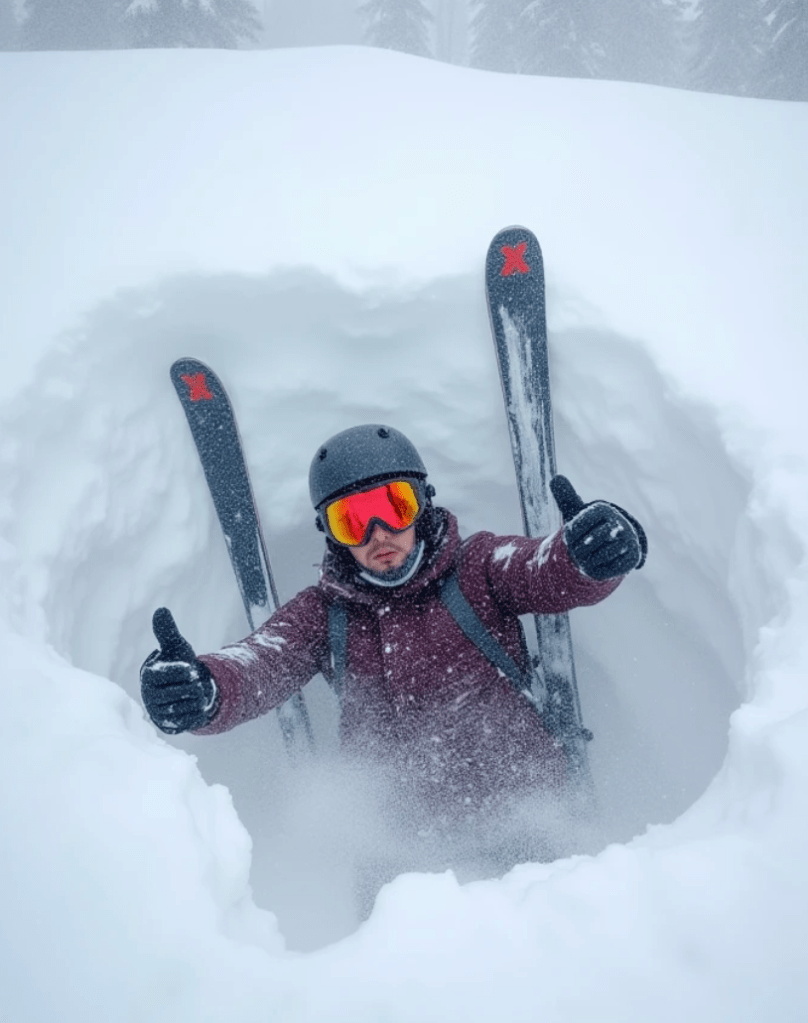
How People Really Die in Michigan Winter Storms & How to Survive When the Grid Fails

Michigan winter is deceptive.


It’s not just snow—it’s wind off the Great Lakes, ice, whiteouts, flooding, and prolonged power outages.

Lake Effect snow can dump feet of snow in hours. Ice storms snap trees like matchsticks. Wind chills drop temperatures into dangerous territory fast. And when the power goes out, entire regions are left cold, dark, and cut off.

I’ve seen people here freeze in suburban homes, poison themselves trying to stay warm, and die in vehicles they assumed would keep them safe. Michigan winter doesn’t care how long you’ve lived here—it only respects preparation.

Let’s talk about how people actually die in Michigan winter storms—and what it takes to survive when things fall apart.


❄️ The Top Ways People Die in Michigan Winter Storms

1. Hypothermia During Extended Power Outages

This is the leading cause of winter storm deaths in Michigan.

Heavy snow, ice, and wind bring down power lines fast—especially in tree-dense neighborhoods. When the power goes out:

  • Gas furnaces stop
  • Electric heat fails instantly
  • Well pumps shut down
  • Apartments lose centralized heat

Michigan homes cool quickly, especially during polar air outbreaks. Indoor temperatures can drop into the 30s within hours.

Hypothermia doesn’t require extreme cold:

  • Shivering
  • Confusion
  • Slowed movement
  • Loss of consciousness

People die because they assume the power will be restored quickly. In Michigan, it often isn’t.


2. Carbon Monoxide Poisoning From Unsafe Heating

Every major Michigan winter storm brings the same tragic pattern.

People die from:

  • Generators running in garages
  • Propane heaters used indoors improperly
  • Charcoal grills brought inside
  • Cars running in enclosed spaces

Carbon monoxide is invisible and odorless. You don’t feel it coming. You just don’t wake up.

Hypothermia starts quietly:

If it burns fuel and isn’t designed for indoor emergency use, it will kill you if you misuse it.


3. Stranded Vehicles in Whiteouts and Extreme Cold

Lake Effect snow creates sudden, blinding whiteouts.

People die because:

  • Visibility drops to zero in minutes
  • Highways shut down
  • Vehicles slide off roads
  • Cell service fails in rural areas

Once stranded:

  • Fuel runs out
  • Heat disappears
  • Wind chill accelerates hypothermia

People freeze to death in cars less than a mile from help because they underestimated how fast Michigan winter turns deadly.


4. Medical Emergencies With Delayed Response

During severe winter storms:

  • Ambulances are delayed
  • Roads are impassable
  • Hospitals are overwhelmed
  • Pharmacies close

People die from:

  • Heart attacks
  • Strokes
  • Diabetic emergencies
  • Respiratory failure
  • Loss of powered medical equipment

If you rely on oxygen, insulin refrigeration, dialysis, or CPAP machines, winter storms put your life on a countdown.


5. Falls, Ice Injuries, and Overexertion

Michigan winters turn everyday tasks into fatal ones.

Common causes of death:

  • Slips on ice
  • Head injuries
  • Broken hips
  • Heart attacks while shoveling heavy snow
  • Falls from roofs while clearing snow

When emergency response is delayed, injuries that should be survivable become deadly.


🛒 Will Grocery Stores Go Empty in Michigan During Winter Storms?

Yes—and it happens faster than people expect.

Michigan grocery stores:

  • Depend on daily truck deliveries
  • Carry limited backstock
  • Lose power during storms

Before storms:

  • Bread, milk, eggs vanish
  • Bottled water disappears
  • Batteries, propane, and generators sell out

After storms:

  • Trucks stop running
  • Stores close or operate on limited hours
  • Shelves stay empty for days

If you wait until the storm is already coming, you’ve already lost.


🍲 Survival Food Prepping for Michigan Winter Storms

Cold burns calories. Hunger weakens your ability to stay warm.

Best Survival Foods to Stock

Shelf-Stable Staples

  • Canned soups and chili
  • Canned meats
  • Beans and lentils
  • Rice and pasta
  • Peanut butter
  • Oatmeal

No-Cook Foods

  • Protein bars
  • Trail mix
  • Jerky
  • Crackers

Water

  • Minimum 1 gallon per person per day
  • Plan for 7 days

Winter storms can disrupt water treatment and pumping stations. Stored water is non-negotiable.


🔋 Solar Generators: A Smart Choice for Michigan Winters

Michigan power outages often last multiple days, especially after ice storms.

Gas generators:

  • Require fuel that disappears quickly
  • Produce carbon monoxide
  • Cannot be safely used indoors

Solar generators:

  • Safe indoors
  • Silent
  • No fumes
  • Recharge via solar panels—even in winter daylight

What Solar Generators Can Power

  • Medical devices
  • Phones and emergency radios
  • Lights
  • Refrigerators (cycled)
  • Small heaters (used cautiously)

Safe indoor power keeps people alive when the grid fails.


🧰 Best Survival Supplies for Michigan Winter Storms

Every Michigan household should have:

Warmth & Shelter

  • Cold-rated sleeping bags
  • Wool blankets
  • Thermal base layers
  • Hats, gloves, thick socks
  • Indoor-safe heaters
  • Carbon monoxide detectors

Power & Light

  • Solar generator
  • Solar panels
  • Battery lanterns
  • Headlamps
  • Extra batteries

Medical & Safety

  • First aid kit
  • Extra prescription medications (7–10 days)
  • Fire extinguisher

Cooking

  • Camping stove
  • Extra fuel
  • Matches or lighters
  • Basic cookware

🧠 Why Survival Prepping Matters in Michigan

Michigan winter storms don’t just inconvenience people—they overwhelm systems.

Power grids fail.
Roads shut down.
Supply chains stop.

Prepping isn’t extreme—it’s responsible.

If you live in Michigan and don’t plan for extended winter outages, you are trusting luck to keep you alive.

Luck fails every winter.


🧊 How to Survive a Michigan Winter Storm

  1. Stay Off the Roads
    • Whiteouts kill drivers fast
  2. Layer Up Indoors Immediately
    • Don’t wait for the house to cool
  3. Create a Warm Zone
    • One room
    • Block drafts
    • Insulate windows and doors
  4. Ration Power
    • Medical needs first
    • Lighting second
  5. Eat and Hydrate
    • Calories help maintain body heat
  6. Stay Informed
    • Weather radio
    • Emergency alerts

🚨 Michigan’s Top Survival Prepper’s Final Words of Safety

Michigan winter doesn’t care how familiar snow is to you.
It doesn’t care how many storms you’ve lived through.
And it doesn’t care if you “thought you were ready.”

Cold, wind, darkness, and isolation kill quietly and efficiently.

Prepare before the storm—or become another winter statistic people talk about when the snow finally melts.

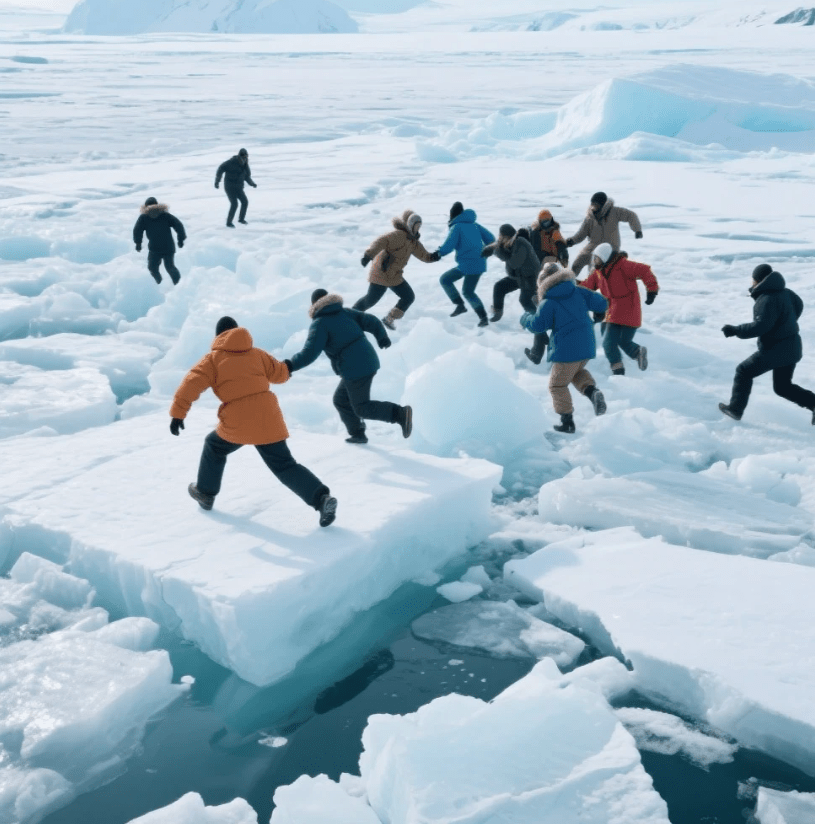
Montana Winters Kill the Unprepared: How Storms Take Lives and How to Stay Alive

Montana winter is not “cold weather.”
It is extended, life-threatening cold combined with isolation, wind, and distance.

When a winter storm hits Montana, it doesn’t just inconvenience people—it cuts them off. Towns become islands. Roads disappear. Power lines fail across hundreds of miles. Help doesn’t arrive quickly, and sometimes it doesn’t arrive at all.

I’ve watched storms turn confident outdoorsmen into statistics and suburban families into emergency calls that came too late. Montana doesn’t care how tough you think you are. It only respects preparation.

Let’s break down exactly how people die in Montana winter storms—and what survival actually requires in this state.


❄️ The Top Ways People Die in Montana Winter Storms

1. Hypothermia During Prolonged Power Outages

This is the number one killer in Montana winter storms.

Extreme cold combined with grid failure is deadly. When power goes out:

  • Furnaces shut down
  • Well pumps stop
  • Water freezes
  • Homes lose heat rapidly

In Montana, winter temperatures don’t hover near freezing—they plunge well below zero. Wind chill drives temperatures into dangerous territory fast.

Hypothermia begins inside homes, not outside:

  • Shivering
  • Confusion
  • Loss of coordination
  • Unconsciousness

People die because they underestimate how fast cold steals body heat when the grid goes dark.


2. Carbon Monoxide Poisoning From Unsafe Heat Sources

When the cold becomes unbearable, people get desperate—and desperation kills.

Every major Montana winter storm brings:

  • Generators running in garages
  • Propane heaters used indoors improperly
  • Wood stoves misused or overloaded
  • Vehicles running to stay warm in enclosed spaces

Carbon monoxide is silent, invisible, and lethal. It doesn’t care if you’re trying to survive.

If it burns fuel and isn’t designed for indoor emergency use, it will kill you if misused.


3. Stranded Vehicles on Remote Highways and Back Roads

Montana’s size is a killer all by itself.

People die because:

  • Distances between towns are massive
  • Cell service is unreliable
  • Roads close quickly
  • Snow drifts block highways
  • Wind chill accelerates exposure

AWD does not defeat whiteouts.
Snow tires do not create visibility.

Once stranded:

  • Fuel runs out
  • Heat disappears
  • Exposure takes over

People freeze to death less than a mile from safety because Montana doesn’t forgive mistakes.


4. Medical Emergencies With No Immediate Help

During winter storms, Montana becomes isolated fast.

People die from:

  • Heart attacks
  • Strokes
  • Respiratory failure
  • Diabetic emergencies
  • Loss of powered medical equipment

Ambulances can’t reach remote areas. Helicopters can’t fly in storms. Hospitals are far apart.

If you depend on:

  • Oxygen
  • Dialysis
  • Insulin
  • CPAP machines
  • Refrigerated medication

you must plan for days without power.


5. Falls, Wood Stove Accidents, and Overexertion

Winter chores kill people in Montana every year.

Common fatal mistakes:

  • Slipping on ice
  • Falling while carrying firewood
  • Roof collapses while clearing snow
  • Burns from wood stoves
  • Heart attacks from shoveling heavy snow

When emergency response is delayed by hours or days, injuries that should be survivable become deadly.


🛒 Will Grocery Stores Go Empty in Montana During Winter Storms?

Yes—and in rural Montana, they empty fast.

Montana grocery stores:

  • Carry limited inventory
  • Depend on long-haul deliveries
  • Lose power during storms

Before storms:

  • Bread, milk, eggs vanish
  • Bottled water disappears
  • Propane, generators, batteries sell out

After storms:

  • Trucks stop running
  • Shelves stay empty
  • Stores may close entirely

If you don’t already have food, you’re not getting it.


🍲 Survival Food Prepping for Montana Winter Storms

Food equals fuel. In Montana winter, fuel equals life.

Best Survival Foods to Stock

Shelf-Stable Staples

  • Canned soups and chili
  • Canned meats
  • Beans and lentils
  • Rice and pasta
  • Peanut butter
  • Oatmeal

No-Cook Foods

  • Energy bars
  • Trail mix
  • Jerky
  • Crackers

Water

  • Minimum 1 gallon per person per day
  • Plan for 7–10 days

If you rely on a well, no power means no water. Stored water is mandatory.


🔋 Solar Generators: Critical for Montana Winter Survival

Montana power outages can last a week or longer.

Gas generators:

  • Require fuel deliveries that may not happen
  • Produce carbon monoxide
  • Cannot be used indoors

Solar generators:

  • Safe indoors
  • Silent
  • No fumes
  • Recharge via solar panels even in winter sun

What Solar Generators Can Power

  • Medical devices
  • Phones and radios
  • Lights
  • Refrigerators (cycled)
  • Small heaters (used carefully)

Safe indoor power is not optional in Montana—it’s survival gear.


🧰 Best Survival Supplies for Montana Winter Storms

Every Montana household should already have:

Warmth & Shelter

  • Sub-zero-rated sleeping bags
  • Heavy wool blankets
  • Thermal base layers
  • Hats, gloves, thick socks
  • Indoor-safe emergency heaters
  • Carbon monoxide detectors

Power & Light

  • Solar generator
  • Solar panels
  • Battery lanterns
  • Headlamps
  • Spare batteries

Medical & Safety

  • First aid kit
  • Extra medications (10 days)
  • Fire extinguisher

Cooking

  • Camping stove
  • Extra fuel
  • Matches or lighters
  • Basic cookware

🧠 Why Survival Prepping Is Non-Negotiable in Montana

Montana winter storms isolate people.

No quick plow.
No fast EMS.
No guaranteed power restoration.

Prepping isn’t paranoia—it’s the baseline requirement for living here.

If you don’t plan for multi-day outages in extreme cold, you are depending on luck.

Luck doesn’t survive Montana winter.


🧊 How to Survive a Montana Winter Storm

  1. Stay Home
    • Travel kills more people than cold
  2. Layer Up Immediately
    • Don’t wait for the house to get cold
  3. Create a Heat Core
    • One room
    • Block drafts
    • Insulate aggressively
  4. Ration Power
    • Medical needs first
    • Lighting second
  5. Eat High-Calorie Foods
    • Cold burns calories rapidly
  6. Stay Informed
    • Weather radio
    • Emergency alerts

🚨 Final Words of Wisdon from a Montana Survival Prepper

Montana winter doesn’t care how experienced you are.
It doesn’t care how rural you are.
It doesn’t care how tough you think you are.

Cold, wind, distance, and darkness kill without hesitation.

Prepare now—or become another story people tell when spring finally arrives.

The Massachusetts Winter Reality Check: How Storms Kill and How to Stay Alive

If you live in Massachusetts, you’ve heard it all before: “We’ve seen worse,” “It’s just snow,” “The plows will handle it.”
That mindset is exactly why people die here every winter.

Massachusetts winter storms are brutal because they combine heavy snow, coastal wind, ice, flooding, and long-term power outages. Nor’easters don’t just knock things out for a few hours—they shut down entire regions for days. I’ve watched neighborhoods lose power for a week while temperatures dropped, stores emptied, and people realized too late that experience doesn’t equal preparation.

Let’s talk about how people actually die in Massachusetts winter storms—and how you survive when everything you rely on stops working.

❄️ The Top Ways People Die in Massachusetts Winter Storms

1. Hypothermia During Extended Power Outages

This is the biggest killer, and it happens every single year.

Heavy, wet snow and strong coastal winds bring down trees and power lines fast. When the power goes out:

  • Gas furnaces shut down
  • Oil burners stop
  • Electric heat is gone instantly

Older homes, triple-deckers, basements, and coastal houses lose heat quickly. Hypothermia doesn’t require sub-zero temperatures—it happens in the 40s and 50s, especially when people are exhausted, wet, or elderly.

People don’t freeze because they’re reckless. They freeze because they assume the power will come back soon.

2. Carbon Monoxide Poisoning From Improvised Heat

Nor’easters create desperation, and desperation creates deadly mistakes.

Every major Massachusetts winter storm includes deaths from:

  • Generators run in basements or garages
  • Charcoal grills used indoors
  • Propane heaters without ventilation
  • Cars running in enclosed spaces

Carbon monoxide is odorless, invisible, and ruthless. Entire families die quietly while trying to stay warm.

If it burns fuel and isn’t designed for indoor use, it does not belong inside your home.

3. Driving Accidents and Stranded Vehicles

Massachusetts roads become deadly during winter storms due to:

  • Black ice
  • Whiteout snow
  • Poor visibility
  • Coastal wind gusts

People die because:

  • They underestimate ice
  • They overestimate AWD or 4WD
  • They drive during active storms
  • They get stranded without supplies

Once your vehicle loses heat and wind cuts through it, exposure becomes fatal faster than people expect.

4. Medical Emergencies With Delayed Response

During major winter storms:

  • Ambulance response times increase
  • Hospitals become overwhelmed
  • Pharmacies close
  • Roads are impassable

People die from:

  • Heart attacks
  • Strokes
  • Respiratory failure
  • Diabetic emergencies
  • Oxygen and dialysis interruptions

If you depend on powered medical equipment or daily medication, winter storms put your life on a countdown clock.

5. Falls, Shoveling Injuries, and Delayed Care

Massachusetts winter storms turn routine tasks into deadly ones.

People die from:

  • Slips on icy stairs and sidewalks
  • Head injuries
  • Broken hips
  • Cardiac events from overexertion while shoveling snow

When EMS can’t reach you quickly, injuries that should be survivable become fatal.

🛒 Will Grocery Stores Go Empty During a Massachusetts Winter Storm?

Yes—and faster than most people believe.

Massachusetts grocery stores rely on just-in-time inventory:

  • Small back rooms
  • Daily truck deliveries
  • No storm buffer

Before the storm:

  • Bread, milk, eggs disappear
  • Bottled water is gone
  • Batteries, propane, and generators sell out

After the storm:

  • Trucks stop
  • Stores lose power
  • Shelves stay empty for days

If you wait until the forecast turns ugly, you’ve already lost.

🍲 Survival Food Prepping for Massachusetts Winter Storms

Survival food is about calories, simplicity, and shelf life—not comfort.

Best Survival Foods to Stock

Shelf-Stable Staples

  • Canned soups and stews
  • Canned meats (chicken, tuna, salmon)
  • Beans and lentils
  • Rice and pasta
  • Peanut butter
  • Protein bars

No-Cook Options

  • Trail mix
  • Crackers
  • Jerky
  • Ready-to-eat meals (MREs)

Water

  • At least 1 gallon per person per day
  • Plan for 5–7 days minimum

Winter storms can disrupt water treatment facilities. Boil advisories are common—assuming you still have power to boil.

🔋 Solar Generators: Critical for Massachusetts Winter Survival

If you live in Massachusetts and rely entirely on the grid, you’re trusting something that fails regularly.

Gas generators:

  • Require fuel (which disappears fast)
  • Produce carbon monoxide
  • Can’t be safely used indoors

Solar generators:

  • Safe for indoor use
  • No fumes
  • No fuel runs
  • Recharge with solar panels

What Solar Generators Can Power

  • Medical devices (CPAP, oxygen concentrators)
  • Phones and emergency radios
  • Lights
  • Small heaters (used carefully)
  • Refrigerators (intermittently)

During long Nor’easter outages, silent indoor power is survival.

🧰 Best Survival Supplies for Massachusetts Winter Storms

Every Massachusetts household should already have:

Warmth & Shelter

  • Cold-rated sleeping bags
  • Wool blankets
  • Thermal base layers
  • Hats, gloves, thick socks
  • Indoor-safe backup heaters
  • Carbon monoxide detectors

Power & Light

  • Solar generator
  • Solar panels
  • Battery lanterns
  • Headlamps
  • Extra batteries

Medical & Safety

  • First aid kit
  • Prescription medications (7–10 days)
  • Fire extinguisher

Cooking

  • Camping stove
  • Extra fuel
  • Matches or lighters
  • Basic cookware

🧠 Why Survival Prepping Matters in Massachusetts

Here’s the truth people hate admitting:

Massachusetts storms knock out systems for days, not hours.

Power crews get overwhelmed. Roads are blocked by snow and fallen trees. Emergency services triage calls.

Prepping isn’t fear—it’s responsibility.

If you live in Massachusetts and don’t plan for extended outages, you’re gambling with your safety.

🧊 How to Actually Survive a Massachusetts Winter Storm

  1. Stay Off the Roads
    • Nor’easters kill drivers
  2. Dress for Cold Indoors
    • Assume heat may not return quickly
  3. Consolidate Heat
    • Stay in one room
    • Block drafts
    • Use body heat and insulation
  4. Ration Power
    • Prioritize medical devices and lighting
  5. Eat and Hydrate
    • Calories help maintain body heat
  6. Stay Informed
    • Weather radio
    • Emergency alerts

Final Words From an Angry Survival Prepper

Massachusetts winter storms don’t kill because people lack experience.
They kill because people trust systems that fail every single year.

The snow will fall.
The wind will howl.
The power will go out.
The stores will empty.

Prepare now—or learn the lesson the hard way when the lights go out and the temperature drops.

Alabama Winter Storm Survival: Why People Freeze, Roads Kill, and Stores Empty Overnight

If you live in Alabama and think winter storms are “no big deal,” congratulations—you’ve just described the mindset that gets people killed here every single time.

Alabama winter storms aren’t like Minnesota blizzards or Alaska deep freezes. They’re worse in a different way. They arrive suddenly, with ice instead of snow, and they slam into a population, power grid, and road system that is not built for cold.

I’ve watched Alabama shut down over a dusting of ice—and I’ve watched people die because they didn’t take it seriously. Let’s stop pretending this is rare or harmless and talk about how people actually die in Alabama winter storms—and how you survive when everything shuts down.


The Top Ways People Die in Alabama Winter Storms

1. Car Accidents on Ice-Covered Roads

This is the number one killer in Alabama winter storms.

Most Alabamians have:

  • Little to no experience driving on ice
  • Vehicles without winter tires
  • Zero patience for staying off the roads

Alabama roads ice over fast, especially bridges, overpasses, and rural highways. A thin glaze of ice turns roads into skating rinks, and crashes pile up within minutes.

People die because:

  • They underestimate ice
  • They try to “just drive slow”
  • They get stranded after wrecks
  • They walk for help in freezing rain and wind

Ice doesn’t forgive confidence. It kills it.


2. Hypothermia in Homes Without Heat

This one shocks people—but it shouldn’t.

Many Alabama homes:

  • Have poor insulation
  • Rely on electric heat
  • Have no backup heat source

When winter storms knock out power—and they always do—houses lose heat fast. People assume they’re safe indoors, but hypothermia can occur in temperatures well above freezing, especially overnight.

Children, elderly residents, and people with medical conditions are especially vulnerable.

You don’t need a blizzard to freeze to death. You just need cold, darkness, and time.


3. Carbon Monoxide Poisoning From Panic Heating

Southern winter storms produce a predictable tragedy every year.

People try to heat their homes using:

  • Gas generators indoors or in garages
  • Charcoal grills inside the house
  • Propane heaters without ventilation
  • Cars running in enclosed spaces

Carbon monoxide is invisible, odorless, and fast-acting. Families go to sleep and never wake up.

Cold makes people desperate. Desperation kills.


4. Medical Emergencies With No Help Coming

When Alabama winter storms hit:

  • Roads shut down
  • Ambulances can’t reach neighborhoods
  • Hospitals are overwhelmed
  • Pharmacies close

People die not from cold—but from:

  • Heart attacks
  • Strokes
  • Asthma attacks
  • Diabetic emergencies
  • Oxygen equipment losing power

If you rely on electricity to stay alive, a winter storm is not an inconvenience—it’s a direct threat.


5. Falls, Exposure, and Delayed Care

Ice storms turn steps, porches, and driveways into death traps. Broken bones and head injuries become fatal when:

  • Roads are impassable
  • EMS is delayed
  • Power outages complicate treatment

A simple slip becomes a life-threatening emergency.


🛒 Will Grocery Stores Go Empty During an Alabama Winter Storm?

Yes. Almost immediately.

Alabama grocery stores operate on just-in-time inventory systems, meaning:

  • Minimal back stock
  • Daily deliveries
  • No margin for disruption

Before the storm:

  • Bread, milk, eggs vanish
  • Bottled water disappears
  • Batteries, heaters, and propane sell out

After the storm:

  • Delivery trucks stop
  • Stores close due to power loss
  • Shelves stay empty for days

If you wait until the weather forecast turns scary, you’re already behind.


Survival Food Prepping for Alabama Winter Storms

You don’t need fancy gear—you need food that doesn’t require power.

Best Survival Foods to Stock

Shelf-Stable Essentials

  • Canned soups and stews
  • Canned meats (chicken, tuna, spam)
  • Beans
  • Rice and pasta
  • Peanut butter
  • Protein bars

No-Cook Foods

  • Trail mix
  • Crackers
  • Jerky
  • Ready-to-eat meals (MREs)

Water

  • At least 1 gallon per person per day
  • Plan for 5–7 days minimum

Winter storms frequently disrupt water treatment facilities. Boil advisories are common—assuming you still have power to boil water.


Solar Generators: A Game-Changer for Alabama

If you live in Alabama and don’t own a solar generator, you’re betting your safety on the grid.

That’s a bad bet.

Why Solar Generators Matter

  • Safe to use indoors
  • No carbon monoxide
  • No fuel shortages
  • Silent and reliable

What They Can Power

  • Phones and emergency radios
  • Lights
  • Medical devices (CPAP, oxygen concentrators)
  • Small heaters (used carefully)
  • Refrigerators (briefly, to save food)

Pair a solar generator with solar panels, and you’ve just removed yourself from total dependence on fragile infrastructure.


Best Survival Supplies for Alabama Winter Storms

Every Alabama household should already have:

Warmth

  • Cold-rated sleeping bags
  • Wool blankets
  • Thermal base layers
  • Hats, gloves, thick socks
  • Indoor-safe heaters
  • Carbon monoxide detectors

Power & Light

  • Solar generator
  • Solar panels
  • Battery lanterns
  • Headlamps
  • Extra batteries

Medical & Safety

  • First aid kit
  • Prescription meds (7–10 days)
  • Fire extinguisher

Cooking

  • Camping stove
  • Extra fuel
  • Matches or lighters
  • Basic cookware

Why Survival Prepping Is Critical in Alabama

Here’s the truth most people don’t want to hear:

Alabama is not built for winter.

The grid fails. Roads ice over. Emergency response slows to a crawl. Government warnings come late, and help takes time.

Prepping isn’t paranoia—it’s self-reliance.

You don’t prep because you expect disaster.
You prep because history proves it will happen again.


How to Actually Survive an Alabama Winter Storm

  1. Stay Off the Roads
    • Ice kills faster than cold
  2. Dress for Cold Indoors
    • Assume power may not return quickly
  3. Consolidate Heat
    • Stay in one room
    • Block drafts
    • Use body heat
  4. Ration Power
    • Prioritize medical needs and lighting
  5. Eat and Hydrate
    • Calories help maintain body heat
  6. Stay Informed
    • Weather radio
    • Emergency alerts

Final Words From an Angry Survival Prepper

Alabama winter storms don’t kill because they’re severe.
They kill because people don’t believe they’re dangerous.

The roads will ice over.
The power will go out.
The stores will empty.
Help will be delayed.

You can prepare now—or you can learn the hard way when everything shuts down.

Those are your only choices.

Illinois Winter Storm Survival: Why Cold Kills, Stores Empty, and Power Fails

Illinois winters are not subtle. They don’t sneak up quietly. They arrive with wind, ice, snow, and cold that cuts straight through you. And yet, every single year, people act surprised when winter storms turn deadly.

Illinois doesn’t just deal with snow—it deals with extreme cold, brutal wind chill, ice storms, and long-duration power outages. I’ve watched people who “grew up with winter” make the same dumb mistakes over and over, assuming experience equals preparation.

It doesn’t.

Let’s talk about how people actually die in Illinois winter storms—and what you need to do to make sure you’re not one of them.


❄️ The Top Ways People Die in Illinois Winter Storms

1. Hypothermia During Extreme Cold and Power Outages

Illinois winter storms don’t mess around. When Arctic air drops in, wind chills can plunge well below zero. If the power goes out—and it often does—homes lose heat fast.

People freeze to death because:

  • Furnaces shut down
  • Backup heat doesn’t exist
  • Insulation is inadequate
  • They underestimate how fast cold wins

Hypothermia can occur inside your home, especially in older houses, apartments with poor insulation, or homes relying solely on electric heat.

Cold plus wind plus time equals death. It’s that simple.


2. Carbon Monoxide Poisoning From Improvised Heating

Every Illinois winter storm brings the same tragic headlines.

People panic and use:

  • Gas generators indoors or in garages
  • Propane heaters without ventilation
  • Charcoal grills inside homes
  • Cars running in enclosed areas

Carbon monoxide doesn’t care how cold you are—it kills quietly and efficiently. Entire families die because they were desperate for warmth and didn’t understand the danger.

If it burns fuel and isn’t rated for indoor use, it does not belong inside your home.


3. Vehicle Accidents and Stranded Drivers

Illinois winter storms turn highways into graveyards.

Whiteout conditions, black ice, and snowdrifts cause:

  • Massive pileups
  • Hours-long traffic standstills
  • Vehicles stranded overnight

People die because:

  • They overestimate their driving skills
  • They trust AWD or 4WD too much
  • They leave vehicles too early
  • They sit too long without heat

Once fuel runs out and wind chill sets in, exposure becomes fatal fast.


4. Medical Emergencies With Delayed or No Help

During major winter storms in Illinois:

  • Ambulance response times skyrocket
  • Hospitals overflow
  • Pharmacies close
  • Roads become impassable

People die from:

  • Heart attacks
  • Strokes
  • Respiratory failure
  • Diabetic emergencies
  • Oxygen and dialysis interruptions

Winter storms don’t just cause accidents—they cut people off from lifesaving care.


5. Falls, Trauma, and Untreated Injuries

Ice storms turn sidewalks, stairs, and parking lots into death traps.

A simple fall becomes fatal when:

  • Roads are unsafe
  • EMS can’t reach you
  • Power outages complicate treatment

Broken hips, head injuries, and internal bleeding kill people every winter because help can’t arrive in time.


🛒 Will Grocery Stores Go Empty During an Illinois Winter Storm?

Yes. And anyone who says otherwise hasn’t been paying attention.

Illinois grocery stores rely on just-in-time inventory systems:

  • Minimal back stock
  • Daily truck deliveries
  • No buffer for prolonged storms

Before the storm:

  • Bread, milk, eggs disappear
  • Bottled water vanishes
  • Batteries, heaters, and generators sell out

After the storm:

  • Trucks stop moving
  • Stores lose power
  • Shelves stay empty

If your plan is “I’ll grab supplies when it gets bad,” you’re already too late.


🍲 Survival Food Prepping for Illinois Winter Storms

Survival food isn’t about comfort—it’s about calories and reliability.

Best Survival Foods to Stock

Shelf-Stable Staples

  • Canned soups and stews
  • Canned meats (chicken, tuna, spam)
  • Beans and lentils
  • Rice and pasta
  • Peanut butter
  • Protein bars

No-Cook Options

  • Trail mix
  • Crackers
  • Jerky
  • Ready-to-eat meals (MREs)

Water

  • Minimum 1 gallon per person per day
  • Plan for 7 days, preferably more

Cold snaps can disrupt water systems, and frozen pipes are common. If water stops flowing, you’re in trouble fast.


🔋 Solar Generators: Critical for Illinois Winter Survival

If you live in Illinois and rely solely on the grid, you’re trusting something that fails every winter.

Gas generators:

  • Require fuel (which disappears fast)
  • Produce carbon monoxide
  • Are unsafe indoors

Solar generators:

  • Work safely indoors
  • Produce no fumes
  • Require no fuel runs
  • Recharge with solar panels

What a Solar Generator Can Power

  • Medical devices (CPAP, oxygen machines)
  • Phones and emergency radios
  • Lights
  • Small space heaters (used wisely)
  • Refrigerators (briefly, to preserve food)

In extreme cold, power equals survival.


🧰 Best Survival Supplies for Illinois Winter Storms

Every Illinois household should already have:

Warmth & Shelter

  • Cold-rated sleeping bags
  • Wool blankets
  • Thermal base layers
  • Hats, gloves, heavy socks
  • Indoor-safe heaters
  • Carbon monoxide detectors

Power & Light

  • Solar generator
  • Solar panels
  • Battery lanterns
  • Headlamps
  • Extra batteries

Medical & Safety

  • First aid kit
  • Prescription medications (7–10 days)
  • Fire extinguisher

Cooking

  • Camping stove
  • Extra fuel
  • Matches or lighters
  • Simple cookware

🧠 Why Survival Prepping Matters in Illinois

Here’s the truth people hate admitting:

Winter doesn’t care how prepared you think you are.

Illinois infrastructure gets overwhelmed. Power crews can’t reach everyone at once. Emergency services triage. You are expected to survive on your own at first.

Prepping isn’t paranoia—it’s common sense.

If you live in Illinois and winter hits every year, being unprepared is a choice.


🧊 How to Actually Survive an Illinois Winter Storm

  1. Stay Off the Roads
    • Whiteouts and ice kill fast
  2. Dress for Cold Indoors
    • Assume power may not return quickly
  3. Consolidate Heat
    • Stay in one room
    • Seal drafts
    • Use insulation and body heat
  4. Ration Power
    • Prioritize medical devices and lighting
  5. Eat and Hydrate
    • Calories generate heat
    • Dehydration worsens cold stress
  6. Stay Informed
    • Weather radio
    • Emergency alerts

Illinois winter storms don’t kill because they’re unexpected.
They kill because people underestimate how fast things can go wrong.

The cold will come.
The wind will bite.
The power will fail.
The stores will empty.

You can prepare now—or you can gamble with your life later.

That’s the choice.

The Brutal Reality of Dying in an Alaska Winter Storm (And How to Stay Alive When Others Don’t)

Let me be very clear: Alaska winter storms are not comparable to the rest of the United States.
If you bring a “Lower 48” mindset into an Alaska winter, you are a liability — to yourself and to anyone who has to rescue you.

I’ve seen it happen repeatedly. People move to Alaska, visit Alaska, or grow up here and get complacent. They underestimate cold, distance, darkness, isolation, and how fast the environment strips away mistakes.

In Alaska, winter storms don’t inconvenience you. They cut you off — from power, from food, from roads, from help, and sometimes from daylight itself.

Out here, survival isn’t optional. It’s mandatory.


How Winter Storms Actually Kill People in Alaska

Deaths during Alaska winter storms are not random. They are predictable and brutal — and they happen the same ways every year.


1. Hypothermia — The Primary Killer

Hypothermia is the number one cause of winter storm deaths in Alaska.

And it happens fast.

It occurs when:

  • Temperatures plunge far below zero
  • Wind chill accelerates heat loss
  • Power goes out for days or weeks
  • People underestimate exposure time

In Alaska, you don’t need hours to become hypothermic. Sometimes minutes are enough — especially with wind.

Once hypothermia starts:

  • Judgment collapses
  • Coordination fails
  • People make fatal decisions

Cold here doesn’t negotiate. It ends conversations.


2. Carbon Monoxide Poisoning (Deadly and Shockingly Common)

Every winter storm in Alaska brings carbon monoxide deaths.

People run:

  • Generators inside homes or garages
  • Propane heaters without ventilation
  • Camp stoves indoors
  • Vehicles near structures

Carbon monoxide is invisible and odorless. You won’t feel panic. You’ll feel tired — and then you won’t feel anything.

If you live in Alaska without battery-powered carbon monoxide detectors, you are living dangerously — whether you admit it or not.


3. Becoming Stranded — The Alaska Specialty

This one kills people who thought they were “just running a quick trip.”

Winter storms shut down:

  • Bush roads
  • Ice roads
  • Highways
  • Runways
  • Snow machine trails

People die because they:

  • Travel without survival gear
  • Run out of fuel
  • Lose visibility
  • Get stuck in whiteouts
  • Rely on GPS instead of reality

In Alaska, stranded doesn’t mean “late.”
It means isolated, often with no cell service and no immediate rescue.

Your vehicle becomes your shelter — or your grave.


4. Ice, Avalanches, and Structural Failures

Alaska winter storms bring:

  • Roof collapses from snow load
  • Ice-related falls
  • Avalanches in mountainous regions
  • Structural fires caused by unsafe heating

People die because they:

  • Ignore load limits
  • Walk carelessly on ice
  • Use unsafe heat sources
  • Push beyond environmental limits

The margin for error here is razor thin.


5. Medical Dependency Failures During Long Outages

This is one of the deadliest realities of Alaska winters.

People relying on:

  • Oxygen concentrators
  • Dialysis support
  • Refrigerated medications
  • Electric mobility devices

…are at extreme risk during extended outages.

In many areas, outages last days or weeks, not hours. Emergency response is delayed. Flights are grounded. Roads are impassable.

If you don’t have backup power, you are on borrowed time.


Will Grocery Stores Go Empty During an Alaska Winter Storm?

Yes — and often before the storm even arrives.

Alaska depends heavily on:

  • Barges
  • Planes
  • Long-distance trucking

When storms hit:

  • Deliveries stop
  • Flights are grounded
  • Barges delay
  • Shelves empty fast

What disappears first:

  • Water
  • Shelf-stable food
  • Fuel
  • Propane
  • Batteries
  • Firewood

In rural villages, resupply can take weeks.

If your plan involves “going to the store,” you don’t understand where you live.


Why Survival Prepping Is Mandatory in Alaska

Prepping in Alaska isn’t a hobby. It’s baseline competence.

Alaska requires preparation because:

  • Cold is extreme and prolonged
  • Darkness lasts weeks or months
  • Communities are isolated
  • Emergency response is delayed
  • Infrastructure is fragile

The environment does not care about optimism.
It respects preparation and punishes ignorance.


Survival Food Prepping for Alaska Winter Storms

Food is heat. Food is energy. Food is survival.

Best Survival Foods to Store

Focus on foods that:

  • Don’t require refrigeration
  • Can be eaten cold
  • Deliver high calories and fat

Top choices:

  • Canned meats (salmon, beef, chicken)
  • Beans and lentils
  • Rice and pasta
  • Oatmeal
  • Peanut butter
  • Protein bars
  • Freeze-dried meals
  • High-fat shelf-stable foods

In Alaska, you should store at least 14–30 days of food per person, especially in rural areas.

Cold burns calories aggressively. Starvation accelerates death.


Water: Non-Negotiable in Frozen Conditions

Winter storms freeze pipes and water systems.

Minimum rule:

  • 1 gallon per person per day
  • Store 14–30 days minimum

Melting snow requires fuel and time — both of which may be limited.

Store water ahead of time or have multiple purification methods.


Solar Generators: A Survival Force Multiplier in Alaska

Gas generators are common — and necessary — but fuel logistics are brutal.

Solar generators provide:

  • Indoor-safe power
  • Quiet operation
  • No fuel dependency
  • Supplemental energy during daylight hours

They can power:

  • Medical devices
  • Lights
  • Radios
  • Phones
  • Electric blankets
  • Battery recharging systems

Look for:

  • 2,000Wh+ capacity
  • Cold-weather rated batteries
  • Expandable solar arrays

Solar doesn’t replace fuel generators in Alaska — it extends survival time, and that matters.


Essential Winter Storm Survival Supplies for Alaska

Home Survival Gear

  • Extreme cold-rated sleeping bags
  • Thermal blankets
  • Headlamps and lanterns
  • Battery-powered radio
  • Heavy winter clothing layers
  • Wool socks, gloves, hats

Safety Equipment

  • Fire extinguisher
  • First aid kit
  • Carbon monoxide detectors
  • Properly rated heaters
  • Fire-safe lighting

Vehicle Survival Kit (Absolutely Mandatory)

  • Arctic-rated sleeping bags
  • High-calorie emergency food
  • Water
  • Shovel
  • Jumper cables
  • Traction aids
  • Signal flares or beacons

How to Actually Survive an Alaska Winter Storm

Survival here is discipline and humility.

You survive by:

  • Staying put when warned
  • Conserving heat
  • Eating enough calories
  • Managing fuel carefully
  • Avoiding unnecessary travel

You die by:

  • Assuming rescue is fast
  • Traveling unprepared
  • Using unsafe heat sources
  • Ignoring weather warnings

Alaska doesn’t give second chances.


Final Reality Check

Alaska winter storms don’t care how tough you think you are. They don’t care how experienced you feel. They don’t care how confident you sound.

They care about:

  • Preparation
  • Heat
  • Calories
  • Power
  • Judgment

Prepared people survive Alaska.
Unprepared people become recovery operations.

You don’t prep in Alaska because you’re scared.
You prep because you understand exactly where you are.

Texas Winter Storm Survival: Why People Die, Why Stores Empty, and Why Prepping Is No Longer Optional

If you think winter storms “aren’t a Texas problem,” congratulations—you’re already behind the curve.

Texas winter storms don’t kill people because of snow totals like Minnesota or Alaska. They kill people because Texans aren’t prepared, infrastructure collapses fast, and most households rely on just-in-time systems that fail within hours. I’ve watched this happen repeatedly, and every time the same excuses come out. The same panic. The same deaths.

Let’s get brutally honest about how people actually die in Texas winter storms—and what you must do before the next one hits.


Top Ways People Die in Texas Winter Storms

1. Hypothermia Inside Their Own Homes

This one makes me angry every time.

People freeze to death inside houses they assume will protect them. When the power goes out—and in Texas it almost always does—homes lose heat fast. Poor insulation, electric heating systems, and no backup heat turn living rooms into refrigerators overnight.

Hypothermia doesn’t need sub-zero temperatures. It can happen in the 40s and 50s, especially when people are wet, exhausted, or elderly.

Reality check:
If your home loses power for more than 12–24 hours in freezing weather and you have no backup heat, you are in danger.


2. Carbon Monoxide Poisoning From Stupid Decisions

Every Texas winter storm produces the same headlines:

  • “Family found dead from generator fumes”
  • “Charcoal grill used indoors”
  • “Car left running in garage”

Carbon monoxide kills silently and fast. People panic, try to heat their homes with the wrong tools, and never wake up.

Rule:
If it burns fuel and isn’t designed for indoor use with ventilation, it does not belong inside your house.


3. Medical Emergencies With No Help Coming

During winter storms, emergency services are overwhelmed or completely unreachable. Roads freeze. Ambulances can’t move. Hospitals lose power. Pharmacies shut down.

People die from:

  • Heart attacks
  • Respiratory failure
  • Insulin shortages
  • Dialysis disruptions
  • Oxygen equipment failures

Texas storms don’t kill instantly—they cut off systems people rely on to stay alive.


4. Exposure While Driving or Walking

Texans are not trained to drive on ice. Period.

Piled-up crashes strand people for hours or days in freezing temperatures. Some try to walk home. Some leave vehicles too early. Some sit too long without heat.

Cold + exhaustion + wind = fatal exposure faster than people expect.


5. Falls, Trauma, and Untreated Injuries

Ice turns stairs, sidewalks, and driveways into death traps. Broken hips and head injuries become fatal when:

  • Power is out
  • Roads are closed
  • EMS response is delayed

A simple fall becomes a death sentence during infrastructure failure.


Will Grocery Stores Go Empty During a Texas Winter Storm?

Yes. And fast.

Texas grocery stores operate on just-in-time delivery systems. That means:

  • Shelves are stocked daily
  • Back rooms are small
  • One missed truck delivery empties stores within hours

Before the storm even hits:

  • Bread disappears
  • Water vanishes
  • Milk and meat are gone
  • Batteries and propane sell out

After the storm hits, trucks can’t deliver. Stores close due to power outages or staffing issues.

If you wait until the storm is announced, you already lost.


Survival Food Prepping for Texas Winter Storms

You do NOT need apocalypse bunkers—but you do need food that:

  • Doesn’t require refrigeration
  • Can be eaten cold if needed
  • Requires minimal cooking fuel

Best Survival Foods to Stock

Shelf-Stable Essentials

  • Canned meats (chicken, tuna, spam)
  • Canned beans and soups
  • Peanut butter
  • Protein bars
  • Shelf-stable rice and pasta
  • Instant oatmeal
  • Powdered milk

No-Cook Options

  • Crackers
  • Trail mix
  • Jerky
  • Ready-to-eat meals (MREs)

Water

  • Minimum: 1 gallon per person per day
  • Plan for at least 5–7 days

Texas storms regularly knock out water treatment plants. Boil notices are common—assuming you still have power.


🔋 Solar Generators: Non-Negotiable for Texas

If you take one thing seriously, let it be this:

A solar generator is the single most valuable survival tool for Texas winter storms.

Why?

  • Gas generators require fuel (which disappears)
  • They produce carbon monoxide
  • Solar generators work indoors
  • They are silent and safe

What a Solar Generator Can Power

  • Space heaters (intermittently)
  • CPAP machines
  • Medical devices
  • Phones and radios
  • Lights
  • Small cooking appliances
  • Refrigerators (briefly, to save food)

Pair it with solar panels, and you’re no longer helpless when the grid collapses—which it absolutely will again.


Best Survival Supplies to Have for Texas Winter Storms

Here’s the bare minimum survival kit every Texas household should already have:

Heating & Warmth

  • Cold-rated sleeping bags
  • Wool blankets
  • Thermal base layers
  • Hats, gloves, socks
  • Indoor-safe propane or kerosene heaters (with CO detectors)

Power & Light

  • Solar generator
  • Solar panels
  • Battery lanterns
  • Headlamps
  • Extra batteries

Safety

  • Carbon monoxide detectors
  • Fire extinguisher
  • First aid kit
  • Prescription meds (minimum 7 days)

Cooking

  • Camping stove
  • Extra fuel
  • Matches/lighters
  • Cookware

Why Survival Prepping Is Critical in Texas

Texas winter storms expose one ugly truth:

You cannot rely on the system.

The grid fails. Officials deflect blame. Aid comes late—if it comes at all. The government will not heat your home, feed your family, or power your medical equipment.

Prepping isn’t paranoia. It’s self-respect.

You prep not because you expect disaster—but because history shows it will happen again.


How to Actually Survive a Texas Winter Storm

  1. Stay Home
    • Travel only if life depends on it
  2. Layer Clothing
    • Dress for cold even indoors
  3. Consolidate Heat
    • Stay in one room
    • Block drafts
    • Use body heat
  4. Ration Power
    • Prioritize medical devices and heat
    • Don’t waste battery life
  5. Eat and Hydrate
    • Calories generate body heat
    • Dehydration worsens hypothermia
  6. Monitor Conditions
    • Weather radio
    • Emergency alerts

Final Warning From Someone Who’s Seen This Too Many Times

Texas winter storms don’t kill because they’re rare.
They kill because people refuse to prepare, trust fragile systems, and assume “it won’t happen again.”

It will.

The next freeze will come. The grid will fail. Stores will empty. Emergency services will stall.

The only question is whether you’ll be ready—or another statistic.

The Ohio Winter Reality Check: How Winter Storms Kill and How to Stay Alive

Ohioans like to think they “know winter.” And sure, compared to the South, you’ve seen snow before. But familiarity breeds complacency—and complacency is exactly what gets people killed during Ohio winter storms.

I’ve watched this cycle repeat for decades: storms roll in, power goes out, roads shut down, grocery stores empty, and suddenly people who thought they were “fine” are freezing, stranded, or making desperate decisions that cost lives.

Let’s stop pretending. Here’s how people actually die in Ohio winter storms—and what you need to do before the next one hits.


❄️ The Top Ways People Die in Ohio Winter Storms

1. Hypothermia in Homes Without Power

This one shouldn’t happen—but it does. Every year.

Ohio winter storms regularly knock out power for days, sometimes longer. When electricity goes down:

  • Furnaces stop
  • Space heaters fail
  • Homes lose heat fast

Older homes, poorly insulated houses, and mobile homes are especially dangerous. Hypothermia can occur well above freezing, especially in children, the elderly, and anyone already sick.

If you’re sitting in a 40–50°F house for hours or days, you’re already in trouble.


2. Carbon Monoxide Poisoning From Improvised Heating

Winter storms turn otherwise rational people into panic-fueled decision-makers.

Common deadly mistakes:

  • Running generators in garages
  • Using charcoal grills indoors
  • Burning propane heaters without ventilation
  • Sitting in running cars to “stay warm”

Carbon monoxide is invisible, odorless, and lethal. It kills entire families in their sleep every winter in Ohio.

Rule:
If it’s not designed for indoor use with proper ventilation, it doesn’t belong inside your home.


3. Car Accidents and Stranded Motorists

Ohio winter storms are notorious for:

  • Ice storms
  • Whiteout snow squalls
  • Freezing rain

Even experienced drivers lose control on black ice. Massive pileups strand people on highways for hours or overnight. Once the car runs out of fuel or heat, exposure becomes deadly fast.

Walking for help in freezing wind is often worse than staying put.


4. Medical Emergencies With No Access to Help

During major winter storms:

  • Ambulance response times skyrocket
  • Hospitals are overwhelmed
  • Pharmacies close
  • Roads become impassable

People die not from the storm itself, but from:

  • Heart attacks
  • Strokes
  • Asthma attacks
  • Diabetic emergencies
  • Oxygen and dialysis interruptions

If you rely on daily medication or powered medical devices, winter storms are a direct threat to your life.


5. Falls, Trauma, and Delayed Care

Ice turns Ohio into a slip-and-fall nightmare.

Broken hips, head injuries, and internal bleeding become deadly when:

  • EMS can’t reach you
  • Power is out
  • Hospitals are overloaded

What would be a survivable injury on a normal day becomes fatal during a winter storm.


Will Grocery Stores Go Empty During an Ohio Winter Storm?

Yes. Absolutely. Every time.

Ohio grocery stores run on just-in-time inventory systems. That means:

  • Minimal back stock
  • Daily deliveries
  • No cushion for disruptions

Before the storm even arrives:

  • Bread, milk, eggs disappear
  • Bottled water is gone
  • Batteries, propane, and generators sell out

Once roads ice over, trucks stop moving. Stores either close or sit empty.

If your plan is “I’ll just run to the store,” you don’t have a plan.


Survival Food Prepping for Ohio Winter Storms

You don’t need luxury food—you need reliable calories.

Best Survival Foods to Stock

Shelf-Stable Basics

  • Canned soups and stews
  • Canned chicken, tuna, salmon
  • Beans and lentils
  • Rice and pasta
  • Peanut butter
  • Protein bars

No-Cook Foods

  • Trail mix
  • Crackers
  • Jerky
  • Ready-to-eat meals (MREs)

Water

  • At least 1 gallon per person per day
  • Plan for 5–7 days minimum

Ice storms frequently knock out water treatment facilities. Boil advisories are common—assuming you even have power to boil water.


Solar Generators: A Survival Game-Changer in Ohio

If you live in Ohio and don’t own a solar generator, you’re gambling with your safety.

Why solar generators matter:

  • Work indoors
  • No carbon monoxide
  • No fuel runs
  • Silent and reliable

What They Can Power

  • Medical devices (CPAP, oxygen concentrators)
  • Phones and emergency radios
  • Lights
  • Small heaters (used wisely)
  • Refrigerators (briefly, to preserve food)

Pair a solar generator with folding solar panels, and you’re no longer helpless when the grid fails—which it will.


Best Survival Supplies for Ohio Winter Storms

Every Ohio household should already have the following:

Warmth & Shelter

  • Cold-rated sleeping bags
  • Wool blankets
  • Thermal base layers
  • Hats, gloves, socks
  • Indoor-rated backup heaters
  • Carbon monoxide detectors

Power & Light

  • Solar generator
  • Solar panels
  • Battery lanterns
  • Headlamps
  • Extra batteries

Medical & Safety

  • First aid kit
  • Prescription meds (7–10 days)
  • Fire extinguisher

Cooking

  • Camping stove
  • Extra fuel
  • Matches or lighters
  • Simple cookware

Why Survival Prepping Matters in Ohio

Here’s the truth people don’t like hearing:

You are on your own during the first days of a winter storm.

Government response is slow. Utilities prioritize infrastructure, not individual homes. Emergency services triage—and you may not be the priority.

Prepping isn’t fear. It’s responsibility.

If you live in Ohio and experience winter every year, there’s no excuse for being unprepared.


How to Actually Survive an Ohio Winter Storm

  1. Stay Off the Roads
    • Unless it’s life-or-death
  2. Layer Up Indoors
    • Dress like the heat might not come back
  3. Consolidate Heat
    • Stay in one room
    • Seal drafts
    • Use body heat
  4. Ration Power
    • Prioritize medical needs and lighting
  5. Eat and Drink Regularly
    • Calories = warmth
    • Dehydration worsens cold stress
  6. Stay Informed
    • Weather radio
    • Emergency alerts

Final Words From a Very Tired Survival Prepper

Ohio winter storms don’t kill because they’re unpredictable.
They kill because people assume the system will save them.

It won’t.

Power will go out. Roads will close. Stores will empty. Help will be delayed.

You either prepare before the storm—or you suffer during it.

Those are the only two options.

Oklahoma’s Worst Roads to Drive on During a Disaster

Oklahoma’s Worst Roads to Drive on During a Disaster – And How to Escape Alive

By a Well-Traveled Survivalist

I’ve driven through wildfire smoke so thick it turned day to night. I’ve had angry mobs pound on my hood, forded flooded roads where only alligators belonged, and maneuvered past twisted wrecks on broken highways. Let me tell you something straight: no matter how good your bug-out bag is or how much water you’ve stashed, if you can’t drive your way out when the heat’s on, you’re already dead in the water.

Now, let’s talk Oklahoma—a land of brutal tornadoes, torrential rains, ice storms that shut everything down, and enough open space to vanish into if you know what you’re doing. But it’s also a place where the roads betray the unprepared. Infrastructure here isn’t designed for mass evacuations, and even the most seasoned drivers can get trapped on the wrong stretch of pavement. So buckle in. I’m going to walk you through the worst roads in Oklahoma during a disaster, the skills you need to survive behind the wheel, and how to keep moving when your gas runs dry.


Oklahoma’s Worst Roads in a Disaster

  1. I-35 – Oklahoma City to Norman and Beyond
    The spine of the state. It clogs instantly during mass movement. One overturned semi in a storm and you’re boxed in for hours.
  2. I-44 – Tornado Alley’s Trap
    From Lawton to Tulsa, this road slices through storm central. It’s surrounded by low-lying areas prone to flash flooding.
  3. I-40 – Cross-State Death Funnel
    Wide open, windy, and exposed—especially across the western plains. When tornadoes touch down, debris gets whipped into vehicles like shrapnel.
  4. US-69 – McAlester to Muskogee Corridor
    Two-lane bottlenecks meet erratic traffic. Heavy storms routinely knock out lights and signage.
  5. Turner Turnpike – OKC to Tulsa
    Sounds convenient until you’re stuck with toll booths and zero shoulder space to escape a wreck or gridlock.
  6. US-412 – Wind Shear Highway
    High elevation sections turn into white-knuckle drives during ice storms or high crosswinds.
  7. US-59 – Flood-Prone Backcountry
    Low water crossings near Sallisaw and Poteau make it unpredictable in spring. Flash floods hit hard and fast.
  8. OK-9 – South OKC to Norman
    Suburban sprawl and narrow lanes make for confusion and chaos when lights go out or intersections fail.
  9. OK-3 (Northwest Expressway)
    An urban escape route for OKC folks, but everyone has the same idea. Wrecks, stalled cars, and blocked intersections pile up quick.
  10. US-81 – Grain Hauler’s Corridor
    Filled with slow rigs, agricultural machinery, and limited passing lanes. One wrong move and the line behind you builds fast.

15 Survival Driving Skills That Save Lives

  1. Throttle Control
    Panic makes people mash pedals. Learn to feather your gas—smooth inputs keep your tires gripping in mud, ice, and debris.
  2. Reading Terrain Fast
    Scan for soft shoulders, water depth, drop-offs. Know if you’re about to dive into a ditch or sinkhole before you commit.
  3. Escape Route Mapping
    Always carry a physical map. GPS lies. Signal drops. And some of the best routes don’t even show up on an app.
  4. Driving Without Street Lights
    Practice night driving with only parking lights or no lights on moonlit nights—especially if you’re moving stealth.
  5. High-Centering Avoidance
    Know your vehicle’s ground clearance. Avoid cresting debris piles or road medians that can leave you stuck on your frame.
  6. River Ford Judgment
    If water is fast and touching your bumper, turn back. But slow, shallow water (6 inches or less)? Low gear and don’t stop.
  7. Skid Recovery
    Whether it’s ice or wet clay, know how to steer into the slide and recover control. Panic spinning only makes it worse.
  8. Two-Tire Recovery
    Ever had two tires drop off the pavement? Don’t jerk the wheel. Ease back onto the road gradually.
  9. Quick U-Turns in Tight Spaces
    Learn how to spin your vehicle around in a pinch—especially with limited room and traffic pressure behind.
  10. Dead Reckoning Navigation
    When GPS and cell towers go, your brain better know the compass. Read the sun. Use landmarks. Get oriented.
  11. Hood and Mirror Discipline
    Keep your hood clear. Check mirrors constantly. You’re not just looking at cars—you’re watching for threats, mobs, or road hazards.
  12. Barricade Breach Planning
    Think like an operator. Is the barrier manned? Wooden or steel? Can you hit a low point or shoulder and bypass safely?
  13. Silent Evasion Tactics
    Kill your engine when scouting on foot. Coast in neutral down slopes. Sound attracts attention—keep your vehicle quiet when needed.
  14. Fuel Conservation Driving
    Drive slow, shift early, coast when you can. Keep RPMs low to stretch that last gallon of gas like it’s your lifeline.
  15. Mechanical First Aid
    Basic roadside repair knowledge is gold. Swap belts, patch tires, jump a dead battery, or bypass a blown fuse with a paperclip.

3 DIY Survival Driving Hacks When You Run Out of Gas

1. Gravity-Fed Fuel Siphon (No Suction Needed)
Carry 6-8 feet of clear tubing and a 2-gallon container. Drop one end deep into a donor vehicle’s tank, fill the hose with fuel manually, and lower the other end into your container. Gravity does the rest. No mouth-siphoning needed.

2. Propane to Gasoline Conversion (For Older Engines)
Some older carbureted vehicles can run on propane with a simple regulator and line adapter. If you’ve got camping propane tanks and the right rig, this can buy you escape miles in a pinch.

3. Ethanol Burn Trick (Rural Area Only)
Some farm towns keep high-purity ethanol or E85. If you’re in an older car not too picky about octane, you can mix ethanol 50/50 with gasoline to get home. Watch your fuel lines—it runs hot and lean.


Bonus Tips from the Road

  • Carry Jerry Cans – But Hide Them
    Thieves look for visible fuel. Mount internally or black out the cans and store low-profile.
  • Two-Way Radio Beats Cell Phones
    CBs or handheld ham radios keep you in contact even when the towers fall silent.
  • Camouflage Counts
    Don’t drive a decked-out survival truck screaming “I’m prepared.” Subtle wins. A dented old pickup draws fewer eyes.
  • One Road, One Chance
    Never back yourself into a single-exit road unless you know you can blast out in reverse or on foot. Always think: “If it closes behind me, how do I get out?”

Final Thoughts From Behind the Wheel

I’ve met people who spent years prepping gear, stashing supplies, and building bunkers—but forgot how to drive when the power went out or the roads flooded. Survival on the road isn’t about horsepower or tactical decals. It’s about brains, calm, and skill.

In Oklahoma, disasters don’t come with much warning. One minute the sky’s blue, the next it’s green, and then it’s gone. When that moment comes, you don’t rise to the occasion—you fall to your level of training.

So train hard. Drive smart. Keep your eyes on the road—and never, ever trust that the pavement will be there tomorrow.

New Hampshire’s Worst Roads to Drive on During a Disaster

New Hampshire’s Worst Roads to Drive on During a Disaster: A Survivalist’s Guide to Driving Out Alive

I’ve been around the globe, traversing jungles, deserts, mountains, and urban jungles alike. If there’s one thing I’ve learned, it’s that the terrain and road conditions during a disaster dictate your survival chances behind the wheel. New Hampshire, with its rugged landscapes, winding roads, and unpredictable weather, poses unique challenges when disaster strikes.

From flash floods washing out highways to ice-covered mountain passes, the Granite State’s roads can turn from familiar routes to survival trials in moments. When everything’s at stake, your ability to drive smart and resourceful is a life-saving skill. Here’s my rundown on the worst roads to navigate in New Hampshire during a disaster—and how to survive them, including survival driving skills and some off-the-grid hacks to keep you rolling.


The Worst Roads to Drive in New Hampshire During a Disaster

1. Kancamagus Highway (NH-112):
This scenic byway is stunning in good weather but deadly when disaster hits. Narrow, winding, and surrounded by dense forest, this road is prone to landslides, fallen trees, and flash flooding during storms. Snow and ice in winter only add to the peril.

2. Route 302 through Crawford Notch:
A vital corridor through the White Mountains, Route 302 is a rocky, narrow path with steep cliffs. Rockslides, avalanches, and ice can turn this route into a nightmare, cutting off escape routes.

3. Route 16 in the Ossipee Mountains:
Often used as a major north-south artery, this highway gets slick and treacherous with heavy rain or snow. Flooding can easily wash out sections, stranding drivers.

4. Bear Notch Road:
A steep, unpaved, and narrow mountain road often used for hiking access. It’s the kind of place that’s beautiful but unforgiving if you get caught during a disaster—mudslides and falling rocks are common.

5. Mount Washington Auto Road:
Though mostly for tourists, this road is the epitome of danger in bad weather—extreme weather can come fast, and the road has sheer drops with no guardrails in many spots.


Survival Driving Skills to Drive Your Way Out of Disaster

You might think just knowing how to drive is enough. It isn’t. You’ve got to be adaptable, calm, and technically skilled. Here are 15 survival driving skills I rely on:

1. Situational Awareness: Constantly scan the road, weather, and surroundings for hazards like falling rocks, sudden flooding, or stranded vehicles.

2. Controlled Braking: Avoid sudden stops. Use gentle, consistent pressure on brakes to maintain control, especially on slippery roads.

3. Threshold Braking: When emergency stopping, brake just before the wheels lock, maximizing stopping power without losing traction.

4. Off-Road Maneuvering: Know how to safely drive through mud, gravel, or dirt if roads are washed out or blocked.

5. Controlled Skid Recovery: When you lose traction, steer into the skid to regain control rather than overcorrecting.

6. Defensive Driving: Anticipate what other drivers or obstacles might do and plan escape routes.

7. Hill Climbing and Descending: Use low gears to control speed on steep inclines or declines, avoiding brake overheating or loss of control.

8. Tire Pressure Management: Lowering tire pressure slightly can increase traction in mud or snow but be cautious not to go too low.

9. Emergency Lane Usage: Be prepared to use shoulders or off-road areas to bypass blockages.

10. Night Driving in Poor Visibility: Use fog lights and low beams, avoid high beams in fog, and reduce speed.

11. Water Hazard Navigation: Know how to cross shallow floodwaters safely; avoid fast-moving water deeper than six inches.

12. Vehicle Weight Distribution: Understand how cargo placement affects handling, especially on slippery or uneven terrain.

13. Maintaining Momentum: When stuck in mud or snow, avoid spinning tires; gentle, consistent throttle helps keep traction.

14. Manual Transmission Mastery: Knowing how to control your vehicle without relying on automatic transmission aids in tricky spots.

15. Emergency Evacuation Route Planning: Always have alternate routes mapped out and avoid relying on GPS alone, which can fail or reroute dangerously during disasters.


3 DIY Survival Driving Hacks When You Run Out of Gas

Getting stranded without fuel is a worst-case scenario. In a disaster, help might be hours or days away. Here’s how to keep moving:

1. Use a DIY Gravity Fuel Feed:
If you have any extra gasoline in a container, you can rig a gravity feed line from the container to your fuel tank filler neck. Elevate the container above your car’s gas tank and use a flexible tube (like a cleaned-out garden hose). Open the fuel cap, insert the tube, and let gravity slowly feed the fuel into your tank. This is a slow process but can give you enough to limp to safety.

2. Create a Charcoal Briquette Starter for Emergency Heat:
When stuck and cold, keep charcoal briquettes in a small metal container inside your car, along with a small amount of dry kindling. This can be ignited carefully (outside the vehicle, with ventilation) to provide heat or help you start a small fire to melt snow for water, which could indirectly help you survive until rescue.

3. Convert Household Alcohol to Emergency Fuel (With Extreme Caution):
If you’re desperate and have access to high-proof alcohol (like ethanol-based hand sanitizer or spirits), it can be used as a fuel additive or emergency fuel in some vehicles. This requires careful mixing and knowledge of your engine type. Not ideal, but in a pinch, this can keep a vehicle running enough to escape immediate danger.


Additional Survival Tips for Driving New Hampshire’s Disaster-Prone Roads

  • Keep a Comprehensive Survival Kit in Your Vehicle: Include extra fuel, food, water, first aid, flares, a multi-tool, tire repair kit, and a portable air compressor.
  • Use All-Wheel or Four-Wheel Drive if Possible: New Hampshire’s roads during disaster demand the traction these provide.
  • Practice Off-Road Driving: Before disaster hits, get familiar with how your vehicle handles off-road conditions; many escape routes won’t be paved.
  • Learn Basic Vehicle Repairs: Knowing how to change a tire, fix a broken belt, or jump-start your battery can be the difference between life and death.
  • Stay Informed: Use weather radios and disaster apps to stay ahead of road closures or hazards.
  • Travel During Daylight: Visibility is critical; avoid night driving when possible.
  • Drive with a Buddy: If possible, travel with another vehicle for mutual aid.

Final Thoughts

New Hampshire’s natural beauty can quickly turn into a survival gauntlet during disasters. The roads that twist through the White Mountains and winding byways demand more than just a steady hand—they require knowledge, skill, and preparation. Driving yourself to safety isn’t just about having a reliable vehicle; it’s about mastering survival driving techniques and being resourceful when things go sideways.

I’ve driven in deserts where sand swallowed cars, jungles where mud dragged tires, and mountains where ice shattered vehicles. What’s common everywhere is this: preparation plus skill equals survival. Equip yourself, train yourself, and respect the roads—because in a disaster, your vehicle might just be your last lifeline.