

Winter storms are beautiful, mesmerizing events that transform the landscape with snow-covered trees, sparkling icicles, and serene white fields. However, behind the picturesque scenes, winter storms are extremely dangerous, causing thousands of deaths, injuries, and emergencies every year in the United States. From hypothermia to car accidents, these storms are a serious public safety concern, and understanding the risks can save your life.
This article dives deep into how most people die during winter storms in the United States and provides actionable strategies to survive and protect yourself, your family, and your home.
The Dangers of Winter Storms in the U.S.
Winter storms include heavy snowfall, ice storms, freezing rain, and extreme cold waves. They can last hours or days, sometimes bringing life to a standstill. According to the National Weather Service (NWS), winter storms are among the deadliest natural disasters in the United States. On average, 1,300 Americans die each year due to winter weather-related causes, and tens of thousands are injured.
The dangers of winter storms can be broadly classified into the following categories:
- Hypothermia and Frostbite – prolonged exposure to extreme cold
- Car Accidents – icy roads and poor visibility
- Heart Attacks and Physical Strain – shoveling snow or strenuous activity
- Carbon Monoxide Poisoning – improper use of generators or heating equipment
- Falling on Ice – slips and fractures
- Getting Lost or Stranded – in remote areas during heavy snow
- Structural Hazards – roof collapses due to snow accumulation
How Most People Die in Winter Storms

Understanding the leading causes of death in winter storms is key to prevention. Here are the main causes:
1. Hypothermia
Hypothermia occurs when the body temperature drops below 95°F (35°C), causing the body to lose heat faster than it can produce it. The elderly, infants, and people with chronic illnesses are at the highest risk. Even healthy adults can succumb to hypothermia if trapped outdoors without proper clothing.
Signs of hypothermia include:
- Shivering
- Slurred speech
- Slow, shallow breathing
- Confusion or memory loss
- Fatigue and drowsiness
How it leads to death: Hypothermia affects the heart and nervous system. In severe cases, the heart may stop, leading to death.
2. Frostbite
Frostbite is the freezing of skin and underlying tissues, commonly affecting fingers, toes, ears, and the nose. Severe frostbite can lead to gangrene and necessitate amputation if untreated. While frostbite itself rarely kills directly, it can contribute to hypothermia and severe infections, which can be fatal.
3. Car Accidents
Winter storms make driving extremely dangerous. Ice, snow, and poor visibility increase the risk of collisions. According to the Federal Highway Administration, winter weather contributes to over 1.3 million accidents annually, resulting in more than 15,000 deaths.
Common fatal scenarios include:
- Sliding off roads or bridges
- Head-on collisions on icy highways
- Vehicles trapped in snowdrifts, leading to hypothermia
Tip: Even if roads are plowed, black ice is invisible and extremely hazardous.
4. Heart Attacks and Physical Strain
Shoveling snow or performing heavy outdoor labor in freezing conditions can trigger heart attacks, particularly in adults with preexisting heart conditions. The combination of cold weather (which increases blood pressure) and sudden physical exertion is deadly.
5. Carbon Monoxide Poisoning
During winter storms, power outages are common. People often use generators, space heaters, or fireplaces indoors. Improper ventilation can cause carbon monoxide (CO) buildup—a colorless, odorless gas that can be lethal.
Signs of CO poisoning:
- Headache and dizziness
- Nausea and vomiting
- Confusion or fainting
Prevention: Never operate a generator indoors or in a closed garage, and install CO detectors in your home.
6. Falling on Ice
Falls due to icy sidewalks, steps, or driveways are common, especially among older adults. These falls can result in fractures, traumatic brain injuries, or even death in severe cases.
7. Getting Lost or Stranded
Being stranded in a remote area or losing direction in a snowstorm can quickly turn deadly. Hypothermia sets in, food and water supplies may run out, and emergency services may not reach you in time.
8. Roof Collapses and Structural Hazards
Heavy snowfall can accumulate on rooftops, garages, and weak structures, leading to collapses. People inside buildings or shoveling snow on roofs are at risk.
Winter Storm Survival Tips
While winter storms are dangerous, many deaths are preventable with preparation and awareness. Here’s a detailed survival guide for Americans:
1. Prepare an Emergency Kit
An emergency kit can make the difference between life and death. Essentials include:
- Bottled water (1 gallon per person per day for at least 3 days)
- Non-perishable food (canned goods, energy bars, freeze-dried meals)
- Flashlights and extra batteries
- First aid kit
- Warm blankets and sleeping bags
- Hand warmers and extra clothing
- Battery-powered or hand-crank radio
2. Winterize Your Home
- Insulate windows and doors to retain heat
- Keep a supply of firewood or alternative heating sources
- Protect pipes from freezing by wrapping them
- Keep a shovel and ice melt for clearing driveways and sidewalks
3. Dress for Extreme Cold
Layering is critical. Use moisture-wicking base layers, insulating middle layers, and waterproof outer layers. Protect your extremities with gloves, hats, scarves, and thermal socks.
4. Avoid Driving in Storms
- Only drive if absolutely necessary
- Keep your car stocked with blankets, food, water, and a first-aid kit
- Equip your car with winter tires and maintain full fuel
- Drive slowly and avoid sudden braking
5. Shovel Snow Safely
- Warm up before shoveling
- Lift with your legs, not your back
- Take frequent breaks
- Avoid overexertion, especially if you have heart conditions
6. Prevent Carbon Monoxide Poisoning
- Never run generators inside homes, garages, or near windows
- Keep portable heaters on stable surfaces, away from flammable objects
- Install CO detectors and check batteries regularly
7. Know the Signs of Hypothermia and Frostbite
- Recognize early symptoms and act quickly
- Move to a warm environment immediately
- Remove wet clothing and wrap in blankets
- Seek medical help for severe cases
8. Stay Informed
- Monitor weather reports and alerts from the NWS
- Use smartphone apps or NOAA weather radios for real-time updates
- Follow local authorities’ guidance on travel restrictions and shelter options
9. Communication Plan
- Keep your phone charged and a backup power bank
- Inform family or neighbors of your location during storms
- Have an emergency contact plan if stranded or without power
10. Community Preparedness
- Check on elderly or vulnerable neighbors
- Volunteer for local warming centers or shelters if safe
- Help clear snow from community paths and sidewalks

Winter storms in the United States are deadly, but most fatalities are preventable with proper preparation, awareness, and caution. Hypothermia, frostbite, car accidents, heart attacks, carbon monoxide poisoning, and falls are the leading causes of death during winter storms. Understanding these risks and taking proactive measures—like stocking an emergency kit, winterizing your home, dressing properly, and avoiding unnecessary travel—can save your life and the lives of those around you.
Remember, nature is unpredictable. The key to surviving winter storms is preparation, vigilance, and respect for the power of winter weather. By following these tips, you can enjoy the beauty of winter while keeping yourself and your loved ones safe.
Utah Winter Survival Guide: Why Stores Empty, Power Fails — and How You Can Stay Safe & Ready
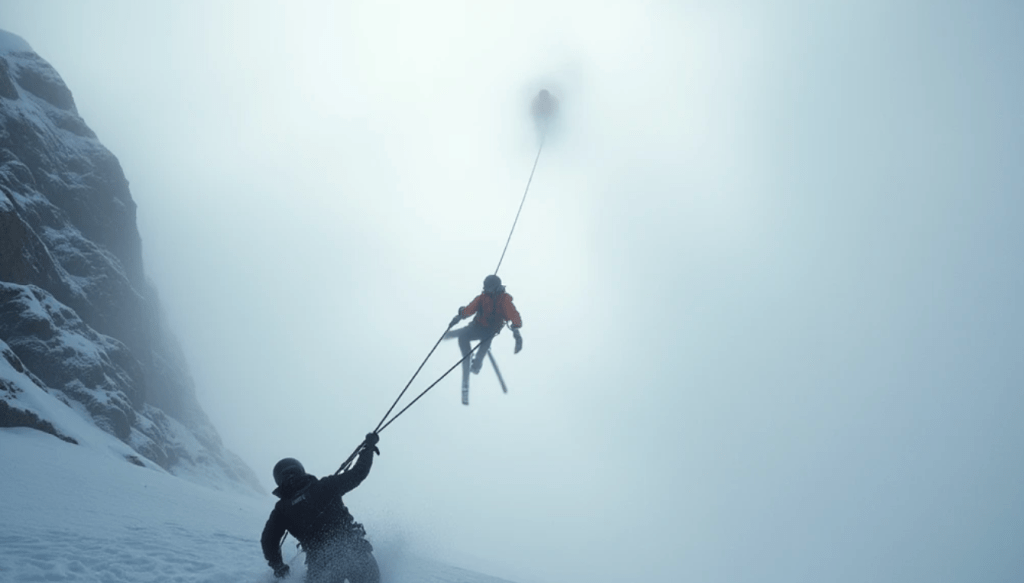
Let’s start with a friendly truth:
Living in Utah doesn’t automatically make you a winter expert — and that’s totally okay.
Whether you’re a lifelong resident or newer to the state, winter here has a way of surprising people. Not because Utahns aren’t capable, but because familiarity can sometimes feel like preparedness… when they’re not quite the same thing.
Utah winters aren’t just postcard snowfalls. They bring high-altitude blizzards, whiteout canyon roads, icy valley storms, and cold snaps that can knock out power for days. When those conditions hit, being ready makes all the difference.
The good news?
Most winter-related injuries and fatalities are completely preventable with a little planning and the right mindset.
This guide will walk you through:
- The most common winter storm dangers in Utah
- Why grocery stores empty so quickly (even here)
- Why food, backup power, and planning matter more than people realize
- The supplies that truly help keep you safe
- How to stay comfortable and confident when storms last longer than expected
Think of this as your winter confidence boost — the kind you’re glad you read before the snow starts falling.
Why Utah Winter Storms Deserve Extra Respect
Utah’s unique geography makes winter storms more intense than many people expect.
Here’s what sets them apart:
- High elevation means colder temperatures and fast-changing weather
- Mountain passes can close quickly and stay closed
- Rural areas may experience delayed emergency response
- Temperature inversions trap cold air in valleys
- Heavy snow loads stress roofs and power lines
- Dry air speeds up dehydration and heat loss
Snow doesn’t mean business as usual — it means slowing down, planning ahead, and letting smart preparation do the heavy lifting.
The Most Common Winter Storm Risks in Utah (and How to Avoid Them)
Let’s focus on awareness — not fear — so you can stay ahead of the risks.
1. Vehicle Accidents on Snow, Ice, and in Whiteouts
This is the top winter danger statewide.
Common issues include:
- Multi-vehicle accidents on I-15 and I-80
- Black ice on canyon roads
- Whiteout conditions in open areas
- Overconfidence in AWD or snow tires
AWD helps you move — it doesn’t help you stop.
Snow tires improve grip — they don’t cancel physics.
Smart winter driving means slowing down, avoiding unnecessary trips, and knowing when staying put is the safest option.
2. Exposure & Hypothermia (Even for Experienced Utahns)
Utah’s dry cold can feel manageable… until it isn’t.
Hypothermia often happens:
- While stuck in vehicles
- Inside homes without power
- During snow removal
- While recreating during storms
It doesn’t feel dramatic — it feels subtle. Fatigue, confusion, sluggishness. Knowing the signs and having warm layers, food, and shelter makes all the difference.
3. Carbon Monoxide Poisoning
This one is easy to prevent — and critically important.
Common causes include:
- Gas generators used indoors
- Improper propane heater use
- Charcoal grills in garages
- Poor ventilation in cabins or RVs
Carbon monoxide is invisible and odorless, but carbon monoxide detectors save lives. If winter prepping had a non-negotiable item, this would be it.
4. Avalanches & Structural Snow Loads
Utah snow can be heavy — especially when storms stack up.
Risks include:
- Roof collapses on homes and sheds
- Barns and carports failing
- Avalanches in backcountry areas
The solution? Monitor snow accumulation, clear roofs safely when needed, and respect avalanche warnings. Experience is valuable — but nature always gets the final say.
5. Medical Emergencies During Storms
Winter storms don’t cause medical issues — they make access harder.
During severe weather:
- Ambulances are delayed
- Roads become impassable
- Clinics and pharmacies may close
Common risks include heart strain from shoveling, missed medications, asthma flare-ups, and diabetic complications. Backup meds, reduced exertion, and staying home when possible are powerful safety tools.
Will Grocery Stores Run Out in Utah?
Yes — and faster than most people expect.
When storms are forecast, shelves can clear out within hours, especially in mountain towns and rural areas.
Items that go first:
- Bread
- Milk
- Eggs
- Meat
- Bottled water
- Baby formula
Utah’s just-in-time inventory system means there’s little back stock, and road closures delay resupply. Having food on hand turns a stressful situation into a manageable one.
Why Survival Food Prepping Makes Life Easier
Storms can isolate communities for days — sometimes longer.
Survival food isn’t about panic. It’s about comfort, flexibility, and peace of mind.
A solid baseline:
- 7–14 days of food per person
- No refrigeration required
- Easy prep with minimal fuel
Great Options for Utah Winters
- Freeze-dried meals
- Canned soups and meats
- Rice, beans, pasta
- Protein bars
- Instant oatmeal
- Peanut butter
If it stays good without power, it works in your favor.
Solar Generators: A Smart Utah Winter Upgrade
Gas generators have their place — but winter makes them tricky.
Challenges include:
- Fuel shortages
- Frozen engines
- Carbon monoxide risk
- Noise
Solar generators shine in Utah because:
- Cold temperatures improve battery performance
- High altitude boosts solar efficiency
- No fuel required
- Safe for indoor use
They can power:
- Phones & radios
- Medical devices
- LED lighting
- Refrigerators
- Internet routers
- Small heaters
Backup power turns outages into inconveniences instead of emergencies.
Essential Winter Survival Supplies for Utah Homes
Here’s a practical checklist that covers the basics:
Power & Heat
- Solar generator with batteries
- Power banks
- Indoor-safe heater
- Cold-rated sleeping bags
Clothing & Warmth
- Thermal base layers
- Wool socks
- Insulated gloves & hats
- Emergency bivy blankets
Food & Water
- 1 gallon of water per person per day
- Shelf-stable food
- Manual can opener
Safety & Medical
- First aid kit
- Backup prescriptions
- Carbon monoxide detectors
- Fire extinguisher
Communication & Light
- NOAA weather radio
- LED flashlights
- Extra batteries
- Headlamps
Prepared gear equals calmer decisions.
Why Winter Preparation Is a Strength — Not an Overreaction
Utahns are resilient, capable, and resourceful. Preparation simply makes those strengths go further.
Weather is becoming:
- More extreme
- Less predictable
- More disruptive
Infrastructure is aging. Emergency services get stretched thin during storms. Being ready means you stay warm, fed, and safe — and you’re not forced into risky decisions.
Prepping means:
- Less panic
- Fewer dangerous drives
- More self-reliance
- Fewer preventable emergencies
That’s not fear. That’s confidence.
Thoughts From a Utah Winter Survivalist
Winter storms aren’t unbeatable — and they don’t have to be scary.
They become dangerous when people underestimate them or wait too long to prepare. When you plan ahead, winter turns into something you handle, not something you endure.
If you live in Utah, winter isn’t optional — but stress is.
Prepare early, stay informed, and enjoy the peace of knowing you’re ready for whatever the forecast brings. ❄️💙
Tennessee Winter Storms: The Sneakiest Killers You’ll Ever Underestimate
Tennessee winter storms are like that one guy at the bar who looks harmless, then suddenly flips a table and ruins your week.
We don’t get hit every winter like Minnesota, so when snow or ice shows up, the entire state reacts the same way:
“Eh. It’ll be fine.”
Narrator voice: It was not fine.
Roads don’t get treated fast enough. Power grids tap out the moment ice shows up. Drivers have the confidence of NASCAR racers and the traction of a curling stone. And most families are sitting at home with two Pop-Tarts, a candle, and vibes.
That combo?
Chef’s kiss. Deadly.
I’ve watched ice storms shut down Tennessee for days—sometimes weeks—while people kept saying, “I’ve seen worse,” right up until their lights went out, their house hit 40 degrees, and the grocery store looked like it had been robbed by raccoons.
So let’s talk about what actually happens.
Why Tennessee Winter Storms Are So Dangerous (Without Needing a Blizzard)

Tennessee doesn’t need feet of snow to ruin your life.
All it needs is ice and gravity.
Here’s the hit list:
- Freezing rain that turns everything into a skating rink
- Hills. So many hills. Why are there so many hills.
- Bridges and overpasses that freeze instantly because science hates you
- Power lines that were never designed to wear ice coats
- Limited snow and ice removal equipment
- Power outages that last longer than your patience
Tennessee can shut down completely with a quarter inch of ice. That’s not a storm—that’s a bad cocktail garnish.
The Top Ways People Die in Tennessee Winter Storms
(AKA: The Same Mistakes Every Single Year)
1. Vehicle Accidents on Ice-Covered Roads
This one wins every year. Gold medal. No contest.
- I-40, I-24, I-65 turning into demolition derbies
- Steep hills that become ski slopes
- Bridges freezing first, because of course they do
- Drivers with exactly zero ice-driving experience
Tennessee drivers aren’t bad drivers. They’re just not ice drivers. Ice removes traction. Hills remove hope.
If ice is in the forecast, stay home.
Not “be careful.”
Don’t go.
2. Hypothermia — Inside the House (Yes, Really)
This one shocks people every year, which is impressive considering it happens every year.
Ice storms knock out power. Tennessee homes mostly run on electricity. When the lights go out, so does your heat.
People die from hypothermia while:
- Sitting on the couch
- Wearing hoodies instead of real layers
- “Waiting it out”
- Falling asleep cold and never waking up
Cold doesn’t need drama. It just needs time.
3. Carbon Monoxide Poisoning (The Silent, Stupid Killer)
Every winter storm, Tennessee collectively decides to forget what carbon monoxide is.
- Generators in garages
- Propane heaters indoors
- Charcoal grills in the house
- Gas stoves used as fireplaces
Carbon monoxide doesn’t smell. It doesn’t warn you. It doesn’t care. You just get sleepy… forever.
No carbon monoxide detector?
That’s not brave. That’s reckless.
4. Medical Emergencies When Help Can’t Reach You
Winter storms don’t cause medical emergencies—they just cancel help.
During storms:
- Ambulances get stuck
- Roads close
- Clinics shut down
- Pharmacies lock their doors
People die from:
- Heart attacks while chipping ice
- Missed medications
- Asthma attacks
- Diabetic emergencies
The storm didn’t kill them.
The delay did.
5. Falling Trees & Structural Damage
Ice turns Tennessee trees into professional wrestlers.
- Branches snap
- Trees fall on houses and cars
- Power lines come down
- People get crushed or electrocuted
And then someone says, “I’ll just clear it real quick.”
Congratulations. You just entered the danger zone.
Will Grocery Stores Empty in Tennessee?
Oh yes. Immediately.
Tennessee grocery stores run on just-in-time delivery, which means:
- No back stock
- Constant truck traffic
- Zero backup plan
Here’s what vanishes first:
- Bread
- Milk
- Eggs
- Meat
- Water
- Baby formula
Once highways ice over, those shelves stay empty.
If you’re shopping during the storm, you’re shopping too late.
Why Survival Food Is a Game-Changer in Tennessee
Tennessee storms usually don’t last weeks—but 3–7 days without power or stores is normal.
Survival food buys you time. Time buys you comfort. Comfort keeps you alive.
Every household should have:
- 7–10 days of food per person
- No refrigeration required
- Minimal cooking
Food That Actually Works
- Freeze-dried meals
- Canned soups and meats
- Rice and beans
- Pasta
- Protein bars
- Peanut butter
- Instant oatmeal
If your food needs electricity, it’s not a plan—it’s a gamble.
Solar Generators: Because Gas Generators Love to Ruin Lives
Gas generators during ice storms bring:
- Fuel shortages
- Carbon monoxide deaths
- Noise and theft
- Engines that refuse to start
Solar generators with battery storage are quieter, safer, and way less dramatic.
They can power:
- Phones and radios
- Medical devices
- LED lights
- Refrigerators
- Internet routers
- Small heaters
No fuel runs. No fumes. No “why won’t this start” at 2 a.m.
The Bare-Minimum Winter Survival Kit for Tennessee
If you live here, this isn’t “extra.” This is baseline adulthood.
Power & Heat
- Solar generator
- Power banks
- Indoor-safe heater
- Warm blankets or sleeping bags
Clothing & Warmth
- Thermal layers
- Wool socks
- Hats and gloves
- Emergency bivy blankets
Food & Water
- 1 gallon of water per person per day
- Shelf-stable food
- Manual can opener
Safety & Medical
- First aid kit
- Backup prescriptions
- Carbon monoxide detectors
- Fire extinguisher
Communication
- NOAA weather radio
- Flashlights
- Headlamps
- Extra batteries
No gear = no margin for error.
Why Prepping Matters So Much in Tennessee
Tennessee winters are dangerous because they’re inconsistent.
The state isn’t built for constant winter storms. Equipment is limited. Infrastructure struggles. Emergency services get overwhelmed fast.
Prepping isn’t fear.
Prepping is competence.
You prepare so:
- You don’t drive on ice
- You don’t freeze in the dark
- You don’t panic when shelves are empty
- You don’t become tomorrow’s headline
Final Survival Tip from a Comedian Who’d Like You Alive
Every winter storm death in Tennessee starts with the same sentence:
“Eh… it won’t be that bad.”
Ice doesn’t care where you live.
Power doesn’t come back on command.
Help doesn’t arrive instantly.
Prepare before the storm—because once ice hits, your options melt faster than your confidence.
And yes… I’m funny.
But I’m also serious.
Here’s How Californians Actually Die in Winter Storms
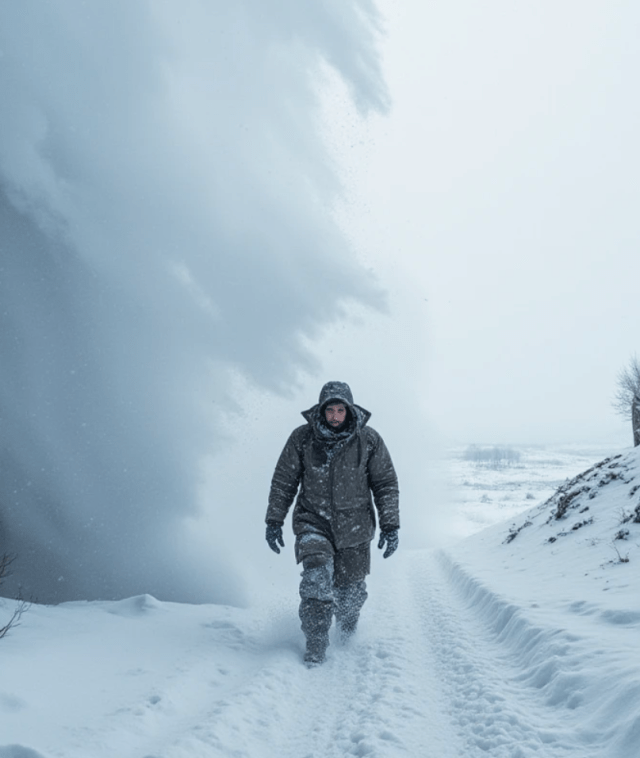
(And What This Storm Is Really Teaching You About Yourself)
Let me start by challenging a belief you’ve been carrying around for a long time.
“Winter storms aren’t really dangerous in California.”
I get why you believe that. I really do. California looks safe. The weather feels manageable. The danger doesn’t come wrapped in a blizzard with a dramatic soundtrack.
But here’s the thing I tell all my clients—
comfort is not the same thing as safety.
That belief? It gets people stranded, flooded, frozen, electrocuted, and killed every single year.
California winter storms don’t show up like they do in the Midwest. They arrive quietly, confidently, and then they take away everything you assumed would always work.
They look like:
- Torrential rain and flash flooding
- Mudslides that erase entire neighborhoods
- Mountain blizzards that trap drivers overnight
- Power outages that stretch on for days
- Roads that disappear without warning
And because people don’t emotionally identify as “winter survivors,” they don’t prepare like survivors. They end up with no food, no power, no heat, and no plan—just vibes and optimism.
And optimism is not a survival strategy.
What This Article Is Here to Help You Face
I’m not here to scare you.
I’m here to disrupt your mindset—because your mindset controls your outcomes.
We’re going to talk about:
- How people actually die in California winter storms
- Why grocery stores still empty like clockwork
- Why survival food and backup power matter even here
- What supplies genuinely keep you alive
- How to survive when the systems you trust stop showing up
This isn’t negativity.
This is accountability.
Why California Winter Storms Are More Dangerous Than People Want to Admit
California winter storms are not single-problem events. They are stacked challenges.
Depending on where you live, you’re dealing with:
- Flash floods
- River flooding
- Snowed-in mountain highways
- Grid failures
- Landslides and debris flows
- Cold exposure in homes designed for mild weather
Here’s the real threat:
infrastructure failure + overconfidence = catastrophe.
And I say that with love.
The Top Ways People Die in California Winter Storms
(Patterns Don’t Lie—People Just Ignore Them)
These deaths are consistent. They are preventable. And they repeat because people assume, “That won’t be me.”
That assumption is not aligned with reality.
1. Drowning in Floodwaters
This is the number one killer during California winter storms.
People die because they:
- Drive into flooded roads
- Walk through moving water
- Underestimate depth and current
- Get trapped in vehicles or homes
Let me coach you for a second:
If water is moving, it’s stronger than your confidence.
Twelve inches of water can take a car. Flash floods don’t schedule meetings—they just arrive and take control.
If the road is flooded, turn around. Every time. This is not a negotiation.
2. Vehicle Accidents in Snowy Mountain Passes
California mountain storms are not “cute snow days.”
They hit:
- Donner Pass
- I-80
- Highway 50
- Tehachapi Pass
- Sierra Nevada routes
People die because they:
- Ignore chain controls
- Run out of fuel
- Get stranded overnight
- Assume help is coming quickly
Here’s the mindset correction:
If you aren’t prepared to survive in your car, you aren’t prepared to be on that road.
Rescues take time. Sometimes days. Nature does not rush for your schedule.
3. Hypothermia in Homes Without Power
California homes are built for comfort, not endurance.
When storms knock out power:
- Electric heat fails
- Homes lose warmth fast
- People don’t own cold-weather gear
- Indoor temperatures become dangerous
Hypothermia doesn’t care what state you live in.
It only cares about exposure and time.
This is especially deadly for children and the elderly—groups we assume will be fine.
Assumptions are expensive.
4. Carbon Monoxide Poisoning
(This Is Not a Learning Experience—This Is a Fatal One)
Every winter storm, the same mistakes repeat:
- Generators indoors
- Charcoal grills inside
- Gas stoves used for heat
- Fireplaces misused
Carbon monoxide doesn’t knock. It doesn’t warn. It just ends the conversation.
If you own backup power or heat and don’t own carbon monoxide detectors, you’re not being brave—you’re being careless.
And carelessness is not a personality trait. It’s a liability.
5. Landslides and Mudflows
This one is uniquely California—and wildly underestimated.
Heavy rain after wildfires destabilizes hillsides. Entire neighborhoods disappear while people are asleep.
Homes crushed.
Roads buried.
Emergency access gone.
If you live near slopes or burn scars, winter storms are not “just rain.”
They are a structural reality check.
6. Medical Emergencies When Help Can’t Reach You
Storms don’t need to injure you directly.
They just need to disconnect you.
During severe storms:
- Roads close
- EMS response slows
- Pharmacies shut down
- Power-dependent medical devices fail
People die from missed medications, respiratory issues, heart attacks, and dialysis disruptions.
This is why preparation is not fear-based.
It’s continuity-based.
Will Grocery Stores Go Empty in California?
Yes. Fast. Every time.
California grocery stores depend on:
- Constant truck deliveries
- Open highways
- Functioning ports
When storms hit:
- Roads flood
- Trucks stop
- Panic buying starts
What disappears first:
- Bread
- Water
- Meat
- Baby supplies
- Batteries
- Shelf-stable food
If you shop after the warning, you’re already late.
That’s not judgment. That’s math.
Why Survival Food Prepping Matters in California
Storms don’t need to last weeks to create shortages.
Flooded roads, outages, and panic buying can empty shelves in hours.
A 7–14 day food buffer keeps you out of chaos—and chaos is where bad decisions live.
Food That Works With Reality
- Freeze-dried meals
- Canned meats and soups
- Rice and beans
- Protein bars
- Nut butters
- Shelf-stable snacks
If it needs refrigeration or daily store trips, it’s not resilient.
Solar Generators: The Calm, Mature Choice
Gas generators in California come with:
- Fuel shortages
- Noise restrictions
- Emissions rules
- Carbon monoxide risks
Solar generators with battery storage are quieter, safer, and far less dramatic.
They can power:
- Phones and emergency alerts
- Refrigerators
- Medical equipment
- LED lighting
- Internet modems
California still gets daylight during storms. Energy storage beats fuel anxiety every time.
Essential Winter Survival Supplies for California
(This Is Not Paranoia—This Is Baseline Responsibility)
Power & Heat
- Solar generator
- Power banks
- Indoor-safe heater
- Thermal blankets
Clothing & Shelter
- Warm layers
- Waterproof outerwear
- Hats and gloves
- Sleeping bags
Food & Water
- 1 gallon of water per person per day
- Shelf-stable food
- Manual can opener
Safety & Medical
- First aid kit
- Prescription backups
- Carbon monoxide detectors
- Fire extinguisher
Communication
- NOAA weather radio
- Flashlights
- Headlamps
- Extra batteries
If you don’t have these, you’re not “laid back.”
You’re underprepared.
Why Survival Prepping Matters in California
(And What This Says About Personal Responsibility)
California storms don’t give you shopping time.
Roads close.
Power fails.
Help slows.
And people who believed they were safe suddenly realize safety was conditional.
Prepping means:
- You don’t drive into floodwaters
- You don’t freeze in the dark
- You don’t panic-buy
- You don’t become a headline
This isn’t about fear.
This is about self-leadership.
Final Thought From Someone Who Cares a Little Too Much
California winter storms kill people because they don’t look like winter storms.
Rain, snow, flooding, isolation, and power loss are just as lethal as blizzards—sometimes more.
Prepare now.
Because when the storm hits, the system you trust takes the day off.
And at the end of the day—
your survival is your responsibility.
————————————————–
Georgia Winter Storms Are Dangerous Because They’re Rare — Here’s How to Stay Safe
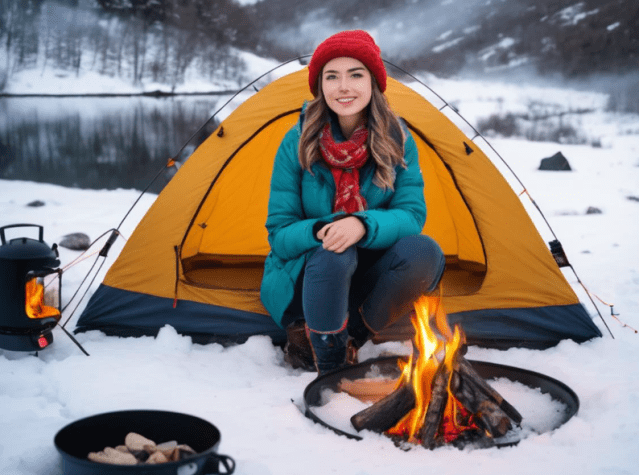
Georgia is not immune to winter storms. In many ways, it’s more vulnerable to them.
Because winter weather is infrequent, Georgia is not built to handle snow and ice when it does occur. Roads are rarely pre-treated, drivers have little experience in icy conditions, power infrastructure is easily damaged by ice, and grocery stores are not stocked for sudden surges in demand. Most households also lack food reserves, backup heat, or emergency power.
When ice storms hit, the result is predictable: traffic gridlock, prolonged power outages, closed businesses, empty shelves, and families stuck in cold homes without adequate supplies.
This guide explains:
- The most common causes of death during winter storms in Georgia
- Why grocery stores empty so quickly
- Why food storage and backup power are especially important
- Which supplies matter most
- How to stay safe when ice shuts down a state that isn’t designed for winter weather
Ignoring winter storms because they are uncommon increases risk rather than reducing it.
Why Winter Storms Are Especially Dangerous in Georgia
Georgia winter storms do not require heavy snowfall to cause serious disruption. Ice alone is enough.
Factors that increase risk include:
- Freezing rain that coats roads and bridges
- Frequent elevation changes that worsen traction loss
- Limited snow and ice treatment equipment
- Trees and power lines vulnerable to ice accumulation
- A population with little experience driving on ice
- Rapid closure of businesses, schools, and services
When ice forms, Georgia’s transportation and power systems are quickly overwhelmed.
The Most Common Causes of Death During Georgia Winter Storms
These outcomes occur repeatedly and are largely preventable.
1. Vehicle Accidents on Ice-Covered Roads
Traffic accidents are the leading cause of storm-related deaths.
Risk factors include:
- Interstates such as I-75, I-85, and I-20 becoming icy
- Bridges and overpasses freezing before other road surfaces
- Drivers unfamiliar with ice conditions
- Prolonged traffic gridlock that delays emergency response
When ice is forecast, avoiding travel is the safest option.
2. Hypothermia Inside the Home
Most Georgia homes rely on electricity for heat. Ice storms frequently cause power outages that last several days.
People develop hypothermia by:
- Remaining in unheated homes
- Wearing insufficient clothing indoors
- Attempting to wait out outages without backup heat
- Falling asleep in cold environments
Homes designed for mild winters lose heat quickly when power fails.
3. Carbon Monoxide Poisoning
Improper use of heating and power equipment leads to preventable deaths every winter.
Common causes include:
- Running generators inside homes or garages
- Using propane heaters incorrectly
- Bringing charcoal grills indoors
- Using gas stoves for heating
Carbon monoxide is colorless and odorless. Detectors are essential in any home using alternative heat or power sources.
4. Medical Emergencies With Delayed Care
Winter storms disrupt access to emergency services.
During ice events:
- Ambulances are delayed or unable to reach patients
- Roads become impassable
- Clinics and pharmacies close
Deaths occur from heart attacks, missed medications, respiratory distress, and diabetic complications when treatment is delayed.
5. Falling Trees and Downed Power Lines
Ice accumulation causes trees and branches to fail.
Hazards include:
- Trees falling onto homes and vehicles
- Downed power lines creating electrocution risks
- Injuries during debris removal
Cleanup should be delayed until conditions are safe and power lines are confirmed inactive.
Will Grocery Stores Run Out of Food in Georgia?
Yes. Often within hours.
Georgia grocery stores rely on just-in-time inventory systems with limited back stock. When roads ice over and deliveries stop, shelves empty quickly.
Items that disappear first include:
- Bread
- Milk
- Eggs
- Meat
- Bottled water
- Baby formula
Shopping after a storm begins is usually too late.
Why Food Storage Is Important in Georgia
Ice storms frequently leave households without access to stores for several days.
A basic food reserve should provide:
- 7–10 days of food per person
- No refrigeration requirements
- Minimal cooking needs
Reliable options include:
- Freeze-dried meals
- Canned soups and meats
- Rice and beans
- Pasta
- Protein bars
- Peanut butter
- Instant oatmeal
Food that depends on electricity is unreliable during outages.
Backup Power Options for Georgia Homes
Gas generators can present challenges during ice storms, including fuel shortages, carbon monoxide risk, and cold-start issues.
Solar generators with battery storage offer:
- Safe indoor operation
- No fuel dependency
- Quiet operation
- Reliable power for essential devices
They can support phones, medical equipment, lighting, refrigeration, and internet connectivity.
Essential Winter Storm Supplies for Georgia
A basic emergency setup should include:
Power and Heat
- Backup power source
- Power banks
- Indoor-safe heater
- Warm blankets or sleeping bags
Clothing
- Thermal layers
- Wool socks
- Hats and gloves
- Emergency blankets
Food and Water
- One gallon of water per person per day
- Non-perishable food
- Manual can opener
Safety and Medical
- First aid kit
- Backup prescription medications
- Carbon monoxide detectors
- Fire extinguisher
Communication
- NOAA weather radio
- Flashlights or headlamps
- Extra batteries
Without these supplies, households are fully dependent on systems that frequently fail during ice storms.
Why Winter Preparedness Matters in Georgia
Because winter storms are infrequent, Georgia is less equipped to handle them when they occur. Infrastructure limitations, limited emergency response capacity, and widespread unpreparedness increase risk.
Preparation helps ensure:
- Reduced need for travel during dangerous conditions
- Safe indoor temperatures during outages
- Avoidance of panic buying
- Fewer preventable injuries and deaths
Final Advice
Most winter storm fatalities in Georgia result from underestimating ice and overestimating system reliability.
Ice storms can shut down transportation, power, and emergency services quickly.
Preparing in advance is the most effective way to stay safe when winter weather disrupts normal life.
ChatGPT can make mistakes. Check im
Indiana Winter Survival Advice
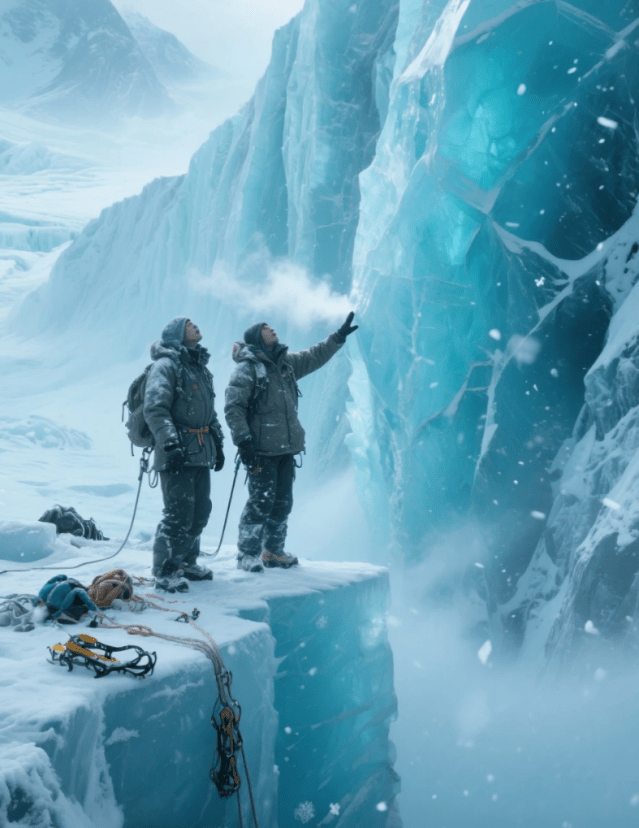
Indiana winter storms are often underestimated. They may not resemble the extreme blizzards seen in northern mountain states, but they regularly cause serious disruptions and loss of life each year.
Instead of heavy snowfall, Indiana typically experiences freezing rain, sleet, strong winds, and extended power outages. These conditions are especially dangerous because they appear manageable at first, leading many people to delay preparation or take unnecessary risks.
Indiana winter storms have repeatedly shut down highways, stranded drivers, emptied grocery stores, and left households without heat or electricity for days. Assuming a storm will be short-lived or easy to manage increases the risk of injury or worse.
This article explains:
- The most common causes of death during winter storms in Indiana
- Why grocery stores empty so quickly
- Why food storage and backup power are important
- Which supplies are essential
- How to stay safe when ice disrupts travel and emergency services
Winter preparation reduces reliance on luck and increases safety when conditions deteriorate.
Why Indiana Winter Storms Are More Dangerous Than They Appear
The primary threat during Indiana winter storms is not snow accumulation but ice combined with infrastructure strain.
Factors that increase risk include:
- Freezing rain that creates nearly invisible ice
- Flat highways that encourage higher driving speeds
- Heavy ice buildup on power lines
- Aging electrical infrastructure
- Dense population with limited redundancy
- Temperatures low enough to cause hypothermia indoors
Indiana storms often disable systems quietly rather than dramatically.
The Most Common Causes of Death During Indiana Winter Storms
These incidents occur repeatedly and are largely preventable.
1. Vehicle Accidents on Ice-Covered Roads
Traffic accidents are the leading cause of winter storm fatalities in Indiana.
Common risk factors include:
- Black ice on major interstates such as I-65, I-69, and I-70
- Freezing rain that appears wet but is actually ice
- Drivers assuming flat terrain is safer
- Overconfidence in four-wheel-drive vehicles
When ice forms, traction is unreliable regardless of vehicle type. Avoiding travel during icy conditions is the safest choice.
2. Hypothermia Inside the Home
Power outages during winter storms are common in Indiana and can last several days.
Once heating systems shut down, indoor temperatures drop quickly—especially in older homes and mobile homes.
Hypothermia can occur when people:
- Remain in unheated homes
- Wear insufficient clothing indoors
- Attempt to wait out outages without backup heat
- Fall asleep in cold conditions
Cold-related illness often develops gradually and without obvious warning.
3. Carbon Monoxide Poisoning
Improper use of heating and power equipment causes fatalities every winter.
Common causes include:
- Running generators in garages or near windows
- Using propane heaters incorrectly
- Bringing charcoal grills indoors
- Using gas stoves as a heat source
Carbon monoxide is odorless and invisible. Detectors are critical for any household using alternative heating or power sources.
4. Medical Emergencies With Delayed Care
Winter storms disrupt access to medical services.
During severe weather:
- Ambulance response times increase
- Roads may become impassable
- Clinics and pharmacies may close
Deaths occur from conditions such as heart attacks, missed medications, respiratory distress, and diabetic complications when care is delayed.
5. Injuries During Ice and Snow Removal
Ice-covered surfaces increase the risk of falls and injuries.
Hazards include:
- Slipping on steps or driveways
- Falls from ladders
- Prolonged exposure after an injury
Rushing cleanup tasks increases the risk of serious injury.
Will Grocery Stores Run Out of Food in Indiana?
Yes. Often very quickly.
Most Indiana grocery stores rely on just-in-time inventory systems, which means:
- Limited back stock
- Frequent deliveries
- Minimal buffering during weather disruptions
Items that sell out first include:
- Bread
- Milk
- Eggs
- Meat
- Bottled water
- Baby formula
Once deliveries stop, restocking may take days.
Why Food Storage Matters in Indiana
Winter storms may not isolate communities for weeks, but 3–7 days without power or access to stores is common.
A basic food supply should provide:
- 7–10 days of food per person
- No refrigeration requirements
- Minimal cooking needs
Reliable Food Options
- Freeze-dried meals
- Canned soups and meats
- Rice and beans
- Pasta
- Protein bars
- Peanut butter
- Instant oatmeal
Food that spoils without refrigeration is unreliable during outages.
Backup Power Options for Indiana Homes
Gas generators present challenges during winter storms, including:
- Fuel shortages
- Carbon monoxide risk
- Cold-start failures
- Noise restrictions
Solar generators with battery storage provide a safer alternative for many households.
They can support:
- Phones and radios
- Medical devices
- LED lighting
- Refrigerators
- Internet routers
- Small appliances
Backup power reduces dependence on an overburdened electrical grid during peak demand.
Essential Winter Survival Supplies for Indiana
A basic emergency setup includes:
Power & Heat
- Backup power source
- Power banks
- Indoor-safe heater
- Warm blankets or sleeping bags
Clothing
- Thermal base layers
- Wool socks
- Hats and gloves
- Emergency blankets
Food & Water
- One gallon of water per person per day
- Non-perishable food
- Manual can opener
Safety & Medical
- First aid kit
- Backup prescription medications
- Carbon monoxide detectors
- Fire extinguisher
Communication
- NOAA weather radio
- Flashlights or headlamps
- Extra batteries
Why Winter Preparedness Matters in Indiana
Indiana winters are becoming:
- More unpredictable
- More ice-driven
- More disruptive to infrastructure
Power grids are aging, emergency services are stretched, and storms often occur with limited warning.
Preparation helps ensure:
- Reduced need for dangerous travel
- Safe indoor temperatures during outages
- Avoidance of panic buying
- Fewer preventable injuries and deaths
Final Thoughts
Many winter storm fatalities in Indiana occur because the storm was underestimated.
Ice develops quickly.
Power restoration takes time.
Emergency response may be delayed.
Preparing in advance improves safety and resilience when winter weather disrupts daily life.
Winter conditions do not depend on location—they depend on readiness.
The Realities of Winter Storms in Wyoming

Wyoming winter storms are serious business. And by serious, I mean “Mother Nature starring in an action movie where you’re the unprepared extra.” There’s really no backup plan once things go wrong—and you can’t just call 911 and hope for a miracle.
Here’s what makes Wyoming winter weather especially dangerous:
- Wind that could blow the sarcasm out of your voice
- Temperatures that swing faster than your Wi-Fi connection drops in a snowstorm
- Towns so far apart your GPS files a missing persons report
- Highways that close faster than a drive-thru at 10 p.m.
- Whiteouts that last long enough to make you question your life choices
- Limited emergency response in rural areas (so don’t even think about holding out for a cavalry)
- Power outages that stretch for days—sometimes long enough to appreciate candles in ways you never thought possible
In short: if you think you can “wait it out” on the side of the road in Wyoming…you’re in for a surprise.
The Most Common Ways People Die in Wyoming Winter Storms
This isn’t speculation—it’s pattern recognition from years of watching nature win repeatedly.
1. Vehicle Accidents and Stranding
Top of the list: accidents and getting stuck. It’s not glamorous.
- Multi-vehicle pileups on I-80 and I-25
- Whiteouts so thick you can’t see your own hood
- Black ice paired with 50-mph winds
- Drivers assuming nothing could possibly go wrong
Lesson: once Wyoming closes a road, it stays closed. If you’re stranded without supplies, survival becomes a race against wind chill…which is basically Mother Nature saying, “You had one job: dress warmly.”
2. Hypothermia and Exposure
Wyoming doesn’t do “mild cold.”
People succumb to exposure:
- Inside cars
- In homes without power
- On remote ranches
- While working outside
The wind strips heat faster than a toddler strips your patience. Hypothermia doesn’t knock on your door—it sneaks in, sips your coffee, and quietly shuts you down.
3. Carbon Monoxide Poisoning
Every winter, the story repeats:
- Generators run indoors
- Propane heaters misused
- Charcoal grills brought inside
- Cabins or trailers poorly ventilated
Carbon monoxide is invisible, odorless, and deadly. It’s like a ninja that hates humans. If you don’t have a detector, you’re not rugged—you’re just reckless.
4. Medical Emergencies with Delayed Help
Wyoming’s isolation can turn a small medical problem into a big one.
During storms:
- Ambulances are delayed or don’t show up at all
- Helicopters can’t fly
- Clinics and pharmacies close
Heart attacks while shoveling snow, missed medications, respiratory failure, diabetic emergencies—they’re all much more dangerous when the storm cuts you off from help.
5. Structural Failures and Ranch Accidents
Heavy snow plus high winds equals trouble:
- Roofs collapse
- Barns fail
- Sheds and carports cave in
Thinking “it’s held up before” is like saying, “I’m sure this rollercoaster is fine even though the bolts are loose.” People get trapped or injured—and in remote areas, help can be hours away.
Will Grocery Stores Go Empty in Wyoming?
Yes. Faster than a cowboy can say, “Where’s my coffee?”
Wyoming grocery stores operate on:
- Small inventories
- Infrequent deliveries
- Long supply chains
Once highways close, supply stops. Items that vanish first:
- Bread
- Milk
- Eggs
- Meat
- Bottled water
- Baby formula
If your plan is “we’ll just run to the store,” welcome to reality: that plan doesn’t exist here.
Why Survival Food Prepping Is Critical
Wyoming storms isolate people. Survival food isn’t about paranoia—it’s about logistics.
Every household should have:
- 10–14 days of food per person
- Items that don’t need refrigeration
- Minimal cooking fuel
Best survival food options:
- Freeze-dried meals (great in cold climates—bonus: they don’t talk back)
- Canned meats and soups
- Rice, beans, and pasta
- Protein bars
- Peanut butter
- Instant oatmeal
If your food goes bad when the power goes out, it’s more liability than asset.
Solar Generators: The Only Backup Power That Makes Sense
Gas generators sound good—until winter actually hits:
- Fuel shortages
- Cold-start failures
- Carbon monoxide risk
- Loud, obnoxious noise
Solar generators work surprisingly well in Wyoming:
- Cold improves battery efficiency
- Clear winter skies provide power
- No fuel deliveries required
- Safe indoors
They can power phones, medical equipment, LED lights, refrigerators, internet, and small heaters. Basically, they keep you alive and slightly more comfortable while the storm does its thing.
Essential Winter Survival Supplies
Non-negotiable for Wyoming winter survival:
Power & Heat:
- Solar generator with battery storage
- Power banks
- Indoor-safe heater
- Cold-rated sleeping bags
Clothing & Warmth:
- Layered thermal clothing
- Wool socks
- Insulated gloves and hats
- Emergency bivy sacks
Food & Water:
- 1+ gallon water per person per day
- Non-perishable food
- Manual can opener
Safety & Medical:
- First aid kit
- Backup prescriptions
- Carbon monoxide detectors
- Fire extinguisher
Communication:
- NOAA weather radio
- Flashlights and headlamps
- Extra batteries
No excuses. If you don’t have these, you’re trusting luck…which, in Wyoming, isn’t great at winter survival.
Why Survival Prepping Matters in Wyoming
Wyoming doesn’t have:
- Nearby help
- Fast response times
- Dense infrastructure
- Quick resupply
What it does have:
- Wind
- Cold
- Distance
- Isolation
Prepping isn’t paranoia—it’s respecting reality. It keeps you from freezing, getting stuck, or becoming a roadside cautionary tale.
Winter in Wyoming isn’t about toughness—it’s about preparation.
The land doesn’t care how long you’ve lived there.
The storm doesn’t care about your SUV or your optimism.
And luck runs out faster than your last pack of peanut butter.
Prepare early, or learn the hard way…if you’re lucky enough to survive.
Wisconsin Winters Kill the Unprepared

Okay, I need you to take this seriously. I mean really seriously. Wisconsin winter isn’t cute, it isn’t romantic, and it certainly doesn’t care about your weekend plans. It’s relentless. Weeks of sub-zero temperatures, wind that cuts through layers like a knife, ice storms, snowstorms, and power outages that last for days…sometimes weeks.
And don’t even get me started on Lake Michigan and Lake Superior. Those things can turn a minor snowstorm into a full-blown “oh no, we might die out here” scenario.
I’ve watched people freeze in their own homes. I’ve watched them try to heat their houses with gas stoves or grills and never wake up. I’ve seen cars become death traps because someone thought their AWD or giant truck was magically impervious to ice. And you know what? None of it is inevitable. It’s preventable—but only if you actually take it seriously.
So, listen, okay? Here’s how people actually die in Wisconsin winters—and what it takes to survive when the grid fails and Mother Nature is feeling vindictive.
❄️ The Top Ways People Die in Wisconsin Winter Storms
1. Hypothermia During Long Power Outages
This is the number one killer. And it’s sneaky.
Ice storms and heavy snow take down power lines in seconds, especially in tree-heavy neighborhoods and rural areas. When the power goes out:
- Furnaces die
- Electric heat disappears instantly
- Well pumps stop
- Apartment buildings lose central heat
And houses cool fast. I mean really fast. Indoor temps can drop into the 30s and 40s in a blink. Hypothermia creeps in quietly:
- Shivering…then none at all
- Confusion…like, “why is my cat staring at me like that?”
- Slowed movement
- Loss of consciousness
People die because they assume the power will come back “soon.” Soon in Wisconsin? That’s a very relative term. Could be hours. Could be days. Could be the end of your personal timeline.
2. Carbon Monoxide Poisoning
And yes, every winter we see it again. Every. Single. Year.
- Generators run in garages
- Propane heaters misused indoors
- Charcoal grills brought inside
- Cars running in closed garages for warmth
Carbon monoxide is invisible. Odorless. Silent. You literally don’t get a warning. One second you’re fine, the next you’re…gone.
If it burns fuel and isn’t designed for indoor emergency use, it will kill you. I mean, don’t be that person. Please.
3. Stranded Vehicles in Extreme Cold
People die because they travel in storms they shouldn’t.
- Blowing snow, whiteouts, ice-covered highways
- Sub-zero wind chills that laugh at your winter coat
- Drivers who think AWD is some kind of magic
Once you’re stranded:
- Fuel runs out
- Heat disappears
- Wind chill accelerates hypothermia
People literally freeze to death in cars less than a mile from help because Wisconsin winter doesn’t wait for anyone. And it doesn’t negotiate.
4. Medical Emergencies with Delayed Response
Winter storms don’t have to be dramatic to be fatal. Sometimes they just make your problems impossible to fix:
- Ambulances delayed
- Rural roads impassable
- Hospitals overwhelmed
- Pharmacies closed
Heart attacks, strokes, diabetic emergencies, respiratory failure—whatever you have, the storm doesn’t care. It just cuts you off from help. If you rely on oxygen, insulin refrigeration, dialysis, or CPAP machines…you’re on a ticking clock.
5. Falls, Ice Injuries, and Overexertion
Even simple chores turn deadly:
- Slipping on icy stairs or sidewalks
- Head injuries
- Broken hips
- Heart attacks from shoveling heavy snow
- Falling from roofs while clearing snow
If emergency response is delayed, injuries that should be survivable…aren’t.
🛒 Grocery Stores Will Go Empty
Yes. Faster than you can say “I should’ve stocked up yesterday.”
Wisconsin stores:
- Depend on daily deliveries
- Carry limited backstock
- Lose power during storms
Before a storm:
- Bread, milk, eggs disappear
- Bottled water vanishes
- Batteries, propane, generators sell out
After a storm:
- Trucks stop
- Stores close or operate on limited hours
- Shelves stay empty for days
If your plan is “I’ll just go shopping when it hits”—congratulations, your plan is already dead.
🍲 Survival Food Prepping
Cold burns calories. Hunger makes it impossible to stay warm.
Shelf-stable staples:
- Canned soups and chili
- Canned meats
- Beans, lentils, rice, pasta
- Peanut butter
- Oatmeal
No-cook options:
- Protein bars
- Trail mix
- Jerky
- Crackers
Water: Minimum one gallon per person per day. Plan for seven days. Because yes, water treatment and pumping stations can fail, too.
🔋 Solar Generators
Gas generators? Dangerous in Wisconsin. Fuel disappears fast, they produce carbon monoxide, and they hate the cold.
Solar generators? Much better:
- Safe indoors
- Silent
- Rechargeable even in winter daylight
They can power:
- Medical devices
- Phones and emergency radios
- Lights
- Refrigerators (cycled)
- Small heaters
Safe indoor power could literally save your life when the grid fails.
🧰 Essential Winter Survival Supplies
Warmth & Shelter:
- Cold-rated sleeping bags
- Wool blankets
- Thermal base layers
- Hats, gloves, thick socks
- Indoor-safe heaters
- Carbon monoxide detectors
Power & Light:
- Solar generator and panels
- Battery lanterns, headlamps, extra batteries
Medical & Safety:
- First aid kit
- 7–10 days of prescriptions
- Fire extinguisher
Cooking:
- Camping stove
- Fuel
- Matches/lighters
- Basic cookware
🧠 Why Prepping Matters
Wisconsin winter doesn’t knock politely. It grinds systems down.
- Power grids fail
- Roads shut down
- Supply chains stop
Prepping isn’t paranoia—it’s survival. If you’re not ready for extended outages, you’re trusting luck. And luck? Luck doesn’t survive January.
🧊 How to Survive
- Stay off the roads: Travel kills more than cold
- Layer up immediately indoors: Don’t wait
- Create a warm zone: One room, block drafts, insulate windows
- Ration power: Medical needs first, lighting second
- Eat and hydrate: Calories = body heat
- Stay informed: Weather radio, emergency alerts
Wisconsin winter doesn’t care if you’re experienced. It doesn’t care if you think you’re ready. It doesn’t even care if you survived last year.
Cold, wind, and darkness kill quietly—but efficiently.
Prepare now…or become a cautionary tale when spring finally comes.
Winter Storm Deaths in Maine: Put Down the Lobster Roll and Listen Up

Alright, folks, let’s get real. Maine winters are not a friendly neighbor—you know, the one who brings cookies and hot cocoa. Nope. Maine winter is that creepy uncle who shows up unannounced, rips the power out of your house, and whispers, “Good luck.”
And here’s the thing: Mainers? We’re proud. We’ve shoveled snow since birth. We’ve driven on black ice that looks like a skating rink designed by Satan himself. We think we’re invincible. But the truth? That pride is like wearing a neon “Kiss Me I’m About to Die” sign.
So let’s break down how people actually die in Maine winter storms—and how you can survive without turning into a cautionary tale. Spoiler: it’s not pretty. But I’ll make it funny so at least you’ll chuckle while hypothermia sneaks up on you.
Why Winter Storms in Maine Are Basically Villains in a Netflix Show
Maine isn’t just cold. It’s remote, forested, and full of places where cell service goes to die. Here’s what makes Maine winters deadly:
- Long-lasting cold snaps that make your soul shiver
- Wet snow heavy enough to take down power lines…or your optimism
- Ice storms that turn roads into “Don’t Even Think About Driving” zones
- Remote communities where help arrives whenever it wants—maybe next week, maybe never
- Coastal storms that combine snow, wind, and flooding…because why make it easy?
- Aging infrastructure that creaks, groans, and fails at the first sight of precipitation
- Short daylight hours, so you spend half your life in the dark anyway
Basically, Maine winter is like that ex who ruins your day and then leaves you to deal with it alone.
The Top Ways People Die in Maine Winter Storms
Let’s start with the obvious: it’s not fun. But we’re going to make it funny so your survival instinct actually kicks in.
1. Vehicle Accidents and Stranding
Ah, the classic. Maine drivers are tough…until the snow hits. Then we become skid-happy zombies.
- Snow-covered back roads look cute…until they trap you
- Icy highways like I-95? Your car thinks it’s auditioning for “Dancing on Ice: Maine Edition”
- Whiteouts: zero visibility, maximum panic
- Overconfidence in snow tires, AWD, or just your ability to adult
Stranded in Maine? Congratulations—you’re now an extra in The Walking Dead: Snow Edition. Temperatures drop fast, cell service vanishes, and the only thing worse than being stranded is watching someone else get rescued first.
2. Hypothermia: The Silent But Deadly Roommate
Hypothermia is sneaky. It doesn’t yell “Boo!” It just slowly steals your warmth like a passive-aggressive roommate.
- Inside homes without power (remember when furnaces actually worked?)
- Clearing snow like it’s a weekend hobby
- Working outside too long because you forgot what 15°F feels like
- Getting wet and thinking, “I’m fine, I’m tough.” You’re not.
Elderly residents are at risk, but cold doesn’t care how tough you are. You think you’re a hero. Cold thinks you’re dinner.
3. Carbon Monoxide Poisoning: Invisible and Rude
This one’s a classic. Every winter, same story, different victims:
- Generators running indoors (or in garages—why?)
- Propane heaters misused
- Wood stoves vented like a DIY project gone wrong
- Gas stoves used for “emergency heat” because apparently logic took a holiday
CO is invisible, odorless, and silently judging you. You don’t wake up. It’s like a horror movie where the villain wears a faceless mask and doesn’t even bother to chase you—he just waits.
4. Medical Emergencies With Delayed Help
Maine winters isolate you faster than you can say, “I should have stocked up.”
- Ambulances delayed
- Roads impassable
- Clinics closed
- Pharmacies shut down
Heart attacks, strokes, diabetic emergencies—all suddenly a big problem when the snow says, “Nope, you’re on your own.”
5. Structural Failures and Falling Trees
Snow + ice + Maine = gravity wins.
- Roofs collapse
- Trees fall
- Power lines snap
- Barns and sheds fail like bad IKEA furniture
People get crushed, electrocuted, or trapped. In rural areas, help can take hours. Or maybe it’s off doing errands.
Grocery Stores in Maine During a Storm: Spoiler Alert, They’re Empty
Yes. Fast. Faster than you can say, “I’ll just run down the road.”
- Most food is trucked in
- Supply chains are long
- Local inventory is…cute, but basically symbolic
When the snow hits:
- Delivery trucks stop
- Shelves empty
- Stores close early, if they open at all
Bread? Gone. Milk? Gone. Batteries, generators, baby formula? Gone.
If your plan is, “I’ll just go to the store,” congratulations—you just failed geography 101.
Survival Food Prepping: Because Hunger + Cold = Bad
Food isn’t comfort—it’s survival. Stock up:
- 10–14 days of food per person
- Minimal cooking needs
- No refrigeration required
Best options:
- Freeze-dried meals (don’t laugh—they’re delicious when starving)
- Canned soups and meats
- Rice, beans, pasta
- Protein bars, peanut butter, instant oatmeal
Power outages? Grocery runs impossible? Congratulations—you’re still alive if you did this right.
Solar Generators: Your Maine Lifeline
Power goes out a lot here. Gas generators? Sure…until the fuel runs out or the engine freezes and mocks you.
Solar generators:
- Work indoors safely
- Silent (so your neighbors don’t think you’ve gone feral)
- Don’t depend on fuel deliveries
- Recharge with winter daylight
Power your lights, phones, medical devices, fridges, internet…basically, keep life from turning into The Hunger Games: Snow Edition.
Essential Winter Survival Supplies
Power & Heat:
- Solar generator with battery
- Power banks
- Indoor-safe heater
- Cold-rated sleeping bags and blankets
Clothing & Warmth:
- Thermal base layers
- Wool socks
- Gloves, hats, emergency bivy blankets
Food & Water:
- 1 gallon per person per day
- Non-perishable food
- Manual can opener
Safety & Medical:
- First aid kit
- Extra prescriptions
- Carbon monoxide detectors
- Fire extinguisher
Communication:
- NOAA weather radio
- Flashlights and headlamps
- Extra batteries
Why Prepping Matters
Maine winters are long, cold, and unforgiving. Roads vanish, power grids fail, help is slow, and snow just laughs.
Prepping isn’t paranoia—it’s basic common sense. You prep so you don’t:
- Drive in dangerous conditions like a snow ninja with bad luck
- Freeze during outages
- Become another cautionary tale first responders tell over coffee
- End up in someone’s Instagram meme caption
Final Word from Your Maine Survival Guide
Every winter death here has the same root cause: someone assumed experience was enough.
- Winter doesn’t care how long you’ve lived here
- It doesn’t care how many storms you survived
- And it sure as heck doesn’t care how tough you think you are
Prepare early. Prepare seriously. Or get ready to be the punchline in March, when everyone’s sharing stories by the wood stove, laughing at the fool who underestimated Maine winter…you.
Virginia Winter Storm Survival

Winter storms don’t kill people because they’re dramatic. They kill people because Virginians are overconfident.
Virginia isn’t Alaska. Virginia isn’t Florida. Virginia is that weird in-between where snow sneaks in like a raccoon stealing your trash and then suddenly, everything is chaos.
People think, “It’s just snow.” That’s exactly what kills them.
Why Virginia Winters Are Basically Villains in a Netflix Thriller
- Ice storms: Mother Nature’s way of saying, “LOL, good luck with your power lines.”
- Heavy snow: Because trees are weak and gravity is evil.
- Hills and mountains: Perfect for slides, but not the fun kind.
- Northern Virginia population density: Because traffic jams should always be deadly.
- Aging power grid: Fragile as your uncle’s new dentures.
- Temperatures around freezing: Perfect for hypothermia’s sneak attack.
Assumption is deadly. “Help will arrive soon”? Nope. “Power will come back in a few hours”? Wrong. “I don’t need supplies, I’m fine”? That’s exactly what everyone says before the storm wins.
The Top Ways People Die in Virginia Winter Storms (And Laugh About It After…If You Survive)
1. Vehicle Accidents
- Black ice: Mother Nature’s banana peel.
- I-81, I-95, Route 29: Instant ice rink with 60 mph hazard.
- Overconfident SUV drivers: Thinking AWD = immortality.
- People rushing to work: Because a paycheck is worth…well, apparently death.
- Tractor-trailers jackknifing: The ultimate “Welcome to Maine…oops, Virginia” experience.
Rule: If the storm is bad, don’t drive. Your office Zoom call is not that important.
2. Hypothermia Indoors
- Yes, you can die inside your house.
- Power outages last days—furnaces get tired.
- Homes weren’t built for prolonged cold, unless your idea of cozy is Siberia chic.
- People refusing layers: Because fashion is more important than life.
- Indoor temps drop below 60°F? Hypothermia says, “Hello, nice to meet you.”
Fun fact: Your house is basically a giant freezer with Wi-Fi.
3. Carbon Monoxide Poisoning
- Generators in garages: Classic rookie move.
- Charcoal grills indoors: BBQ nightmare, literally.
- Gas stoves used for heat: Because logic took a vacation.
- CO is invisible and odorless: So is disappointment, but this one kills.
If you don’t have CO detectors, you’re playing Russian roulette with zero bullets—except they’re all deadly.
4. Medical Emergencies
- Ambulances delayed, roads impassable, pharmacies closed.
- Heart attacks while shoveling snow: Congratulations, cardio day backfired.
- Missed meds: Your body now hates you.
- Diabetic or respiratory emergencies: Storm says, “Guess you’re on your own!”
Winter doesn’t cause emergencies. It just removes the safety net.
5. Exposure During Snow & Tree Work
- Chainsaws, icy roofs, frozen branches: Welcome to the Darwin Awards.
- People fall, people freeze, people regret everything.
- “I’ll handle it real quick” is the sentence people never finish.
Grocery Stores in Virginia: The Real Apocalypse
- Storm announced → shelves start thinning faster than you can say “milk.”
- 24–48 hours → bread, eggs, meat, and hope disappear.
- Storm day → stores close early, some permanently (for the day).
- Post-storm → trucks delayed, supply chains frozen like your patience.
Curbside pickup? Nice try. Delivery? LOL. The snow doesn’t care about Amazon Prime.
Survival Food: Because Starving in the Cold Is Bad
- 7–14 days per person: Minimum.
- No refrigeration, minimal cooking.
- Freeze-dried meals: Not glamorous, but they don’t complain.
- Cans of soup & meat: Now we’re talking.
- Rice, beans, pasta: The holy trinity of survival carbs.
- Protein bars, peanut butter, oatmeal: The snacks of champions.
Your plan fails if it relies on electricity or daily trips to the store. That’s called “crying in the snow.”
Solar Generators: The Power Move
Gas generators:
- Run out of fuel
- Engines freeze
- Carbon monoxide risk
- Loud enough to alert local bears
Solar generators:
- Safe indoors
- Silent as a ninja
- No fuel needed
- Battery backed for days
Power your lights, phones, medical devices, and small heaters. Basically, keep your life from becoming a dark comedy.
Essential Supplies Checklist
Power & Heat: Solar generator, power banks, indoor-safe heater, extra blankets.
Clothing & Shelter: Thermal layers, wool socks, gloves, hats, bivy blankets.
Food & Water: 1 gallon water per person/day, non-perishable food, manual can opener.
Safety & Medical: First aid kit, prescriptions, CO detector, fire extinguisher.
Communication: NOAA radio, flashlights, headlamps, extra batteries.
Don’t have these? That’s not prep—you’re just living on hope and bad luck.
Why Survival Prepping Matters
Virginia’s population grows. Infrastructure doesn’t. Storms are stronger.
- Power out 5+ days? Check.
- Roads blocked? Check.
- Emergency services delayed? Check.
- Stores empty? Check.
Prepping isn’t fear. It’s realizing the universe doesn’t care about your comfort.
Final Word
Every winter storm death in Virginia shares a trait:
- Someone thought it wouldn’t be that bad.
- Don’t drive unless absolutely necessary.
- Don’t trust the grid.
- Don’t wait until shelves are empty.
- Don’t assume help is fast.
Prepare now, so when winter laughs at your plans, you’re still alive…probably sipping canned soup like a hero.
Winter doesn’t care if you’re busy. Winter doesn’t care if you’re unprepared. Winter only cares if you survive—or become a cautionary tale.
The Truth About Dying in a New York Winter Storm
Winter in New York can be mesmerizing. Snow-laden streets, glistening ice, and the quiet hush that blankets the city and countryside alike create a picturesque scene. But behind the postcard-perfect view lies a lethal reality: New York winter storms kill hundreds every year, and most deaths are preventable.
As a professional survivalist and prepper who has spent years training both in urban and rural winter survival—and as a professor of emergency preparedness—I’ve seen the consequences of underestimating winter storms. The hard truth? Many New Yorkers die because they are unprepared, complacent, or unaware of the risks.
This guide will break down exactly how people die in New York winter storms and provide practical, professional advice on how to survive and thrive—even when the storm outside is merciless.
Why Winter Storms Are Deadly in New York
New York experiences a range of winter hazards:
- Heavy snowfalls in upstate areas can exceed 20 inches in a single storm.
- Ice storms coat roads, trees, and power lines in dangerous layers.
- Blizzards occasionally hit the state, reducing visibility to near zero and dropping wind chills below -20°F in rural areas.
- Urban hazards in New York City include snow-laden sidewalks, stranded commuters, and emergency services stretched thin during large-scale storms.
Despite these dangers, most deaths in New York winter storms are not caused by spectacular blizzards. They are caused by things most people never think about—slipping on ice, shoveling snow incorrectly, carbon monoxide poisoning, getting stranded in cars, and hypothermia.
How Most People Die in New York Winter Storms
Understanding the “why” behind winter storm deaths is essential. Here’s the breakdown, based on years of research, emergency reports, and field experience:
1. Hypothermia
Hypothermia is the leading killer during winter storms. It happens when the body loses heat faster than it can produce it. Hypothermia can strike even in temperatures just below freezing, especially if you are wet or exposed to wind.
Urban example: Someone stranded on a subway platform due to a delayed train or power outage can experience hypothermia within hours if not dressed appropriately.
Rural example: Hikers, snowmobilers, or drivers stranded on icy upstate roads are at extremely high risk.
Warning signs: shivering, confusion, slurred speech, drowsiness, and fatigue. If untreated, hypothermia can cause heart failure and death.
2. Frostbite
Frostbite is often underestimated. Fingers, toes, noses, and ears are vulnerable. Severe frostbite can lead to tissue death and infections. Frostbite doesn’t kill directly but compounds the danger by weakening the body and making hypothermia more likely.
3. Vehicle-Related Deaths
New York roads are treacherous during winter storms. Ice and snow account for thousands of accidents annually, including fatalities. Rural upstate roads are particularly deadly: one wrong turn can mean a car sliding off the road into a ditch, leaving occupants trapped and exposed to freezing temperatures.
Key dangers include:
- Black ice, invisible and deadly
- Poorly maintained vehicles without winter tires
- Driving too fast for conditions
- Attempting to travel during blizzard warnings
4. Heart Attacks from Physical Strain
Shoveling snow, especially wet and heavy snow, increases heart strain. Emergency rooms report a spike in cardiac events during winter storms, especially in people over 50 or with preexisting conditions.
Pro tip: Never shovel snow alone, pace yourself, and stay hydrated.
5. Carbon Monoxide Poisoning
During power outages, New Yorkers often use generators, space heaters, or fireplaces. Improper ventilation causes CO buildup, which is deadly. CO is odorless and colorless, making it a silent killer.
Safety tip: Always use generators outdoors, away from windows, and install CO detectors in your home.
6. Falls
Slips on icy sidewalks, steps, and driveways are extremely common in New York winters. Even minor falls can lead to fractures or traumatic injuries that, when combined with exposure and delayed medical response, can be fatal.
7. Complacency
Many deaths occur because people underestimate winter conditions. New Yorkers often think: “It’s just snow. I grew up with it.” That complacency leads to dangerous decisions: driving in poor visibility, delaying preparation, or ignoring health risks.
Practical Winter Storm Survival Strategies
Here’s how you survive a winter storm in New York, based on professional prepper experience and emergency research:
1. Build a Winter Emergency Kit
Whether you live in Manhattan or the Adirondacks, an emergency kit can save your life. Essentials include:
- Water (1 gallon per person per day for at least 3 days)
- Non-perishable food
- Flashlights, batteries, and candles
- First aid kit and medications
- Hand warmers, gloves, thermal clothing, hats, and blankets
- Battery-powered radio and phone charger
2. Winterize Your Home
- Insulate windows and doors to conserve heat
- Keep extra blankets and sleeping bags accessible
- Protect pipes from freezing
- Stock up on emergency heating fuel
3. Dress Properly
Layering is key. Use:
- Base layers: moisture-wicking
- Middle layers: insulating (wool, fleece)
- Outer layers: waterproof and windproof
- Accessories: hats, scarves, gloves, insulated boots
4. Drive Safely (or Avoid Driving)
- Only travel if essential
- Keep your car stocked with blankets, food, water, and a first-aid kit
- Equip your car with winter tires and check the fuel
- Reduce speed, increase following distance, and avoid sudden braking
5. Shovel Safely
- Warm up before shoveling
- Lift with your legs, not your back
- Take frequent breaks
- Know your limits—call for help if necessary
6. Prevent Carbon Monoxide Poisoning
- Never use generators or grills indoors
- Vent portable heaters correctly
- Install CO detectors with fresh batteries
7. Know Hypothermia and Frostbite
- Learn early warning signs
- Seek warmth immediately
- Keep dry clothing available
- Avoid prolonged exposure, even outdoors for short periods
8. Community Awareness
- Check on neighbors, especially the elderly
- Volunteer at warming centers if safe
- Share information on road closures and emergency shelters
The Prepper Mindset for Winter Survival
Being a prepper is not about fear—it’s about respect for nature and preparedness. In New York, winter storms can change in minutes. By maintaining a survival mindset, staying informed, and taking practical steps, you ensure you are never a statistic.
- Respect the storm: It doesn’t matter how experienced you are.
- Stay proactive: Prepare before the forecast hits.
- Prioritize life over convenience: Avoid unnecessary travel and risk.
Winter storms in New York are more than snow and inconvenience—they are lethal events that claim lives every year. Hypothermia, frostbite, vehicle accidents, cardiac events, carbon monoxide poisoning, and slips are the main killers, most of which are preventable.
Preparation is your most powerful tool. With the right gear, knowledge, and mindset, you can survive—even thrive—through New York’s harshest winter storms.
Remember: Complacency kills. Respect the storm. Prepare for the worst, and you will survive.
Why West Virginia Winter Storms Are Lethal

West Virginia’s geography creates a perfect storm for winter hazards:
- Mountain passes and winding roads make travel treacherous with ice and snow.
- Rural isolation means emergency response times can be hours, not minutes.
- Variable snowfall—a storm dropping just a few inches in one valley can paralyze an entire county.
Deaths often occur not during headline-grabbing storms, but during what locals consider “manageable snow events.” Complacency kills.
Common Causes of Death
1. Hypothermia
Hypothermia is the primary killer. Rural residents stranded on backroads, hikers, hunters, or motorists trapped in snow drifts are particularly at risk. Hypothermia can set in even at temperatures above freezing if wet or exposed to wind.
Warning signs: shivering, confusion, slurred speech, drowsiness, and fatigue.
2. Vehicle Accidents
West Virginia roads are infamous for fatal winter accidents. Factors include:
- Black ice on mountain roads
- Limited visibility in narrow valleys
- Cars sliding off cliff edges or down embankments
- Drivers overestimating vehicle capability
3. Heart Attacks and Physical Strain
Shoveling snow, clearing driveways, or moving logs during storms can trigger heart attacks. In mountainous terrain, exertion is often underestimated.
4. Carbon Monoxide Poisoning
Power outages are common in West Virginia’s remote areas. Generators, fireplaces, and poorly ventilated heaters are frequent causes of CO poisoning.
5. Falls and Structural Hazards
Icy steps, rooftops, and farm structures pose a serious threat. Many deaths occur during simple tasks like clearing snow from a roof or slipping on a frozen porch.
Survival Strategies for West Virginia
1. Emergency Supplies Are Non-Negotiable
- Water (1 gallon per person per day, minimum 3 days)
- Freeze-dried food or high-calorie rations
- First aid kit and medications
- Extra blankets, thermal clothing, hats, gloves, and boots
- Battery-powered radio and phone charger
2. Winterize Homes and Structures
- Insulate doors and windows
- Protect pipes from freezing
- Stock heating fuel and firewood
- Clear roofs of heavy snow early
3. Travel With Extreme Caution
- Avoid travel during storms if possible
- Keep vehicles stocked with emergency supplies
- Use winter tires and maintain fuel
- Know your route and communicate travel plans
4. Layer Clothing Properly
- Base: moisture-wicking
- Middle: insulating (wool or fleece)
- Outer: waterproof and windproof
- Accessories: gloves, hats, scarves, thermal socks
5. Prepare for Power Outages
- Backup generators (ventilated outdoors)
- Battery-powered lighting
- Alternative cooking methods (stove, propane heater)
6. Recognize Danger Early
- Know the signs of hypothermia and frostbite
- Move indoors immediately if symptoms appear
- Never underestimate the cold or exposure time
7. Adopt the Prepper Mindset
In West Virginia, storms can cut off entire towns. Respect the storm, plan ahead, and prepare for isolation. This mindset alone saves lives.
West Virginia winter storms kill quietly. Complacency, not blizzards, is the real killer. Hypothermia, vehicle accidents, heart attacks, carbon monoxide, and falls are preventable with preparation, awareness, and survival knowledge.
How People Die in New Jersey Winter Storms

New Jersey might not have the vast mountains of West Virginia or the open plains of Texas, but don’t let that fool you: winter storms here are deadly in their own right. From icy highways to suburban neighborhoods blanketed in snow, New Jersey’s winter hazards are subtle but lethal. The cold isn’t just uncomfortable—it’s deadly, and every year, unsuspecting residents fall victim.
As a professional survivalist, prepper, and professor of emergency preparedness, I’ve studied why winter storms in New Jersey are particularly dangerous. I’ve seen first-hand how the combination of complacency, poor preparation, and underestimation of winter weather leads to preventable deaths.
This guide will break down exactly how people die during New Jersey winter storms and provide a professional survival roadmap to keep you, your family, and your property safe.
New Jersey’s climate produces a mix of winter hazards:
- Snowstorms: Even a few inches can paralyze traffic in urban areas like Newark or Jersey City.
- Ice storms: Freezing rain creates slick roads and sidewalks, often causing more accidents than snow alone.
- Coastal nor’easters: These storms combine wind, snow, and ice, especially along the Jersey Shore, often cutting off power for days.
- Wind chills: Even modest temperatures can feel lethal when accompanied by strong winds, particularly in open areas and on bridges.
Unlike dramatic blizzards in other states, New Jersey winter storms often appear manageable. This illusion is what kills. People venture out in lightly snowing conditions, underestimate black ice, or fail to prepare for power outages—only to find themselves in life-threatening situations.
How People Die in New Jersey Winter Storms
Winter storm deaths in New Jersey typically fall into several categories, all preventable with knowledge and preparation:
1. Hypothermia
Hypothermia is the leading killer. It occurs when the body loses heat faster than it can generate it, causing a dangerous drop in core temperature. Even healthy adults can succumb if exposed to cold, wet, or windy conditions for extended periods.
Typical scenarios:
- Being stranded in a car during an unexpected snowstorm
- Walking home after public transport delays
- Working outdoors without proper winter gear
Warning signs: shivering, confusion, slurred speech, fatigue, and drowsiness. Without intervention, hypothermia leads to heart failure and death.
2. Vehicle Accidents
New Jersey’s dense population and high traffic volume make vehicle accidents a major killer during winter storms. Icy roads, black ice, and overconfident drivers contribute to thousands of accidents annually.
Common causes:
- Sliding into intersections or other cars on slick roads
- Overestimating vehicle capability on snow-covered bridges and highways
- Stranding on less-traveled roads in rural counties like Sussex or Warren
Even minor snowstorms can create deadly conditions on major highways like the Garden State Parkway or I-95.
3. Heart Attacks from Physical Strain
Shoveling snow, clearing driveways, or performing strenuous outdoor activity is a major cause of winter fatalities in New Jersey. Wet snow can weigh 15–20 pounds per cubic foot, creating a serious cardiovascular challenge.
Advice:
- Pace yourself and take frequent breaks
- Avoid shoveling alone, especially if you have preexisting heart conditions
- Use proper lifting techniques
4. Carbon Monoxide Poisoning
Power outages from snow or ice storms often lead people to use generators or alternative heating indoors. Improper ventilation of these devices can result in deadly carbon monoxide poisoning.
Safety tips:
- Always operate generators outdoors
- Keep heating devices away from doors and windows
- Install CO detectors in your home and check batteries regularly
5. Slips, Falls, and Structural Hazards
Icy sidewalks, driveways, and steps cause hundreds of falls each winter. Injuries range from minor bruises to broken bones and head trauma. In combination with cold exposure, a fall can become deadly.
Structural risks:
- Roof collapses from accumulated snow
- Frozen decks or porches
- Slippery farm structures in northern New Jersey counties
6. Complacency and Misjudgment
The most deadly aspect of New Jersey winter storms is complacency. Many fatalities occur when residents underestimate the storm, overestimate their driving skill, or ignore weather warnings.
- “It’s only a few inches of snow—I’ll be fine”
- “I’ve driven in snow my whole life”
- “Power outages don’t last long”
These attitudes lead directly to preventable deaths.
Professional Survival Strategies for New Jersey Winter Storms
Preparation, awareness, and the right mindset are key to surviving New Jersey winters. Here’s my professional guide:
1. Assemble a Winter Emergency Kit
Whether in a city apartment or rural home, an emergency kit is essential:
- Water: 1 gallon per person per day, minimum 3 days
- Non-perishable food: canned goods, energy bars, freeze-dried meals
- First aid kit and essential medications
- Flashlights, batteries, candles
- Hand warmers, thermal clothing, hats, gloves, insulated boots
- Battery-powered radio and phone charger
2. Winterize Your Home
- Insulate doors and windows
- Protect pipes from freezing
- Stock heating fuel and firewood
- Keep blankets and warm clothing accessible
- Identify a safe area to shelter during storms
3. Layer Clothing Properly
- Base layer: moisture-wicking
- Middle layer: insulating (wool, fleece)
- Outer layer: waterproof and windproof
- Accessories: hat, gloves, scarf, insulated boots
4. Drive Safely—or Don’t Drive
- Avoid travel during snow or ice if possible
- Keep vehicles stocked with emergency gear: blankets, water, food, first-aid kit
- Use winter tires and maintain full fuel
- Drive slowly, keep distance, and avoid sudden maneuvers
5. Safe Snow Removal
- Warm up before shoveling
- Lift with legs, not back
- Take frequent breaks
- Know your limits—don’t overexert
6. Prevent Carbon Monoxide Poisoning
- Never use generators indoors
- Vent heating devices properly
- Install CO detectors with fresh batteries
7. Recognize Danger Early
- Learn the signs of hypothermia and frostbite
- Move indoors at the first sign of trouble
- Keep dry clothing and emergency blankets available
8. Community Awareness
- Check on neighbors, especially the elderly or disabled
- Volunteer at local warming centers
- Share storm updates and emergency contacts
The Prepper Mindset in New Jersey
Winter storms in New Jersey are unforgiving to the unprepared. The prepper mindset is simple: respect the storm, prepare before it hits, and prioritize safety over convenience.
- Respect: Never underestimate the storm
- Preparation: Stock supplies, winterize homes, plan travel carefully
- Action: Be proactive, stay indoors when necessary, help others
New Jersey winter storms don’t have to be deadly—but they will claim lives if ignored. Hypothermia, heart attacks, vehicle accidents, carbon monoxide poisoning, falls, and complacency are all preventable with proper preparation and awareness.
By adopting the survivalist-prepper mindset and following professional guidance, you can survive even the harshest winter conditions in New Jersey. Remember: complacency kills, preparation saves lives.
CONCLUSION
Winter storms in the United States can be breathtakingly beautiful, transforming landscapes into sparkling wonderlands. Snow-covered trees, glistening rooftops, and quiet, frost-laden streets evoke a sense of calm and tranquility. However, beneath this serene exterior lies a harsh reality: winter storms are among the deadliest natural events in the country. Each year, thousands of people are injured, and hundreds lose their lives due to winter-related hazards. The good news is that most of these fatalities are preventable. With careful preparation, awareness, and vigilance, you can protect yourself, your family, and your community from the dangers that winter storms present.
Understanding the risks associated with winter storms is the first step toward staying safe. Among the leading causes of death during severe winter weather are hypothermia, frostbite, car accidents, heart attacks, carbon monoxide poisoning, and falls. Each of these dangers is linked to a combination of environmental conditions, human behavior, and insufficient preparation. By familiarizing yourself with these risks, you can take proactive measures to reduce the chances of injury or death.
Hypothermia is one of the most common and dangerous outcomes of exposure to cold weather. It occurs when the body loses heat faster than it can produce it, causing the core body temperature to drop below safe levels. Early signs include shivering, fatigue, confusion, and slurred speech, but if left untreated, hypothermia can lead to unconsciousness and death. Hypothermia does not only occur outdoors; it can happen inside homes that are poorly heated or during power outages. To prevent hypothermia, it is crucial to dress in layers, including moisture-wicking base layers, insulating middle layers, and waterproof outer layers. Hats, gloves, scarves, and thermal socks are essential accessories, as the majority of body heat is lost through the head and extremities. Staying dry is equally important, since wet clothing accelerates heat loss. During extreme cold, limit your time outdoors, and if you must venture out, keep moving to maintain body heat.
Frostbite is another cold-related danger that can have lasting effects. Frostbite occurs when skin and underlying tissues freeze, typically affecting fingers, toes, ears, and the nose. The skin may appear pale, hard, or waxy, and severe frostbite can result in permanent tissue damage or amputation. Like hypothermia, frostbite is preventable through proper clothing, insulation, and limiting exposure to freezing temperatures. If you suspect frostbite, it is important to gradually warm the affected areas using body heat or warm water—never use direct heat, such as a stove or fire, which can cause burns.
Winter storms also contribute to a high number of car accidents. Snow, ice, and reduced visibility make driving treacherous, even for experienced drivers. Slippery roads increase stopping distances, while black ice and snow drifts can cause vehicles to skid out of control. To stay safe, it is best to avoid unnecessary travel during a storm. If travel is unavoidable, ensure your vehicle is winter-ready: check tire tread and pressure, keep your gas tank at least half full, and carry an emergency kit that includes blankets, water, snacks, a flashlight, and a first aid kit. Drive slowly, maintain a safe following distance, and stay alert for changing road conditions. It’s also wise to inform someone of your travel plans in case of emergencies.
Heart attacks can be an unexpected danger during winter storms. Cold weather places additional strain on the heart, increasing the risk of heart attacks, particularly in older adults or those with preexisting cardiovascular conditions. Physical exertion, such as shoveling snow or walking through deep drifts, can trigger cardiac events if the body is not properly warmed and prepared. To reduce risk, dress warmly, pace yourself, take breaks during strenuous activity, and avoid overexertion. If you experience chest pain, shortness of breath, or unusual fatigue, seek medical attention immediately.
Carbon monoxide poisoning is a silent but deadly hazard that increases during winter storms. Power outages or faulty heating systems may lead people to use portable generators, gas heaters, or charcoal grills indoors, producing carbon monoxide—a colorless, odorless gas that can be fatal. To prevent poisoning, never use these devices inside your home or garage. Ensure proper ventilation, install carbon monoxide detectors, and regularly maintain heating systems. Recognizing early symptoms, such as headache, dizziness, nausea, and confusion, can save lives, as prompt evacuation and medical treatment are critical.
Falls are a frequent cause of winter-related injuries and deaths. Ice, snow, and slippery surfaces can cause slips, trips, and falls, particularly among older adults. Falls may result in fractures, head injuries, or other serious complications. Preventive measures include wearing appropriate footwear with good traction, using handrails, spreading sand or salt on icy walkways, and clearing snow regularly. Taking small, careful steps and avoiding risky shortcuts can make a significant difference in safety.
Preparation is the cornerstone of winter storm survival. Creating a comprehensive emergency kit is essential for both home and vehicle. A well-stocked kit should include non-perishable food, water, medications, flashlights, batteries, blankets, a first aid kit, and personal hygiene items. Additionally, consider backup power sources such as generators or solar chargers to maintain essential communication and heating during power outages. Having a family emergency plan—including designated meeting spots, emergency contacts, and clear instructions for vulnerable household members—can reduce panic and ensure everyone stays accounted for.
Winterizing your home is another vital step. Insulate windows and doors, check heating systems, seal cracks, and ensure pipes are protected from freezing. Keep a supply of salt or sand to manage icy walkways, and maintain easy access to shovels and snow removal tools. Awareness of local weather alerts and advisories can provide critical lead time to implement safety measures before conditions worsen.
Proper clothing and layering are essential for anyone venturing outdoors. Hypothermia and frostbite are largely preventable with thoughtful attire. Wearing layers allows you to adjust your body’s insulation as conditions change. Moisture-wicking fabrics keep sweat away from the skin, preventing rapid cooling, while windproof and waterproof outer layers shield you from harsh weather. Hats, gloves, scarves, and insulated boots further reduce heat loss and protect vulnerable areas from frostbite.
Avoiding unnecessary travel is perhaps the simplest yet most effective precaution. Roads become hazardous quickly during snowstorms, and emergency response times may be delayed. If you must drive, keep your fuel tank topped up, carry an emergency kit in your vehicle, and maintain communication with someone who knows your route. Even short trips can become dangerous under extreme conditions, so it is best to stay home and ride out the storm whenever possible.
Finally, mental preparedness and vigilance are just as important as physical readiness. Winter storms are unpredictable, and conditions can deteriorate rapidly. Staying informed, planning ahead, and respecting the power of winter weather are key components of survival. Understanding the risks and maintaining a proactive mindset can prevent accidents, illnesses, and fatalities.
In conclusion, while winter storms in the United States can be deadly, most fatalities are preventable through careful preparation, knowledge, and respect for nature’s power. Hypothermia, frostbite, car accidents, heart attacks, carbon monoxide poisoning, and falls are the primary threats, but all can be mitigated with proactive measures. Stocking an emergency kit, winterizing your home, dressing appropriately, avoiding unnecessary travel, and staying alert are simple yet effective strategies to protect yourself and your loved ones. By taking these steps, you can enjoy the beauty and serenity of winter safely, turning potentially life-threatening storms into manageable challenges. Remember, the key to surviving winter storms is preparation, vigilance, and respect for the unpredictable forces of nature. With awareness, careful planning, and the right precautions, you can ensure that your winter season remains both safe and enjoyable.



 TheDailyChristian