
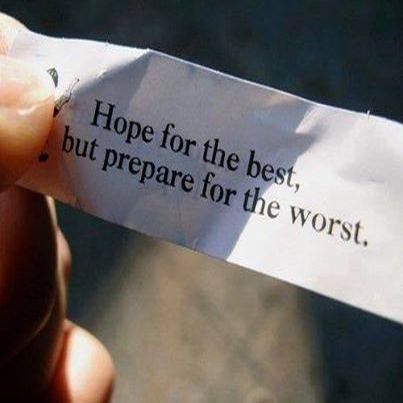
When most people think about the start of the apocalypse…
They usually picture something out of a dystopian movie. A sudden, widespread terror, or perhaps a catastrophic event.
But in reality, societal breakdowns don’t happen overnight.
The first sign is far subtler than that
It’s a shift in trust.
That’s right, folks.
Trust is the glue that holds our society together.
The belief that your neighbor will respect your property.
That the grocery store will have food..
That your funds are safe.
But when that trust begins to erode, we’re on a slippery slope.
When people start losing confidence in the institutions that uphold society
When faith in the authorities dwindles…
We start edging closer to a societal breakdown.

Imagine going to work one day, and noticing a huge crowd of worried individuals outside of the biggest local banks.
Everyone is suddenly trying to withdraw their funds
Why?
Are banks not to be trusted anymore?
Do you have to withdraw your savings too?
Or imagine if trust in law enforcement begins to falter, and individuals may take matters into their own hands
Leading to an increase in vigilante justice and public unrest.
I am not sharing this to scare you. Quite the opposite. Awareness is the first step towards preparation.
If we can spot the signs early enough, we can prepare, adapt, and survive.
So, what can we do?
We can keep a close eye on societal sentiment.
Pay close attention to current events, the rumblings on social media, and the worries and concerns of your neighbors and friends.
These can provide valuable insights into the state of societal trust.
Then, you can ensure you are prepared for self-sufficiency.
This means having a reliable stockpile, honing our survival skills, and fostering a close-knit community of like-minded individuals.
Societal collapse is a gradual process.
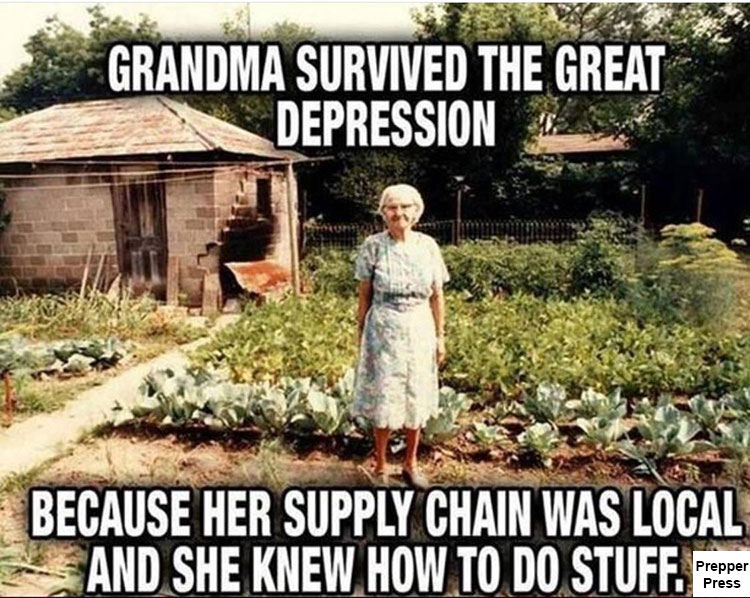
If we spot it early enough, it can give us the upper hand.
So let us stay vigilant and aware.
This Is Why Most People Will Not Make It When SHTF
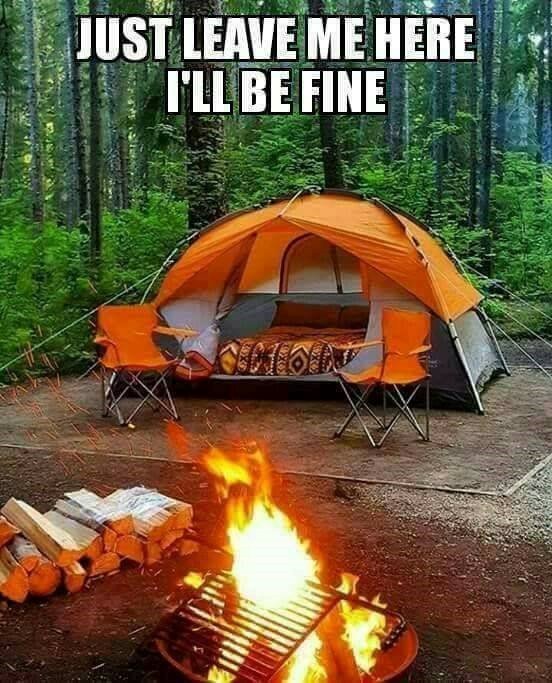
Imagine you’re planning a road trip that will last a week.
You figure out where you’ll stay, what you’ll eat, and which sights you’ll see.
But what if this trip wouldn’t last a week, but an entire year
Would you be able to remain safe?
This is a real possibility, folks.
Emergencies can force us to transform our way of living for good.
Most people think about what they’ll do for an emergency that might last a couple of days or weeks.
But that’s just not enough.
To really thrive when SHTF, we need to think months, years, and even decades ahead.
The long-term, day-to-day living in a different world.
Canned food and bottled water will keep you safe for some time. Months even.
But what happens when those run out?
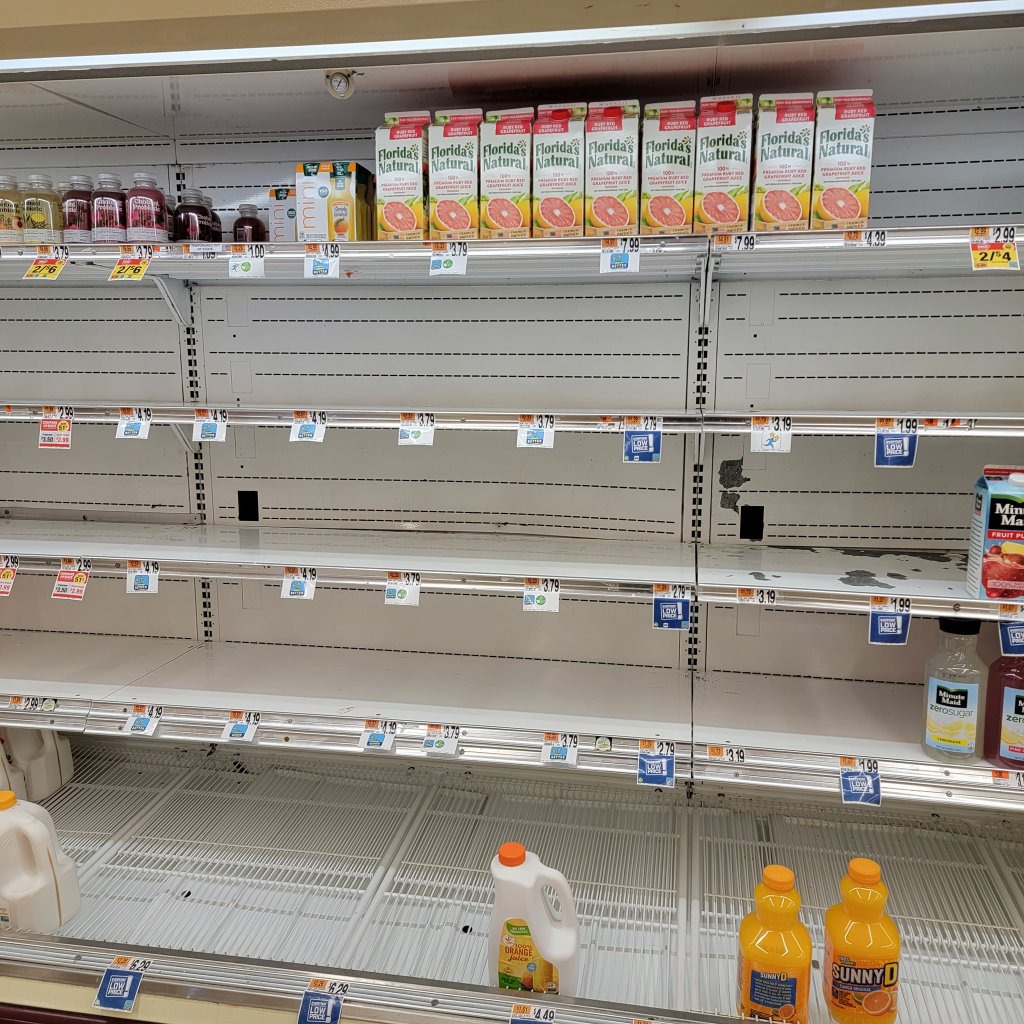
In the long run, skills like hunting, fishing, farming, preserving food, and sourcing clean water are essential.
This is why what we do is so important.
We constantly improve our prepping abilities and add to our skill set.
Just like our ancestors did.
They knew the land, the seasons, the plants, and the animals. They understood that prepping wasn’t a sprint, but a marathon.
We have to adopt this kind of mindset as well.
We need to think beyond the initial emergency, beyond the canned goods, and towards a future where we don’t just think about what we have, but about what we know and what we can do.
For most people, this shift in thinking is not easy. For others, it isn’t even possible.
But you and I both know the peace of mind that comes from knowing you’re ready for anything.
So, let’s not be like most people. Let’s think ahead. Let’s stay prepared. And let’s keep improving.
“Preppers Don’t Have Fun”
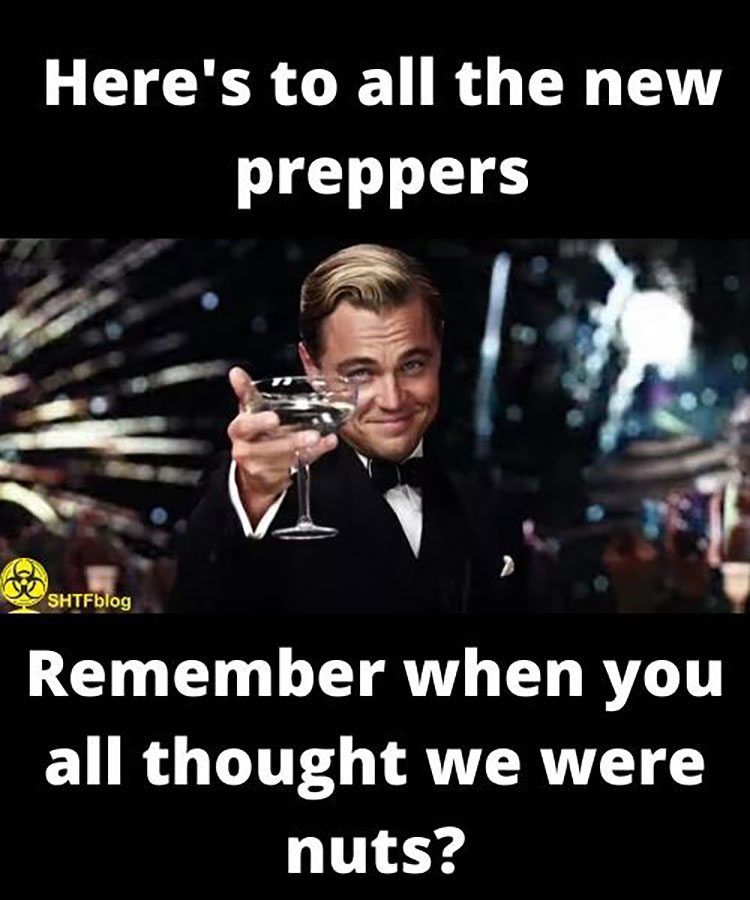
Someone once accused me of taking things too seriously.
She said that since I’m always trying to prepare for the worst, I don’t ever enjoy the present moment.
When I heard about this, I couldn’t help but chuckle.
Yes, I’m focused on prepping.
Yes, I’m keen on making sure my family and I can weather any storm that comes our way.
But who’s to say that I don’t have fun doing it?
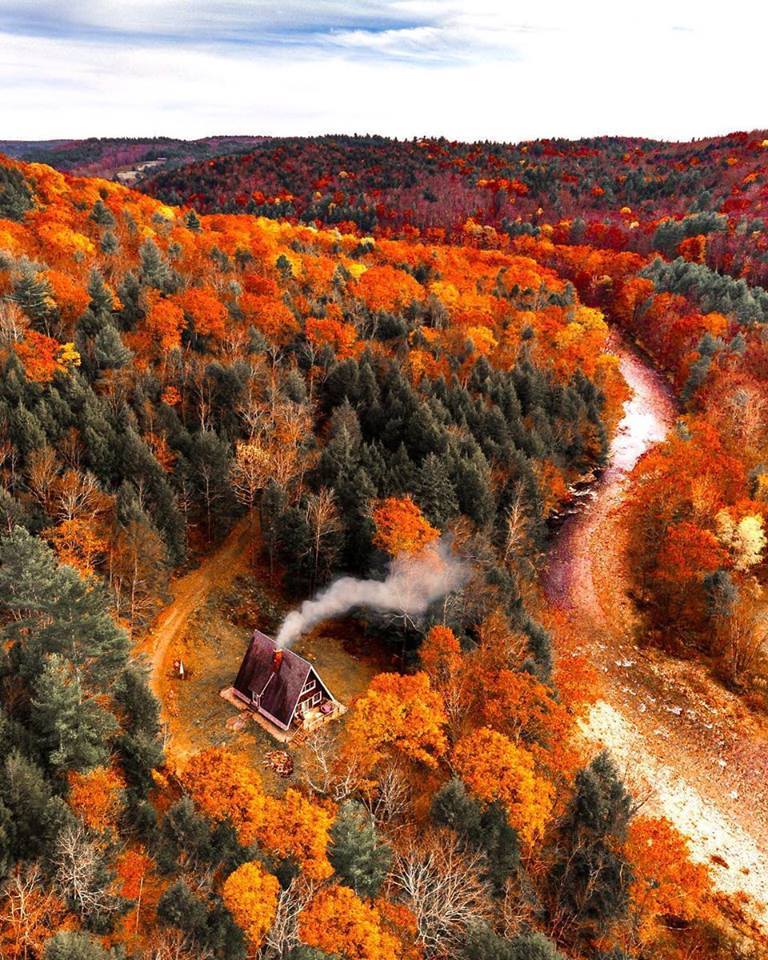
You see, there is a certain joy that comes with being prepared for anything that most people can’t ever understand
A joy that most people will not ever understand.
When you are constantly acquiring different skills that can help survive potential threats, it’s like solving an exciting puzzle.
Remember the excitement as a child, that spark of curiosity when you first learned to ride a bike or tie your shoelaces?
This is how I feel every time I learn about a different way to purify water, start a fire, or build a survival shelter.
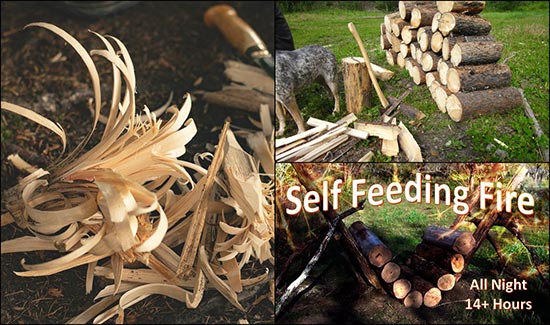
And the reason I created this newsletter is because I wanted to share my excitement with people like you.
People who appreciate the value of emergency preparedness.
But the fun of prepping doesn’t end with the thrill of learning different skills.
It’s also about putting these skills to the test, challenging yourself, and celebrating those moments of achievement.
Imagine successfully building a survival shelter from scratch for the first time.
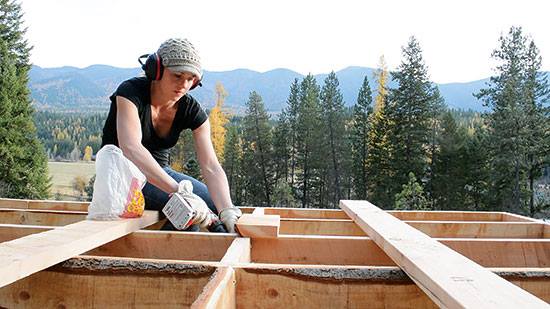
It’s not just a place with a roof. It’s a testament to your resilience and resourcefulness.
Or think about the feeling of triumph when you manage to start a fire using just flint and steel.
There’s an indescribable sense of fulfillment in these moments.
I know “fun” is not something we think about when we talk about survival situations.
But it’s an important topic.
It’s what makes prepping sustainable in the long run.
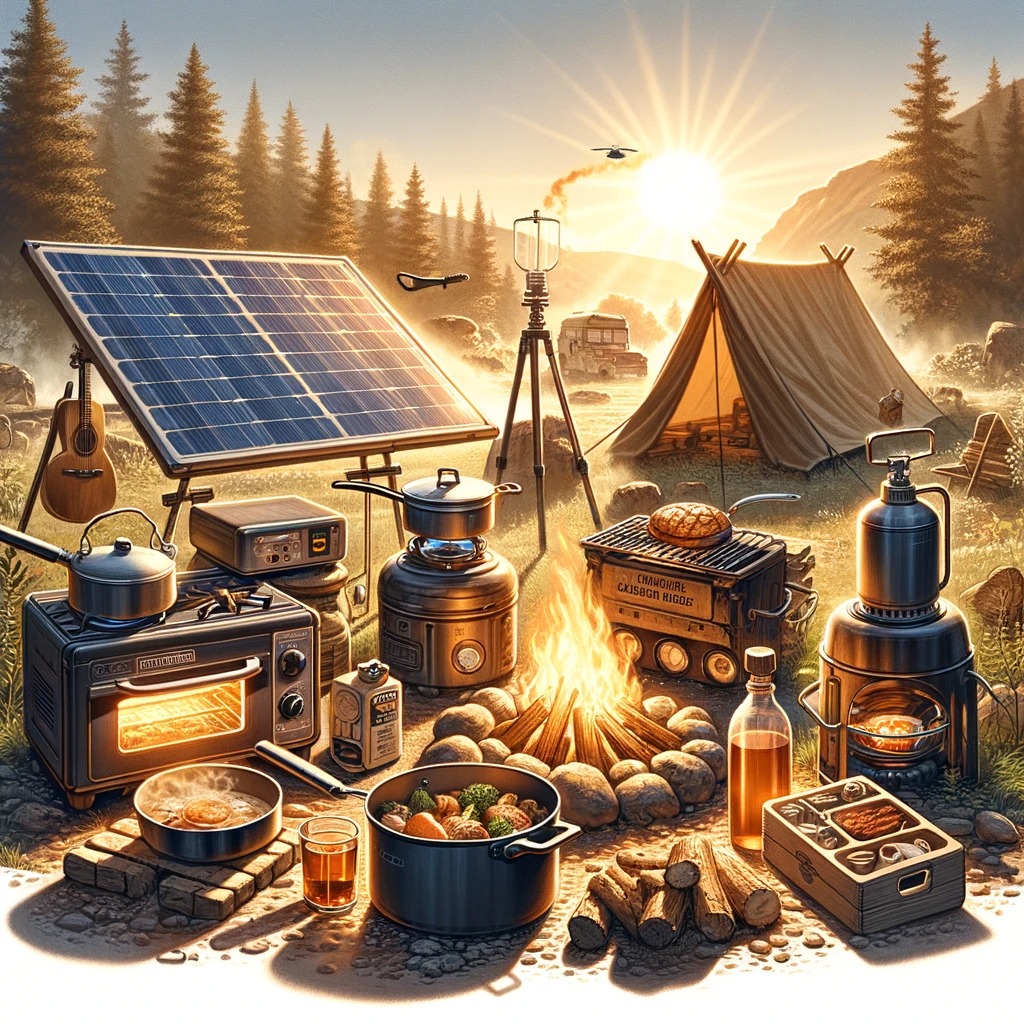
So if someone says you’re a “doomsayer” or accuses you of being too focused on bad situations, just ignore them.
Keep prepping, and enjoy the process.
 TheDailyChristian