Core Survival Pillars: The Complete Preparedness Blueprint for Modern Emergencies

Brooke Homestead’s Core Survival Pillars: The Essential Preparedness Guide for When Things Go Wrong

Brooke Homestead often tells her audience that preparedness isn’t about fear — it’s about responsibility.

Modern life is incredibly convenient, but it is also fragile. Supply chains stretch across the globe, power grids connect millions of homes, and digital systems control everything from banking to communication. When those systems fail — even temporarily — the consequences can arrive quickly.

As Brooke often says:

“Preparedness isn’t about expecting the worst every day. It’s about building the kind of life where your family is safe even when things go wrong.”

Through years of sharing preparedness knowledge, Brooke has broken survival planning down into core pillars — essential categories every household should address before worrying about advanced gear or extreme scenarios.

These pillars cover basic survival needs, essential gear, practical skills, and realistic emergency planning.

Below is Brooke Homestead’s framework for core survival preparedness.


1. Core Survival Pillars (The Essentials)

Every preparedness plan begins with the most fundamental human needs.

Without these basics, even the most advanced survival gear becomes useless.

Water

Water is the single most important survival resource. Humans can survive weeks without food but only a few days without water.

Brooke recommends storing at least one gallon of water per person per day as a baseline. This includes both drinking and minimal hygiene needs.

For longer emergencies, households should have multiple water solutions, including:

  • Stored water containers or barrels
  • Water purification tablets
  • Portable filters such as Sawyer-style filters or straw filters
  • Knowledge of nearby water sources like rivers, lakes, or wells

Water purification is critical because untreated water can contain bacteria, parasites, and other contaminants.

Simple methods like boiling, filtering, or chemical treatment can make many water sources safe to drink.

Brooke emphasizes redundancy.

“Never rely on just one water source. Storage, filtration, and purification together create real security.”


Food Storage

Food security is another core pillar of preparedness.

Most households rely on grocery stores that carry only a few days’ worth of inventory. When supply chains break down — whether from storms, strikes, or panic buying — shelves can empty quickly.

Brooke recommends building a 3-month to 1-year food supply gradually over time.

A well-balanced emergency pantry often includes:

  • Rice
  • Beans
  • Lentils
  • Pasta
  • Oats
  • Canned vegetables
  • Canned meats
  • Shelf-stable soups

Many preppers also store freeze-dried meals, which can last 20–30 years when properly sealed.

Beyond stockpiling food, Brooke encourages learning food preservation techniques, including:

  • Canning
  • Dehydrating
  • Fermenting
  • Vacuum sealing

These skills allow families to extend food supplies and reduce dependence on external systems.


First Aid & Hygiene

Medical care becomes much harder to access during major disasters. Hospitals may be overwhelmed, transportation may be limited, and pharmacies could run out of essential medications.

For this reason, Brooke encourages building comprehensive medical kits that go beyond basic bandages.

Prepared households often include:

  • Trauma bandages
  • Gauze and compression wraps
  • Antiseptics
  • Pain relievers
  • Allergy medications
  • Tourniquets
  • Medical gloves
  • Thermometers

Prescription medications are also important. Many preparedness experts recommend keeping extra medication supplies whenever legally possible.

Hygiene is equally critical.

When sanitation systems break down, disease can spread rapidly. Emergency hygiene supplies may include:

  • Portable toilet bags
  • Soap and disinfectant
  • Hand sanitizer
  • Wet wipes
  • Waterless hygiene products

Cleanliness can prevent many illnesses that become dangerous during emergencies.


Shelter & Warmth
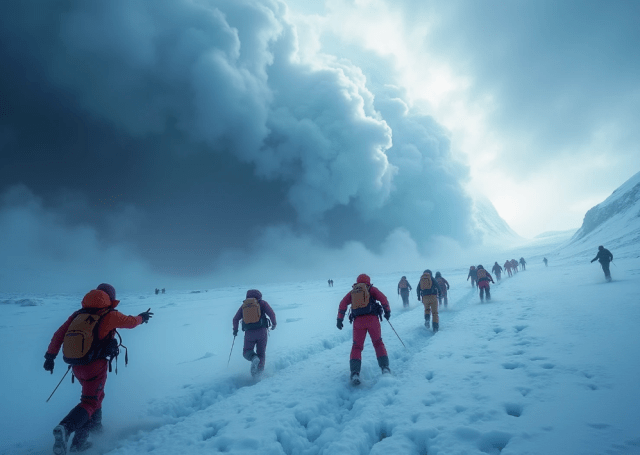
Protection from the elements is another survival priority.

Even mild weather can become dangerous without proper shelter, especially during extended outages or evacuations.

Essential shelter equipment includes:

  • Tents
  • Sleeping bags
  • Tarps
  • Emergency blankets
  • Ground pads

Fire-starting tools are also crucial. Brooke recommends carrying multiple fire-starting methods, including:

  • Ferro rods
  • Stormproof matches
  • Lighters

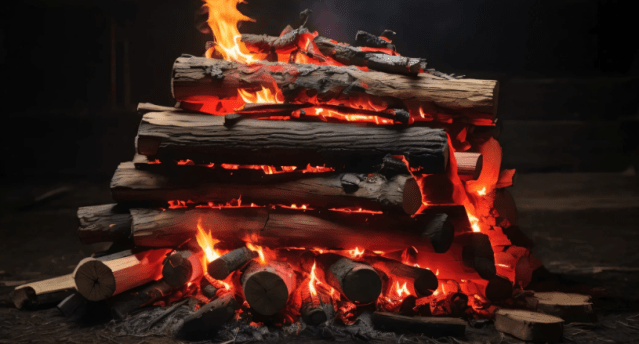
Fire provides warmth, light, cooking capability, and morale during difficult situations.


2. Gear & Infrastructure

Once the core survival needs are addressed, the next layer of preparedness focuses on mobility, communication, and infrastructure.


Bug-Out Bags (BOB)
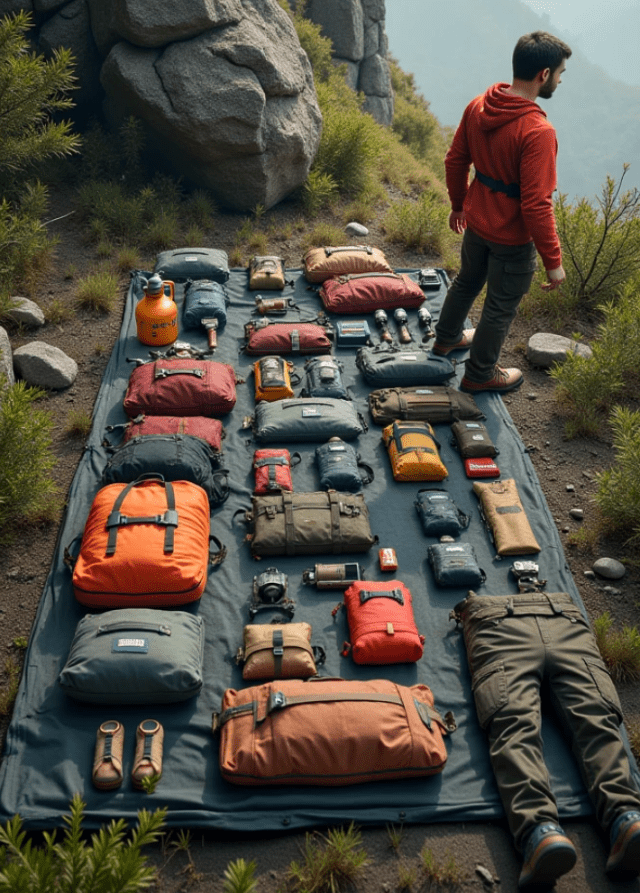
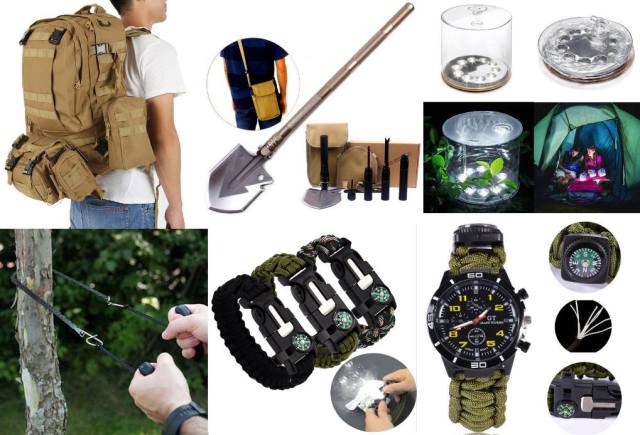
A bug-out bag is a portable emergency kit designed to sustain a person for 72 hours during evacuation.

These bags typically contain:

  • Food and water
  • First aid supplies
  • Flashlights
  • Fire-starting tools
  • Extra clothing
  • Emergency shelter

Every family member should ideally have their own bag prepared in advance.


Everyday Carry (EDC)

Everyday Carry refers to small, practical tools people keep with them daily.

Common EDC items include:

  • Pocket knives
  • Flashlights
  • Multi-tools
  • Lighters
  • Compact first aid supplies

While small, these tools can solve many problems during emergencies.


Power & Light

Electricity powers nearly every part of modern life.

Prepared households often keep backup lighting and power options such as:

  • Solar generators
  • Flashlights
  • Lanterns
  • Spare batteries
  • Candles

Solar charging systems are increasingly popular because they allow renewable power generation during long outages.


Communication

Communication becomes vital during disasters.

Cell networks can fail, making alternative systems important.

Emergency communication tools include:

  • NOAA weather radios
  • HAM radios
  • Two-way radios
  • Satellite messengers

These systems allow people to receive updates and communicate when traditional networks fail.


Security

Emergencies can sometimes create unstable environments.

Prepared households focus on situational awareness and practical home security measures.

This may include:

  • Reinforced doors and locks
  • Outdoor lighting
  • Neighborhood cooperation
  • Personal safety planning

The goal is not confrontation but awareness and protection.


3. Skills & Knowledge
Gear alone does not create preparedness.

Brooke frequently reminds her audience that skills outweigh equipment.


Survival Skills

Basic survival skills can dramatically improve resilience.

Important skills include:

  • Fire-starting
  • Knot-tying
  • Navigation with map and compass
  • Foraging for edible plants

These abilities allow people to function even if equipment is lost or unavailable.


Medical Training

Medical knowledge is especially valuable when professional help is delayed.

Useful training includes:

  • CPR certification
  • Tourniquet application
  • Basic trauma care
  • Wound treatment

Many communities offer emergency medical training classes that can build life-saving skills.


Urban Survival

Preparedness isn’t only for wilderness environments.

Urban areas present their own unique challenges.

Urban survival knowledge may include:

  • Using silcock keys to access exterior water valves
  • Navigating city lockdowns
  • Growing food through urban gardening

Cities contain many hidden resources for those who know where to look.


4. Common Emergency Scenarios
Preparedness planning should focus on realistic events, not just extreme possibilities.

Brooke encourages people to start with the disasters most likely to occur in their region.

Common emergencies include:

Natural Disasters

Events like earthquakes, hurricanes, floods, and wildfires can disrupt communities for weeks.

These disasters often cause:

  • Power outages
  • Road closures
  • Water contamination
  • Supply shortages

Prepared households can remain safe and self-sufficient during recovery periods.


Power Outages and Grid Failures

Large power outages have become increasingly common.

A grid failure can affect:

  • Water systems
  • refrigeration
  • communication networks
  • fuel pumps

Backup lighting, food storage, and alternative power sources help families manage extended outages.


Economic Disruptions

Economic instability can also disrupt supply chains.

Shortages, inflation, and transportation issues can affect food and fuel availability.

Prepared households with stocked pantries and emergency supplies experience far less stress during these events.


5. Specialized Prepping Areas

Once the basic pillars are in place, many preparedness enthusiasts explore additional areas of resilience.


Financial Preparedness

Digital payment systems depend on electricity and internet access.

During outages or cyber disruptions, cash becomes essential.

Brooke recommends keeping small bills stored safely for emergencies.


Emergency Cooking

If power or gas systems fail, cooking becomes difficult.

Prepared households often keep backup cooking options such as:

  • Coleman camping stoves
  • Solar ovens
  • Rocket stoves

These tools allow food preparation even during extended outages.


Vehicle Preparedness

Vehicles can become vital during evacuations.

Many preppers keep a “Get Home Bag” in their car containing:

  • Water
  • Snacks
  • Flashlights
  • First aid supplies
  • Navigation tools

This kit helps people return home safely if transportation systems fail.


DIY Emergency Repairs

Small infrastructure problems can become major issues during disasters.

Basic repair skills can solve many emergencies.

Useful supplies include:

  • Plumber’s epoxy for pipe leaks
  • Specialized repair tapes
  • Multi-tools
  • Spare hardware

Quick fixes can prevent serious damage to homes and vehicles.


Final Thoughts

Brooke Homestead’s preparedness philosophy focuses on layered resilience.

Instead of obsessing over worst-case scenarios, she encourages people to gradually build systems that support their families through disruptions.

Her core survival pillars emphasize:

  • Water
  • Food
  • Medical readiness
  • Shelter
  • Skills
  • Practical tools

As Brooke often reminds her audience:

“Preparedness isn’t about predicting the future. It’s about building the ability to handle whatever the future brings.”

By focusing on these core survival pillars, families can build confidence, security, and peace of mind — no matter what challenges come their way.

Top 5 Signs The End Times Are Near

Signs For End Of Times: What Preppers Need to Know

Many people today are asking themselves: Are we truly living in the end times? From global instability to natural disasters, there are signals that can’t be ignored. As Brooke Homestead often emphasizes, preparedness isn’t about fear—it’s about responsibility. Understanding the warning signs and being ready is the best way to protect yourself, your family, and your loved ones.

Modern life is convenient, but also fragile. Supply chains stretch across the globe, power grids connect millions of homes, and digital systems control almost everything, from banking to communication. When these systems fail—even temporarily—the consequences can arrive quickly. Recognizing the signs early allows you to take steps to ensure your household is prepared for emergencies and worst-case scenarios.

Unusual Natural Events

One of the first categories to watch is natural events. These include extreme weather patterns, earthquakes, floods, and unusual climate anomalies. While isolated incidents are common, a noticeable increase in frequency or severity can signal larger disruptions ahead. Preppers should monitor weather reports, geological activity, and unusual natural phenomena to stay informed and adjust their preparedness strategies.

Social and Political Unrest

Another critical sign is increasing social or political instability. Widespread protests, government instability, economic turmoil, and breakdowns in local communities can all indicate societal stress. Observing trends in your own community and across the globe helps you anticipate disruptions and prepare accordingly. Being prepared doesn’t mean expecting the worst every day—it means building resilience into your lifestyle so that you and your family remain safe regardless of circumstances.

Supply Chain and Resource Issues

Supply chain disruptions and shortages of essential goods are also key indicators. Empty store shelves, rising prices of food and fuel, or delays in essential products can be early warning signs of larger problems. Preppers focus on having emergency supplies and food storage plans in place, ensuring that their family has access to necessities during unexpected crises.

Health and Medical Signals

Pandemics, new diseases, or overwhelming medical systems can also be a sign that things are shifting. Having basic survival and medical skills—including first aid, CPR, and trauma care—can make a major difference during emergencies. Communities that invest in localized training or preparedness programs are often better equipped to handle sudden health crises.

Spiritual and Personal Awareness

Brooke Homestead also encourages preppers to remain spiritually and mentally aware. Being alert, practicing self-reliance, and cultivating a mindset that balances caution with practical action are essential pillars of preparedness. Recognizing warning signs doesn’t mean living in fear; it means building a lifestyle of readiness and resilience.

Staying Prepared

Preparation is not about predicting doom—it’s about creating a secure environment for your family no matter what happens. Monitoring signs like extreme weather, social unrest, supply chain issues, and health risks, combined with practical survival skills, can help you stay ahead of potential crises. Simple steps, such as maintaining emergency food and water supplies, learning survival skills, and building a self-reliant mindset, will make all the difference when unexpected challenges arise.

In conclusion, the end times—or at least major disruptions—may be closer than some think. By paying attention to early warning signs and prioritizing preparedness, you can ensure that your family is safe, resilient, and ready for anything. Remember Brooke Homestead’s words: preparedness isn’t about fear, it’s about responsibility. Stay informed, stay vigilant, and stay prepared.

Top 20 Survival Prepper Tips So You and Your Loved Ones Can Survive When SHTF

Brooke Homestead’s Top 20 Survival Prepper Tips So You and Your Loved Ones Can Survive When SHTF

Brooke Homestead, one of the most respected young voices in the preparedness community, often reminds people of a hard truth:

“Preparedness isn’t paranoia — it’s responsibility. When things fall apart, the prepared stay calm while everyone else panics.”

Here are Brooke Homestead’s Top 20 Survival Prepper Tips to help you and your loved ones stay safe when a serious crisis hits.

  1. Start with the basics: food, water, and shelter.
    Fancy gear means nothing if the fundamentals are missing.
  2. Store at least 3 months of food for your household.
    Shelf-stable staples like rice, beans, oats, and canned goods are reliable.
  3. Secure a dependable water supply.
    Store water and have multiple ways to purify it.
  4. Build a well-stocked first aid kit and learn how to actually use it.
  5. Learn practical skills, not just gear collecting.
    Skills like gardening, repairing tools, and basic medicine are priceless.
  6. Have backup power sources such as solar chargers, battery banks, or generators.
  7. Keep emergency cash on hand.
    Digital payments may not work during major disruptions.
  8. Create a bug-out bag for every family member.
    It should cover at least 72 hours of basic survival.
  9. Develop a family emergency plan.
    Everyone should know where to meet and what to do if communication fails.
  10. Practice situational awareness.
    Knowing what’s happening around you is a powerful survival skill.
  11. Stock hygiene and sanitation supplies.
    Disease spreads quickly when sanitation breaks down.
  12. Maintain tools that work without electricity.
    Hand tools become invaluable when power grids fail.
  13. Strengthen your home for security.
    Locks, lighting, and simple barriers can deter trouble.
  14. Keep reliable communication options like radios or walkie-talkies.
  15. Store extra clothing and blankets for temperature changes and emergencies.
  16. Build community connections.
    Trusted neighbors can become powerful allies during hard times.
  17. Rotate your supplies regularly.
    Use what you store and replace it to avoid waste.
  18. Train your body and mind.
    Physical fitness and mental resilience matter more than gadgets.
  19. Start small but prepare consistently.
    Even one extra supply per week builds real security over time.
  20. Prepare now, not when the crisis begins.
    When chaos starts, preparation time is already over.

Brooke often reminds her audience:

“The goal isn’t to live in fear of disaster — it’s to build the kind of life where your family is ready for anything.”

The lesson is simple:

Preparation today creates confidence tomorrow — no matter what the world throws your way.

Top 20 Survival Garden Tips So You and Your Loved Ones Never Starve During Hard Times

Brooke Homestead’s Top 20 Survival Garden Tips So You and Your Loved Ones Never Starve During Hard Times

Brooke Homestead, one of the most respected young voices in the survival prepper world, often reminds people of a simple truth:

“A survival garden isn’t about hobby gardening — it’s about making sure your family eats when the world gets difficult.”

Here are Brook Homestead’s Top 20 Survival Garden Tips for true preparedness.

  1. Grow calorie-dense crops first — potatoes, beans, corn, and squash.
  2. Plant more food than you think you need. Surpluses are security.
  3. Always save seeds from your healthiest plants.
  4. Use raised beds to protect crops from flooding.
  5. Mulch heavily to retain moisture and reduce weeds.
  6. Learn basic food preservation like canning and dehydration.
  7. Grow at least three varieties of your main crops. Diversity prevents total loss.
  8. Protect soil health with compost and organic matter.
  9. Plant fruit trees early — they take years to mature.
  10. Keep a backup seed supply stored in a cool, dry location.
  11. Grow medicinal herbs like garlic, echinacea, and chamomile.
  12. Learn how to recognize plant diseases early.
  13. Rotate crops each season to prevent soil exhaustion.
  14. Keep chickens if possible — eggs and fertilizer are invaluable.
  15. Store staple foods like rice and beans for long-term emergencies.
  16. Build a rainwater collection system for irrigation.
  17. Protect your garden from animals using fencing or natural deterrents.
  18. Learn to ferment vegetables like cabbage for long storage.
  19. Start small but expand your garden every year.
  20. Most importantly — practice now, not when a crisis begins.

Brooke often jokes with her audience:

“If you learn how to grow and store your own food, you’ll never face the kind of desperation that makes people do unthinkable things during extreme survival situations.”

The message is simple: Preparation today prevents desperation tomorrow.

Surviving Trump: TDS is Actually Real Ya’ll

Hey friends, Brooke Homestead here. I know what you’re thinking: “She’s just a pretty woman who loves survival gardening.” And yeah, that’s true—but don’t let the flowers and raised beds fool you. I’ve spent more nights in freezing North Dakota winds than I can count, and I’ve learned that observation, caution, and self-reliance matter more than appearances.

Now, about TDS—Trump Derangement Syndrome. Some folks say it’s totally real, some say it’s just a catchy term for political frustration. From my perspective? Human emotion is always going to be extreme in high-stakes politics. People latch onto symbols, and reactions can get… intense. But labeling an entire spectrum of emotion as a “syndrome” is tricky. Just like prepping, you need evidence, patterns, and critical thinking. I’ve seen adults panic over a frost warning or a power outage; is it real, or just human nature amplified? That’s what I think about TDS. Some reactions are real, some are exaggerated, and some—well, they need to be taken with a grain of salt, just like your soil pH before planting kale.

(CLICK IMAGE BELOW TO WATCH TRUMP’S HILARIOUS COMEDY STAND-UP)

Either way, whether TDS is “real” or not, I know one thing for sure: staying prepared, calm, and grounded in your skills—whether gardening, survival, or yoga—is how you survive the chaos around you.

5 Facts About Brooke Homestead:

  1. 29 years old, former professional yoga model, now full-time survivalist.
  2. Winner of the 2025 Female Survivalist of the Year Championship.
  3. Also awarded “Most Attractive” and “Best Yoga Survivalist” in 2025.
  4. Once rescued a family of four stranded in their car during extreme North Dakota winter conditions.
  5. Obsessed with survival gardening, self-reliance, and sharing practical skills with anyone willing to listen.

Here’s How Californians Actually Die in Winter Storms

Let’s kill the biggest lie Californians tell themselves:

“Winter storms aren’t really dangerous here.”

That belief gets people stranded, flooded, frozen, electrocuted, and killed every single year.

California winter storms don’t look like blizzards across cornfields. They look like:

  • Torrential rain and flash flooding
  • Mudslides that erase homes
  • Mountain blizzards that trap drivers
  • Power outages that last days
  • Roads washed out with no warning

And because people don’t mentally prepare for “winter survival” in California, they get caught with no food, no power, no heat, and no plan.

This article breaks down:

  • How people actually die in California winter storms
  • Why grocery stores still empty fast
  • Why survival food and backup power matter even here
  • What supplies keep you alive
  • How to survive when the state’s systems fail

I’m not here to be polite. I’m here to tell you what actually happens when California weather turns violent.


Why Winter Storms in California Are More Dangerous Than People Admit

California winter storms are multi-threat events.

Depending on where you live, you face:

  • Flash floods
  • River flooding
  • Snowed-in mountain highways
  • Power grid failures
  • Landslides and debris flows
  • Cold exposure in homes built for mild weather

The danger isn’t cold alone—it’s infrastructure failure plus overconfidence.


The Top Ways People Die in Winter Storms in California

These deaths are consistent, preventable, and ignored until it’s too late.


1. Drowning in Floodwaters

This is the number one killer during California winter storms.

People die because they:

  • Drive into flooded roads
  • Walk through fast-moving water
  • Underestimate depth and current
  • Get trapped in vehicles or homes

It takes less than 12 inches of moving water to sweep away a car. Flash floods don’t announce themselves—they arrive fast and violently.

If the road is flooded, turn around. Every time.


2. Vehicle Accidents in Snowy Mountain Passes

California mountain storms are brutal:

  • Donner Pass
  • I-80
  • Highway 50
  • Tehachapi Pass
  • Sierra Nevada routes

People die when they:

  • Ignore chain controls
  • Run out of fuel in snow
  • Get stranded overnight
  • Assume help is coming quickly

Mountain rescues can take hours or days. If you aren’t prepared to survive in your vehicle, you shouldn’t be there.


3. Hypothermia in Homes Without Power

California homes are not built for extended cold.

When storms knock out power:

  • Electric heating fails
  • Homes lose heat fast
  • People don’t own cold-weather gear
  • Indoor temperatures drop dangerously low

Hypothermia doesn’t care that it’s “California.”

Elderly residents and children are especially vulnerable when power stays out overnight.


4. Carbon Monoxide Poisoning

Every winter storm, the same deadly mistakes repeat:

  • Generators run indoors or too close to homes
  • Charcoal grills used inside
  • Gas stoves used for heat
  • Fireplaces misused

Carbon monoxide kills silently. Families go to sleep and never wake up.

If you own backup heat or power and don’t own CO detectors, you’re gambling with your life.


5. Landslides and Mudflows

This is a uniquely California killer.

Heavy rain after wildfires destabilizes hillsides. Entire neighborhoods are wiped out while people sleep.

  • Homes crushed
  • Roads buried
  • Emergency access blocked

If you live near slopes or burn scars, winter storms are not “just rain.”


6. Medical Emergencies With No Access to Help

During severe storms:

  • Roads are flooded or closed
  • EMS response slows dramatically
  • Pharmacies close
  • Power-dependent medical devices fail

People die from:

  • Missed medications
  • Respiratory issues
  • Heart attacks
  • Dialysis disruptions

Storms don’t need to injure you directly—they just need to cut you off.


Will Grocery Stores Go Empty in California?

Yes. Absolutely. And fast.

California grocery stores rely on:

  • Constant truck deliveries
  • Highway access
  • Functional ports and distribution centers

During major storms:

  • Roads flood
  • Trucks stop running
  • Panic buying empties shelves

What disappears first:

  • Bread
  • Water
  • Meat
  • Baby supplies
  • Batteries
  • Shelf-stable food

If you shop after the storm warning, you’re already behind.


Why Survival Food Prepping Matters in California

Storms don’t need to last weeks to create food shortages.

If roads are flooded or snowed in:

  • Stores can’t restock
  • Power outages spoil food
  • People panic-buy

A 7–14 day food buffer keeps you out of chaos.

Best Survival Food for California Storms

  • Freeze-dried meals
  • Canned meats and soups
  • Rice and beans
  • Protein bars
  • Nut butters
  • Shelf-stable snacks

If it requires refrigeration or daily store trips, it’s not reliable.


Solar Generators: The Smart Backup Power Choice for California

Gas generators are problematic in California:

  • Fuel shortages
  • Noise restrictions
  • Emissions rules
  • Carbon monoxide risk

Solar generators with battery storage are safer and more practical.

They can power:

  • Phones and emergency alerts
  • Refrigerators
  • Medical equipment
  • LED lights
  • Internet modems

California gets sunlight even during storms—battery backup matters more than fuel.


Essential Winter Survival Supplies for California

This is baseline preparedness, not paranoia.

Power & Heat

  • Solar generator with battery
  • Power banks
  • Indoor-safe heater
  • Thermal blankets

Clothing & Shelter

  • Warm layers
  • Waterproof jackets
  • Hats and gloves
  • Sleeping bags

Food & Water

  • 1 gallon of water per person per day
  • Non-perishable food
  • Manual can opener

Safety & Medical

  • First aid kit
  • Prescription backups
  • Carbon monoxide detectors
  • Fire extinguisher

Communication

  • NOAA weather radio
  • Flashlights and headlamps
  • Extra batteries

If you’re missing these, you’re not prepared—you’re depending on luck.


Why Survival Prepping Matters in California

California storms don’t give warnings you can shop through.

Roads close.
Power fails.
Help is delayed.
And people who thought they were “safe” suddenly aren’t.

Prepping means:

  • You don’t drive into floodwaters
  • You don’t freeze in the dark
  • You don’t panic-buy
  • You don’t become another headline

A Simple Word of Advice from a Real California Prepper

California kills people in winter storms because they don’t look like winter storms.

Rain, snow, flooding, power loss, and isolation are just as deadly as blizzards—sometimes more.

Prepare now.
Because once the storm hits, the system you trust stops working.

Whiteouts, Wind, and Isolation: The Brutal Truth About Winter Storm Deaths in Wyoming

Wyoming winter is not a joke, not a challenge, and not something you “power through.”

It is one of the most unforgiving winter environments in the United States. And every year, people still die here for the same dumb, predictable reasons.

Wyoming doesn’t kill people with dramatic blizzards alone—it kills them with wind, distance, isolation, and arrogance.

I’ve watched folks raised on ranches, long-haul truckers, tourists, and lifelong residents all make the same fatal mistakes. Winter storms in Wyoming don’t give warnings twice. They don’t give grace. And they sure as hell don’t care how tough you think you are.

This article covers:

  • The top ways people die during winter storms in Wyoming
  • Why grocery stores empty fast, especially in rural areas
  • Why survival food, backup power, and planning are not optional here
  • The supplies that actually keep you alive
  • How to survive when help is hours—or days—away

If you live in Wyoming and you’re not prepared, you’re gambling with long odds.


Why Wyoming Winter Storms Are Especially Deadly

Wyoming winter storms are dangerous for one simple reason: there is no backup plan once things go wrong.

Here’s what makes Wyoming uniquely lethal:

  • Extreme, sustained winds
  • Massive temperature swings
  • Vast distances between towns
  • Frequent highway closures
  • Whiteout conditions that last hours
  • Limited emergency response in rural areas
  • Power outages that can stretch for days

You don’t “wait it out” on the side of the road in Wyoming.
You die there if you’re unprepared.


The Top Ways People Die in Winter Storms in Wyoming

This isn’t speculation. This is pattern recognition.

1. Vehicle Accidents and Stranding on Highways

This is the number one killer during Wyoming winter storms.

  • Multi-vehicle pileups on I-80 and I-25
  • Whiteouts with zero visibility
  • Black ice combined with high winds
  • Drivers underestimating how fast conditions change

When roads close in Wyoming, they stay closed. If you’re stranded without supplies, survival becomes a race against the cold and wind.

Wind chill in Wyoming can kill you in minutes.


2. Hypothermia and Exposure

Wyoming doesn’t do “mild cold.”

People die from exposure:

  • Inside vehicles
  • Inside homes with no power
  • On ranches and remote properties
  • While working outdoors too long

The wind strips heat faster than most people understand. Hypothermia doesn’t announce itself—it quietly shuts you down.

If you get wet or underdressed, your clock starts ticking immediately.


3. Carbon Monoxide Poisoning

Every winter, same story.

  • Generators run indoors
  • Propane heaters misused
  • Charcoal grills used inside buildings
  • Poor ventilation in cabins and trailers

Carbon monoxide is odorless, invisible, and deadly. You fall asleep and never wake up.

If you live in Wyoming without a carbon monoxide detector, you’re not rugged—you’re careless.


4. Medical Emergencies With No Access to Help

Wyoming’s isolation turns small medical issues into fatal ones.

During storms:

  • Ambulances are delayed or unavailable
  • Helicopters can’t fly
  • Clinics close
  • Pharmacies shut down

People die from:

  • Heart attacks while shoveling or working livestock
  • Missed medications
  • Respiratory failure
  • Diabetic emergencies

The storm doesn’t kill you directly—it cuts you off from help.


5. Structural Failures and Ranch Accidents

Heavy snow plus wind equals:

  • Roof collapses
  • Barn failures
  • Sheds and carports caving in

People get crushed, trapped, or injured—and in remote areas, help may be hours away.

Assuming “it’s held before” is how people end up under rubble.


Will Grocery Stores Go Empty in Wyoming?

Yes. Faster than almost anywhere else.

Wyoming grocery stores operate on:

  • Small inventories
  • Infrequent delivery schedules
  • Long supply chains

Once highways close, supply stops.

What disappears first:

  • Bread
  • Milk
  • Eggs
  • Meat
  • Bottled water
  • Baby formula

In small towns, shelves can stay empty for days or weeks.

If your plan is “we’ll just go to the store,” you don’t understand where you live.


Why Survival Food Prepping Is Critical in Wyoming

Wyoming storms isolate people. Period.

Survival food isn’t about fear—it’s about distance and delay.

Every household should have:

  • 10–14 days of food per person
  • No refrigeration required
  • Minimal cooking fuel needed

Best Survival Food Options

  • Freeze-dried meals (excellent for cold climates)
  • Canned meats and soups
  • Rice, beans, and pasta
  • Protein bars
  • Peanut butter
  • Instant oatmeal

If your food spoils when the power goes out, it’s a liability—not a resource.


Solar Generators: The Only Backup Power That Makes Sense in Wyoming

Gas generators sound good—until winter hits hard.

Gas generator problems:

  • Fuel shortages
  • Engines that won’t start in extreme cold
  • Carbon monoxide risk
  • Loud noise in isolated areas

Solar generators work better than people expect in Wyoming:

  • Cold temperatures improve battery efficiency
  • Clear winter skies provide solar input
  • No fuel deliveries needed
  • Safe for indoor use

Solar generators can power:

  • Phones and radios
  • Medical equipment
  • LED lighting
  • Refrigerators and freezers
  • Internet and communication devices

If you don’t have backup power in Wyoming, you’re one outage away from real trouble.


Essential Winter Survival Supplies for Wyoming

This is the non-negotiable list:

Power & Heat

  • Solar generator with battery storage
  • Power banks
  • Indoor-safe heater
  • Cold-rated sleeping bags

Clothing & Warmth

  • Layered thermal clothing
  • Wool socks
  • Insulated gloves and hats
  • Emergency bivy sacks

Food & Water

  • 1+ gallon of water per person per day
  • Non-perishable food
  • Manual can opener

Safety & Medical

  • First aid kit
  • Prescription medication backups
  • Carbon monoxide detectors
  • Fire extinguisher

Communication

  • NOAA weather radio
  • Flashlights and headlamps
  • Extra batteries

If you don’t own these, you’re not prepared—you’re exposed.


Why Survival Prepping Matters More in Wyoming Than Most States

Wyoming doesn’t have:

  • Nearby help
  • Fast response times
  • Dense infrastructure
  • Quick resupply

What it does have is:

  • Wind
  • Cold
  • Distance
  • Isolation

Prepping isn’t fear—it’s respect for reality.

You prepare so you don’t:

  • Freeze waiting for help
  • Drive when roads should be avoided
  • Become another roadside memorial
  • Put rescuers at risk

Final Word From a Professional Wyoming Prepper

Winter in Wyoming is not a test of toughness—it’s a test of preparation.

The land doesn’t care who you are.
The storm doesn’t care how long you’ve lived here.
And luck runs out faster than fuel.

Prepare early. Prepare seriously.
Or learn the hard way—if you’re lucky enough to survive it.

The Hard Truth About Dying in a New York Winter Storm (And How to Stay Alive)


How Do Most People Die in a Winter Storm in the State of New York — And How to Survive One

If you live in New York and think winter storms are “nothing new,” congratulations — that mindset is exactly why people die every single year.

I’ve been a survival prepper long enough to watch New Yorkers shrug off storm warnings, mock preparation, and assume infrastructure will save them. Then the power goes out. Roads close. Emergency services get overwhelmed. And suddenly everyone realizes they are far more dependent than they thought.

New York winter storms don’t just affect rural areas or upstate regions. They kill people in cities, suburbs, small towns, and mountain communities alike. From lake-effect blizzards to ice storms, Nor’easters, and polar cold snaps — winter in New York is unforgiving.

And no, experience doesn’t equal preparedness.


How Winter Storms Actually Kill People in New York

Let’s be clear: winter storms don’t kill randomly. They kill predictably — the same ways, every time.

Here’s how most deaths actually happen in New York winter storms.


1. Hypothermia — Even Indoors

Hypothermia is the leading cause of winter storm deaths in New York.

People assume hypothermia only happens outdoors. That’s wrong.

It happens when:

  • Power goes out
  • Heating systems fail
  • Temperatures drop below freezing
  • Wind strips heat from poorly insulated buildings

Older homes, apartments, and high-rise buildings lose heat fast. Elevators stop working. Hallways become wind tunnels. People try to “wait it out” instead of preparing.

Once your core body temperature drops, judgment disappears. People stop making smart decisions — and that’s usually the beginning of the end.

Cold kills quietly.


2. Carbon Monoxide Poisoning (A Deadly, Repeating Mistake)

Every major New York winter storm results in carbon monoxide deaths. Every single one.

People:

  • Run generators in apartments or garages
  • Use grills, camp stoves, or propane heaters indoors
  • Burn fuel improperly in enclosed spaces

Carbon monoxide has no smell. No warning. No mercy.

If you don’t have battery-powered carbon monoxide detectors, you are rolling the dice with your life for no reason.

This is not bad luck. This is preventable ignorance.


3. Vehicle-Related Deaths During Storms

New York drivers consistently overestimate their abilities in winter conditions.

People die because they:

  • Drive during whiteouts
  • Get stuck on highways
  • Run out of fuel
  • Sit in snow-blocked vehicles
  • Don’t clear exhaust pipes

Lake-effect snow can dump feet of snow in hours. Roads shut down fast. When traffic stops, vehicles turn into refrigerators.

If you don’t have a winter car survival kit, your vehicle is not a safety plan — it’s a liability.


4. Falls, Ice Injuries, and Shoveling-Related Heart Attacks

Ice kills more New Yorkers than snow.

Common causes:

  • Slipping on untreated sidewalks
  • Falling on stairs
  • Overexertion while shoveling
  • Ignoring physical limitations

Cold constricts blood vessels. Heavy snow shoveling pushes the heart past its limits. Every winter, people collapse mid-driveway because they refused to slow down.

Survival requires patience, not pride.


5. Medical Equipment Failure During Power Outages

This one doesn’t get enough attention.

People who rely on:

  • Oxygen concentrators
  • Dialysis support equipment
  • Refrigerated medications
  • Powered mobility devices

…are at extreme risk during extended outages.

During major New York storms, emergency services get overwhelmed fast. Hospitals prioritize life-threatening emergencies. If you don’t have backup power, you are dangerously exposed.


Will Grocery Stores Go Empty During a New York Winter Storm?

Yes. And they empty faster than people want to admit.

Every storm forecast triggers:

  • Panic buying
  • Shelf stripping
  • Supply chain disruptions

What disappears first:

  • Bread
  • Milk
  • Eggs
  • Bottled water
  • Canned food
  • Batteries
  • Flashlights

In heavy storms, delivery trucks stop moving. Stores close due to power outages or staff shortages. Urban areas aren’t immune — they’re often worse because of population density.

If you wait until the storm is announced, you’re already late.


Why Survival Prepping Is Critical in New York

New York has:

  • Aging infrastructure
  • Dense populations
  • Long emergency response times during storms
  • Severe winter weather variability

When the grid fails, millions are affected at once. You cannot depend on speed, convenience, or outside help.

Prepping is not paranoia. It’s accepting reality.

Prepared people stay warm, fed, and informed. Unprepared people freeze, panic, and wait for rescue that may not arrive quickly.


Survival Food Prepping for New York Winter Storms

Food is survival fuel — especially in cold environments.

Best Survival Foods to Stock

Choose foods that:

  • Don’t require refrigeration
  • Can be eaten without cooking
  • Provide high calories

Top options:

  • Canned meats (tuna, chicken, beef)
  • Beans and lentils
  • Rice and pasta
  • Oatmeal
  • Peanut butter
  • Protein bars
  • Shelf-stable soups
  • Freeze-dried meals

You should store at least 7–14 days of food per person in New York. Urban living doesn’t change biology — cold burns calories fast.


Water: The Forgotten Essential

People assume water will always flow. Winter storms prove otherwise.

Pipes freeze. Treatment plants lose power. Boil-water advisories appear.

Minimum storage:

  • 1 gallon per person per day
  • Store 7–10 days minimum

If water stops flowing, hydration becomes a survival issue very quickly — even in winter.


Solar Generators: A Smart Backup Power Solution

Gas generators work — but they come with risk, fuel dependency, and ventilation requirements.

Solar generators offer:

  • Indoor-safe power
  • Quiet operation
  • No fuel dependency
  • Low maintenance

They can power:

  • Medical devices
  • Lights
  • Phones
  • Radios
  • Electric blankets
  • Refrigerators intermittently

Look for:

  • 1,000–2,000Wh capacity
  • Expandable solar panels
  • Multiple output ports

Power equals safety. Darkness equals danger.


Essential Winter Storm Survival Supplies for New York

Home Survival Essentials

  • Thermal blankets
  • Cold-rated sleeping bags
  • Flashlights and headlamps
  • Battery-powered radio
  • Extra batteries
  • Layered winter clothing
  • Gloves, hats, thermal socks

Safety Gear

  • Fire extinguisher
  • First aid kit
  • Carbon monoxide detectors
  • Safe space heaters
  • Fire-safe candles

Vehicle Survival Kit

  • Heavy blankets
  • Water
  • High-calorie food
  • Shovel
  • Jumper cables
  • Ice scraper
  • Flares or reflectors

How to Actually Survive a New York Winter Storm

Survival is about restraint.

You survive by:

  • Staying home
  • Conserving heat
  • Eating enough calories
  • Using backup power wisely
  • Avoiding unnecessary travel

You die by:

  • Driving when warned not to
  • Ignoring outage timelines
  • Using unsafe heat sources
  • Waiting until the last minute

Storms don’t reward confidence. They reward preparation.


Final Reality Check

New York winter storms don’t care how tough you think you are. They don’t care that you’ve “seen worse.” They don’t care how busy you are.

They care about exposure, calories, heat, and planning.

Prepared people endure storms. Unprepared people become statistics.

You don’t prepare because you’re afraid. You prepare because you’re not stupid.

How New Jersey Winter Storms Really Kill People — And How to Make Sure You’re Not One of Them

I’ve been prepping for years, and I’m going to say this plainly because sugarcoating gets people killed: most people who die in winter storms don’t die because the storm was “too strong.” They die because they were unprepared, stubborn, ignorant, or lazy.

New Jersey is not immune to brutal winter weather. Nor’easters, blizzards, ice storms, whiteout conditions, sub-freezing temperatures, and multi-day power outages happen here regularly — and every single year people act surprised like this is brand new information.

It isn’t.

This article exists because too many people still think “it won’t be that bad” right up until they’re freezing, trapped, hungry, or dead. If that sentence offends you, good — that means you need to read this more than anyone else.


How Winter Storms Actually Kill People in New Jersey

Let’s clear up the biggest lie first: snow itself doesn’t kill people. Behavior does.

Here are the top ways people die during winter storms in New Jersey — over and over and over again.


1. Exposure and Hypothermia (The Silent Killer)

Hypothermia is the #1 killer in winter storms.

It doesn’t require arctic conditions. People in New Jersey die from hypothermia inside their own homes every winter when power goes out and temperatures drop.

Common mistakes:

  • No backup heat source
  • Relying solely on the power grid
  • Not owning proper winter clothing indoors
  • Assuming the outage will “only last a few hours”

Hypothermia sets in when your core body temperature drops below 95°F. Once that happens, judgment declines, movement slows, and people make stupid decisions — like going outside when they shouldn’t or falling asleep and never waking up.

Cold doesn’t care how confident you are.


2. Carbon Monoxide Poisoning (The Most Avoidable Death)

Every major winter storm brings carbon monoxide deaths. Every single one.

People:

  • Run generators indoors or in garages
  • Use grills, propane heaters, or camp stoves inside
  • Burn candles improperly in enclosed spaces

Carbon monoxide is odorless, invisible, and ruthless. You don’t “feel” it coming. You just get sleepy… then you’re done.

If you do not own battery-powered CO detectors, you are gambling with your life for no reason.


3. Vehicle-Related Deaths (Stupidity on Wheels)

New Jersey drivers love to believe they’re invincible. Winter storms prove otherwise.

People die because they:

  • Drive during whiteouts
  • Get stranded on highways
  • Run out of fuel
  • Sit in snow-covered cars with blocked exhaust pipes
  • Try to “just make it home”

Vehicles become freezers on wheels during winter storms. If you don’t have a winter car kit, your car is not a safety net — it’s a coffin with a steering wheel.


4. Falls, Ice Injuries, and Heart Attacks

Shoveling snow kills more people than most storms themselves.

  • Slipping on ice
  • Overexertion
  • Ignoring medical limitations
  • Not taking breaks
  • No traction gear

Heart attacks spike during blizzards because people push themselves instead of working smart. Cold constricts blood vessels. Heavy lifting in freezing weather is a perfect recipe for disaster.


5. Medical Equipment Failure During Power Outages

If you or someone in your household relies on:

  • Oxygen machines
  • Refrigerated medications
  • Electric mobility devices

…and you don’t have a backup power plan, you are one outage away from catastrophe.

Hospitals get overwhelmed during storms. Emergency services get delayed. You are expected to survive on your own longer than you think.


Will Grocery Stores Go Empty During a New Jersey Winter Storm?

Yes. And they already do — every time snow is forecasted.

The shelves don’t empty because of the storm itself. They empty because people panic-buy at the last second like they’ve learned nothing from the last 20 winters.

Within hours:

  • Bread disappears
  • Milk vanishes
  • Eggs are gone
  • Canned food gets wiped out
  • Water is stripped bare

Supply trucks don’t magically teleport through blizzards. If roads are closed, deliveries stop. If power is out, stores close.

If your plan is “I’ll just run to the store if it gets bad,” you don’t have a plan. You have a fantasy.


Why Survival Prepping Matters During Winter Storms

Prepping isn’t paranoia. It’s responsibility.

Winter storms don’t ask permission. They don’t care about your job, your schedule, or your opinions. The grid is fragile. Emergency services are stretched thin. You are expected to handle yourself.

Prepping gives you:

  • Warmth when the grid fails
  • Food when stores close
  • Power when darkness hits
  • Control when chaos spreads

The people who mock preparedness are always the first ones begging for help when things go sideways.


Survival Food Prepping for New Jersey Winter Storms

You don’t need to be extreme — you need to be consistent.

Best Survival Foods to Stock

Focus on foods that:

  • Don’t require refrigeration
  • Can be eaten cold if necessary
  • Are calorie-dense

Top choices:

  • Canned meats (tuna, chicken, beef)
  • Beans (black, kidney, lentils)
  • Rice and pasta
  • Oatmeal
  • Peanut butter
  • Protein bars
  • Freeze-dried meals
  • Shelf-stable soups
  • Powdered milk

You should have at least 7–14 days of food per person. Not snacks. Actual meals.

Calories matter more than variety in cold conditions.


Water: The Most Ignored Survival Supply

Winter storms knock out water treatment plants and freeze pipes.

Minimum rule:

  • 1 gallon of water per person per day
  • Store at least 7–10 days

If pipes freeze or burst, you won’t be able to boil water without power. Store water ahead of time or invest in water purification options.


Solar Generators: The Smart Prepper’s Secret Weapon

Gas generators are useful — but they require fuel, ventilation, and constant management.

Solar generators are quieter, safer, and usable indoors.

Best uses:

  • Power medical devices
  • Charge phones
  • Run lights
  • Power small heaters or electric blankets
  • Keep refrigerators running intermittently

Look for solar generators with:

  • At least 1,000–2,000Wh capacity
  • Multiple output options
  • Expandable solar panels

Power equals control. Darkness equals panic.


Essential Winter Storm Survival Supplies

If you live in New Jersey and don’t own these, fix that immediately:

Core Survival Gear

  • Battery-powered radio
  • Headlamps and flashlights
  • Extra batteries
  • Thermal blankets
  • Cold-weather sleeping bags
  • Layered winter clothing
  • Gloves, hats, scarves

Safety Gear

  • Fire extinguisher
  • First aid kit
  • Carbon monoxide detectors
  • Ice cleats for boots
  • Snow shovel (ergonomic)

Vehicle Survival Kit

  • Blankets
  • Water
  • Flares
  • Jumper cables
  • Shovel
  • Cat litter or sand for traction
  • Emergency food

How to Actually Survive a New Jersey Winter Storm

Here’s the blunt truth: survival is boring and disciplined.

You survive by:

  • Staying home
  • Conserving heat
  • Eating enough calories
  • Avoiding unnecessary risks
  • Using backup power wisely
  • Monitoring weather updates

You do not survive by:

  • Driving unnecessarily
  • Ignoring warnings
  • Waiting until the last minute
  • Assuming help is coming quickly

Storms don’t kill prepared people. They kill complacent ones.


Winter storms in New Jersey are not rare. They are not unpredictable. They are not unavoidable.

Deaths happen because people refuse to prepare, refuse to listen, and refuse to respect the environment they live in.

You don’t need fear — you need foresight.

If this article made you uncomfortable, good. Comfort is what gets people killed. Preparation is what keeps you alive.

Top 10 Ways Oklahomans Die (And How to Avoid Every One of Them)

Oklahoma is a strong, resilient state built by people who know how to endure hardship. But despite that grit, thousands of Oklahomans die every year from preventable causes—not from old age, not from natural decline, but from lack of preparedness, lack of awareness, and lack of survival skills.

As a survivalist and preparedness advocate, I believe one thing deeply:

If you understand what actually kills people where you live—and prepare for it—you dramatically increase your odds of survival.

This article breaks down the top 10 ways people in Oklahoma die that are NOT related to old age, explains why these deaths happen, and—most importantly—what you must do to avoid becoming another statistic.

This isn’t fear-mongering.
This is real-world survival education.


⚠️ Why This Matters in Oklahoma

Oklahoma has unique risk factors:

  • Severe weather (tornadoes, floods, heat)
  • Rural roads and long EMS response times
  • High firearm ownership
  • Agricultural and industrial hazards
  • Elevated substance abuse rates
  • Extreme temperature swings

Preparedness here isn’t optional—it’s essential.


🧠 The Top 10 Ways People Die in Oklahoma (Not Old Age)


1. 🚗 Motor Vehicle Accidents

Why This Kills So Many Oklahomans

Car crashes are consistently one of the leading causes of death in Oklahoma, especially for people under 55.

Contributing factors include:

  • High-speed rural highways
  • Long stretches of unlit roads
  • Distracted driving
  • Drunk or impaired driving
  • Not wearing seatbelts
  • Severe weather conditions

Rural crashes are especially deadly because help can be 30–60 minutes away.

How to Survive It

A prepper doesn’t just “drive”—they plan for crashes.

Survival actions:

  • Always wear a seatbelt (it reduces fatal injury risk by over 45%)
  • Slow down on rural roads—speed kills faster than anything else
  • Carry a vehicle emergency kit:
    • Tourniquet
    • Trauma bandages
    • Flashlight
    • Emergency blanket
  • Learn basic trauma care
  • Never drive impaired—ever

Survival rule: Your car is a potential weapon. Treat it with respect.


2. 💊 Drug Overdoses (Especially Opioids & Meth)

Why This Is So Deadly

Oklahoma has struggled with:

  • Prescription opioid misuse
  • Methamphetamine abuse
  • Fentanyl contamination

Many overdoses happen because:

  • People don’t know their dosage
  • Drugs are laced
  • Users are alone
  • No one recognizes overdose symptoms in time

How to Survive It

Preparedness means harm reduction, even if you don’t use drugs yourself.

Survival actions:

  • Carry Naloxone (Narcan)—it saves lives
  • Learn overdose signs:
    • Slow or stopped breathing
    • Blue lips or fingertips
    • Unresponsiveness
  • Never use substances alone
  • Seek treatment early—addiction is survivable

A prepared community keeps its people alive—even when they’re struggling.


3. 🔫 Firearm-Related Deaths (Accidental, Suicide, Violence)

Why Firearms Are a Major Risk

Oklahoma has high gun ownership, which increases risk when:

  • Firearms aren’t stored properly
  • Mental health struggles go untreated
  • Alcohol or drugs are involved
  • Safety training is ignored

Many deaths are accidental or impulsive, not intentional acts of violence.

How to Survive It

Being armed doesn’t make you prepared—being disciplined does.

Survival actions:

  • Store firearms locked and unloaded when not in use
  • Use gun safes and trigger locks
  • Take professional firearm training
  • Never mix guns with alcohol
  • Address mental health honestly

The deadliest weapon is complacency.


4. 🌪️ Tornadoes & Severe Storms

Why Oklahomans Still Die in Tornadoes

Despite warnings, people die because:

  • They don’t take alerts seriously
  • They don’t have shelters
  • They wait too long to act
  • Mobile homes offer little protection

Tornadoes don’t care how tough you are.

How to Survive It

Preparedness saves lives before the storm hits.

Survival actions:

  • Know your shelter location
  • Install weather alert apps
  • Practice tornado drills
  • Have helmets for head protection
  • Keep emergency supplies in your shelter

When seconds matter, preparation decides who lives.


5. 🔥 Fires & Smoke Inhalation

Why Fires Kill Quickly

Most fire deaths happen from smoke inhalation, not flames.

Common causes:

  • Faulty wiring
  • Space heaters
  • Cooking accidents
  • Lack of smoke detectors

Many victims never wake up.

How to Survive It

Fire survival is about early warning and fast escape.

Survival actions:

  • Install smoke detectors in every room
  • Test them monthly
  • Keep fire extinguishers accessible
  • Practice exit routes
  • Crawl low under smoke

Fire doesn’t forgive mistakes—prepare accordingly.


6. 🌊 Flooding & Flash Floods

Why Floods Kill in Oklahoma

Flood deaths often occur when people:

  • Drive into flooded roads
  • Underestimate water depth
  • Ignore warnings

Just 12 inches of moving water can sweep away a vehicle.

How to Survive It

Flood survival is about respecting water.

Survival actions:

  • Never drive through floodwaters
  • Know evacuation routes
  • Keep emergency supplies elevated
  • Monitor weather alerts
  • Move to higher ground immediately

Water always wins. Don’t challenge it.


7. 🌡️ Extreme Heat

Why Heat Kills

Oklahoma summers are brutal. Heat kills through:

  • Dehydration
  • Heat exhaustion
  • Heat stroke

Vulnerable populations include:

  • Outdoor workers
  • Elderly
  • People without AC

How to Survive It

Heat survival is resource management.

Survival actions: (ALWAYS DRESS IN CLOTHING THAT WILL KEEP YOU COOL)

  • Hydrate constantly
  • Avoid peak heat hours
  • Use electrolyte replacements
  • Know heat illness symptoms
  • Never leave people or pets in cars

Heat kills quietly. Preparation keeps you conscious.


8. ⚙️ Workplace & Farm Accidents

Why These Are So Common

Oklahoma’s agriculture and energy industries involve:

  • Heavy machinery
  • Confined spaces
  • Hazardous materials

Many deaths result from:

  • Skipped safety steps
  • Fatigue
  • Equipment misuse

How to Survive It

Professional survivalists respect process and protocol.

Survival actions:

  • Follow lockout/tagout procedures
  • Wear protective gear
  • Never rush tasks
  • Stay alert and rested
  • Report unsafe conditions

Shortcuts are paid for with blood.


9. 🧠 Suicide

Why This Claims So Many Lives

Suicide is one of the leading causes of death under 45.

Factors include:

  • Untreated depression
  • Financial stress
  • Isolation
  • Access to lethal means

This is a preventable survival failure, not a weakness.

How to Survive It

Mental preparedness is survival preparedness.

Survival actions:

  • Talk openly about mental health
  • Remove immediate lethal means during crises
  • Build community connections
  • Seek help early
  • Know crisis resources

Survival starts in the mind.


10. 🦠 Preventable Illness & Infection

Why People Still Die

Many deaths occur due to:

  • Untreated infections
  • Delayed medical care
  • Poor hygiene
  • Ignoring symptoms

In rural areas, access delays can be deadly.

How to Survive It

Medical preparedness is survival preparedness.

Survival actions:

  • Learn basic first aid
  • Keep medical supplies stocked
  • Don’t ignore infections
  • Practice sanitation
  • Seek care early

Infection kills faster than bullets when ignored.


🧭 Final Survivalist Thoughts

Preparedness isn’t paranoia.
It’s respect for reality.

The people who survive aren’t luckier—they’re ready.

If you live in Oklahoma, your survival depends on:

  • Awareness
  • Training
  • Equipment
  • Community
  • Discipline

The goal isn’t to live in fear.
The goal is to live prepared.