
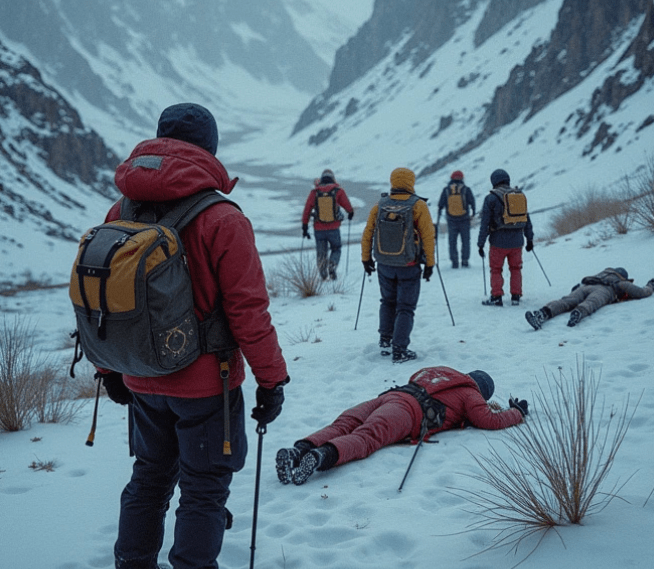
Let me be clear right out of the gate: if you’re looking for a leisurely stroll in the park, this article ain’t for you. I’m not talking about manicured trails with convenient benches and ice cream stands at the end. I’m talking about real hiking. The kind that puts blisters on your feet, mud in your teeth, and grit in your soul. The kind that tests your mettle and forces you to confront just how prepared—or not—you really are.
Idaho isn’t just potatoes and pickup trucks. It’s raw, rugged, and gloriously unforgiving. It’s a state built for survivalists and hard-core hikers like me who live for the burn in the legs and the pounding of the heart as you climb higher, push further, and prove to yourself that you still have what it takes.
So if you’re ready to leave the weak behind and embrace the wilderness, here are the Idaho hiking trails that’ll chew you up and spit you out—unless you’re prepared.
Idaho Hiking Trails: Idaho Trails
1. Sawtooth Wilderness – Alpine Lake Loop

Location: Central Idaho
Distance: ~11 miles
Elevation Gain: 2,500+ ft
You want drama? The Sawtooths will give it to you. Towering jagged peaks, alpine lakes as cold as your ex’s heart, and trails that seem to vanish just when you need them most. The Alpine Lake Loop isn’t your average Sunday hike. You’re climbing hard, sometimes scrambling, sometimes wading through snow in June.
Here’s the kicker: you’re deep in bear country. Grizzlies, black bears—you name it. This trail forces you to think like a survivor. Can you navigate without markers? Can you keep your food secure overnight? Do you know how to respond to a bear encounter? If not, you’d better learn, fast.
Pro tip: Don’t even think about hitting this trail without a solid map, a working GPS (with offline maps), and a bear canister. Also, water filtration is a must—those crystal-clear lakes can still pack a microbial punch.
2. Borah Peak – Idaho’s Tallest Beast
Location: Lost River Range
Distance: ~7.5 miles round trip
Elevation Gain: Over 5,200 ft
Summit: 12,662 ft
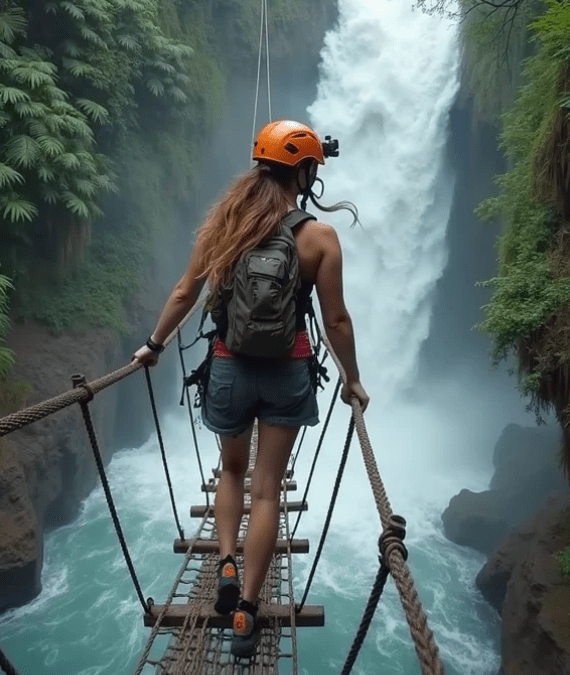
Borah Peak is the heavyweight champ of Idaho hiking. You want altitude? You got it. But it’s not just the thin air that’ll mess with you. It’s the route itself. The infamous “Chickenout Ridge” has claimed more than a few nerves—and injuries. It’s exposed, narrow, and if you slip, you will fall a long way. This is mountaineering more than hiking.
There’s no water up there. No cover. No mercy. If you’re not acclimated, if you’re not carrying the right gear, and if you don’t know how to self-rescue, Borah will beat you.
Pack layers—it gets frigid at the top even in August. Helmet for the ridge. Gloves with grip. And enough endurance to climb over a vertical mile and still descend safely. This one isn’t about the view (though it’s spectacular); it’s about proving you’ve got the chops to survive the climb.
3. Seven Devils Loop – Hells Canyon National Recreation Area
Location: Western Idaho
Distance: ~28 miles loop
Elevation Gain: 7,800+ ft
This trail is an exercise in extremes. The Seven Devils loom above the deepest gorge in North America—yes, deeper than the Grand Canyon. The trail wraps around the devils, offering epic vistas and brutal ascents.
Remote? You bet. Cell signal? Forget it. You’re relying on your map, your instincts, and your survival training.
The trail network is complex, and snow can linger into late summer. Thunderstorms come out of nowhere. Water sources are limited in dry months. And if you twist an ankle out here, you’re looking at a long, painful hike out—or worse, a night in the wild with only what you’ve packed.
Test your gear before you come out here. Your tent, your stove, your boots—all of it. If anything fails, there’s no REI just around the corner. It’s just you, your pack, and whatever you can carry.
4. Imogene Lake via Hell Roaring Creek
Location: Sawtooth National Forest
Distance: ~17 miles round trip
Elevation Gain: 2,200 ft
Don’t let the whimsical name fool you—Hell Roaring Creek earns it. Water crossings can get sketchy during high runoff. You’ll navigate boulder fields, washouts, and the ever-present threat of thunderstorms that roll in like clockwork at 3 p.m.
The reward is one of the most remote and breathtaking alpine lakes in the Sawtooths—Imogene Lake. But don’t expect to have it all to yourself unless you’re willing to push in deeper than most people dare. Bushwhacking might be necessary if sections of the trail are washed out, which happens more often than the maps suggest.
Bug netting is a game-changer here. In the summer, the mosquitoes are relentless. And don’t underestimate the psychological challenge of a long hike out after a high-altitude night. Cold, tired, and sore—this is where mental toughness separates the survivors from the tourists.
5. Big Creek to Chamberlain Basin – Frank Church Wilderness

Location: Central Idaho
Distance: 40+ miles
Elevation Gain: 5,000+ ft
Now we’re talking real backcountry. The Frank Church—River of No Return Wilderness is the largest contiguous wilderness in the Lower 48. This isn’t a weekend hike; it’s a multi-day test of endurance, planning, and bushcraft.
You’ll cross creeks, navigate poorly maintained trails, and possibly run into wolves, elk, or even mountain lions. The remoteness means you carry everything—and I mean everything. Satellite communicator? Non-negotiable. Redundancy in your water filtration? Yes. Backup fire starter? You bet your life.
The Chamberlain Basin offers solitude and silence that’s hard to find anywhere else. But it demands total respect. Complacency kills in the Frank Church.
10 Hiking Trail Wilderness Skills for the State of Idaho

Idaho’s backcountry is as beautiful as it is brutal. With its towering peaks, deep canyons, and remote wilderness, hiking here isn’t just recreation—it’s a test of skill and preparedness. If you’re heading into Idaho’s rugged terrain, these ten wilderness skills are essential for staying safe, self-reliant, and ready for whatever the trail throws your way.
1. Map and Compass Navigation
GPS is great—until it dies. Idaho’s remote trails often lack signal, so knowing how to read a topographic map and use a compass is non-negotiable. Practice before you head out.
2. Water Purification
From glacial lakes to fast-moving creeks, Idaho offers plenty of water sources. But don’t drink untreated. Learn how to use filters, iodine tablets, or boil water to kill pathogens like giardia and cryptosporidium.
3. Wildlife Awareness
You’re in bear, moose, and mountain lion country. Know how to store food in bear-proof containers, when to use bear spray, and how to avoid triggering dangerous encounters.
4. Leave No Trace Practices
Respect Idaho’s fragile ecosystems. Know how to properly dispose of waste, minimize campfire impact, and leave what you find to preserve the wild for others.
5. First Aid and Trauma Response
With long evacuation times in remote areas, knowing how to handle sprains, cuts, dehydration, and hypothermia is critical. Take a wilderness first aid course—you might save a life.
6. Fire Craft
Whether you’re fighting cold or cooking food, being able to build and safely maintain a fire is a vital skill. Always know the current fire restrictions before striking a match.
7. Backcountry Navigation Apps (Offline)
Gaia GPS, AllTrails, and OnX can be lifesavers—if you download your maps offline before entering a no-service zone. Don’t rely solely on them, but use them wisely.
8. Shelter Setup
Storms hit fast in the Idaho high country. Know how to pitch a tent quickly or rig a tarp with paracord. Shelter can mean the difference between comfort and hypothermia.
9. Trail Weather Reading

Learn how to read the clouds and changes in wind. Thunderstorms roll in fast in the Sawtooths and Bitterroots—knowing when to turn back can save your life.
10. Self-Reliance Mindset
Ultimately, your best tool is your mindset. In Idaho’s wilderness, you can’t count on rescue. Plan, train, and hike like you’re on your own—because you just might be.
7 Survival Items to Always Take on a Hike in the State of Idaho
Idaho’s wilderness is vast, rugged, and unforgiving. Whether you’re tackling the granite spires of the Sawtooths or venturing into the deep canyons of the Frank Church Wilderness, being prepared is more than just good practice—it’s a necessity. Weather turns fast, trails vanish, and help can be days away. That’s why every hiker venturing into Idaho’s backcountry should carry these 7 survival essentials—every single time.
1. Map and Compass (and Know How to Use Them)
Digital navigation tools are helpful, but batteries die and signals fail. A detailed topographic map of your route and a compass can save your life if you get lost. But don’t just carry them—practice using them regularly. In Idaho’s vast trail systems, it’s easy to get turned around.
2. Water Filtration System
Water is plentiful in Idaho, but drinking it untreated is a gamble. A lightweight filter, purification tablets, or a UV purifier can turn questionable water into a safe resource. Dehydration can sneak up fast, especially at elevation.
3. Fire Starter Kit

Hypothermia can strike even in summer. Always pack waterproof matches, a lighter, and a fire starter like cotton balls soaked in petroleum jelly. Idaho’s weather can turn cold and wet in a matter of hours—fire is comfort, warmth, and safety.
4. Shelter
Even on a day hike, carrying an emergency bivvy sack or lightweight tarp is a smart move. If you’re injured, lost, or stuck overnight, having shelter from wind and rain could be the difference between life and death.
5. First Aid Kit
Customize your first aid kit for Idaho’s hazards—blisters, sprains, insect bites, and altitude issues. Add items like tweezers (for ticks), antihistamines, and extra bandages. Don’t forget to include any personal medications.
6. Multi-tool or Knife
A quality multi-tool or survival knife is indispensable. Use it to repair gear, make kindling, cut cordage, or in rare cases, defend yourself. It’s the ultimate piece of wilderness utility.
7. Headlamp with Extra Batteries
Idaho’s remote trails are dark and disorienting after sunset. A headlamp keeps your hands free, and spare batteries ensure you’re not stuck navigating by moonlight.
The Idaho wild doesn’t forgive unpreparedness. Bring these items. Every hike. Every time.
Final Thoughts from a Trail-Hardened Prepper
I hike because it hones the edge. Every footstep out there teaches me something about myself—and about the wild. It teaches patience, resilience, and above all, preparation. The woods don’t care about your ego. Idaho certainly doesn’t. It rewards those who come ready. Those who train. Those who plan. And those who respect the land.
So if you’re thinking about tackling one of these brutal beauties, do yourself a favor: prep like your life depends on it. Because out there, it just might.
Gear up. Train hard. Hike smart. And remember: survival isn’t a slogan. It’s a skill.
 TheDailyChristian