Tiny Home Living in Idaho: Hidden Hotspots for Small Space Living
by Brooke Homestead — 2025 Female Survival Prepper of the Year

Idaho is a tiny home enthusiast’s dream if you love mountains, forests, rivers, and wide-open spaces. From the rugged Sawtooth Mountains to peaceful river valleys, the state offers hidden hotspots where small-space living can thrive. Downsizing here isn’t just about minimalism — it’s about embracing self-sufficiency, off-grid capabilities, and connecting with nature. I’m Brooke Homestead, and after years of tiny home construction, off-grid survival, and minimalist living, I can guide you through Idaho’s best hidden locations for tiny homes, zoning considerations, land costs, and climate insights.
Best Tiny Home Hotspots in Idaho: Sandpoint and McCall
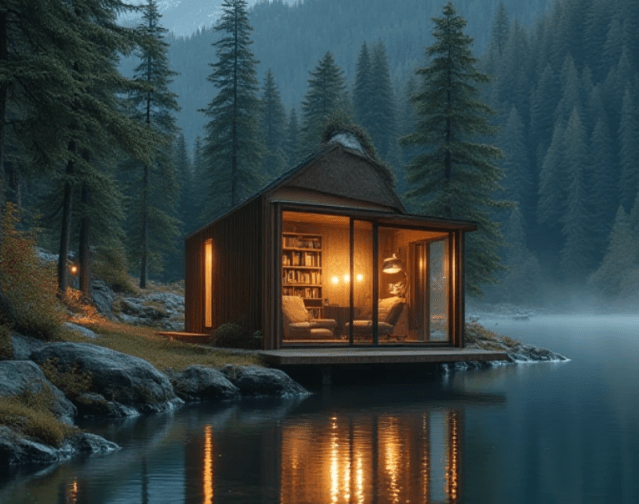
Sandpoint — Scenic Lakeside Small Living
Sandpoint, in northern Idaho, is perfect for tiny home enthusiasts who want nature, community, and off-grid potential:
- Zoning flexibility in outskirts: Many parcels outside city limits allow tiny homes, both on foundations and on wheels, particularly in rural or semi-rural zones.
- Affordable land for Idaho: Lots range from $30,000–$70,000 per acre, offering space for solar panels, gardens, and storage.
- Community mindset: Residents value sustainability, minimalism, and alternative lifestyles, making tiny homes socially welcomed.
💡 Brooke Tip: Focus on properties near lakes or rivers with proper elevation — this gives off-grid water access without flood risk.
McCall — Mountain Living Meets Tiny Homes
McCall, tucked in the mountains of central Idaho, offers year-round outdoor opportunities and a small-town vibe:
- Rural zoning: County regulations permit tiny homes as primary residences on private lots, especially in low-density areas.
- Off-grid potential: Snowy winters and forested surroundings allow for solar, water catchment, and wood heating setups.
- Community support: McCall attracts people who appreciate minimalism, self-sufficiency, and nature-based lifestyles.
Brooke Survival Insight: Winters are cold and snowy. Insulation, heating systems, and snow-load roof designs are non-negotiable for comfort and safety.
Challenging Areas for Tiny Homes in Idaho: Boise Metro & Coeur d’Alene
While Idaho has many opportunities, some areas pose challenges for small-space living:
- Boise Metro: High population density, strict urban zoning, and minimum lot sizes make tiny home placement difficult.
- Coeur d’Alene: Desirable lakefront areas come with high land costs ($150,000+ per lot) and zoning restrictions.
- Off-grid limitations: Urban development reduces flexibility for solar, water, and septic independence.
💡 Brooke Tip: Tiny homes in these areas are mostly viable as ADUs behind existing homes or in planned tiny home communities.
Zoning Laws in Idaho — Tiny Home Considerations
Idaho doesn’t have a statewide tiny home law; local regulations vary widely:
- Accessory Dwelling Units (ADUs): Increasingly allowed in progressive towns and suburbs, typically 200–500 sq. ft.
- Tiny Homes on Wheels (THOWs): Treated as RVs; often allowed on rural private land or in permitted RV parks.
- Foundation-based Tiny Homes: Must comply with state and local building codes, including structural, electrical, plumbing, and insulation requirements.
Brooke Advice: Always check with county and city planning offices before buying land — even neighboring parcels may have different regulations.
Cost of Land in Idaho — Budgeting for Tiny Homes
Land prices vary depending on location and access to amenities:
- Northern Idaho (Sandpoint area): $30,000–$70,000 per acre — great for off-grid or semi-rural tiny homes.
- Central Idaho (McCall area): $40,000–$80,000 per acre — offers mountain living with off-grid potential.
- Boise Metro & desirable lakefront (Coeur d’Alene): $150,000+ per small lot — tiny homes mostly feasible as ADUs.
- Southern Idaho rural lots: $10,000–$35,000 per acre — excellent for off-grid setups and long-term sustainability.
Other costs: septic systems, wells, solar panels, driveway access, and winter weather preparedness.
Climate Considerations — Idaho Weather for Tiny Homes
Idaho has diverse climates, so tiny home design must be location-specific:
- Northern Idaho: Cold, snowy winters and humid summers — insulation, heating, and moisture protection are essential.
- Central Idaho: Mountainous terrain with heavy snow — design for snow loads, wood heating, and solar efficiency.
- Southern Idaho: Semi-arid, hot summers — ventilation, shade, and cooling are key.
- Storm and wildfire risk: Forested areas require defensible space planning and fire-resistant materials.
Brooke Survival Insight: Tiny homes are compact — poor planning for climate can quickly create discomfort or danger. Prioritize insulation, storm safety, and energy efficiency.
Brooke Homestead’s Final Thoughts On Idaho’s Tiny Homes

Idaho is a hidden gem for tiny home living, offering mountains, lakes, and rural freedom:
- Best Hotspots: Sandpoint for scenic lakeside living and off-grid potential; McCall for mountain retreats and self-sufficient lifestyles.
- Challenging Areas: Boise Metro and Coeur d’Alene due to zoning, high land costs, and limited off-grid options.
- Planning Essentials: Check zoning, plan for seasonal weather, and design for off-grid sustainability.
Tiny home living in Idaho is about resilience, minimalism, and a deep connection to nature. Choose your location wisely, plan carefully, and you can thrive in a small, sustainable home surrounded by rivers, forests, and mountains.
— Brooke Homestead