

Let me start by saying this: when people think of Hawaii, they picture beaches, cocktails, and tourists waddling around in flip-flops. But me? I think of cliffs that drop off into nothing, jungle trails that vanish in the rain, and knife-edge ridgelines that’ll have your knees knocking.
Hawaii Hiking Trails: Hawaii Trails
See, Hawaii isn’t just a tropical paradise—it’s a survivalist’s dream and nightmare rolled into one. These islands don’t play by mainland rules. One wrong step out here and you’re not spraining an ankle—you’re disappearing into a ravine. You’ll hear the same names floating around in hiking circles: Kalalau, Olomana, Mauna Loa… But what most people don’t tell you is how these trails chew up the unprepared.
So, if you’re thinking of tackling Hawaii’s most infamous trails, listen up. I’m not here to sugarcoat. I’m here to lay it out—real, raw, and brutally honest. These are the Hawaiian trails everyone talks about… but few truly survive—mentally, physically, or sometimes literally.
Best Hiking Gear and Tools to Keep You Safe at All Times – Click Here
1. Kalalau Trail – Kauai’s Jungle Gauntlet

You’ve seen the photos—lush coastline, towering sea cliffs, waterfalls. But let me tell you something: the Kalalau Trail isn’t a postcard—it’s a trap for the unready.
At 11 miles one way, it might not sound like much. But the trail is narrow, often slick, and it hugs cliffs hundreds of feet above the surf. Then there’s Crawler’s Ledge—a sketchy, eroded section where one slip can launch you into the Pacific.
Flash floods are another killer here. Streams that are ankle-deep when you cross in the morning can become chest-high torrents by afternoon. People have died trying to turn back.
Survival Tips:
- Bring real traction, not tourist sneakers. Microspikes help in muddy areas.
- Monitor rain forecasts like your life depends on it—because it does.
- Don’t underestimate the return trip. That’s when exhaustion hits hardest.
2. Olomana Trail (Three Peaks) – Oahu’s Deadly Skyline

Locals call it a challenge. I call it a wake-up call. The Olomana Trail takes you up and across three jagged ridgelines, with ropes, vertical drops, and wind that’ll try to knock you sideways.
The first peak gives you views and ego. The second humbles you. The third? That one’s just a dare from the mountain gods.
People have fallen here. There are memorials along the trail for a reason. Most accidents happen because folks push beyond their skill set. One slip on the crumbly ridge and it’s over.
Survival Tips:
- Gloves for grip. These ropes are exposed to the elements and not maintained.
- Go early—afternoon clouds roll in fast and reduce visibility to nothing.
- Stop at Peak One if you’re unsure. No shame in knowing your limit.
3. Mauna Loa Summit Trail – Big Island’s Martian Test Zone

Ever want to hike on Mars? Head to Mauna Loa. At 13,681 feet, it’s one of the largest volcanoes on Earth, and hiking it is more mental than physical.
It’s not steep. It’s not jungly. It’s endless. Lava fields stretch forever, and trail markers are little rock cairns that disappear in bad weather. If fog rolls in—and it does often—you can lose your bearings in minutes. No water. No shade. No mercy.
The altitude gets to people too. You’ll start to feel it around 10,000 feet, and there’s no rescue team waiting nearby.
Survival Tips:
- Hydration is king. At elevation, dehydration sneaks up fast.
- GPS is your friend—but know how to navigate old-school in case it dies.
- Hike with someone. If you go solo out here, you better be experienced and leave a plan.
4. Ka’au Crater Trail – Oahu’s Mud Pit of Mayhem
This one’s hidden in the back of Palolo Valley, and it’s got everything: waterfalls, ridge hiking, rope climbs, and mud that’ll swallow your boots. What starts as a scenic trail quickly becomes a slippery, technical climb along narrow paths and over roots.
Fall in the wrong spot and you’re in for a rough time—or worse. And when it rains (which it often does), this trail turns into a slick death slide.
Survival Tips:
- Leave the white shoes at home. You’ll never see that color again.
- Use trekking poles or gloves to help with vertical climbs.
- Know that the crater ridge section is long and exposed—pace yourself.
5. Pu’u Manamana – Oahu’s Secret Knife Edge

Not officially sanctioned. Not recommended for beginners. But hikers whisper about it because it’s one of the most adrenaline-pumping ridges on Oahu.
We’re talking narrow as a balance beam—with drops on either side that don’t forgive mistakes. It’s technical, steep, and totally exposed. One gust of tradewind and you’re done.
There are ropes, but again—who installed them? When? Are they still secure? Don’t count on anything but your own balance and instincts.
Survival Tips:
- If you’re not 100% confident in your ridge hiking skills, don’t do it.
- Keep your pack light and your footing lighter.
- Don’t go alone. And don’t go when wet.
6. Waimanu Valley via Muliwai Trail – Big Island’s Jungle Isolation
This one flies under the radar—but it’s one of the most challenging hikes in the state. Starting from the black sand beach of Waipio Valley, the trail climbs 1,200 feet straight up before taking you through 13 switchbacks, multiple stream crossings, and thick jungle.
You’ll feel like you’ve stepped into a different time. Waimanu is remote. Cell service? Forget it. If something happens out here, you’re on your own.
And the mosquitoes? Let’s just say, bring the strongest repellent you can find—or prepare to be eaten alive.
Survival Tips:
- Take your time. This is a two-day hike, minimum.
- Water filtration is critical. The streams are beautiful—and full of bacteria.
- Bear bag your food—feral pigs will try to raid your stash.
10 Hiking Trail Wilderness Skills for the State of Hawaii

Hiking in Hawaii might sound like a dream—lush rainforests, volcanic ridgelines, and ocean views—but don’t be fooled. These islands are as dangerous as they are beautiful. Trails are steep, narrow, muddy, and often poorly marked. Flash floods, unstable cliffs, and sudden weather changes make wilderness skills not just useful—but essential.
Here are 10 survival-minded trail skills every hiker needs before stepping onto a Hawaiian trail:
1. Navigation Without Cell Signal
Most Hawaiian trails lack reliable cell service. Learn to read topographic maps and use a compass. Offline GPS apps like Gaia GPS or AllTrails (with downloaded maps) are helpful—but don’t rely solely on electronics.
2. Rain and Flash Flood Awareness
Know how to read the terrain for flood risk. If you’re hiking near streams or through gulches, be alert. Learn how to identify rising water and signs of upstream rainfall—because in Hawaii, flash floods can be deadly.
3. Ridge Line Safety and Rope Use

Many Hawaiian trails involve narrow, exposed ridgelines. Practice balance, foot placement, and how to test ropes for safety before trusting them. Gloves can help on steep ascents and descents with ropes.
4. Jungle Navigation Skills
Dense vegetation can hide trails. Learn how to recognize and follow overgrown paths, and how to backtrack effectively if you lose your way. Carry a whistle in case you need to signal.
5. Water Purification
Never assume stream water is safe to drink. Giardia and leptospirosis are real concerns in Hawaii. Always carry a filter or purification tablets.
6. Mud and Terrain Management
Trails can be extremely slick. Master the skill of moving through mud—side-stepping, grabbing roots for balance, and using trekking poles for stability.
7. First Aid for Tropical Hazards
Know how to treat cuts (which can get infected quickly in humidity), heat exhaustion, insect bites, and dehydration. Carry a compact, waterproof first aid kit.
8. Weather Pattern Recognition
Clouds roll in fast. Know how to spot signs of an incoming storm. Being caught in heavy rain on a ridgeline can be fatal.
9. Respect for Sacred and Restricted Areas
Understand and follow cultural boundaries. Treading where you shouldn’t can lead to real trouble—culturally, legally, and spiritually.
10. Self-Reliance and Preparedness
Never hike in Hawaii assuming rescue is easy. Carry essentials, know your route, and hike like no one’s coming for you. Because they might not.
Master these skills—and the islands just might let you walk away in one piece.
7 Survival Items to Always Take on a Hike in the State of Hawaii

Hiking in Hawaii isn’t all sunshine and waterfalls—it’s slippery ridgelines, sudden rainstorms, and remote terrain that doesn’t forgive mistakes. Whether you’re trekking through dense jungle or scaling volcanic ridges, you need to come prepared. These 7 survival essentials could mean the difference between a beautiful adventure and a life-threatening situation.
1. Water Filtration or Purification System
Hawaii’s heat and humidity will dehydrate you fast, and while streams are common, they aren’t always safe to drink from. Leptospirosis, a bacterial disease found in Hawaiian freshwater, is a serious threat. Always carry a compact water filter or chemical tablets to treat any water you collect.
2. Fully Charged Phone with Offline GPS
Cell service is unreliable on most Hawaiian trails. Download offline maps using Gaia GPS, AllTrails, or OnX Hunt before you head out. A fully charged phone—with a backup battery or power bank—is your lifeline for navigation and emergency calls if you reach a signal.
3. Lightweight Rain Gear
In Hawaii, it can go from sunny to storming in under 10 minutes. A compact, waterproof rain jacket or poncho is essential, especially at higher elevations or on ridgelines. Getting soaked can lead to hypothermia, even in a tropical climate.
4. Headlamp or Flashlight with Extra Batteries
Trails can take longer than expected, and Hawaii’s dense forests get dark fast. A headlamp keeps your hands free and helps you find your way out if night falls. Don’t rely on your phone’s flashlight—it’ll drain your battery in minutes.
5. First Aid Kit
Scrapes and blisters are common on muddy, uneven trails. Pack a small first aid kit with bandages, antiseptic wipes, tweezers (for thorns or centipedes), and antihistamines for allergic reactions. In Hawaii’s jungle environment, even minor cuts can become infected quickly.
6. Emergency Whistle or Signal Device
Many Hawaiian trails are isolated. A whistle or signal mirror can help rescuers find you if you get lost or injured. Three short blasts is the universal distress signal.
7. High-Energy Snacks
Bring more food than you think you’ll need. Energy bars, nuts, jerky—calorie-dense fuel is critical on long or unexpected hikes, especially in the heat and humidity.
In Hawaii’s wilderness, nature calls the shots—pack like your life depends on it.
Hawaii Hiking Is No Joke
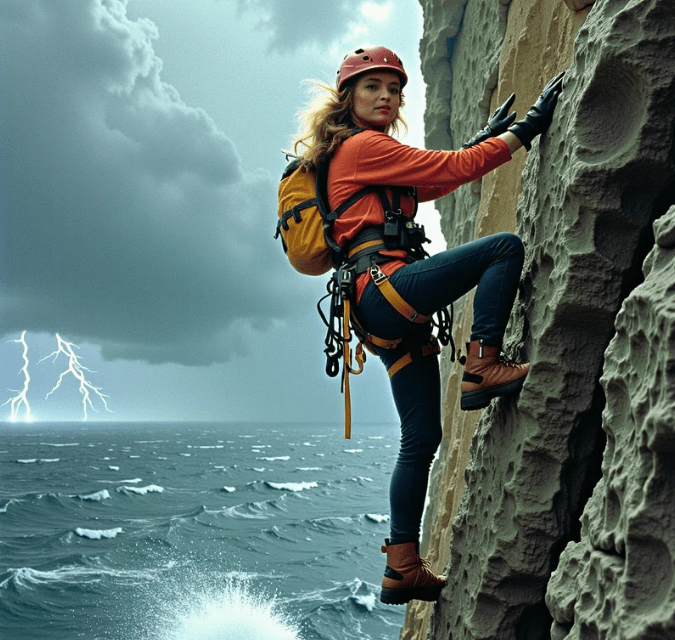
People come to Hawaii expecting easy trails and ocean views. But the truth is, these islands are wild. They’re alive. The terrain changes with every rainfall, and nature doesn’t care if you’re here for Instagram or enlightenment.
This isn’t the mainland. This is survival hiking.

Every step can be slick, every trail deceptive. You don’t have the luxury of ignoring gear lists or skipping preparation. One bad choice and you might not make it back down.
So if you’re planning to hike in Hawaii—really hike, not just meander to a waterfall with a coconut drink in hand—treat the land with respect. Gear up. Know your limits. Train for it. And remember:
You don’t conquer these trails. You survive them.
 TheDailyChristian