
Hawaii Tiny Home Living: Island Locations That Actually Allow It
by Brooke Homestead — 2025 Female Survival Prepper of the Year
Hawaii is paradise — no argument there. Turquoise waters, lush forests, volcanic peaks, and year-round sun make it a dream destination for tiny home living. But paradise comes with its own challenges: limited space, strict regulations, and high costs. I’m Brooke Homestead, and I’ve lived off-grid in extreme climates. I’ve seen what works and what doesn’t when it comes to living small in isolated, beautiful places. Today, we’re talking about Hawaii tiny home living — where you can legally build, thrive, and embrace island life without breaking the law or your budget.
Best Islands and Locations for Tiny Homes in Hawaii: Big Island & Kauai

Brooke Homestead — 2025 Female Survival Prepper of the Year
(CLICK ON BROOKE HOMSTEAD’S PICTURE BELOW FOR TO HEAR HER VIDEO MESSAGE)
Big Island — Room to Grow, Nature at Your Doorstep
The Big Island is ideal for those wanting space, adventure, and flexibility. Unlike Oahu or Maui, land is more abundant and zoning tends to be more flexible in rural areas.
Why Big Island works:
- Rural zoning is supportive: Many parcels outside Hilo, Kona, or Waimea allow tiny homes on foundations or tiny homes on wheels if you follow building codes.
- Off-grid opportunity: Solar, rainwater catchment, and composting systems work beautifully in the consistent tropical climate.
- Diverse environments: From volcanic plains to rainforest valleys, you can pick a location that fits your lifestyle — beachside, mountainside, or mid-island quiet.
💡 Brooke Tip: Check each county’s land use regulations. Hawaii County can be tiny-home friendly in rural zones, but parcels near urban centers have stricter rules.
Kauai — Small Island Serenity
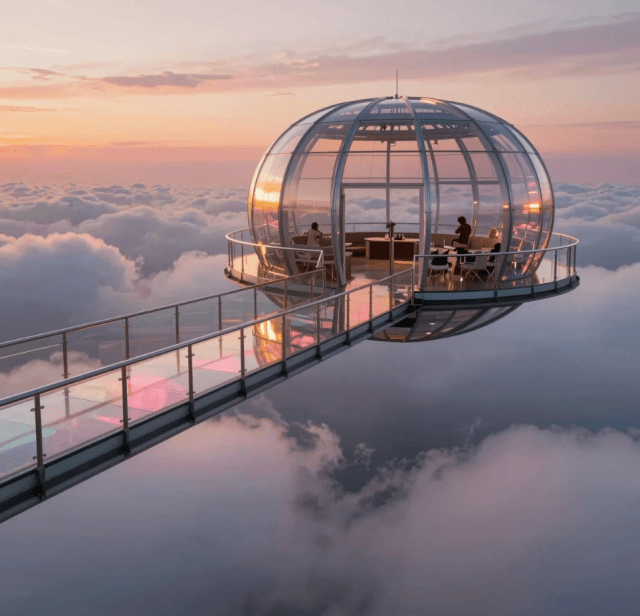
Kauai, the “Garden Isle,” is perfect if you’re seeking a quiet, nature-immersed tiny home lifestyle. Land is limited, but small homes are possible with proper planning.
Why Kauai works:
- Rural zoning areas: Many small parcels outside Lihue or Princeville allow tiny homes as primary residences or secondary dwellings.
- Community support: Locals value sustainability and traditional Hawaiian lifestyle, which often aligns with tiny, off-grid living.
- Natural beauty everywhere: Rivers, forests, and beaches make off-grid water, solar, and garden setups feasible.
Brooke Survival Insight: Rainfall can be heavy — design your tiny home with robust roofing, drainage, and elevated foundations to prevent flooding and moisture damage.
Toughest Zoning Areas for Tiny Homes: Oahu & Maui
Oahu and Maui are popular, but urbanization and tourism-heavy zoning make tiny homes challenging:
- Oahu: Honolulu and surrounding metro areas have strict building codes, minimum square footage requirements, and little room for off-grid living. Tiny homes are mostly allowed as ADUs behind a primary residence.
- Maui: Tourist demand keeps land expensive and zoning restrictive. Many parcels require full-size dwellings and adherence to strict environmental regulations.
💡 Brooke Tip: If you must be on Oahu or Maui, consider tiny homes as accessory dwellings, co-housing communities, or parcels far from urban centers.
Zoning Laws in Hawaii — Tiny Home Considerations
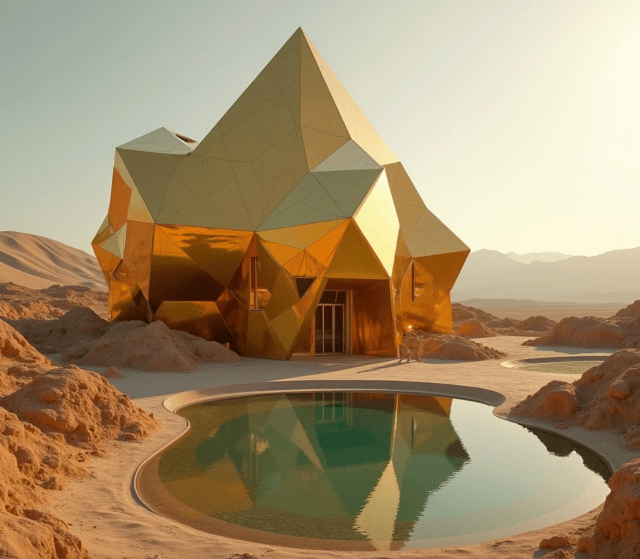
Hawaii has county-specific regulations, so legality varies by island:
- Accessory Dwelling Units (ADUs): Allowed in many urban and suburban zones, typically 200–400 sq. ft.
- Tiny Homes on Wheels (THOWs): Treated as RVs; allowed mostly in rural areas or private land with temporary permits.
- Foundation-based Tiny Homes: Must meet county building codes and state residential codes — including wind-load, flood zones, and plumbing standards.
Brooke Advice: Always call county planning and building departments before purchasing land. Tiny home legality can vary dramatically between neighboring parcels.
Cost of Land in Hawaii — Budget Realities
Land in Hawaii is expensive and limited:
- Big Island (rural zones): $50,000–$150,000+ per acre. Utilities may need installation; off-grid setups are common.
- Kauai: $75,000–$200,000 per acre, depending on proximity to the coast. Remote parcels are ideal for tiny homes but require off-grid planning.
- Oahu & Maui: $250,000+ per small lot. Tiny homes are mostly feasible as ADUs or secondary dwellings.
Other costs to consider: water tanks, septic systems, solar + battery systems, and road access. Off-grid preparedness is essential in Hawaii.
Climate Considerations — Island Weather Challenges

Hawaii is tropical, which is beautiful but requires planning:
- Rainfall: Especially on windward sides, heavy rain is common — make sure your roof, foundation, and drainage are resilient.
- Humidity: High humidity can affect wood, insulation, and appliances — proper ventilation is crucial.
- Wind & storms: Hurricanes and high winds are rare but possible. Secure foundations and tie-downs are a must.
- Sun: Solar power works beautifully year-round, but shade and ventilation are important for cooling.
Brooke Survival Wisdom: Even paradise requires preparation. Elevate your home, manage water, and insulate for moisture — your tiny home will thank you.
Final Homestead Thoughts

Hawaii can be a tiny home paradise if you choose your location and plan carefully:
- Best Locations: Big Island for space and rural flexibility; Kauai for small, nature-integrated living.
- Challenging Areas: Oahu and Maui for urban restrictions, high costs, and strict codes.
- Planning Essentials: Check zoning, climate risks, and infrastructure before buying land.
Tiny home living in Hawaii is about freedom, resilience, and connection with your surroundings. With the right island, planning, and preparation, your dream of minimalist, off-grid living in paradise can absolutely thrive.
— Brooke Homestead