

Don’t Be Fooled: Louisiana Hiking Trails Are Waiting for You
Let me be real straight with you from the get-go—Louisiana ain’t just mossy cypress trees, jazz music, and beignets. For those of us who lace up our boots, strap on a pack, and feel more alive ten miles deep in the woods than we ever do in town, Louisiana is a wild frontier that will chew you up if you walk into it thinking it’s all gumbo and gators.
I’m not trying to scare you (okay, maybe a little), but I’ve spent more time in the wilderness than most people spend in front of a TV, and I’m telling you: the Pelican State’s most dangerous hiking trails are out there, waiting, and they don’t care one bit if you’ve only brought your Instagram spirit and a half-empty water bottle.
The Misconception of “Safe” Trails
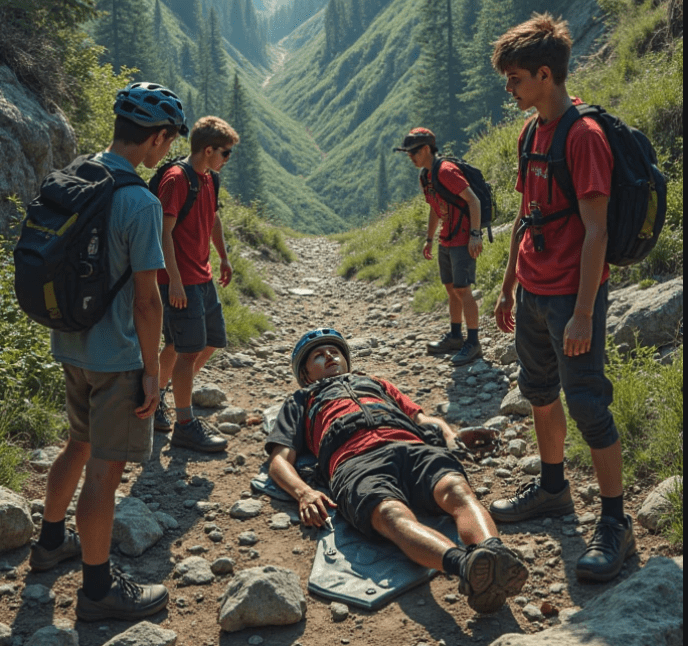
Too many greenhorns make the mistake of underestimating Louisiana’s terrain. They assume that because we’re not dealing with towering mountain ranges or desert canyons, the risk is low. That’s where they’re dead wrong. You see, danger in the backcountry doesn’t always come in the shape of cliffs or blizzards. Sometimes, it’s the slow creep of heat exhaustion. Sometimes, it’s losing the trail after heavy rain. Sometimes, it’s a cottonmouth at your ankle before you’ve even registered the hiss.
If you’re hiking here thinking the land is forgiving, you’re gonna learn fast. Or worse—you won’t.
1. Kisatchie National Forest: Backbone Trail
Kisatchie is where I first cut my teeth on serious solo treks. It’s beautiful, no doubt. Longleaf pine, sandstone outcrops, and a quiet that gets into your bones. But don’t be fooled—this is no stroll in the woods.
The Backbone Trail is only about 7.5 miles one way, but it’s remote, exposed in stretches, and poorly marked in others. One misstep off-trail and you can be bushwhacking in thick underbrush with no clear way out. I once had to bivy overnight with just a poncho and a flint after missing a turn near the Bayou Cypre. Thank God I had my topo map and compass—GPS was useless under cloud cover and the canopy. Lesson: Don’t hike Kisatchie without serious prep. Period.
2. Wild Azalea Trail: Longest and Loneliest
This is Louisiana’s longest trail at around 31 miles. It’s stunning in spring with blooming azaleas, but don’t let the flowers fool you. Isolation is your biggest enemy here. Cell service is a joke, and water sources are questionable in the hotter months.
Hiking this without a solid purification system and heat protocol is a rookie mistake. Temps can climb past 95°F with swamp-like humidity. I’ve seen folks get heatstroke six miles in because they underestimated their water needs. I pack minimum 4 liters and a Lifestraw even in cooler seasons. You want to test your limits? Fine. But don’t test them with one bottle and a Cliff bar.
3. Barataria Preserve Trails: Wet, Wild, and Watching You
The Barataria Preserve, part of the Jean Lafitte National Historical Park, looks like a nature walk—and that’s what makes it dangerous. The boardwalk trails lull you into thinking it’s all smooth sailing, but the surrounding swamp is alive. I mean alive. Cottonmouths, gators, and enough mosquitoes to drain a man dry if he’s not wearing proper layers and repellant.

Once, I watched a tourist lean too far over a railing to get a photo of a gator. Slipped. Landed inches from the water. Lucky it wasn’t feeding time. Lesson there? Respect the wildlife and remember: these trails are built because the terrain is not passable.
Best Hiking Gear and Tools to Keep You Safe at All Times – Click Here
Also, storms roll in fast. A sunny morning can turn into a lightning-riddled swamp trap by noon. I always pack a tarp shelter and emergency rations, even on short hikes. If you can’t ride out a surprise downpour without panicking, you’ve got no business on these trails alone.
4. Tunica Hills: Slippery and Steep
Now, if you want terrain that rivals Appalachia in microbursts, Tunica Hills is your bet. These trails north of St. Francisville are surprisingly rugged. Elevation shifts, steep ridges, and—get this—actual waterfalls in Louisiana. Beautiful, yes. But when wet (which is often), those hills turn into slick mud chutes.
I’ve known experienced hikers to blow out knees or worse, sliding on wet clay with a 30-pound pack. It’s not the Rockies, sure, but in the South, unexpected injury is a death sentence if you can’t self-rescue. I never hit this trail without trekking poles, a first-aid kit with a trauma dressing, and my sat phone. A twisted ankle out here isn’t an inconvenience—it’s a full-blown crisis.
The Survivalist’s Mindset
Now let me drop some truth that’s saved me more than once: Prepare for the worst, hope for the best.
Every time I pack for a trail in Louisiana—whether it’s a two-hour jaunt or a multi-day slog—I pack like I’m not coming back. Sounds paranoid? Maybe. But I’ve seen too many casual hikers get rescued dehydrated, snakebitten, or just plain lost because they treated the backcountry like a theme park.
Survival out here isn’t about being the toughest. It’s about being the smartest. Here’s what I never hike without:
- Water (and purification tools)
- Detailed topo maps & compass (learn to use ’em)
- Knife, fire starter, poncho, and emergency bivy
- First-aid kit (with pressure bandage, not just Band-Aids)
- High-calorie food, not just “snacks”
- Weather-appropriate clothing & rain gear
- Flashlight/headlamp (with backup batteries)
- Satellite communication if I’m going deep
- 10 Hiking Trail Wilderness Skills for the State of Louisiana
Louisiana might not have towering peaks or vast deserts, but make no mistake: the wild down here is unforgiving if you’re unprepared. Swamps, heat, sudden storms, and unpredictable terrain mean you need more than just a water bottle and a trail map. Here are 10 essential wilderness skills every hiker needs before stepping onto Louisiana’s trails:
1. Navigation Without GPS
GPS can fail fast under thick tree cover or stormy skies. Learn how to read a topographic map and use a compass. The Kisatchie backcountry and Wild Azalea Trail demand solid wayfinding skills.
2. Water Purification
Heat and humidity drain you quick. Always carry a water filter or purification tablets, especially on longer hikes like the Wild Azalea Trail. Swamp and creek water may look clear but can carry bacteria and parasites.
3. Snake Awareness and First Aid
Cottonmouths, copperheads, and rattlers are real risks in Louisiana. Learn to identify venomous snakes and carry a proper first-aid kit—not just bandages, but compression wraps and a plan for getting help fast.
4. Weather Reading Skills
Louisiana weather can turn from sunny to storming in an hour. Recognize signs of incoming thunderstorms and have rain gear ready. Hypothermia can strike even in the South if you’re soaked and stuck overnight.
5. Heat Management
Understand heat exhaustion and heatstroke symptoms. Hike early, take shade breaks, wear light layers, and consume electrolytes—not just water.
6. Insect Protection
Mosquitoes, ticks, and chiggers thrive here. Know how to use repellents, wear long sleeves, and check yourself thoroughly after hikes. Tick-borne illness isn’t just a northern problem.
7. Emergency Shelter Setup
If you get stranded or caught in a sudden storm, knowing how to rig a tarp or emergency bivy is critical. Don’t count on finding natural shelter in swampy terrain.
8. Fire-Starting
In wet conditions, starting a fire is a challenge. Learn to use fire starters, waterproof matches, and build a fire that works even when your wood is damp.
9. Wildlife Awareness
From wild boars to gators, Louisiana wildlife demands space. Know how to store food properly and react calmly to animal encounters.
10. Trail Etiquette and Leave No Trace
Always follow Leave No Trace principles. Preserve the beauty of Louisiana’s wild spaces so future hikers can enjoy them too.
It’s Not About Fear. It’s About Respect.
Look, I love Louisiana’s wild places. I’ve seen sunrises over misty bayous that’ll humble you. I’ve watched deer move through cypress groves like ghosts. But I’ve also buried my boots knee-deep in muck, watched lightning hit 50 yards away, and fended off a raccoon hellbent on stealing my food stash.
Hiking here is rewarding, yes. But it’s real. Raw. And sometimes, downright dangerous. That’s the point. That’s the thrill. That’s the why.

So if you’re coming down here with city eyes and an ultralight TikTok pack, do yourself a favor: gear up, study up, and take this land seriously. It demands respect, and if you don’t give it, it’ll take it.
Don’t be fooled by the moss and melody. Louisiana’s most dangerous hiking trails are waiting for you—with all the beauty, brutality, and backcountry tests a true prepper could ask for.
And I wouldn’t have it any other way.
 TheDailyChristian