Louisiana Tiny Home Lifestyle: Cities Open to Small Living
by Brooke Homestead — 2025 Female Survival Prepper of the Year
Louisiana is a state of culture, charm, and character — from the jazz-soaked streets of New Orleans to the bayous and piney woods of the north. Tiny home living here comes with unique challenges: flood zones, humid summers, and strict urban zoning. But if you know where to look, Louisiana offers cities and communities where small living can thrive. I’m Brooke Homestead, and after years of off-grid tiny home building and survival prepping, I know that success depends on picking the right location, understanding local regulations, and planning for climate challenges.
Let’s explore the best cities for tiny homes in Louisiana, areas to avoid, zoning considerations, land costs, and how to thrive in this Southern state.

Best Cities for Tiny Homes in Louisiana: Lafayette and Ruston
Lafayette — Heart of Cajun Culture and Tiny Home Potential
Lafayette combines vibrant culture with affordable land, making it an ideal spot for tiny home living.
Why Lafayette works:
- Flexible suburban zoning: Many neighborhoods allow accessory dwellings or small homes under 400 sq. ft., particularly in newer developments or outskirts.
- Affordable land: Parcels outside the city center are reasonably priced, often $20,000–$50,000 for small lots.
- Community openness: The city’s culture embraces creativity and alternative living solutions, from music studios to small homesteads.
💡 Brooke Tip: Check the Lafayette Parish planning office for parcels with fewer setback requirements. Outskirts offer the most flexibility for small-footprint homes.
Ruston — Small-Town Charm and Rural Freedom

Ruston, in northern Louisiana, is perfect if you want rural space, forests, and small-town friendliness.
Why Ruston works:
- Rural zoning flexibility: County rules allow tiny homes on private lots, including THOWs (tiny homes on wheels) in some areas.
- Outdoor lifestyle: Lakes, forests, and open land make off-grid setups for solar, water, and gardening feasible.
- Community support: Smaller towns value independence and self-sufficiency — qualities that align perfectly with tiny living.
Brooke Survival Insight: While winters are mild, summers are humid and hot. Plan for ventilation, shade, and moisture-resistant building materials.
Worst Cities for Tiny Homes in Louisiana: New Orleans & Baton Rouge
While culturally rich, New Orleans and Baton Rouge present major zoning and climate hurdles:
- Zoning restrictions: Minimum lot sizes, floodplain regulations, and historic district rules make tiny homes difficult to place legally.
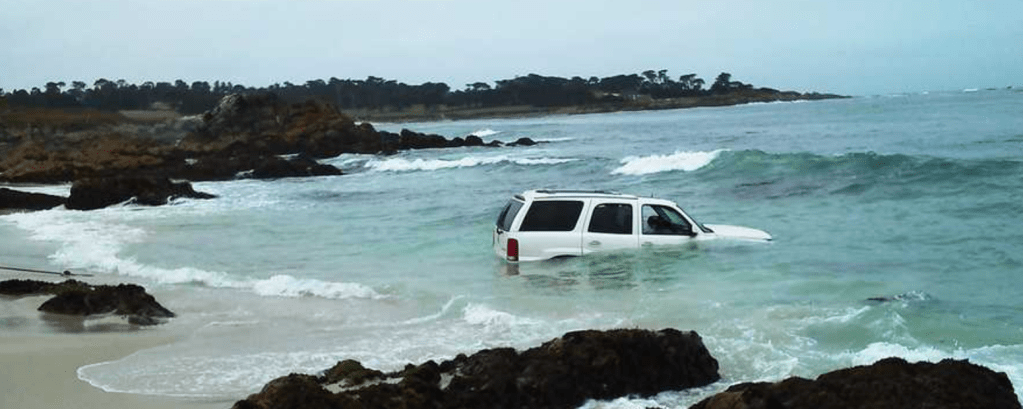
- Flood risk: These urban centers are prone to flooding and hurricanes, requiring elevated foundations and complex permits.
- Cost of land: Even small lots can be prohibitively expensive compared to rural areas.
💡 Brooke Tip: Tiny homes in these areas are mostly feasible as ADUs behind an existing home or in planned tiny home communities that meet flood and zoning regulations.
Zoning Laws in Louisiana — Tiny Home Considerations
Louisiana doesn’t have statewide tiny home laws, so everything depends on parish and city regulations:
- Accessory Dwelling Units (ADUs): Increasingly allowed in progressive parishes, typically 200–400 sq. ft.
- Tiny Homes on Wheels (THOWs): Treated as RVs; allowed mainly on private rural land or in designated RV parks.
- Foundation-based Tiny Homes: Must meet state and local residential building codes, including plumbing, electrical, and structural standards.
Brooke Advice: Contact your parish planning and building departments before purchasing land. Tiny home legality can differ between adjacent lots, especially near flood zones or historic areas.
Cost of Land in Louisiana — Budgeting for Tiny Homes
Land prices vary widely:
- Rural north (Ruston, Shreveport outskirts): $5,000–$15,000 per acre — perfect for off-grid or small-scale living.
- Lafayette suburbs: $20,000–$50,000 per small lot; more zoning flexibility than city centers.
- New Orleans & Baton Rouge: $75,000+ per lot; tiny homes require creative solutions like ADUs or shared property.
Other costs: septic systems, wells, solar setups, elevated foundations, and drainage systems. Humid, flood-prone areas demand extra planning.
Climate Considerations — Louisiana Weather for Tiny Homes
Louisiana has hot, humid summers and mild, wet winters, which affects tiny home planning:
- Humidity: Proper ventilation and moisture-resistant materials prevent mold and rot.
- Rain & flooding: Elevated foundations or stilts may be required in flood-prone areas.
- Heat: Shade, ventilation, and energy-efficient cooling are essential for comfortable living.
- Storm preparedness: Hurricanes are a real threat; tie-downs, storm shutters, and emergency plans are crucial.
Brooke Survival Insight: Tiny homes are compact — every design choice counts. Prioritize structural safety, airflow, and water management to thrive in Louisiana’s climate.
Brooke Homestead’s Final Thoughts On Louisiana’s Tiny Homes

Louisiana offers great opportunities for tiny living if you choose your city and parish wisely:
- Best Cities: Lafayette for culture, affordability, and zoning flexibility; Ruston for rural space and off-grid potential.
- Challenging Areas: New Orleans and Baton Rouge due to zoning, flood risk, and cost.
- Planning Essentials: Check zoning, prepare for storms, and design for heat and humidity.
Tiny home living in Louisiana is about resilience, adaptability, and connection to the land and community. Pick the right location, plan smart, and you can thrive in a small, sustainable home amid Louisiana’s bayous, forests, and vibrant towns.