

Let me get something straight right out of the gate: hiking in Vermont is not just some casual stroll through pretty woods while sipping a matcha latte. This isn’t an Instagrammable walk in the park. This is rugged, wild, unpredictable terrain. And if you think you’re just going to lace up a pair of brand-new boots and “find yourself” in the Green Mountains without bleeding, sweating, or seriously questioning your life choices—then you’re the one who needs to be found.
Now don’t get me wrong—I love Vermont. I live for these trails. But I also believe in preparation, awareness, and respect for nature. That’s why I don’t go anywhere without a basic survival kit (knife, water filter, firestarter, trauma kit), and neither should you. Because the truth is, Vermont’s wilderness doesn’t care about your GPS signal. It doesn’t care about your ultralight pack. Out here, the only thing that matters is whether you can handle what the trail throws at you.
So, if you’re ready to push yourself, test your limits, and maybe even earn some blisters that you’ll brag about later, then buckle up. Here are the Top 20 Hiking Trails in Vermont that will challenge your grit, build your resilience, and if you’re not careful—leave you eating granola with a raccoon for company.

1. The Long Trail (Full Route)
Difficulty: Expert
Length: 272 miles
The backbone of Vermont hiking. Oldest long-distance trail in the U.S., and it hurts. If you want to know what it feels like to conquer mountains, sleep with wet socks, and learn the true meaning of solitude, this is it.
2. Camel’s Hump via Monroe Trail
Difficulty: Moderate to Hard
Length: 6.8 miles round trip
My personal favorite summit in the state. Exposed alpine ridges, steep inclines, and jaw-dropping views. Bring layers and watch for sudden weather changes—it can turn fast.
3. Mount Mansfield via Sunset Ridge Trail
Difficulty: Hard
Length: 6.6 miles round trip
The tallest mountain in Vermont and one of the most varied trails. Don’t underestimate this one—it gets technical near the top. If it’s wet, the rocks become death traps.
4. Jay Peak via Long Trail South
Difficulty: Hard
Length: 3.6 miles round trip
Steep, rocky, and brutally beautiful. Jay Peak’s summit gives a 360-degree view that’ll make you feel small in the best way. Go light but go prepared.
5. Sterling Pond Trail
Difficulty: Moderate
Length: 2.6 miles round trip
Short but don’t be fooled—it’s a rocky climb that’ll wake your legs up. The pond is a peaceful payoff, but you’ll earn it.
6. Mount Abraham via Battell Trail
Difficulty: Moderate
Length: 5.4 miles round trip
One of Vermont’s iconic 4,000-footers. The summit offers alpine tundra (yes, real tundra in Vermont!)—a rare biome you should respect. Stay on trail.
7. Burrows Trail to Camel’s Hump
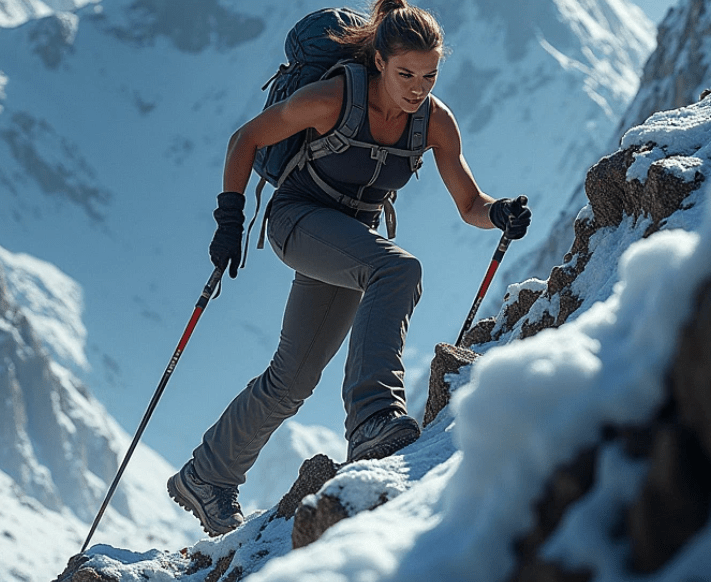
Difficulty: Hard
Length: 4.8 miles round trip
Steep climb to the same summit, but faster. More exposed and direct. Great if you’re short on time but not on stamina.
8. Stowe Pinnacle Trail
Difficulty: Moderate
Length: 3.7 miles round trip
Crowded in summer, but a good test of speed and endurance if you hit it at dawn. The wind at the top is no joke—secure your gear.
9. Mount Hunger via Waterbury Trail
Difficulty: Hard
Length: 4 miles round trip
Don’t let the name fool you—you’ll burn more calories than you can carry. Views of the Worcester Range are killer. So are the final scrambles.
10. Hellbrook Trail to Mount Mansfield
Difficulty: Expert
Length: 4.4 miles round trip
This one is not for the faint of heart. Almost vertical in places, wet, slick, and dangerous. My kind of fun. If you take this route, bring grippy footwear and nerves of steel.
11. Mount Pisgah North Trail
Difficulty: Moderate
Length: 4.1 miles round trip
Lake Willoughby far below, cliffs beside you, and falcons above. Beautiful and haunting. Watch your footing near the overlook—it’s a long way down.
12. Lye Brook Falls Trail
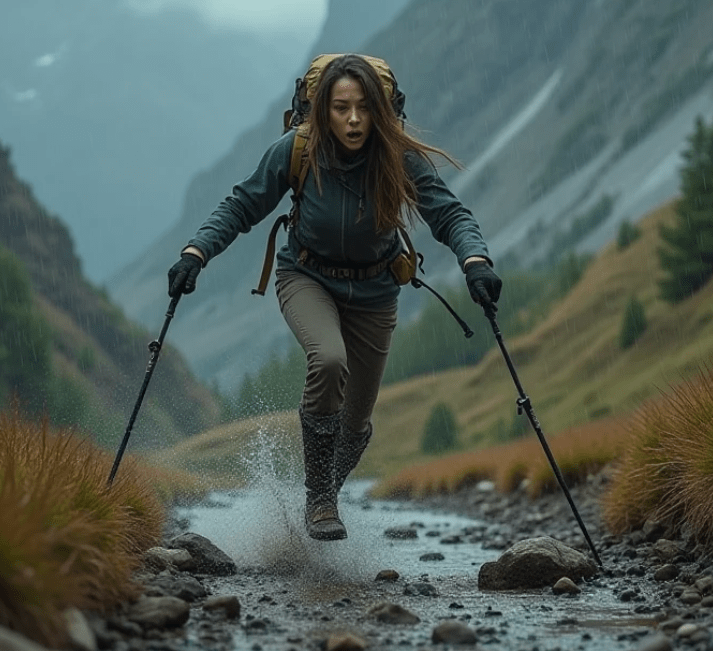
Difficulty: Moderate
Length: 4.6 miles round trip
Good training hike. Waterfall reward at the end is cold and strong. Not technical, but muddy and root-covered. Good for pack weight testing.
13. Mount Ascutney via Weathersfield Trail
Difficulty: Moderate to Hard
Length: 5.7 miles round trip
Steady climb with old growth forest and a fire tower at the top. Great to simulate longer-distance climbs with a reward. Bugs here are ruthless—bring spray.
14. Killington Peak via Bucklin Trail
Difficulty: Hard
Length: 7.2 miles round trip
A beast in winter, still tough in summer. The final stretch is steep and brutal. Summit often clouded, but when it clears—unreal.
15. Bald Mountain Trail (Westmore)
Difficulty: Moderate
Length: 4 miles round trip
Fire tower at the top gives panoramic views. Excellent spot to test compass skills and trail navigation. Not very crowded, and that’s how I like it.
16. Haystack Mountain Trail
Difficulty: Easy to Moderate
Length: 5 miles round trip
Don’t underestimate it. Quiet, steady climb with a killer summit view. Excellent for cold-weather gear testing or kids learning to hike.
17. White Rocks Ice Beds Trail
Difficulty: Moderate
Length: 3.2 miles round trip
Want to see ice in summer? You got it. Cold air funnels out of rock crevices like nature’s AC. Good trail for cooling off and geology nerds.
18. Equinox Preserve Trail System
Difficulty: Variable
Length: Up to 6 miles round trip
Multiple trails that crisscross around Mount Equinox. Choose your pain level. Hidden springs and old stonework make this place a time capsule.
19. Glastenbury Mountain via Long Trail
Difficulty: Hard
Length: 22.4 miles out and back
Remote and a little eerie. Famous for being part of the “Bennington Triangle.” Great for multi-day treks or testing emergency shelter skills. Bring bear bagging gear.
20. Stratton Mountain via Long Trail/Appalachian Trail
Difficulty: Moderate
Length: 7.6 miles round trip
Historic as the birthplace of both the Long Trail and Appalachian Trail. The fire tower here is worth the climb. Good test hike with significant historical weight.
Final Thoughts From a Trail-Hardened Survivalist
Vermont isn’t Alaska, but don’t let that fool you into underestimating it. Between the dense woods, fast-changing weather, and deceptive elevation gains, you can find yourself in trouble quick if you’re not squared away. Here’s what I always pack, no matter the trail length:

- Water filter (Sawyer Squeeze or similar)
- Knife or multitool
- Headlamp (yes, even on day hikes)
- Compass and trail map
- Layered clothing, wool socks
- High-protein snacks
- Duct tape (saves lives, literally)
- Basic first aid
- Bear spray (northern Vermont’s got traffic)
Bottom line: respect the trail and it will teach you things no classroom ever could. Get out there, push yourself, bleed a little, get rained on, curse the incline—and then feel that fire in your chest when you make it to the summit. You’re not just hiking; you’re becoming someone the wilderness doesn’t scare.
See you out there.
 TheDailyChristian