Vermont Tiny Home Living: Best Rural Spots for Minimalist Life
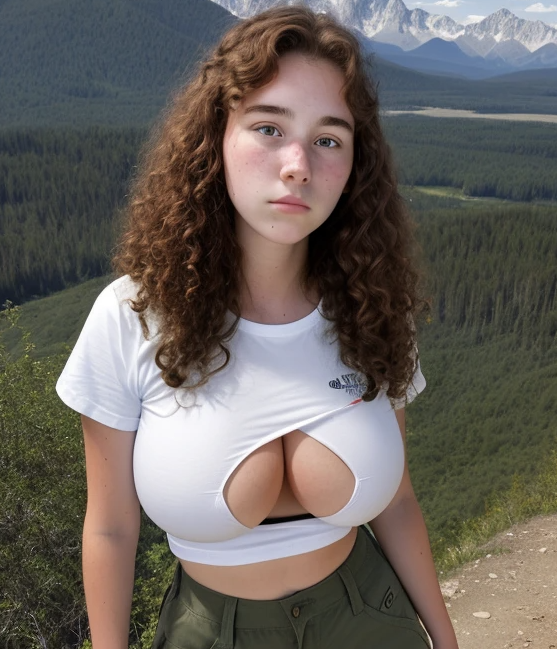
by Brooke Homestead — 2025 Female Survival Prepper of the Year
Vermont is the kind of state that whispers promises of quiet rivers, rolling hills, and forested retreats. If you’ve ever dreamed of living small while staying close to nature, this is your paradise — provided you’re ready to embrace both the beauty and the challenge of rural New England living. I’m Brooke Homestead, and after years of off-grid survival, homesteading, and tiny home building, I’ve learned that Vermont rewards those who plan carefully, respect the land, and prepare for the realities of cold winters.
Here’s a guide to Vermont’s best rural spots for minimalist life, along with practical survival tips for off-grid tiny living.
Best Rural Spots for Tiny Homes in Vermont: Stowe and Brattleboro 🌲🏡

Stowe — Mountain Living with Accessibility
Nestled at the base of Mount Mansfield, Stowe is a dream for anyone seeking mountain views, hiking trails, and true seasonal living. It’s small enough to feel connected to a local community, yet spacious enough for tiny homes and off-grid setups.
Why Stowe works:
- Ample rural land: Town and surrounding county zoning allow for small homes and accessory dwellings, particularly on parcels outside dense village areas.
- Nature at your doorstep: Rivers, mountains, and forests make self-sufficiency practical — firewood, rainwater collection, and gardening are all achievable.
- Community support: Stowe’s small-town culture is often welcoming to non-traditional housing if you maintain aesthetics and follow permitting rules.
Brooke Tip: Check with the town zoning office before purchasing property. Many plots near trails or water may have conservation easements or restrictions that could affect tiny home placement.
Brattleboro — Artistic, Rural, and Off-Grid Friendly
If you’re drawn to a community that blends art, culture, and rural simplicity, Brattleboro is worth a look. Its combination of farmland, rivers, and creative local culture makes it ideal for tiny homes and off-grid living.
Why Brattleboro works:
- Rural flexibility: Surrounding Windham County is generally supportive of small homes, tiny cottages, and modular structures, especially when paired with sustainable systems.
- Water and utilities access: Many parcels have well access or shared community water, making off-grid integration smoother.
- Community mindset: The town values sustainability and alternative lifestyles, which can be helpful when navigating local zoning.
💡 Brooke Insight: Both Stowe and Brattleboro benefit from seasonal tourism, so planning your tiny home build outside peak tourist zones can keep your life peaceful and secure.
Toughest Places for Tiny Homes in Vermont: Burlington and Montpelier
Burlington and Montpelier are charming, historic, and highly desirable — but they present challenges for tiny home living:
- High property costs: Small plots in these urban centers are expensive, often outpricing a typical tiny home budget.
- Zoning restrictions: Urban zoning tends to favor traditional single-family dwellings or multi-family units, limiting the feasibility of free-standing tiny homes.
- Limited rural access: Tiny homes in these areas often need to conform to ADU regulations, leaving little room for fully off-grid setups.
Brooke Tip: If your heart is set on urban Vermont, tiny living may be best achieved through ADUs or eco-village communities that allow shared infrastructure while keeping your footprint minimal.
Zoning Laws in Vermont — Key Considerations

Vermont doesn’t have a statewide law giving tiny homes automatic permission. Zoning is county and town dependent, so here’s what you need to know:
- Accessory Dwelling Units (ADUs): Tiny homes are often permitted as secondary dwellings on existing lots.
- Tiny Homes on Wheels (THOWs): Typically treated as RVs — allowed in some rural counties or under temporary permits.
- Foundation-based Tiny Homes: Must meet the Vermont Residential Building Code, including minimum structural, plumbing, and insulation standards.
Brooke Advice: Always contact the local zoning office before purchasing land. What looks perfect on paper may have restrictions like wetland setbacks, forest conservation rules, or minimal square footage requirements that impact your tiny home dream.
Cost of Land in Vermont — Budget Realities 💰
Land prices in Vermont vary dramatically depending on location:
- Rural northern areas (Stowe, Newport): $5,000–$15,000 per acre for forested or farmland parcels. Utilities may need to be installed.
- Southern Vermont (Brattleboro, Bennington): $10,000–$25,000 per acre. Slightly higher demand due to proximity to cultural hubs.
- Urban centers (Burlington, Montpelier): $50,000+ per small lot; tiny home builds often require ADU integration or creative zoning solutions.
💡 Brooke Survival Tip: Factor in infrastructure costs — wells, septic systems, solar setups, and road access can add thousands to your budget. Off-grid readiness is key in rural Vermont.
Climate Considerations — Vermont’s Four-Season Challenge
Vermont is beautiful — but it’s not forgiving. Tiny homes here must be prepared for cold winters, snow loads, and seasonal precipitation:
- Winter cold: Snow and ice require strong insulation, snow-resistant roofing, and reliable heating sources (wood stoves or propane).
- Spring thaw and rainfall: Good drainage, elevated foundations, and water diversion are essential to prevent moisture issues.
- Summer warmth: While summers are mild, ventilation and shading still matter for comfort.
Brooke Survival Wisdom: No matter where you build, always prioritize foundation stability, moisture control, and heating efficiency. Vermont winters will teach you to respect the elements — and your tiny home should be built accordingly.
Final Homestead Thoughts

Vermont is ideal for tiny home living for those who:
- Appreciate nature, rural life, and seasonal change
- Are willing to plan carefully around zoning, land costs, and infrastructure
- Want self-sufficiency and off-grid readiness
Top Picks:
- Stowe: Mountain access, moderate zoning, natural beauty.
- Brattleboro: Creative, sustainable community, flexible land options.
Challenging Areas:
- Burlington and Montpelier: Charming, urban, but expensive and highly regulated.
Tiny living is about freedom, resilience, and connection to your environment. Vermont offers a unique landscape for anyone ready to embrace its seasons, respect its rules, and thrive off the grid.
Go small, plan smart, and let Vermont’s rivers and forests be the backdrop to your minimalist life.
— Brooke Homestead