

Is Texas’s Drinking Water Safe? A Survivalist’s Raging Reality Check
Let me just cut through the polite nonsense and bullshit you’ve been spoon-fed by bureaucrats, big corporations, and slick politicians: NO, Texas’s drinking water is not safe. If you think you can just turn on the tap and gulp down clean, crystal-clear water, you’re either blissfully ignorant or dangerously naïve. This isn’t a conspiracy theory — this is hard, cold survival reality.
Texas has been battling drought, industrial contamination, failing infrastructure, and chemical pollutants for decades. Yet, somehow, the average Texan still thinks bottled water or tap water is a guaranteed safe choice. I’m here to tell you, wake the hell up before you and your family end up sick, poisoned, or worse. If you care about your survival — and I mean real survival, not some Instagram aesthetic about camping — then you better learn to filter and purify your water like your life depends on it. Because it does.
Why Texas Drinking Water Is a Toxic Nightmare
First off, let’s get one thing clear: Texas’s water infrastructure is a patchwork mess. The state’s growing population is straining ancient water systems built for a much smaller crowd. On top of that, you have industrial runoff from oil refineries, chemical plants, and farming pesticides seeping into the groundwater and rivers. Flint, Michigan taught us that government oversight doesn’t always protect us — and Texas has its own share of contamination scandals, from lead to benzene to arsenic.
Add drought to the mix — a hellish, persistent drought that shrinks reservoirs and concentrates toxins — and you have a toxic stew ready to kill you softly every time you take a sip. Waiting on the government to fix this? Good luck. The only reliable source of safe drinking water is the one you secure and purify yourself.
15 Water Filtration Survival Skills You Must Master Now

- Boiling Water — The oldest and simplest method. Boil water for at least one minute to kill bacteria, viruses, and parasites. High altitudes require longer boiling times. It’s basic but effective.
- Using a Portable Water Filter — Carry a quality portable filter like a Sawyer Mini or LifeStraw. These remove bacteria and protozoa instantly without chemicals.
- DIY Sand and Charcoal Filter — Layer sand, gravel, and activated charcoal in a container. Pour dirty water through it to remove large particles and some contaminants.
- Chemical Purification (Iodine/Chlorine) — Use iodine tablets or bleach drops (unscented household bleach, 8 drops per gallon). Wait 30 minutes before drinking. Effective but watch for taste and allergies.
- Solar Disinfection (SODIS) — Fill clear plastic bottles with water and place in direct sunlight for 6 hours. UV rays kill pathogens. Slow but useful in emergencies.
- Distillation — Boil water and collect the steam condensate. This removes salts, heavy metals, and many chemicals. Time-consuming but yields pure water.
- Using Coffee Filters or Cloth — Not a purifier alone but good for straining out sediments and debris before further purification.
- Ceramic Filters — Porous ceramic filters trap bacteria and protozoa. They require cleaning but are reusable and effective.
- UV Light Purifiers — Battery-powered UV devices like SteriPEN kill microbes by disrupting DNA. Fast and reliable but need power.
- Clay Pot Filters — Traditional method that filters water through porous clay. Slower flow but effective for removing sediments and some bacteria.
- Activated Charcoal — Charcoal from a fire can absorb toxins and improve water taste when used in a layered filter.
- Using Plant-Based Coagulants — Some plants like Moringa seeds can clarify water by clumping contaminants, making them easier to filter.
- Freezing Water — Freezing can kill some parasites, but it’s not reliable for all pathogens. Use only as a supplementary method.
- Using Moss or Grass as Filters — In extreme situations, moss or grass can trap particles. Combine with boiling or chemical treatment afterward.
- Making a DIY Solar Still — Dig a hole, place a container to catch condensed water, cover with plastic sheeting, and weight the center to collect evaporated clean water.
3 DIY Survival Drinking Water Hacks That Could Save Your Life
Hack #1: The Plastic Bottle Charcoal Filter
Grab an empty plastic bottle, cut off the bottom, and layer from the top: cotton balls, activated charcoal (you can make charcoal by burning hardwood and crushing it), sand, and gravel. Pour water slowly through this makeshift filter to reduce sediment and chemical impurities before boiling or chemically treating it. It’s cheap, quick, and can be made anywhere.
Hack #2: The Solar Water Pasteurizer
Fill a dark-colored container with water, seal it, and place it on a reflective surface in direct sun. The water temperature will rise high enough (around 65-70°C or 150-160°F) over several hours to kill most pathogens. Not full sterilization but enough to make it safer if boiling isn’t an option.
Hack #3: The Bandana Strain and Boil
In a pinch, use a clean bandana or cloth to strain out debris, then boil the strained water for at least one minute. This combines mechanical filtration with the most reliable purification method known to man. It’s not glamorous, but it’s effective.
Wake Up and Take Control
Texas’s water crisis is not going away anytime soon. Whether it’s drought, pollution, or infrastructure failure, the state’s tap water is a ticking time bomb for your health. Waiting for government fixes or corporate responsibility is a suicidal gamble. Your best chance to survive — to thrive — is learning how to secure and purify your own drinking water, no matter where you are.
If you don’t already have a water filtration system or survival skills, start yesterday. Learn to boil, filter, and chemically purify water. Practice making filters from natural materials. Carry a reliable portable filter with you always. Store emergency water and know how to treat unknown water sources.
This is survival 101. This is common sense. And if you don’t prepare for the inevitable collapse or contamination event, you will pay the ultimate price.
Final Words
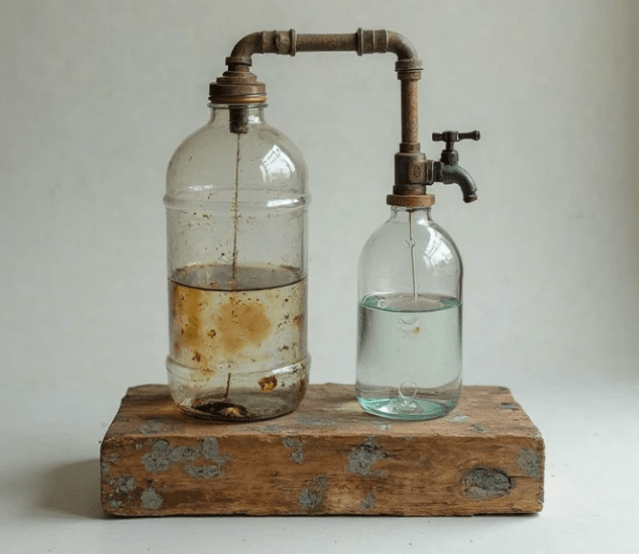
Is Texas’s drinking water safe? Hell no. It’s contaminated, unpredictable, and not to be trusted. If you want to avoid illness, contamination, or outright poisoning, get serious about water filtration survival skills. Don’t wait for a disaster to teach you. Prepare now. Your life and the lives of those you love depend on it.
Stay sharp. Stay safe. Drink clean — or die trying.
 TheDailyChristian