It’s funny how music can change the way you see a day before it even begins. Some songs feel like sunlight spilling through the blinds, filling every corner of your mind with warmth and possibility. I’ve learned to start my mornings by leaning into that light, pressing play on music that lifts my heart, inspires my spirit, and reminds me that I am not alone in whatever I face. Motivational music isn’t just entertainment—it’s a tool, a kind of spiritual armor, and a reminder of God’s constant presence.
I love beginning softly, letting the melodies wrap around me like a gentle hug. Instrumental worship, piano tracks, or soft acoustic songs are perfect for this. They help me slow my breathing, quiet the chatter in my mind, and focus on what truly matters: faith, gratitude, and intention. Even a few minutes of music like this can transform the way I approach my day. Suddenly, the stress feels lighter, the tasks ahead feel manageable, and my heart feels anchored.
Once I’m moving through my morning routine, I shift the music. Now I want songs with energy, rhythm, and focus—tracks that make me feel capable and ready to face the day with confidence. Motivational music in this part of the morning works like fuel for my mind. It reminds me that I can accomplish what I need to accomplish, step by step, without losing peace in the process. It’s amazing how much a beat or a melody can shape your perspective and your productivity.
Afternoons can be tricky—energy dips, distractions pile up, and stress sneaks in when you least expect it. That’s when I turn to music that’s not just uplifting, but encouraging. Songs that remind me to persevere, trust God, and take a breath when everything feels too heavy. Motivational music becomes more than sound—it becomes a partner, a guide, and a reminder that I don’t have to face challenges alone.
Joyful, hopeful music during the later part of the day helps me stay balanced. Sometimes it’s upbeat worship, sometimes it’s gentle pop with an inspiring message, or even instrumental tracks with a driving rhythm that keeps me focused and moving forward. These moments remind me to celebrate small victories, stay grounded, and find joy in the process, even when life is busy or overwhelming.
As evening approaches, I slow the music again. This is the time for reflection and release. Soft, peaceful melodies help me unwind, process the day, and prepare my heart for rest. It’s a moment to thank God for guidance, resilience, and the strength to face everything that came my way. Music becomes a bridge between action and stillness, helping me transition from a busy day to a calm night.
What I love most about uplifting, motivational music is how it connects faith and focus. It reminds me that even when life feels chaotic, I have God’s presence to rely on, and I have the strength to navigate the day with grace. Music sharpens my mind, steadies my heart, and fills the empty spaces with encouragement, hope, and peace. It’s a daily reminder that no matter what happens, I am capable, I am guided, and I am never alone.
Life is unpredictable, and some days are harder than others. But when I intentionally choose music that uplifts my spirit and strengthens my faith, I step into the world with clarity, courage, and peace. Motivational music becomes more than a soundtrack—it becomes a source of hope, a tool for resilience, and a companion that guides me through the ups and downs with joy and confidence.
So tomorrow, before the noise and demands of the day pull you in every direction, take a moment. Press play on music that lifts your heart, motivates your actions, and reminds you of God’s presence in your life. Let it encourage you, calm you, and strengthen you. With faith, focus, and the right music, every day can feel brighter, lighter, and full of possibility.
Some days, it feels like the world is already running before you’ve even opened your eyes. Your mind starts racing, thinking about what’s ahead—deadlines, responsibilities, relationships, all the things that need your attention—and suddenly, you’re carrying more than you should before you even get out of bed.
That’s why I’ve learned to start my mornings intentionally. Before I scroll, before I check messages, before the noise starts, I press play. I put on uplifting music—the kind that reminds me who I am, whose I am, and that I’m not facing the day alone. Motivational music isn’t just background noise. For me, it’s a lifeline, a gentle reminder that no matter what comes, I have the strength to meet it.
I start soft—instrumentals, gentle worship, or even a slow motivational track. I let it fill my space, steady my heart, and set my mind right. Some mornings, I pray along. Other mornings, I simply breathe and let the music carry me. Either way, it creates a rhythm for my soul, something solid to hold onto when the chaos starts.
Once I step into the day, I shift the energy a little. The music becomes stronger, a little more upbeat, still positive, still encouraging. It helps me move forward with confidence. There’s something powerful about hearing a beat that matches your stride, a melody that matches your focus. It keeps hesitation from creeping in and reminds you that you can handle more than you think.
Motivational music also helps me protect my heart and mind from the stress that sneaks up mid-morning. There’s always a moment when fatigue hits, anxiety whispers, or the weight of expectations threatens to slow me down. That’s when I turn up the music, intentionally choosing tracks that lift my spirit and energize my mind. Songs that remind me of God’s strength, His promises, and the hope that He carries me through everything.
I’ve realized it’s not just about energy—it’s about perspective. Uplifting music reshapes how I see the day. Instead of feeling trapped by tasks, I feel guided. Instead of being weighed down by worries, I feel reminded that I’m not alone. The music reminds me to breathe, to trust, and to take each step intentionally.
By midday, I usually need a reset. That’s when I pick music that’s joyful, gentle, yet still motivating. It’s like pressing refresh for my soul. It reminds me that life doesn’t always have to feel heavy and that even small victories—finishing a task, sending an email, making a call—matter. I don’t have to carry everything perfectly. I just have to keep moving forward, one step at a time, with God guiding me.
As the day winds down, I transition again. Slower music, softer melodies, reflective tracks. This isn’t giving up—it’s intentional recovery. It’s about releasing the stress, closing the day with peace, and preparing my heart for tomorrow. Music becomes a tool for gratitude, reflection, and rest. It tells me: You made it. You did your best. Now it’s okay to slow down.
Motivational music rooted in hope and faith is powerful because it reminds us that we were never meant to do life alone. It encourages resilience, it builds confidence, and it fills the empty spaces with truth and light. Even when challenges come, it equips us to face them with calm, focus, and joy.
I love how music can do that in ways words sometimes cannot. It lifts your spirit, steadies your mind, and reminds you of what’s real—what matters. It’s a gentle but firm reminder that God is with you, that you’re capable, and that even the hardest days can be met with strength.
So tomorrow, before the day pulls you in a hundred directions, take a moment. Press play on something uplifting. Let the melodies remind you of your purpose, your strength, and your faith. Let it calm your heart and motivate your mind. Step into the day with intention, peace, and hope.
Because you’re not just surviving the day—you’re walking through it with purpose, with courage, and with God carrying you every step of the way.
Some mornings, I wake up and it feels like the weight of the world is already sitting on my chest. The emails, the expectations, the little things that pile up before my coffee is even brewed—it’s a lot. But over time, I’ve learned that the way you start your day can completely change how you handle it. For me, that first step is always music—uplifting, motivational, and full of life.
I don’t just put on any playlist. I pick songs that remind me of God’s presence, His promises, and my purpose. Songs that speak hope when my mind wants to dwell on worry. There’s something about music that lifts the heart and strengthens the spirit at the same time. It’s like having a gentle guide walking beside you through the chaos before you even leave your room.
I usually start slow. Instrumental worship, soft acoustic songs, or even light motivational tracks that create a steady rhythm for my morning. I breathe in, I pray if I need to, and I let the music fill the silence around me. That moment reminds me that I am not alone and that even before the day begins, I have strength that I can rely on.
As the day picks up, I shift the music. A little more energy, a little more drive. It’s not about rushing—it’s about aligning my mindset with action. When the beat moves, I move. When the music lifts, I feel my focus sharpen. Work feels less like a mountain and more like a trail I’m prepared to climb, step by step.
There are times in the day when stress hits hard—deadlines pile up, distractions come out of nowhere, and it’s easy to feel like you’re sinking. Those are the moments I turn to more uplifting, energetic songs. The kind with encouraging lyrics or driving beats that remind me to take a deep breath, trust God, and keep moving forward. Music becomes a lifeline. It steadies my heart and reminds me of what’s true: that I am capable, that I am guided, and that I am not alone in what I face.
Motivational music does more than just give energy—it shapes perspective. It helps me respond instead of react, choose faith instead of fear, and find peace in the middle of chaos. Sometimes, it’s the lyrics that speak directly to my spirit. Other times, it’s the rhythm, the melody, or even the quiet spaces between notes that bring clarity and focus.
Midday is usually the toughest part. That’s when my energy dips, my focus wavers, and my mind wants to wander. That’s when I intentionally put on something joyful, hopeful, and inspiring. It’s like pressing refresh for my soul. Motivational music gives me permission to reset, to breathe, and to remember that every small step I take is part of the bigger picture. It reminds me to stay patient with myself, to keep moving, and to trust that God’s plan is bigger than the little frustrations I feel right now.
As the day winds down, I transition again. Slower, reflective, peaceful music. This isn’t giving up—it’s a moment to process, release, and restore. It’s my way of thanking God for guiding me through the day, for giving me strength, and for reminding me that rest is also part of the journey. Music becomes a way to close the day gently, to prepare my mind and heart for tomorrow.
I’ve learned that motivational music, especially when tied to faith and purpose, is transformative. It’s more than background noise—it’s a tool to build resilience, focus, and peace. It reminds me of the strength I carry within, the hope I hold onto, and the love that surrounds me even when things feel uncertain.
Some days are heavy. Some days feel like more than I can handle. But music—uplifting, encouraging, faith-filled music—reminds me that I am not alone, that I am capable, and that every day has space for grace, joy, and strength.
So tomorrow, before the noise of the day pulls you in every direction, take a moment. Put on something that lifts your spirit. Let it remind you of your strength, your purpose, and your faith. Let it carry you through the morning, guide you through the afternoon, and help you close the day with peace.
Because life is a journey, and with the right music in your heart, you can walk it with confidence, courage, and joy.
There’s a moment every morning, before the emails, before the noise, before the world starts asking things from you—where everything is still. I live for that moment. Because if you treat your workday like survival, that’s your quiet check of supplies before stepping into the wild.
And make no mistake… the modern workday is the wild.
You’ve got deadlines circling like predators, notifications snapping at your heels, and that one coworker who somehow thrives in chaos like it’s a natural habitat. You don’t walk into that unprepared. You gear up. And for me, one of the most underrated tools in the kit?
Not the fluffy, feel-good kind. I’m talking about music that grounds you, sharpens you, and keeps your pulse steady when everything around you starts to spiral. The kind of sound that turns stress into focus and pressure into forward motion.
Because survival isn’t panic. Survival is rhythm.
I build my mornings intentionally. Before I even look at my phone, I put something on—low, steady, controlled. Think deep ambient tones, slow electronic beats, or instrumental soundscapes that feel like a heartbeat you can sync with. It’s not about getting hyped right away. It’s about stabilizing your system.
You don’t start a long trek by sprinting. You start by breathing.
That first phase is about control. You’re telling your nervous system: “We’re not reacting today. We’re leading.” Music helps lock that in. It creates a boundary between you and the chaos waiting outside.
Then comes the transition—the moment you actually step into the day.
This is where I shift the energy. The music gets a little more defined. Percussion comes in. Maybe it’s cinematic instrumentals, maybe it’s electronic with a driving bassline, maybe even something with minimal vocals that repeat like a mantra. This is where you build momentum.
Because once you’re in it, hesitation is what drains you.
I treat my workload like terrain. Some parts are smooth, some are rough, and some will absolutely try to break you if you don’t stay focused. Music becomes the pacing tool. When the beat is steady, I stay steady. When the energy lifts, I push harder.
And here’s the key—don’t let the outside world dictate your internal state.
That’s how people burn out.
Instead, you create your own atmosphere. Headphones on, distractions out. It’s like building a mental shelter in the middle of a storm. The emails still come in. The demands are still there. But they don’t hit you the same way when you’ve got a controlled environment in your ears.
Midday is where most people slip. Energy drops, focus fractures, motivation fades. That’s when I switch again.
Now I want something stronger. Something with intensity. This is where high-energy motivational tracks come in—faster tempos, heavier beats, maybe even spoken-word overlays about discipline, resilience, pushing through. The kind of audio that reminds you why you don’t quit halfway.
Because halfway is where most people stop.
And I don’t stop there.
I’ve learned that when your body wants to slow down, you don’t always fight it with force—you guide it with rhythm. The right track can pull you forward without draining you further. It’s not about blasting your ears. It’s about choosing sound that aligns with the effort you need.
Think of it like controlled fire. Too little, you lose momentum. Too much, you burn out. The right amount keeps you moving.
There’s also something powerful about repetition. A track that loops, a beat that cycles—it creates consistency in a day that often feels unpredictable. It’s like footsteps on a trail. One after another. No overthinking, no hesitation.
Just forward.
And then, toward the end of the day, I shift again. Not into collapse—but into controlled descent.
This is where I bring the energy down gradually. Slower tempos, softer layers, maybe melodic electronic or calm instrumentals. You’re not quitting—you’re recovering. There’s a difference.
Because if you end your day in chaos, you carry that into tomorrow.
Music helps you close the loop. It tells your mind, “We made it. We handled it. Now we reset.”
And that reset is everything.
What most people don’t realize is that motivation isn’t something you wait for—it’s something you build. Layer by layer, habit by habit, sound by sound. You don’t need perfect conditions. You need consistency.
That’s where motivational music becomes more than just background noise. It becomes structure. It becomes discipline. It becomes the thing that keeps you steady when your environment isn’t.
And let’s be honest—most workdays aren’t designed for your well-being. They’re designed for output.
So you create your own system inside of it.
You control your inputs. You protect your energy. You choose what goes into your mind, especially when everything around you is trying to pull it in a hundred different directions.
For me, that’s what survival looks like. Not fear. Not scrambling.
Prepared. Intentional. Calm under pressure.
Music is just one tool—but it’s one that’s always there, always accessible, and incredibly powerful when used right.
So tomorrow morning, before the world starts demanding everything from you, take a moment. Put something on that steadies you. Let it anchor your breathing. Let it sharpen your focus.
Then step into your day like you’re equipped to handle it.
Brooke Homestead’s Core Survival Pillars: The Essential Preparedness Guide for When Things Go Wrong
Brooke Homestead often tells her audience that preparedness isn’t about fear — it’s about responsibility.
Modern life is incredibly convenient, but it is also fragile. Supply chains stretch across the globe, power grids connect millions of homes, and digital systems control everything from banking to communication. When those systems fail — even temporarily — the consequences can arrive quickly.
As Brooke often says:
“Preparedness isn’t about expecting the worst every day. It’s about building the kind of life where your family is safe even when things go wrong.”
Through years of sharing preparedness knowledge, Brooke has broken survival planning down into core pillars — essential categories every household should address before worrying about advanced gear or extreme scenarios.
These pillars cover basic survival needs, essential gear, practical skills, and realistic emergency planning.
Below is Brooke Homestead’s framework for core survival preparedness.
1. Core Survival Pillars (The Essentials)
Every preparedness plan begins with the most fundamental human needs.
Without these basics, even the most advanced survival gear becomes useless.
Water
Water is the single most important survival resource. Humans can survive weeks without food but only a few days without water.
Brooke recommends storing at least one gallon of water per person per day as a baseline. This includes both drinking and minimal hygiene needs.
For longer emergencies, households should have multiple water solutions, including:
Stored water containers or barrels
Water purification tablets
Portable filters such as Sawyer-style filters or straw filters
Knowledge of nearby water sources like rivers, lakes, or wells
Water purification is critical because untreated water can contain bacteria, parasites, and other contaminants.
Simple methods like boiling, filtering, or chemical treatment can make many water sources safe to drink.
Brooke emphasizes redundancy.
“Never rely on just one water source. Storage, filtration, and purification together create real security.”
Food Storage
Food security is another core pillar of preparedness.
Most households rely on grocery stores that carry only a few days’ worth of inventory. When supply chains break down — whether from storms, strikes, or panic buying — shelves can empty quickly.
Brooke recommends building a 3-month to 1-year food supply gradually over time.
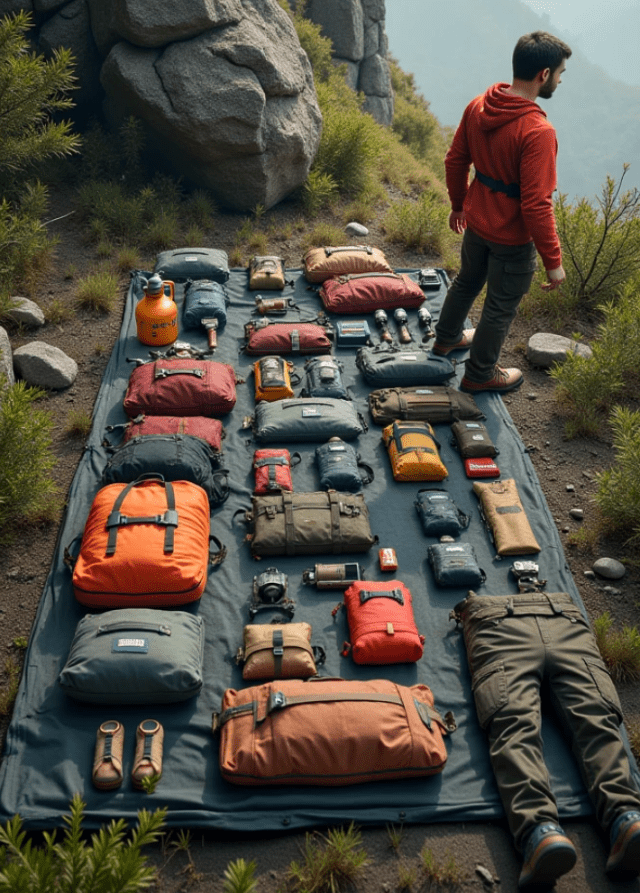
A well-balanced emergency pantry often includes:
Rice
Beans
Lentils
Pasta
Oats
Canned vegetables
Canned meats
Shelf-stable soups
Many preppers also store freeze-dried meals, which can last 20–30 years when properly sealed.
These skills allow families to extend food supplies and reduce dependence on external systems.
First Aid & Hygiene
Medical care becomes much harder to access during major disasters. Hospitals may be overwhelmed, transportation may be limited, and pharmacies could run out of essential medications.
For this reason, Brooke encourages building comprehensive medical kits that go beyond basic bandages.
Prepared households often include:
Trauma bandages
Gauze and compression wraps
Antiseptics
Pain relievers
Allergy medications
Tourniquets
Medical gloves
Thermometers
Prescription medications are also important. Many preparedness experts recommend keeping extra medication supplies whenever legally possible.
Hygiene is equally critical.
When sanitation systems break down, disease can spread rapidly. Emergency hygiene supplies may include:
Portable toilet bags
Soap and disinfectant
Hand sanitizer
Wet wipes
Waterless hygiene products
Cleanliness can prevent many illnesses that become dangerous during emergencies.
Shelter & Warmth
Protection from the elements is another survival priority.
Even mild weather can become dangerous without proper shelter, especially during extended outages or evacuations.
Essential shelter equipment includes:
Tents
Sleeping bags
Tarps
Emergency blankets
Ground pads
Fire-starting tools are also crucial. Brooke recommends carrying multiple fire-starting methods, including:
Ferro rods
Stormproof matches
Lighters
Fire provides warmth, light, cooking capability, and morale during difficult situations.
2. Gear & Infrastructure
Once the core survival needs are addressed, the next layer of preparedness focuses on mobility, communication, and infrastructure.
Bug-Out Bags (BOB)
A bug-out bag is a portable emergency kit designed to sustain a person for 72 hours during evacuation.
These bags typically contain:
Food and water
First aid supplies
Flashlights
Fire-starting tools
Extra clothing
Emergency shelter
Every family member should ideally have their own bag prepared in advance.
Everyday Carry (EDC)
Everyday Carry refers to small, practical tools people keep with them daily.
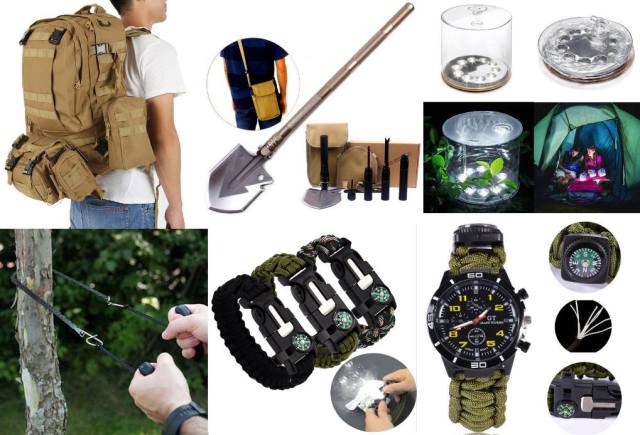
Common EDC items include:
Pocket knives
Flashlights
Multi-tools
Lighters
Compact first aid supplies
While small, these tools can solve many problems during emergencies.
Power & Light
Electricity powers nearly every part of modern life.
Prepared households often keep backup lighting and power options such as:
Solar generators
Flashlights
Lanterns
Spare batteries
Candles
Solar charging systems are increasingly popular because they allow renewable power generation during long outages.
Communication
Communication becomes vital during disasters.
Cell networks can fail, making alternative systems important.
Emergency communication tools include:
NOAA weather radios
HAM radios
Two-way radios
Satellite messengers
These systems allow people to receive updates and communicate when traditional networks fail.
Security
Emergencies can sometimes create unstable environments.
Prepared households focus on situational awareness and practical home security measures.
This may include:
Reinforced doors and locks
Outdoor lighting
Neighborhood cooperation
Personal safety planning
The goal is not confrontation but awareness and protection.
3. Skills & Knowledge
Gear alone does not create preparedness.
Brooke frequently reminds her audience that skills outweigh equipment.
Survival Skills
Basic survival skills can dramatically improve resilience.
Important skills include:
Fire-starting
Knot-tying
Navigation with map and compass
Foraging for edible plants
These abilities allow people to function even if equipment is lost or unavailable.
Medical Training
Medical knowledge is especially valuable when professional help is delayed.
Useful training includes:
CPR certification
Tourniquet application
Basic trauma care
Wound treatment
Many communities offer emergency medical training classes that can build life-saving skills.
Urban Survival
Preparedness isn’t only for wilderness environments.
Urban areas present their own unique challenges.
Urban survival knowledge may include:
Using silcock keys to access exterior water valves
Navigating city lockdowns
Growing food through urban gardening
Cities contain many hidden resources for those who know where to look.
4. Common Emergency Scenarios
Preparedness planning should focus on realistic events, not just extreme possibilities.
Brooke encourages people to start with the disasters most likely to occur in their region.
Common emergencies include:
Natural Disasters
Events like earthquakes, hurricanes, floods, and wildfires can disrupt communities for weeks.
These disasters often cause:
Power outages
Road closures
Water contamination
Supply shortages
Prepared households can remain safe and self-sufficient during recovery periods.
Power Outages and Grid Failures
Large power outages have become increasingly common.
A grid failure can affect:
Water systems
refrigeration
communication networks
fuel pumps
Backup lighting, food storage, and alternative power sources help families manage extended outages.
Economic Disruptions
Economic instability can also disrupt supply chains.
Shortages, inflation, and transportation issues can affect food and fuel availability.
Prepared households with stocked pantries and emergency supplies experience far less stress during these events.
5. Specialized Prepping Areas
Once the basic pillars are in place, many preparedness enthusiasts explore additional areas of resilience.
Financial Preparedness
Digital payment systems depend on electricity and internet access.
During outages or cyber disruptions, cash becomes essential.
Brooke recommends keeping small bills stored safely for emergencies.
Emergency Cooking
If power or gas systems fail, cooking becomes difficult.
Prepared households often keep backup cooking options such as:
Coleman camping stoves
Solar ovens
Rocket stoves
These tools allow food preparation even during extended outages.
Vehicle Preparedness
Vehicles can become vital during evacuations.
Many preppers keep a “Get Home Bag” in their car containing:
Water
Snacks
Flashlights
First aid supplies
Navigation tools
This kit helps people return home safely if transportation systems fail.
DIY Emergency Repairs
Small infrastructure problems can become major issues during disasters.
Basic repair skills can solve many emergencies.
Useful supplies include:
Plumber’s epoxy for pipe leaks
Specialized repair tapes
Multi-tools
Spare hardware
Quick fixes can prevent serious damage to homes and vehicles.
Final Thoughts
Brooke Homestead’s preparedness philosophy focuses on layered resilience.
Instead of obsessing over worst-case scenarios, she encourages people to gradually build systems that support their families through disruptions.
Her core survival pillars emphasize:
Water
Food
Medical readiness
Shelter
Skills
Practical tools
As Brooke often reminds her audience:
“Preparedness isn’t about predicting the future. It’s about building the ability to handle whatever the future brings.”
By focusing on these core survival pillars, families can build confidence, security, and peace of mind — no matter what challenges come their way.
Tennessee Tiny Home Lifestyle: Best Cities for Going Tiny
by Brooke Homestead — 2025 Female Survival Prepper of the Year
Tennessee is a state that has it all: rolling hills, river valleys, lush forests, and music-filled cities. For anyone looking to embrace a tiny home lifestyle, Tennessee offers a mix of welcoming communities, rural freedom, and natural beauty — if you know where to look. I’m Brooke Homestead, and after years of living off-grid, building tiny homes, and preparing for life in challenging environments, I can tell you that success with a tiny home in Tennessee depends on location, zoning, and climate readiness.
Here’s my guide to the best cities in Tennessee for going tiny, with survival tips, zoning insights, and practical advice for off-grid or minimalist living.
Best Cities for Tiny Homes in Tennessee: Knoxville and Chattanooga
Knoxville — Nature Meets Urban Convenience
Knoxville is tucked in the foothills of the Great Smoky Mountains. It’s a city that balances urban convenience with access to wilderness, making it a great spot for tiny home enthusiasts.
Why Knoxville works:
Proximity to nature: The Great Smoky Mountains National Park is just a short drive away, perfect for hiking, off-grid experiments, and sustainable gardening.
Supportive planning: Some neighborhoods and surrounding counties allow ADUs or small footprint homes, especially when following building codes.
Community and culture: Knoxville has a growing sustainability-minded community that appreciates alternative housing solutions.
💡 Brooke Tip: Look for parcels in the Knox County outskirts. You’ll get more land freedom, better off-grid options, and fewer zoning headaches compared to inner-city lots.
Chattanooga — Tiny Living with a River View
Chattanooga combines small-city charm with big outdoors, including the Tennessee River, Lookout Mountain, and expansive green space. Tiny homes fit naturally here, especially in suburban or rural neighborhoods.
Why Chattanooga works:
Flexible zoning in suburbs: Many areas allow tiny homes or accessory dwellings if permits and codes are met.
Access to utilities or off-grid potential: The surrounding hills and valleys offer lots of options for wells, solar energy, and rainwater collection.
Lifestyle: Chattanooga attracts adventurers, outdoor enthusiasts, and creative communities — people who tend to welcome innovative housing.
Brooke Homestead Insight: Don’t just look at the city limits — check county zoning maps. Many ideal tiny home plots exist in the unincorporated areas around Chattanooga where building codes are more permissive.
Toughest Zoning Areas for Tiny Homes in Tennessee: Nashville and Memphis
Nashville and Memphis are vibrant, bustling, and culturally rich — but they present big challenges for tiny home living:
High property costs: Land in and around these cities is expensive, often rivaling the cost of a tiny home itself.
Strict zoning rules: Minimum lot sizes, building codes, and urban ordinances make standalone tiny homes difficult. THOWs are often treated like RVs and limited to parks or temporary stays.
Limited off-grid potential: Utilities and tight neighborhoods reduce options for water tanks, composting toilets, or solar setups.
Brooke Tip: If your heart is set on urban living, consider ADUs or tiny home communities in the metro fringe areas. They offer legal, practical tiny living while keeping you near city life.
Zoning Laws in Tennessee — What Tiny Home Builders Need to Know
Tennessee has no statewide tiny home law, so everything is local. Here’s the breakdown:
Accessory Dwelling Units (ADUs): Many cities allow tiny homes as ADUs, usually between 200–400 square feet.
Tiny Homes on Wheels (THOWs): Often treated like RVs. Some counties allow permanent placement on private land; most cities restrict them to temporary or recreational use.
Foundation-based Tiny Homes: Must meet the International Residential Code (IRC) adopted locally, including electrical, plumbing, and structural standards.
💡 Brooke Advice: Call the city or county planning office before buying land. Tiny homes can be legal on one parcel and illegal on the next — zoning is that specific.
Cost of Land in Tennessee — What to Budget For
Land prices vary widely:
Rural areas (East Tennessee, near Knoxville or the Smoky Mountains): $5,000–$15,000 per acre. Utilities may need installation.
Suburban areas (Chattanooga outskirts): $20,000–$50,000 per acre. More access to water and electricity.
Metro areas (Nashville, Memphis): $50,000+ per small lot; tiny homes usually require ADU classification.
Other costs to plan for: septic systems, wells, solar arrays, driveways, and building permits. Off-grid readiness is key to a sustainable, worry-free tiny home life.
Climate Considerations — Tennessee Weather for Tiny Homes
Tennessee experiences four distinct seasons, which impacts tiny home design:
East Tennessee (Knoxville, Chattanooga): Mild summers, snowy winters in mountains. Plan for insulation, heating, and storm preparedness.
Middle Tennessee (Nashville, Murfreesboro): Hot, humid summers; occasional ice storms. Roof strength, ventilation, and water management are important.
West Tennessee (Memphis, Jackson): Hot, humid summers, mild winters, heavy rainfall. Moisture-resistant foundations and proper drainage are crucial.
Brooke Survival Insight: Even in the mildest areas, plan for rainwater diversion, winter-ready plumbing, and insulation. Tiny homes are compact — and weather can challenge your entire structure if you’re unprepared.
Brooke Homestead’s Final Thoughts OnTennessee‘s Tiny Homes
Tennessee is ideal for tiny home living if you plan carefully, respect zoning laws, and build with climate in mind.
Top Picks for Tiny Homes:
Knoxville — Mountain access, nature, and community support.
Chattanooga — River views, outdoor lifestyle, and flexible suburban zoning.
Challenging Areas:
Nashville and Memphis — High costs, tight zoning, and limited off-grid potential.
Tiny living in Tennessee is about freedom, resilience, and connection to the land. Pick the right spot, plan wisely, and you can thrive in a tiny home surrounded by nature, rivers, and rolling hills.
Rhode Island Tiny Home Living: Small State, Big Tiny Movement
by Brooke Homestead — 2025 Female Survival Prepper of the Year
Rhode Island may be the smallest state in the U.S., but it’s making big waves in the tiny home movement. With coastal charm, quaint towns, and a growing interest in minimalism, Rhode Island is perfect for those looking to downsize without giving up community, culture, or access to nature. I’m Brooke Homestead, and after years of building tiny homes, living off-grid, and thriving in small spaces, I’ll guide you through Rhode Island’s best spots for tiny homes, zoning realities, land costs, and climate considerations.
Best Places for Tiny Homes in Rhode Island: Westerly and Portsmouth
Westerly — Coastal Charm with Tiny Home Potential
Westerly is ideal for tiny home enthusiasts seeking beach access, community, and scenic living:
Zoning flexibility in outskirts: Many parcels outside the main town center allow tiny homes as primary residences or accessory dwellings.
Land affordability: Parcels range from $80,000–$150,000 per acre — higher than many states but reasonable for coastal living.
Community mindset: Residents value small-scale living, sustainability, and local engagement, making tiny homes welcomed socially.
💡 Brooke Tip: Look for properties slightly inland from the coast — you’ll avoid flooding risk while still enjoying proximity to beaches and rivers.
Portsmouth — Island and Waterfront Access
Portsmouth offers access to Narragansett Bay, historic charm, and quiet surroundings:
Rural-friendly zoning: Many parcels allow THOWs or foundation-based tiny homes, especially outside densely populated areas.
Land affordability: Parcels generally range from $90,000–$200,000 per acre, depending on waterfront access.
Community support: Residents appreciate outdoor recreation, sustainability, and alternative living solutions.
Brooke Survival Insight: Coastal weather means hurricane preparedness and moisture-resistant materials are essential for tiny homes here.
Challenging Areas for Tiny Homes in Rhode Island: Providence & Newport
Urban centers present some hurdles:
Zoning restrictions: Minimum lot sizes, historic district codes, and urban planning regulations limit tiny home placement.
High land costs: Urban parcels can easily exceed $200,000–$500,000 per lot.
Limited off-grid options: Dense development reduces flexibility for solar, water, and septic systems.
💡 Brooke Tip: Tiny homes in Providence or Newport are mostly feasible as ADUs behind existing homes or in specialized eco-friendly communities designed for small living.
Zoning Laws in Rhode Island — Tiny Home Considerations
Rhode Island does not have a statewide tiny home law; local regulations vary:
Accessory Dwelling Units (ADUs): Increasingly allowed in some towns, typically 200–500 sq. ft.
Tiny Homes on Wheels (THOWs): Treated as RVs; generally permitted on private rural land or in designated RV parks.
Foundation-based Tiny Homes: Must meet state and local building codes, including electrical, plumbing, structural, and insulation standards.
Brooke Advice: Always confirm zoning with local planning offices before purchasing land — rules can differ significantly between neighboring parcels.
Cost of Land in Rhode Island — Budgeting for Tiny Homes
Land in Rhode Island is expensive relative to many states, but small-scale living is possible with smart planning:
Westerly outskirts: $80,000–$150,000 per acre — coastal access and semi-rural living.
Portsmouth rural lots: $90,000–$200,000 per acre — ideal for THOWs or foundation-based homes.
Providence & Newport metro: $200,000+ per small lot — tiny homes mostly feasible as ADUs.
Southern Rhode Island small towns: $70,000–$130,000 per acre — good for off-grid, minimalist living.
Other costs: wells, septic systems, solar panels, driveway access, and hurricane preparedness.
Climate Considerations — Rhode Island Weather for Tiny Homes
Rhode Island has a humid continental climate with coastal influences, which affects tiny home planning:
Winter: Cold with snow — proper insulation and heating systems are essential.
Summer: Warm and humid — ventilation, shade, and cooling systems are important.
Storms: Hurricanes and nor’easters require elevated foundations, reinforced construction, and emergency prep.
Rain & Flooding: Proper drainage and site selection prevent water damage.
Brooke Survival Insight: Tiny homes are compact — poor insulation, ventilation, or storm prep can create discomfort or hazards, especially in hurricane-prone coastal towns.
Brooke Homestead’s Final Thoughts About Rhode Island‘sTiny HomeLifestyle
Rhode Island is a small state with a big tiny home movement, offering coastal access, historic towns, and a growing culture of sustainability:
Best Places: Westerly for coastal charm and affordability; Portsmouth for waterfront access and quiet living.
Challenging Areas: Providence and Newport due to zoning, density, and higher land costs.
Planning Essentials: Verify zoning, design for coastal storms, and consider off-grid systems for water and energy.
Tiny home living in Rhode Island is about resilience, simplicity, and enjoying life by the water or in quaint towns. With careful planning and the right location, you can thrive in a small, sustainable home surrounded by beaches, rivers, and charming New England scenery.
Mississippi Tiny Homes: Where Minimalist Living Is Growing
by Brooke Homestead — 2025 Female Survival Prepper of the Year
Mississippi may be best known for its rivers, southern charm, and rich history, but it’s quietly becoming a state where tiny home living is gaining momentum. With affordable land, small towns, and a welcoming attitude toward downsizing, Mississippi is perfect for those who want to live simply, sustainably, and on their own terms. I’m Brooke Homestead, and after years of building tiny homes, thriving off-grid, and embracing minimalism, I’ll guide you through the best spots for tiny homes in Mississippi, zoning realities, land costs, and climate considerations.
Best Places for Tiny Homes in Mississippi: Oxford and Hattiesburg
Oxford — College Town with Rural Opportunities
Oxford is ideal for tiny home enthusiasts seeking community, culture, and rural access:
Zoning flexibility in outskirts: Many parcels allow tiny homes as primary residences or accessory dwellings.
Affordable land: Rural lots outside the city typically range from $10,000–$25,000 per acre — plenty of space for gardens, rainwater catchment, and solar panels.
Community mindset: Residents value sustainability, small-scale living, and minimalism, making tiny homes socially welcomed.
💡 Brooke Tip: Look for parcels a few miles outside Oxford — you’ll get more freedom for off-grid setups while still accessing shops, services, and cultural events.
Hattiesburg — Small-Town Practicality
Hattiesburg offers a combination of affordable land, friendly communities, and practical zoning for tiny homes:
Rural-friendly zoning: Many parcels allow tiny homes on wheels (THOWs) or foundation-based structures.
Land affordability: Parcels range from $5,000–$20,000 per acre — ideal for off-grid living or minimalist homesteads.
Community support: Residents appreciate practical, self-sufficient living and downsizing.
Brooke Survival Insight: Mississippi summers are hot and humid, while winters are mild. Tiny homes must have good ventilation, cooling systems, and moisture-resistant materials for comfort and longevity.
Challenging Areas for Tiny Homes in Mississippi: Jackson & Gulfport
Urban areas present obstacles:
Zoning restrictions: Minimum lot sizes, historic districts, and urban planning codes limit tiny home placement.
High land costs: Urban parcels can exceed $50,000–$150,000 per small lot.
Limited off-grid options: Dense development reduces flexibility for solar, septic, and water systems.
💡 Brooke Tip: Tiny homes in Jackson or Gulfport are mostly feasible as ADUs behind existing homes or in planned small-home communities.
Zoning Laws in Mississippi — Tiny Home Considerations
Mississippi does not have a statewide tiny home law; local regulations vary:
Accessory Dwelling Units (ADUs): Allowed in some towns, typically 200–500 sq. ft.
Tiny Homes on Wheels (THOWs): Treated as RVs; generally permitted on private rural land or in designated RV parks.
Foundation-based Tiny Homes: Must meet state and local building codes, including structural, electrical, plumbing, and insulation standards.
Brooke Advice: Always verify zoning with local planning offices before purchasing land — neighboring parcels can have very different rules.
Cost of Land in Mississippi — Budgeting for Tiny Homes
Land in Mississippi is affordable and abundant, especially in rural areas:
Oxford outskirts: $10,000–$25,000 per acre — excellent for off-grid tiny homes.
Hattiesburg rural lots: $5,000–$20,000 per acre — perfect for THOWs or foundation-based homes.
Jackson & Gulfport metro: $50,000+ per small lot — tiny homes mostly feasible as ADUs.
Northern and southern rural towns: $3,000–$15,000 per acre — ideal for self-sufficient, minimalist living.
Additional costs include wells, septic systems, solar panels, driveway access, and hurricane or storm preparedness.
Climate Considerations — Mississippi Weather for Tiny Homes
Mississippi has a humid subtropical climate, which affects tiny home design:
Winter: Mild — minimal heating requirements, but insulation still helps efficiency.
Summer: Hot and humid — ventilation, shading, and cooling systems are essential.
Storms: Severe thunderstorms and occasional hurricanes require elevated foundations, reinforced construction, and emergency planning.
Rain & Flooding: Proper drainage and site selection prevent water damage and mold issues.
Brooke Survival Insight: Tiny homes are compact — poor insulation, ventilation, or storm preparation can create discomfort or hazards, especially during summer heat and hurricane season.
Brooke Homestead’s Final Thoughts AboutMississippi’sTiny HomeLifestyle
Mississippi is a state where minimalist living is growing, offering affordable land, friendly small towns, and ample space for off-grid living:
Best Places: Oxford for culture and rural access; Hattiesburg for affordability and practical zoning.
Challenging Areas: Jackson and Gulfport due to zoning, density, and higher land costs.
Planning Essentials: Verify zoning, plan for storms and summer heat, and consider off-grid systems for water and energy.
Tiny home living in Mississippi is about resilience, simplicity, and enjoying life surrounded by rivers, forests, and southern hospitality. With careful planning and the right location, you can thrive in a small, sustainable home.
Tiny Home Living in Idaho: Hidden Hotspots for Small Space Living
by Brooke Homestead — 2025 Female Survival Prepper of the Year
Idaho is a tiny home enthusiast’s dream if you love mountains, forests, rivers, and wide-open spaces. From the rugged Sawtooth Mountains to peaceful river valleys, the state offers hidden hotspots where small-space living can thrive. Downsizing here isn’t just about minimalism — it’s about embracing self-sufficiency, off-grid capabilities, and connecting with nature. I’m Brooke Homestead, and after years of tiny home construction, off-grid survival, and minimalist living, I can guide you through Idaho’s best hidden locations for tiny homes, zoning considerations, land costs, and climate insights.
Best Tiny Home Hotspots in Idaho: Sandpoint and McCall
Sandpoint — Scenic Lakeside Small Living
Sandpoint, in northern Idaho, is perfect for tiny home enthusiasts who want nature, community, and off-grid potential:
Zoning flexibility in outskirts: Many parcels outside city limits allow tiny homes, both on foundations and on wheels, particularly in rural or semi-rural zones.
Affordable land for Idaho: Lots range from $30,000–$70,000 per acre, offering space for solar panels, gardens, and storage.
Community mindset: Residents value sustainability, minimalism, and alternative lifestyles, making tiny homes socially welcomed.
💡 Brooke Tip: Focus on properties near lakes or rivers with proper elevation — this gives off-grid water access without flood risk.
McCall — Mountain Living Meets Tiny Homes
McCall, tucked in the mountains of central Idaho, offers year-round outdoor opportunities and a small-town vibe:
Rural zoning: County regulations permit tiny homes as primary residences on private lots, especially in low-density areas.
Off-grid potential: Snowy winters and forested surroundings allow for solar, water catchment, and wood heating setups.
Community support: McCall attracts people who appreciate minimalism, self-sufficiency, and nature-based lifestyles.
Brooke Survival Insight: Winters are cold and snowy. Insulation, heating systems, and snow-load roof designs are non-negotiable for comfort and safety.
Challenging Areas for Tiny Homes in Idaho: Boise Metro & Coeur d’Alene
While Idaho has many opportunities, some areas pose challenges for small-space living:
Boise Metro: High population density, strict urban zoning, and minimum lot sizes make tiny home placement difficult.
Coeur d’Alene: Desirable lakefront areas come with high land costs ($150,000+ per lot) and zoning restrictions.
Off-grid limitations: Urban development reduces flexibility for solar, water, and septic independence.
💡 Brooke Tip: Tiny homes in these areas are mostly viable as ADUs behind existing homes or in planned tiny home communities.
Zoning Laws in Idaho — Tiny Home Considerations
Idaho doesn’t have a statewide tiny home law; local regulations vary widely:
Accessory Dwelling Units (ADUs): Increasingly allowed in progressive towns and suburbs, typically 200–500 sq. ft.
Tiny Homes on Wheels (THOWs): Treated as RVs; often allowed on rural private land or in permitted RV parks.
Foundation-based Tiny Homes: Must comply with state and local building codes, including structural, electrical, plumbing, and insulation requirements.
Brooke Advice: Always check with county and city planning offices before buying land — even neighboring parcels may have different regulations.
Cost of Land in Idaho — Budgeting for Tiny Homes
Land prices vary depending on location and access to amenities:
Northern Idaho (Sandpoint area): $30,000–$70,000 per acre — great for off-grid or semi-rural tiny homes.
Central Idaho (McCall area): $40,000–$80,000 per acre — offers mountain living with off-grid potential.
Boise Metro & desirable lakefront (Coeur d’Alene): $150,000+ per small lot — tiny homes mostly feasible as ADUs.
Southern Idaho rural lots: $10,000–$35,000 per acre — excellent for off-grid setups and long-term sustainability.
Other costs: septic systems, wells, solar panels, driveway access, and winter weather preparedness.
Climate Considerations — Idaho Weather for Tiny Homes
Idaho has diverse climates, so tiny home design must be location-specific:
Northern Idaho: Cold, snowy winters and humid summers — insulation, heating, and moisture protection are essential.
Central Idaho: Mountainous terrain with heavy snow — design for snow loads, wood heating, and solar efficiency.
Southern Idaho: Semi-arid, hot summers — ventilation, shade, and cooling are key.
Storm and wildfire risk: Forested areas require defensible space planning and fire-resistant materials.
Brooke Survival Insight: Tiny homes are compact — poor planning for climate can quickly create discomfort or danger. Prioritize insulation, storm safety, and energy efficiency.
Brooke Homestead’s Final Thoughts OnIdaho’sTiny Homes
Idaho is a hidden gem for tiny home living, offering mountains, lakes, and rural freedom:
Best Hotspots: Sandpoint for scenic lakeside living and off-grid potential; McCall for mountain retreats and self-sufficient lifestyles.
Challenging Areas: Boise Metro and Coeur d’Alene due to zoning, high land costs, and limited off-grid options.
Planning Essentials: Check zoning, plan for seasonal weather, and design for off-grid sustainability.
Tiny home living in Idaho is about resilience, minimalism, and a deep connection to nature. Choose your location wisely, plan carefully, and you can thrive in a small, sustainable home surrounded by rivers, forests, and mountains.
New Hampshire Tiny Homes: Best Towns for Compact Living
by Brooke Homestead — 2025 Female Survival Prepper of the Year
New Hampshire is a hidden gem for tiny home living, with its mountains, lakes, and quaint small towns offering the perfect backdrop for minimalist, off-grid, or downsized living. From the White Mountains to charming river towns, the Granite State combines natural beauty, community spirit, and zoning that often favors small homes. I’m Brooke Homestead, and after years of thriving off-grid and building tiny homes, I’ll guide you through the best towns for compact living, zoning realities, land costs, and climate considerations.
Best Towns for Tiny Homes in New Hampshire: Hanover and Keene
Hanover — Small Town with Big Amenities
Hanover is ideal for tiny home enthusiasts seeking community, culture, and access to natural beauty:
Zoning flexibility in outskirts: Rural parcels often allow tiny homes as primary residences or accessory dwellings.
Land affordability: Parcels typically range from $50,000–$120,000 per acre — enough space for off-grid systems like solar panels, gardens, and rainwater collection.
Community mindset: Residents value sustainability, education, and small-scale living, making tiny homes socially welcomed.
💡 Brooke Tip: Look for parcels a few miles from town centers — you’ll get more freedom for off-grid setups while still accessing services and local amenities.
Keene — Cultural Small Town Living
Keene offers affordable land, a tight-knit community, and zoning that accommodates tiny homes:
Rural-friendly zoning: Many parcels allow THOWs or foundation-based tiny homes, particularly in lightly populated areas.
Land affordability: Parcels range from $30,000–$90,000 per acre — ideal for off-grid living or minimalist homesteads.
Community support: Residents embrace simplicity, sustainability, and self-sufficient lifestyles.
Brooke Survival Insight: Winters are long and snowy — insulation, heating, and snow-proof construction are essential to maintain comfort and safety.
Challenging Areas for Tiny Homes in New Hampshire: Manchester & Nashua
Urban centers present hurdles:
Zoning restrictions: Minimum lot sizes, urban ordinances, and historic district regulations can limit tiny home placement.
High land costs: Urban parcels can exceed $150,000 per lot, making standalone tiny homes less feasible.
Limited off-grid options: Dense development restricts independent water, septic, and solar systems.
💡 Brooke Tip: Tiny homes in Manchester or Nashua are mostly feasible as ADUs behind existing homes or in planned eco-friendly communities.
Zoning Laws in New Hampshire — Tiny Home Considerations
New Hampshire does not have a statewide tiny home law; local regulations vary:
Accessory Dwelling Units (ADUs): Increasingly allowed in many towns, usually 200–500 sq. ft.
Tiny Homes on Wheels (THOWs): Treated as RVs; generally allowed on rural private land or in designated RV parks.
Foundation-based Tiny Homes: Must meet state and local building codes, including structural, electrical, plumbing, and insulation standards.
Brooke Advice: Always confirm zoning with local planning offices — neighboring parcels can have very different regulations.
Cost of Land in New Hampshire — Budgeting for Tiny Homes
Land in New Hampshire varies depending on proximity to mountains or urban centers:
Hanover outskirts: $50,000–$120,000 per acre — perfect for off-grid, semi-rural tiny homes.
Keene rural lots: $30,000–$90,000 per acre — ideal for THOWs or foundation-based homes.
Manchester & Nashua metro: $150,000+ per lot — tiny homes mostly feasible as ADUs.
Smaller northern towns: $20,000–$60,000 per acre — great for minimalist and self-sufficient living.
Other costs include wells, septic systems, solar panels, driveway access, and winter-proofing.
Climate Considerations — New Hampshire Weather for Tiny Homes
New Hampshire has a humid continental climate, which affects tiny home planning:
Winter: Long and snowy — insulation, heating systems, and snow-load roofs are essential.
Summer: Warm and humid — ventilation and shading help maintain comfort.
Storms: Occasional ice storms and heavy rains require proper drainage and reinforced construction.
Flooding: River or low-lying lots need proper elevation and flood mitigation.
Brooke Survival Insight: Tiny homes are compact — without proper insulation and storm prep, winter months can become harsh and uncomfortable.
New Hampshire is a state where tiny home living can thrive, offering mountains, rivers, and small towns with a welcoming attitude toward compact living:
Best Towns: Hanover for community and semi-rural access; Keene for affordability and cultural amenities.
Challenging Areas: Manchester and Nashua due to density, zoning, and high land costs.
Planning Essentials: Verify zoning, plan for snow, storms, and flooding, and consider off-grid systems for water and energy.
Tiny home living in New Hampshire is about resilience, simplicity, and enjoying life surrounded by nature and small-town charm. With the right location and preparation, you can thrive in a small, sustainable home in the Granite State.