

Is Wyoming’s Drinking Water Safe? Hell No, and Here’s Why You’d Better Learn to Filter It Yourself
Let me tell you something, and I’m not gonna sugarcoat it. If you’re sitting pretty in your high-rise, sipping tap water like it’s liquid gold because your government says it’s “safe,” then you’ve already lost. You’re not ready. And if you’re in Wyoming thinking your mountain streams and municipal water supply are God’s gift to hydration, then wake the hell up.
I’ve been living off the grid longer than most folks have been alive. Wyoming’s got beautiful country, no doubt—open skies, majestic peaks, and what looks like pristine streams. But don’t let the scenery lull you into a false sense of security. The truth? Wyoming’s drinking water might be safer than Detroit’s or Flint’s, but that doesn’t mean it’s safe for the long haul, especially if the grid goes down, disaster strikes, or pollutants seep into the supply like a thief in the night.
Wyoming’s Department of Environmental Quality might say their water complies with federal regulations, but “compliance” just means it meets the minimum requirements. That’s like saying a parachute “mostly works” at 5,000 feet. You willing to bet your life on that?
The Threats Are Real, and They’re Already Here
Let’s talk about what’s lurking in Wyoming’s water. Agricultural runoff is a major player. Fertilizers, pesticides, herbicides—all that junk ends up in rivers, wells, and reservoirs. You think the chemicals just vanish? They don’t. And guess what else Wyoming’s got? Mining operations. Heavy metals like arsenic and mercury can leach into the groundwater like a cancer. You want to drink cancer?
And let’s not forget natural contamination. That clear mountain stream? Might be full of Giardia, Cryptosporidium, and E. coli. One gulp and you’ll be hugging the toilet for a week—or worse.
So, the question isn’t just “Is Wyoming’s water safe now?” It’s “Are you prepared for when it isn’t?”
15 Survival Water Filtration Skills Every Wyomingite Should Know (or Anyone Who Wants to Stay Alive)
- Boiling Water: Basic but essential. Bring water to a rolling boil for at least 1 minute (3 minutes at elevation). Kills bacteria, parasites, viruses. Don’t skip it.
- DIY Charcoal Filter: Layer gravel, sand, and charcoal in a bottle. It won’t kill microbes, but it clears debris and absorbs chemicals.
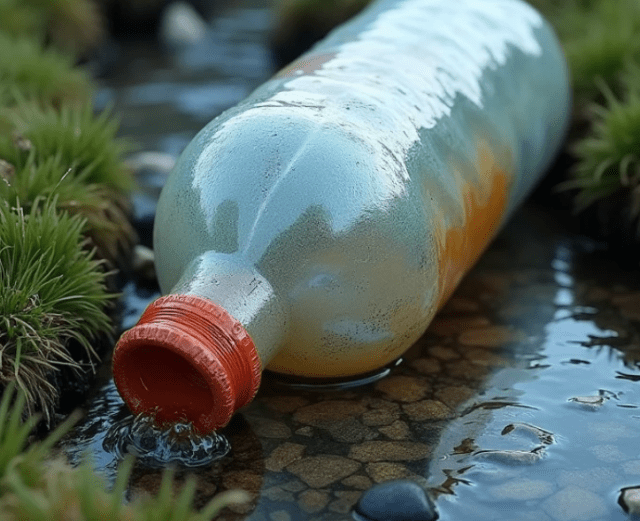
- Solar Disinfection (SODIS): Fill a clear plastic bottle, place in sunlight for 6+ hours. UV rays destroy pathogens. Works best when the sun is strong.
- Portable Water Filters (e.g., Sawyer Mini or LifeStraw): Lightweight, affordable, and essential for any bug-out bag. Filters out protozoa and bacteria.
- Bleach Treatment: 2 drops of unscented household bleach per liter of water. Let it sit for 30 minutes. Works in a pinch. Do NOT overdo it.
- Potassium Permanganate: A few crystals per liter turns water light pink—strong disinfectant. But be careful, overdosing is toxic.
- Making a Bio-Filter: Combine sand, activated charcoal, and gravel in a bucket system. Slow but thorough. Perfect for long-term camps.
- Distillation: Boil water and catch the steam in a clean container. Leaves behind salts, heavy metals, and other contaminants.
- Use of Iodine Tablets: Effective against bacteria and viruses. Just know it can taste nasty and isn’t great for long-term use.
- Filter Through Cloth: Use a shirt, bandana, or coffee filter to remove sediment before further treatment.
- Clay and Charcoal Pot Filters: Build your own if you’ve got access to clay. Slow process, but incredibly effective for protozoa and bacteria.
- UV Light Purifiers: Battery-powered UV pens (like SteriPen) sterilize water in under a minute. Keep backups—battery failure means you’re screwed.
- Rainwater Collection: Use a tarp or metal sheet to funnel water into a clean container. Always filter before drinking.
- Tree Transpiration Bags: Wrap a clear plastic bag around green leaves. Sunlight causes condensation. It’s slow, but in a pinch, it works.
- Snow and Ice Melting: In Wyoming winters, this is your main source. But always melt and boil. Snow can contain airborne contaminants.
Now Pay Attention: 3 DIY Survival Drinking Water Hacks That Could Save Your Life
When the power’s out, the pipes are dry, and FEMA’s nowhere in sight, you’re going to want these in your back pocket.
- Tin Can Distiller
Take two tin cans. Fill one with dirty water, cover it with foil, and connect it to the empty can with a metal or plastic tube. Heat the full can—steam will travel, condense, and collect in the empty can. Boom. Clean water. Not fancy, but it’ll keep you alive. - Plastic Bottle Solar Still
Cut a large plastic bottle in half. Put unfiltered water in the bottom, and a small container inside to collect clean drops. Tape plastic wrap over the top and set in the sun. As it heats, water evaporates and condenses—safe drinking water collects in the cup. - Pine Tree Filter Trick
Find a piece of pine wood, ideally still wet. Drill a hole through it, shove it into a hose or tubing. Pour water through slowly—pine wood’s natural structure filters out 99.9% of bacteria. Slow flow, but clean results. Nature’s miracle.
Final Word: Trust Nature, but Always Verify
You think the world’s gonna keep delivering clean tap water when disaster strikes? Hell no. We’ve got droughts, power grid vulnerabilities, chemical spills, EMP threats, civil unrest, and bureaucratic red tape that’ll kill you faster than dehydration. You trust the government? I trust my filter and my gut.
Even if you live in Cheyenne or Jackson and your tap water passed the latest tests with flying colors, you’re one wildfire or dam breach away from sipping sludge.
So don’t be a fool. Don’t wait for the next emergency to Google “how to purify water.” Get off your ass, get your gear in order, and train like your life depends on it—because it damn well does.
Clean water isn’t a right. It’s a privilege, and one that can vanish overnight. Wyoming may have clearer streams than most states, but clear doesn’t mean clean. You want to survive? Then act like it.
And remember: You don’t rise to the occasion—you fall to the level of your training.
Now get out there and train.
 TheDailyChristian