

Tennessee’s Drinking Water Safety: The Ugly Truth
Tennessee’s drinking water comes from a mix of surface water sources like rivers and lakes and groundwater from wells. On paper, the Tennessee Department of Environment and Conservation (TDEC) claims the water meets federal standards, but those “standards” can be shockingly lax. Heavy metals like lead and arsenic? They’ve been found in some regions. Agricultural runoff? Hello, nitrates and pesticides. Industrial pollution? Toxic chemicals lurking beneath the surface. And don’t forget about aging water treatment plants and pipelines, which can introduce bacteria and viruses if not properly maintained.
Even worse, in a crisis—natural disaster, contamination event, or infrastructure failure—your water source could become a death trap overnight. You think the government or local authorities will swoop in and save you immediately? Think again. When SHTF, it’s on you to have the skills and gear to secure clean water, or you’ll be drinking from mud puddles and praying to God you don’t catch something worse than dehydration.
15 Water Filtration Survival Skills You Need
Listen close because these skills could literally save your life. You cannot just hope the water is safe or rely on store-bought filters alone. You must master these filtration and purification methods like your life depends on it — because it does.
- Boiling Water
The oldest and simplest trick: boil water for at least 1-3 minutes to kill most bacteria, viruses, and parasites. If you’re above 6,500 feet elevation, boil longer. - Using Activated Charcoal
Activated charcoal is a powerhouse for removing chemicals, toxins, and bad tastes. You can make your own charcoal by burning hardwood until it turns black and then crushing it finely. - DIY Sand and Gravel Filter
Layer sand, gravel, and charcoal in a container to create a slow water filter that catches sediment and particulates. It won’t kill microbes but will clarify the water. - Solar Disinfection (SODIS)
Fill clear plastic bottles with water and leave them in direct sunlight for 6 hours. UV rays help destroy pathogens. It’s not foolproof but better than nothing. - Chemical Disinfection with Bleach
Use unscented household bleach—add 8 drops per gallon, stir, and let it sit 30 minutes. If water smells like chlorine afterward, let it sit uncovered to off-gas. - Constructing a Bio-Sand Filter
Create a layered filter with sand and gravel, allowing beneficial bacteria to grow and naturally break down contaminants over time. - Using Portable Water Filters
Carry a quality survival water filter (like Sawyer or LifeStraw) designed to remove bacteria and protozoa. - Distillation
Capture water vapor by heating water and condensing the steam into a clean container. This removes heavy metals and salts but requires equipment. - Using Iodine Tablets or Drops
These are lightweight chemical treatments to kill bacteria and viruses. Be mindful of allergies or thyroid conditions. - Making a Cloth Filter
Use a clean cloth or bandana to filter out large particulates before further treatment. - Freezing and Thawing
In cold climates, freezing water and then thawing can reduce some microbial load, but it’s unreliable alone. - Using Moringa Seeds
Crush Moringa oleifera seeds and stir into turbid water. The seeds act as natural coagulants to help sediment settle. - Using Alum Powder
Alum helps clump sediment and contaminants, making it easier to filter out suspended solids. - Using Coffee Filters or Paper Towels
Not a full solution but can help remove debris and particulates before chemical treatment. - Knowing How to Collect Rainwater Safely
Set up clean containers or tarps to collect rainwater. Make sure collection surfaces are free from contaminants and treat before drinking.
3 DIY Survival Drinking Water Hacks for When You’re Out of Options
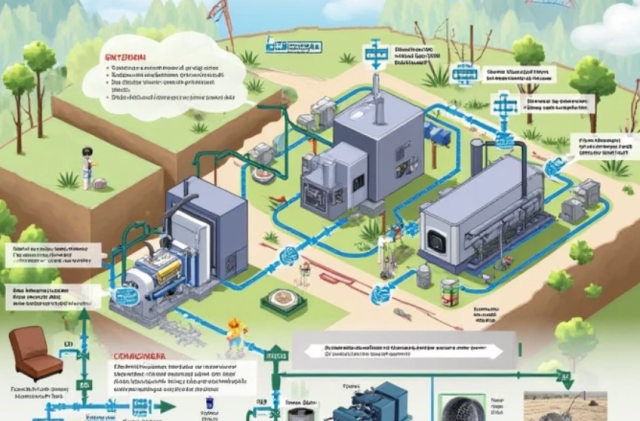
You don’t always have fancy filters or chemical tablets lying around. When you’re stranded in the wild or stuck in a grid-down scenario, you’ve got to improvise and survive with what you have. Here are three hacks that will keep you hydrated without poisoning yourself.
1. The Solar Still
This is a lifesaver in arid environments or when water sources are contaminated. Dig a hole in the ground, place a container in the center, cover the hole with plastic sheeting, and place a small rock in the middle to create a low point. Condensation will collect on the plastic and drip into your container. This collects pure distilled water—clean and safe to drink.
2. Charcoal and Cloth Filter Bottle
Take a plastic bottle, cut it in half, and invert the top into the bottom like a funnel. Layer crushed charcoal, sand, and gravel inside the top part, then cover the mouth with a cloth or bandana. Pour dirty water through the filter slowly, and the water collected in the bottom will be much cleaner.
3. Boiling Water with a Makeshift Pot
If you don’t have a metal pot, use a large, clean leaf or bark fashioned into a container and fill it with water. Place it on hot coals or a rock heated by fire, not directly in flames, and bring it to a boil to purify.
Final Word: Don’t Trust Tennessee’s Tap Water—Prepare Like Your Life Depends on It
Look, I’m not here to scare you just for kicks. I’m here because I’ve seen what happens when people blindly trust municipal water systems. You want a dead serious wake-up call? Study the news and you’ll find incidents where water was contaminated by industrial chemicals, lead leaks, or harmful bacteria outbreaks. Tennessee is no exception.
You need to assume your water is compromised and act accordingly. Boil it, filter it, treat it, purify it by any means necessary. Keep backup water purification supplies in your bug-out bag or emergency kit, and learn how to craft your own filters and distillers. Knowing how to get safe drinking water from almost any source is non-negotiable for survival in Tennessee or anywhere else.
If you want to stay alive, you’ll get serious about your water. That means stocking up on filters, learning chemical treatments, building your own filtration devices, and understanding nature’s methods like solar disinfection and distillation. If you don’t, you’re inviting sickness, disease, and disaster right to your doorstep.

So stop waiting for “official” assurances, because those come after the fact, long after you’re already sick. Take control. Prepare. Survive. Because when the water turns toxic, it’s not just a matter of inconvenience—it’s a matter of life and death. And I guarantee you, if you’re not ready, you won’t last a day.
 TheDailyChristian