

Stranded on a Deserted Island With Two Broken Legs and No One Around to Help? Here’s How You Stay Alive
Let’s get one thing straight: survival is not about strength, speed, or heroics. It’s about decision-making under pressure. If you are stranded on a deserted island with two broken legs, mobility is gone, rescue is uncertain, and pain is constant. Panic will kill you faster than dehydration if you let it. The good news? Humans have survived worse with less — but only when they follow priorities, not emotions.
This scenario strips survival down to its rawest form. No hiking for help. No building elaborate shelters. No chasing food. Everything you do must be deliberate, efficient, and brutally realistic.
Here’s how you stay alive.
Step One: Accept the Situation and Control Shock
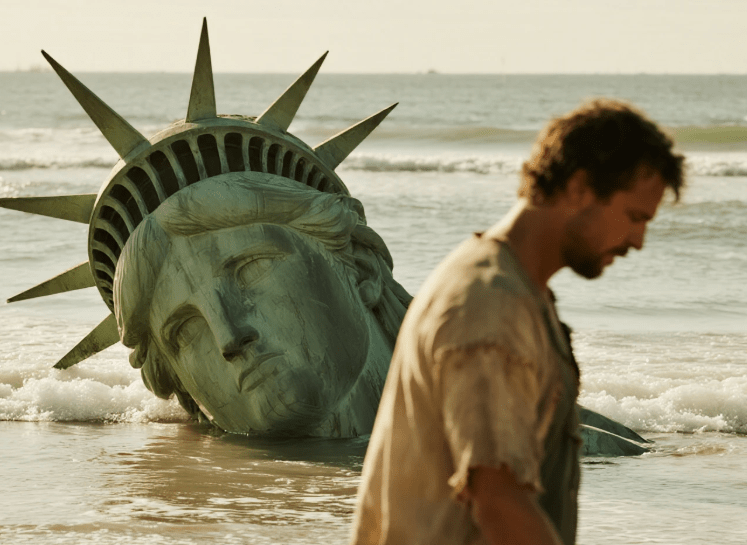
The moment you realize both legs are broken, survival becomes mental before it becomes physical.
Broken bones introduce three immediate threats:
- Shock
- Infection
- Dehydration
Do not move unless absolutely necessary. Uncontrolled movement increases internal bleeding and worsens fractures. Slow your breathing. Elevate your legs slightly if possible and stabilize them using anything available — driftwood, broken branches, belts, clothing, or vines. Immobilization isn’t about comfort; it’s about preventing further damage.
Pain will cloud judgment. You must consciously slow your thoughts. Survival isn’t urgent motion — it’s calm management.
Step Two: Secure Water Before Anything Else
You can survive weeks without food. You may not survive three days without water — especially in heat.
Since you cannot walk, water must come to you or be collected within crawling distance.
Water options to prioritize:
- Rainwater (highest priority)
- Coconut water (if available)
- Solar stills
- Morning dew collection
If you’re near the shoreline, do not drink seawater. That mistake ends survival fast.
Use clothing, leaves, shells, or hollowed coconuts to collect rainwater. If rain isn’t immediate, create a basic solar still using plastic debris, vegetation, and a container. Even minimal daily water intake dramatically improves survival odds.
Dehydration kills quietly. Solve water first, or nothing else matters.
Step Three: Prevent Infection Like Your Life Depends on It (Because It Does)
Broken legs in a tropical or coastal environment invite infection — which can kill even if rescue eventually comes.
If bones are exposed, do not attempt to reset them unless trained. Focus on cleaning wounds using the cleanest water available. Saltwater can be used cautiously to flush debris if nothing else exists, but freshwater is better.
Cover wounds with clean fabric, leaves with antimicrobial properties (if known), or improvised bandages. Change coverings daily if possible.
Flies, sand, and moisture are your enemy. Infection will drain your strength and clarity long before hunger does.
Step Four: Create Shade and Shelter Without Standing
Exposure is the silent killer most people underestimate.
Direct sun, wind, or rain will sap your energy and worsen injuries. Your shelter does not need to be impressive — it needs to:
- Keep you shaded
- Keep you dry
- Reduce wind exposure
Use driftwood, fallen palm fronds, leaves, or wreckage to create a low-profile lean-to within arm’s reach. Crawl only if necessary. Every movement costs calories and pain.
If nights are cold, insulate the ground beneath you with leaves, seaweed (dried), or debris. The ground will drain body heat faster than air.
Step Five: Food Is Secondary — But Still Important
With broken legs, hunting and foraging are limited. This is where patience and realism keep you alive.
Low-effort food sources:
- Coconuts
- Shellfish trapped by tides
- Crabs caught using bait and simple traps
- Seaweed (certain edible varieties)
Avoid anything you cannot confidently identify as edible. Poisoning yourself ends the story quickly.
Your goal is maintenance, not strength. Small, reliable calories beat risky foraging every time.
Step Six: Manage Energy Like a Finite Currency
Every action has a cost. With injuries, that cost multiplies.
Rules to live by:
- Do not move unless the reward outweighs the risk
- Rest whenever possible
- Perform tasks during cooler hours
- Avoid unnecessary exposure to sun
Pain management matters. Slow breathing, controlled movement, and minimizing stress reduce shock and energy drain.
Survival favors those who last, not those who rush.
Step Seven: Signaling for Rescue Is a Daily Job
You are not escaping the island on broken legs. Rescue must come to you.
Make yourself visible.
Effective signaling methods:
- Signal fires (three is the universal distress signal)
- Reflective surfaces (metal, mirrors, glass)
- Ground symbols visible from the air
- Smoke during daylight
Build signals early, then maintain them. Do not wait until you “feel better.” Rescue windows are unpredictable, and missed opportunities are fatal.
Step Eight: Protect Your Mind — Isolation Is a Threat
Mental collapse ends survival even when the body could endure longer.
You must maintain structure:
- Keep a daily routine
- Track time by sun and tide
- Set small achievable goals
- Talk out loud if necessary
Hope is not wishful thinking — it’s discipline. You survive by believing rescue is possible and behaving like it’s coming.
People don’t die because they’re alone. They die because they stop trying to stay alive.
Step Nine: Prepare for Long-Term Survival, Not Comfort
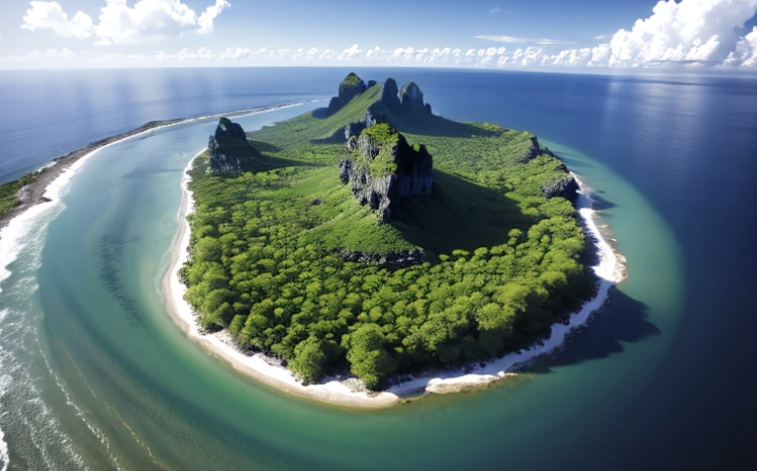
If days pass without rescue, your focus shifts from emergency to endurance.
Improve your shelter incrementally. Improve water collection. Improve signaling. Do not gamble on dramatic solutions.
Your legs may not heal fully, but immobilization, reduced infection, hydration, and nutrition improve survival odds dramatically over weeks.
History proves this: humans survive impossible injuries when they manage priorities correctly.
Final Thoughts: Survival Is a Skill, Not a Miracle
Being stranded on a deserted island with two broken legs is not a movie scene — it’s a brutal math problem. Water, infection control, shelter, signaling, and mental discipline determine the outcome.
This is why survival prepping matters. Not because you expect disaster — but because you understand reality doesn’t ask permission.
You don’t survive by being fearless.
You survive by being prepared, patient, and relentless.
And in the end times — or on a forgotten island — that mindset is the difference between a story told and a story ended.
 TheDailyChristian