

Let’s get one thing straight right out of the gate: nature does not care about you. Colorado doesn’t care about you. The mountains don’t care. The plains don’t care. And the insects crawling, flying, biting, and stinging their way across this state certainly don’t care. The world likes to sell you a postcard version of Colorado—clean air, blue skies, hiking trails, and sunshine. That’s the lie. The truth is that this state is crawling with small, angry, venomous, disease-carrying creatures that can ruin you—or kill you—faster than you think.
And before anyone jumps in with “technically that’s a spider, not an insect,” save it. When you’re on the ground in pain, your body shutting down, taxonomy won’t save you. Survival will.
This article isn’t here to comfort you. It’s here to warn you.
1. Wasps, Hornets, and Yellowjackets: Death by Allergy or Numbers
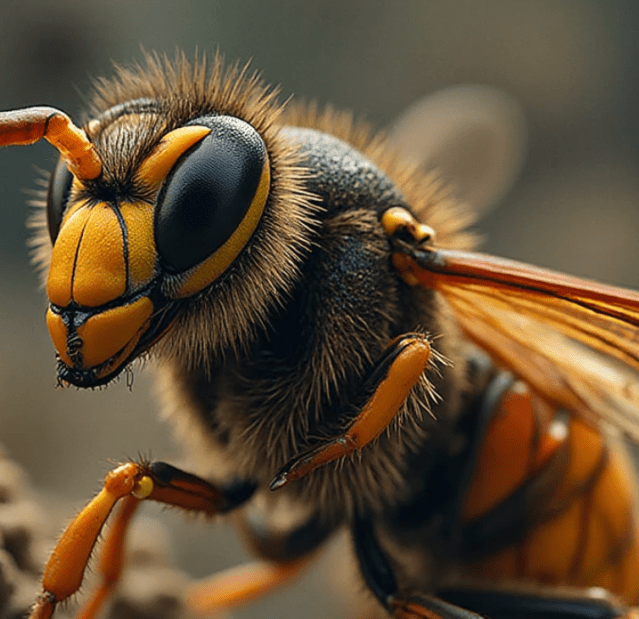
Let’s start with the obvious menace most people underestimate: stinging insects. Yellowjackets, paper wasps, hornets, and various bees are everywhere in Colorado—from urban backyards to remote campsites.
For most people, a sting is painful but survivable. For others, it’s a death sentence.
Anaphylaxis doesn’t announce itself politely. Your throat swells, your blood pressure drops, your airway closes, and panic sets in. If you don’t have immediate access to emergency treatment, you’re done. No heroics. No second chances.
Even if you’re not allergic, multiple stings can overwhelm your system. Disturb a nest while hiking or mowing the lawn, and you won’t be dealing with “one or two stings.” You’ll be dealing with dozens.
Survival Reality Check:
- Know whether you’re allergic before you’re in the wilderness.
- Carry emergency medication if prescribed.
- Avoid ground nests like your life depends on it—because it might.
- Don’t rely on cell service to save you. Out here, help is often far away.
2. Mosquitoes: The Silent Disease Delivery System

People laugh at mosquitoes. They shouldn’t.
Colorado mosquitoes are known carriers of West Nile virus, which can lead to severe neurological damage or death. You don’t feel it happening. You don’t hear it coming. You get bit, you move on, and days later your body starts betraying you.
The danger here isn’t drama—it’s invisibility. No venom. No warning. Just consequences.
Survival Reality Check:
- Use insect repellent consistently, not occasionally.
- Avoid stagnant water areas, especially at dusk.
- Don’t ignore flu-like symptoms after heavy mosquito exposure.
- Prevention is the only defense—there is no fast cure.
3. Ticks: Tiny Parasites with a Long Memory
Colorado is home to several tick species, including the Rocky Mountain wood tick. These things latch on quietly and stay there, feeding while transferring bacteria and viruses into your bloodstream.
Colorado tick fever is real. So are other tick-borne illnesses that can leave you hospitalized or worse.
Ticks don’t need wilderness. They thrive in grass, brush, and even suburban yards. You don’t have to be “roughing it” to get hit.
Survival Reality Check:
- Do full-body checks every time you’re outdoors.
- Remove ticks properly and promptly.
- Don’t assume symptoms will show up immediately.
- Treat tick bites as serious business, not an inconvenience.
4. Black Widow Spiders: Venom with a Bad Attitude
Yes, spiders aren’t insects. No, that doesn’t make them less dangerous.
The western black widow is present in Colorado and carries neurotoxic venom that can cause severe pain, muscle spasms, breathing difficulty, and systemic reactions. While deaths are rare, “rare” doesn’t mean impossible—especially for children, older adults, or anyone with underlying conditions.
They like dark, quiet places: woodpiles, sheds, garages, and yes, sometimes your home.
Survival Reality Check:
- Wear gloves when handling debris or firewood.
- Shake out boots and clothing left outside.
- Seek medical attention immediately after a bite.
- Ignoring symptoms is how people get into real trouble.
5. Blister Beetles: Chemical Warfare in a Shell
Blister beetles don’t sting or bite, which makes them more dangerous than you think. They secrete cantharidin, a toxic chemical that causes severe skin blistering and can be deadly if ingested.
Livestock deaths from blister beetles happen every year. Humans aren’t immune to the toxin’s effects—it can damage the digestive and urinary systems.
They’re common in Colorado during warmer months, especially in agricultural areas.
Survival Reality Check:
- Never handle unfamiliar beetles with bare hands.
- Wash skin immediately after contact.
- Keep them away from food and water sources.
- “Harmless-looking” is a trap.
6. Kissing Bugs: Rare but Real
Triatomine insects—commonly called kissing bugs—have been documented in Colorado. They can carry Trypanosoma cruzi, the parasite responsible for Chagas disease.
The disease can cause long-term heart and digestive damage and may be fatal years after infection. Most people don’t even realize they’ve been infected until the damage is done.
Survival Reality Check:
- Seal cracks in homes and sleeping areas.
- Use screens and reduce outdoor lighting that attracts insects.
- Don’t ignore unexplained symptoms after insect exposure.
- Just because something is “rare” doesn’t mean it won’t be you.
Final Thoughts: Survival Is a Mindset
Here’s the part no one likes to hear: the world is not getting safer, cleaner, or more forgiving. Medical systems are strained. Response times are slow. People are distracted, complacent, and unprepared.
Insects don’t care about your optimism.
Survival in Colorado—or anywhere—requires awareness, preparation, and a healthy distrust of anything small enough to crawl under your defenses. You don’t need to panic. You need to pay attention.
Because out here, it’s never the big threats that get you.
It’s the little ones you didn’t take seriously.
 TheDailyChristian