
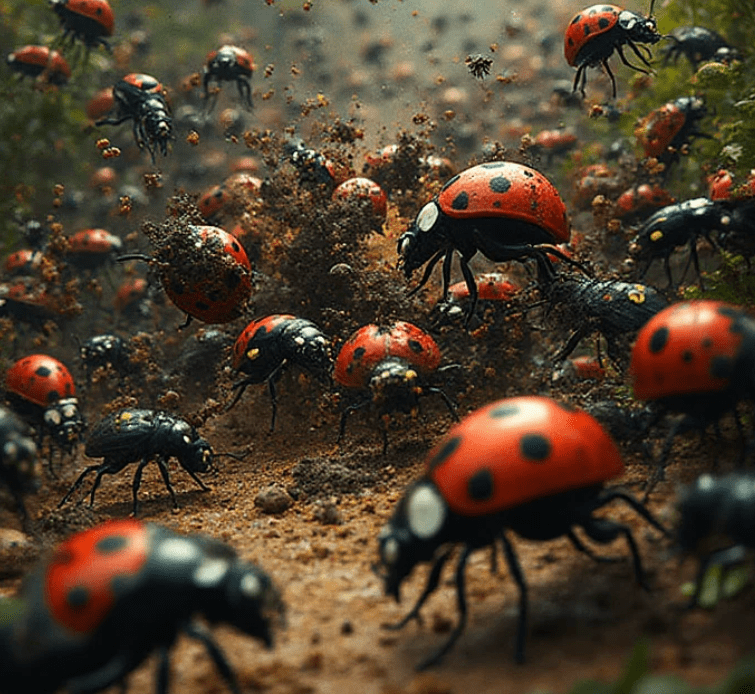
Most people hear “Hawaii” and picture warm breezes, palm trees, and postcard sunsets. That’s how the islands get you. I’ve traveled light, off the grid, and self-reliant for years, and if there’s one rule that keeps you alive anywhere, it’s this: nature doesn’t care about your vacation plans.
Hawaii may look gentle, but it’s packed with creatures—on land and in the ocean—that can ruin your trip fast if you get careless. You don’t need to fear the islands, but you do need to respect them. This isn’t about panic; it’s about awareness. Below are the insects and ocean threats in Hawaii that smart travelers keep their distance from.
Dangerous Insects and Land Creatures of Hawaii
1. Little Fire Ants (Wasmannia auropunctata)
If there’s one creature locals truly hate, it’s the little fire ant. These invasive ants are tiny, hard to spot, and pack a sting that feels like hot needles. They rain down from trees, crawl into clothing, and sting repeatedly.
For a prepper mindset, ants like these are a morale killer. You won’t always see them until it’s too late. They’re common on the Big Island and spreading fast. Never lean against unknown trees, and always shake out clothes and gear left outside.
2. Hawaiian Centipedes
These are not the garden variety centipedes you might be used to. Hawaiian centipedes can grow long, fast, and aggressive when disturbed. They hide under rocks, in leaf litter, shoes, and sometimes inside homes.
The sting is intensely painful and can swell badly. From a survival standpoint, the danger comes from stepping or grabbing without looking. Rule of thumb: never go barefoot at night, and always check boots or sleeping areas before use.
3. Spiders (Brown Widow and Black Widow)
Hawaii is home to widow spiders, especially the brown widow, which is more common than the black widow. They like dark, dry spaces—woodpiles, outdoor furniture, sheds, and garages.
They are not aggressive, but accidental contact is the problem. If you’re staying off-grid or in rustic accommodations, gloves are not optional when moving gear or cleaning out storage areas.
4. Mosquitoes
Mosquitoes in Hawaii aren’t just annoying—they’re capable of spreading disease. Standing water, humid conditions, and warm temperatures make them relentless, especially at dawn and dusk.
From a prepper perspective, mosquitoes are slow erosion. Sleep loss, infection risk, and constant irritation wear you down. Cover up, use netting where possible, and don’t assume ocean breezes will save you.
5. Caterpillars and Stinging Insects
Certain caterpillars and wasp species in Hawaii can cause painful skin reactions. Bright colors are often a warning sign in nature. Don’t touch unfamiliar insects, even if they look harmless.
The rule is simple: observe, don’t interact.
Ocean Dangers You Must Take Seriously
The ocean is where Hawaii becomes truly unforgiving. Most serious injuries in the islands happen in or near the water.
6. Box Jellyfish
Box jellyfish are present in Hawaiian waters and are infamous for their powerful stings. They tend to appear near shore on predictable cycles, often days after a full moon.
Even seasoned swimmers avoid the water during known box jellyfish periods. When locals stay out of the ocean, you should too. The sea doesn’t issue second chances.
7. Portuguese Man o’ War
Often mistaken for jellyfish, the Portuguese man o’ war floats on the surface like a blue balloon. Its tentacles can extend far below the water and still sting even when washed up on shore.
Never touch one—alive or dead. Many injuries happen when curious beachgoers pick them up. Survival rule: if it looks strange and washed up, leave it alone.
8. Cone Snails
Cone snails are small, beautifully patterned shells found in Hawaiian waters. They also deliver venom through a harpoon-like tooth.
Collectors and beachcombers get injured because they don’t realize the danger. If you don’t know what’s inside a shell, don’t handle it. Period.
9. Sharks (Especially Tiger Sharks)
Hawaii is tiger shark territory. Attacks are rare, but they do happen, and the risk increases at dawn, dusk, and in murky water.
As a survival traveler, I avoid swimming during low visibility or when fish are active. Sharks are not monsters—but they are apex predators doing what predators do.
10. Moray Eels
Moray eels hide in reef crevices and strike defensively if threatened. Many bites happen when people stick hands into holes while snorkeling or fishing.
Never put your hands where you can’t see. That rule applies everywhere, but especially underwater.
11. Scorpionfish (Nohu)
Hawaii’s scorpionfish blends perfectly into coral and rocks. Stepping on one causes immediate pain and injury.
Shuffle your feet when entering rocky waters and wear protective footwear. Reef shoes aren’t fashion—they’re armor.
12. Sea Urchins (Wana)
Sea urchins are common on Hawaiian reefs. Their spines break easily and embed in skin, causing long-term discomfort.
Don’t rush into shallow reef areas, and never assume clear water means safe footing.
Final Survival Thoughts
Hawaii is not dangerous because it’s hostile—it’s dangerous because it’s deceptive. Everything looks peaceful. That’s when people let their guard down.
As an off-the-grid traveler, my approach is simple:
- Look before you touch
- Respect warning signs and local advice
- Assume nature has the advantage
You don’t need fear to survive Hawaii—you need humility. The islands reward those who observe, listen, and tread lightly. Do that, and you’ll leave with memories instead of scars.
 TheDailyChristian