
Alright, buckle up, my bug-fearing friends. Today we’re going on a terrifying safari—but don’t worry, you won’t need a plane ticket, a safari hat, or a guide who mysteriously disappears halfway through the trip. Nope. All you need is a healthy dose of paranoia, some bug spray, and maybe a faint memory of your last camping trip when you realized mosquitoes were basically tiny vampires with bad attitudes.
Yes, we’re talking about Illinois. Land of corn, Cubs fans, and… insects that could end your life if you’re unlucky enough to catch their attention. Illinois isn’t exactly the Amazon rainforest, but don’t let that lull you into a false sense of security. Our state has its share of tiny killers, and they’re sneaky. Today, I’ll introduce you to the most dangerous insects in Illinois and, because I am basically the survivalist version of a dad-joke enthusiast, I’ll tell you how to survive them without looking like a screaming amateur in your own backyard.
1. The Mosquito is Possibly a Secret Assassin

Let’s start with the classic. Mosquitoes: the insect that makes you question all your life choices in summer. You think they’re just annoying, but think again. Some Illinois mosquitoes carry West Nile Virus, which, if you’re unlucky, can be serious—or worse. They are basically little flying syringes looking to turn your blood into their next cocktail. And they’re everywhere. Rivers, ponds, puddles, your forgotten lemonade spill from three days ago—they don’t discriminate.
Why They’re Deadly
- West Nile Virus (WNV): Most Illinois cases come from Culex mosquitoes. Symptoms can range from fever and headaches to neurological issues. Rare, but terrifying.
- La Crosse Encephalitis: A smaller, yet still scary threat carried by the treehole mosquito. Mostly affects children.
Survival Tips
- Bug Spray is Your Friend: DEET, picaridin, oil of lemon eucalyptus. If you don’t have it, you might as well try screaming at them. Spoiler: It doesn’t work.
- Avoid Dawn and Dusk: Mosquitoes love to party at these times. Think of it as their preferred cocktail hour. You don’t want an invite.
- Eliminate Standing Water: This is their nursery. Empty it, and you’re basically evicting the tenants before the lease is up.
Honestly, mosquitoes are the insect equivalent of that one relative who overstays their welcome—except they bring disease and probably hate you.
2. Ticks Are Nature’s Tiny, Eight-Legged Vampires

Ticks are the sneaky ninjas of the insect world. Unlike mosquitoes, they don’t buzz obnoxiously to announce their presence. They just crawl up your leg and latch on, like that awkward stranger at a high school dance who refuses to let go.
Why They’re Deadly
- Lyme Disease: Caused by the bacterium Borrelia burgdorferi, spread by black-legged (deer) ticks. Early symptoms include fever, chills, fatigue, and a telltale bullseye rash. If untreated, it can lead to arthritis, neurological issues, and heart problems.
- Anaplasmosis and Ehrlichiosis: Other bacterial diseases carried by ticks. Rare, but real.
Survival Tips
- Check Yourself: Every time you go outside, do a full-body tick inspection. Yes, even in weird places. You might look ridiculous, but you’ll thank yourself later.
- Clothing is Armor: Light-colored clothing, tucked pants, and boots. Ticks hate making contact with humans… mostly because it’s hard to find soft, warm skin through a thick boot.
- Repellents Work Here Too: DEET and permethrin-treated clothing are a tick’s worst nightmare.
Ticks are like tiny saboteurs sent from nature’s board of death. Except they’re silent and patient. And incredibly annoying.
3. The Killer Wasp: Yellowjackets and Bald-Faced Hornets

Illinois isn’t exactly home to hornets the size of your fist (we leave that to other parts of the U.S.), but we do have some nasties: yellowjackets, bald-faced hornets, and paper wasps. These insects are not subtle. They sting, they hurt, and some people are allergic enough that one sting could send them to the ER.
Why They’re Deadly
- Allergic Reactions: Anaphylaxis can occur within minutes. If you’ve never had a severe allergy, congratulations. Don’t get cocky.
- Multiple Stings: Unlike a bee, yellowjackets and hornets can sting repeatedly. Imagine someone hitting you with tiny hot darts multiple times. Painful.
Survival Tips
- Don’t Swat (Unless You Want More Trouble): Swatting an angry yellowjacket is basically waving a red flag at a bull. They call in friends.
- Avoid Nests: Bald-faced hornets can be aggressive if their nest is disturbed. Keep an eye out for paper-like hives.
- Know Your Exit Routes: If you get swarmed, run to shelter indoors. Pretend you’re training for the Olympics’ sprint events.
Honestly, these guys are like nature’s tiny bodyguards for nothing important. Annoying, painful, and deadly to the unprepared.
4. The Brown Recluse and Black Widow: Spiders That Are Basically Insect Cousins
Okay, technically spiders aren’t insects—they’re arachnids—but in survival land, I lump them together because your mortality depends on knowing them. Illinois has a small population of brown recluse spiders and black widows.
Why They’re Deadly
- Brown Recluse: Its bite can destroy tissue over time. Pain might be delayed, but the consequences are real.
- Black Widow: Their venom attacks the nervous system. Muscle pain, cramping, and, in rare cases, death.
Survival Tips
- Inspect Dark, Undisturbed Spaces: Attics, basements, closets—these are prime spider real estate.
- Gloves Are Life: Handling boxes or firewood? Gloves aren’t just a fashion statement—they’re your first line of defense.
- Antivenom Exists: But prevention is way cheaper than an ER visit.
Remember, these guys aren’t aggressive unless provoked, but they’re the kind of roommates you don’t want to meet unexpectedly.
5. The Asian Giant Hornet: Not in Illinois… Yet
Okay, let’s clarify: as of 2026, there’s no confirmed permanent population of Asian giant hornets in Illinois. But news reports keep them in the headlines. If you like living on the edge, imagine a hornet the size of a human thumb with a venomous sting that can kill in rare cases.
Why They’re Deadly
- Multiple Stings Are Fatal: Their venom is far more potent than local wasps.
- Aggressive Behavior: Unlike native hornets, they can swarm without provocation.
Survival Tips
- Stay Informed: If sightings increase, local authorities will issue warnings. Listen.
- Don’t Approach: Seriously. If it looks like it belongs in a Godzilla movie, it probably does.
While you likely won’t encounter them in Illinois, a prepper never ignores a potential threat.
6. Fire Ants: Tiny Ninjas of Pain
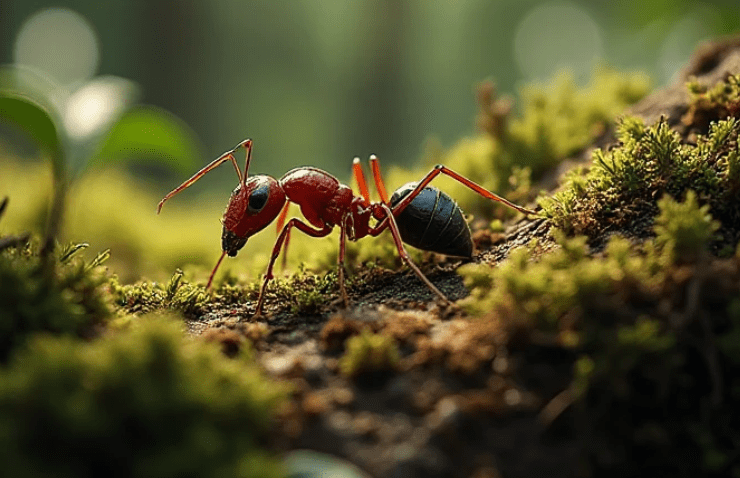
Southern Illinois is technically within fire ant territory. These little guys are small, red, and have a venomous sting that can cause severe allergic reactions.
Why They’re Deadly
- Venom Can Cause Allergic Shock: Similar to wasps, some people are at serious risk.
- Swarming Behavior: If disturbed, they attack in numbers, delivering multiple stings in seconds.
Survival Tips
- Avoid Disturbing Mounds: Seriously. Just look, don’t touch.
- Protective Clothing Helps: Boots and long pants save lives—and egos.
- Treat Stings Quickly: Wash, ice, and monitor for signs of anaphylaxis.
Fire ants are basically the insect world’s version of a bad roommate that moves in without asking. Painful, unrelenting, and extremely irritating.
7. General Survival Tips for Illinois Insect Encounters

Alright, you’ve survived the tour of Illinois’ deadliest bugs. But survival isn’t just about knowing names and looking at pictures like it’s a creepy coffee table book. Here’s a prepper’s guide to surviving all insects… with a touch of my patented humor.
Personal Protective Equipment (PPE)
- Long sleeves and pants. You want your skin like Fort Knox—impenetrable.
- Gloves for gardening, handling firewood, or investigating mysterious crawl spaces.
Repellents and Treatments
- DEET, picaridin, permethrin, lemon eucalyptus oil. Pick your poison… but not literally.
- First aid kits are mandatory. Ice packs, antihistamines, and basic wound care are lifesavers.
Environmental Control
- Empty standing water. Mosquito nurseries are everywhere.
- Remove trash, debris, and fallen logs that attract insects.
- Seal cracks and entry points in homes to keep them out.
Mental Preparedness
- Keep calm. Panicking is the #1 reason humans get bitten, stung, or chased by insects.
- Learn to identify high-risk species. Knowledge = survival + bragging rights.
Emergency Procedures
- Allergic reactions: Epinephrine auto-injectors (EpiPens) can save lives.
- Multiple stings or bites: Seek medical attention immediately.
- Severe infections: Clean, monitor, and get professional help.
Conclusion: Illinois Bugs Are No Joke—But Humor Helps

Illinois’ insects aren’t out to get you personally… unless you’re a mosquito, a tick, or a hornet, in which case, yes, congratulations—you’re on the menu. The key to survival is preparation, awareness, and taking the threats seriously, even while cracking jokes that might make your friends roll their eyes.
So next time you’re enjoying an Illinois sunset, remember: your backyard may look peaceful, but lurking in the grass, under rocks, and in your favorite hammock are tiny assassins just waiting for you to make a mistake. Know them. Respect them. And laugh at yourself before they make you cry—or itch uncontrollably.
Stay vigilant, stay prepared, and keep your bug spray handy. Illinois may not have lions or tigers or bears (oh my!), but we’ve got mosquitoes, ticks, hornets, and spiders that can turn a pleasant evening into a survival scenario faster than you can say, “Is that a mosquito on my eyebrow?”
Remember, survival isn’t just about strength—it’s about knowledge, preparation, and yes, a terrible sense of humor. Now go forth, Illinois residents, and live another day… preferably without being a bug’s dinner.
 TheDailyChristian