
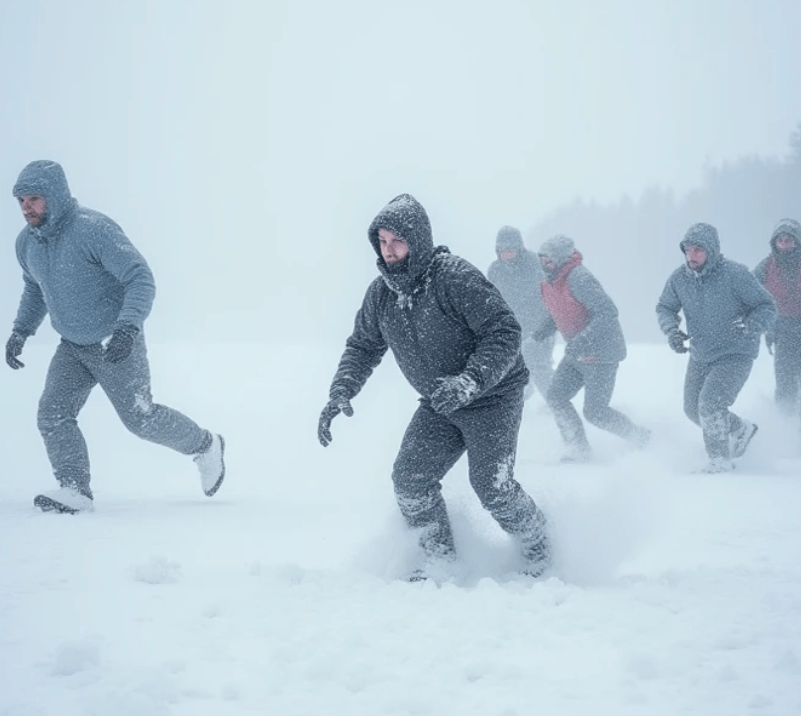
Colorado residents love to brag about being “used to winter.” Ski towns, mountain passes, high elevation—you’d think that would translate into preparation.
It doesn’t.
Colorado winter storms kill people because of altitude, sudden weather shifts, extreme cold, wind, and isolation. I’ve watched storms go from sunny to lethal in hours. I’ve watched highways close, towns cut off, and people freeze because they assumed help would come quickly.
In Colorado, winter doesn’t give warnings—it gives consequences.
Let’s talk about how people actually die in Colorado winter storms, and what you must do to survive when everything goes sideways.
The Top Ways People Die in Colorado Winter Storms
1. Hypothermia in Extreme Cold and High Wind
Colorado winter storms bring serious cold, especially at elevation. Add wind, and you get wind chills that can kill exposed skin in minutes.
People die because:
- Power outages shut down heating systems
- Homes lose heat rapidly
- People underestimate wind chill
- They don’t dress properly indoors
Hypothermia happens inside homes, especially in mountain towns, older houses, cabins, and rural areas where restoration takes longer.
Cold plus wind plus altitude equals a brutal environment that doesn’t forgive mistakes.
2. Stranded Drivers on Mountain Roads and Interstates
This is one of Colorado’s biggest killers.
Winter storms shut down:
- I-70
- Mountain passes
- Rural highways
People get stranded because:
- They trust AWD or 4WD too much
- They ignore road closures
- They underestimate how fast conditions deteriorate
Vehicles pile up. Traffic stops for hours—or overnight. Once fuel runs low and heaters stop, exposure becomes deadly fast.
Walking for help in snow and wind at elevation is a terrible idea that kills people every year.
3. Carbon Monoxide Poisoning From Improvised Heating
Cold makes people desperate, and desperation makes people reckless.
Colorado winter storms bring a spike in carbon monoxide deaths from:
- Generators run in garages or cabins
- Propane heaters without ventilation
- Fireplaces used incorrectly
- Vehicles running in enclosed areas
Carbon monoxide doesn’t care how cold it is outside—it kills quietly and efficiently.
If it burns fuel and isn’t designed for indoor use, it does not belong inside your home.
4. Avalanches and Backcountry Exposure
Colorado’s mountains add a danger most states don’t deal with.
People die because:
- They ignore avalanche warnings
- They venture into backcountry areas during storms
- They overestimate their experience
- They underestimate weather speed and severity
Storms increase avalanche risk dramatically. Add whiteout conditions, and rescue becomes delayed or impossible.
Winter storms turn adventure into recovery operations.
5. Medical Emergencies With Delayed Rescue

During severe winter storms:
- Helicopters can’t fly
- Ambulances can’t reach mountain roads
- Hospitals are overwhelmed
- Pharmacies close
People die from:
- Heart attacks
- Altitude-related respiratory distress
- Diabetic emergencies
- Oxygen equipment losing power
- Delayed trauma care
In Colorado, distance and elevation turn minor issues into deadly ones fast.
Will Grocery Stores Go Empty During a Colorado Winter Storm?
Yes—and faster in mountain towns.
Colorado grocery supply chains depend on:
- Passable highways
- Daily truck deliveries
- Limited local storage
Before storms:
- Bread, milk, eggs disappear
- Bottled water vanishes
- Batteries, propane, and generators sell out
After storms:
- Roads close
- Deliveries stop
- Shelves stay empty for days or longer in isolated areas
Mountain towns get cut off. Period.
If you don’t already have supplies, you’re stuck without them.
Survival Food Prepping for Colorado Winter Storms
In Colorado, survival food must handle cold, isolation, and limited cooking options.
Best Survival Foods to Stock
Shelf-Stable Essentials
- Canned soups and stews
- Canned meats (chicken, tuna, spam)
- Beans
- Rice and pasta
- Peanut butter
- Protein bars
No-Cook Options
- Trail mix
- Jerky
- Crackers
- Ready-to-eat meals (MREs)
Water
- Minimum 1 gallon per person per day
- Plan for 7 days minimum, more if rural or at elevation
Frozen pipes are common. If water stops flowing, you’re in trouble fast.
🔋 Solar Generators: Essential for Colorado Winter Survival
In Colorado, power outages aren’t short—and fuel access can disappear.
Gas generators:
- Require fuel you may not reach
- Produce carbon monoxide
- Are risky in snow and enclosed areas
Solar generators:
- Work indoors
- Produce no fumes
- Require no fuel
- Can recharge with solar panels—even in cold, sunny conditions
What Solar Generators Can Power
- Medical devices (CPAP, oxygen concentrators)
- Phones and emergency radios
- Lights
- Small heaters (used carefully)
- Refrigerators (intermittently)
In mountain environments, silent, indoor-safe power is survival-critical.
Best Survival Supplies for Colorado Winter Storms
Every Colorado household—especially at elevation—should already have:
Warmth & Shelter
- Cold-rated sleeping bags
- Wool blankets
- Thermal base layers
- Heavy gloves, hats, socks
- Indoor-safe heaters
- Carbon monoxide detectors
Power & Light
- Solar generator
- Solar panels
- Battery lanterns
- Headlamps
- Spare batteries
Medical & Safety
- First aid kit
- Prescription medications (7–10 days)
- Fire extinguisher
Cooking
- Camping stove
- Extra fuel
- Matches or lighters
- Simple cookware
Why Survival Prepping Matters in Colorado
Here’s the truth people don’t like hearing:
Colorado weather isolates you fast.
When roads close, you’re on your own. Emergency services can’t always reach you. Rescue takes time—if it’s possible at all.
Prepping isn’t fear. It’s realism.
If you live in Colorado and don’t plan for winter isolation, you’re trusting luck in a state that doesn’t reward it.
🧊 How to Actually Survive a Colorado Winter Storm
- Respect Road Closures
- They exist for a reason
- Dress for Cold Indoors
- Assume heat may fail
- Consolidate Heat
- Stay in one room
- Block drafts
- Use insulation and body heat
- Ration Power
- Prioritize medical devices and lighting
- Eat and Hydrate
- Calories help maintain body heat
- Altitude increases dehydration risk
- Stay Informed
- Weather radio
- Emergency alerts
- Avalanche warnings
Final Words From an Angry Survival Prepper
Colorado winter storms don’t kill because people are inexperienced.
They kill because people are overconfident.
The cold is real.
The wind is ruthless.
The roads close.
Help takes time.
Prepare now—or find out the hard way how fast winter wins at altitude.
 TheDailyChristian