Brooke Homestead’s Top 20 Survival Garden Tips So You and Your Loved Ones Never Starve During Hard Times
Brooke Homestead, one of the most respected young voices in the survival prepper world, often reminds people of a simple truth:
“A survival garden isn’t about hobby gardening — it’s about making sure your family eats when the world gets difficult.”
Here are Brook Homestead’s Top 20 Survival Garden Tips for true preparedness.
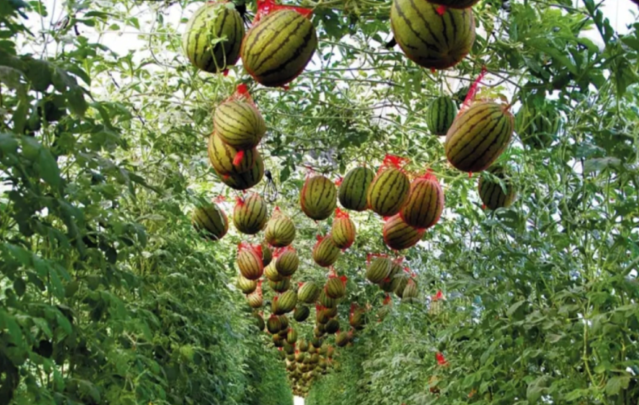
Grow calorie-dense crops first — potatoes, beans, corn, and squash.
Plant more food than you think you need. Surpluses are security.
Always save seeds from your healthiest plants.
Use raised beds to protect crops from flooding.
Mulch heavily to retain moisture and reduce weeds.
Learn basic food preservation like canning and dehydration.
Grow at least three varieties of your main crops. Diversity prevents total loss.
Protect soil health with compost and organic matter.
Plant fruit trees early — they take years to mature.
Keep a backup seed supply stored in a cool, dry location.
Grow medicinal herbs like garlic, echinacea, and chamomile.
Learn how to recognize plant diseases early.
Rotate crops each season to prevent soil exhaustion.
Keep chickens if possible — eggs and fertilizer are invaluable.
Store staple foods like rice and beans for long-term emergencies.
Build a rainwater collection system for irrigation.
Protect your garden from animals using fencing or natural deterrents.
Learn to ferment vegetables like cabbage for long storage.
Start small but expand your garden every year.
Most importantly — practice now, not when a crisis begins.
Brooke often jokes with her audience:
“If you learn how to grow and store your own food, you’ll never face the kind of desperation that makes people do unthinkable things during extreme survival situations.”
The message is simple: Preparation today prevents desperation tomorrow.
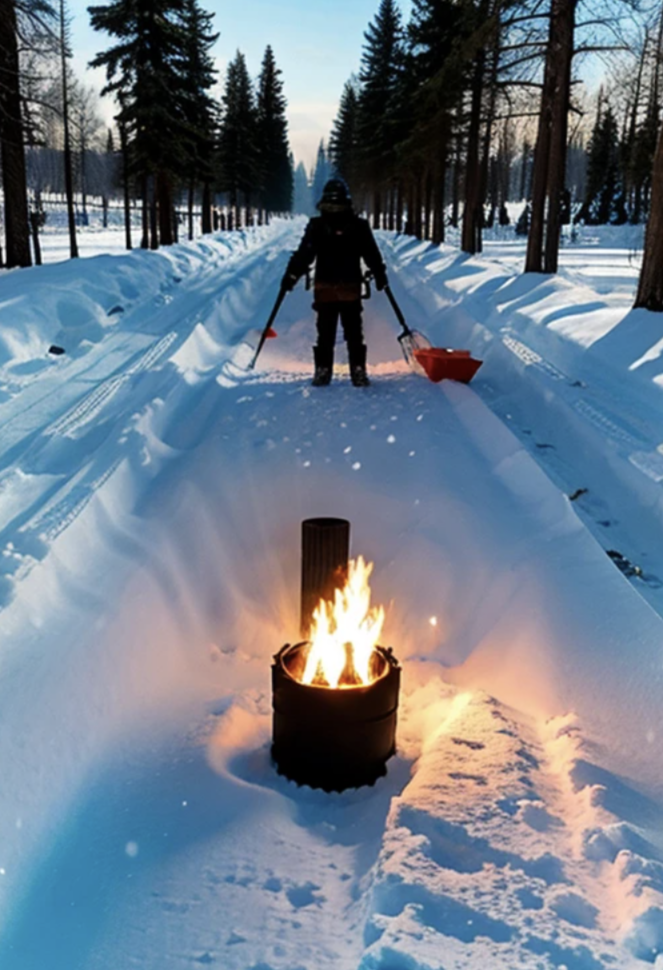
Vermont winter doesn’t arrive like a disaster movie. It arrives quietly, slowly, and then doesn’t leave.
Heavy snow, ice storms, sub-zero temperatures, mountain terrain, and rural isolation combine into one ugly reality: when things go wrong in Vermont winter, you are often on your own.
I’ve seen people here freeze in homes heated by systems that failed, get stranded on mountain roads with no cell service, and poison themselves trying to stay warm. Not because they were careless—because they assumed winter would be manageable.
Vermont winter is manageable only if you prepare.
Let’s talk about how people actually die during Vermont winter storms—and what it takes to survive when the grid, the roads, and the stores all fail at the same time.
Meet Brooke Homestead: 2025 Female Survival Prepper of the Year & Featured Survival Blogger
❄️ The Top Ways People Die in Vermont Winter Storms
1. Hypothermia During Long Power Outages
This is the number one winter storm killer in Vermont.
Ice storms and heavy snow snap trees and power lines fast—especially in forested and mountainous areas. When the power goes out:
Oil, propane, and electric heat shuts down
Well pumps stop working
Homes lose heat rapidly
Vermont temperatures don’t hover politely near freezing. They stay cold. For days. Sometimes weeks.
Hypothermia often begins indoors:
Shivering
Slurred speech
Confusion
Fatigue
Loss of consciousness
People die because they underestimate how fast a home becomes unlivable without heat.
2. Carbon Monoxide Poisoning From Improvised Heating
Vermont winters create desperation, and desperation creates fatal mistakes.
Every winter storm produces deaths from:
Generators run in garages or basements
Propane heaters used indoors without ventilation
Charcoal grills brought inside
Wood stoves misused or poorly vented
Carbon monoxide is invisible, odorless, and unforgiving. Families die quietly in their sleep while trying to stay warm.
If it burns fuel and is not designed for indoor emergency use, it can kill you.
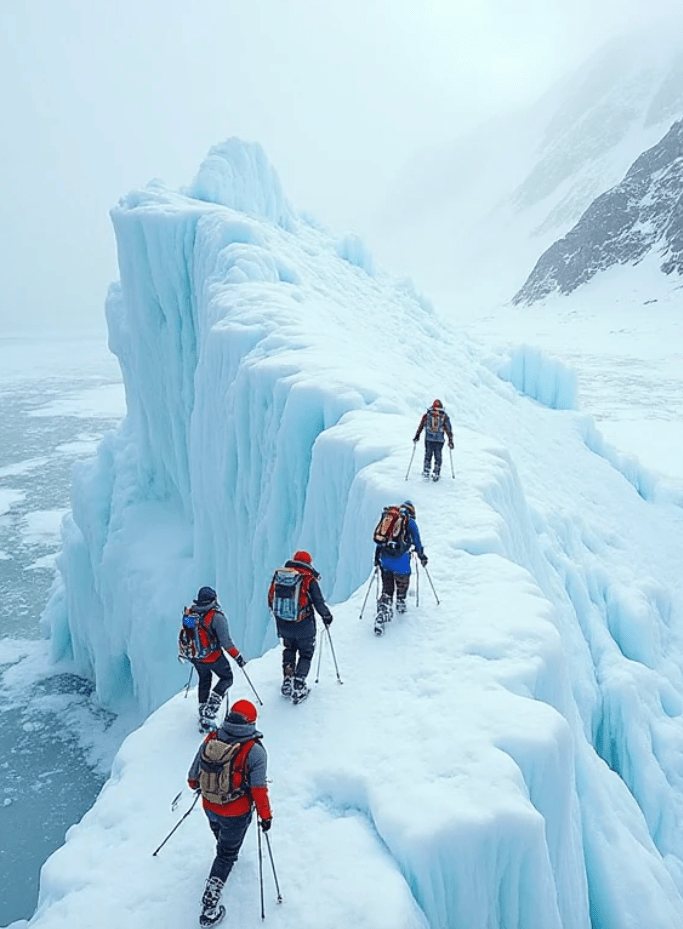
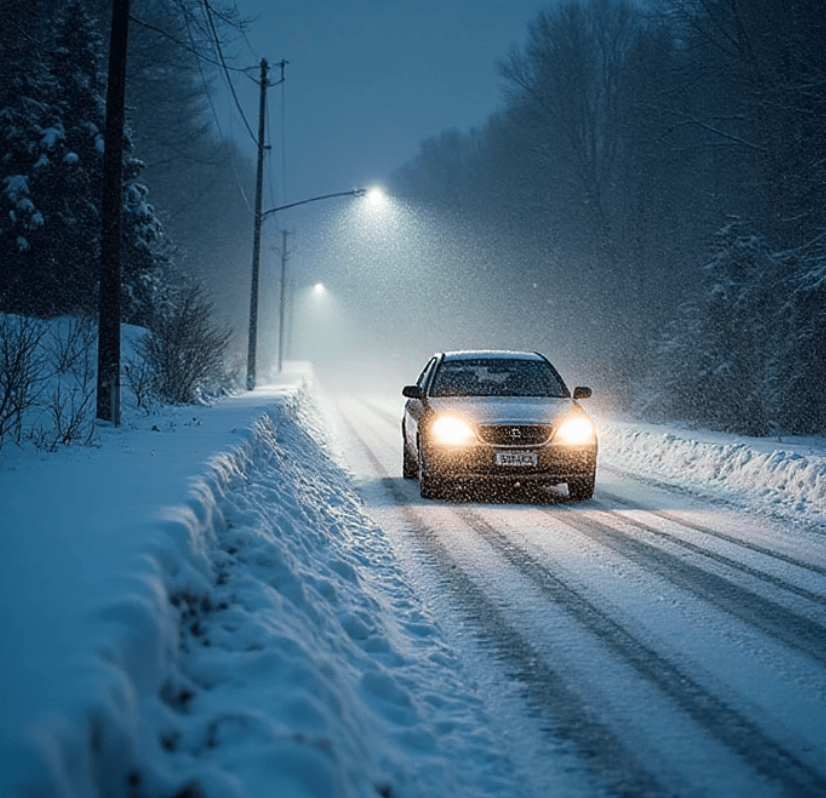
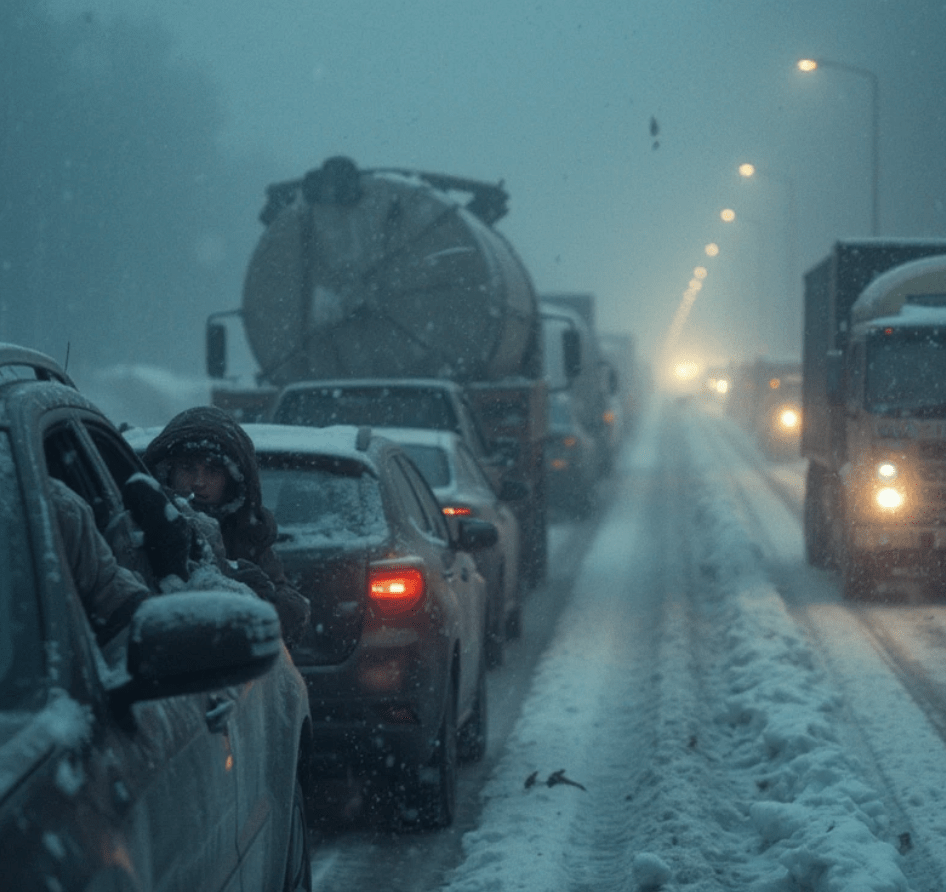
3. Stranded Vehicles on Rural and Mountain Roads
Vermont is rural. It’s mountainous. And winter shuts it down fast.
People die because:
Roads are narrow and steep
Snow removal takes time
Cell service is unreliable
Visibility drops quickly
AWD does not defeat ice. Snow tires do not create cell service.
Once stranded:
Fuel runs out
Heat disappears
Wind chill accelerates hypothermia
People freeze to death less than a mile from help because winter closed the gap faster than they expected.
4. Medical Emergencies With Delayed or No Response
During Vermont winter storms:
Ambulances take hours
Roads are impassable
Hospitals are far apart
Pharmacies close
People die from:
Heart attacks
Strokes
Diabetic emergencies
Respiratory failure
Loss of powered medical equipment
If you rely on oxygen, dialysis, CPAP machines, insulin refrigeration, or daily medications, winter storms put your life on a countdown clock.
5. Falls, Firewood Injuries, and Overexertion
Vermont winter turns basic survival chores into deadly ones.
Common fatal mistakes:
Slipping on icy stairs
Falling while carrying firewood
Roof collapses during snow removal
Burns from wood stoves
Heart attacks while shoveling heavy snow
When emergency response is delayed by hours—or days—injuries that should be survivable become fatal.
🛒 Will Grocery Stores Go Empty in Vermont During Winter Storms?
Yes—and in rural Vermont, they empty fast.
Vermont grocery stores:
Carry limited inventory
Depend on truck deliveries
Lose power during storms
Before storms:
Bread, milk, eggs vanish
Bottled water disappears
Propane, batteries, and generators sell out
After storms:
Trucks stop running
Shelves stay empty
Stores may close entirely
If you didn’t already stock food, you’re not getting it.
🍲 Survival Food Prepping for Vermont Winter Storms
In cold environments, calories equal warmth.
Best Survival Foods to Stock
Shelf-Stable Essentials
Canned soups and stews
Canned meats
Beans and lentils
Rice and pasta
Peanut butter
Oatmeal
No-Cook Foods
Protein bars
Trail mix
Jerky
Crackers
Water
Minimum 1 gallon per person per day
Plan for 7–10 days
If you rely on a well, no power means no water. Stored water is mandatory in Vermont.
🔋 Solar Generators: A Vermont Winter Essential
Vermont power outages can last days or longer, especially after ice storms.
Gas generators:
Require fuel deliveries that may not happen
Produce carbon monoxide
Cannot be safely used indoors
Solar generators:
Safe indoors
Silent
No fumes
Recharge via solar panels—even in winter sunlight
What Solar Generators Can Power
Medical devices
Phones and emergency radios
Lighting
Refrigerators (cycled)
Small heaters (used carefully)
Indoor power without fumes is not optional in Vermont—it’s survival gear.
🧰 Best Survival Supplies for Vermont Winter Storms
Every Vermont household should already have:
Warmth & Shelter
Sub-zero-rated sleeping bags
Heavy wool blankets
Thermal base layers
Hats, gloves, thick socks
Indoor-safe emergency heaters
Carbon monoxide detectors
Power & Light
Solar generator
Solar panels
Battery lanterns
Headlamps
Spare batteries
Medical & Safety
First aid kit
Extra prescription medications (7–10 days)
Fire extinguisher
Cooking
Camping stove
Extra fuel
Matches or lighters
Simple cookware
🧠 Why Survival Prepping Matters in Vermont
Vermont winter isolates people.
No fast plows. No quick EMS. No guaranteed power restoration.
Prepping isn’t extreme—it’s the price of living here safely.
If you don’t plan for multi-day outages in deep cold, you are depending on luck.
Luck doesn’t survive Vermont winter.
🧊 How to Survive a Vermont Winter Storm
Stay Home
Travel kills more people than cold
Layer Up Immediately Indoors
Don’t wait for the house to cool
Create a Warm Zone
One room
Block drafts
Insulate windows and doors
Ration Power
Medical devices first
Lighting second
Eat High-Calorie Foods
Cold burns calories fast
Stay Informed
Weather radio
Emergency alerts
🚨 Final Words From an Professional Survival Prepper
Vermont winter doesn’t care how peaceful it looks. It doesn’t care how rural you are. And it doesn’t care how long you’ve lived here.
Cold, darkness, and isolation kill quietly and efficiently.
Prepare before the storm—or become another winter lesson people talk about when the snow finally melts.
Tennessee doesn’t get hammered every winter like the Upper Midwest, so when snow or ice does hit, people are caught flat-footed. Roads aren’t treated fast enough. Power grids aren’t hardened for ice. Drivers aren’t trained for slick conditions. And families don’t have food, heat, or backup power ready.
That combination is deadly.
I’ve watched ice storms shut down Tennessee for days—sometimes weeks—while people insisted it “wasn’t that bad” right up until they lost power, heat, and access to food.
This article breaks down:
The top ways people die during winter storms in Tennessee
Why grocery stores empty faster than you think
Why survival food and backup power are critical here
What supplies actually matter
How to survive when ice takes over and help slows to a crawl
If you live in Tennessee and think winter storms are a joke, keep reading. That mindset kills.
Why Winter Storms in Tennessee Are So Dangerous
Tennessee winter storms aren’t about deep snow—they’re about ice and terrain.
Here’s what makes them especially lethal:
Freezing rain that coats roads, trees, and power lines
Hilly and mountainous terrain across much of the state
Bridges and overpasses that freeze instantly
Power infrastructure not built for heavy ice loads
Limited snow and ice removal equipment
Long restoration times after outages
Tennessee doesn’t need blizzards to shut down—it just needs a quarter inch of ice.
The Top Ways People Die in Winter Storms in Tennessee
These deaths are predictable and repeat every time.
1. Vehicle Accidents on Ice-Covered Roads
This is the leading cause of winter storm deaths in Tennessee.
Icy interstates like I-40, I-24, and I-65
Steep hills and winding back roads
Bridges and overpasses freezing first
Drivers with no real ice-driving experience
Tennessee drivers aren’t bad drivers—they’re untrained for ice. Once traction is gone on hills, crashes pile up fast.
If ice is forecast, stay off the roads. Period.
2. Hypothermia Inside the Home
This one catches people off guard every winter.
Ice storms knock out power, sometimes for days. Most Tennessee homes rely entirely on electricity for heat.
People die from hypothermia:
Sitting in cold houses
Wearing light clothing indoors
Trying to “wait it out”
Falling asleep and not waking up
Cold doesn’t need extreme temperatures to kill—just time and exposure.
3. Carbon Monoxide Poisoning
Every Tennessee winter storm brings the same preventable tragedy.
Generators run inside garages
Propane heaters used improperly
Charcoal grills brought indoors
Gas stoves used for heat
Carbon monoxide is invisible, odorless, and deadly. People fall asleep and never wake up.
If you don’t have carbon monoxide detectors in your home, you are taking a reckless risk.
4. Medical Emergencies With Delayed Response
During winter storms:
Ambulances are delayed
Roads are impassable
Clinics and pharmacies close
Emergency response times increase dramatically
People die from:
Heart attacks while shoveling ice and snow
Missed medications
Respiratory issues
Diabetic emergencies
Winter storms don’t cause these conditions—they remove access to help.
5. Falling Trees and Structural Damage
Ice storms turn Tennessee’s trees into weapons.
Ice-laden branches snap
Trees fall onto homes and vehicles
Power lines come down
People are crushed or electrocuted
Trying to “clear it real quick” during or immediately after a storm is how people get seriously injured—or killed.
Will Grocery Stores Go Empty in Tennessee?
Yes—and shockingly fast.
Tennessee grocery stores rely on just-in-time delivery. That means:
Minimal back stock
Constant truck deliveries
No buffer during road closures
Here’s what disappears first:
Bread
Milk
Eggs
Meat
Bottled water
Baby formula
Once ice shuts down highways, shelves stay empty.
If you wait until the storm hits to shop, you’re already too late.
Why Survival Food Prepping Matters in Tennessee
Tennessee storms don’t always last weeks—but 3–7 days without power or access to stores is common.
Survival food gives you time and options.
Every household should have:
7–10 days of food per person
No refrigeration required
Minimal cooking needs
Best Survival Food Options
Freeze-dried meals
Canned soups and meats
Rice and beans
Pasta
Protein bars
Peanut butter
Instant oatmeal
If your food depends on electricity, it’s not reliable.
Solar Generators: The Smart Backup Power Choice for Tennessee
Gas generators cause problems every ice storm:
Fuel shortages
Carbon monoxide danger
Noise and theft risk
Cold-start failures
Solar generators with battery storage are safer and more reliable for most Tennessee households.
They can power:
Phones and radios
Medical equipment
LED lighting
Refrigerators
Internet routers
Small heaters
No fuel runs. No fumes. No guesswork.
If you don’t have backup power, you’re trusting a grid that fails under ice load every winter.
Essential Winter Survival Supplies for Tennessee
This is the minimum survival setup for Tennessee winter storms:
Power & Heat
Solar generator with battery storage
Power banks
Indoor-safe heater
Warm blankets and sleeping bags
Clothing & Warmth
Thermal layers
Wool socks
Hats and gloves
Emergency bivy blankets
Food & Water
1 gallon of water per person per day
Non-perishable food
Manual can opener
Safety & Medical
First aid kit
Prescription medication backups
Carbon monoxide detectors
Fire extinguisher
Communication
NOAA weather radio
Flashlights and headlamps
Extra batteries
If you don’t own these, you’re not prepared—you’re exposed.
Why Survival Prepping Is So Important in Tennessee
Tennessee winters are unpredictable—and that unpredictability is the danger.
The state isn’t built for frequent winter storms. Equipment is limited. Infrastructure is vulnerable. And emergency services are quickly overwhelmed.
Prepping isn’t fear—it’s taking responsibility for your own survival.
You prepare so:
You don’t drive on deadly ice
You don’t freeze during outages
You don’t panic when shelves are empty
You don’t become another preventable headline
Winter Survival Tip from a True Tennessee Prepper
Every winter storm death in Tennessee comes down to one mistake:
Someone assumed it wouldn’t happen here.
Ice doesn’t care what state you live in. Power doesn’t come back on demand. And help doesn’t arrive instantly.
Prepare before the storm hits—because once it does, your options disappear fast.
Let me be blunt: Indiana winter storms don’t look scary enough for people to respect them—and that’s exactly why they kill people every year.
Indiana isn’t Alaska. It’s not Wyoming. It doesn’t get romanticized blizzards. What it gets is something far more dangerous: ice, sleet, freezing rain, wind, and long power outages, all wrapped in the illusion that “we’ve handled worse.”
That illusion is deadly.
I’ve watched Indiana winter storms shut down highways, strand drivers, empty grocery stores, and leave families freezing in dark houses because they assumed the storm would be “quick” or “manageable.”
This article breaks down:
The top ways people die during winter storms in Indiana
Why grocery stores empty almost immediately
Why survival food and backup power matter here
The supplies that actually keep you alive
How to survive when ice takes over and help slows to a crawl
If you live in Indiana and don’t prep for winter, you’re relying on luck. Luck fails every year.
Why Indiana Winter Storms Are More Dangerous Than People Think
Indiana’s biggest killer isn’t snow depth—it’s ice and infrastructure failure.
Here’s what makes Indiana winter storms especially dangerous:
Freezing rain that turns roads into glass
Flat highways that encourage speeding
Heavy ice loads on power lines
Aging electrical infrastructure
Dense population with limited redundancy
Temperatures that hover just low enough for hypothermia
Georgia is not immune to winter storms. It’s vulnerable to them.
And that difference matters.
Georgia doesn’t deal with winter often, which means when snow or ice does hit, the state grinds to a halt. Roads aren’t treated. Drivers aren’t trained. Power grids aren’t hardened. Grocery stores aren’t stocked for panic buying. And people don’t have food, heat, or backup power ready.
I’ve watched Georgia ice storms turn entire metro areas into parking lots, shut down power for days, and leave families trapped in cold homes with nothing but excuses.
This article breaks down:
The top ways people die during winter storms in Georgia
Why grocery stores empty almost instantly
Why survival food and backup power are essential here
What supplies actually matter
How to survive when ice hits a state that isn’t built for it
If you live in Georgia and think winter storms are rare enough to ignore, that mindset will get you hurt—or worse.
Why Winter Storms in Georgia Are So Dangerous
Georgia winter storms don’t need deep snow. They just need ice.
Here’s what makes Georgia especially dangerous during winter weather:
Freezing rain that coats roads and bridges
Hills and elevation changes across much of the state
Minimal snow and ice treatment infrastructure
Power lines and trees vulnerable to ice loads
A population with little ice-driving experience
Rapid shutdown of businesses and services
Georgia isn’t built for winter—and winter doesn’t care.
The Top Ways People Die in Winter Storms in Georgia
These deaths are tragically predictable.
1. Vehicle Accidents on Ice-Covered Roads
This is the leading cause of winter storm deaths in Georgia.
Icy interstates like I-75, I-85, and I-20
Bridges and overpasses freezing instantly
Drivers with no ice experience
Gridlock that leaves people stranded for hours
Georgia’s roads turn into ice rinks fast—and once traffic locks up, emergency response slows to a crawl.
If ice is forecast, stay off the roads. Period.
2. Hypothermia Inside the Home
This one surprises people every time—and it shouldn’t.
Most Georgia homes rely entirely on electricity for heat. Ice storms knock power out fast and keep it out.
People die from hypothermia:
Sitting in cold homes
Wearing light clothing indoors
Trying to “wait it out”
Falling asleep and never waking up
Cold kills quietly, especially in homes not designed to retain heat.
3. Carbon Monoxide Poisoning
Every Georgia winter storm brings the same preventable tragedy.
Generators run inside garages
Propane heaters misused
Charcoal grills used indoors
Gas stoves used as heaters
Carbon monoxide is invisible and odorless. Families go to sleep and don’t wake up.
If you don’t have carbon monoxide detectors, you are risking your life for no reason.
4. Medical Emergencies With Delayed Response
During winter storms:
Ambulances are delayed
Roads are impassable
Clinics and pharmacies close
Emergency response times skyrocket
People die from:
Heart attacks while shoveling ice
Missed medications
Respiratory distress
Diabetic complications
The storm doesn’t cause these emergencies—it cuts off help.
5. Falling Trees and Downed Power Lines
Ice storms turn Georgia’s trees into weapons.
Branches snap under ice load
Trees fall onto homes and cars
Power lines come down
People are crushed or electrocuted
Trying to clean up during or immediately after a storm is how people get seriously hurt.
Will Grocery Stores Go Empty in Georgia?
Yes—and faster than almost anywhere else.
Georgia grocery stores run on just-in-time inventory, which means:
Minimal back stock
Constant truck deliveries
No buffer when roads ice over
What disappears first:
Bread
Milk
Eggs
Meat
Bottled water
Baby formula
Once roads shut down, shelves stay empty.
If you wait until the storm hits to shop, you’ve already lost.
Why Survival Food Prepping Matters in Georgia
Georgia storms may not last weeks—but 3–7 days without power or stores is common.
Survival food buys you time and stability.
Every household should have:
7–10 days of food per person
No refrigeration required
Minimal cooking needs
Best Survival Food Options
Freeze-dried meals
Canned soups and meats
Rice and beans
Pasta
Protein bars
Peanut butter
Instant oatmeal
If your food depends on electricity, it’s not dependable.
Solar Generators: The Best Backup Power Option for Georgia
Gas generators fail people every ice storm:
Fuel shortages
Carbon monoxide risk
Noise and theft
Cold-start issues
Solar generators with battery storage are safer and more reliable for Georgia homes.
They can power:
Phones and radios
Medical equipment
LED lights
Refrigerators
Internet routers
Small heaters
No fuel runs. No fumes. No chaos.
If you don’t have backup power, you’re trusting a grid that isn’t designed for ice.
Essential Winter Survival Supplies for Georgia
This is the minimum setup to survive a Georgia winter storm:
Power & Heat
Solar generator with battery storage
Power banks
Indoor-safe heater
Warm blankets and sleeping bags
Clothing & Warmth
Thermal layers
Wool socks
Hats and gloves
Emergency bivy blankets
Food & Water
1 gallon of water per person per day
Non-perishable food
Manual can opener
Safety & Medical
First aid kit
Prescription medication backups
Carbon monoxide detectors
Fire extinguisher
Communication
NOAA weather radio
Flashlights and headlamps
Extra batteries
If you don’t own these, you’re not prepared—you’re exposed.
Let’s clear something up right now: Living in Utah does NOT mean you’re automatically good at winter.
I don’t care how long you’ve lived here. I don’t care how many snowstorms you’ve “handled.” Every winter, Utah still racks up injuries, fatalities, and near-misses because people confuse familiar with safe.
Utah winter storms aren’t cute postcard snowfalls. They’re high-altitude blizzards, whiteout canyon roads, ice storms in the valleys, and brutal cold snaps that knock out power for days.
And every single time, people are shocked.
I’m not shocked anymore. I’m angry—because most of these deaths are completely preventable.
This article breaks down:
The top ways people die during winter storms in Utah
Why grocery stores empty fast, even in “prepared” states
Why survival food, backup power, and planning matter more here than most places
What supplies actually keep you alive
How to survive when the storm overstays its welcome
Read it now—before you’re stuck reading it by flashlight.
Why Utah Winter Storms Are Especially Dangerous
Utah’s geography makes winter storms far more lethal than people realize.
Here’s why:
High elevation = colder temps and faster weather changes
Mountain passes close quickly and stay closed
Rural areas are spread out with delayed emergency response
Inversions trap cold air and worsen conditions
Heavy snow loads collapse roofs and power lines
Dry air accelerates dehydration and hypothermia
People think snow equals “business as usual.”
That mindset kills.
The Top Ways People Die in Winter Storms in Utah
Let’s talk reality, not fairy tales.
1. Vehicle Accidents in Snow, Ice, and Whiteouts
This is the leading cause of winter storm deaths in Utah.
Interstate pileups on I-15 and I-80
Black ice in canyon roads
Whiteout conditions in open areas
Drivers overestimating AWD and snow tires
AWD does not stop you. Snow tires do not defy physics. Confidence does not equal traction.
Once you’re stranded in subfreezing temps at elevation, survival becomes a countdown.
2. Exposure and Hypothermia (Even for “Tough” Utahns)
Utah cold is deceptive. Dry air makes it feel manageable—until it’s not.
People die from hypothermia:
While stuck in vehicles
Inside homes without power
While shoveling snow
While hiking or snowmobiling during storms
Hypothermia doesn’t feel dramatic. It feels sleepy. Confused. Slow.
That’s why it kills so many people who thought they were “fine.”
3. Carbon Monoxide Poisoning
Every winter, without fail.
Gas generators run indoors
Propane heaters used improperly
Charcoal grills inside garages
Poor ventilation in cabins and RVs
Carbon monoxide kills silently. No warning. No second chance.
If you don’t own a carbon monoxide detector, you are not prepared—you are reckless.
4. Avalanches and Structural Collapses
Utah’s snow is heavy. And when it stacks up, bad things happen.
Roof collapses on homes and sheds
Barns and carports fail
Avalanches in backcountry and canyon areas
People die because they assume:
“It’s not that much snow”
“This roof has held before”
“We’ve skied here a hundred times”
Nature does not care about your past experience.
5. Medical Emergencies With No Access to Help
During severe storms:
Ambulances are delayed
Mountain roads are impassable
Clinics close
Pharmacies shut down
People die from:
Heart attacks while shoveling
Missed medications
Asthma and respiratory distress
Diabetic complications
The storm doesn’t cause these—it removes your safety net.
Will Grocery Stores Go Empty in Utah?
Yes. Fast. And worse in rural areas.
I’ve watched Utah grocery stores empty in hours, not days.
Here’s what disappears first:
Bread
Milk
Eggs
Meat
Bottled water
Baby formula
Utah’s just-in-time inventory system means:
No back stock
No quick resupply
Delayed delivery trucks due to road closures
Mountain towns and rural communities are hit hardest—and last to recover.
If your food plan relies on “running to the store,” you don’t have a plan.
Why Survival Food Prepping Is Non-Negotiable in Utah
Utah storms can isolate communities for days or even weeks.
Survival food buys you time—and time buys you safety.
Every household should have:
7–14 days of food per person
No refrigeration required
Easy preparation with minimal fuel
Best Survival Food Options
Freeze-dried meals (excellent for altitude)
Canned soups and meats
Rice, beans, pasta
Protein bars
Instant oatmeal
Peanut butter
If your food spoils when the power goes out, it’s a liability—not an asset.
Solar Generators: The Smarter Utah Power Backup
Gas generators sound great—until winter hits.
Problems with gas generators:
Fuel shortages
Frozen engines
Carbon monoxide danger
Loud, attention-drawing noise
Solar generators excel in Utah because:
Cold improves battery efficiency
High altitude = strong solar exposure
No fuel needed
Safe indoor operation
Solar generators can power:
Phones and radios
Medical devices
LED lights
Refrigeration
Internet routers
Small heaters
If you live in Utah and don’t have backup power, you’re trusting luck instead of planning.
Essential Winter Survival Supplies for Utah
Here’s the bare minimum for surviving a serious winter storm in Utah:
Power & Heat
Solar generator with battery storage
Power banks
Indoor-safe heater
Sleeping bags rated for cold weather
Clothing & Warmth
Thermal base layers
Wool socks
Insulated gloves and hats
Emergency bivy blankets
Food & Water
1 gallon of water per person per day
Non-perishable food
Manual can opener
Safety & Medical
First aid kit
Prescription medication backups
Carbon monoxide detectors
Fire extinguisher
Communication & Light
NOAA weather radio
LED flashlights
Extra batteries
Headlamps
No gear. No plan. No mercy from winter.
Why Survival Prepping Matters in Utah More Than People Admit
Utah residents like to think they’re tougher than average. Sometimes that’s true. But toughness without preparation is just arrogance.
Weather is becoming:
More extreme
Less predictable
More disruptive
Infrastructure is aging. Power grids are strained. Emergency services are overwhelmed during storms.
Prepping isn’t fear—it’s competence.
You prepare so:
You don’t panic
You don’t risk your life driving
You don’t become a burden on first responders
You don’t become another preventable headline
Final Word From an Angry Utah Prepper
Winter storms don’t kill people because they’re unstoppable.
They kill people because:
People underestimate them
People delay preparation
People assume help will arrive fast
If you live in Utah, winter is not optional—it’s guaranteed.
Prepare before the storm, or learn during it.
And trust me—you don’t want to learn the hard way.
Wyoming winter is not a joke, not a challenge, and not something you “power through.”
It is one of the most unforgiving winter environments in the United States. And every year, people still die here for the same dumb, predictable reasons.
Wyoming doesn’t kill people with dramatic blizzards alone—it kills them with wind, distance, isolation, and arrogance.
I’ve watched folks raised on ranches, long-haul truckers, tourists, and lifelong residents all make the same fatal mistakes. Winter storms in Wyoming don’t give warnings twice. They don’t give grace. And they sure as hell don’t care how tough you think you are.
This article covers:
The top ways people die during winter storms in Wyoming
Why grocery stores empty fast, especially in rural areas
Why survival food, backup power, and planning are not optional here
The supplies that actually keep you alive
How to survive when help is hours—or days—away
If you live in Wyoming and you’re not prepared, you’re gambling with long odds.
Why Wyoming Winter Storms Are Especially Deadly
Wyoming winter storms are dangerous for one simple reason: there is no backup plan once things go wrong.
Here’s what makes Wyoming uniquely lethal:
Extreme, sustained winds
Massive temperature swings
Vast distances between towns
Frequent highway closures
Whiteout conditions that last hours
Limited emergency response in rural areas
Power outages that can stretch for days
You don’t “wait it out” on the side of the road in Wyoming. You die there if you’re unprepared.
The Top Ways People Die in Winter Storms in Wyoming
This isn’t speculation. This is pattern recognition.
1. Vehicle Accidents and Stranding on Highways
This is the number one killer during Wyoming winter storms.
Multi-vehicle pileups on I-80 and I-25
Whiteouts with zero visibility
Black ice combined with high winds
Drivers underestimating how fast conditions change
When roads close in Wyoming, they stay closed. If you’re stranded without supplies, survival becomes a race against the cold and wind.
Wind chill in Wyoming can kill you in minutes.
2. Hypothermia and Exposure
Wyoming doesn’t do “mild cold.”
People die from exposure:
Inside vehicles
Inside homes with no power
On ranches and remote properties
While working outdoors too long
The wind strips heat faster than most people understand. Hypothermia doesn’t announce itself—it quietly shuts you down.
If you get wet or underdressed, your clock starts ticking immediately.
3. Carbon Monoxide Poisoning
Every winter, same story.
Generators run indoors
Propane heaters misused
Charcoal grills used inside buildings
Poor ventilation in cabins and trailers
Carbon monoxide is odorless, invisible, and deadly. You fall asleep and never wake up.
If you live in Wyoming without a carbon monoxide detector, you’re not rugged—you’re careless.
4. Medical Emergencies With No Access to Help
Wyoming’s isolation turns small medical issues into fatal ones.
During storms:
Ambulances are delayed or unavailable
Helicopters can’t fly
Clinics close
Pharmacies shut down
People die from:
Heart attacks while shoveling or working livestock
Missed medications
Respiratory failure
Diabetic emergencies
The storm doesn’t kill you directly—it cuts you off from help.
5. Structural Failures and Ranch Accidents
Heavy snow plus wind equals:
Roof collapses
Barn failures
Sheds and carports caving in
People get crushed, trapped, or injured—and in remote areas, help may be hours away.
Assuming “it’s held before” is how people end up under rubble.
Will Grocery Stores Go Empty in Wyoming?
Yes. Faster than almost anywhere else.
Wyoming grocery stores operate on:
Small inventories
Infrequent delivery schedules
Long supply chains
Once highways close, supply stops.
What disappears first:
Bread
Milk
Eggs
Meat
Bottled water
Baby formula
In small towns, shelves can stay empty for days or weeks.
If your plan is “we’ll just go to the store,” you don’t understand where you live.
Why Survival Food Prepping Is Critical in Wyoming
Wyoming storms isolate people. Period.
Survival food isn’t about fear—it’s about distance and delay.
Every household should have:
10–14 days of food per person
No refrigeration required
Minimal cooking fuel needed
Best Survival Food Options
Freeze-dried meals (excellent for cold climates)
Canned meats and soups
Rice, beans, and pasta
Protein bars
Peanut butter
Instant oatmeal
If your food spoils when the power goes out, it’s a liability—not a resource.
Solar Generators: The Only Backup Power That Makes Sense in Wyoming
Gas generators sound good—until winter hits hard.
Gas generator problems:
Fuel shortages
Engines that won’t start in extreme cold
Carbon monoxide risk
Loud noise in isolated areas
Solar generators work better than people expect in Wyoming:
Cold temperatures improve battery efficiency
Clear winter skies provide solar input
No fuel deliveries needed
Safe for indoor use
Solar generators can power:
Phones and radios
Medical equipment
LED lighting
Refrigerators and freezers
Internet and communication devices
If you don’t have backup power in Wyoming, you’re one outage away from real trouble.
Essential Winter Survival Supplies for Wyoming
This is the non-negotiable list:
Power & Heat
Solar generator with battery storage
Power banks
Indoor-safe heater
Cold-rated sleeping bags
Clothing & Warmth
Layered thermal clothing
Wool socks
Insulated gloves and hats
Emergency bivy sacks
Food & Water
1+ gallon of water per person per day
Non-perishable food
Manual can opener
Safety & Medical
First aid kit
Prescription medication backups
Carbon monoxide detectors
Fire extinguisher
Communication
NOAA weather radio
Flashlights and headlamps
Extra batteries
If you don’t own these, you’re not prepared—you’re exposed.
Why Survival Prepping Matters More in Wyoming Than Most States
Wyoming doesn’t have:
Nearby help
Fast response times
Dense infrastructure
Quick resupply
What it does have is:
Wind
Cold
Distance
Isolation
Prepping isn’t fear—it’s respect for reality.
You prepare so you don’t:
Freeze waiting for help
Drive when roads should be avoided
Become another roadside memorial
Put rescuers at risk
Final Word From a Professional Wyoming Prepper
Winter in Wyoming is not a test of toughness—it’s a test of preparation.
The land doesn’t care who you are. The storm doesn’t care how long you’ve lived here. And luck runs out faster than fuel.
Prepare early. Prepare seriously. Or learn the hard way—if you’re lucky enough to survive it.
Let me be brutally honest with you right from the start: Winter storms in Virginia don’t kill people because they’re rare. They kill people because they’re underestimated.
Virginia sits in that dangerous middle ground. Not as cold as Minnesota. Not as mild as Florida. Just cold enough to get snow, freezing rain, ice storms, and multi-day power outages—while convincing people they don’t need to prepare.
That mindset gets people hurt. It gets people stranded. And every winter, it gets people killed.
I’ve been prepping, training, and watching disasters unfold for decades. And every single time a serious winter storm hits Virginia—whether it’s the Blue Ridge, Northern Virginia, Richmond, or the Tidewater region—the same mistakes repeat themselves.
This article breaks down:
The top ways people die during Virginia winter storms
Why grocery stores empty faster than anyone expects
What survival food and supplies actually matter
Why solar generators are no longer optional
How to realistically survive a winter storm in Virginia
If this sounds “dramatic” to you, congratulations—you’re exactly the person who needs to read this.
Why Winter Storms in Virginia Are So Dangerous
Virginia’s biggest winter threat isn’t snow depth—it’s ice, power failure, and poor preparedness.
Here’s what makes Virginia uniquely risky:
Ice storms that bring down power lines
Wet, heavy snow that collapses trees
Hilly and mountainous terrain in western regions
Dense population in Northern Virginia with fragile infrastructure
Aging power grid that fails fast and restores slowly
Temperatures that hover around freezing, making hypothermia easy and sneaky
People assume help will arrive quickly. They assume power will be restored “soon.” They assume roads will clear.
They assume wrong.
The Top Ways People Die in Winter Storms in Virginia
Let’s get uncomfortable, because pretending otherwise doesn’t save lives.
1. Vehicle Accidents on Ice and Snow
This is the #1 killer during winter storms in Virginia.
Black ice on interstates like I-81, I-95, and Route 29
Overconfident drivers in SUVs and trucks
People rushing to work “just this once”
Tractor-trailers jackknifing and shutting down highways
Once you’re stuck on an icy highway, your odds plummet fast—especially if you didn’t pack emergency supplies.
Rule: If the storm is bad, don’t drive. No paycheck is worth dying for.
2. Hypothermia Inside the Home
This one shocks people.
Most hypothermia deaths in Virginia winter storms happen indoors.
Why?
Power outages lasting days
Homes not built for sustained cold
People refusing to wear layers inside
No backup heat source
When indoor temps drop below 60°F for extended periods, especially for elderly people and children, hypothermia becomes a real threat.
3. Carbon Monoxide Poisoning
Every. Single. Winter.
Gas generators run inside garages
Charcoal grills used indoors
Gas stoves used as heaters
Poor ventilation
Carbon monoxide is invisible and silent. People fall asleep and never wake up.
If you don’t own a carbon monoxide detector, you are gambling with your life.
4. Medical Emergencies With No Access to Help
During winter storms:
Ambulances are delayed
Roads are impassable
Hospitals are overwhelmed
Pharmacies are closed
People die from:
Heart attacks while shoveling snow
Missed medications
Diabetic complications
Respiratory issues
Winter storms don’t cause these directly—but they remove your safety net.
5. Exposure While Clearing Snow or Trees
Chainsaws, ladders, icy roofs, frozen limbs—this is a perfect recipe for fatal injuries.
People fall. People bleed. People freeze.
Trying to “handle it real quick” is how you end up as a statistic.
Will Grocery Stores Go Empty in Virginia?
Yes. And faster than you think.
I’ve watched it happen over and over in Virginia.
Here’s the timeline:
Storm announced → shelves start thinning
24–48 hours out → bread, milk, eggs, meat gone
Day of storm → stores close early or entirely
After storm → supply trucks delayed for days
And no, curbside pickup and delivery won’t save you.
Just-in-time inventory systems mean stores don’t stock extra. They rely on constant deliveries—which winter storms shut down immediately.
If you’re planning to “run out real quick” once snow starts falling, you’re already too late.
Why Survival Food Prepping Matters (Especially in Virginia)
Survival food isn’t about doomsday fantasies. It’s about time.
Time without power Time without roads Time without grocery stores
At minimum, every Virginia household should have:
7–14 days of food per person
No refrigeration required
Minimal cooking needed
Best Survival Food Options
Freeze-dried meals (long shelf life, lightweight)
Canned meats and soups
Rice, beans, pasta
Protein bars
Peanut butter
Instant oatmeal
If your food plan requires electricity, refrigeration, or daily store access—it’s not a plan.
Solar Generators: The Smart Prepper’s Power Solution
Gas generators fail people every winter:
No fuel
Frozen engines
Carbon monoxide risk
Noise and theft
Solar generators, when paired with battery storage, are a game changer in Virginia.
They can power:
Phones and radios
Medical devices
LED lights
Small heaters
Refrigeration
Internet routers
Solar generators don’t need fuel deliveries, and they work quietly—even during extended outages.
If you live in Northern Virginia or anywhere with dense housing, solar is often the only safe option.
Essential Winter Survival Supplies for Virginia
Here’s what I expect any serious prepper in Virginia to own:
Power & Heat
Solar generator + battery
Power banks
Safe indoor-rated heater
Extra blankets and sleeping bags
Clothing & Shelter
Thermal layers
Wool socks
Hats and gloves
Emergency bivy blankets
Food & Water
Minimum 1 gallon of water per person per day
Non-perishable food
Manual can opener
Safety & Medical
First aid kit
Prescription backups
Carbon monoxide detectors
Fire extinguisher
Communication
NOAA weather radio
Flashlights (not candles)
Extra batteries
If you don’t have these, you’re not “fine.” You’re just lucky—so far.
Why Survival Prepping Matters More Than Ever
Virginia’s population keeps growing. Infrastructure isn’t keeping up. Weather patterns are getting more extreme.
And yet people still act shocked when:
Power stays out for 5+ days
Roads remain blocked
Emergency services are delayed
Stores stay empty
Prepping isn’t paranoia. It’s accepting reality.
The government will not save you fast enough. Utilities will not prioritize your house. Grocery stores will not magically restock.
You survive by being ready before the storm hits.
Final Word From an Angry Prepper
Every winter storm death in Virginia shares one thing in common: Someone assumed it wouldn’t be that bad.
If you take nothing else from this article, take this:
Don’t drive unless you must
Don’t rely on the grid
Don’t wait until the shelves are empty
Don’t assume help is coming fast
Prepare now, calmly and deliberately—so you don’t panic later.
Winter doesn’t care how busy you are. And it definitely doesn’t care how unprepared you are.
Maine has a dangerous reputation problem. People here are proud of handling cold, snow, and ice—and that pride gets them killed. Winter storms in Maine don’t need record-breaking blizzards to be deadly. They kill through cold, isolation, power outages, and slow rescue times.
I’ve watched the same mistakes happen year after year—from coastal towns to inland forests to remote northern communities. Winter storms in Maine don’t announce themselves with drama. They just grind people down until something goes wrong.
This article breaks down:
The top ways people die during winter storms in Maine
Why grocery stores empty fast, especially in rural areas
Why survival food, backup power, and planning are critical here
What supplies actually keep you alive
How to survive when the grid fails and help is delayed
If you live in Maine and think “we’re used to this,” keep reading. That mindset is exactly why people die.
Why Winter Storms in Maine Are Especially Dangerous
Maine isn’t just cold—it’s remote, forested, and spread out.
Here’s what makes Maine winter storms uniquely deadly:
Long-lasting cold snaps
Heavy, wet snow that brings down power lines
Ice storms that shut down roads
Remote communities with slow emergency response
Coastal storms that combine snow, wind, and flooding
Aging infrastructure and power grids
Short daylight hours that limit recovery and visibility
When things go wrong in Maine, they stay wrong longer.
The Top Ways People Die in Winter Storms in Maine
Let’s talk reality—not folklore.
1. Vehicle Accidents and Stranding
This is the number one cause of winter storm deaths in Maine.
Snow-covered back roads
Icy highways like I-95 and Route 1
Whiteouts in rural areas
Drivers overestimating snow tires and experience
Getting stranded in Maine isn’t just inconvenient—it’s dangerous. Temperatures drop fast, cell service is unreliable, and help can be far away.
If you don’t carry winter survival gear in your vehicle, you’re one breakdown away from a life-threatening situation.
2. Hypothermia and Cold Exposure
Maine cold is relentless.
People die from hypothermia:
Inside homes without power
While clearing snow
While working outdoors too long
After getting wet and underestimating the danger
Hypothermia doesn’t feel dramatic. It feels manageable—until it suddenly isn’t.
Elderly residents are especially vulnerable, but cold doesn’t care how tough you think you are.
3. Carbon Monoxide Poisoning
Every winter in Maine, people die this way—and it’s always preventable.
Generators run inside homes or garages
Propane heaters misused
Wood stoves improperly vented
Gas stoves used for heat
Carbon monoxide is invisible and odorless. By the time you feel something is wrong, it’s usually too late.
If you live in Maine and don’t have carbon monoxide detectors, you are playing Russian roulette with your family.
4. Medical Emergencies With Delayed Help
Winter storms isolate Maine communities quickly.
During storms:
Ambulances are delayed
Roads are impassable
Clinics close
Pharmacies shut down
People die from:
Heart attacks while shoveling heavy snow
Missed medications
Respiratory complications
Diabetic emergencies
The storm doesn’t cause the condition—it removes access to help.
5. Structural Failures and Falling Trees
Maine’s heavy snow and ice load causes:
Roof collapses
Falling trees
Downed power lines
Barn and shed failures
People get crushed, electrocuted, or trapped. In rural areas, rescue may take hours—or longer.
Assuming “it’s held before” is how people end up buried or injured.
Will Grocery Stores Go Empty in Maine?
Yes—and faster than people expect.
Maine relies heavily on:
Trucked-in food
Long supply chains
Limited local inventory
Once storms hit:
Delivery trucks stop
Shelves empty
Stores close early or entirely
What disappears first:
Bread
Milk
Eggs
Meat
Bottled water
Baby supplies
In rural and northern Maine, stores can stay empty for days or even weeks.
If your plan is “we’ll just go to the store,” you don’t understand how fragile the system is.
Why Survival Food Prepping Is Essential in Maine
Maine storms isolate people. That’s not an opinion—it’s geography.
Survival food buys you time, and time keeps you alive.
Every household in Maine should have:
10–14 days of food per person
No refrigeration required
Minimal cooking needs
Best Survival Food Options
Freeze-dried meals
Canned soups and meats
Rice, beans, and pasta
Protein bars
Peanut butter
Instant oatmeal
If your food plan relies on power or daily grocery access, it will fail.
Solar Generators: A Lifeline During Maine Power Outages
Maine loses power during winter storms more than most states.
Gas generators fail people because:
Fuel runs out
Engines struggle in extreme cold
Carbon monoxide risk
Noise attracts attention
Solar generators work well in Maine when paired with batteries:
Cold temperatures improve battery efficiency
Quiet and safe for indoor use
No fuel dependency
Works during extended outages
Solar generators can power:
Lights
Phones and radios
Medical devices
Refrigerators
Internet equipment
If you live in Maine without backup power, you’re relying on luck—and luck runs out.
Essential Winter Survival Supplies for Maine
Here’s the non-negotiable list for Maine winters:
Power & Heat
Solar generator with battery storage
Power banks
Indoor-safe heater
Cold-rated sleeping bags and blankets
Clothing & Warmth
Thermal base layers
Wool socks
Insulated gloves and hats
Emergency bivy blankets
Food & Water
1 gallon of water per person per day
Non-perishable food
Manual can opener
Safety & Medical
First aid kit
Prescription medication backups
Carbon monoxide detectors
Fire extinguisher
Communication
NOAA weather radio
LED flashlights
Headlamps
Extra batteries
If you don’t have these, you’re not prepared—you’re exposed.
Why Survival Prepping Matters So Much in Maine
Maine has:
Long winters
Sparse population
Slow response times
Aging infrastructure
Prepping isn’t fear—it’s common sense in a hard environment.
You prepare so:
You don’t drive in dangerous conditions
You don’t freeze during outages
You don’t become a burden on first responders
You don’t become another winter fatality
One Last Word From a Maine Survival Prepper
Every winter death in Maine has the same root cause: Someone assumed experience was enough.
Winter doesn’t care how long your family’s lived here. It doesn’t care how many storms you’ve survived. And it doesn’t care how tough you think you are.
Prepare early. Prepare seriously. Because Maine winter doesn’t forgive mistakes.