
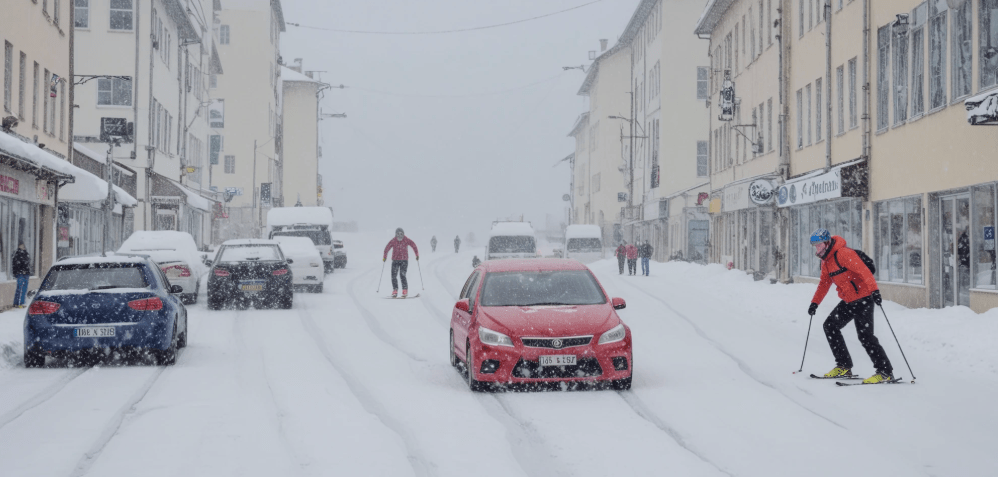
Let me be brutally honest with you right from the start:
Winter storms in Virginia don’t kill people because they’re rare. They kill people because they’re underestimated.
Virginia sits in that dangerous middle ground. Not as cold as Minnesota. Not as mild as Florida. Just cold enough to get snow, freezing rain, ice storms, and multi-day power outages—while convincing people they don’t need to prepare.
That mindset gets people hurt. It gets people stranded. And every winter, it gets people killed.
I’ve been prepping, training, and watching disasters unfold for decades. And every single time a serious winter storm hits Virginia—whether it’s the Blue Ridge, Northern Virginia, Richmond, or the Tidewater region—the same mistakes repeat themselves.
This article breaks down:
- The top ways people die during Virginia winter storms
- Why grocery stores empty faster than anyone expects
- What survival food and supplies actually matter
- Why solar generators are no longer optional
- How to realistically survive a winter storm in Virginia
If this sounds “dramatic” to you, congratulations—you’re exactly the person who needs to read this.
Why Winter Storms in Virginia Are So Dangerous
Virginia’s biggest winter threat isn’t snow depth—it’s ice, power failure, and poor preparedness.
Here’s what makes Virginia uniquely risky:
- Ice storms that bring down power lines
- Wet, heavy snow that collapses trees
- Hilly and mountainous terrain in western regions
- Dense population in Northern Virginia with fragile infrastructure
- Aging power grid that fails fast and restores slowly
- Temperatures that hover around freezing, making hypothermia easy and sneaky
People assume help will arrive quickly. They assume power will be restored “soon.” They assume roads will clear.
They assume wrong.
The Top Ways People Die in Winter Storms in Virginia
Let’s get uncomfortable, because pretending otherwise doesn’t save lives.
1. Vehicle Accidents on Ice and Snow
This is the #1 killer during winter storms in Virginia.
- Black ice on interstates like I-81, I-95, and Route 29
- Overconfident drivers in SUVs and trucks
- People rushing to work “just this once”
- Tractor-trailers jackknifing and shutting down highways
Once you’re stuck on an icy highway, your odds plummet fast—especially if you didn’t pack emergency supplies.
Rule: If the storm is bad, don’t drive. No paycheck is worth dying for.
2. Hypothermia Inside the Home
This one shocks people.
Most hypothermia deaths in Virginia winter storms happen indoors.
Why?
- Power outages lasting days
- Homes not built for sustained cold
- People refusing to wear layers inside
- No backup heat source
When indoor temps drop below 60°F for extended periods, especially for elderly people and children, hypothermia becomes a real threat.
3. Carbon Monoxide Poisoning
Every. Single. Winter.
- Gas generators run inside garages
- Charcoal grills used indoors
- Gas stoves used as heaters
- Poor ventilation
Carbon monoxide is invisible and silent. People fall asleep and never wake up.
If you don’t own a carbon monoxide detector, you are gambling with your life.
4. Medical Emergencies With No Access to Help
During winter storms:
- Ambulances are delayed
- Roads are impassable
- Hospitals are overwhelmed
- Pharmacies are closed
People die from:
- Heart attacks while shoveling snow
- Missed medications
- Diabetic complications
- Respiratory issues
Winter storms don’t cause these directly—but they remove your safety net.
5. Exposure While Clearing Snow or Trees
Chainsaws, ladders, icy roofs, frozen limbs—this is a perfect recipe for fatal injuries.
People fall.
People bleed.
People freeze.
Trying to “handle it real quick” is how you end up as a statistic.
Will Grocery Stores Go Empty in Virginia?
Yes. And faster than you think.
I’ve watched it happen over and over in Virginia.
Here’s the timeline:
- Storm announced → shelves start thinning
- 24–48 hours out → bread, milk, eggs, meat gone
- Day of storm → stores close early or entirely
- After storm → supply trucks delayed for days
And no, curbside pickup and delivery won’t save you.
Just-in-time inventory systems mean stores don’t stock extra. They rely on constant deliveries—which winter storms shut down immediately.
If you’re planning to “run out real quick” once snow starts falling, you’re already too late.
Why Survival Food Prepping Matters (Especially in Virginia)
Survival food isn’t about doomsday fantasies. It’s about time.
Time without power
Time without roads
Time without grocery stores
At minimum, every Virginia household should have:
- 7–14 days of food per person
- No refrigeration required
- Minimal cooking needed
Best Survival Food Options
- Freeze-dried meals (long shelf life, lightweight)
- Canned meats and soups
- Rice, beans, pasta
- Protein bars
- Peanut butter
- Instant oatmeal
If your food plan requires electricity, refrigeration, or daily store access—it’s not a plan.
Solar Generators: The Smart Prepper’s Power Solution
Gas generators fail people every winter:
- No fuel
- Frozen engines
- Carbon monoxide risk
- Noise and theft
Solar generators, when paired with battery storage, are a game changer in Virginia.
They can power:
- Phones and radios
- Medical devices
- LED lights
- Small heaters
- Refrigeration
- Internet routers
Solar generators don’t need fuel deliveries, and they work quietly—even during extended outages.
If you live in Northern Virginia or anywhere with dense housing, solar is often the only safe option.
Essential Winter Survival Supplies for Virginia
Here’s what I expect any serious prepper in Virginia to own:
Power & Heat
- Solar generator + battery
- Power banks
- Safe indoor-rated heater
- Extra blankets and sleeping bags
Clothing & Shelter
- Thermal layers
- Wool socks
- Hats and gloves
- Emergency bivy blankets
Food & Water
- Minimum 1 gallon of water per person per day
- Non-perishable food
- Manual can opener
Safety & Medical
- First aid kit
- Prescription backups
- Carbon monoxide detectors
- Fire extinguisher
Communication
- NOAA weather radio
- Flashlights (not candles)
- Extra batteries
If you don’t have these, you’re not “fine.” You’re just lucky—so far.
Why Survival Prepping Matters More Than Ever
Virginia’s population keeps growing. Infrastructure isn’t keeping up. Weather patterns are getting more extreme.
And yet people still act shocked when:
- Power stays out for 5+ days
- Roads remain blocked
- Emergency services are delayed
- Stores stay empty
Prepping isn’t paranoia.
It’s accepting reality.
The government will not save you fast enough. Utilities will not prioritize your house. Grocery stores will not magically restock.
You survive by being ready before the storm hits.
Final Word From an Angry Prepper
Every winter storm death in Virginia shares one thing in common:
Someone assumed it wouldn’t be that bad.
If you take nothing else from this article, take this:
- Don’t drive unless you must
- Don’t rely on the grid
- Don’t wait until the shelves are empty
- Don’t assume help is coming fast
Prepare now, calmly and deliberately—so you don’t panic later.
Winter doesn’t care how busy you are.
And it definitely doesn’t care how unprepared you are.
 TheDailyChristian