Arizona Power Outages and How to Stay Safe With No Electricity During SHTF

When the power goes out, life changes fast. If you’re in Arizona—especially during a heatwave or monsoon season—a blackout isn’t just an inconvenience. It can quickly become a life-threatening situation. Whether it’s a short-term grid failure or part of a larger SHTF (Sh*t Hits the Fan) scenario, being prepared is more than just smart—it’s essential.

As a survivalist who’s spent years studying off-grid living, I’m here to help you approach these challenges with calm, wisdom, and practical know-how. Let’s walk through five essential survival skills you need when the grid goes down, three DIY electricity hacks to keep you powered up, and the top survival items no Arizonan should be without. We’ll also discuss which cities in Arizona are the riskiest places to be during a power outage—and why.


Five Critical Survival Skills When You Have No Electricity

1. Water Sourcing and Purification

Without electricity, municipal water systems can fail. Arizona’s arid climate means you must plan for water storage and purification long before an emergency hits. Store at least one gallon per person per day for two weeks minimum.

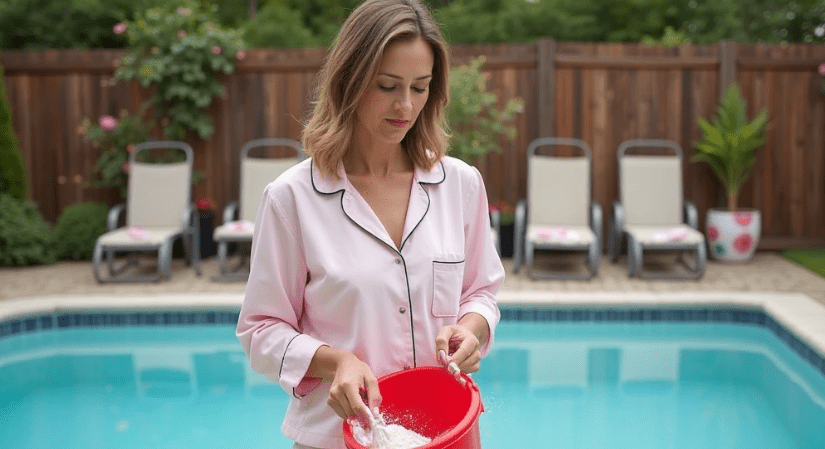
Skill to learn: Make a DIY gravity-fed water filtration system using activated charcoal, sand, gravel, and a five-gallon bucket. Learn to identify safe natural sources like rainwater or dew collection, and always purify water using filters, boiling, or purification tablets.

2. Cooking Without Power

When your electric stove or microwave is out of commission, you need reliable off-grid cooking methods.

Skill to learn: Build a solar oven from a cardboard box, aluminum foil, and a glass cover. It’s surprisingly effective in Arizona’s intense sunlight. Alternatively, use a propane camping stove or rocket stove, and learn to cook with cast iron over an open flame.

3. Home Cooling and Heat Regulation

In Arizona, especially southern cities like Phoenix or Yuma, heat can become deadly without AC. You’ll need to understand passive cooling techniques.

Skill to learn: Create cross-breezes using windows and reflective window covers. Learn to set up thermal mass (like water barrels or adobe walls) that absorb heat during the day and cool at night. Make DIY swamp coolers using a fan, ice, and damp towels for evaporative cooling if humidity allows.

4. Food Preservation

Refrigeration is out during a blackout. You’ll need ways to preserve meat, fruits, and vegetables without electricity.

Skill to learn: Master dehydration using solar dehydrators. Learn to salt, smoke, and ferment food safely. Canning is also essential; invest in a pressure canner that can be used on a propane stove or open fire.

5. Security and Situational Awareness

With no power, streetlights and alarm systems stop working. Desperation breeds danger. You need to secure your home and be aware of who’s coming and going.

Skill to learn: Practice perimeter checks, set up noise alarms with string and tin cans, and learn the basics of self-defense. Build strong community ties before disaster hits—trusted neighbors are your best asset when things go dark.


Three DIY Electricity Hacks During a Blackout

Even if the grid is down, a little ingenuity goes a long way. Here are three clever DIY hacks to generate limited electricity when you need it most:

1. Bike-Powered Generator

Convert an old bicycle into a pedal-powered generator. All you need is a bike, a car alternator, a belt, and a battery to store the energy.

How it helps: You can charge phones, small radios, or LED lights with a bit of pedaling. It’s a great cardio workout and can be a lifesaver in prolonged outages.

2. Solar Panel Battery Bank

You don’t need a massive solar setup to stay afloat. A couple of 100-watt panels, a deep-cycle battery, and a charge controller can keep essential electronics running.

DIY tip: Mount the panels on a piece of plywood or lean them on your roof or yard. Even in partial sun, Arizona gives you more than enough solar exposure for this to work year-round.

3. Hand-Crank Power Chargers

Make a hand-crank charger from an old cordless drill and a voltage regulator. It’s not easy work, but it provides essential power for radios or emergency LED lights.

Why it matters: In a communication blackout, staying informed could mean the difference between safety and disaster.


The 3 Most Important Survival Products for a No-Electricity Scenario

When you’re forced off-grid, having the right gear on hand can make all the difference.

1. Solar Generator Kit (Portable Power Station)

A solar generator provides silent, renewable energy. Unlike gas generators, you won’t need fuel—which may be unavailable or dangerous to store. Look for systems with USB ports, AC outlets, and solar panel compatibility.

2. Gravity-Fed Water Filter (Like a Berkey or DIY Equivalent)

Clean water is non-negotiable. A gravity filter works without electricity and can purify hundreds of gallons before the filters need replacing. In Arizona’s dry climate, safe hydration is top priority.

3. LED Headlamps and Lanterns (Rechargeable)

Light equals safety, comfort, and productivity. Rechargeable headlamps and solar lanterns are compact, lightweight, and highly functional. Always have a backup battery bank charged.


The 5 Worst Cities in Arizona to Experience a Power Outage

Arizona’s climate, population density, and infrastructure make certain cities more dangerous during blackouts. Here’s where you’d least want to be without power—and why.

1. Phoenix, AZ

Population: ~1.6 million
Why it’s risky: Phoenix can reach 115°F+ in summer. With high-rise apartments, concrete sprawl, and dense population, a power outage can quickly overwhelm emergency services. Lack of AC in the summer is a genuine health threat.

2. Yuma, AZ

Population: ~100,000
Why it’s risky: Yuma is one of the hottest cities in the U.S., with over 100 days a year above 100°F. Blackouts in July or August here could result in heatstroke or death for those without cooling options.

3. Tucson, AZ

Population: ~550,000
Why it’s risky: Tucson is surrounded by desert and experiences monsoon storms that already cause frequent blackouts. Its aging electrical infrastructure and large elderly population make outages particularly dangerous.

4. Lake Havasu City, AZ

Population: ~57,000
Why it’s risky: Isolated location and brutal summer heat make this resort town vulnerable. Limited hospital and cooling center access make extended outages problematic, especially for seniors and tourists.

5. Casa Grande, AZ

Population: ~60,000
Why it’s risky: Located between Phoenix and Tucson, this fast-growing town doesn’t have the infrastructure to handle prolonged blackouts. Water access and emergency services can get strained quickly, especially during peak summer.


Final Thoughts: Stay Calm, Stay Ready

Surviving without electricity isn’t just about gear—it’s about mindset. The truth is, no one can predict when the grid might go down, whether from cyberattack, wildfire, monsoon storms, or system overload. But when you’re mentally prepared and practically skilled, you become a source of strength for yourself and others.

Practice your skills before the lights go out. Run weekend drills. Cook dinner using only solar or off-grid tools. Try going 48 hours without power. Take notes. Improve. Encourage your family or neighbors to do the same.

As preppers, we don’t live in fear—we live in preparedness. And in doing so, we find resilience, independence, and even joy in the challenge. You’ve got this.

Stay safe. Stay strong. And never stop learning.
How To Stay Safe and Not Die During a Riot in Arizona

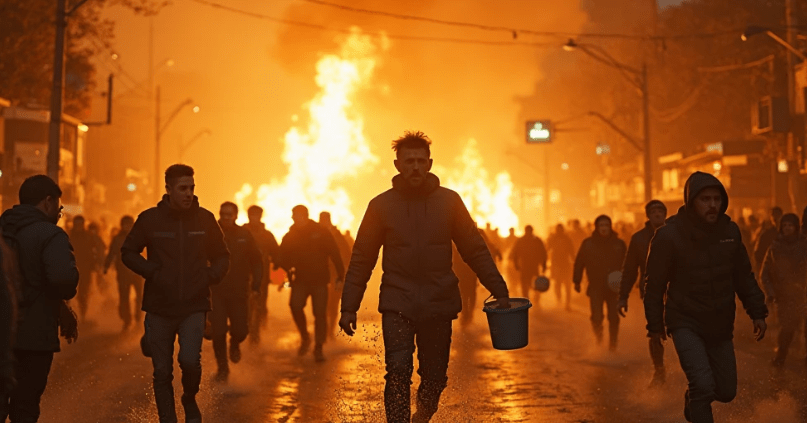
Let me level with you—if you’re living in or traveling through Arizona and the streets erupt into chaos, your survival depends on how well-prepared you are and what you know how to do under stress. Riots aren’t just crowds and chants. They can turn violent, fast. It only takes one spark—one broken window, one thrown rock—for things to spiral.

I’ve trained in multiple survival disciplines, from urban escape tactics to hand-to-hand combat, and I’ve seen what happens when people freeze. If you’re reading this, you already know instinct and information can mean the difference between getting home safe and getting carried away on a stretcher—or worse.

Understand the Threat

In Arizona, you have to factor in more than just the human element. Heat, dehydration, and distance between safe zones can complicate everything. If a riot breaks out in Phoenix, Tucson, or even Flagstaff, you’re looking at blocked roads, limited law enforcement, and a population on edge. Cell service might crash. Water may be scarce. Stores will close. That’s your setting. Now let’s get to what matters—staying alive.


8 Self-Defense Skills That Could Save Your Life

1. Situational Awareness

This is your first weapon. Know your exits. Watch people’s hands, not their mouths. Scan for objects being thrown, vehicles approaching, or mobs changing direction. You want to read a situation five steps ahead before it turns hostile.

2. Verbal De-escalation

Before fists fly, words can buy you time or a safe retreat. Learn how to lower your tone, control your breathing, and not appear aggressive or confrontational. Most people just want to vent, not fight—unless you give them a reason.

3. Palm Heel Strike

Forget Hollywood punches. A palm heel strike to the chin or nose can disorient an attacker instantly. Aim upward, push through the target, and get moving. You want space, not a brawl.

4. Escape from Grabs

If someone grabs your wrist, don’t yank. Rotate your arm toward the attacker’s thumb (weakest part of the grip) and pull free. Then move—don’t try to “win” a street fight.

5. Improvised Weapon Use

A pen, flashlight, or belt can become a defensive tool. Know how to use everyday items for leverage, distraction, or deterrence. A heavy-duty flashlight to the collarbone? That drops anyone.

6. Ground Defense

If you’re taken to the ground, stay calm. Use your legs to create distance—what we call “kicking range.” Protect your head and get to your feet fast. Never let someone pin you during a riot. You’re vulnerable to trampling, looting, and worse.

7. Multiple Attacker Strategy

Don’t try to fight off a group. Prioritize movement. Use obstacles like cars, fences, or trash cans to create bottlenecks. Focus on evasion, not dominance.

8. Weapon Retention (and Use)

If you’re carrying a legal concealed weapon—know how to keep it. If it’s exposed, it becomes a target. Know your state laws, and if you’re forced to use it, make sure it’s a last resort. Understand where to aim, and always assume witnesses are filming.


3 DIY Survival Weapons You Can Build Fast

1. PVC Pipe Baton

What you need:

  • 1.25-inch PVC pipe (2 feet long)
  • Sand or gravel (for weight)
  • Duct tape or paracord (for grip)

Fill the pipe with sand, cap both ends, and wrap the handle with grip tape. This can’t be legally classified as a weapon in most areas—but it’s solid enough to break glass or defend against an attacker.

2. Sling Shot with Surgical Tubing

What you need:

  • Y-shaped tree branch or pre-cut handle
  • Surgical tubing (from medical or hardware store)
  • Leather patch (cut from old glove)

This gives you range defense. You can launch rocks, steel bearings, or marbles. It’s silent, and if you know how to aim, it can stop someone at 20 feet—hard.

3. Tactical Spear (Hiking Staff Mod)

What you need:

  • Hardwood staff or aluminum hiking pole
  • Duct tape
  • Fixed blade knife (full tang preferred)

Secure the knife at one end with duct tape and paracord. You now have a spear for distance defense, animal deterrent, or window breaking. It doubles as a walking stick.


Urban Survival Mindset

Here’s the thing people forget: a riot isn’t a movie. It’s loud, confusing, and people lose their minds when they feel anonymous. Your best defense is to avoid the fight altogether. But if you can’t, move with confidence. Confidence is disarming.

Dress down—no flashy gear or brands. Wear neutral colors. Tactical gear attracts attention in crowds. Go gray man. That means blending in while being fully prepared to respond.

Carry a get-home bag. Keep:

  • Water (1 liter minimum)
  • Multi-tool
  • Flashlight
  • Spare cash
  • Portable charger
  • Copies of ID and emergency numbers

Always let someone know where you’re going. Plan routes with backup exits. Use alleys, fire escapes, and rooftops if necessary.


Arizona-Specific Tips

Heat is a weapon. You need hydration, even in the winter. Don’t underestimate how fast you can dehydrate during physical exertion in 90+ degree weather.

Terrain awareness is key. Arizona has wide-open roads and large urban sprawl. If riots shut down interstates or key highways (I-10, I-17), you’re walking a long way.

Law enforcement response will vary. Arizona cities have tactical response teams, but they may not prioritize you. In chaos, you’re on your own.

Watch for flashpoints. Areas near government buildings, universities, or police departments are usually the first to blow. Avoid them at all costs.


Final Advice

You don’t need to be a black belt. You don’t need a bug-out bunker. You just need to know what to do, and have the guts to do it when the time comes.

Keep your eyes open. Move smart. Fight only when you have to—and if you fight, finish it fast and get out.

Survival isn’t about macho. It’s about staying quiet, staying sharp, and staying alive.


Survival Behind the Wheel: Conquering Arizona’s Deadliest Roads in a Disaster

I’ve driven everything from a beat-up Tacoma in the Sonoran Desert to an armored Defender through washed-out jungle roads in Central America. Let me tell you, nothing quite prepares you for the unforgiving terrain of Arizona during a natural disaster. Between flash floods, wildfires, dust storms, and heat waves, the roads here turn from useful ribbons of asphalt into potential deathtraps. If you’re caught off-guard, you could find yourself stranded without help for miles.

I’ve made it my mission to study and conquer these threats. Whether you’re trying to get your family out of a wildfire zone or bugging out during a power grid collapse, mastering survival driving is your ticket to staying alive.

Arizona’s Worst Roads in a Disaster

First, let’s talk about the roads you need to be wary of. These stretches can turn catastrophic fast.

  1. I-17 Between Phoenix and Flagstaff – Twisting elevation changes, steep grades, and choke-points make this corridor a nightmare in wildfire evacuations or winter storms.
  2. State Route 88 (Apache Trail) – This scenic byway turns into a crumbling dirt trap with sharp switchbacks. One rainstorm and it becomes impassable.
  3. US-93 Between Wickenburg and Hoover Dam – A hotspot for accidents even in good conditions. In a disaster? Expect total gridlock or worse.
  4. I-10 East of Tucson – Known for dust storms that hit without warning, cutting visibility to zero.
  5. State Route 264 on the Hopi Reservation – Beautiful, but remote. In a grid-down scenario, help could be days away.
  6. US-191 in the White Mountains – Twists, turns, and limited cell service make it dicey in wildfire conditions.

Now that we’ve covered where not to be, let’s talk about how to get out if you are there.


15 Survival Driving Skills That Can Save Your Life

  1. Off-Roading Basics – Learn to read terrain and navigate soft sand, rocks, and washes. A 4WD vehicle won’t help if you don’t know how to use it.
  2. Water Crossing Techniques – Know how to gauge water depth and current before crossing washes or flooded roads. Cross at a 90-degree angle and avoid water over 6 inches deep.
  3. Escape Route Planning – Always have three exits in mind, even if you’re on a freeway. Use topo maps—not just GPS.
  4. Situational Awareness – Scan 360 degrees every few seconds. What’s the wind doing? Where’s the fire line? Any stalled vehicles ahead?
  5. Driving Without GPS – Learn to use a compass and paper map. Solar flares or cyberattacks could render GPS useless.
  6. Driving in Dust Storms – Don’t slam on the brakes. Pull off as far as you can, kill your lights, and wait it out. Visibility can drop to inches.
  7. Fuel Discipline – Top off your tank when you hit half. Never let it drop below a quarter in a crisis zone.
  8. Aggressive Maneuvering – Practice J-turns and quick evasive lane changes on dirt roads—especially if escape requires avoiding crowds or fallen debris.
  9. Vehicle Hardening – Protect your radiator with mesh, keep a second spare tire, and carry extra fluids. Heat kills engines.
  10. Night Navigation – Learn to drive in blackout mode using night vision or low beams taped down. Great for evading attention.
  11. Driving Through Fire Zones – Close all vents, keep windows up, drive with headlights on even during the day. Avoid rubberized road shoulders—they can ignite.
  12. Manual Transmission Recovery – Know how to clutch-start a vehicle with a dead battery. Push-starting can save your life in a grid-down escape.
  13. Downhill Braking Techniques – Use engine braking instead of relying solely on your brakes. Overheated brakes are common on I-17’s steep descents.
  14. Vehicle Recovery – Carry a tow strap, traction boards, and a winch if possible. Getting stuck in Arizona’s backcountry in 115°F is a death sentence.
  15. Emergency Signaling – In case you do get stuck, use mirrors, flares, and even SOS patterns with headlights or rocks to attract attention.

3 DIY Survival Driving Hacks When You Run Out of Gas

If you’re out of fuel in the middle of nowhere, you’re not out of options—yet.

1. Alcohol-Based Fuel Hack

If you’re carrying a bottle of high-proof alcohol (e.g., Everclear), it can work as an emergency fuel in small quantities—especially in older carbureted engines. You won’t get far, and performance will drop, but it might get you a few critical miles. Mix no more than 10–20% alcohol into the tank to avoid engine damage.

2. Solar Still for Water, Not Fuel

While you’re stuck, staying hydrated is top priority. Build a solar still with a plastic tarp, a container, and a few rocks. This won’t get you moving, but it’ll keep you alive long enough to wait for help or hike out.

3. Siphoning Fuel

Carry a length of food-grade tubing. Many stranded cars in a disaster still have fuel. Newer models have anti-siphon tech, but you can still access the fuel tank from underneath with basic tools. Be respectful—do it only in life-or-death scenarios.


Final Thoughts: Drive Like Your Life Depends on It (Because It Does)

You can have all the gear in the world, but if you don’t have the mindset, none of it matters. Driving in a disaster isn’t about speed. It’s about control, awareness, and adaptability. I’ve seen people die on perfectly paved roads because they panicked or didn’t understand how their vehicle worked. I’ve also seen a 20-year-old Subaru Outback make it through floodwaters because the driver kept his cool and stuck to the high ground.

Every year, more people move to Arizona without knowing the risks. If you live near Flagstaff, Sedona, Tucson, or even the outer reaches of Phoenix, you need to prepare. Nature doesn’t give warnings that make sense. One moment you’re fine, the next you’re boxed in by wildfire or stuck in a dry riverbed that suddenly becomes a torrent.

So here’s your assignment: take a weekend. Find a safe trail near you. Load your vehicle like it’s go time. Practice maneuvering. Simulate a dead GPS. Drive with purpose. Then review what went wrong.

Because someday it might not be a drill.

And when that day comes, you’ll be glad you learned to drive like a survivor.

Arizona Homestead Lifestyle: A Survivalist’s Manifesto

Listen up, because I’m not going to sugarcoat this. If you’re thinking about homesteading in Arizona, you better be ready to fight. Not with fists, not with firearms—though you’d damn well better know how to use both—but with grit, sweat, and a raw-boned kind of determination most folks nowadays don’t have the spine for. This isn’t some Instagram-filtered fantasy where you prance around in a straw hat and harvest peaches. This is Arizona. The sun will try to kill you. The land doesn’t care if you live or die. And the government? They’ll either tax you into the dirt or regulate your freedom to death.

But I’m not here to coddle. I’m here to tell you what it takes to thrive.


The Arizona Advantage (and Curse)

Arizona’s got a brutal beauty. It’s dry, hot, and unforgiving—like a rattlesnake that doesn’t warn before it strikes. But it also means low humidity, long growing seasons (if you’re smart), and enough land still available to carve out something real. You can live free here—if you’re ready to work harder than most people have ever dreamed.

Water is the lifeblood out here, and it’s scarce. If you can’t figure out how to manage water, you’re screwed. I don’t care how nice your cabin is or how many solar panels you slap on the roof. If you can’t hydrate your land and your livestock, you’re done before you start.

So you want to live the homestead lifestyle in Arizona? Here’s what you must learn, do, and never forget.


15 Essential Homestead Skills for Arizona Survivalists

  1. Rainwater Harvesting – Capture every damn drop. Set up barrels, gutters, underground cisterns—whatever it takes. It’s legal in Arizona, so use it to your advantage before that changes.
  2. Drip Irrigation Systems – Wasting water in Arizona is idiocy. Learn to run a drip system from rainwater catchment. Mulch deep. Keep that ground moist or your crops will die screaming.
  3. Solar Power Setup and Maintenance – The sun’s brutal, but it’s also your best friend. Invest in a solid off-grid solar system and understand how to maintain it yourself. No excuses.
  4. Desert Gardening – You’re not in Kansas. Learn what grows here: mesquite, prickly pear, tepary beans, amaranth. Native, drought-resistant, calorie-dense crops are your lifeline.
  5. Canning and Food Preservation – When harvest comes, it all comes fast. You better know how to can, dehydrate, smoke, and root cellar or you’ll rot right along with your veggies.
  6. Animal Husbandry – Goats, chickens, rabbits. These are your protein producers. Know how to breed, butcher, and keep them alive when the temps hit 110.
  7. Butchering and Processing Meat – No, the store isn’t coming to save you. You better know how to skin, gut, and preserve meat or you’ll be wasting life—and lunch.
  8. Composting and Soil Building – Arizona dirt is garbage. You’ll need to turn it into something alive. Compost every scrap, use worms, and know how to read soil like a book.
  9. Firearm Handling and Marksmanship – It’s not just your right—it’s your responsibility. Predators, trespassers, and two-legged varmints don’t wait for a call to the sheriff.
  10. Basic First Aid and Herbal Remedies – Closest hospital might be 50 miles away. Know how to stitch a wound, set a bone, and use wild herbs to stop bleeding or cure infection.
  11. Blacksmithing and Tool Repair – When things break (and they will), you need to fix them. Weld. Sharpen. Forge. Don’t be a tool-less fool.
  12. Cob and Adobe Construction – You don’t need fancy lumber when you’ve got dirt. Learn how to build with cob, adobe, and earthbags. Cool in the summer, warm in the winter.
  13. Barter and Trade Skills – In a real crisis, cash is trash. Skills and goods matter. Learn how to trade like your life depends on it—because it might.
  14. Fuel and Wood Harvesting – Even in desert country, you’ll need fire. Learn where and how to gather wood legally and efficiently. Mesquite and juniper are your friends.
  15. Homeschooling and Self-Education – If you’ve got kids, it’s your job to raise ‘em smart and tough. Teach them truth, math, and survival—not the state’s propaganda.

3 DIY Homestead Hacks (Because Clever Beats Rich)

  1. Evaporative Cooling Jug Fridge (Zeer Pot)
    In Arizona heat, keeping food from spoiling is critical. Build a zeer pot with two unglazed clay pots (one inside the other), fill the gap with wet sand, and cover it with a wet cloth. Place it in a shady, breezy spot. It’ll drop temps by 20-30°F—no electricity required.
  2. Rocket Stove From Scrap Metal
    Stop relying on propane. Build a rocket stove from leftover metal piping or bricks. Efficient as hell, burns twigs, and can cook a full meal or boil water without wasting fuel. Great for backup or everyday use.
  3. Wicking Beds From Old Tubs or Troughs
    Use a busted bathtub, livestock trough, or even a plastic tote. Line it, fill with gravel, lay a perforated pipe, and top with soil. Water from the bottom up—it saves tons of water and keeps plants hydrated longer.

Final Warning and Encouragement (Yeah, I’m Contradictory—Get Used to It)

If you think you’ll “try” homesteading in Arizona, don’t bother. This ain’t a try thing. This is all-in, bleed-and-sweat, die-if-you-quit living. Your neighbors will either be tough as rawhide or totally useless. Pick your friends like you pick your firearms: reliable, rugged, and ready when needed.

But here’s the hard truth: there is nothing—I mean nothing—more rewarding than taking your independence back from a system that wants you docile and desperate. Every chicken egg you gather, every tomato you can, every gallon of water you pull from the sky is a middle finger to the technocratic parasites who want you enslaved to convenience.

Homesteading in Arizona is war. A war against the elements, the calendar, the consumer lifestyle, and the lie that you can’t survive without the system.

Well guess what?

You can.

And if you’re crazy, stubborn, and hungry enough—you will.

Welcome to the fight. Welcome to the land. Welcome to the life.

Let the desert burn away what’s weak. What’s left? That’s your real self.

Live hard. Homestead harder.

Is Arizona’s Drinking Water Safe? Hah. You’re Dreaming.


If you think Arizona’s tap water is “safe” just because the state or the EPA slapped a label on it, then you’re already a walking casualty. The truth is simple: you can’t trust a damn thing that flows from your faucet. And in the desert? Water isn’t just survival — it’s power. It’s everything. And if you don’t take control of your water, someone else already has.
The water in Arizona isn’t just bad. It’s dangerous. We’re talking arsenic. Nitrates. Radioactive elements like uranium and radium. PFAS “forever chemicals” that don’t leave your system — ever. Municipalities might tell you it’s “within federal standards,” but what they mean is: “You might not drop dead today, so we’re calling it good enough.”


And if the system collapses tomorrow — grid down, power out, supply chains frozen — where do you think that clean water’s coming from? No tap, no truck, no help. Just you and your knowledge. Or your lack of it.
So I’m going to give you the tools to stop being a dependent, soft-bellied liability and start being the survivor your ancestors would actually respect.

15 Water Filtration Survival Skills Every Arizona Prepper Must Know
1. Boil Like Your Life Depends on It (Because It Does)
One full-tilt, rolling boil for at least three minutes, more if you’re at higher elevation. Arizona has mountains. Adjust accordingly or drink regret.
2. DIY Charcoal Filter
Activated charcoal can pull out chemicals like chlorine and pesticides. Make your own with hardwood charcoal, crushed fine. Layer it with sand and gravel in a bottle — pour slow, filter twice.
3. Solar Still (Desert Hack #1)
Dig a hole, lay a container in the center, add green vegetation or urine (yeah, I said it), cover with plastic sheeting, and weight the center. Let the Arizona sun do its thing.
4. Ceramic Filters
Get one. Learn to clean it. Learn to replace it. Ceramic is your friend. It filters out bacteria, sediment, and protozoa. Not fast, but it works.
5. Pump Filters (Field Grade)
You want a hand-pump that handles viruses, bacteria, and chemicals. Don’t cheap out. If your filter doesn’t knock out 99.999% of the bad guys, it’s a paperweight.
6. UV Sterilization (Solar or Battery-Powered)
Arizona’s got sunlight. Use it. A SteriPen can nuke the viruses, but make sure your water’s already clear — UV can’t punch through mud.
7. Know Your Contaminants
Arizona is loaded with arsenic and uranium in groundwater. These aren’t killed by boiling. You need solid filters that trap heavy metals. Reverse osmosis, if you’ve got power. If not, you’d better hope you remembered that charcoal.
8. Pre-Filter Everything
A sock. A t-shirt. A coffee filter. Use something to get out the grit and grime. Keep your main filter alive longer.
9. Clay Pot Filtration
Porous clay slowly filters water while reducing bacteria. DIY this from local materials, coat with colloidal silver if you’re chemically inclined.
10. SODIS Method
Fill a clear PET bottle with water and let it sit in the full Arizona sun for 6+ hours. UV radiation will kill most bacteria and viruses. Free, easy, and good for emergencies.
11. Know Your Sources
The Salt River, Verde River, and Colorado River aren’t pure mountain springs. Agricultural runoff, industrial discharge, and wastewater recycling feed into them. Don’t drink unfiltered river water unless you’re trying to die.
12. Bio-Sand Filters
Build your own slow-sand filter. Layer gravel, sand, and charcoal. Let a microbial layer form at the top — it eats the pathogens. Great for long-term setups.
13. Backup Filters
One is none. Two is one. If your only filter cracks or clogs, you’re toast. Carry backups. Protect them like your life depends on it — it does.
14. Boil with Fire or Sun Oven
You don’t have electricity? Big shock — it’s Arizona in a blackout. Learn to boil over a fire pit or solar oven. No power = no excuses.
15. Desert Rain Harvesting
Illegal in some cities, but survival doesn’t care about permits. Get a tarp, funnel runoff into a container, and filter the hell out of it. Rooftop water is loaded with dust and bird crap. Don’t sip it straight.

3 DIY Survival Drinking Water Hacks
1. Charcoal + Sand Bottle Filter
Take a plastic bottle. Cut the bottom off. Stuff in layers: cloth, charcoal, sand, gravel. Pour water through slowly. Repeat a few times. Then boil or UV it. This is basic, but it works.

2. Cactus Water Caution
Prickly pear pads contain mucilage that can clarify water — it binds heavy metals and particles. But don’t drink raw cactus water — it can be toxic. Use it as a filtration agent only, and then purify after.

3. Evaporation Bag Method
Wrap a plastic bag around a leafy plant or tree limb, tie it off, and wait. Moisture evaporates and condenses inside the bag. Not fast, but 100% drinkable with no treatment. Survival-grade stuff.


So… Is Arizona’s Drinking Water Safe?
No. And stop asking. That question assumes someone else is taking responsibility for your life. Here’s what’s really happening:
Arsenic is naturally high in groundwater, especially in rural wells.
Radium and uranium show up in water systems from volcanic rock.
PFAS chemicals (industrial runoff) have tainted multiple water systems across the state.
Colorado River water is increasingly contaminated and overused.
Aging infrastructure means that even city water can run through lead-lined pipes.
Municipal water treatment plants can’t keep up. And even when they try, they don’t treat for everything. You’re getting a cocktail of chlorine, fluoride, sediment, and maybe a little bonus radium if you’re lucky. Congratulations — your kitchen tap is a chemical experiment.

What You Need to Do Now
Get a gravity-fed filter for daily use. Berkey, Alexapure, ProOne — pick your poison.
Buy portable filters for emergencies — Sawyer, Katadyn, MSR.
Stock up on purification tabs — iodine, chlorine dioxide.
Set up rainwater catchment, rooftop or tarp.
Dig a solar still in your backyard and PRACTICE.
Filter and boil everything. Even your “safe” tap water.
Test your well — arsenic, uranium, nitrates. Get a full lab test. Don’t guess.

Screenshot


Bottom Line
Arizona’s water is a minefield. Just because it comes out clear doesn’t mean it’s clean. It’s what you don’t see — heavy metals, radionuclides, chemical residues — that’ll kill you slow.
Don’t rely on the government. Don’t trust a press release. Don’t assume your water filter is enough. Know how to clean your water ten different ways, and then learn five more.
Because when the day comes that you turn the tap and nothing flows, or worse — something does flow and it’s poison — it’ll be too late to learn.
This isn’t about prepping anymore. This is about reality. And reality doesn’t care if you’re ready. So you’d better be.
Filter. Boil. Test. Repeat. Or die thirsty. Your choice.

Top Hiking Trails in Arizona: Conquer Them, But Don’t Underestimate Their Threat

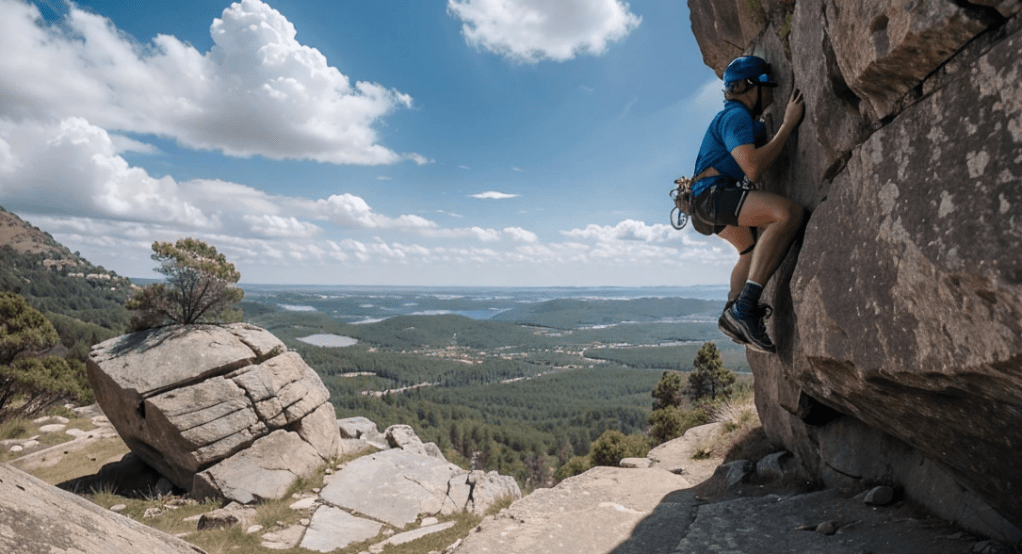
Arizona. Land of sun-scorched deserts, towering red rock cathedrals, and canyon chasms that could swallow you whole if you take one misstep. For many, it’s just a destination for a winter getaway. But for folks like me—part mountain goat, part doomsday prepper—it’s a sacred battleground. Hiking here isn’t just about breathtaking views. It’s about survival. It’s about sharpening your mind, your feet, and your instincts against nature’s unforgiving terrain.

If you’re looking to challenge yourself mentally, physically, and even spiritually, these top hiking trails in Arizona are for you. But don’t let their postcard beauty fool you. These trails can humble the unprepared. And in the backcountry, humility can turn into mortality real quick.

So buckle up your pack, double-check your gear, and listen up. I’ve hiked ’em all, prepped for worst-case scenarios on every one, and I’m still here to tell the tale.


1. Bright Angel Trail – Grand Canyon National Park

Let’s start with a classic. Bright Angel Trail is the gateway into the Grand Canyon’s abyss. Sure, it’s well-maintained and popular. But that’s also why people let their guard down—and that’s a fatal mistake.

Distance: 9.5 miles one way to the river
Threat Level: High if unprepared

The descent feels easy, deceptively so. You’re walking downhill into cooler air, shaded pockets, and canyon beauty. But the moment you turn around to ascend, it hits you: the heat, the elevation gain, the brutal sun reflecting off those rock walls like an oven.

Survival Tip: Always hike out with twice the water you think you’ll need. I don’t care if you saw someone hike it with a bottle of Gatorade and flip-flops. People die here every year because they underestimate that return climb. Bring electrolytes, emergency rations, and a headlamp—even if you think you’ll be done by noon.


2. Camelback Mountain – Echo Canyon Trail

This one sits right in the heart of Phoenix. It’s only 2.4 miles round trip. Sounds like a breeze, right? Think again.

Distance: 1.2 miles one way
Threat Level: Extreme due to overconfidence

This is where weekend warriors go to get humbled. The ascent is steep, rocky, and often crowded with people who didn’t bring water or wore fashion sneakers. In the summer, the trail closes midday due to extreme heat—and with good reason.

Survival Tip: Camelback is the most rescued trail in Arizona. Bring gloves for the rock scrambles, wear proper footwear, and start before sunrise if it’s summer. I carry a trauma kit every time, because twisted ankles, dehydration, and even heat stroke can strike fast here.


3. Havasu Falls Trail – Havasupai Reservation

Ah, Havasu. The crown jewel. Those turquoise waterfalls look like a dream. But getting there? That’s a 10-mile trek one way through canyonland with little to no shade.

Distance: 20 miles round trip
Threat Level: High due to isolation and permit restrictions

The danger here isn’t just the hike—it’s the logistics. You need a permit to access the trail, which books up fast. The trailhead is remote, and once you’re down in the canyon, there’s no cell service, and helicopters only fly out in emergencies.

Survival Tip: Respect the land. This is sacred territory. Prepare for total self-reliance. Bring water purification, backup batteries, and a printed map. I also stash a collapsible solar panel in my kit—sunlight is abundant, but power sources are not.


4. Superstition Mountains – Siphon Draw to Flatiron

The Superstitions earn their name. Legend has it there’s lost gold hidden deep in these mountains, but many have gone looking and never returned. I believe it. This is rugged, remote, and technical terrain.

Distance: ~6 miles round trip
Threat Level: Dangerous for the uninitiated

Flatiron via Siphon Draw is not marked. You’ll scramble, boulder-hop, and lose the trail more than once. In summer, the heat can exceed 110°F before noon. In winter, ice on the rocks makes falls deadly.

Survival Tip: Bring GPS, but don’t rely on it. Know how to read topo maps. This is where you learn that true survivalists navigate with compass and instinct. Carry extra food, a bivvy sack, and expect delays. Weather changes fast out here.


5. Rim to Rim – Grand Canyon

This isn’t a trail. It’s a rite of passage. And it’s not for amateurs.

Distance: ~24 miles one way
Threat Level: Expert only

Whether you start at the North Rim or the South Rim, you’ll cross multiple ecosystems, descend thousands of feet, and ascend thousands more. It’s brutal. Most people camp overnight. Some ultra-athletes do it in one day. But even the toughest break here.

Survival Tip: Train like your life depends on it—because it does. Hydrate two days before. Cache water at Phantom Ranch if you can. Know your exit points, and have a resupply strategy. Don’t attempt in summer unless you really know what you’re doing.


6. Humphreys Peak – San Francisco Peaks

Arizona’s highest point, 12,637 feet, might look like a walk in the pine forest. And it is—for the first few miles. Then the altitude starts gnawing at you.

Distance: 10 miles round trip
Threat Level: Medium-High for altitude novices

The weather up top can change in minutes. Lightning storms roll in suddenly. Snow can coat the trail into June. I’ve seen grown men turn back with altitude sickness while 12-year-olds push ahead. Nature doesn’t care how tough you are. It’s about preparedness.

Survival Tip: Dress in layers and check the weather at three altitudes: base, tree line, and summit. Always carry a storm shell, space blanket, and signaling mirror. If you’re above treeline and see thunderheads, descend immediately.


Final Words From a Fellow Trail-Hardened Soul

Hiking in Arizona isn’t a Sunday stroll through some suburban park. It’s a test. A glorious, beautiful, soul-recharging test that will challenge every part of you—if you do it right. And if you do it wrong, it’ll take something from you. Maybe just your pride. Maybe your gear. Maybe more.

Respect the land. Learn the terrain. Treat every hike like a survival scenario, because every time you hit the trail, you’re running a live-fire drill for the real deal. Whether it’s a lost hiker, a flash flood, a heat wave, or just plain bad luck, nature doesn’t play favorites.

The trails I listed above? They’re more than just “top hikes.” They’re battlegrounds of self-reliance. Places where you can build resilience and clarity, one blistered step at a time.

So get out there. Conquer them. But don’t you dare underestimate their threat.

Signed, your boots-on-the-ground, compass-carrying, water-purifying, fire-starting hiking prepper.