
by Brooke Homestead — 2025 Female Survival Prepper of the Year
Listen — I’ve lived under canopies of big sky in Montana, tucked into thickets in Pennsylvania, and ridden out dust storms deep in the desert. But few places in the U.S. can test a tiny home dream like Arizona does. This state is beautiful, brutal, breathtaking, and totally unforgiving — all at the same time. And that’s exactly why going tiny here takes more than ambition; it takes prep, grit, and know‑how.
Whether you’ve got visions of solar panels glinting off red rock or worry about zoning headaches that feel like cactus pricks, I’ve got you covered. Let’s dig in and find where tiny living thrives — and where it’ll test you.
Best City for Tiny Homes in Arizona: Prescott — Tiny Living with Community and Character 🌟

If Arizona were a painting, Prescott would be one of the warm, inviting brush strokes — easy on the eyes and rich in character. Sitting at about 5,000 feet in elevation, Prescott manages to offer four seasons of real weather, a tight‑knit community, and enough open land to make a tiny home setup feel natural rather than squeezed in.
This is exactly the kind of place I love: not too crowded, respects its neighbors, and open to innovating — just not at the cost of community harmony.
Why Prescott Works for Tiny Home Living
🏜️ Balance of Urban Access and Rural Feel
Prescott gives you that rare mix: restaurants, healthcare, and local amenities without sacrificing elbow room. You’re not lost in the wilderness, but you’ve also got elbow room for gardens, rainwater tanks, and solar arrays.
📜 Supportive Local Culture
Let’s be honest — tiny homes aren’t just about square footage — they’re about lifestyle. Prescott embraces diversity in living arrangements and this often translates into smoother conversations with planners and neighbors alike.
🌿 Ideal Climate for Off‑Grid Systems
High elevation gives Prescott cooler summers and more gentle winters compared to Phoenix or Tucson. That’s gold if you’re doing passive solar, small wood‑stove heating, or rainwater collection systems.
💡 Brooke’s On‑The‑Ground Tip:
Before you buy, talk to the county planning department early. Even in Prescott, each parcel can differ in its tiny home readiness based on water access, septic rules, and minimum square footage requirements. But I’ve seen more nods and smiles here than groans — and that counts for a lot.
Toughest Places to Go Small in Arizona: Phoenix and Scottsdale ⚠️
I’m not going to sugarcoat it — Phoenix and its glamorous neighbor Scottsdale are tough territory for tiny homes. If you love big city vibes, lively culture, and nonstop activity, I get the draw. But from a tiny home practicality angle, these metro areas are like navigating a desert storm without a compass.
What Makes These Cities Hard for Tiny Living?
🏙️ Skyrocketing Land Costs
Phoenix and Scottsdale aren’t just expensive — they’re urban‑premium expensive. Even tiny parcels in outer neighborhoods will often cost more than a fully built tiny home. If your dream was to save money by going small — you’ll spend it very quickly here.
📜 Stringent Zoning and Codes
Metro zoning in Phoenix and Scottsdale tends to favor traditional housing models — single‑family homes, townhouses, apartments. Tiny homes especially tiny homes on wheels are often treated like RVs — permitted in RV parks or temporary spaces — but not as permanent primary residences in most single‑family zones.

🚧 Planning Office Frustration
I’ll tell you something from experience: when a planner sees “tiny home” on a permitting app in major metros, the questions start multiplying. They’re not hostile — just cautious — and that means time, cost, and compromise.
💡 Survival Wisdom:
If Phoenix or Scottsdale is your heart’s desire, your best route is often through Accessory Dwelling Units (ADUs). Tiny living as a granny flat, guest house, or studio on an existing property is far more realistic than standalone tiny homes on private lots — but even that comes with rules and size minimums.
Zoning Laws in Arizona — Know the Rules Before You Build 📜
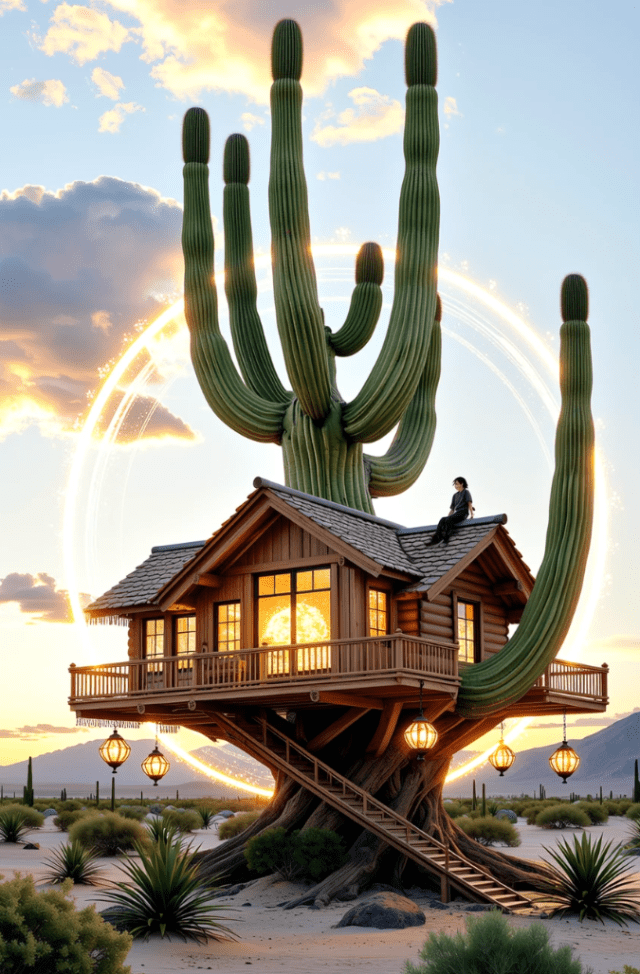
Here’s where most folks — even seasoned homesteaders — stumble: zoning is local, not state‑wide. Arizona doesn’t have a single law that gives tiny homes a free pass anywhere. Instead, zoning depends on city or county ordinances — and those vary like desert terrain.
Three Key Paths Tiny Homes Are Often Classified:
- Primary Residence on a Foundation
If your tiny home is on a permanent foundation and meets the local building code for dwellings, you may be able to treat it like any other house — but only if zoning allows smaller structures. - Accessory Dwelling Unit (ADU)
Many cities are now incorporating ADUs into their codes. These are secondary living spaces on a lot that already has a primary home. ADUs are often the best tiny home fit in metro areas. - Tiny Home on Wheels (THOW)
These are typically treated as vehicles or RVs, which can create both opportunity and roadblocks:- Allowed as temporary dwellings in RV parks
- Allowed on private property with specific RV use zoning
- Sometimes outright forbidden as a full‑time residence
County vs City — Mostly the County Calls the Shots Outside Metro Areas
If you’re considering rural land — say in Yavapai, Cochise, or Coconino counties — you’ll find that zoning can be more flexible, but not automatically welcoming. Most rural codes still require:
✔ septic systems
✔ well or water access
✔ stormwater plans
✔ setbacks and access roads
The smart strategy? Start with the county planner — before you buy — not after. I can’t stress that enough. Having a parcel that sounds perfect and then finding out it’s zoning hostile is like finding water in the desert — only to realize it’s a mirage.
Cost of Land in Arizona — Real‑Deal Numbers You Need 💰
Arizona’s land costs vary wildly depending on who’s asking and where they’re looking — and learning this early will keep your budget realistic.
Typical Price Patterns
📍 Rural Counties (e.g., Apache, Navajo, Mohave)
Land here can be affordable — sometimes just a few thousand dollars per acre — but that can come with tradeoffs: lack of utilities, remote access, and challenging terrain.
📍 Transition Zones (e.g., Prescott, Flagstaff Outskirts, Show Low)
These areas offer a sweet spot — decent access, lower land costs than metro, and more tolerance for non‑traditional housing.
📍 Metro Fringe (Phoenix and Tucson outskirts)
Expect land prices to climb fast as proximity to city services increases. Tiny dreams are possible — but the land bill can quickly outgrow the tiny house budget.
📍 City and Suburban Parcels
Here’s where passion and finances split. Small lots inside city limits may cost more than your tiny home build itself — especially near popular neighborhoods.
Don’t Forget the Extras
Owning land isn’t just the purchase price. For tiny off‑grid success you must plan and budget for:
🔹 Well drilling or water access
🔹 Septic or composting systems
🔹 Electric tie‑ins or solar + battery systems
🔹 Road and driveway access
🔹 Permits and inspections
Real talk: even low‑cost land can turn into a pricier project if none of those essentials are in place.
Climate Considerations — Arizona Throws Everything at You 🌞🌵
Arizona’s climate is not gentle — but it rewards preparation.
Low Desert (Phoenix, Tucson, Yuma)
– Scorching summers
– Low humidity
– Big swings between day and night temps
– Flash floods possible
Your tiny home needs: brilliant insulation, reflective roofing, deep shade solutions, and real cooling plans — because battles with triple‑digit heat aren’t won by hope alone.
High Desert & Mountains (Prescott, Flagstaff, Payson)
– Cooler summers
– Cold winters with snow
– Dramatic weather shifts
This is where tiny homes can really shine if you build with climate in mind — proper insulation, passive solar, wood stoves, and solid roofing.
Survivalist Setup Essentials
Wherever you are:
✔ Start with a strong foundation or tie‑downs — wind and monsoon storms are real.
✔ Orient your home for shade in summer and sun in winter.
✔ Choose materials that handle UV, wind, sand, and temperature swings.
✔ Think water first — rainwater capture and storage can save you in dry months.
Brooke Homestead’s Final Thoughts

Arizona isn’t a tiny home fairy tale. It’s a wild frontier with opportunity, if you come prepared, informed, and realistic.
✔ Prescott is a standout city — approachable, friendly, and tiny‑home ready.
✔ Phoenix and Scottsdale are beautiful, expensive, and rigid — not impossible, but tougher than they look.
✔ Zoning laws are local — your success depends on where you step and how well you plan.
✔ Land costs vary dramatically — rural broad acres versus metro bite‑size lots.
✔ Climate is a teacher: respect it, and your tiny home will thrive.
Tiny living isn’t about shrinking your life — it’s about amplifying your freedom. Arizona can be that amplifier, but you need planning, patience, and practical know‑how.
You’ve got the roadmap — now go build something resilient.
— Brooke Homestead