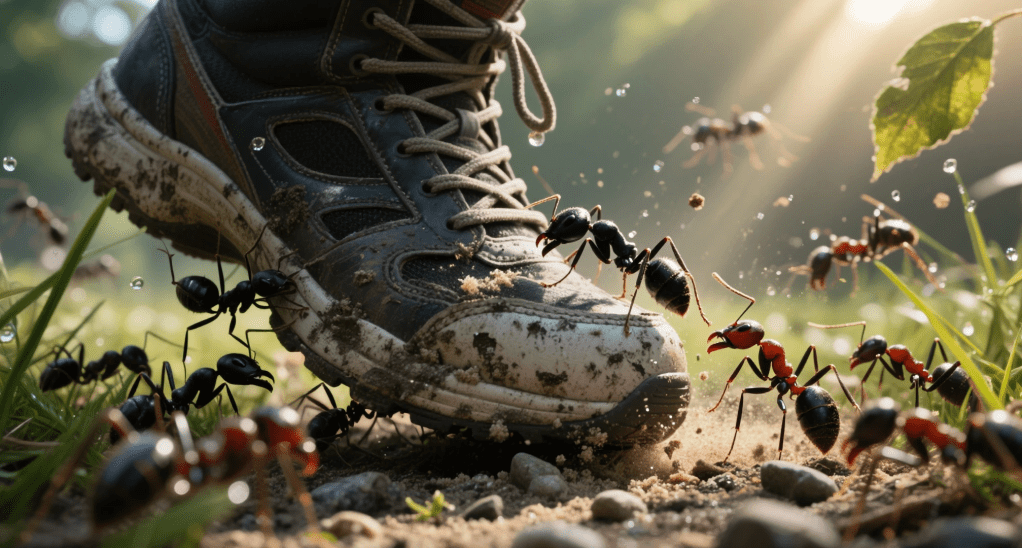
Six-Legged Nightmares of Arkansas: The Bugs That Can Kill You and How to Outsmart Them

Ladies and gentlemen, boys and girls, preppers and porch-sitters—pull up a chair, grab yourself a glass of sweet tea (or something stronger if you’ve already been bitten), and let ol’ Uncle Survival here tell you a little something about Arkansas insects.

Now I don’t want to alarm you—this is not a panic article. This is an informed panic article. The kind where we laugh nervously while checking our socks for ticks and slapping our arms like we owe mosquitoes money.

Arkansas is a beautiful state. We’ve got forests, rivers, lakes, trails, hills, hollers, and enough humidity to make you feel like you’re wearing the atmosphere as a sweater. But nature, as we all know, does not hand out beauty without also slipping a few six-legged assassins into the mix.

These insects are small. They are quiet. They do not pay rent. And under the wrong conditions, they can absolutely, positively, no-foolin’, end your life.

Now before you write me an angry letter saying, “Sir, I have lived here 40 years and ain’t never been killed by a bug,” I remind you—neither has anyone who got killed by one. They are not available for comment.

So let’s talk about the most dangerous insects in Arkansas, how they can kill you, and—most importantly—how to survive them using preparation, common sense, and just a pinch of good old-fashioned paranoia.


A Quick Reality Check (and a Legal-Style Disclaimer)

First things first:
Not every insect on this list will kill you directly. Some carry diseases. Some cause severe allergic reactions. Some just open the door and let bacteria walk right in like they own the place.

Second:
Yes, I know spiders and ticks are technically arachnids, not insects. If that bothers you, I invite you to take it up with nature. They still bite, they still hurt you, and they still ruin camping trips, so they’re getting honorary insect status today. Consider it a loophole.

Alright. Let’s begin the parade of tiny terrors.


1. Mosquitoes ARE Arkansas’s Deadliest Animal (Yes, Animal)

If mosquitoes had a résumé, it would read:

  • Species: Flying Needle
  • Skills: Stealth, persistence, disease delivery
  • Hobbies: Ruining evenings, spreading illness, breeding in bottle caps

Mosquitoes are not just annoying. They are statistically the deadliest creatures on Earth, and Arkansas is prime mosquito real estate. Warm weather? Check. Standing water? Check. People who forget bug spray? Double check.

Why Mosquitoes Are So Dangerous

Mosquitoes themselves don’t kill you out of spite (although it feels personal). They kill you by acting like tiny hypodermic needles for diseases such as:

  • West Nile Virus
  • Eastern Equine Encephalitis (EEE)
  • St. Louis Encephalitis
  • Zika (rare but possible)

These diseases can cause serious neurological problems, long-term complications, and in rare cases, death—especially in older adults or people with weakened immune systems.

The danger here is not the bite—it’s what comes with the bite. It’s like ordering a sandwich and finding out it comes with a free side of meningitis.

Survival Tips from Your Friendly Neighborhood Prepper

  1. Eliminate Standing Water
    If water sits longer than a bad sitcom rerun, mosquitoes will move in. Dump buckets, clean gutters, flip kiddie pools.
  2. Dress Like a Sensible Nerd
    Long sleeves, long pants, light-colored clothing. Yes, it’s hot. So is a hospital bed.
  3. Use Insect Repellent Properly
    Repellents approved for insect protection are your friends. Apply according to the label. More is not better—you’re not glazing a ham.
  4. Timing Is Everything
    Mosquitoes love dawn and dusk. Plan activities accordingly or bring chemical backup.

2. Ticks Really Are The Slow, Creeping Menace of the Arkansas Woods’

Ticks don’t buzz. They don’t warn you. They don’t even hurt when they bite. Which is exactly why they are terrifying.

Ticks are like that quiet guy at the party who doesn’t say much, but you later find out he’s wanted in three states.

Arkansas is crawling—literally—with ticks, including:

  • Lone Star ticks
  • American dog ticks
  • Blacklegged ticks

Why Ticks Are So Dangerous

Ticks transmit some of the nastiest diseases known to humankind, including:

  • Rocky Mountain Spotted Fever
  • Ehrlichiosis
  • Tularemia
  • Alpha-gal syndrome (which can make you allergic to red meat—cruel and unusual punishment)

These illnesses can cause fever, organ complications, long-term health issues, and yes, in severe untreated cases, death.

The real danger? You often don’t know you’ve been bitten until days later.

Survival Tips (a.k.a. How to Not Become a Tick Buffet)

  1. Check Yourself Like You’re Going Through Airport Security
    After outdoor activity, inspect everything. Scalp, armpits, behind knees, waistband. Ticks are sneaky and have no shame.
  2. Shower Soon After Being Outdoors
    Water won’t kill a tick instantly, but it helps dislodge them and gives you a chance to find hitchhikers early.
  3. Treat Clothing, Not Just Skin
    Certain clothing treatments repel ticks before they ever reach your skin. Think of it as a force field.
  4. Don’t Ignore Symptoms
    Fever, rash, fatigue after a tick bite? Don’t “tough it out.” That’s how ticks win.

3. Fire Ants: Tiny, Angry, and Unionized

Fire ants are proof that size does not equal mercy.

These little red devils don’t just bite—they swarm. You step on one mound, and suddenly you’ve offended the entire ant community, their extended family, and possibly their church group.

Why Fire Ants Are Dangerous

For most people, fire ant stings cause painful welts. For some, especially those with allergies, multiple stings can trigger life-threatening reactions.

Additionally:

  • Large numbers of stings can overwhelm the body
  • Secondary infections can occur
  • Children and elderly individuals are at higher risk

And did I mention they attack in groups? Because they do. They don’t believe in solo missions.

Survival Tips (Don’t Panic—But Also, Panic a Little)

  1. Watch Where You Step
    Especially in open fields, lawns, and near sidewalks. Mounds aren’t decorative.
  2. If Attacked, Move Fast
    Do not stand there arguing with ants. Brush them off quickly and move away.
  3. Know Your Allergies
    If you or someone with you has a known insect sting allergy, preparedness is not optional—it’s essential.
  4. Treat Stings Promptly
    Cleaning and monitoring stings reduces the risk of infection and complications.

4. Nature’s Flying Grudge Holders
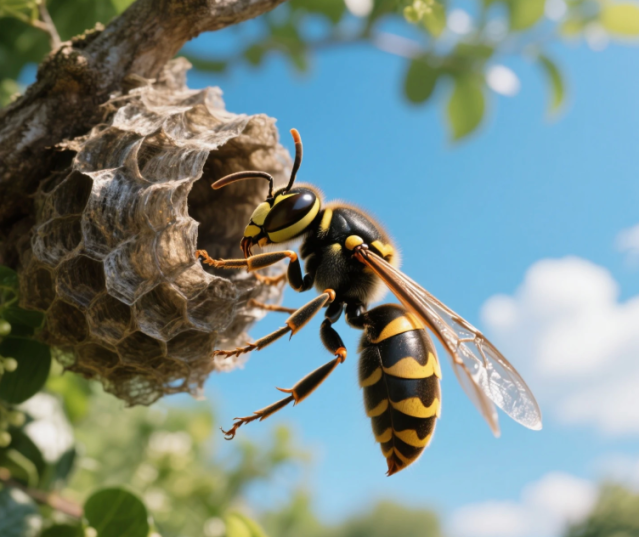
Now I want to be clear: Bees are important. They pollinate crops. They make honey. They are generally minding their own business.

Wasps and hornets, on the other hand, wake up angry.

Arkansas is home to several stinging insects that can cause serious harm, including:

  • Yellowjackets
  • Paper wasps
  • Hornets

Why These Stings Can Be Fatal

For individuals with severe allergies, a single sting can trigger anaphylaxis—a rapid, life-threatening reaction that requires immediate medical attention.

Even without allergies:

  • Multiple stings can be dangerous
  • Stings near the face or throat increase risk
  • Panic can worsen outcomes

Survival Tips (Respect the Buzz)

  1. Do Not Swat First
    Swatting is a declaration of war. Move calmly away.
  2. Avoid Nest Areas
    Under eaves, trees, sheds, and outdoor furniture are popular hangouts.
  3. Keep Food Covered Outdoors
    Wasps love picnics like they paid for the potato salad.
  4. Have a Plan
    Know what to do if someone has a severe reaction. Seconds matter.

5. Kissing Bugs are The Insects With the Romantic Name that Gives Out the Worst Consequences (NOT AIDS)

If you’ve never heard of a kissing bug, congratulations—you were happier five seconds ago.

These insects (also called triatomine bugs) have been found in Arkansas and can carry Chagas disease, a serious illness that can cause long-term heart and digestive problems.

Why Kissing Bugs Are Dangerous

  • They bite near the face while people sleep
  • The disease they can transmit may not show symptoms for years
  • Long-term complications can be severe and life-threatening

They are not common, but when they are involved, the stakes are high.

Survival Tips (Because Sleep Is Hard Enough Already)

  1. Seal Entry Points in Homes
    Screens, cracks, and gaps are open invitations.
  2. Reduce Outdoor Lighting Near Bedrooms
    Lights attract insects, insects attract trouble.
  3. Be Cautious in Rustic or Rural Settings
    Cabins, sheds, and older buildings deserve extra inspection.

6. Fleas: Small, Jumping Disease Packages

Fleas may seem like a pet problem, but historically, they’ve been responsible for some of the worst disease outbreaks known to humanity.

While rare, fleas can carry diseases that are still present in parts of the U.S., including Arkansas.

Why Fleas Are Dangerous

  • They can transmit serious bacterial infections
  • Bites can become infected
  • They spread quickly in untreated environments

Survival Tips (Keep the Jumping Menace at Bay)

  1. Treat Pets Regularly
    Your dog should not be a flea Uber.
  2. Maintain Clean Living Spaces
    Vacuuming isn’t glamorous, but neither is scratching at 3 a.m.
  3. Address Infestations Quickly
    Fleas multiply faster than gossip in a small town.

Last Thoughts from a Slightly Paranoid Prepper Living in Arkansas (SOMETIMES YA WEIRDOS)

Now listen, friend. Arkansas is not out to get you. The insects aren’t plotting in tiny underground bunkers. Most of the time, you and these bugs can coexist peacefully—like neighbors who don’t borrow lawn equipment.

But survival isn’t about fear. It’s about awareness, preparation, and respect for the fact that nature does not care how tough you think you are.

You don’t need to live in a bubble. You just need to:

  • Pay attention
  • Protect yourself
  • Take bites and stings seriously
  • Laugh a little while doing it

Because if you can’t laugh at the idea of being taken out by something the size of a Tic Tac, then honestly, what are we even doing here?

Stay alert. Stay prepared. And for heaven’s sake—check your socks.

Arkansas’s Worst Roads to Drive on During a Disaster

Arkansas’s Worst Roads to Drive on During a Disaster — and How to Survive Them Behind the Wheel

Let me tell you something straight: if you’re driving through Arkansas during a full-blown disaster and you don’t know what you’re doing, you’re not just putting your life at risk—you’re endangering everyone you pass on that broken stretch of asphalt. I’ve spent years roaming every type of terrain from deserts to frozen tundras, and there’s one truth that always holds: your vehicle is either your salvation or your coffin. It all depends on how you drive it—and where.

Arkansas, beautiful and rugged as it is, isn’t exactly known for pristine highway conditions. But throw in a disaster—tornado, flood, winter storm, grid-down blackout, or civil unrest—and those narrow backroads and twisting mountain passes turn into traps. Let’s take a look at the worst places to drive through in Arkansas during a disaster, followed by survival driving skills and DIY hacks that might just save your life.


Arkansas’s Worst Roads During a Disaster

1. Highway 7 (Between Harrison and Russellville)
Picturesque? Absolutely. Safe during a flood or ice storm? Not a chance. Landslides, falling trees, and zero visibility curves make this a deathtrap when the weather turns.

2. Interstate 30 (Little Rock to Texarkana)
This corridor gets clogged fast in any kind of mass evacuation. Throw in overturned trucks, panic drivers, or a fuel shortage, and you’ve got a parking lot with a panic problem.

3. Highway 10 (Near Perryville)
Flooding hits this area hard. The road might still look “passable,” but underneath the water? Washed out culverts and crumbling pavement.

4. Interstate 40 (Especially near the White River crossing)
This stretch turns into a swampy mess when the river floods. Combine that with heavy 18-wheeler traffic and frantic evacuees, and you’re playing roulette with every mile.

5. Scenic Highway 23 – “The Pig Trail”
Don’t let the charming name fool you. During a disaster, those hairpin turns, narrow lanes, and zero guardrails can quickly become lethal.

6. Highway 71 (Between Fayetteville and Fort Smith)
Rockslides, sharp inclines, and over-confident flatlanders trying to “make good time” can clog this route in the worst way.

7. Highway 270 (Hot Springs to Mt. Ida)
Beautiful country, but limited visibility, heavy trees, and zero alternate escape routes. If something blocks your way, you’re boxed in.

8. Highway 67/167 Corridor
One of the busiest roads during evacuations. Potholes, debris, and desperate drivers weaving in and out make it a gauntlet.

9. Highway 49 (Especially near Helena-West Helena)
Low-lying areas flood fast, and that Delta wind can rip through with little warning. If the levees are stressed, it’s game over.

10. County Roads in the Ozarks
These are gravel, often unsigned, and nearly impassable with heavy rain or snow. Don’t depend on GPS—it’ll lead you right into the woods and leave you there.


15 Survival Driving Skills to Get You Out Alive

When it hits the fan, knowing how to actually drive in crisis conditions separates survivors from statistics. Here’s what I’ve learned over three decades of road-running in war zones, wilderness, and wipeouts:

  1. Threshold Braking – Learn to brake without locking your wheels. Keeps control even on wet or icy roads.
  2. Handbrake Turns – When you’ve got to spin the vehicle on a dime in tight quarters (say, boxed in a riot), this old rally trick can be a lifesaver.
  3. Low Gear Hill Descent – Keeps you from skidding downhill like a boulder. Especially critical in the Ozarks.
  4. Off-Road Tire Placement – Know how to straddle ruts and avoid tire-poppers like branches and nails.
  5. Driving Without Power Steering – If your engine dies or belt snaps, you’d better be able to muscle that wheel.
  6. Escape Driving in Reverse – You might need to back out of a tight spot fast. Practice controlled reversing at speed.
  7. Ramming Basics – If you must break through a barricade, hit low and center with controlled speed—not full throttle.
  8. Water Fording Technique – Don’t guess. Know your vehicle’s wading depth, and never cross fast-moving water.
  9. Driving by Compass – When GPS dies and you’re in the woods, compass navigation from map-to-ground is critical.
  10. Driving with Blown Tires – Maintain control, keep speed low, and don’t brake hard. Get to a flat zone fast.
  11. Tire Plugging in the Field – Carry a repair kit and know how to use it. Don’t wait until you’re leaking air 40 miles from help.
  12. Situational Awareness – You need 360° mental coverage at all times. Watch mirrors, scan shoulders, anticipate threats.
  13. Stealth Driving – Kill lights, coast in neutral, and keep RPMs low if you’re avoiding detection.
  14. Fuel Efficiency Driving – Coast where you can, drive 45-55 MPH, and avoid sudden acceleration to extend your fuel range.
  15. Mental Control Under Pressure – Might not seem like a “skill,” but it’s what separates panic from execution. Breathe, focus, adapt.

3 DIY Survival Driving Hacks When You Run Out of Gas

Sometimes, despite your planning, you’ll run dry. Maybe fuel’s gone, maybe your tank’s been siphoned while you slept. Here are three field hacks that can help you squeeze a few more miles—or at least survive the walk.

1. Alcohol Stove Siphon Burner (Emergency Siphon Booster)
If you’ve got denatured alcohol, Everclear, or even high-proof liquor, you can rig a small burner under your intake pipe (carefully) to vaporize trace gasoline and create enough vapor pressure to nudge the engine over. Crude? Absolutely. But I’ve seen it work.

2. Campfire Carb Heat Trick
If you’re stuck and the engine’s too cold to vaporize remaining fuel (especially in old carb models), build a small fire nearby and redirect heat with a metal plate toward the engine block. Don’t overdo it—you want warmth, not ignition.

3. Gravity Feed from Spare Canister
Bypassing the fuel pump entirely with a gravity-feed line can give older vehicles a few extra miles. Hang the spare can higher than the fuel intake, use a clear hose and basic valve to control flow. Works best on low-pressure systems.


Final Thoughts from the Road

You don’t need to be a Navy SEAL or a Mad Max road warrior to survive behind the wheel during a disaster. What you do need is planning, experience, and the will to stay calm under fire. Don’t depend on luck. Don’t rely on rescue. When the road disappears, the GPS dies, and the fuel gauge hits E—you’ll wish you knew every one of these tips by heart.

Arkansas is a land of beauty, but beauty doesn’t mean mercy. The roads here can be cruel, especially when nature—or society—turns hostile. Keep your tank full, your eyes sharp, and your instincts sharper. Out here, survival favors the prepared.


Beware: These Arkansas Trails Will Test Your Limits and Push You to Survive

Let me make one thing crystal clear: not all hikes are created equal. Some are walk-in-the-park strolls for tourists and yoga influencers with sparkling water bottles. And then there are trails—the kind that don’t just challenge you physically, they demand your respect. These trails grab you by the collar, stare you in the eye, and ask: Are you built for this? If you’re not, Arkansas will chew you up and spit you out.

I’ve spent decades hiking, climbing, surviving off-grid, and prepping for whatever the world throws at me. I don’t do easy, and I sure as hell don’t do predictable. That’s why I keep coming back to Arkansas. The Natural State hides some of the gnarliest, most breathtaking backcountry paths in the entire U.S., and trust me—they’re not for the faint of heart.

These 20 trails will test your limits. They’ll soak your gear, blister your feet, and if you’re not paying attention, they’ll leave you wondering how to get back before dark. But if you’re the kind of person who feels most alive on the edge, if you crave grit, sweat, and raw, wild beauty—then read on.


1. Eagle Rock Loop (Ouachita National Forest)

26.8 miles
This is the crown jewel for survival junkies like me. River crossings, elevation gain, isolation—it has it all. You’ll wade through creeks and scramble up switchbacks. There are spots where cell service is a myth. You want remote? You got it.

2. Buffalo River Trail (Upper Segment)

37 miles (multi-day)
This trail punches hard. Rugged ridgelines and panoramic bluffs tower over the Buffalo River. Water access and camping spots are scattered, but if you mess up your resupply or underestimate the terrain, you’ll regret it.

3. Ozark Highlands Trail

165 miles total
This monster snakes through the heart of the Ozarks. Tackle it in sections or go all-in. Be ready for long, desolate stretches. Water filtration becomes critical. Good boots and better instincts are non-negotiable.

4. Hemmed-In Hollow Trail

5 miles (round trip)
It sounds short, but don’t be fooled. This hike drops over 1,200 feet into a canyon before climbing right back out. The falls are the tallest between the Rockies and Appalachians, but you’ll earn that view with sweat.

5. White Rock Rim Trail

2.3 miles
Don’t let the distance trick you. The trail skirts the edge of White Rock Mountain, offering dizzying cliffside views. In icy or windy conditions, one wrong step is all it takes. Bring layers, and watch that footing.

6. Athens-Big Fork Trail (within Eagle Rock Loop)

10.5 miles (intense elevation)
Eight steep ridgelines. Eight. You’ll curse every ascent, then breathe in views that remind you why you hike. This trail is a lung-buster and a leg-destroyer. Perfect.

7. Indian Rockhouse Trail

3.5 miles
History and wilderness collide here. Caves, waterfalls, and a descent into a box canyon give you plenty to explore. But be warned: this trail turns slick in the rain. Know your traction limits.

8. Lost Valley Trail

2.1 miles
This is Arkansas’s siren song. Easy enough for tourists to attempt, but filled with surprises for preppers: caves, waterfalls, and a bluff shelter once used by Native Americans. Bring a headlamp if you plan to explore the caverns.

9. Pigeon Roost Trail (Hobbs State Park)

8.5 miles loop
Don’t expect luxury here—just you, the trees, and the path. Minimal facilities mean you pack it in and pack it out. A great solo overnighter with terrain that’ll test your pacing and pack weight strategy.

10. Whitaker Point (Hawksbill Crag)

2.9 miles
Instagram loves this place—but the photos don’t show the narrow ledges, loose gravel, and sheer drop-offs. It’s beautiful, yes, but stay alert. One misstep on the crag and it’s a long way down.

11. Pedestal Rocks Loop Trail

4.6 miles
Pedestal rocks and natural arches are your reward—if you make it. This area is remote, with poor signage and plenty of chances to wander off trail. Keep your compass or GPS handy.

12. Lake Ouachita Vista Trail (LOViT)

45 miles total
A multi-day trek with vistas that’ll burn into your memory. Elevation changes are deceptive, and heat is a real threat in summer. Hydrate and ration intelligently.

13. Bear Cave Trail (Petit Jean State Park)

0.5 miles
Short but packed with giant boulders, crevices, and hideaways. Excellent for honing your navigation and close-quarters movement—think of it as survival training in a natural obstacle course.

14. Butterfield Hiking Trail

15 miles loop
Located in Devil’s Den State Park, this loop tests your endurance and navigation. In wet seasons, the trail turns into a swampy mess. Expect to get muddy, and embrace it.

15. Signal Hill Trail (Mount Magazine)

1.8 miles
Arkansas’s highest point. Not grueling in distance, but exposure and elevation can slap you if you’re underdressed or unprepared. A foggy summit? It happens. Bring your bearings.

16. Seven Hollows Trail (Petit Jean State Park)

4.5 miles
Natural bridges, grottos, and steep-sided hollows make for a wild adventure. Wildlife is active here—keep your eyes peeled for snakes, especially copperheads on sun-warmed rocks.

17. Falls Branch Trail (Lake Catherine State Park)

2 miles
Start out scenic, then hit a rocky stretch near the falls. Slippery footing has sent more than one hiker tumbling. This one’s a wet-weather nightmare if you’re not prepared.

18. Kings Bluff and Pedestal Rocks Scenic Area

Multiple trails totaling 5+ miles
What starts as a scenic hike becomes a bushwhacking challenge if you stray off the main loop. Easy to get turned around—ideal for compass work and situational awareness drills.

19. Glory Hole Falls Trail

1.9 miles
Steep descents and tricky terrain lead to a natural waterfall dropping through solid rock. It’s wild, raw, and gets slick in a heartbeat. Bring trekking poles and waterproof gear.

20. Sylamore Creek Trail

23 miles one-way
It’s long, remote, and changes personality with the season. Some sections are a breeze, others are brutal. Expect stream crossings, thick woods, and total isolation.


Prepper Tips for Surviving Arkansas Trails

I don’t head into the woods without a few basics. Whether it’s a 2-mile trail or a 20-mile slog, treat every trip like you could get stuck overnight:

  • Water Filtration: The rivers and creeks here are beautiful, but never drink raw. I use a Sawyer Mini or Katadyn filter—lightweight and reliable.
  • Map & Compass: GPS is great—until it isn’t. Don’t rely solely on electronics.
  • Layered Clothing: Temps can swing wildly in elevation. Always have a dry base layer.
  • Knife and Firestarter: Two items that could save your life in a survival situation. Don’t skimp.
  • Emergency Shelter: Even a mylar bivvy can keep you alive through a surprise cold snap or storm.
  • First Aid: Snakebite kits, blister treatment, and antiseptic are essentials.

Final Warning

These aren’t just scenic walks in the woods—they’re survival tests disguised as hiking trails. If you underestimate the terrain, weather, or your own limits, you’ll find yourself in trouble fast. But if you prep right, move smart, and embrace the suck… these Arkansas trails will reward you with some of the most epic, soul-stirring experiences you’ll ever have on foot.

So pack your gear, tighten your boots, and enter the wilderness like it’s your proving ground—because out here, it is.