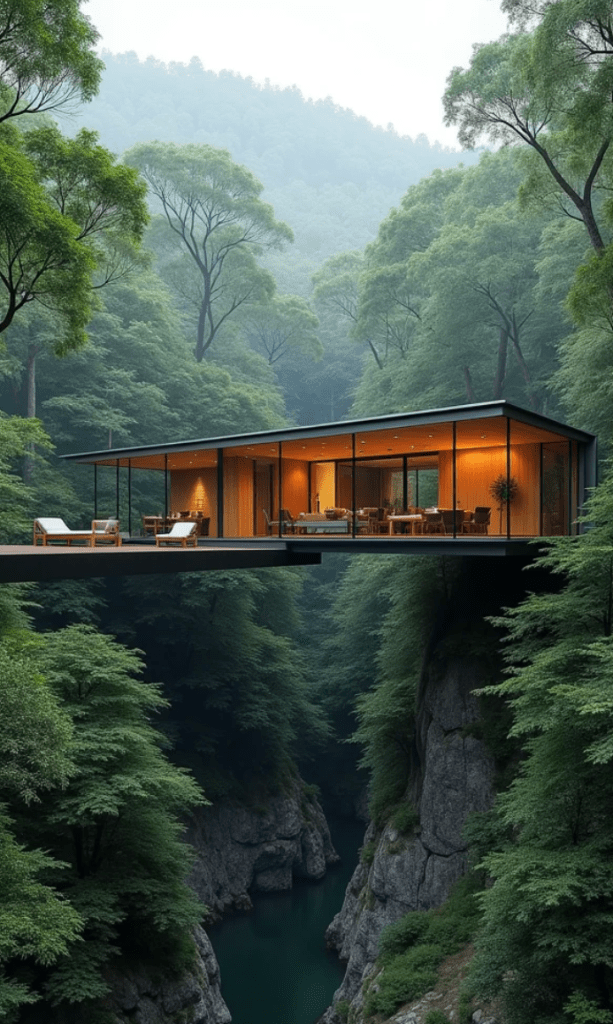
Arkansas Tiny Home Living: The Most Welcoming Towns for Small Spaces
by Brooke Homestead — 2025 Female Survival Prepper of the Year
Arkansas is one of those states that makes tiny home living feel natural. Between the forests, mountains, lakes, and quiet rural towns, it’s a place where simple living still fits the culture. Land is affordable, outdoor life is everywhere, and many communities appreciate practical, self-sufficient lifestyles.
I’m Brooke Homestead, and after years of building tiny homes, experimenting with off-grid systems, and helping others simplify their homes, I’ve learned that Arkansas has some surprisingly welcoming places for small-space living. If you’re dreaming about a cozy cabin-sized home surrounded by trees and fresh air, this state might just be the perfect fit.
Let’s explore the Arkansas towns that work best for tiny homes, the zoning realities you should know, and how to plan for the state’s climate.
Most Welcoming Towns for Tiny Homes: Fayetteville and Mountain Home
Fayetteville — Progressive Culture Meets Outdoor Living
Fayetteville is one of the most tiny-home-friendly areas in the state, thanks to its progressive culture and access to the Ozarks.
Why Fayetteville stands out:
Open-minded community: As a university town, Fayetteville attracts people interested in sustainability, minimalism, and alternative housing options.
ADU opportunities: The city has gradually expanded rules allowing Accessory Dwelling Units (ADUs) in certain residential zones.
Rural land nearby: Just outside the city limits in Washington County, small homes on private land are much easier to place.
Land prices: Rural parcels generally range from $25,000–$60,000 per acre depending on utilities and terrain.
💡 Brooke Tip: Look at wooded parcels 10–20 minutes outside town. You’ll often get privacy, wildlife, and enough space for gardens or solar panels.
And if you love hiking, mountain biking, and rivers, the Ozark lifestyle pairs beautifully with tiny home living.
Mountain Home — Affordable Land and Lake Country Living
Mountain Home is a hidden gem for people looking for peaceful tiny home living in northern Arkansas.
Located near beautiful lakes and rolling hills, this town offers:
Affordable rural land: Parcels in Baxter County often range from $15,000–$40,000 per acre, making it one of the most budget-friendly regions in the state.
Relaxed rural zoning: Areas outside the town center typically allow small homes more easily than larger cities.
Outdoor paradise: Nearby lakes, forests, and fishing areas support a self-reliant, outdoor-focused lifestyle.
Brooke Survival Insight: Places like Mountain Home are fantastic for off-grid experiments — solar power, rainwater systems, and food gardening all fit right into the landscape.
For people seeking quiet, simplicity, and nature, this region can be a tiny home dream.
More Challenging Areas: Little Rock and Northwest Suburbs
Some parts of Arkansas are less friendly to very small homes.
Little Rock Metro Area
Little Rock has stricter residential building requirements compared to rural parts of the state.
Challenges include:
- Minimum square footage rules in many neighborhoods
- Higher land prices within city limits
- Urban zoning restrictions
Tiny homes here are most commonly allowed as ADUs rather than primary residences.
Rapidly Growing Suburbs
Cities such as Bentonville and Rogers have booming development, which can make tiny homes harder to place.
While these areas are economically thriving, they often have:
- Master-planned neighborhoods
- HOA restrictions
- Higher property values
💡 Brooke Tip: If you love Northwest Arkansas but want tiny home freedom, search just outside city limits in rural counties.
Zoning Laws in Arkansas — What Tiny Home Builders Should Know
Arkansas does not have a statewide law specifically regulating tiny homes. Instead, counties and municipalities control zoning and building rules.
Typical situations include:
Accessory Dwelling Units (ADUs):
Some cities allow backyard cottages ranging from 300–600 sq. ft., usually with permits.
Tiny Homes on Wheels (THOWs):
Often treated as RVs and permitted mainly in RV parks or on private rural land.
Foundation-Based Tiny Homes:
Must meet Arkansas residential building codes, including plumbing, electrical, and structural standards.
Brooke Advice: Always confirm zoning before buying land. Rural counties may allow tiny homes freely, while nearby cities may enforce minimum house sizes.
Cost of Land in Arkansas — Budget-Friendly Tiny Living
One reason Arkansas attracts tiny home builders is its relatively low land prices.
Typical ranges include:
- Fayetteville outskirts: $25,000–$60,000 per acre
- Mountain Home rural areas: $15,000–$40,000 per acre
- Little Rock metro: $60,000+ for residential lots
- Small Ozark towns: $10,000–$30,000 per acre
Additional setup costs may include:
- Well installation
- Septic systems
- Driveway construction
- Solar or generator power systems
Climate Considerations — Arkansas Weather for Tiny Homes
Arkansas has a humid subtropical climate, which impacts tiny home design.
Summer:
Hot and humid — strong ventilation and cooling systems are essential.
Winter:
Generally mild but can bring occasional cold snaps.
Storms:
Severe thunderstorms and occasional tornadoes occur in spring and early summer.
Rain:
Arkansas receives significant rainfall, so drainage and roof design matter.
Brooke Survival Insight: Tiny homes benefit from excellent insulation and strong anchoring systems to handle storms and seasonal weather swings.
Brooke Homestead’s Final Thoughts About Arkansas Tiny Home Living

Arkansas offers a wonderful environment for people who want to live small but live well.
Best towns for tiny homes:
- Fayetteville for progressive attitudes and access to the Ozarks
- Mountain Home for affordability and quiet rural living
More challenging areas:
- Little Rock due to urban zoning rules
- Growing suburbs like Bentonville and Rogers with stricter developments
With its forests, lakes, and welcoming rural communities, Arkansas is a place where tiny home living can feel practical, peaceful, and deeply connected to nature.
Small homes fit right into the state’s culture of independence and outdoor living. With the right town and careful planning, you can create a comfortable tiny space surrounded by mountains, rivers, and quiet country roads.