
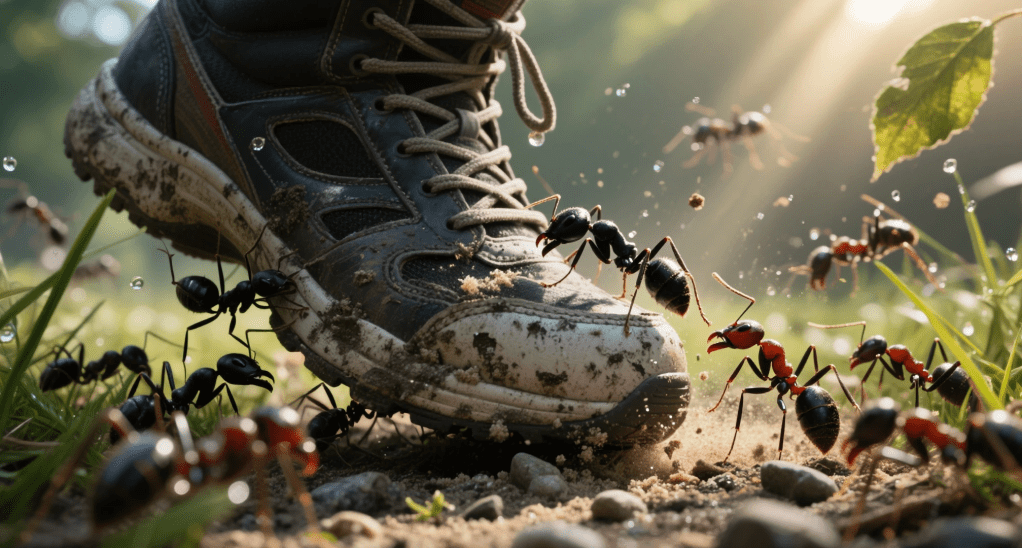
Ladies and gentlemen, boys and girls, preppers and porch-sitters—pull up a chair, grab yourself a glass of sweet tea (or something stronger if you’ve already been bitten), and let ol’ Uncle Survival here tell you a little something about Arkansas insects.
Now I don’t want to alarm you—this is not a panic article. This is an informed panic article. The kind where we laugh nervously while checking our socks for ticks and slapping our arms like we owe mosquitoes money.
Arkansas is a beautiful state. We’ve got forests, rivers, lakes, trails, hills, hollers, and enough humidity to make you feel like you’re wearing the atmosphere as a sweater. But nature, as we all know, does not hand out beauty without also slipping a few six-legged assassins into the mix.
These insects are small. They are quiet. They do not pay rent. And under the wrong conditions, they can absolutely, positively, no-foolin’, end your life.
Now before you write me an angry letter saying, “Sir, I have lived here 40 years and ain’t never been killed by a bug,” I remind you—neither has anyone who got killed by one. They are not available for comment.
So let’s talk about the most dangerous insects in Arkansas, how they can kill you, and—most importantly—how to survive them using preparation, common sense, and just a pinch of good old-fashioned paranoia.
A Quick Reality Check (and a Legal-Style Disclaimer)

First things first:
Not every insect on this list will kill you directly. Some carry diseases. Some cause severe allergic reactions. Some just open the door and let bacteria walk right in like they own the place.
Second:
Yes, I know spiders and ticks are technically arachnids, not insects. If that bothers you, I invite you to take it up with nature. They still bite, they still hurt you, and they still ruin camping trips, so they’re getting honorary insect status today. Consider it a loophole.
Alright. Let’s begin the parade of tiny terrors.
1. Mosquitoes ARE Arkansas’s Deadliest Animal (Yes, Animal)

If mosquitoes had a résumé, it would read:
- Species: Flying Needle
- Skills: Stealth, persistence, disease delivery
- Hobbies: Ruining evenings, spreading illness, breeding in bottle caps
Mosquitoes are not just annoying. They are statistically the deadliest creatures on Earth, and Arkansas is prime mosquito real estate. Warm weather? Check. Standing water? Check. People who forget bug spray? Double check.
Why Mosquitoes Are So Dangerous
Mosquitoes themselves don’t kill you out of spite (although it feels personal). They kill you by acting like tiny hypodermic needles for diseases such as:
- West Nile Virus
- Eastern Equine Encephalitis (EEE)
- St. Louis Encephalitis
- Zika (rare but possible)
These diseases can cause serious neurological problems, long-term complications, and in rare cases, death—especially in older adults or people with weakened immune systems.
The danger here is not the bite—it’s what comes with the bite. It’s like ordering a sandwich and finding out it comes with a free side of meningitis.
Survival Tips from Your Friendly Neighborhood Prepper
- Eliminate Standing Water
If water sits longer than a bad sitcom rerun, mosquitoes will move in. Dump buckets, clean gutters, flip kiddie pools. - Dress Like a Sensible Nerd
Long sleeves, long pants, light-colored clothing. Yes, it’s hot. So is a hospital bed. - Use Insect Repellent Properly
Repellents approved for insect protection are your friends. Apply according to the label. More is not better—you’re not glazing a ham. - Timing Is Everything
Mosquitoes love dawn and dusk. Plan activities accordingly or bring chemical backup.
2. Ticks Really Are The Slow, Creeping Menace of the Arkansas Woods’
Ticks don’t buzz. They don’t warn you. They don’t even hurt when they bite. Which is exactly why they are terrifying.
Ticks are like that quiet guy at the party who doesn’t say much, but you later find out he’s wanted in three states.
Arkansas is crawling—literally—with ticks, including:
- Lone Star ticks
- American dog ticks
- Blacklegged ticks
Why Ticks Are So Dangerous
Ticks transmit some of the nastiest diseases known to humankind, including:
- Rocky Mountain Spotted Fever
- Ehrlichiosis
- Tularemia
- Alpha-gal syndrome (which can make you allergic to red meat—cruel and unusual punishment)
These illnesses can cause fever, organ complications, long-term health issues, and yes, in severe untreated cases, death.
The real danger? You often don’t know you’ve been bitten until days later.
Survival Tips (a.k.a. How to Not Become a Tick Buffet)
- Check Yourself Like You’re Going Through Airport Security
After outdoor activity, inspect everything. Scalp, armpits, behind knees, waistband. Ticks are sneaky and have no shame. - Shower Soon After Being Outdoors
Water won’t kill a tick instantly, but it helps dislodge them and gives you a chance to find hitchhikers early. - Treat Clothing, Not Just Skin
Certain clothing treatments repel ticks before they ever reach your skin. Think of it as a force field. - Don’t Ignore Symptoms
Fever, rash, fatigue after a tick bite? Don’t “tough it out.” That’s how ticks win.
3. Fire Ants: Tiny, Angry, and Unionized
Fire ants are proof that size does not equal mercy.
These little red devils don’t just bite—they swarm. You step on one mound, and suddenly you’ve offended the entire ant community, their extended family, and possibly their church group.
Why Fire Ants Are Dangerous
For most people, fire ant stings cause painful welts. For some, especially those with allergies, multiple stings can trigger life-threatening reactions.
Additionally:
- Large numbers of stings can overwhelm the body
- Secondary infections can occur
- Children and elderly individuals are at higher risk
And did I mention they attack in groups? Because they do. They don’t believe in solo missions.
Survival Tips (Don’t Panic—But Also, Panic a Little)
- Watch Where You Step
Especially in open fields, lawns, and near sidewalks. Mounds aren’t decorative. - If Attacked, Move Fast
Do not stand there arguing with ants. Brush them off quickly and move away. - Know Your Allergies
If you or someone with you has a known insect sting allergy, preparedness is not optional—it’s essential. - Treat Stings Promptly
Cleaning and monitoring stings reduces the risk of infection and complications.
4. Nature’s Flying Grudge Holders
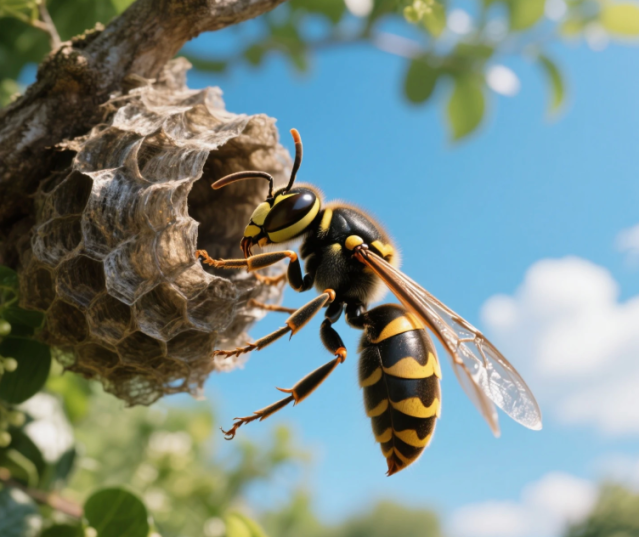
Now I want to be clear: Bees are important. They pollinate crops. They make honey. They are generally minding their own business.
Wasps and hornets, on the other hand, wake up angry.
Arkansas is home to several stinging insects that can cause serious harm, including:
- Yellowjackets
- Paper wasps
- Hornets
Why These Stings Can Be Fatal
For individuals with severe allergies, a single sting can trigger anaphylaxis—a rapid, life-threatening reaction that requires immediate medical attention.
Even without allergies:
- Multiple stings can be dangerous
- Stings near the face or throat increase risk
- Panic can worsen outcomes
Survival Tips (Respect the Buzz)
- Do Not Swat First
Swatting is a declaration of war. Move calmly away. - Avoid Nest Areas
Under eaves, trees, sheds, and outdoor furniture are popular hangouts. - Keep Food Covered Outdoors
Wasps love picnics like they paid for the potato salad. - Have a Plan
Know what to do if someone has a severe reaction. Seconds matter.
5. Kissing Bugs are The Insects With the Romantic Name that Gives Out the Worst Consequences (NOT AIDS)
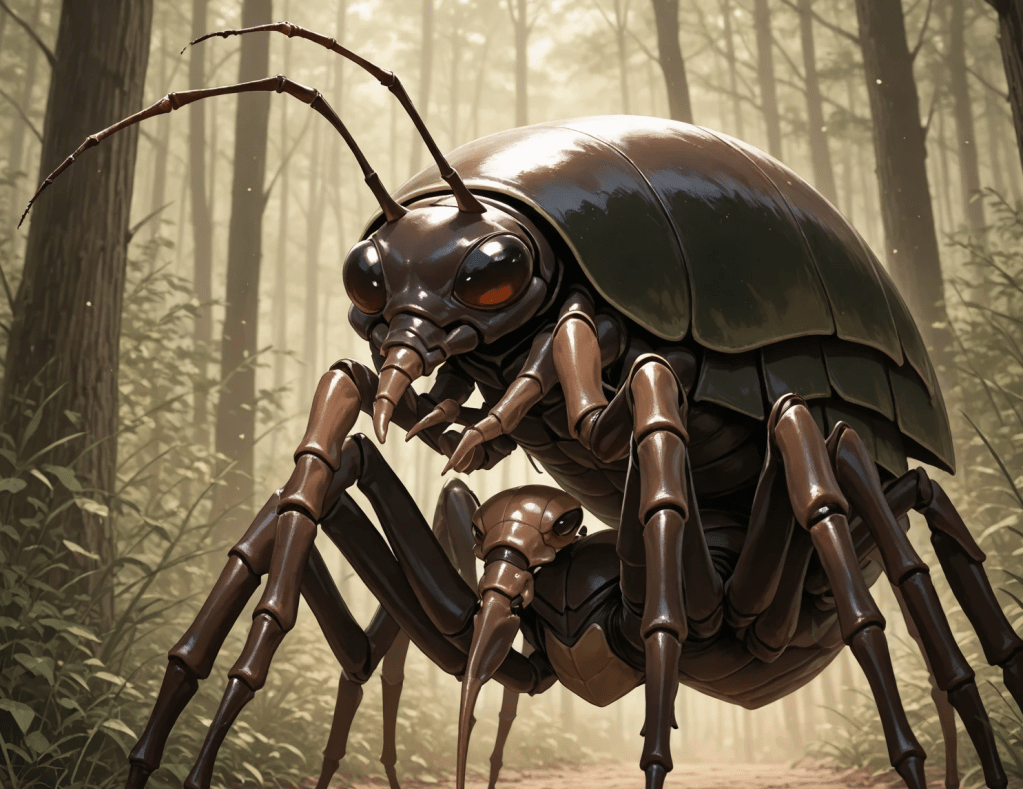
If you’ve never heard of a kissing bug, congratulations—you were happier five seconds ago.
These insects (also called triatomine bugs) have been found in Arkansas and can carry Chagas disease, a serious illness that can cause long-term heart and digestive problems.
Why Kissing Bugs Are Dangerous
- They bite near the face while people sleep
- The disease they can transmit may not show symptoms for years
- Long-term complications can be severe and life-threatening
They are not common, but when they are involved, the stakes are high.
Survival Tips (Because Sleep Is Hard Enough Already)
- Seal Entry Points in Homes
Screens, cracks, and gaps are open invitations. - Reduce Outdoor Lighting Near Bedrooms
Lights attract insects, insects attract trouble. - Be Cautious in Rustic or Rural Settings
Cabins, sheds, and older buildings deserve extra inspection.
6. Fleas: Small, Jumping Disease Packages
Fleas may seem like a pet problem, but historically, they’ve been responsible for some of the worst disease outbreaks known to humanity.
While rare, fleas can carry diseases that are still present in parts of the U.S., including Arkansas.
Why Fleas Are Dangerous
- They can transmit serious bacterial infections
- Bites can become infected
- They spread quickly in untreated environments
Survival Tips (Keep the Jumping Menace at Bay)
- Treat Pets Regularly
Your dog should not be a flea Uber. - Maintain Clean Living Spaces
Vacuuming isn’t glamorous, but neither is scratching at 3 a.m. - Address Infestations Quickly
Fleas multiply faster than gossip in a small town.
Last Thoughts from a Slightly Paranoid Prepper Living in Arkansas (SOMETIMES YA WEIRDOS)

Now listen, friend. Arkansas is not out to get you. The insects aren’t plotting in tiny underground bunkers. Most of the time, you and these bugs can coexist peacefully—like neighbors who don’t borrow lawn equipment.
But survival isn’t about fear. It’s about awareness, preparation, and respect for the fact that nature does not care how tough you think you are.
You don’t need to live in a bubble. You just need to:
- Pay attention
- Protect yourself
- Take bites and stings seriously
- Laugh a little while doing it
Because if you can’t laugh at the idea of being taken out by something the size of a Tic Tac, then honestly, what are we even doing here?
Stay alert. Stay prepared. And for heaven’s sake—check your socks.



 TheDailyChristian