
Tiny Home Living in Colorado: Mountain Towns That Love Small Homes
by Brooke Homestead — 2025 Female Survival Prepper of the Year
Colorado and tiny homes go together like hiking boots and mountain trails. Between the Rocky Mountains, outdoor-focused communities, and a strong culture of sustainability, many Coloradans already embrace the idea that life is better with less space and more freedom.
Of course, mountain living also means navigating zoning rules, winter weather, and sometimes expensive land. I’m Brooke Homestead, and after years of building tiny homes and experimenting with off-grid living, I’ve seen how the right Colorado town can make minimalist living not just possible—but incredibly rewarding.
Let’s take a look at the mountain towns where tiny homes are welcomed and the places where downsizing can be more challenging.
Mountain Towns That Love Tiny Homes: Durango and Salida
Durango — Outdoor Adventure Meets Alternative Living
Durango sits in southwestern Colorado surrounded by mountains, forests, and endless outdoor recreation.
Why Durango works for tiny homes:
Progressive mindset: The town attracts outdoor enthusiasts, environmentalists, and people interested in sustainable housing.
Rural land nearby: Areas outside the city in La Plata County often provide parcels suitable for small homes or cabins.
Adventure-focused lifestyle: Hiking, skiing, rafting, and mountain biking are everyday activities—perfect for people who prefer experiences over square footage.
Land prices: Rural land in the region typically ranges from $80,000–$200,000 per acre, depending on utilities and access.
💡 Brooke Tip: Look just outside city limits where zoning is less strict and properties offer more room for solar panels or gardens.
Living tiny in Durango means waking up with mountain views and spending your days outside instead of maintaining a large house.
Salida — A Tiny Home Pioneer in the Rockies
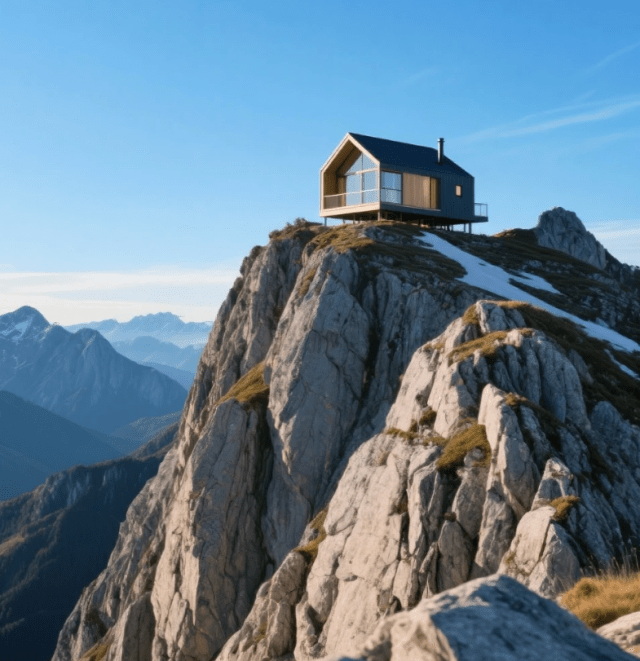
Salida has become one of the most exciting towns in Colorado for tiny home living.
Why Salida stands out:
Tiny home acceptance: The city has explored alternative housing and even supported tiny home communities.
Strong outdoor culture: Located near the Arkansas River and surrounded by mountains, Salida attracts adventurous residents.
Walkable downtown: Restaurants, art galleries, and shops create a lively small-town environment.
Land costs: Properties in Chaffee County generally range from $90,000–$220,000 per acre, depending on location.
Brooke Survival Insight: Salida’s sunny climate is ideal for solar power, which can make off-grid or energy-efficient tiny homes more practical.
For people who want a mountain lifestyle without sacrificing community, Salida is an exciting option.
Mountain Towns Where Tiny Homes Are Tougher: Aspen and Vail
Some of Colorado’s most famous mountain destinations are also the hardest places to build tiny homes.
Aspen
Aspen is one of the most expensive towns in the United States.
Challenges include:
- Extremely high land prices
- Strict zoning rules
- Limited residential development space
Lots can easily exceed $1 million, making tiny homes financially impractical for most buyers.
Vail
Vail presents similar challenges.
Issues include:
- Resort-focused development
- HOA-heavy neighborhoods
- High construction standards
💡 Brooke Tip: If you love the ski-town lifestyle, look for smaller communities 30–60 minutes away where land prices drop significantly.
Zoning Laws in Colorado — Tiny Home Reality
Colorado does not have a single statewide tiny home law, but many communities have begun experimenting with alternative housing.
Common scenarios include:
Accessory Dwelling Units (ADUs):
Some mountain towns allow backyard cottages between 300–800 sq. ft. with proper permits.
Tiny Homes on Wheels (THOWs):
Often treated as RVs and limited to RV parks or designated communities.
Foundation-Based Tiny Homes:
Must meet Colorado residential building codes, including structural standards designed for snow loads.
Brooke Advice: Mountain counties often have unique regulations related to wildfire safety, septic systems, and water access—always confirm rules before purchasing land.
Cost of Land in Colorado Mountain Regions

Land prices vary widely depending on proximity to ski resorts or popular tourist areas.
Typical ranges include:
- Durango area: $80,000–$200,000 per acre
- Salida region: $90,000–$220,000 per acre
- Aspen area: $1,000,000+ per lot
- Smaller rural mountain towns: $50,000–$150,000 per acre
Additional setup costs often include:
- Well drilling
- Septic installation
- Driveway construction in steep terrain
- Solar systems for remote properties
Climate Considerations — Mountain Weather for Tiny Homes
Colorado’s mountain climate requires careful design for small homes.
Winter:
Cold temperatures and heavy snowfall require strong insulation and steep roof designs.
Sun exposure:
High-altitude sunshine is excellent for solar energy systems.
Wildfires:
Many mountain regions require fire-resistant materials.
Wind and storms:
Structures must be well anchored.
Brooke Survival Insight: Tiny homes perform well in cold climates because small spaces heat efficiently—but insulation and airtight construction are essential in mountain environments.
Brooke Homestead’s Final Thoughts About Tiny Home Living in Colorado

Colorado offers some of the most inspiring places in the country for tiny home living—especially if you love mountains and outdoor adventure.
Best mountain towns for tiny homes:
- Durango for outdoor culture and nearby rural land
- Salida for progressive housing ideas and vibrant community life
More difficult locations:
- Aspen due to extreme land prices
- Vail because of resort zoning and expensive property
Tiny home living in Colorado is about freedom, adventure, and waking up surrounded by mountains. With the right town and a well-designed home, a small space can open the door to a big life full of trails, rivers, and wide-open skies.
And in my experience, the best view from a tiny home window is always a mountain sunrise.