Connecticut Tiny Homes: Best Communities for Minimalist Living
by Brooke Homestead — 2025 Female Survival Prepper of the Year
Connecticut might be known for historic towns, colonial architecture, and coastal New England charm, but it’s also quietly becoming an interesting place for minimalist living. While the state has stricter building codes than many rural regions in the U.S., there are still communities where tiny homes and downsized living can work beautifully—especially just outside major cities or in smaller towns.
I’m Brooke Homestead, and after years of building tiny homes and helping people simplify their lives, I’ve learned that the key to tiny living in New England is choosing the right community. Connecticut rewards careful planning with cozy landscapes, four-season beauty, and close-knit towns that make small living feel comfortable and meaningful.
Let’s explore some of the best places in Connecticut for tiny homes, the zoning realities, and how to design for the New England climate.
Best Communities for Tiny Homes in Connecticut: Torrington and New London
Torrington — Small City with Rural Surroundings
Torrington sits in the scenic Litchfield Hills and offers a great balance between small-city services and surrounding rural land.
Why Torrington works well for tiny homes:
Rural properties nearby: Litchfield County has many wooded parcels outside town limits where smaller homes can be placed more easily than in dense urban zones.
Moderate land prices: Rural land in the region typically ranges from $40,000–$90,000 per acre, depending on access to utilities.
Nature-focused living: Forests, trails, and rivers provide a peaceful setting that pairs perfectly with minimalist lifestyles.
💡 Brooke Tip: Look for land just outside town limits where zoning is less restrictive and septic systems are common.
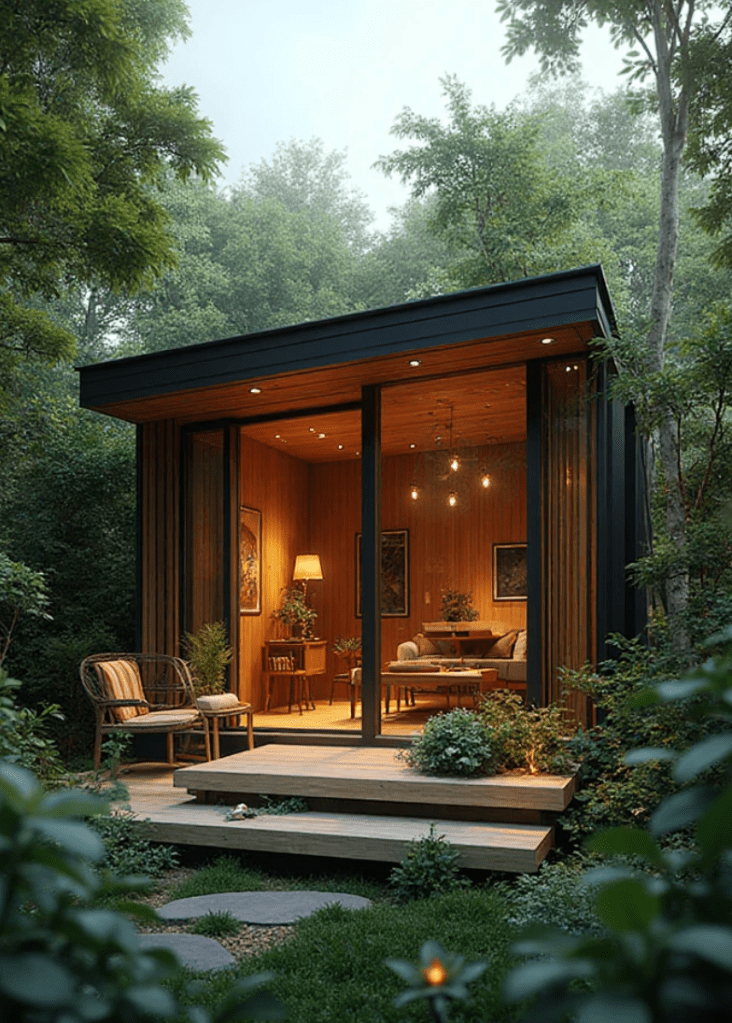
There’s something incredibly cozy about a tiny home tucked into the woods of Connecticut’s hill country.
New London — Coastal Living with Small-Town Character
New London offers a unique mix of historic waterfront charm and smaller residential neighborhoods.
Why New London stands out:
Growing interest in ADUs: Some coastal communities are beginning to allow Accessory Dwelling Units, which can include small cottages or compact homes.
Urban conveniences: Restaurants, shops, and public transit are nearby, making it easier to live small without sacrificing amenities.
Coastal scenery: Being near Long Island Sound adds a beautiful maritime backdrop to everyday life.
Land costs: Residential lots vary widely but often range from $70,000–$150,000 depending on proximity to the waterfront.
Brooke Survival Insight: Coastal New England towns are fantastic for tiny homes if you design carefully for moisture, wind, and winter storms.
More Challenging Areas for Tiny Homes: Hartford & Stamford

Some Connecticut cities are much harder for tiny homes due to zoning and land prices.
Hartford
Hartford has dense urban zoning and strict residential codes.
Challenges include:
- Minimum square footage requirements
- Limited land availability
- Higher permitting requirements
Tiny homes here are most feasible as ADUs behind existing houses rather than standalone primary residences.
Stamford
Stamford sits close to New York City and has one of the most expensive housing markets in the state.
Challenges include:
- High land costs, often $200,000+ for small lots
- Dense suburban zoning
- HOA restrictions in many neighborhoods
💡 Brooke Tip: If you want to live near the NYC corridor, explore smaller inland towns where zoning is more flexible and property costs drop dramatically.
Zoning Laws in Connecticut — Tiny Home Considerations
Connecticut does not have a single statewide tiny home law, and regulations vary widely between towns.
Common situations include:
Accessory Dwelling Units (ADUs):
The state has encouraged municipalities to allow ADUs, often ranging from 300–800 sq. ft. depending on the town.
Tiny Homes on Wheels (THOWs):
Usually classified as RVs and restricted to campgrounds or temporary use.
Foundation-Based Tiny Homes:
Must meet Connecticut’s residential building codes, including insulation requirements suited for cold winters.
Brooke Advice: In New England, local zoning boards play a huge role. Always review town regulations before purchasing land.
Cost of Land in Connecticut — Planning Your Budget
Connecticut land prices are generally higher than many southern or midwestern states, but there are still affordable options in smaller towns.
Typical ranges include:
- Torrington area: $40,000–$90,000 per acre
- Eastern Connecticut rural towns: $35,000–$80,000 per acre
- New London coastal areas: $70,000–$150,000 per lot
- NYC commuter cities: $150,000–$300,000+ per lot
Additional costs often include:
- Septic systems
- Well installation
- Driveway access
- Cold-climate insulation upgrades
Climate Considerations — New England Weather for Tiny Homes
Connecticut’s four-season climate requires careful planning for tiny homes.
Winter:
Cold temperatures and snowfall require strong insulation and efficient heating systems.
Spring:
Rainy conditions mean proper drainage and roof design are essential.
Summer:
Warm and humid periods require good ventilation.
Autumn:
Beautiful but windy storms can occur.
Brooke Survival Insight: In colder climates, tiny homes actually perform well because smaller spaces heat efficiently—but insulation and air sealing must be done right.
Brooke Homestead’s Final Thoughts About Connecticut Tiny Home Living

Connecticut may not be the first state people think of for tiny homes, but with the right town and thoughtful planning, it can be a wonderful place for minimalist living.
Best communities to explore:
- Torrington for rural landscapes and small-city amenities
- New London for coastal charm and growing ADU opportunities
More challenging areas:
- Hartford due to dense zoning
- Stamford because of high land prices and suburban regulations
Tiny home living in Connecticut is about cozy spaces, beautiful seasons, and thoughtful design. With the right community and a well-built small home, you can enjoy New England charm while embracing a simpler, more intentional lifestyle.
And honestly—there’s something magical about a tiny home surrounded by fall foliage and quiet forests.